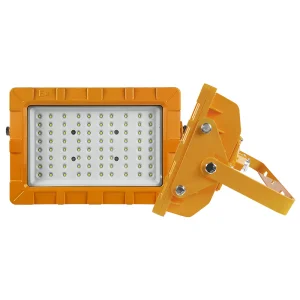
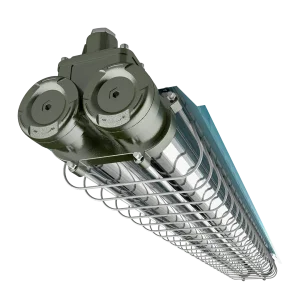
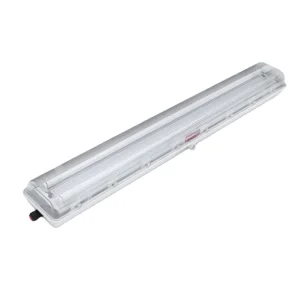
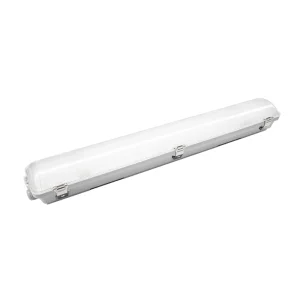
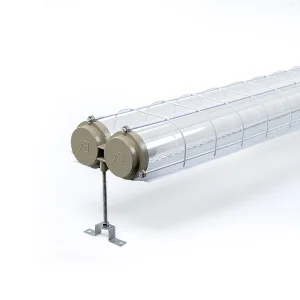
Engineered to comply with PDO (Petroleum Development Oman) safety guidelines and extreme desert thermal limits.
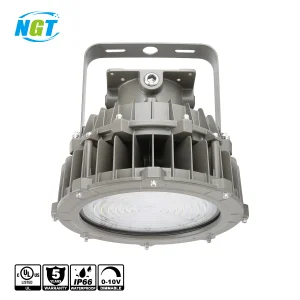
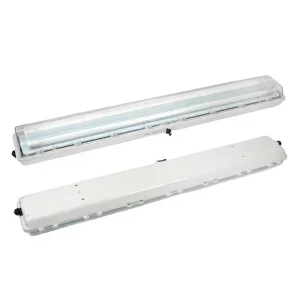
Under the strategic vision of Oman Vision 2040, the Sultanate of Oman is rapidly diversifying its heavy industrial capacity. The growth of industrial hubs like the Special Economic Zone at Duqm (SEZAD), the expansions at the Sohar Port and Industrial Freezone, and the massive petrochemical projects of OQ Group have dramatically increased the national demand for hazardous location electrical equipment.
Unlike standard environments, Omani industrial settings present a confluence of extreme physical challenges. Upstream extraction operations in the Fahud, Nimr, and Amal oilfields require robust explosion-proof lighting that can withstand persistent exposure to corrosive hydrogen sulfide (H2S), ambient temperatures exceeding 55°C, and relentless fine-grain sandstorms. As a result, procurement engineers working for major regional developers such as Petroleum Development Oman (PDO) mandate strict adherence to international safety standards, focusing heavily on ATEX/IECEx Zone 1 and Zone 2 compliance with minimum IP66 ingress protection.
Specialized driver circuitry and heavy-duty heat sinks designed to perform continuously at +55°C without lumen degradation.
Epoxy and polyurethane coating technologies developed to withstand the coastal saline air of Duqm and Sohar.
Full ATEX and IECEx compliance to ease PDO, OQ, and global engineering validation audits.
Modern industrial projects demand more than basic ignition prevention. The integration of high-efficacy LEDs and smart control topologies represents the new benchmark.
Legacy metal halide and sodium vapor lights are being decommissioned globally. High-efficacy LEDs offer up to 70% energy savings and eliminate maintenance cycles in hard-to-reach Zone 1 structures.
Smart hazardous location lighting now supports DALI and wireless control modules, enabling automated emergency testing, dimming, and real-time operational diagnostics.
The lifetime of an LED is inversely proportional to its temperature. Modern explosion-proof fixtures use advanced thermal modeling to keep junction temperatures well below the T-rating threshold.
In global downstream markets, safety officers are moving towards holistic risk reduction models. Industrial lighting must not only prevent external gas ignition (using flameproof Ex d, increased safety Ex e, or restricted breathing Ex nR methodologies) but must also support visual safety. Accurate color rendering (CRI > 80) and glare-free optics significantly reduce onsite human errors, lowering overall incident rates at drilling platforms and chemical refineries.
Bridging decades of advanced research with state-of-the-art production technology.
Jiangsu Lukas Lighting Co., Ltd. was established in 1998 with a strong commitment to innovation, quality, and sustainability in the outdoor lighting industry. Over more than two decades of development, the company has grown into a professional manufacturer specializing in intelligent and energy-efficient street lighting solutions.
With continuous investment in research and development, Lukas Lighting has expanded its product portfolio to include LED street lights, solar street lights, smart lighting systems, landscape lighting, and customized municipal lighting solutions. Our products are widely used in urban roads, highways, industrial parks, residential communities, and public infrastructure projects across global markets.
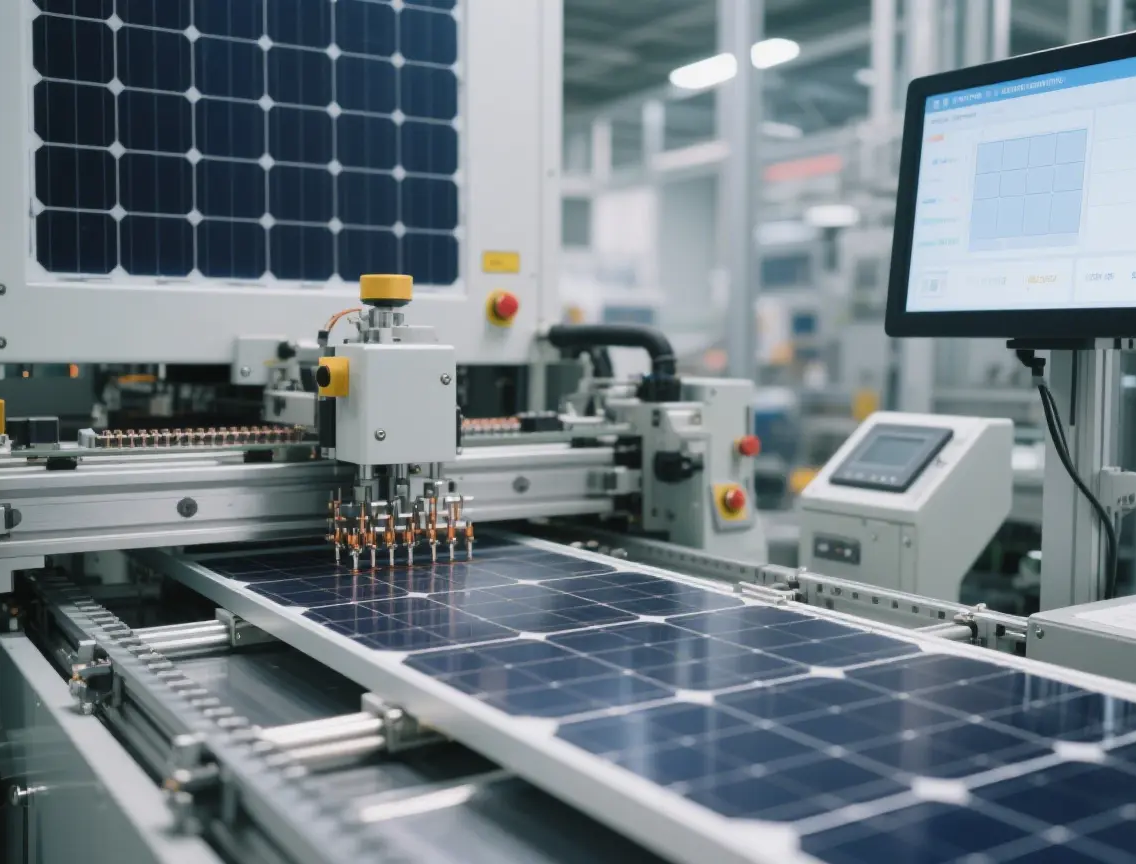
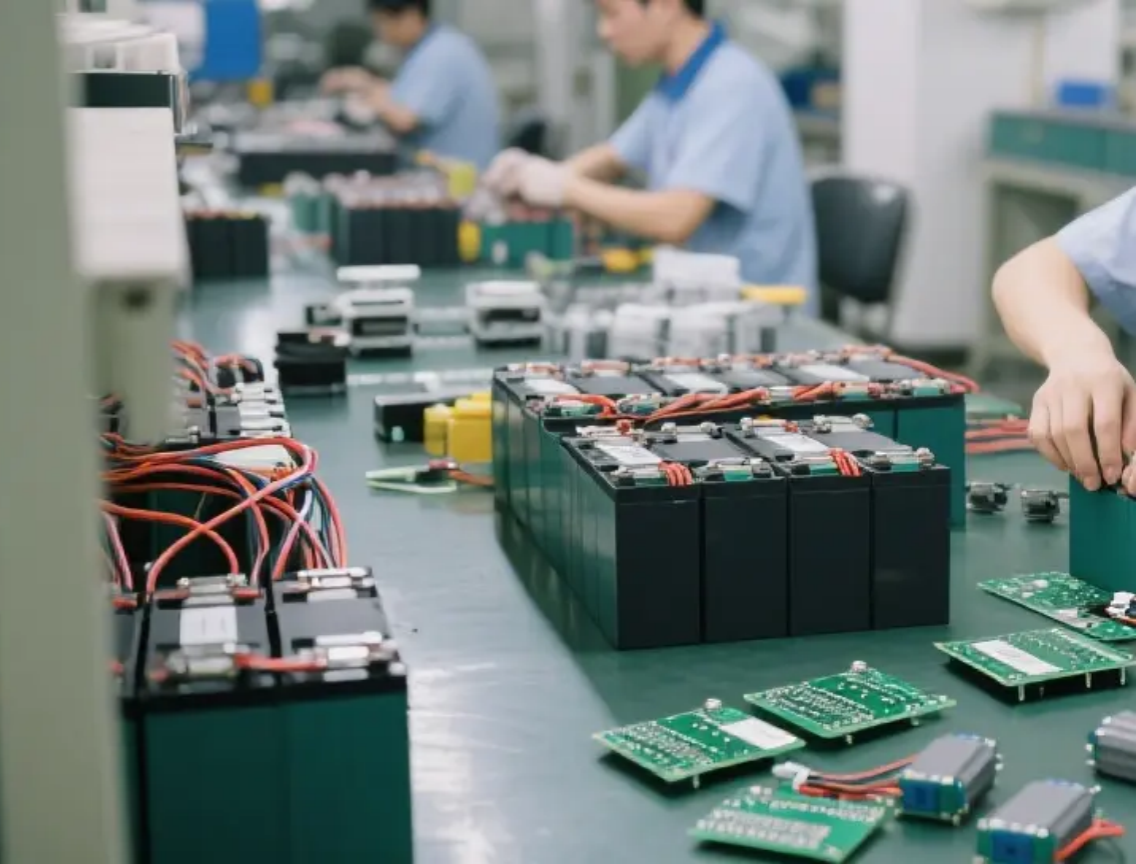
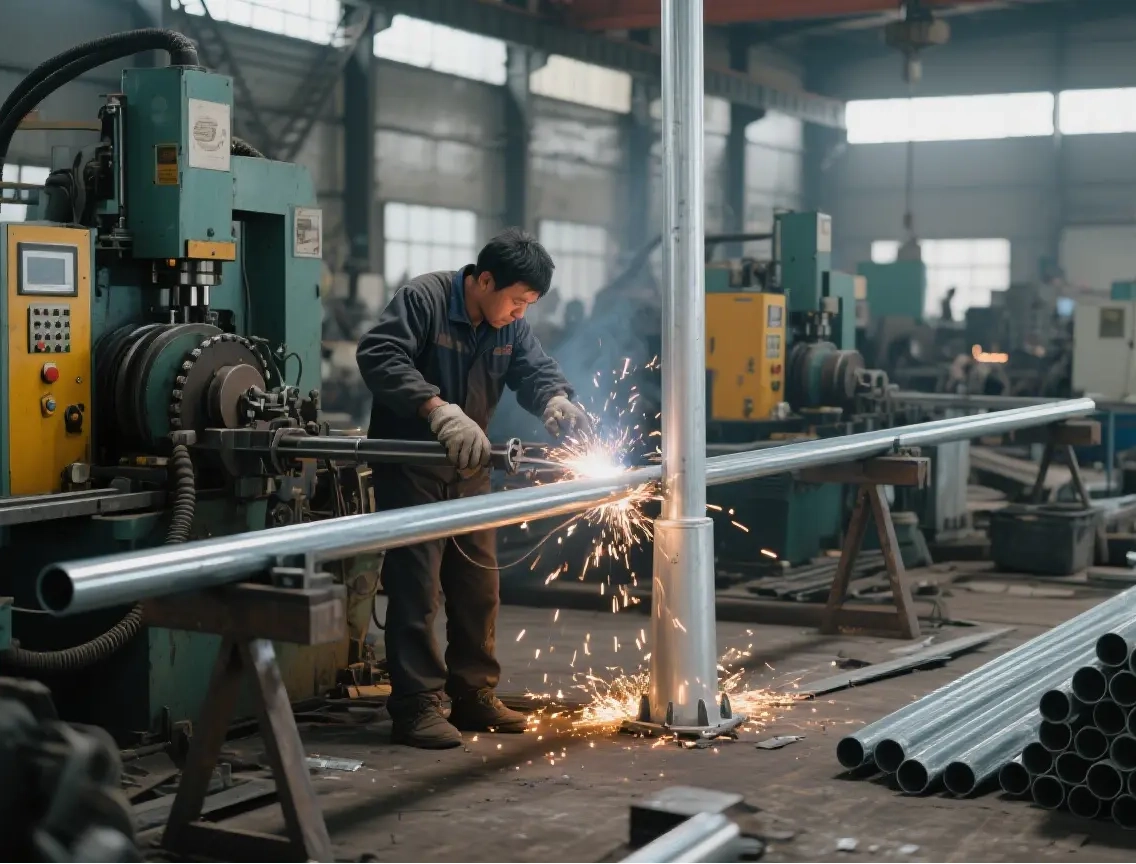
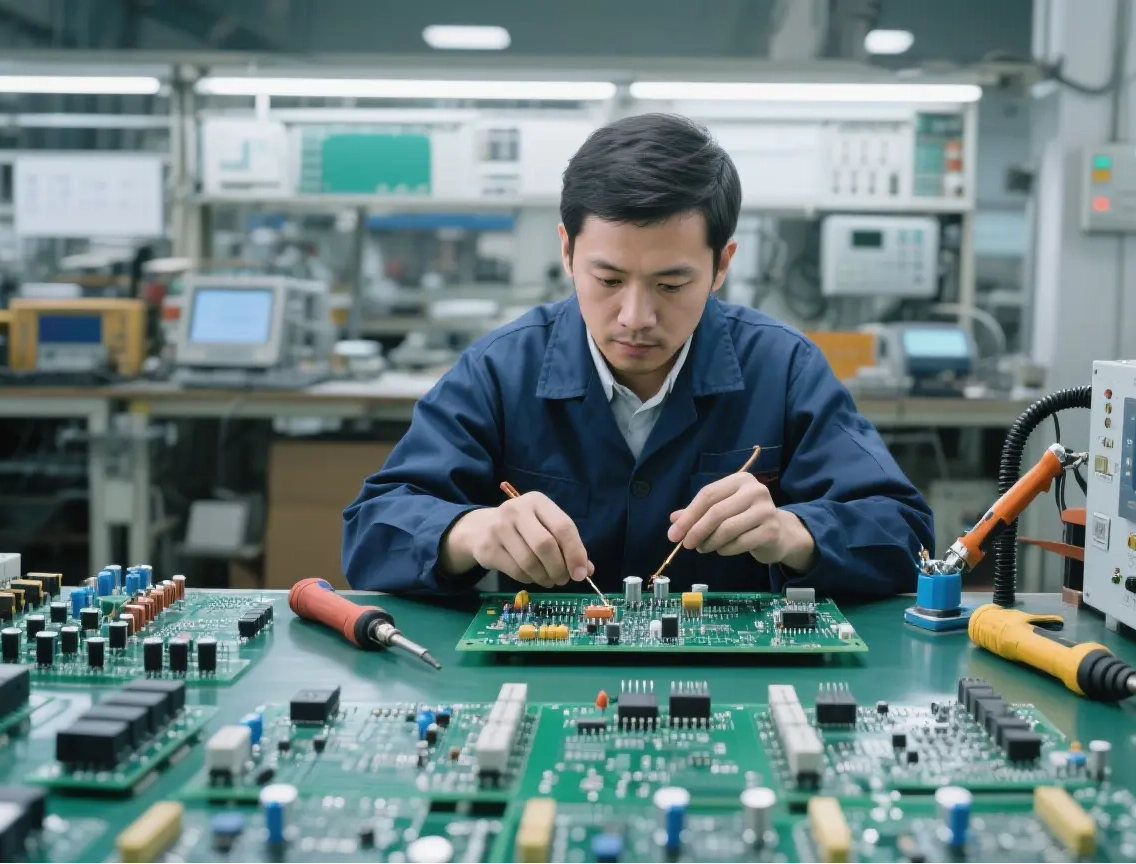
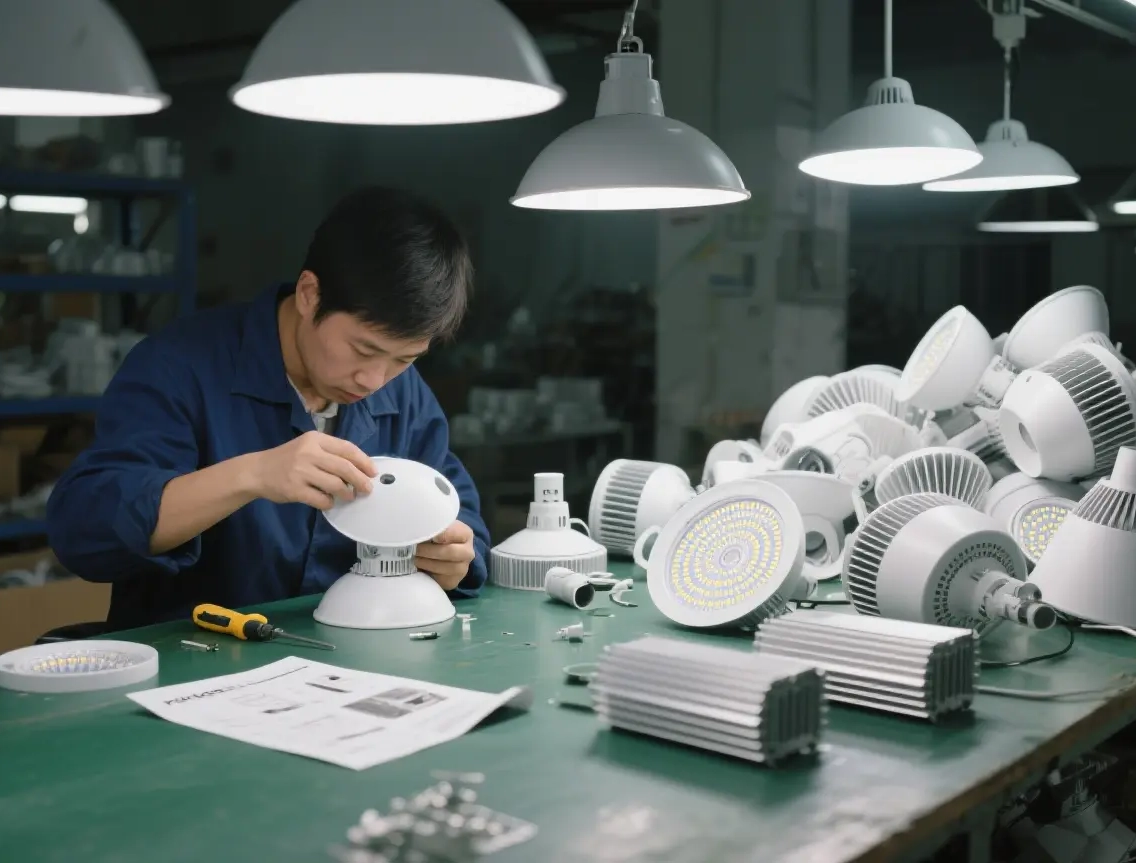
Located in Jiangsu, China, our modern production base covers an area of approximately 11,000 square meters. The facility is equipped with advanced manufacturing technologies and operated by a team of experienced engineers and skilled technicians. This ensures strict quality control, precision manufacturing, and efficient large-scale production capabilities.
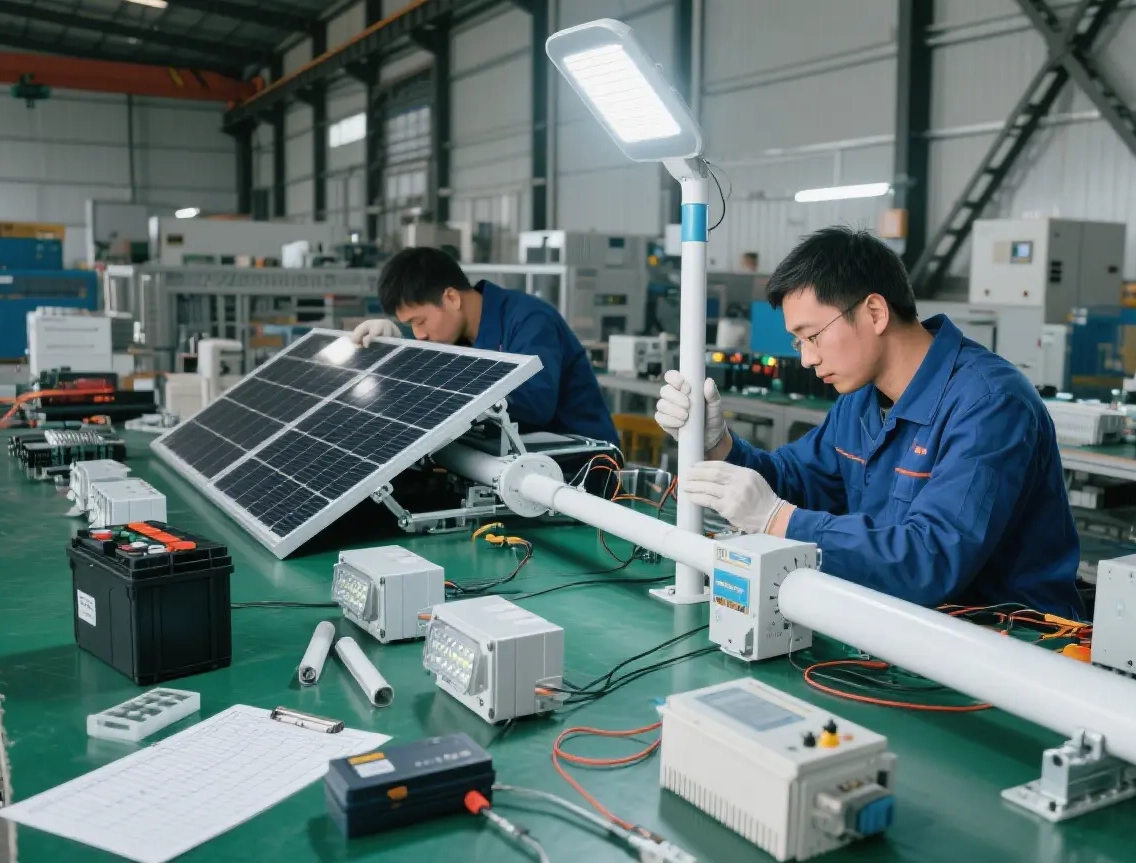
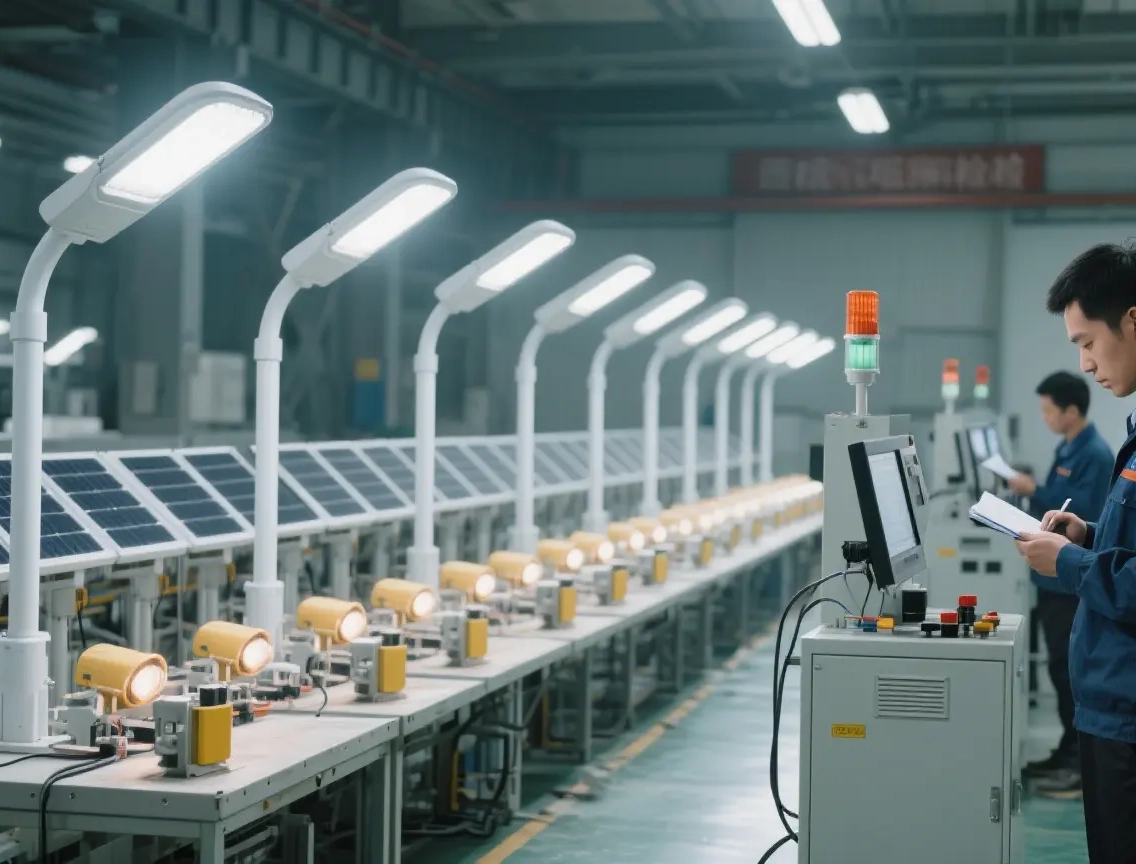
Our factory is equipped with a complete set of advanced production and testing systems, enabling us to maintain high production efficiency while ensuring stable and reliable product performance. Every product undergoes strict quality inspection procedures, from raw material selection to final assembly and lighting performance testing.
With efficient production lines and advanced automation, we handle both large-volume orders and complex customized projects with precision and speed.
We maintain a comprehensive quality control system and have passed ISO9001 certification, alongside multiple patents in structural design and optics.
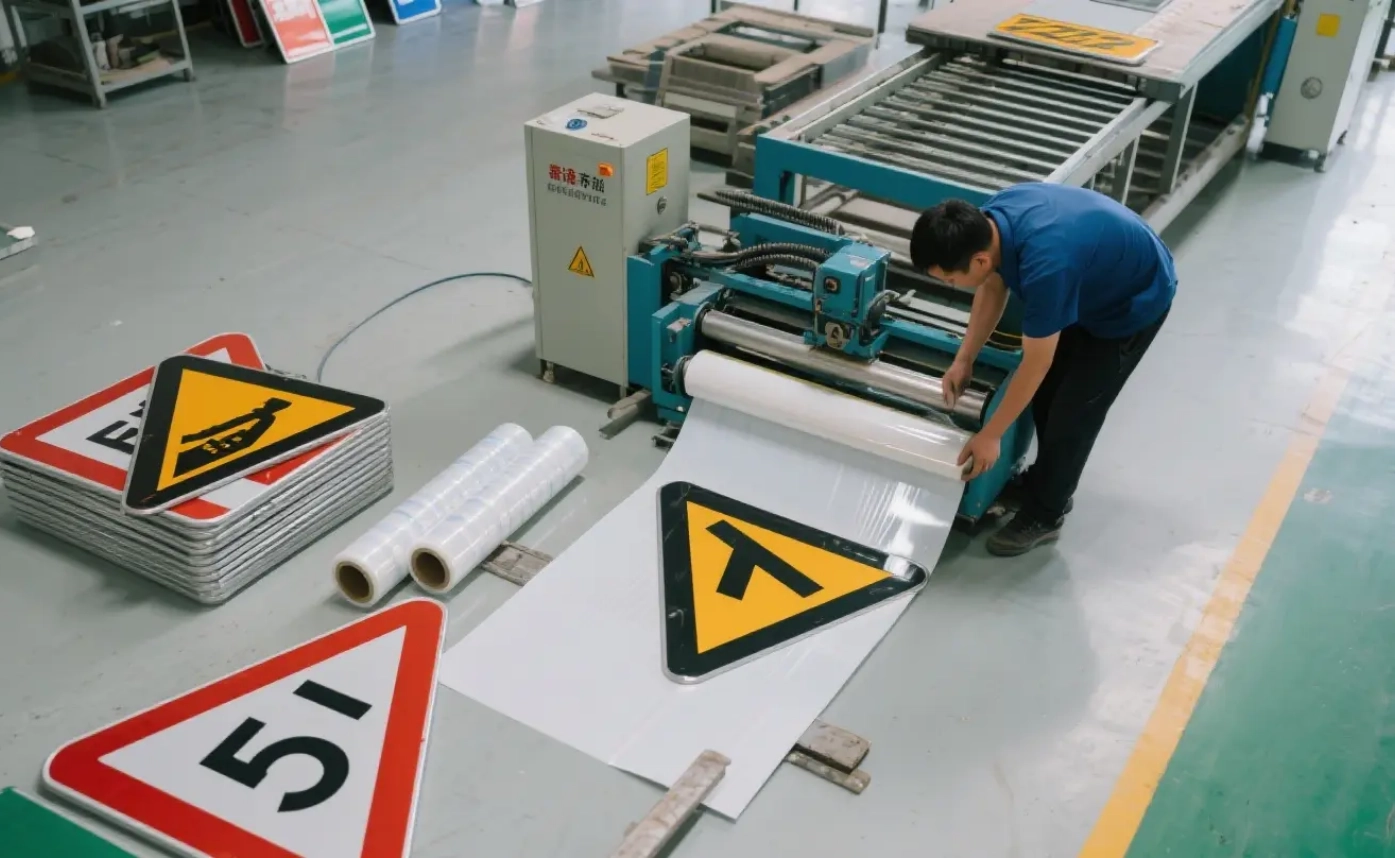
Integrating product design, mold development, prototype testing, mass production, and logistics to eliminate intermediaries and lower costs.
We invest in green LED technology and smart lighting controls to support global carbon reduction and modern smart city programs.
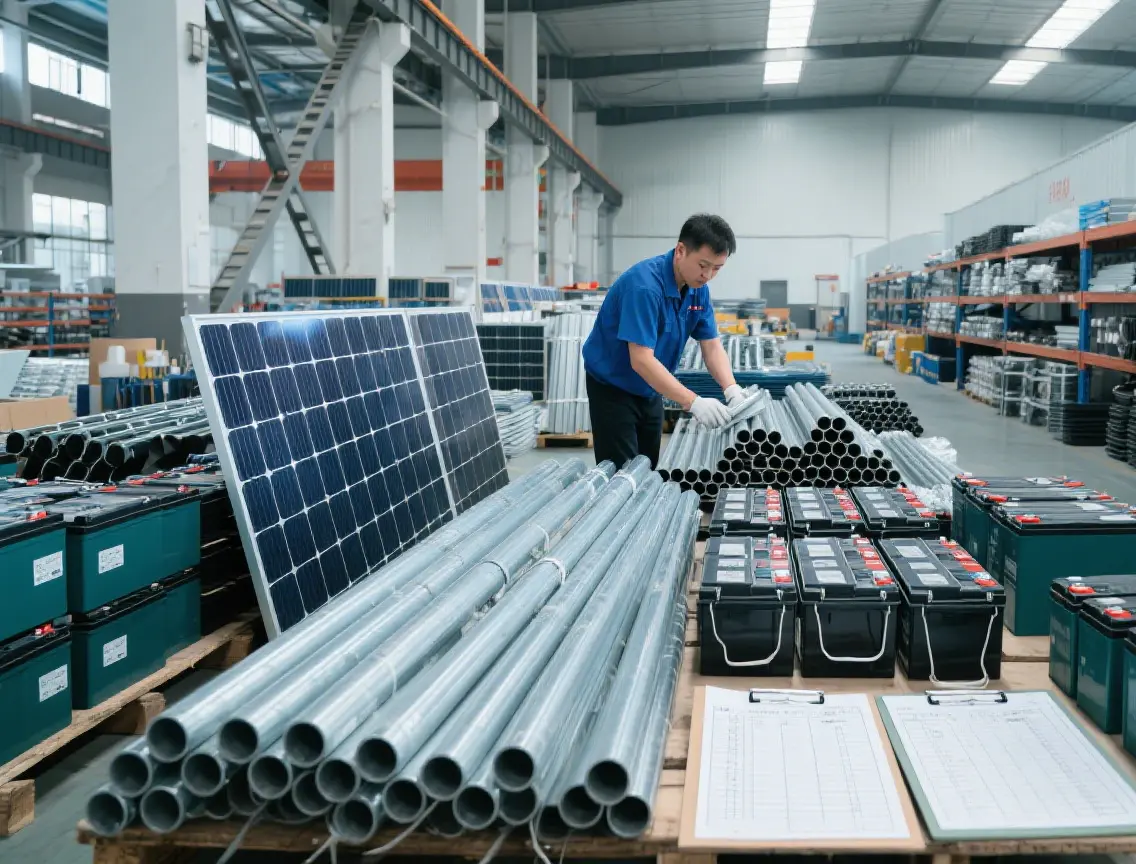
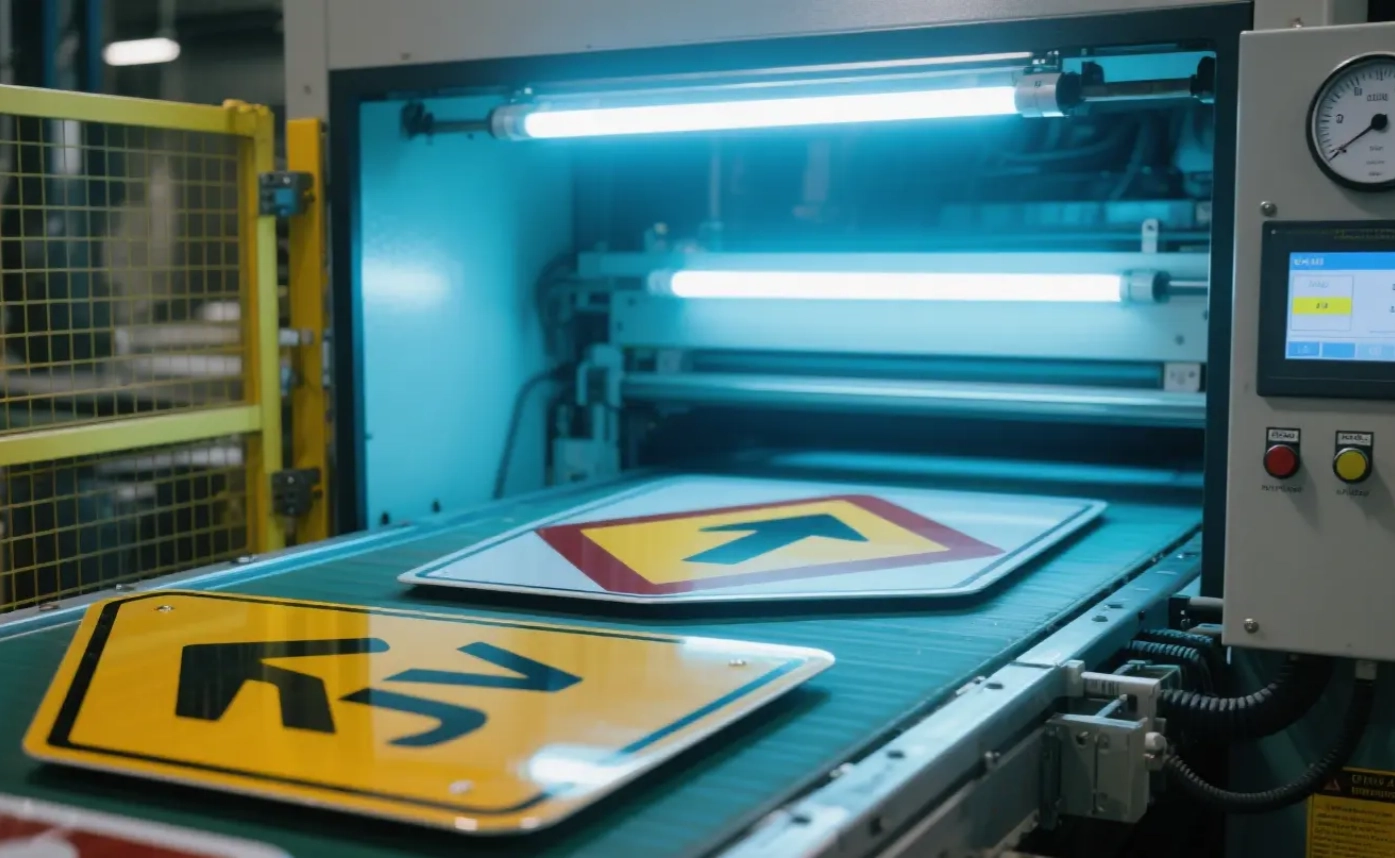
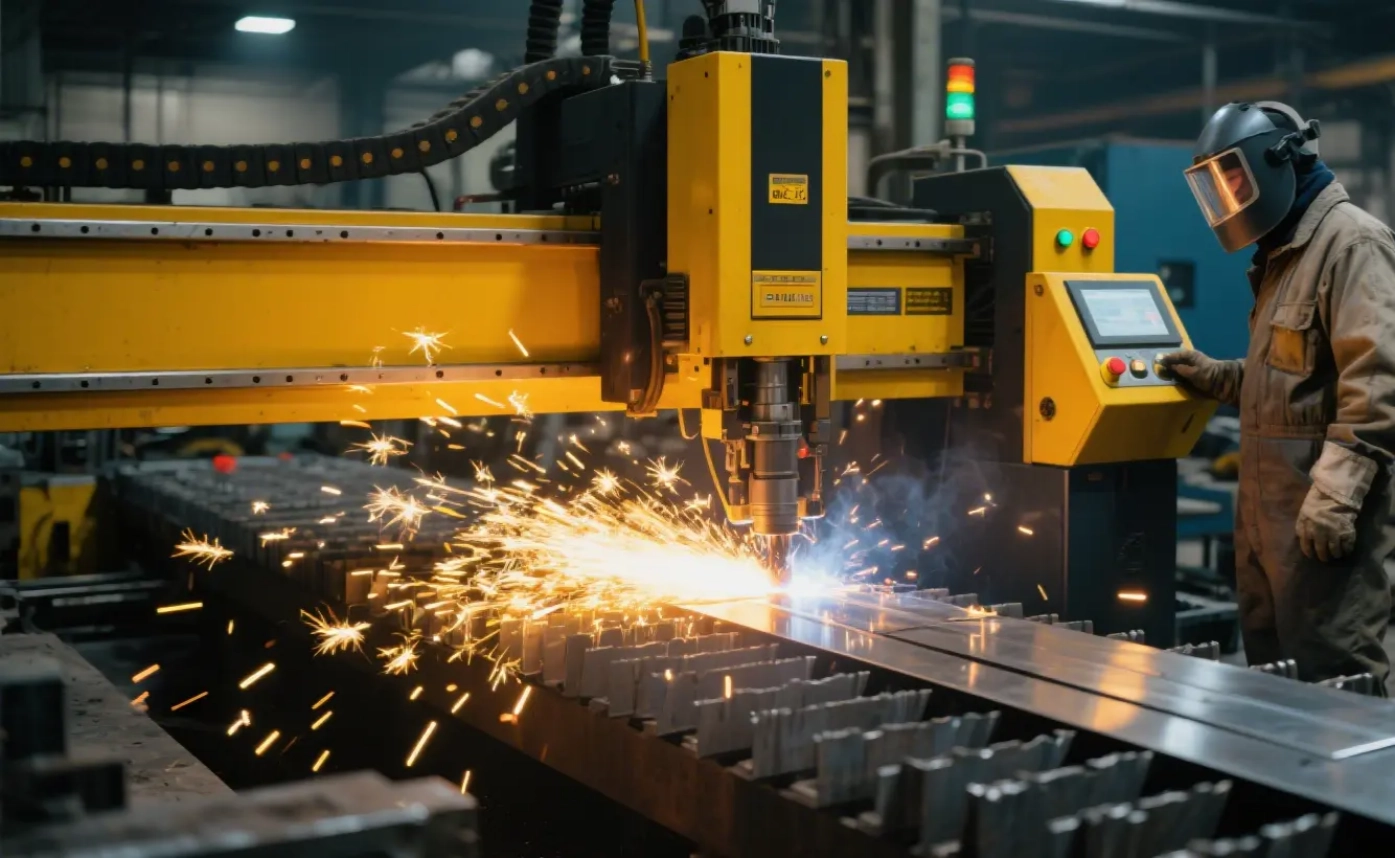
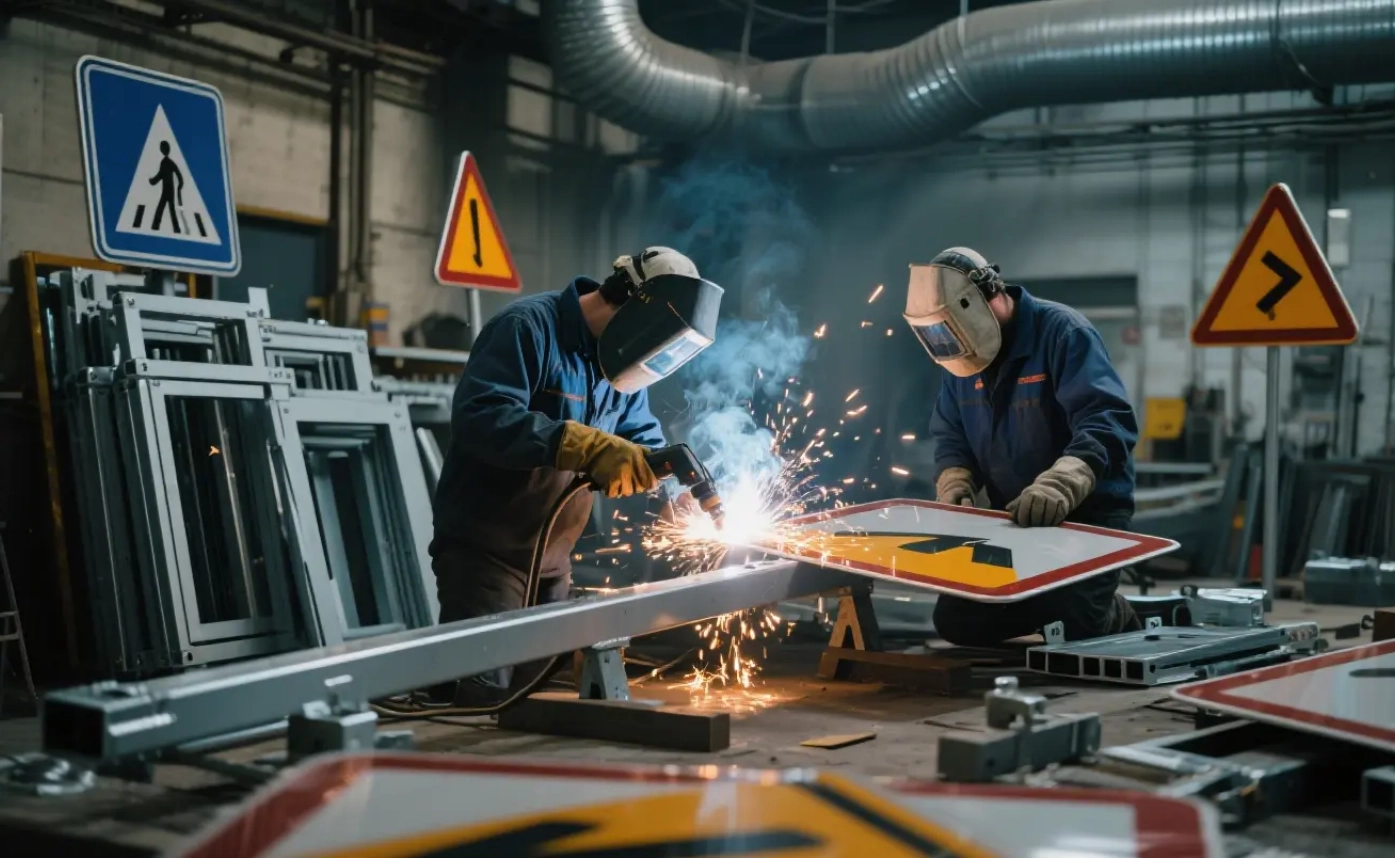
How our integrated supply chain delivers cost-optimized, certified engineering directly to Omani construction and extraction projects.
In the heavy industrial engineering sector, procurement is a delicate balance between budget control and uncompromising safety compliance. By base-operating in Jiangsu, China’s premier industrial technology manufacturing corridor, Lukas Lighting leverages a highly concentrated component ecosystem. From high-purity, copper-free aluminum casting shops to custom silicon driver encapsulation plants, we bypass the fragmented supply chains that challenge Western manufacturers. This vertical integration cuts production lead times by up to 40% and keeps capital expenditures highly competitive.
Our direct export model serving Oman ensures that engineering firms in Muscat, Salalah, and Sohar receive bespoke manufacturing support. We customize housing dimensions, mounting brackets (ceiling, stanchion, wall, or pendant), and operational configurations directly from our factory floor. With specialized logistics partners handling sea and air freight through Oman's major ports, we guarantee swift customs clearance and structured certificate compliance mapping for every container shipped.
Years of Engineering Expertise
Modernized Production Base
ATEX / IECEx Product Testing
Extreme Ambient Rating Certs
Different environments demand specialized protection methodologies. Here is how our luminaires are applied across Omani operations.
| Application Environment | Primary Hazard Types | Oman Site Examples | Required Specifications |
|---|---|---|---|
| Upstream Oil & Gas Rigs | Group IIA, IIB Explosive Gases, Extreme Heat & Desert Dust | PDO Fahud, BP Khazzan Gas Field | Class I Div 1 / Zone 1, IP66 Ingress, high shock resistance. |
| Coastal Refineries & Terminals | Hydrogen, Hydrogen Sulfide, Saline Corrosion | Sohar Refinery, Duqm Hydrocarbon Terminals | Zone 1/Zone 2, WF2 Anti-corrosion treatment, SS316 fasteners. |
| Marine & Drydocks | High Humidity, Salt Water Spray, Vibration | Oman Drydock Company (Duqm), Port of Salalah | IP67, Heavy-duty Tempered Glass, Vibration-proof mounting. |
| Chemical Processing Plants | Acidic Vapors, Combustible Dust (Zone 21/22) | Sohar Industrial Estate Chemical Complexes | Dust-ignition proof structures, chemical-resistant gaskets. |
Avoid installation failures by evaluating critical mechanical and thermal parameters prior to procurement.
In explosive environments, the surface temperature of the lighting fixture must never exceed the auto-ignition temperature of the gases or dust present in the atmosphere. T-ratings categorize the maximum temperature a fixture can reach (T1 to T6). For Omani petrochemical environments, T4 (≤135°C) or T5 (≤100°C) ratings are standard. When selecting fixtures, always verify that the manufacturer's T-rating is validated at an ambient temperature of at least +50°C to +55°C, rather than the standard laboratory reference of +40°C.
Aluminum alloys are widely used for explosion-proof housings due to their light weight and high thermal conductivity. However, standard grade aluminum corrodes rapidly when exposed to coastal salt air or industrial acids. Ensure your manufacturer utilizes copper-free aluminum alloys (typically <0.1% copper content) finished with multi-layer baked powder coatings. External hardware, such as bolts and brackets, must be fabricated from grade 316 stainless steel to prevent galvanic corrosion.
When primary power fails in a hazardous zone, lighting must remain active to guide personnel along evacuation paths. Modern procurement protocols require explosion-proof luminaires to integrate internal emergency battery backups that deliver 90 to 180 minutes of runtime. The battery chamber must be engineered to prevent gas buildup during charging cycles, incorporating specialized breathers or intrinsic safety isolators to eliminate thermal runaway hazards.
Excessive glare in high-hazard areas like high-level pipe racks, stairs, and narrow platforms can compromise worker safety. Procurement specifications should mandate the use of diffused polycarbonate or micro-prism tempered glass lenses to control light distribution. High efficacy is critical, but visual comfort directly affects operational performance and safety compliance on site.
Direct, expert answers to key compliance and mechanical design questions for Omani industrial buyers.
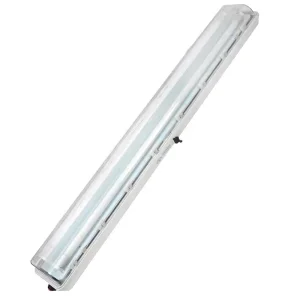
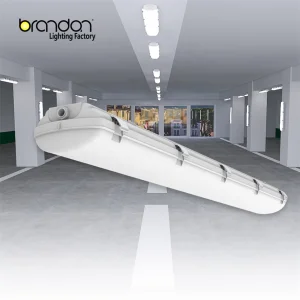
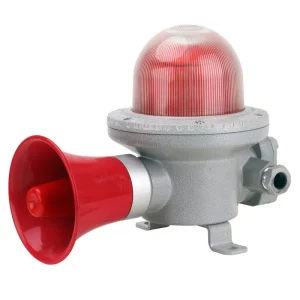
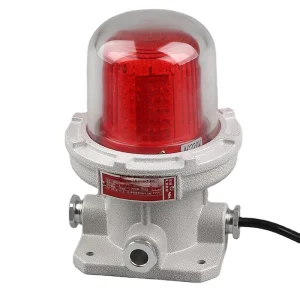
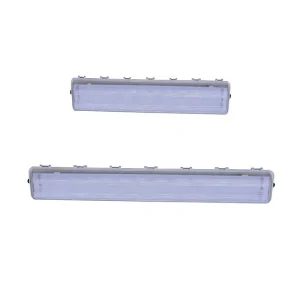
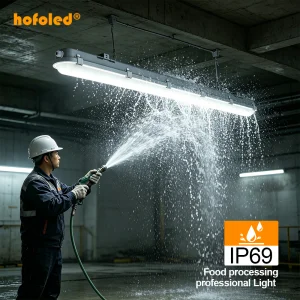
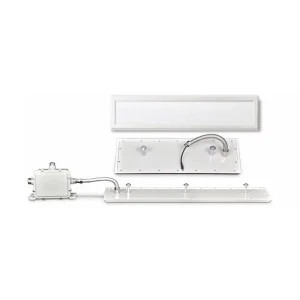
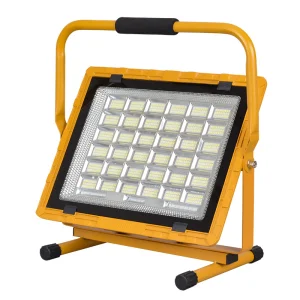
Browse our comprehensive range of certified explosion-proof, tri-proof, and specialty warning luminaires.
Contact our senior engineering and supply division to request photometrical Dialux calculations, certificate folders, and competitive volume manufacturing quotes.
Send Inquiry Now Lukas Lighting