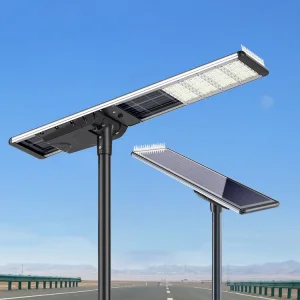
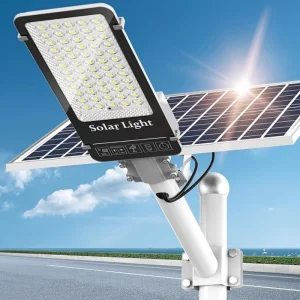
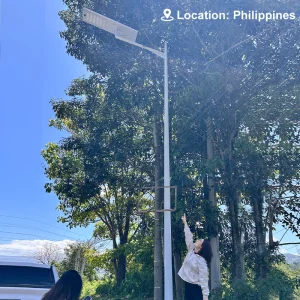
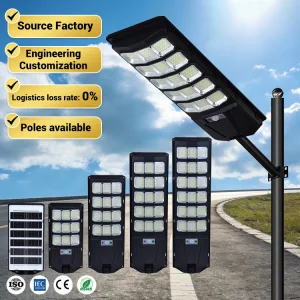
As the world pivots toward the Net-Zero 2050 mandate, solar street lighting has evolved from a niche alternative to a cornerstone of modern urban planning. For global enterprises, the shift represents more than just carbon footprint reduction; it is an exercise in Operational Excellence and Energy Autonomy. Traditional grid-tied lighting incurs massive infrastructure costs—trenching, cabling, and transformer installation—often exceeding the cost of the luminaires themselves by 300%.
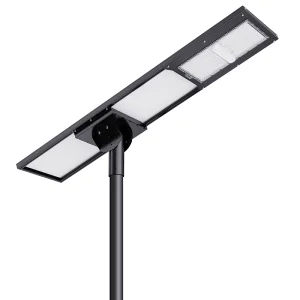
Current industrial trends indicate a massive surge in All-in-One (AIO) and All-in-Two (AIT) solar systems in regions with high solar irradiance (MENA, SE Asia, Latin America). However, the demand is also rising in Northern latitudes where high-efficiency monocrystalline panels and advanced LiFePO4 thermal management systems allow for reliable operation even in low-light winters.
Jiangsu Lukas Lighting Co., Ltd. was established in 1998 with a strong commitment to innovation, quality, and sustainability in the outdoor lighting industry. Over more than two decades of development, the company has grown into a professional manufacturer specializing in intelligent and energy-efficient street lighting solutions.
With continuous investment in research and development, Lukas Lighting has expanded its product portfolio to include LED street lights, solar street lights, smart lighting systems, landscape lighting, and customized municipal lighting solutions. Our products are widely used in urban roads, highways, industrial parks, residential communities, and public infrastructure projects across global markets.
Located in Jiangsu, China, our modern production base covers an area of approximately 11,000 square meters. The facility is equipped with advanced manufacturing technologies and operated by a team of experienced engineers and skilled technicians. This ensures strict quality control, precision manufacturing, and efficient large-scale production capabilities.
Moving beyond lead-acid and standard lithium, our roadmap focuses on LiFePO4 (Lithium Iron Phosphate) batteries integrated with BMS (Battery Management Systems). This technology offers 3,000+ charge cycles and superior safety profiles in extreme temperatures, ensuring a 10-year operational horizon.
Our luminaires are now "Data Nodes." Incorporating NB-IoT, LoRaWAN, and Zigbee protocols, we enable remote monitoring, adaptive dimming based on traffic flow, and real-time failure alerts, reducing maintenance O&M costs by up to 45%.
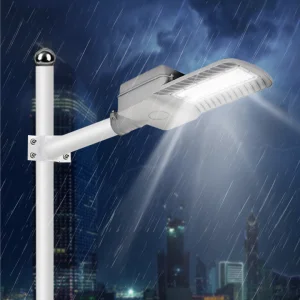
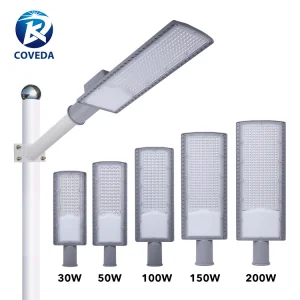
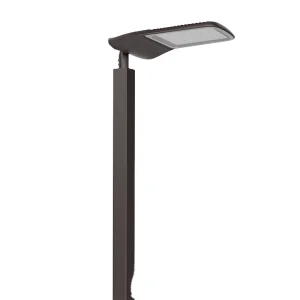
Utilizing Type II, III, and IV light distributions, our LED modules maximize "Light on Road" while minimizing light pollution. High-efficacy chips (up to 210lm/W) ensure more brightness with less energy consumption.
Unlike standard exporters, Lukas Lighting utilizes Bifacial Solar Technology and Self-Cleaning Coating on PV panels. In dusty or desert environments, these innovations prevent up to 30% of energy loss caused by "soiling," ensuring the lights stay on throughout the year without manual intervention.
Our factory is equipped with a complete set of advanced production and testing systems, including Automated LED encapsulation, High-precision CNC laser cutting, and Robotic welding. Every product undergoes strict quality inspection procedures, from raw material selection to final assembly.
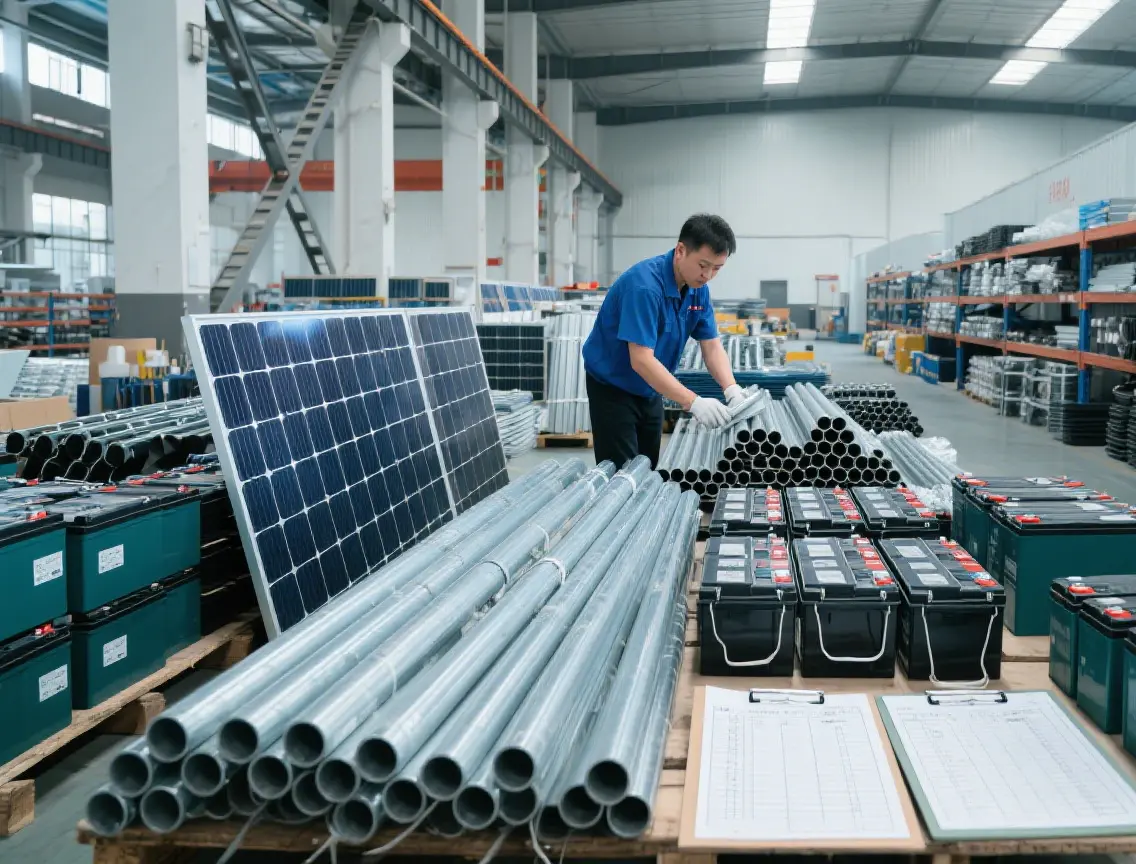
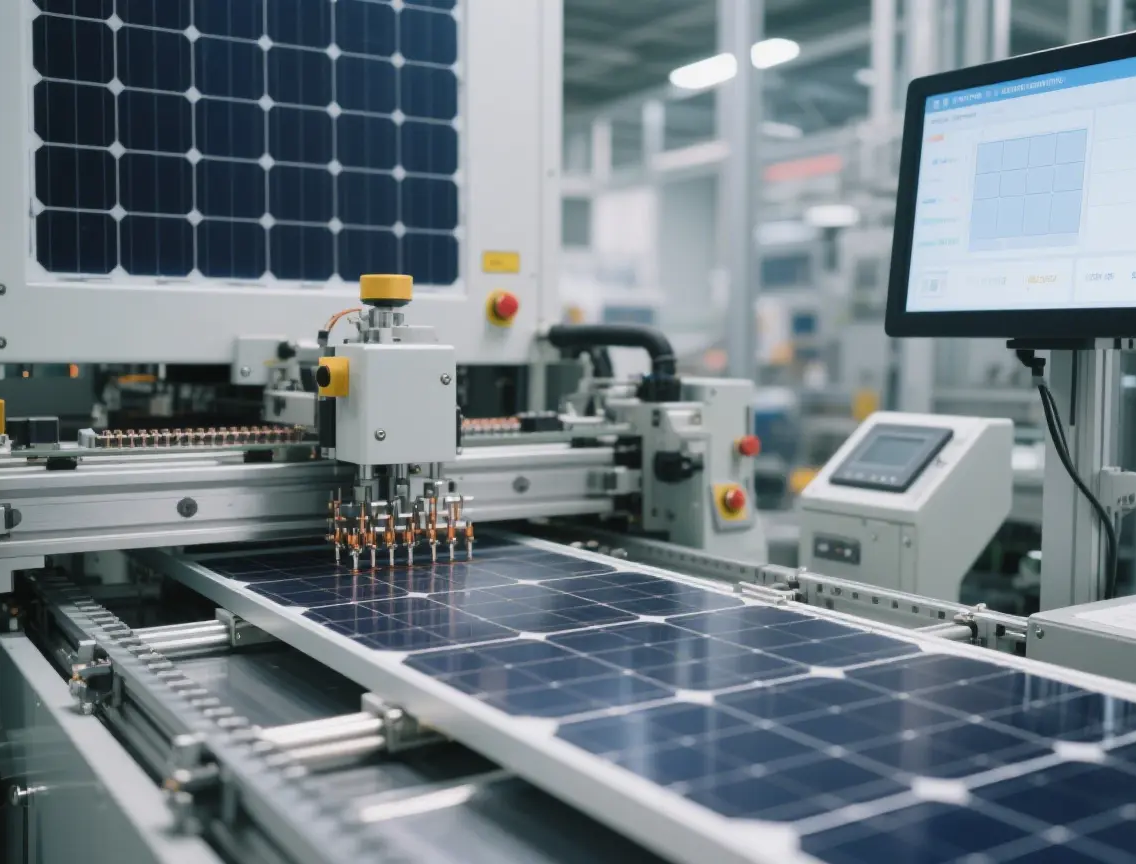
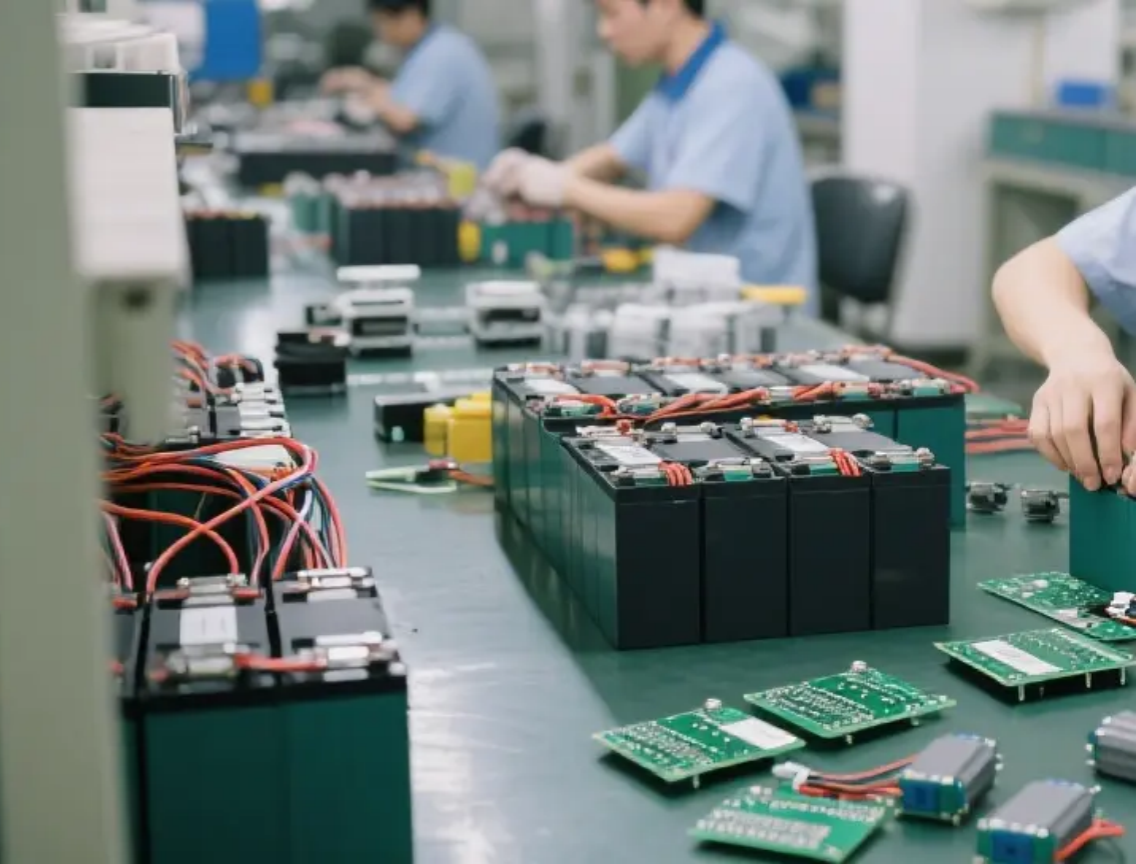
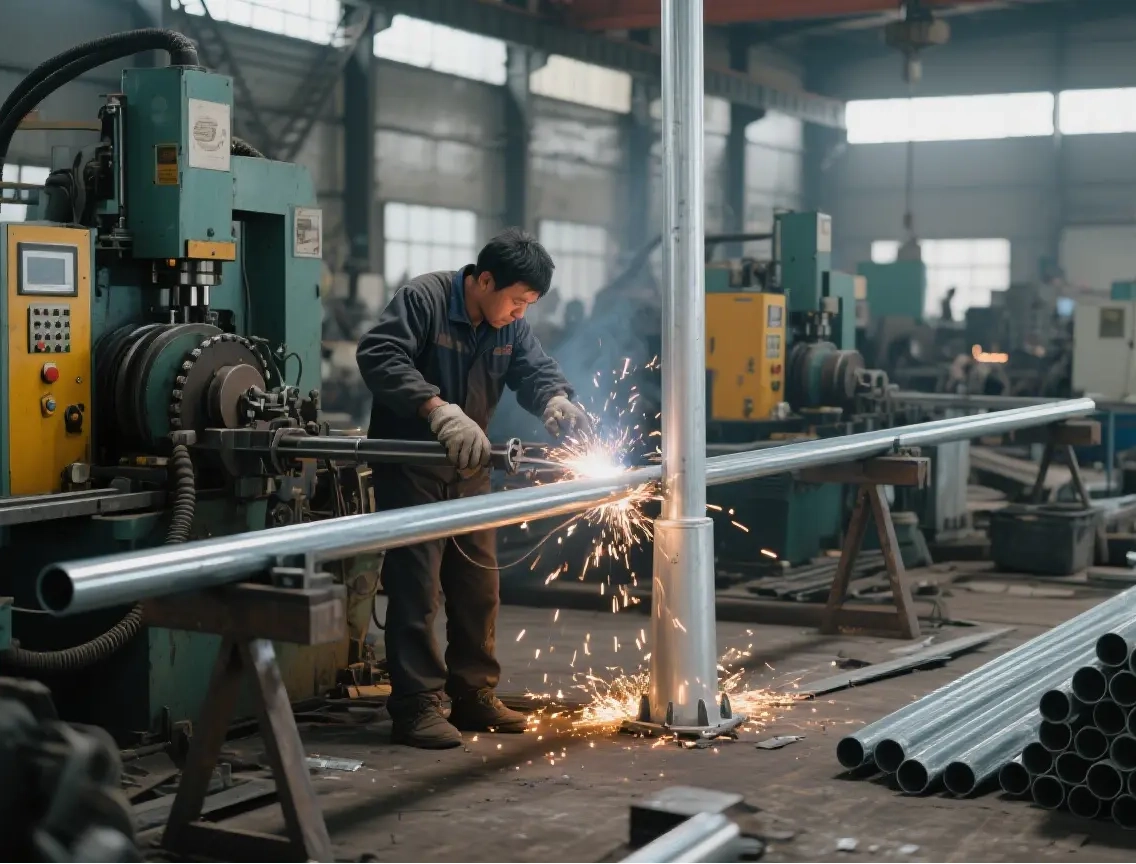
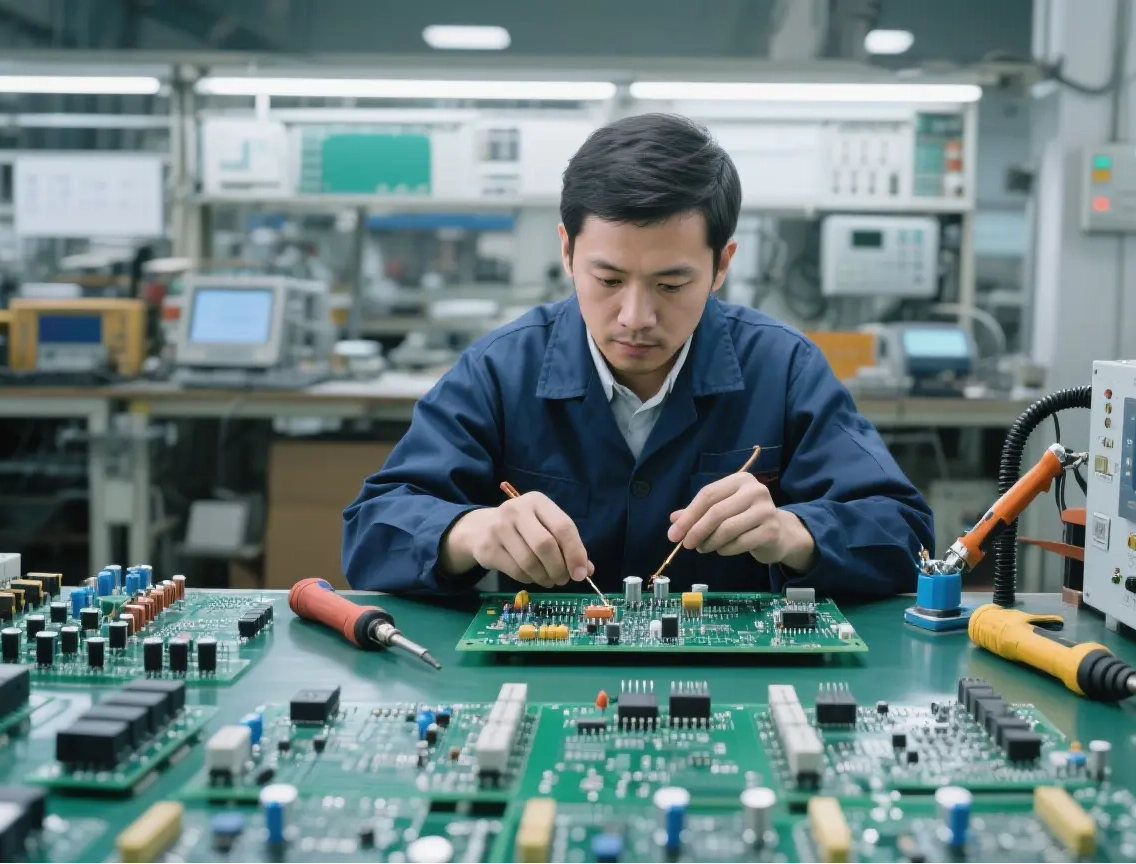
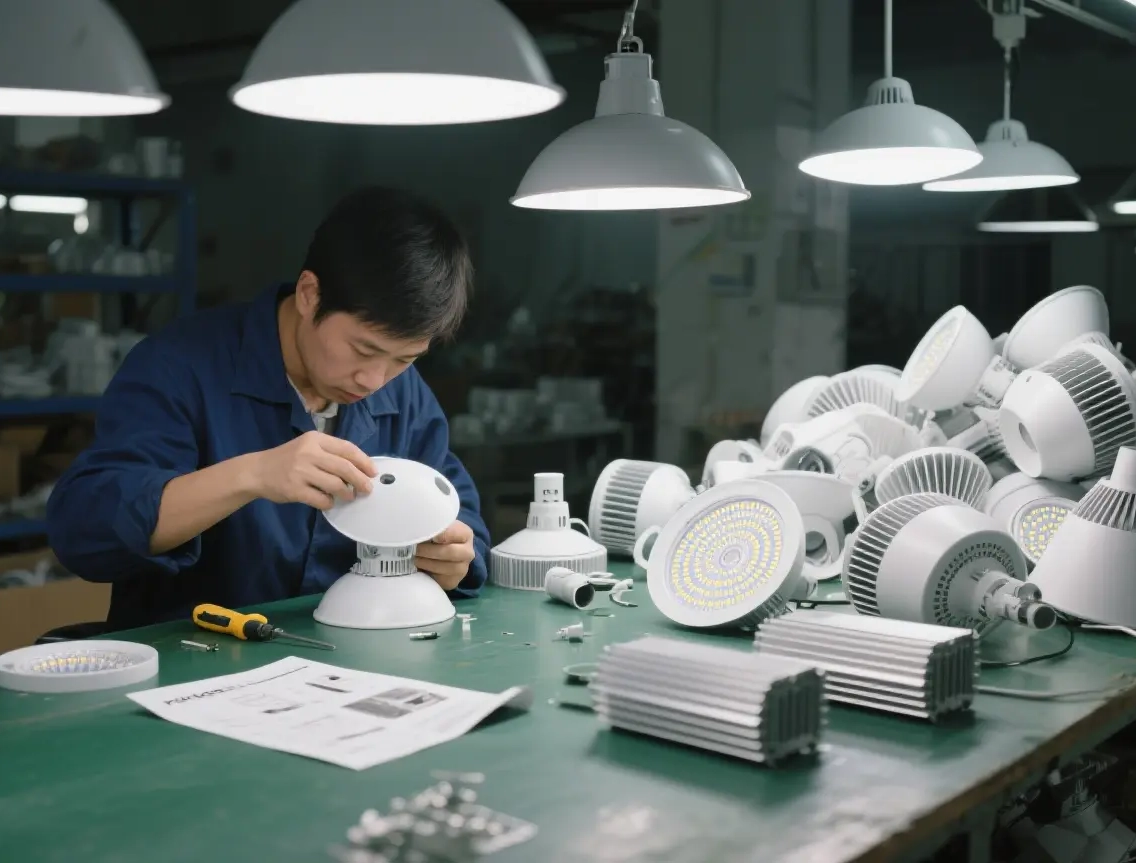
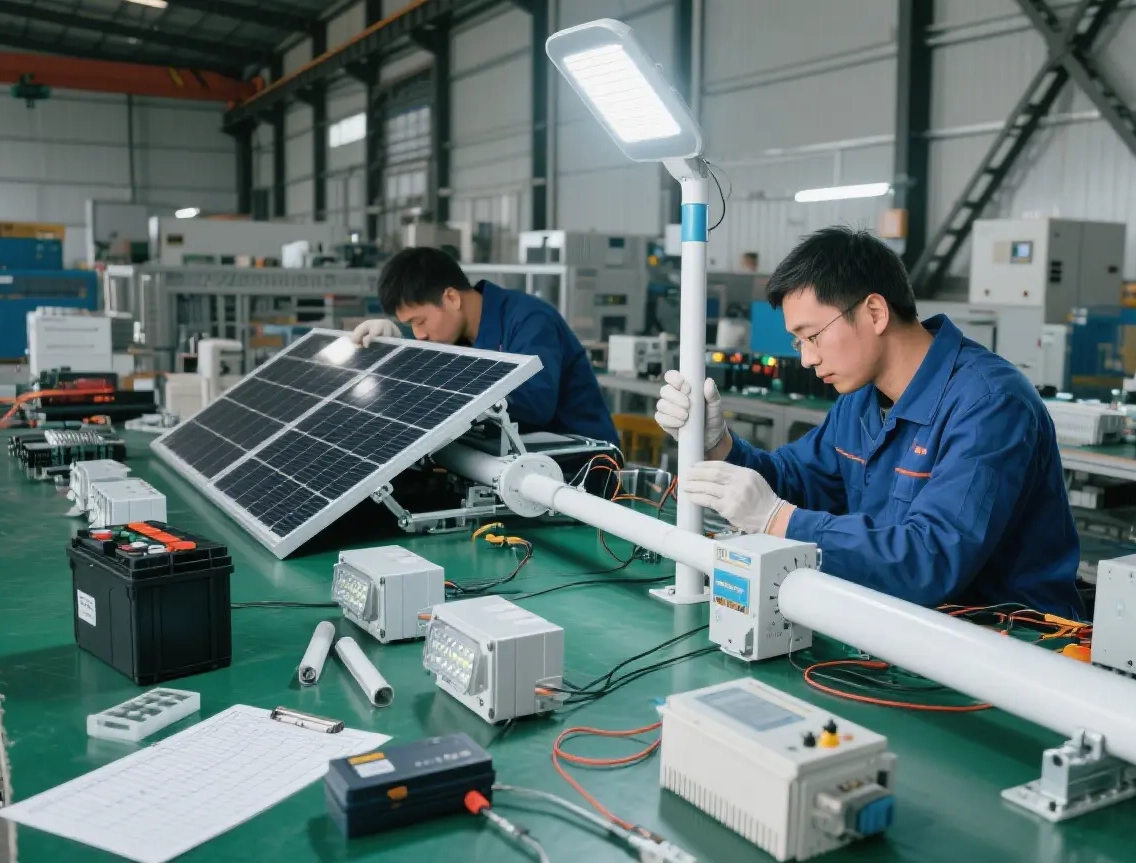
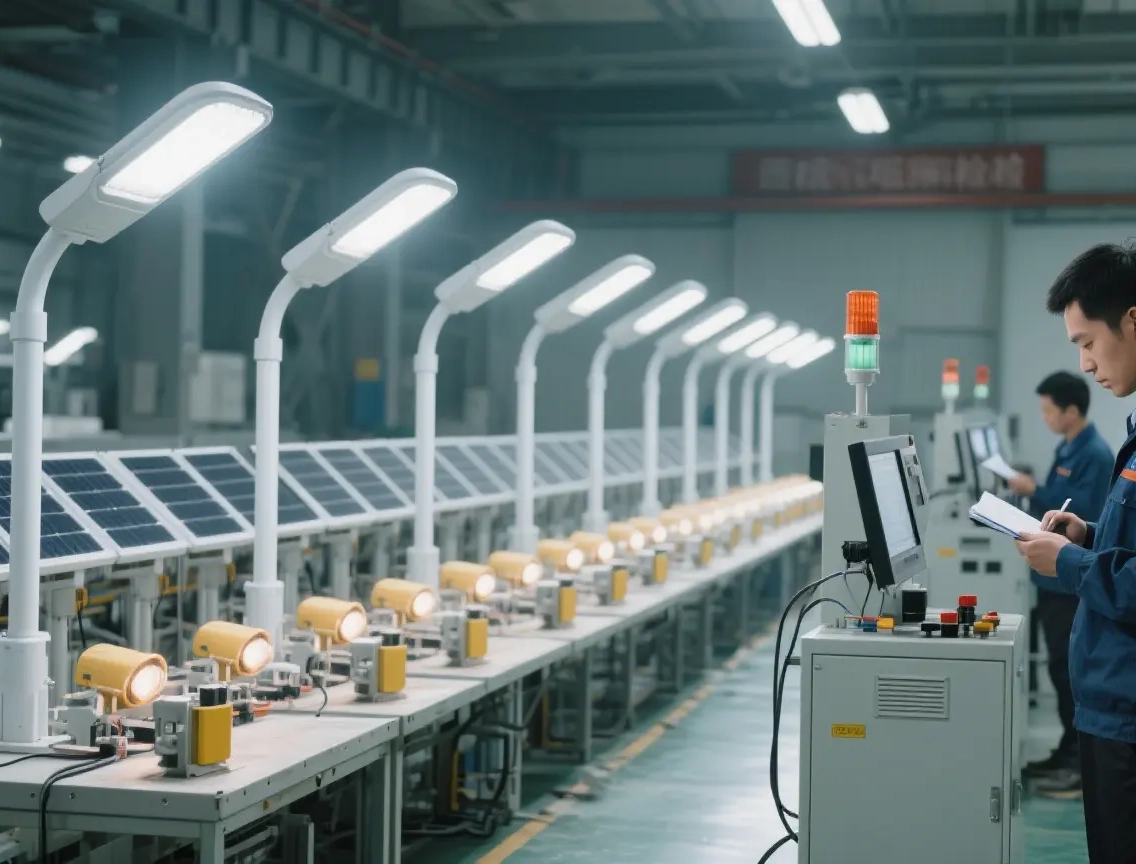
Efficient production lines and advanced SMT assembly enable us to handle high-volume municipal orders with consistent precision.
Standardized quality systems and multiple patents in optical design ensure every unit meets international rigorous standards.
From mold development to prototype testing and logistics, we eliminate intermediate links for faster delivery.
Integrating environmental sensors and public Wi-Fi hotspots into solar poles. We help cities become "smarter" without the need for additional power cabling.
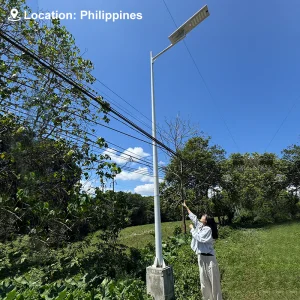
Off-grid solutions for highways where grid extension is economically unfeasible. High-mast solar lighting provides safety in previously dark corridors.
Explosion-proof and high-durability solar lighting designed for harsh industrial environments, ensuring worker safety and 24/7 security monitoring.
Global trade in solar infrastructure requires more than just a good product; it requires adherence to rigorous regional standards. Lukas Lighting provides full documentation and compliance for:
We offer localized technical support, including Dialux Lighting Simulations to help engineers visualize the light distribution on their specific site before the first unit is shipped.
 Lukas Lighting