Engineered for extreme environments, delivering unmatched optical efficiency, smart sensor compatibility, and robust thermo-regulated lifespans.
The global commercial and industrial lighting industry is undergoing a structural transition. Driven by strict energy regulations, carbon reduction targets (Scope 1 and Scope 2 emissions), and the deployment of smart cities, traditional gas-discharge and metal-halide lamps have been replaced by smart solid-state light-emitting diodes (LEDs).
Today’s infrastructure buyers look beyond simple lumen output. System-level performance, thermodynamic reliability, and driver-level communication protocols (such as DALI-2, DMX512, and Zigbee/LoRa) are now core requirements.
This transition requires close collaboration with suppliers capable of delivering highly customized optical designs, precision manufacturing, and complete technological traceability. Lukas Lighting leads this transition, designing systems that balance long-term durability with intelligent energy savings.
Founded in 1998, Jiangsu Lukas Lighting Co., Ltd. has established itself as an industry leader in municipal and commercial luminaires.
Jiangsu Lukas Lighting Co., Ltd. was established in 1998 with a strong commitment to innovation, quality, and sustainability in the outdoor lighting industry. Over more than two decades of development, the company has grown into a professional manufacturer specializing in intelligent and energy-efficient street lighting solutions.
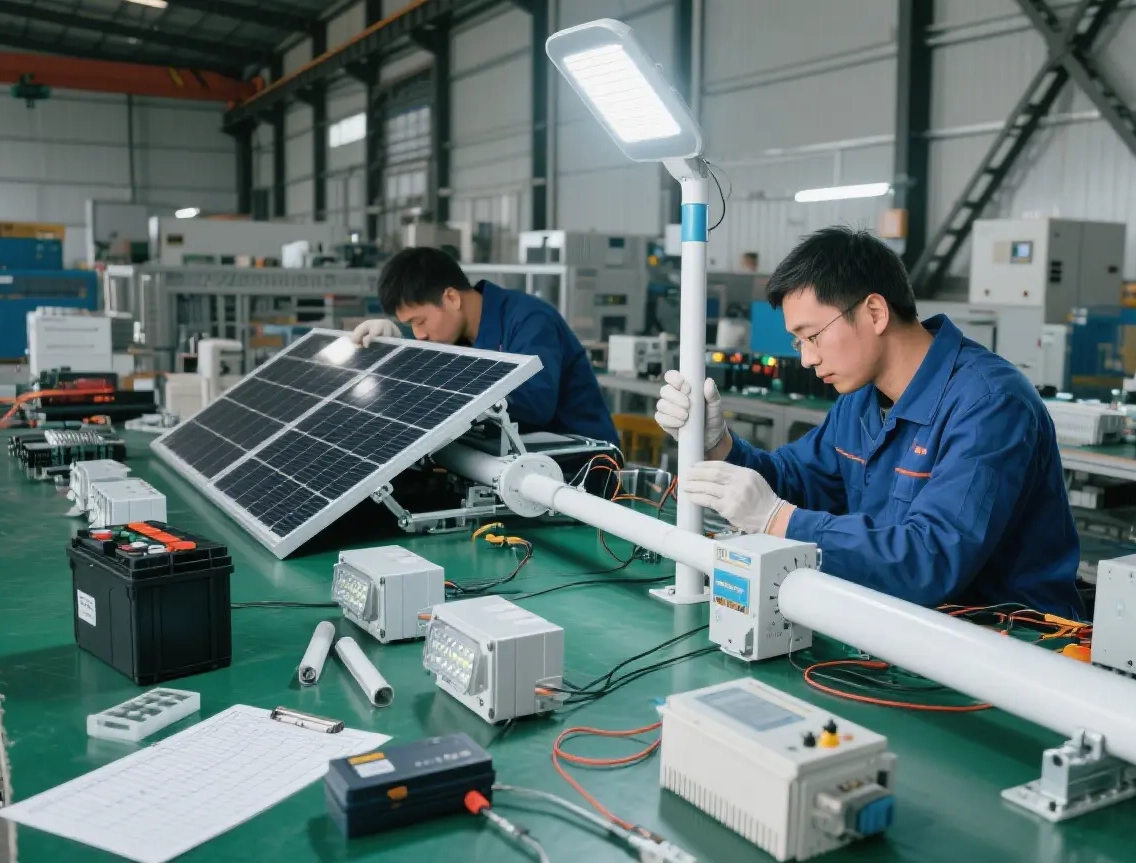
With continuous investment in research and development, Lukas Lighting has expanded its product portfolio to include LED street lights, solar street lights, smart lighting systems, landscape lighting, and customized municipal lighting solutions. Our products are widely used in urban roads, highways, industrial parks, residential communities, and public infrastructure projects across global markets.
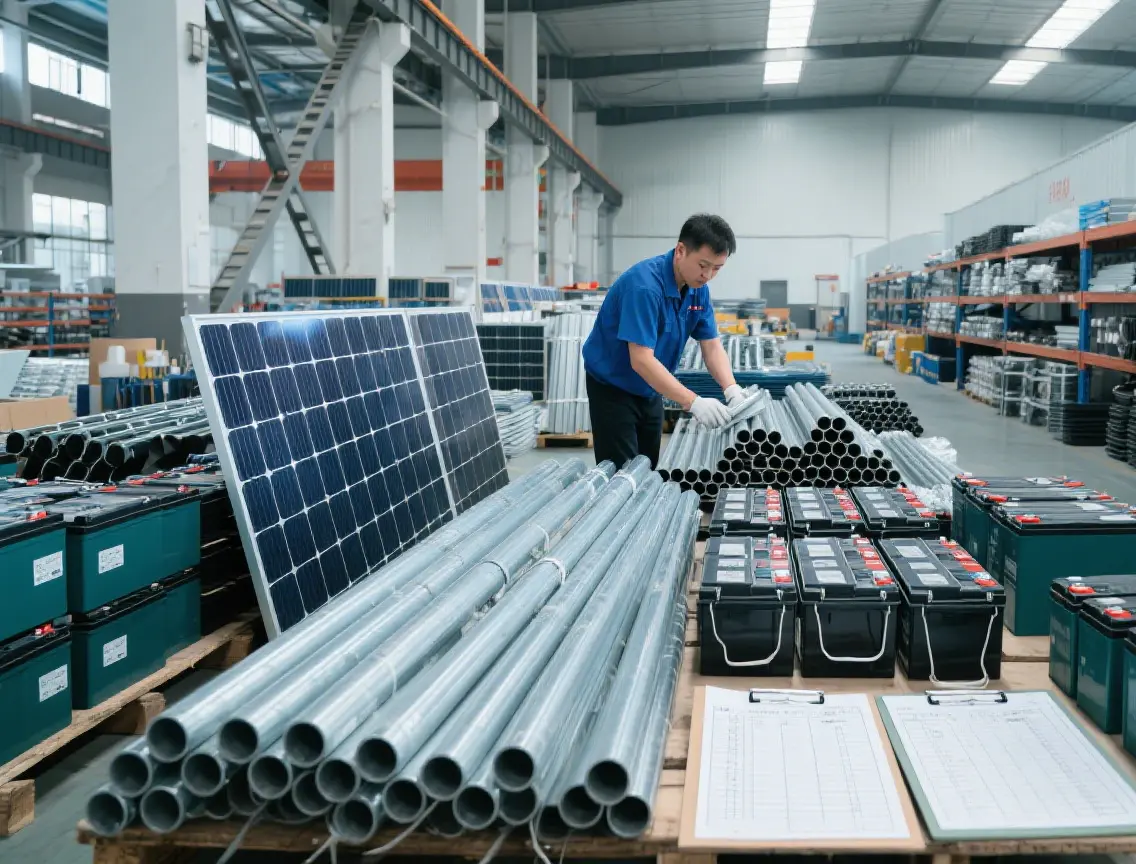
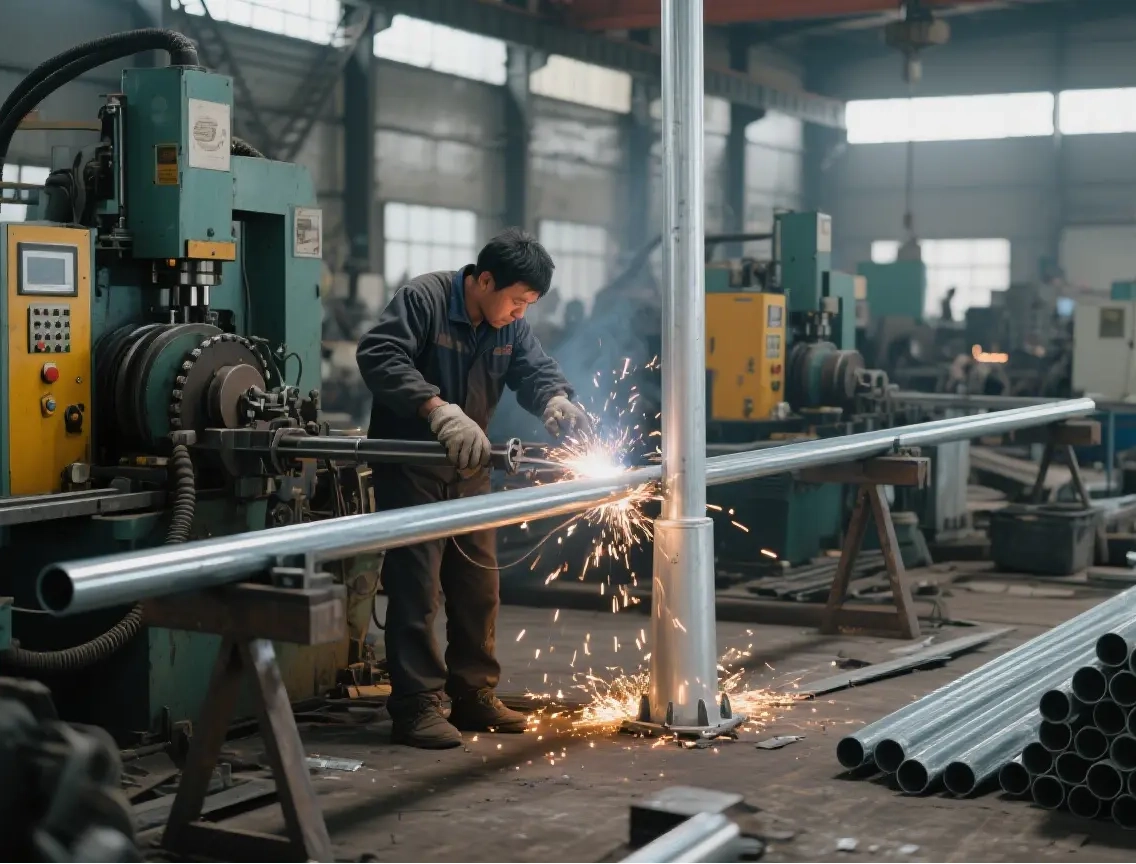
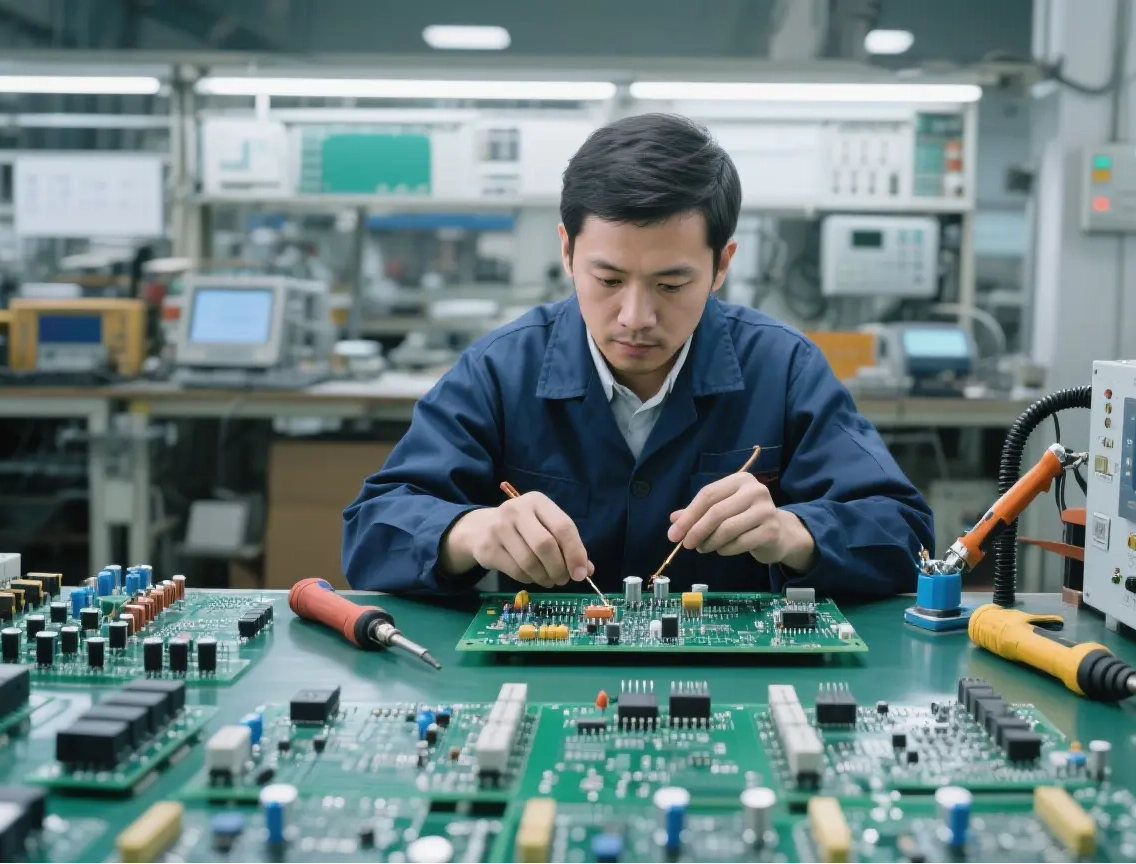
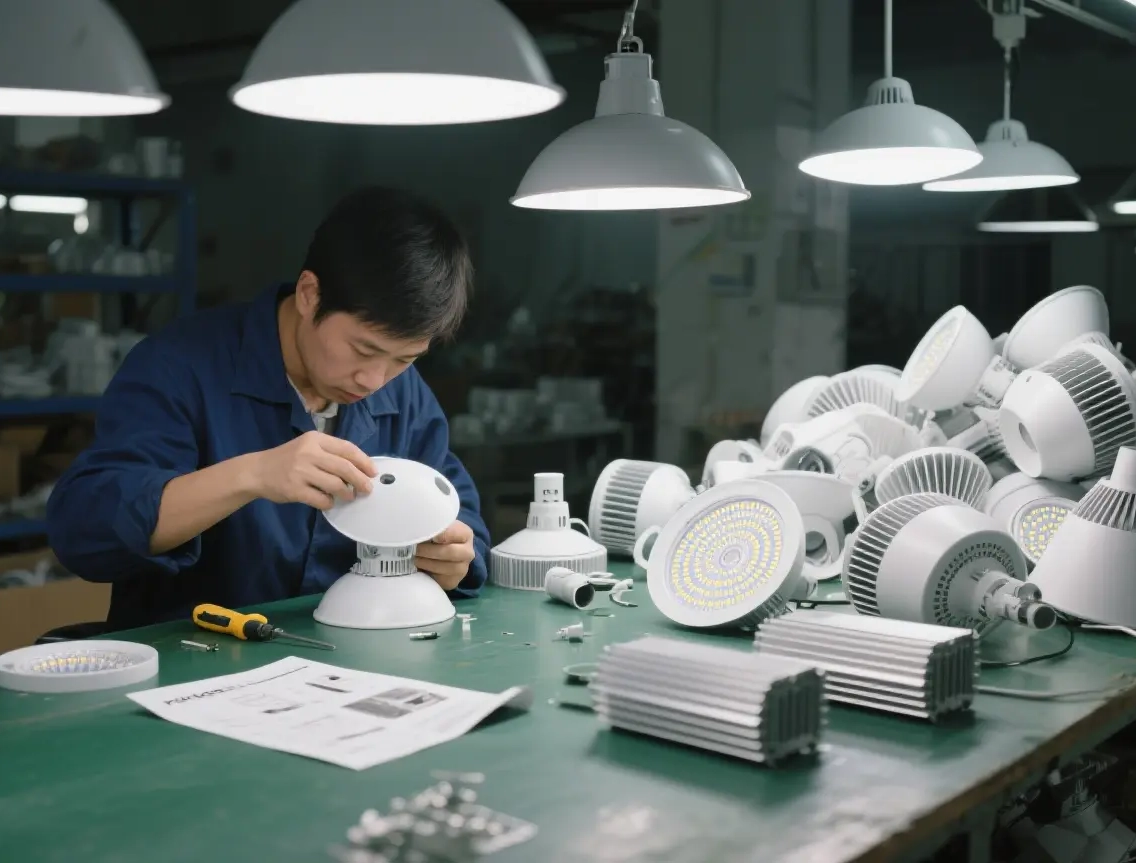
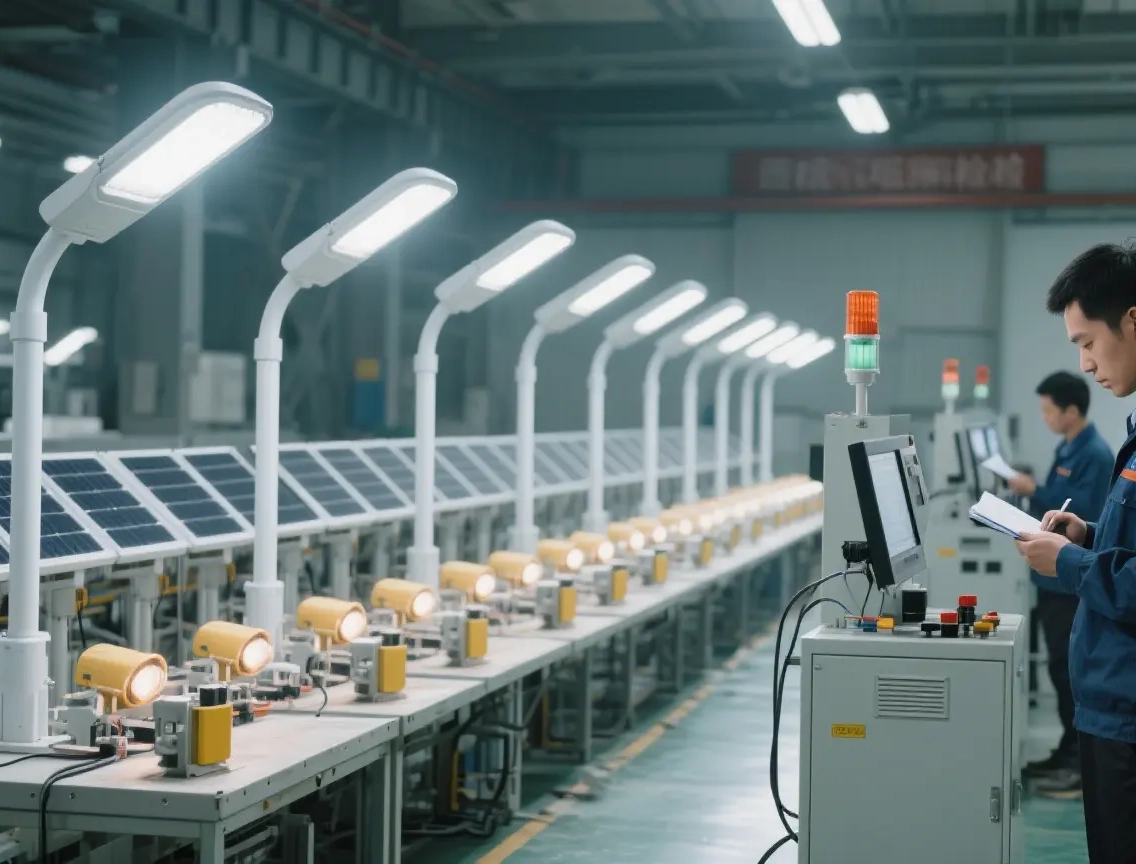
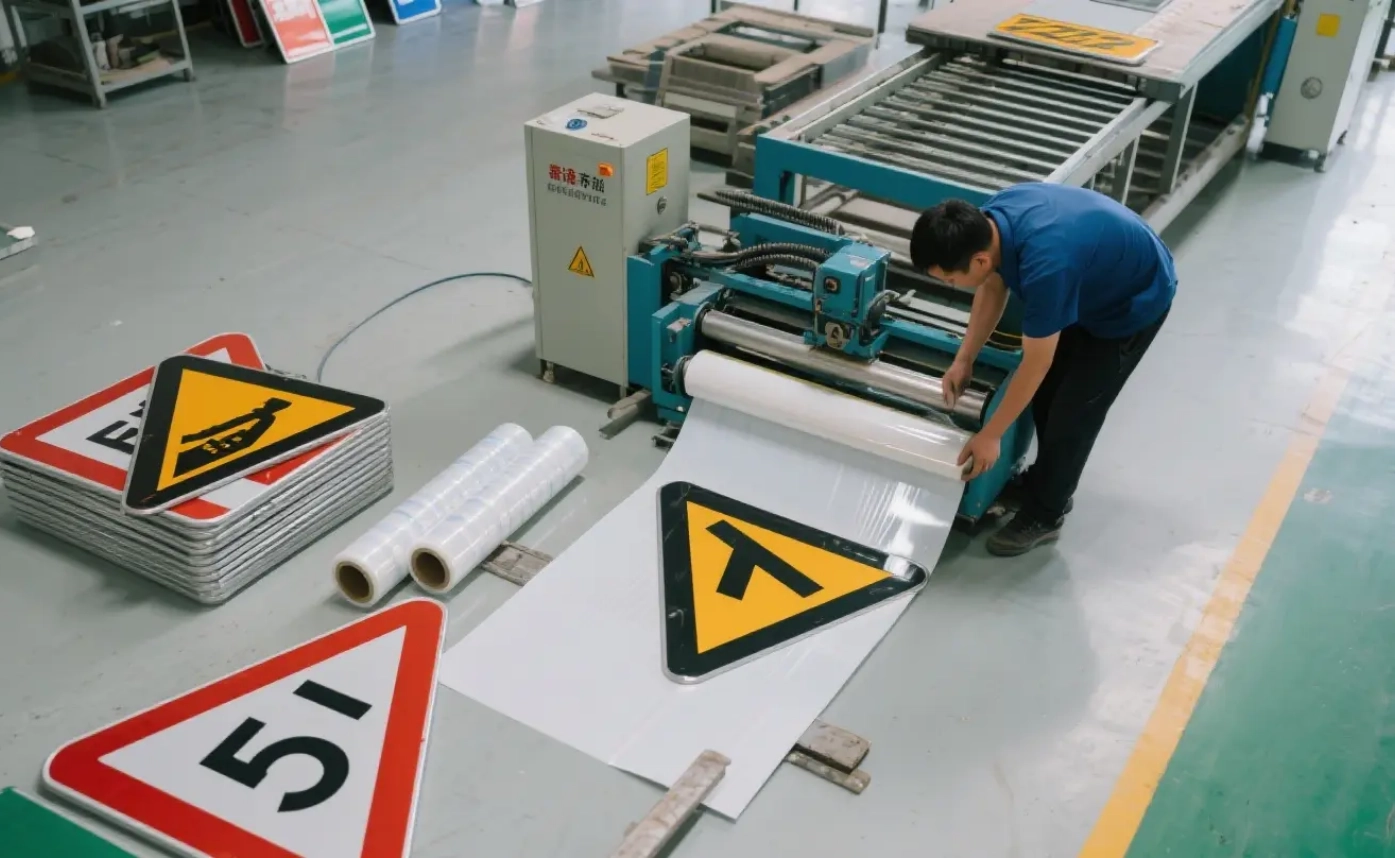
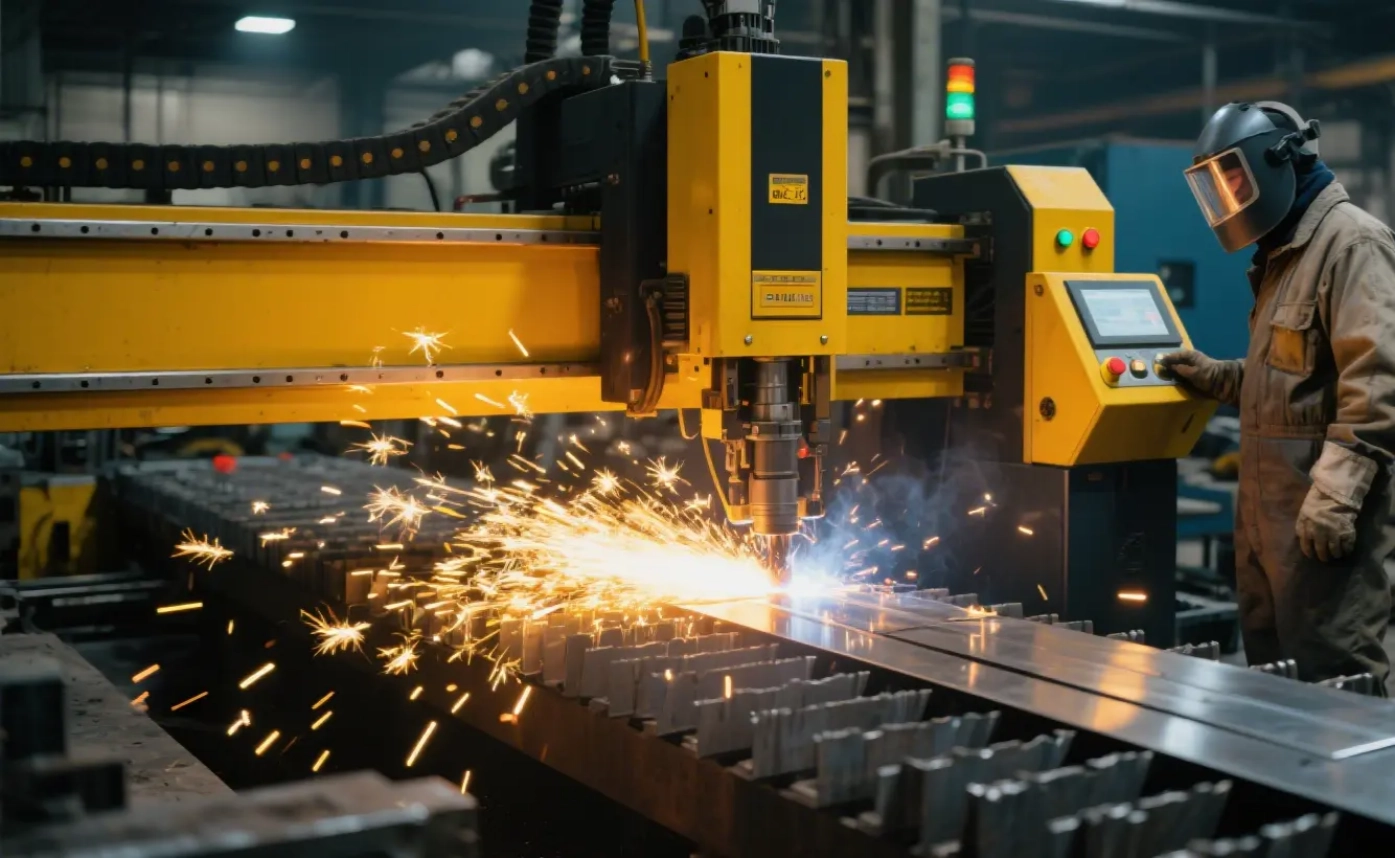
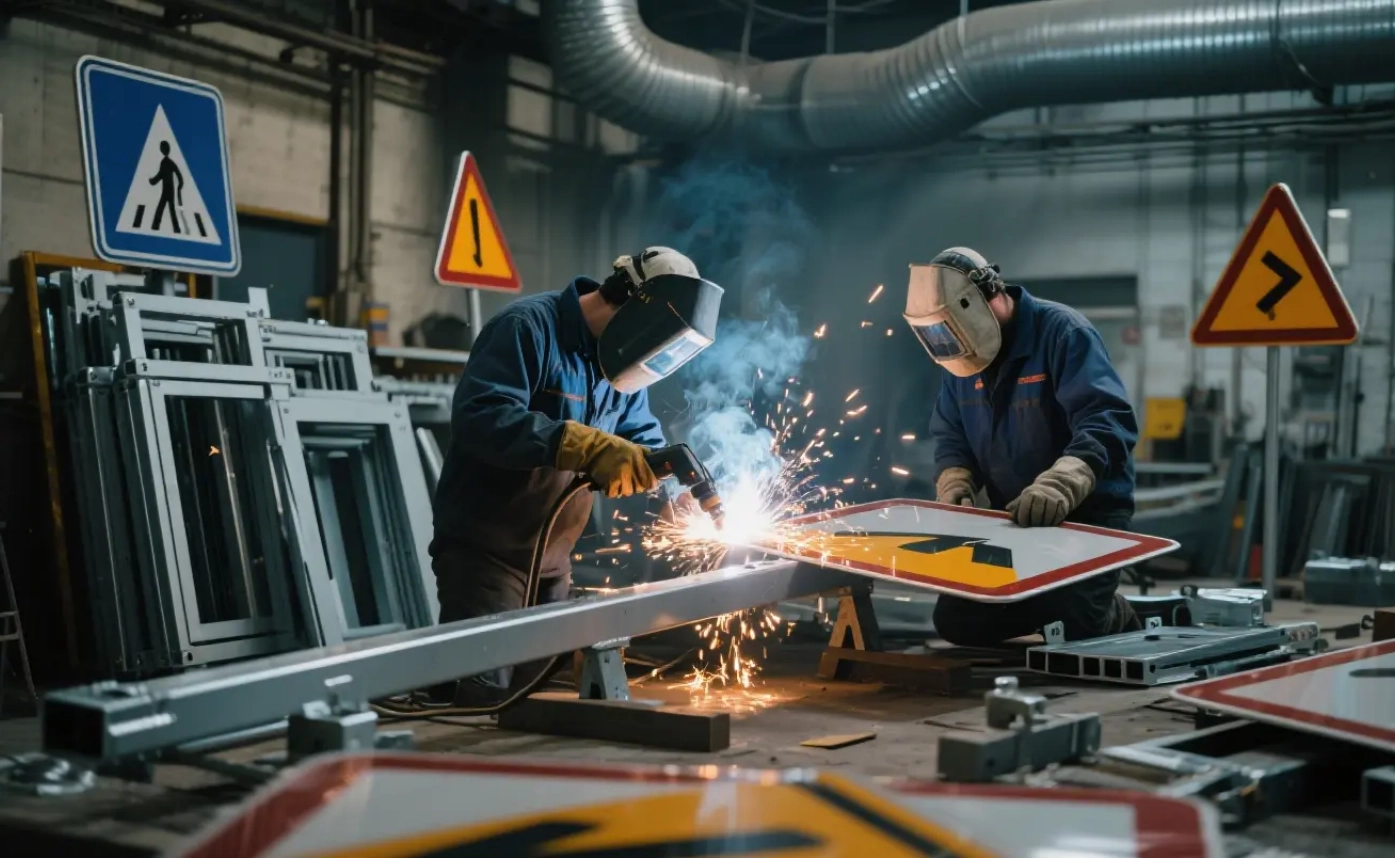
Located in Jiangsu, China, our modern production base covers an area of approximately 11,000 square meters. The facility is equipped with advanced manufacturing technologies and operated by a team of experienced engineers and skilled technicians. This ensures strict quality control, precision manufacturing, and efficient large-scale production capabilities.
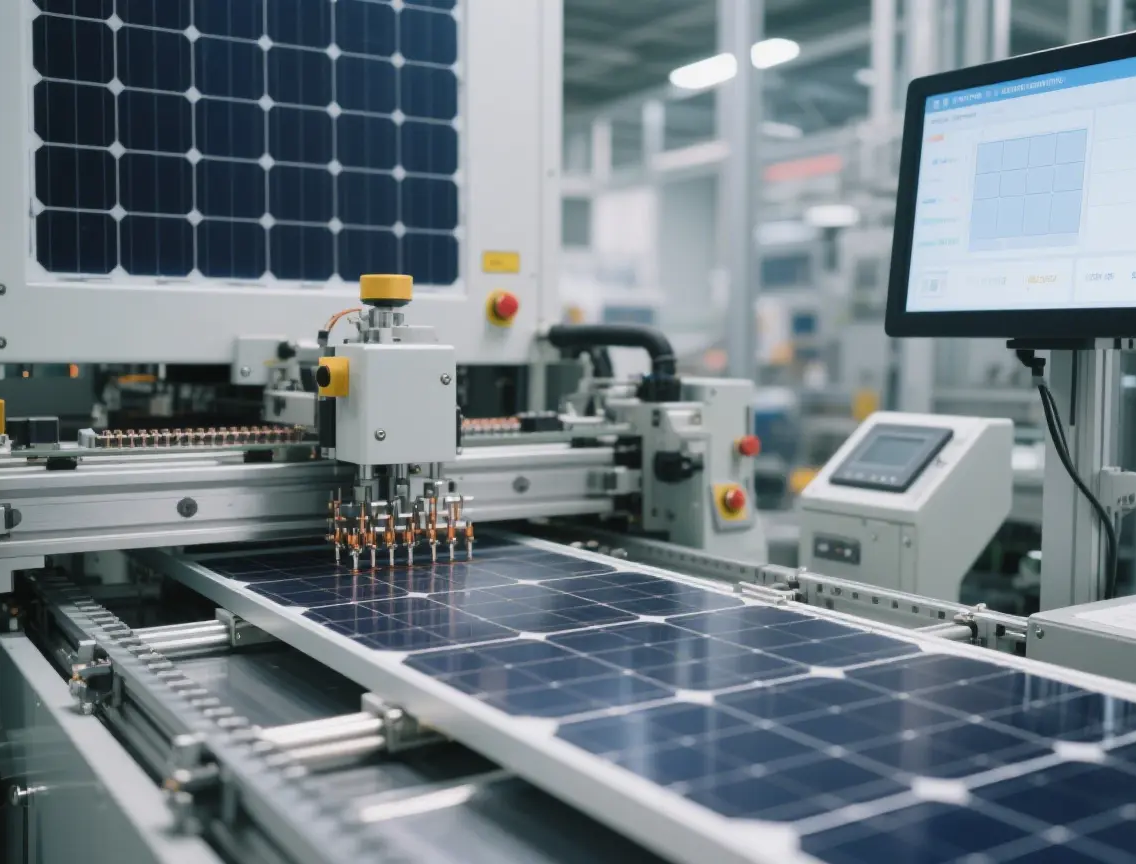
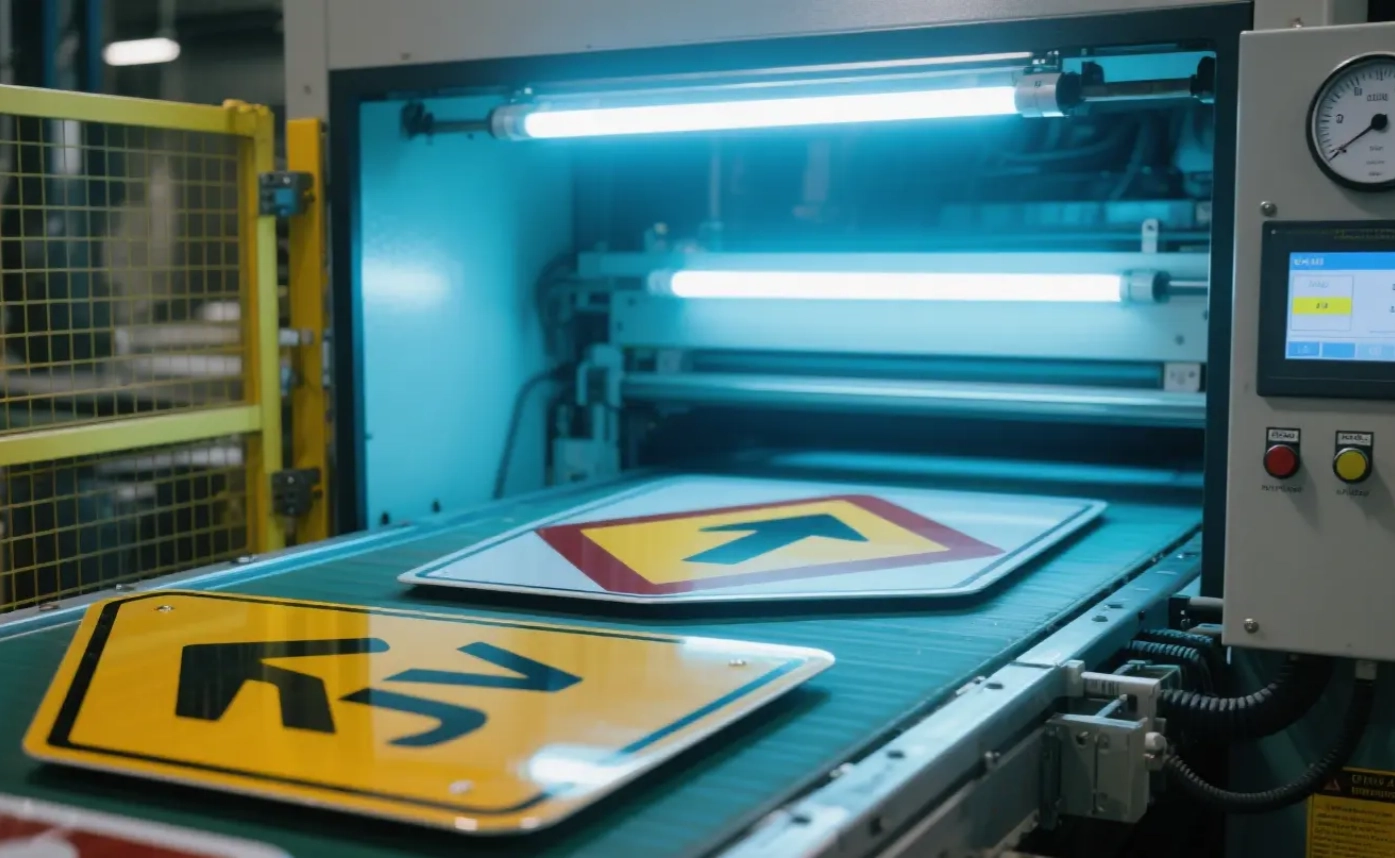
With efficient production lines and advanced automation, we are capable of handling both large-volume orders and complex customized projects with precision and speed.
We have established a comprehensive quality control system and have passed ISO9001 international certification. In addition, we have obtained multiple patents in lighting structure design and optical technology.
We provide fully integrated services including product design, mold development, prototype testing, mass production, and logistics support—eliminating intermediate links and ensuring faster delivery and better cost efficiency.
We continuously invest in energy-saving LED technologies and smart lighting control systems to support global carbon reduction goals and smart city development.
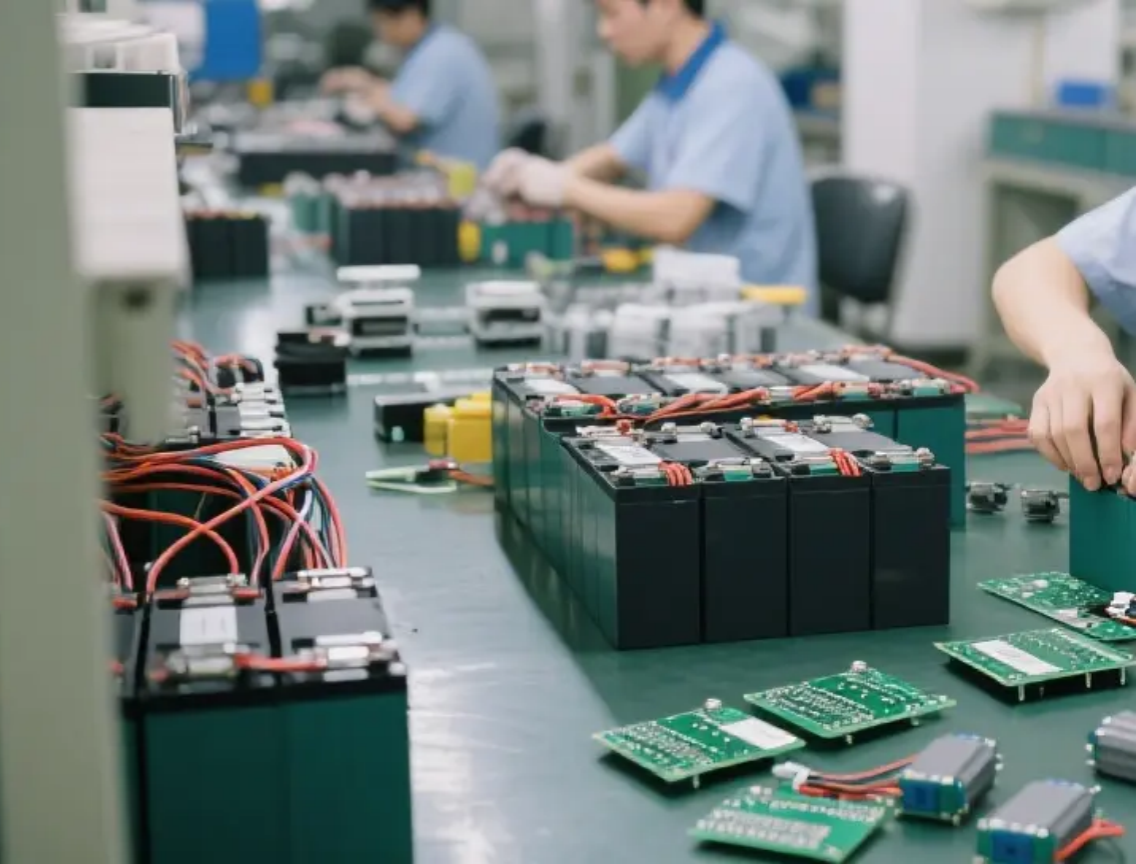
Our factory is equipped with a complete set of advanced production and testing systems, including:
These modern facilities enable us to maintain high production efficiency while ensuring stable and reliable product performance. Every product undergoes strict quality inspection procedures, from raw material selection to final assembly and lighting performance testing.
Custom-engineered luminaire systems built to satisfy specific international standards and challenging municipal layouts.
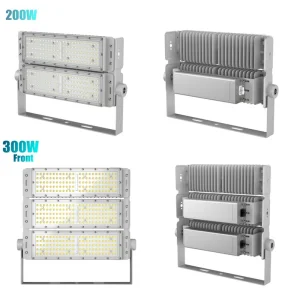
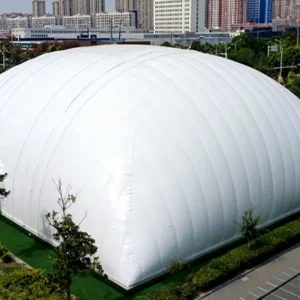
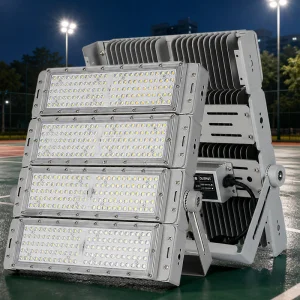
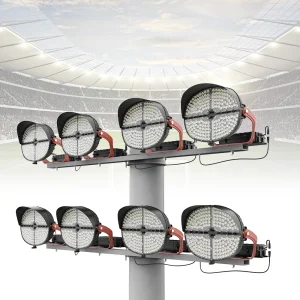
Our high-mast stadium solutions use advanced optical lenses to minimize glare (UGR < 19) and eliminate light spill. These systems are designed to support high-definition broadcast standards, delivering uniform light across soccer fields, tennis courts, and basketball arenas.
Luminaires deployed in tunnels require high ingress protection (IP66/IP67) and resistance to corrosive exhaust gases. Our linkable vapor-proof structures prevent flicker and maintain visual comfort for drivers transitioning from bright daylight.
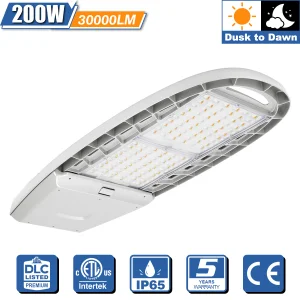
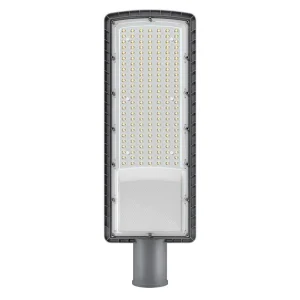
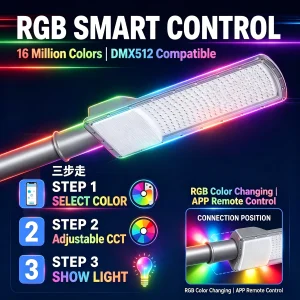
Our smart streetlights integrate IoT nodes, photocells, and motion sensors to support adaptive dimming profiles. They communicate via standard protocols to central municipal dashboards, optimizing energy usage and maintenance routes.
Innovating next-generation optical systems and intelligent hardware integrations.
Key information regarding international standards, design specs, and supply chain logistics.
From sports stadiums to architectural accents, our commercial luminaires deliver precise light control and energy efficiency.
 Lukas Lighting