Solar Street Lighting Manufacturer & Supplier for Istanbul

Industrial-Grade Photovoltaic Solutions Engineered for the Climate Dynamics and Municipal Demands of the Bosporus Region

Istanbul’s Urban Energy Transition: Driving Sustainability via Photovoltaic Roadway Infrastructure

As Turkey’s financial and cultural heart, Istanbul bridges two continents under a complex set of environmental conditions. The city Metropolitan Municipality (IBB) has committed to extensive decarbonization efforts, seeking smart, decentralized infrastructure to support its 16 million residents. With microclimates ranging from humid maritime conditions along the Bosporus to high wind loads off the Black Sea, municipal and industrial lighting installations face extreme mechanical and electrical stress. Traditional grid-tied systems suffer from high energy costs and complex trenching requirements in historical urban grids.

By implementing Industrial Solar Street Lighting, project developers bypass traditional civil excavation costs—particularly critical in historical peninsulas like Fatih, where deep trenching can disturb archaeological strata. Furthermore, solar luminaires maintain continuous operation during grid instabilities, securing transport nodes and public walks during emergencies. To survive the local wind profiles and high atmospheric humidity, lighting fixtures must be engineered with advanced structural integrity, IP66 waterproof ratings, and high-performance powder coatings that prevent marine corrosion.

2,200+
Peak Sun Hours / Year
135 lm/W
Min. Optical Efficacy
IP66
Ingress Protection
-20° to 65°C
Operating Range

Global Solar Street Lighting Landscape: Standardizing Efficiency & Intelligence

The global solar lighting industry is moving rapidly toward total smart system integration. The days of standalone, unmonitored solar poles are yielding to smart arrays controlled via LoRaWAN or NB-IoT networks. Standard parameters now demand highly efficient Monocrystalline Silicon solar panels (exceeding 21% efficiency) coupled with Lithium Iron Phosphate (LiFePO4) battery chemistry. Compared to outdated Lead-Acid or Gel batteries, LiFePO4 cells deliver up to 3,000 charge cycles at 80% Depth of Discharge (DoD), ensuring over eight years of continuous operation without maintenance. This global transition directly supports the UN's Sustainable Development Goals (SDG 7 and SDG 11), making solar public lighting a primary requirement for clean smart city tenders worldwide.

Jiangsu Lukas Lighting Co., Ltd. - Corporate History & Manufacturing Footprint

Established in 1998, Lukas Lighting has evolved from an regional industrial light manufacturer into a major global exporter of advanced, certified solar street lighting systems.

Jiangsu Lukas Lighting Co., Ltd. was established in 1998 with a strong commitment to innovation, quality, and sustainability in the outdoor lighting industry. Over more than two decades of development, the company has grown into a professional manufacturer specializing in intelligent and energy-efficient street lighting solutions.

With continuous investment in research and development, Lukas Lighting has expanded its product portfolio to include LED street lights, solar street lights, smart lighting systems, landscape lighting, and customized municipal lighting solutions. Our products are widely used in urban roads, highways, industrial parks, residential communities, and public infrastructure projects across global markets.

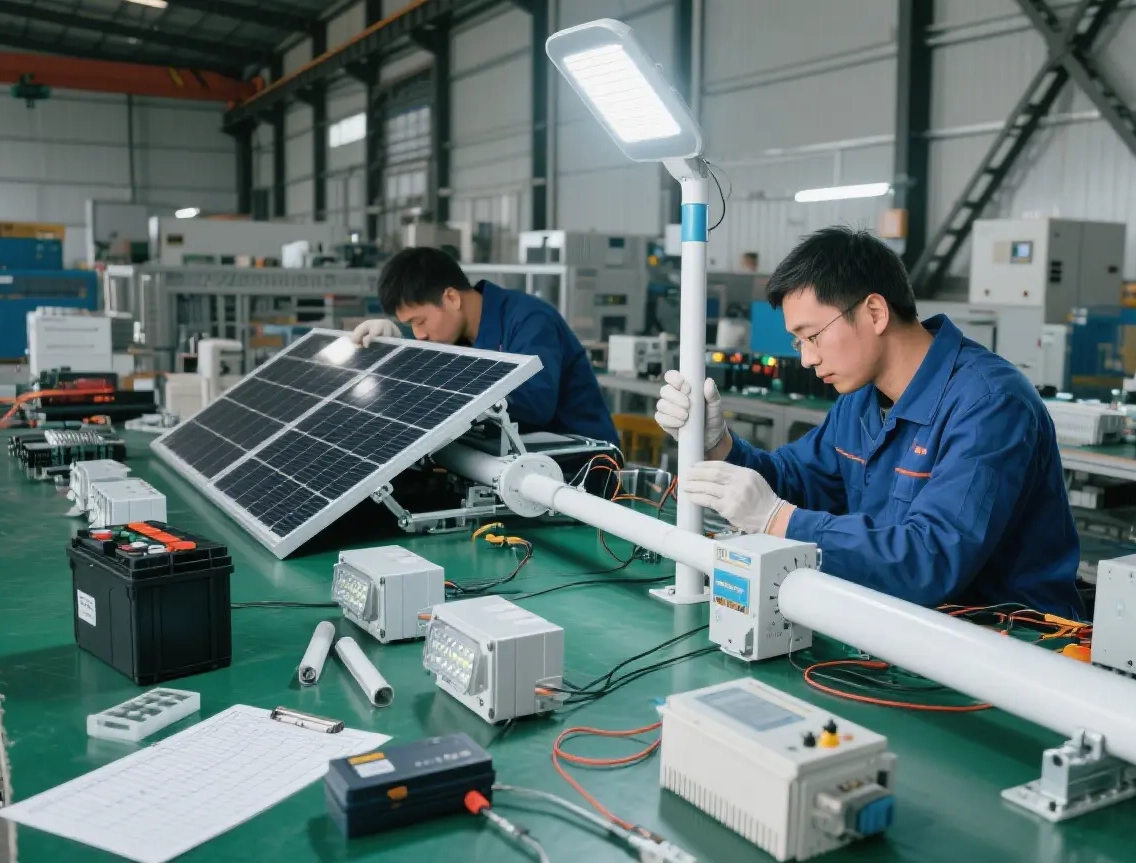
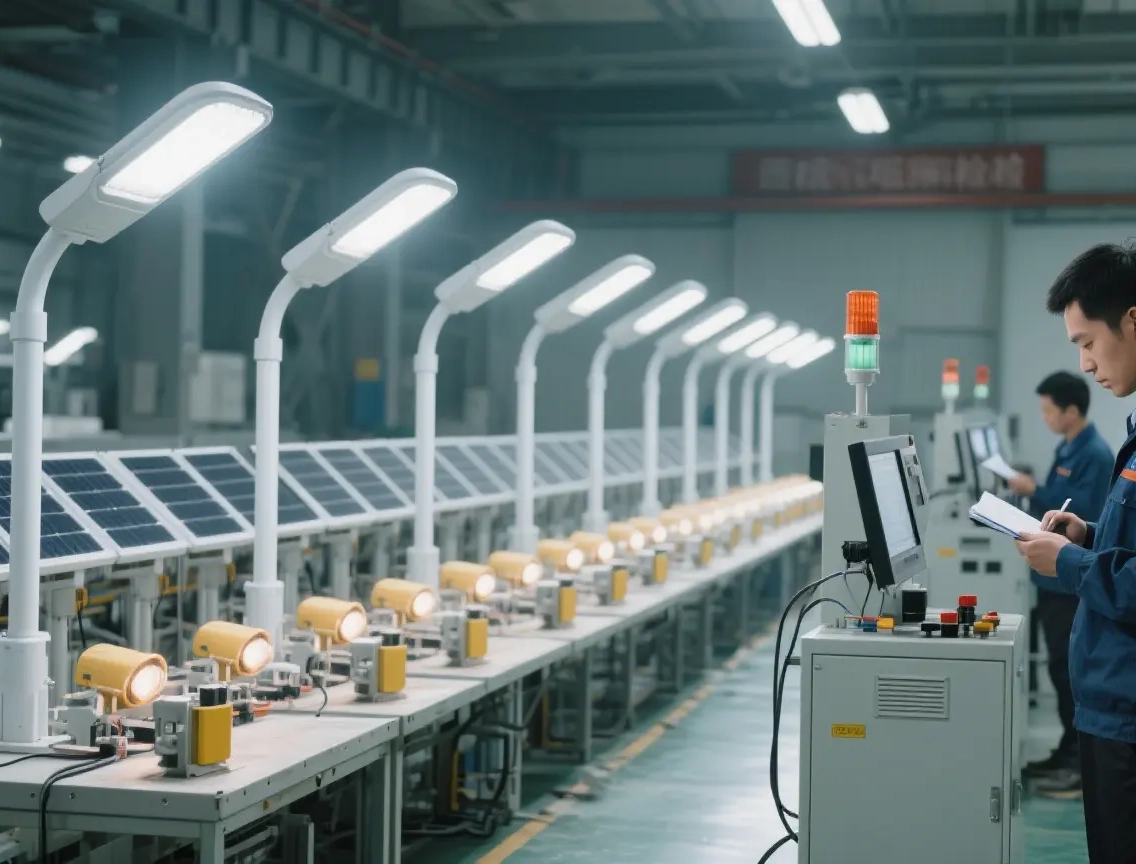
Located in Jiangsu, China, our modern production base covers an area of approximately 11,000 square meters. The facility is equipped with advanced manufacturing technologies and operated by a team of experienced engineers and skilled technicians. This ensures strict quality control, precision manufacturing, and efficient large-scale production capabilities.

Advanced Manufacturing Systems

  • Automated LED encapsulation production lines
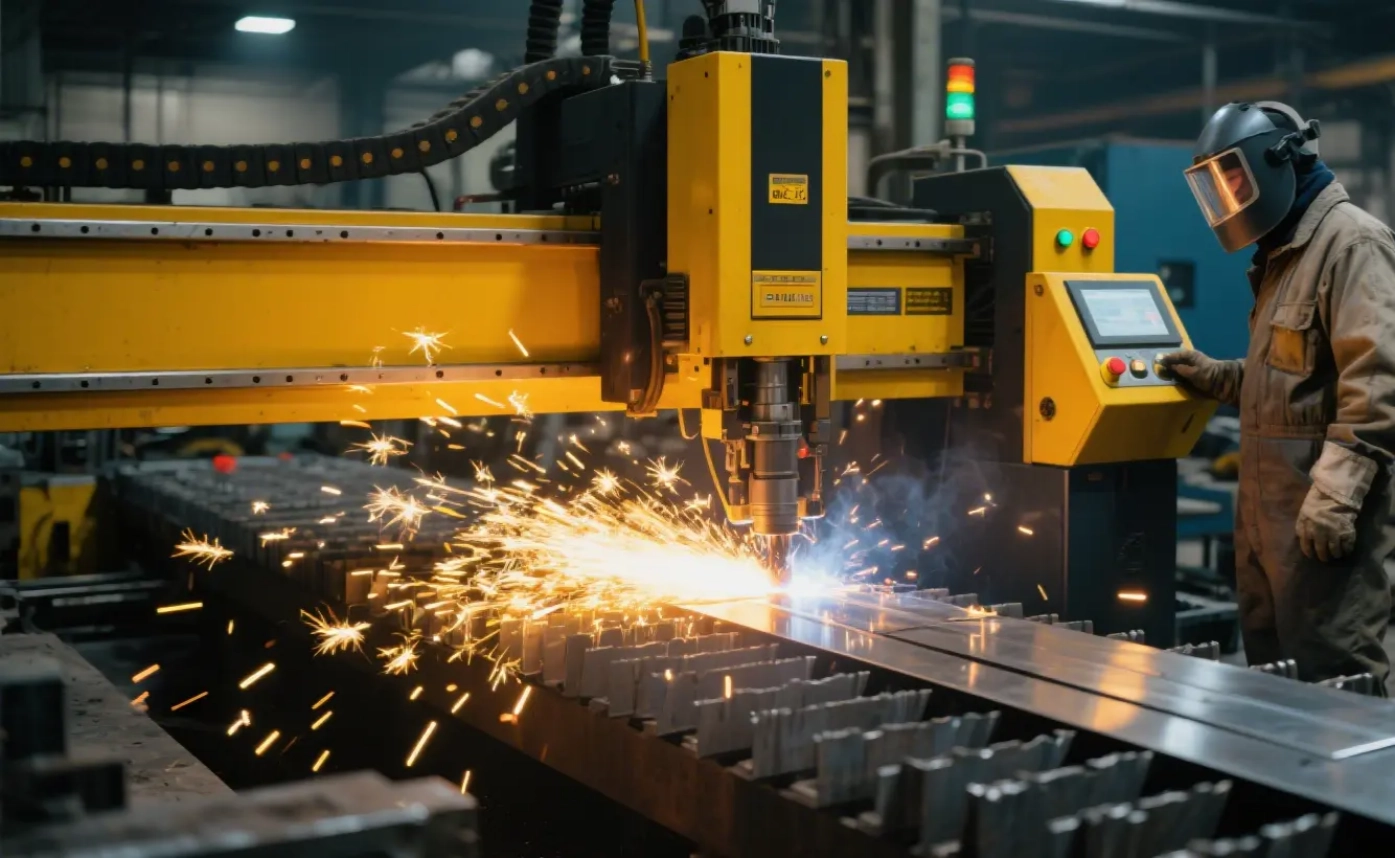
  • High-precision CNC laser cutting machines
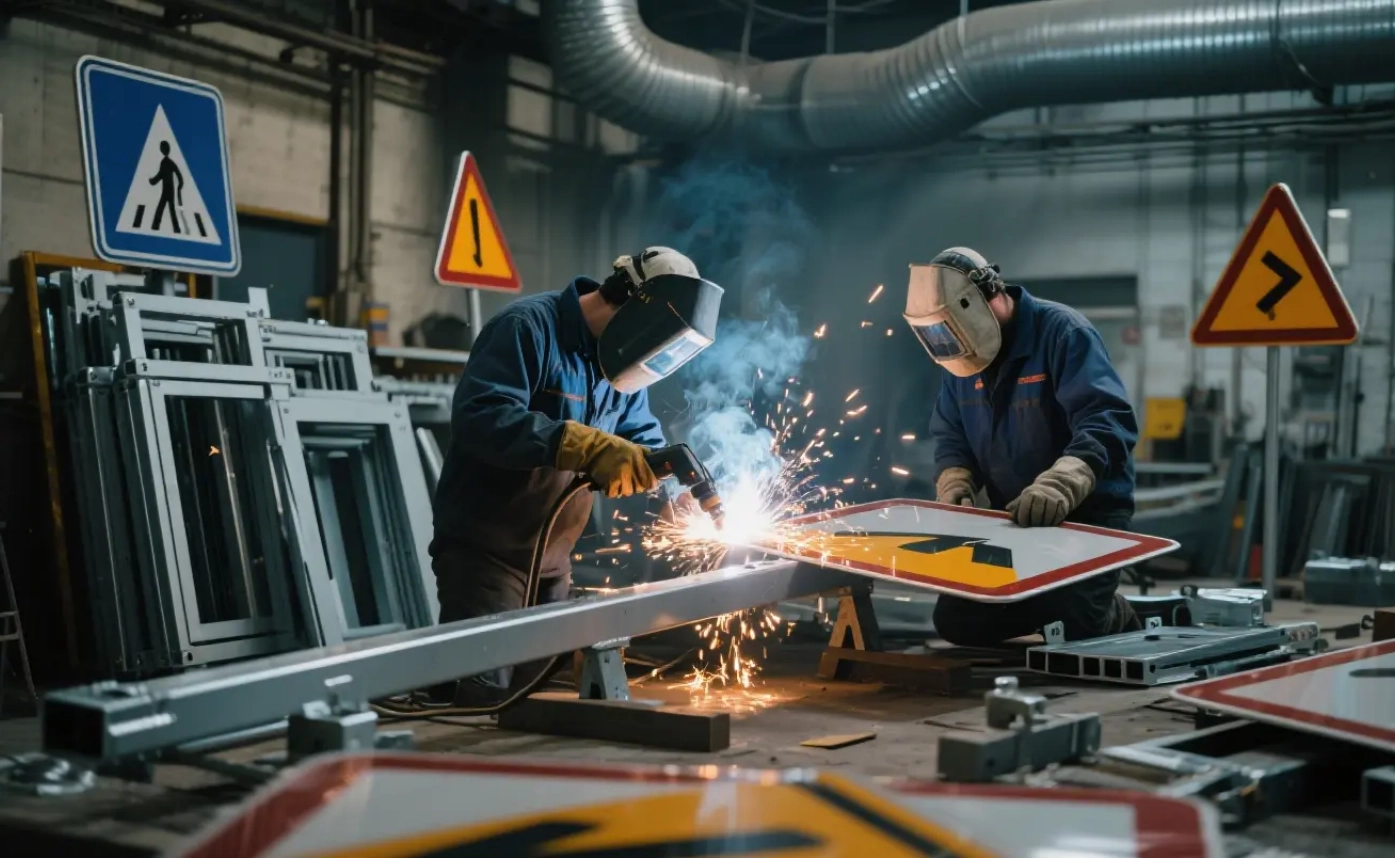
  • Robotic welding systems
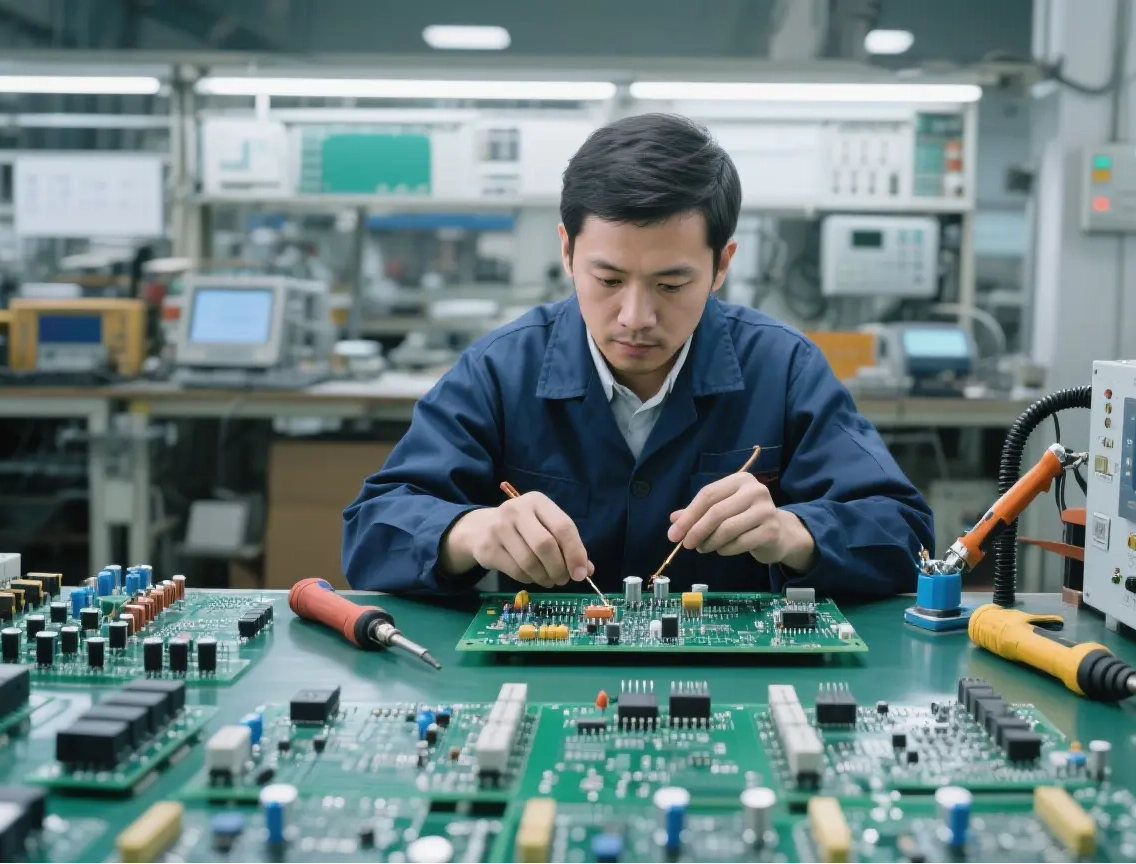
  • SMT (Surface-Mount Technology) assembly lines
  • Automatic die-casting machines
  • Professional powder coating production lines
  • Advanced photometric and optical testing equipment

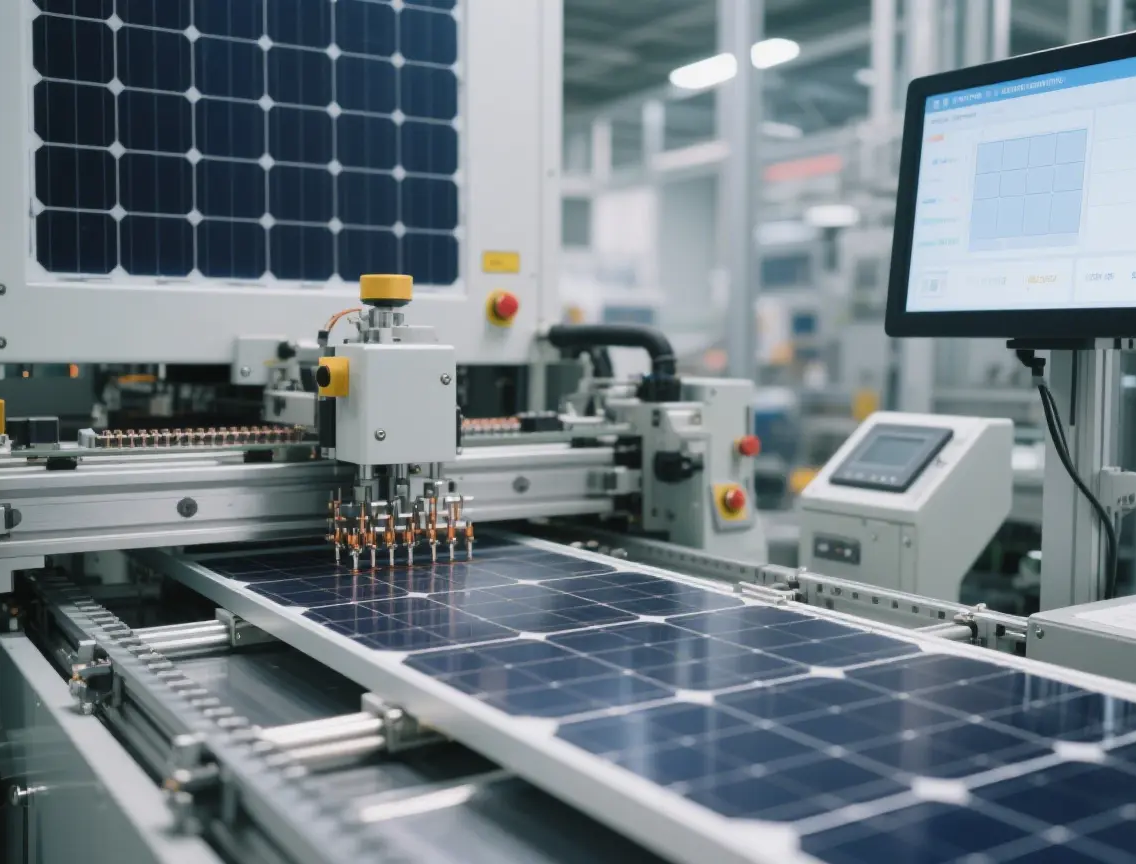
Vertical Integration: Our Process Flow Visualization

Maintaining micro-level quality control across all component fabrication steps to guarantee 10+ years of operational durability in harsh environments.
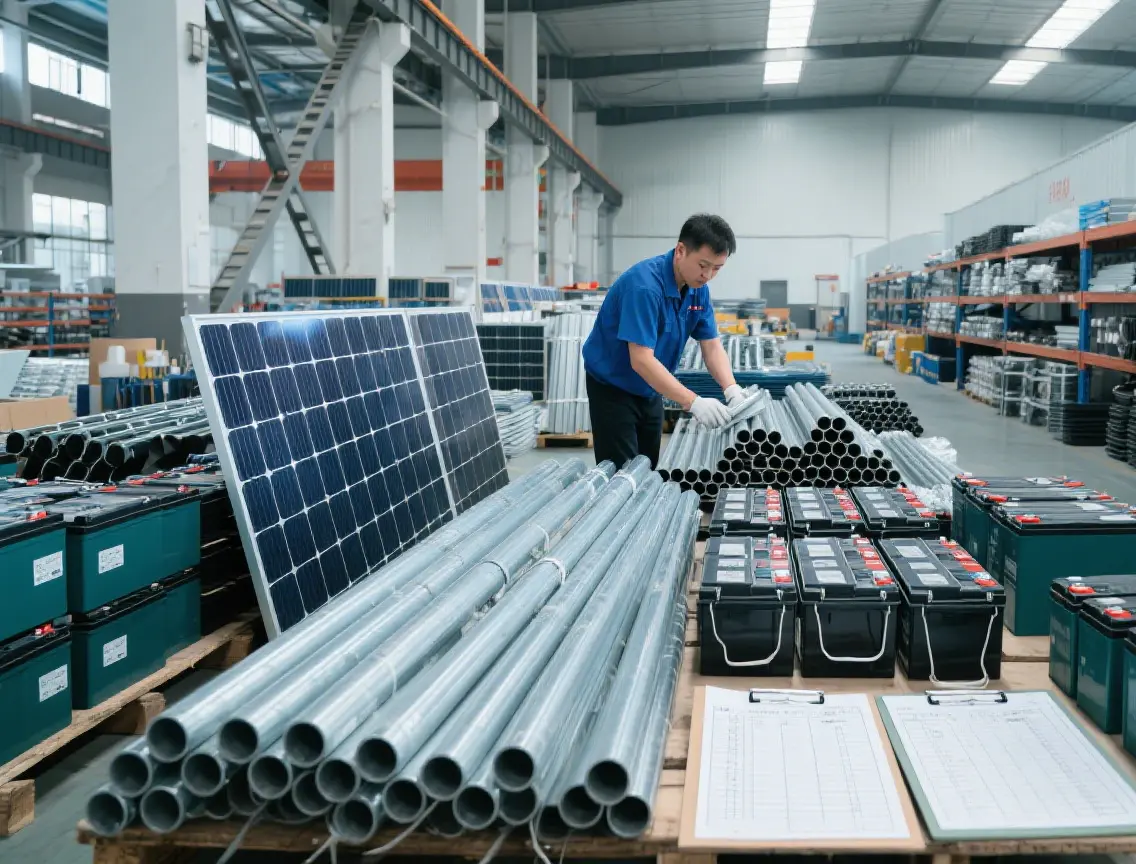
Raw Material Preparation
Solar Panel Fabrication
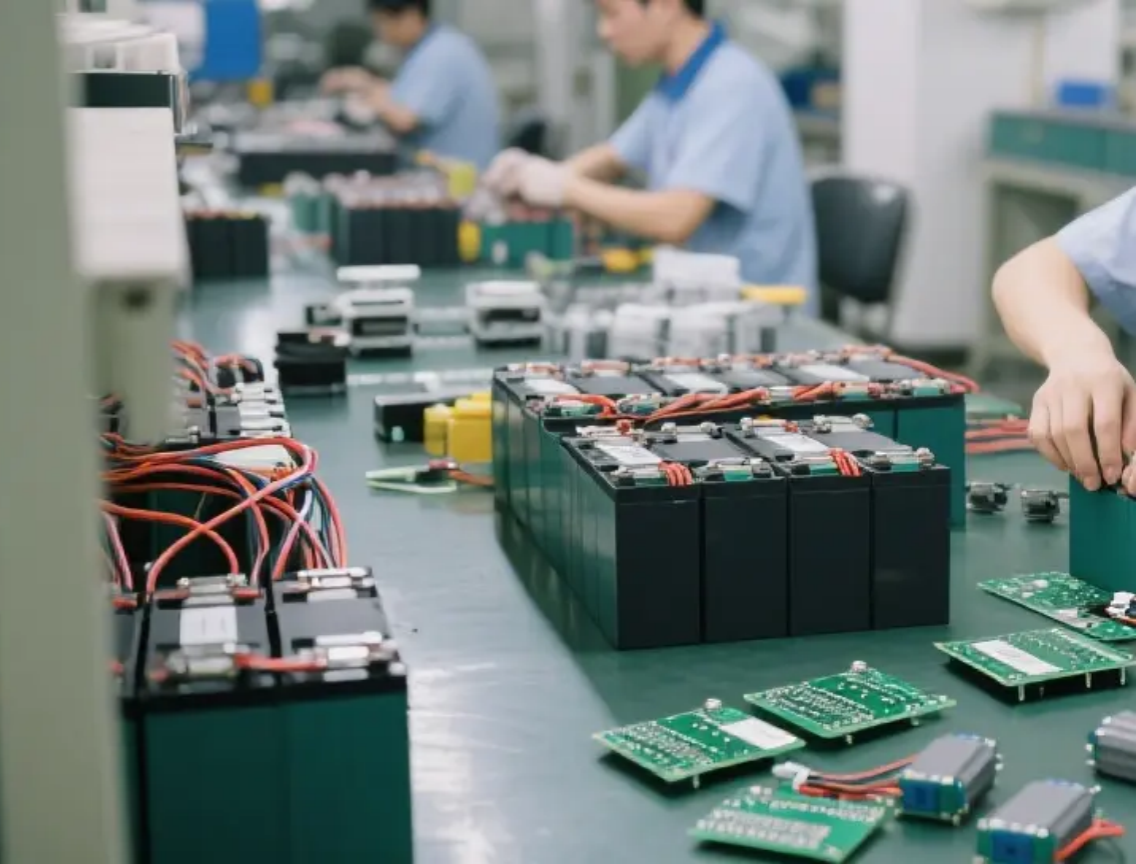
Battery Assembly
Battery Assembly​
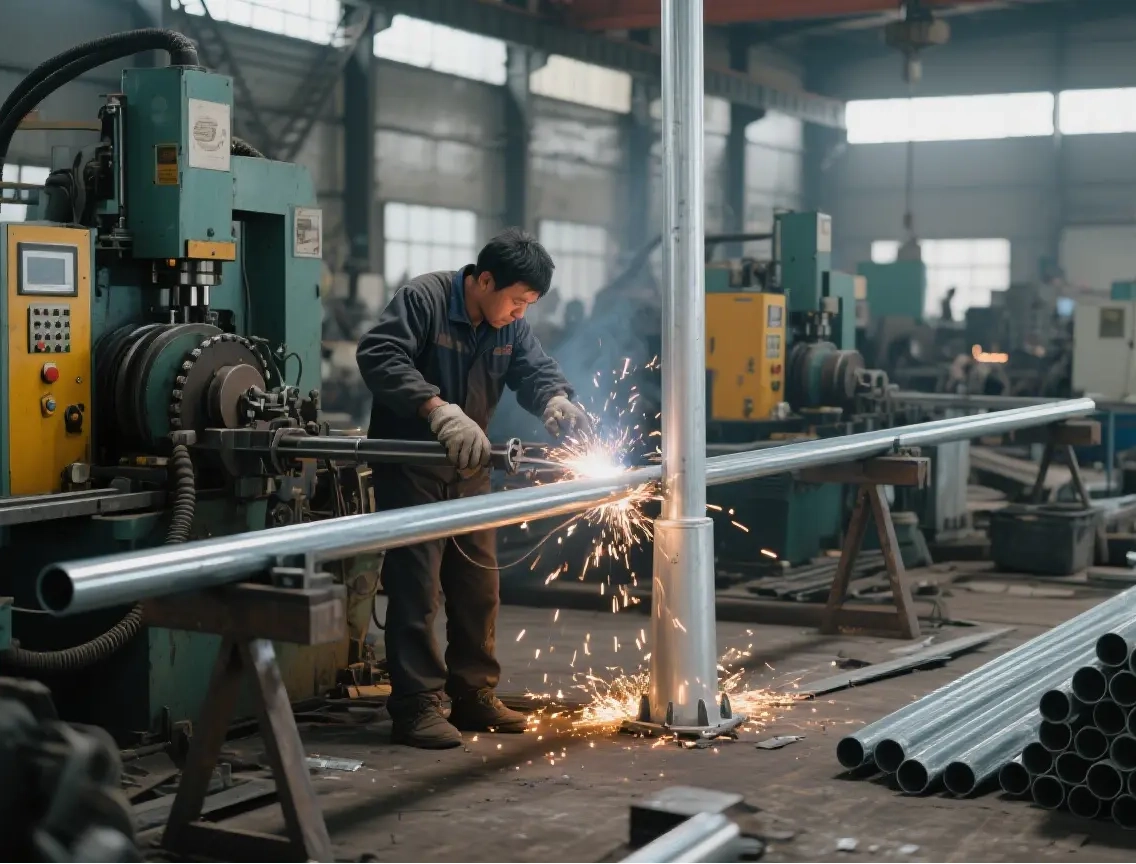
Pole & Bracket Processing
Pole & Bracket Processing​
Controller Integration
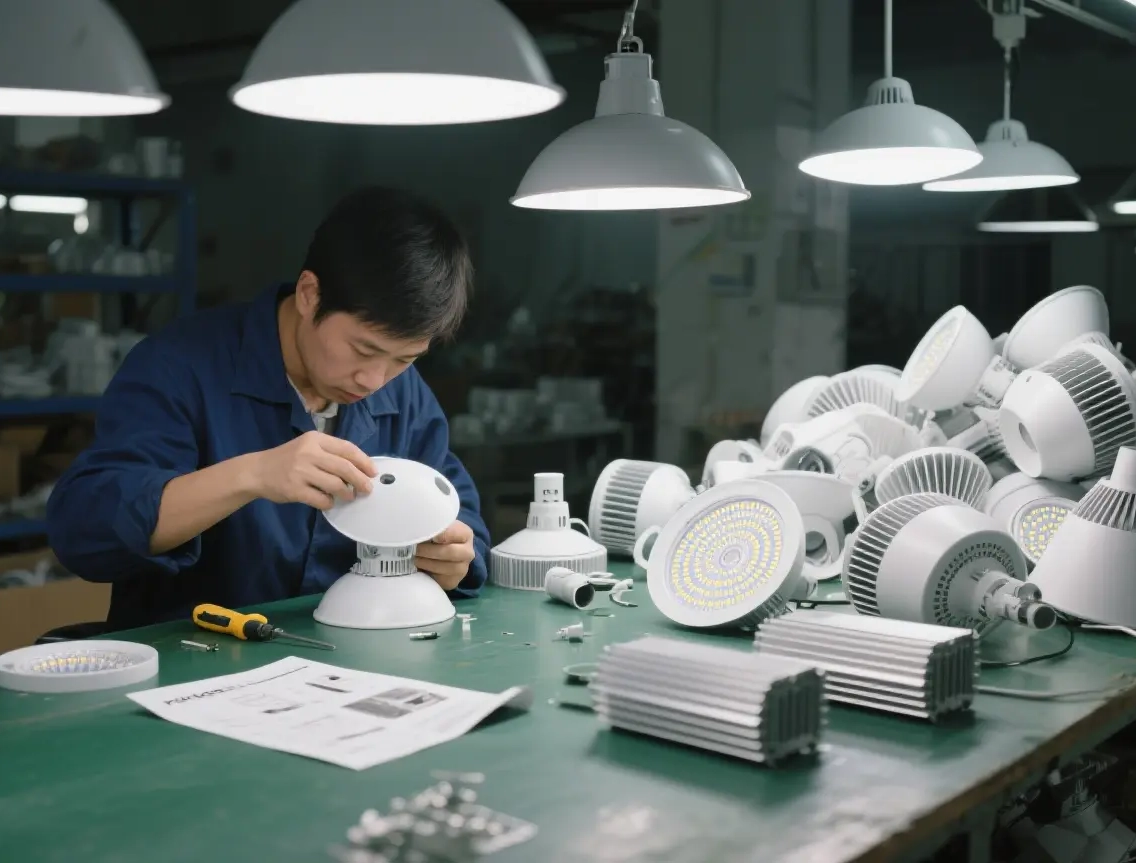
Luminaire Assembly
Luminaire Assembly
System Integration & Debugging
System Integration & Debugging​
Burn-in & Quality Inspection
Burn-in & Quality Inspection​
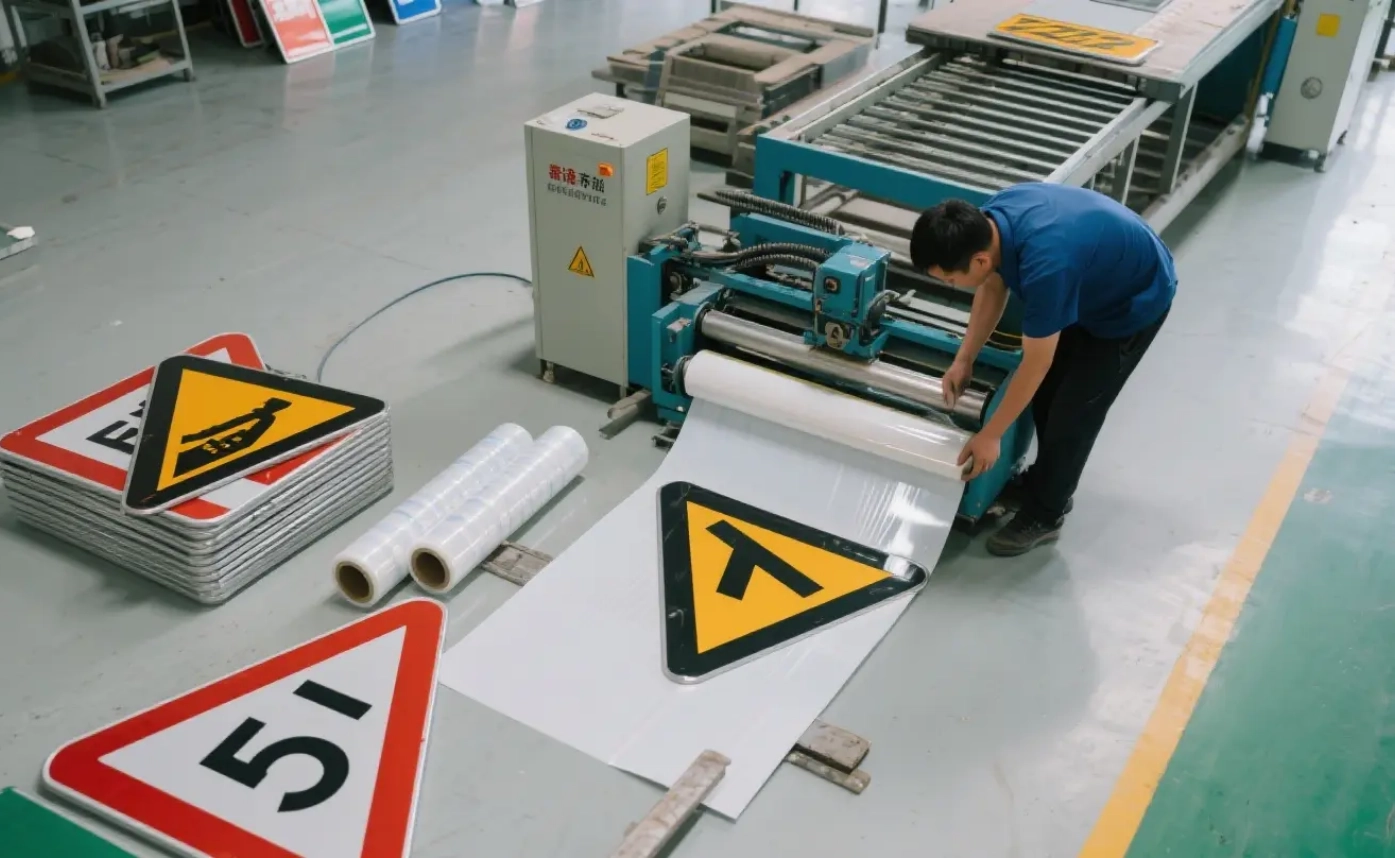
Reflective film laminating
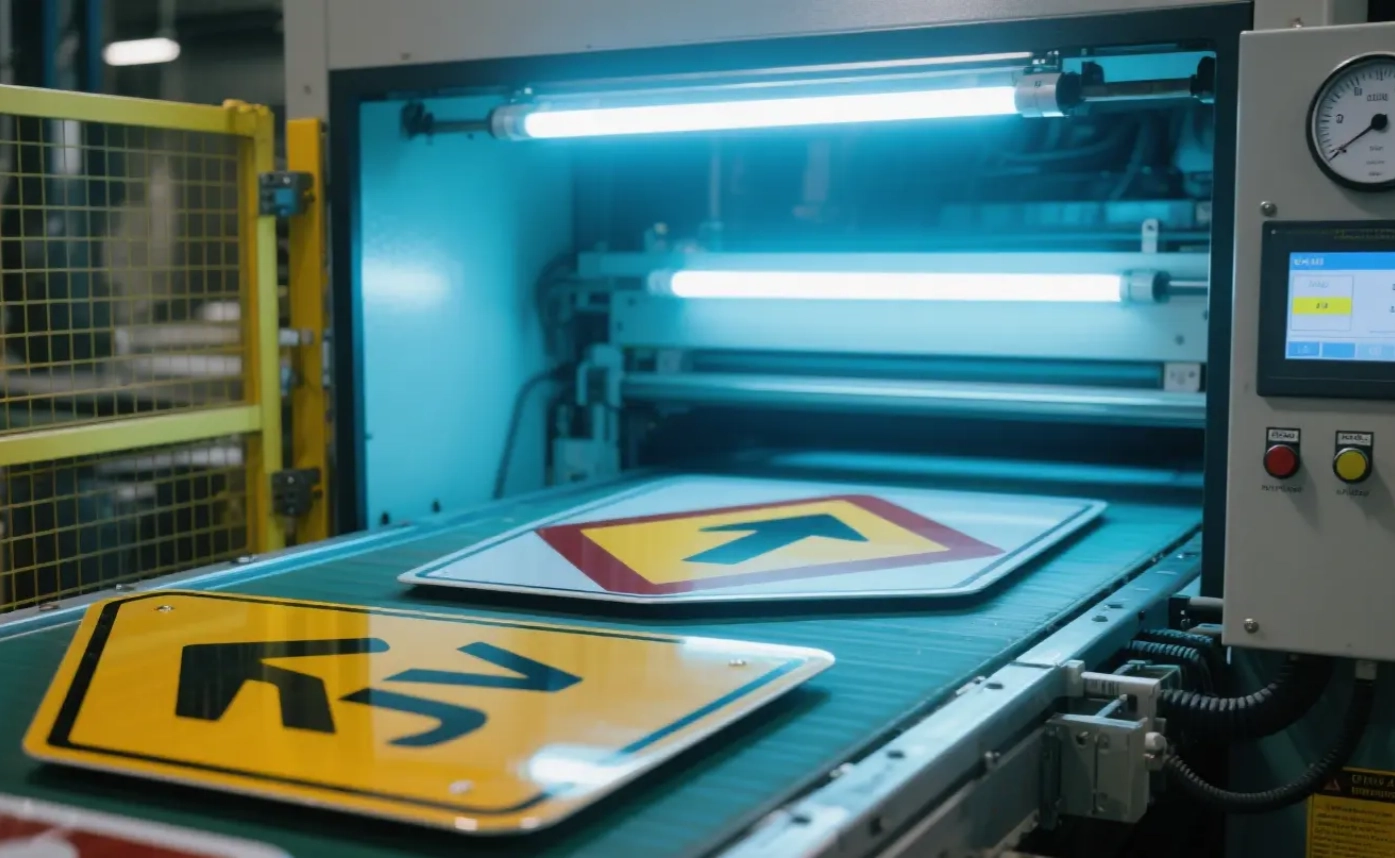
UV curing
UV curing
Welding and forming
Welding and forming
Assembly and welding

The China Factory Efficiency Advantage: High-Volume Production for Global Tenders

Sourcing directly from our state-of-the-art production facility in Jiangsu, China, gives global procurement officers and Turkish importers a decisive market edge. China’s deep supply chain integration in LED manufacturing, semiconductor wafer production, and solar cell assembly enables Lukas Lighting to operate with optimized lead times and highly competitive pricing models that local assembly facilities in Europe or the Middle East cannot replicate.

We leverage automated SMT lines for printed circuit board assembly, high-speed robotic welding systems for pole configurations, and advanced UV curing technology to ensure that all metallic housings can withstand high saline exposure. Every batch of luminaires undergoes exhaustive automated test procedures, including photometric testing via goniophotometers to generate accurate IES files, salt spray chamber testing to verify corrosion resistance, and structural vibration testing to match seismic and wind load configurations. These strict quality controls guarantee international certifications such as CE, RoHS, TUV, and IP66.

Core Strengths of Jiangsu Lukas Lighting

  • 01 Large-Scale Manufacturing Capability: Capable of handling massive municipal volumes and complex customized structural designs via automated fabrication.
  • 02 Standardized Quality Management: Operates strictly under ISO9001 quality systems and holds structural patents in optical efficiency and heat dissipation.
  • 03 One-Stop Customized Service: Providing comprehensive support from raw silicon processing to finished powder-coated poles and logistic tracking.
  • 04 Innovation & Sustainability: R&D investments focusing on smart city integrations, IoT connectivity, and hyper-efficient monocrystalline panel developments.

Local Application Scenarios Across the Istanbul Province

For optimal performance in Istanbul, solar street lighting must be customized to specific micro-locations:

  • The Bosporus Coastal Lines: Exposure to dense saline mist and wind velocities up to 140 km/h requires marine-grade, hot-dip galvanized poles with epoxy-polyester powder coatings. The LED driver housing must maintain an IP66 ingress rating with breathable membranes to prevent internal condensation.
  • Historic Districts (Fatih & Beyoğlu): Narrow, dense street layouts demand All-in-Two (AIT) solar configurations, placing the PV panels on roofs or higher positions while wiring directly to architectural, pole-mounted fixtures below.
  • TEM & D-100 Highway Corridors: High-speed routes require high-lumen, asymmetric optical profiles (Type II or Type III light distribution) with heights of 8 to 12 meters, ensuring uniform illumination without glare.
  • Tuzla & Hadımköy Industrial Zones: Heavy industrial areas benefit from smart motion-sensing solar lights, automatically dimming to 30% brightness during low-activity hours and returning to 100% when vehicles pass.

Global Enterprise Procurement & Tender Guidelines

When engineering teams prepare tenders for municipal lighting projects in Istanbul and surrounding regions, specifying precise physical and electrical properties is critical to ensuring operational longevity. Standard compliance ensures the design stands up to maritime environment parameters:

  • Luminous Efficacy: Specify a minimum of 135 lm/W at the fixture level to optimize power efficiency and solar battery sizing.
  • Battery Protection: Demand BMS (Battery Management System) profiles offering overcharge, over-discharge, and thermal runaway protection. For regions like Istanbul with cold winter temperatures, low-temperature charging cutoffs must be active.
  • Structural calculations: Ensure the vendor provides Finite Element Analysis (FEA) reports indicating wind load capacity up to 45 m/s.
  • Anti-Corrosion Certifications: Require ISO 12944 standard coatings (minimum C4 or C5-I classification for coastal roads).

Technical Q&A (FAQ) for Solar Lighting Projects

Q1: How does Istanbul’s solar irradiation profile affect battery and panel sizing?
Istanbul receives an average of 4.8 peak sun hours per day. However, during the winter months, this can drop below 2.0 hours. To guarantee continuous operation, we specify solar panel wattages at 2.5 to 3 times the LED power rating and configure the LiFePO4 battery capacity to support 3 to 5 consecutive cloudy days without recharging.
Q2: Why is the IP rating critical for lighting installations near the Bosporus?
High ambient humidity and salt spray along coastal areas like Kadıköy or Beşiktaş can penetrate poorly sealed light heads, causing corrosion in optical components and LED drivers. A true IP66 or IP67 rating, combined with silicone seals and ventilation valves, keeps moisture out and prevents internal condensation.
Q3: Can these systems integrate into Istanbul’s existing Smart City frameworks?
Yes. Our smart systems support wireless communication technologies like LoRaWAN, Zigbee, and NB-IoT. This allows operators to monitor battery health, track energy production, adjust dimming profiles, and receive automated fault alerts from a central monitoring platform.
Q4: What are the concrete advantages of LiFePO4 battery chemistry over traditional gel cells?
LiFePO4 batteries offer a longer lifespan (over 3,000 cycles at 80% Depth of Discharge compared to 500-800 cycles for gel batteries), superior thermal stability, a smaller footprint, and eco-friendly composition. They operate reliably within a temperature range of -20°C to +65°C, making them ideal for Istanbul’s seasonal temperature shifts.
Q5: How do your photocell-equipped streetlights handle historical urban shading issues?
Our luminaires feature smart MPPT (Maximum Power Point Tracking) controllers. If structural shade blocks a portion of the solar panel, the controller dynamically adjusts the charging cycle to capture maximum current, ensuring the battery still charges efficiently under less-than-ideal conditions.
Q6: Do your poles require specialized foundations to withstand high wind zones?
Yes. In high-wind areas, we supply structural anchor bolt kits and recommend concrete foundations calculated specifically for local soil parameters and the mechanical wind load calculations of our 6m-9m steel poles.
Q7: What is the standard warranty and life expectancy of Lukas Solar Street Lights?
We provide a 5-year comprehensive warranty on the entire integrated system, including the LED source, battery, controller, and solar panel. The structural poles have a lifespan of over 20 years, while the solar panels are rated for 25 years at 80% power output.

Accelerate Your Istanbul Infrastructure Projects with Lukas Lighting

Partner with Jiangsu Lukas Lighting for industrial-grade, certified solar solutions engineered specifically for Turkey's municipal and commercial requirements.

Send Inquiry Now