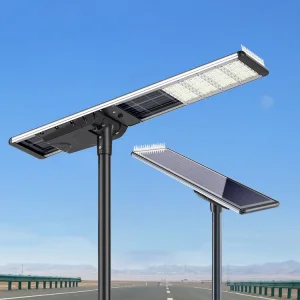
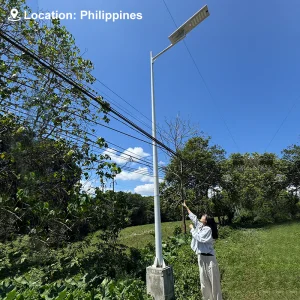
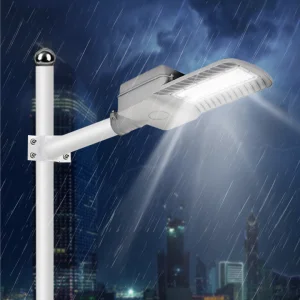
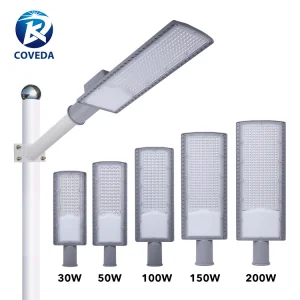
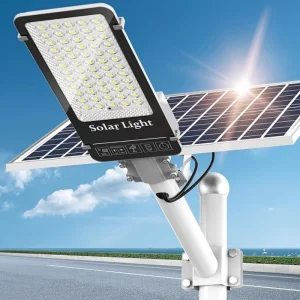
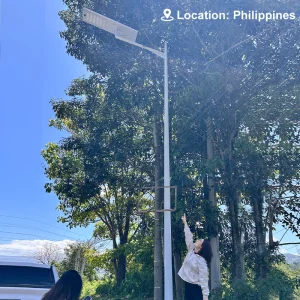
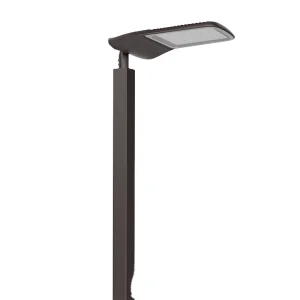
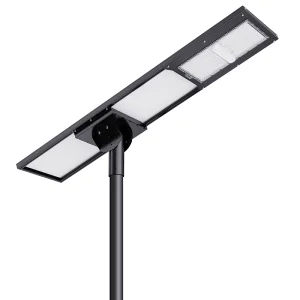
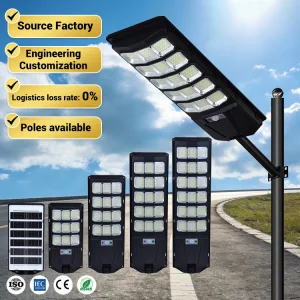
Premium all-in-one and split type configurations field-proven for Port Vila, Luganville, and outlying Vanuatu archipelago infrastructure.
Vanuatu, an archipelago of over 80 islands, faces some of the most complex utility and infrastructural constraints globally. Driven by the Vanuatu National Energy Road Map (NERM), the nation is actively transitioning away from high-cost, import-reliant diesel micro-grids towards 100% decentralized renewable energy. Electricity tariffs in remote islands like Malekula, Santo, and Tanna are among the highest in the South Pacific, making grid-tied public lighting economically unsustainable.
Beyond financial constraints, Vanuatu is located within the Pacific "Ring of Fire" and the cyclone belt. Public infrastructure projects demand hardware certified to withstand high wind loads (up to Category 5 cyclones), extreme humidity, continuous salt spray, and intense solar radiation. Standard lighting products fail within 6 to 12 months under these conditions; our specialized configurations are built explicitly to endure them.
Request Vanuatu Project StudyAligning Vanuatu municipal developments with international technological leaps in off-grid solid-state lighting.
Modern off-grid solar lighting cuts initial civil construction bills by up to 50% by avoiding underground utility trenching and cabling. Continuous zero-cost utility billing ensures instant ROI for municipal projects.
Global systems are transforming from passive fixtures to interconnected municipal nodes. Integrated smart controllers enable dimming profiles, active remote health monitoring, and environmental telemetry reporting back to Central Port Vila councils.
Moving away from legacy lead-acid and gel batteries, modern systems utilize lithium iron phosphate (LiFePO4) chemistries, yielding over 3,000 deep cycles (80% DoD) under harsh high-temperature tropical environments.
Established in 1998, Jiangsu Lukas Lighting has spearheaded engineering innovation and high-reliability solar illumination projects worldwide. Spanning over two decades of technical evolution, the company operates a specialized 11,000-square-meter modern manufacturing base located in the industrial manufacturing heartland of Jiangsu, China.
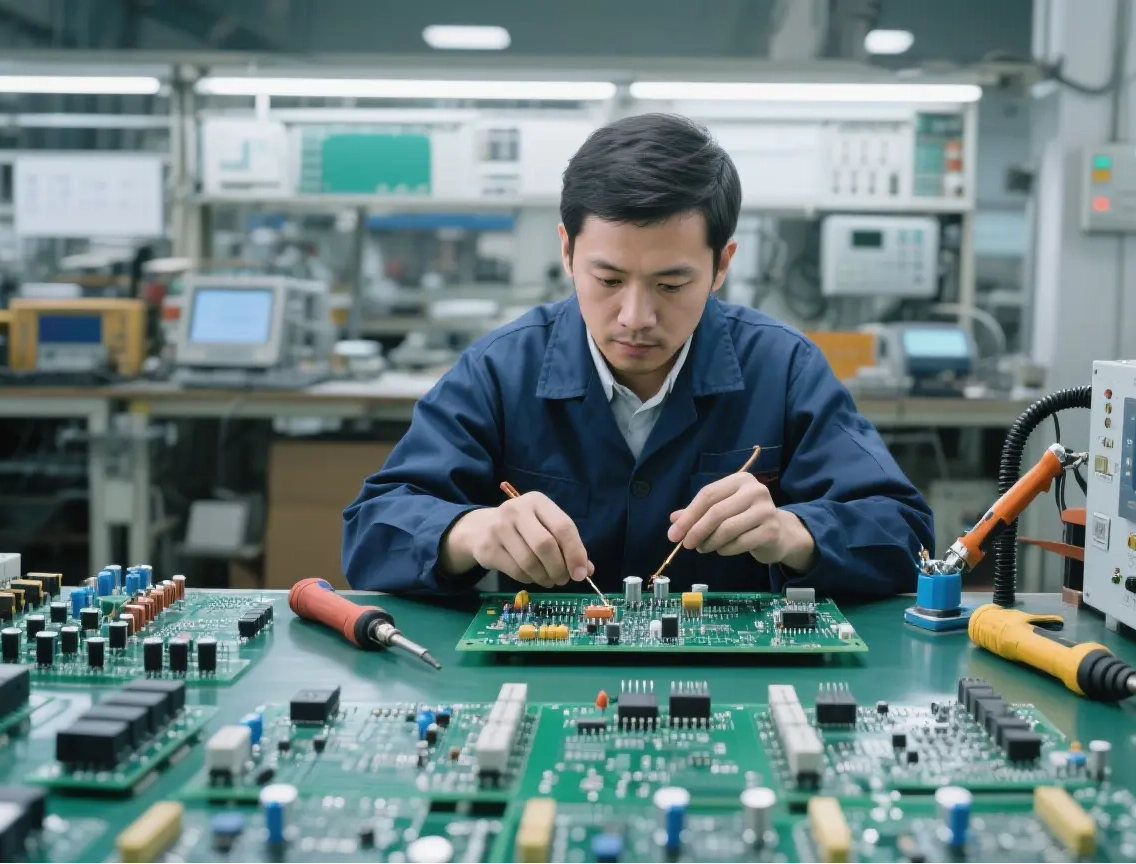
Our state-of-the-art facility integrates advanced SMT component assembly lines, automated die-casting plants, and specialized outdoor powder coating chambers. This vertical integration guarantees rigorous quality control protocols matching ISO9001 and CE/TUV compliance metrics.
Over 25 Years of Expertise
Modern Production Base
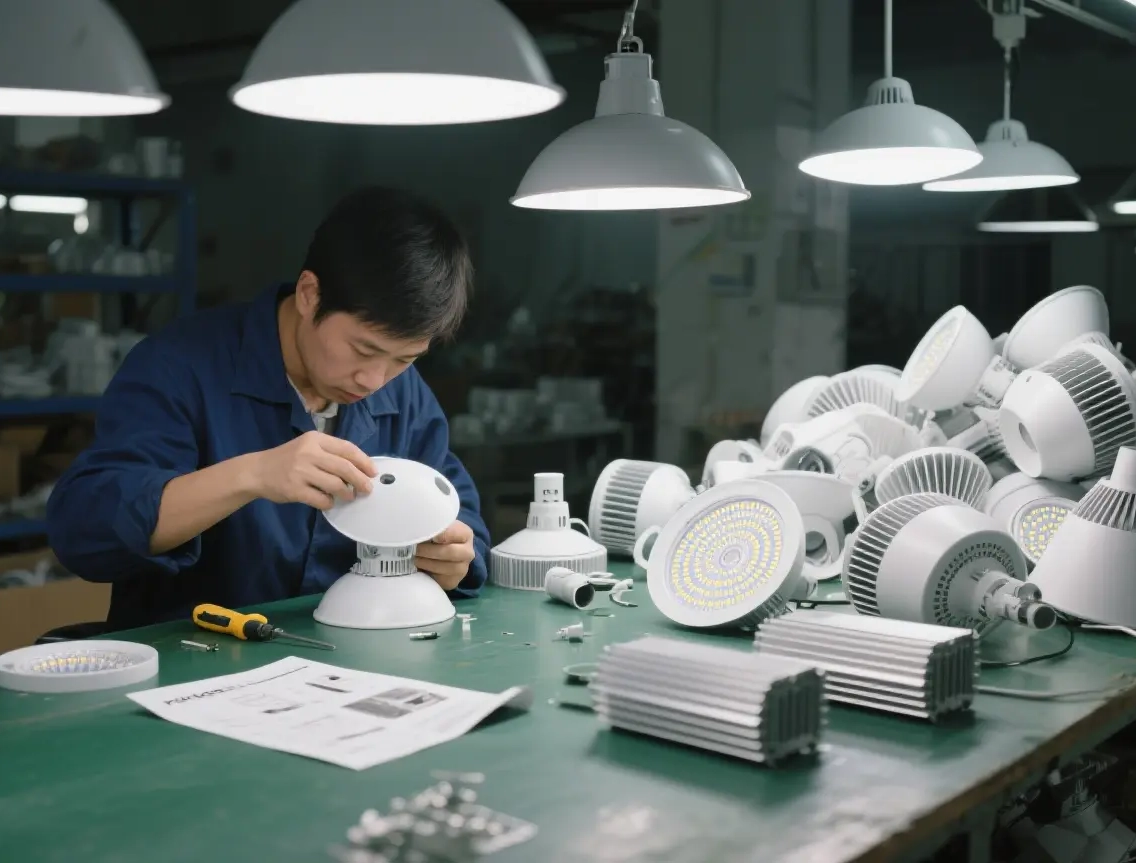
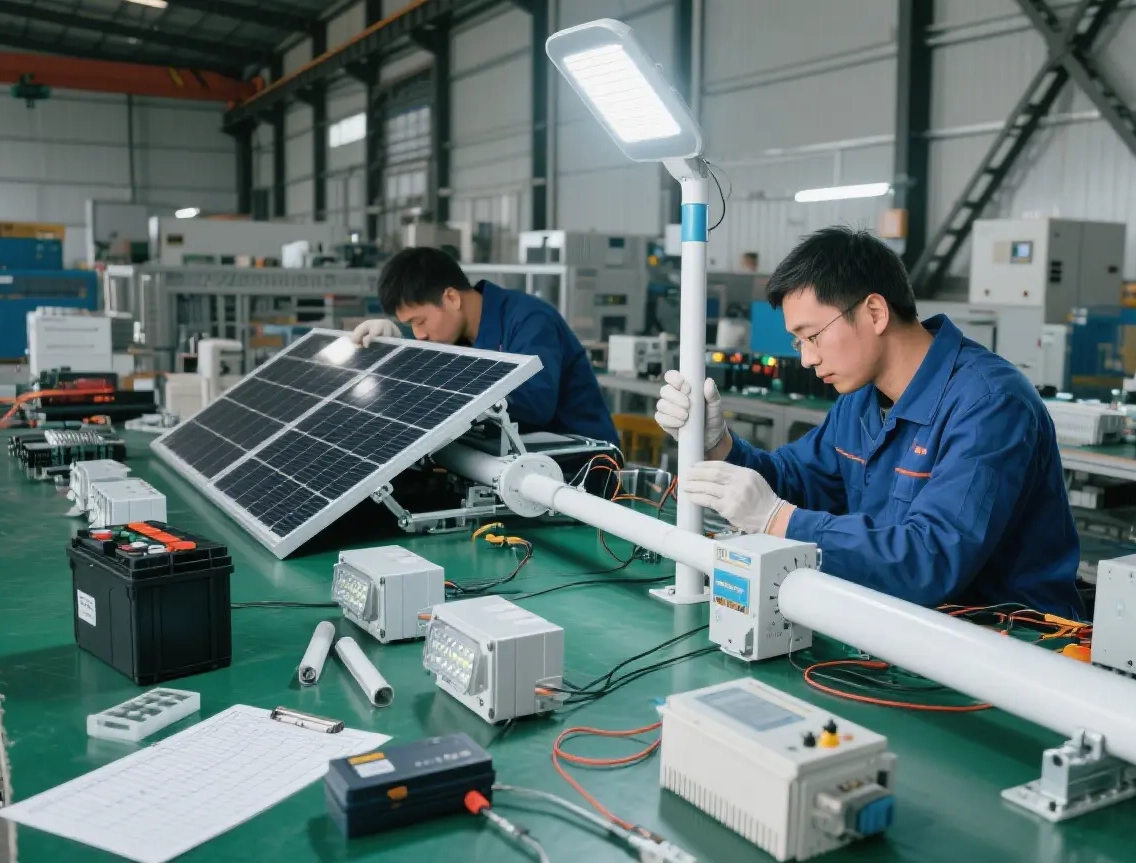
In contrast to simple assembly plants, Lukas Lighting controls the engineering process from raw ingot to sealed luminaire. Our facility is equipped with:
This complete operational stack enables us to accommodate customized municipal orders and major NGO/UN infrastructure bids seamlessly.
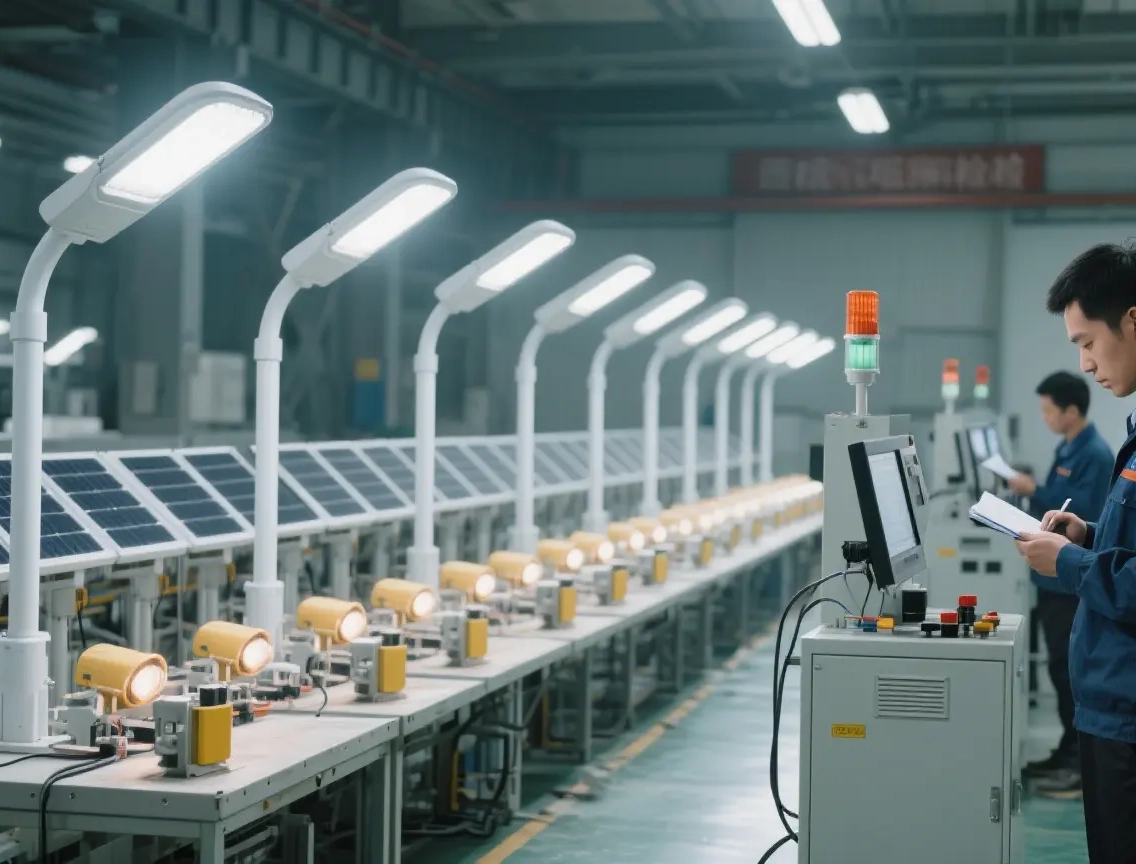
A look at the precise processing steps and quality control methodologies employed at our Jiangsu production complex.
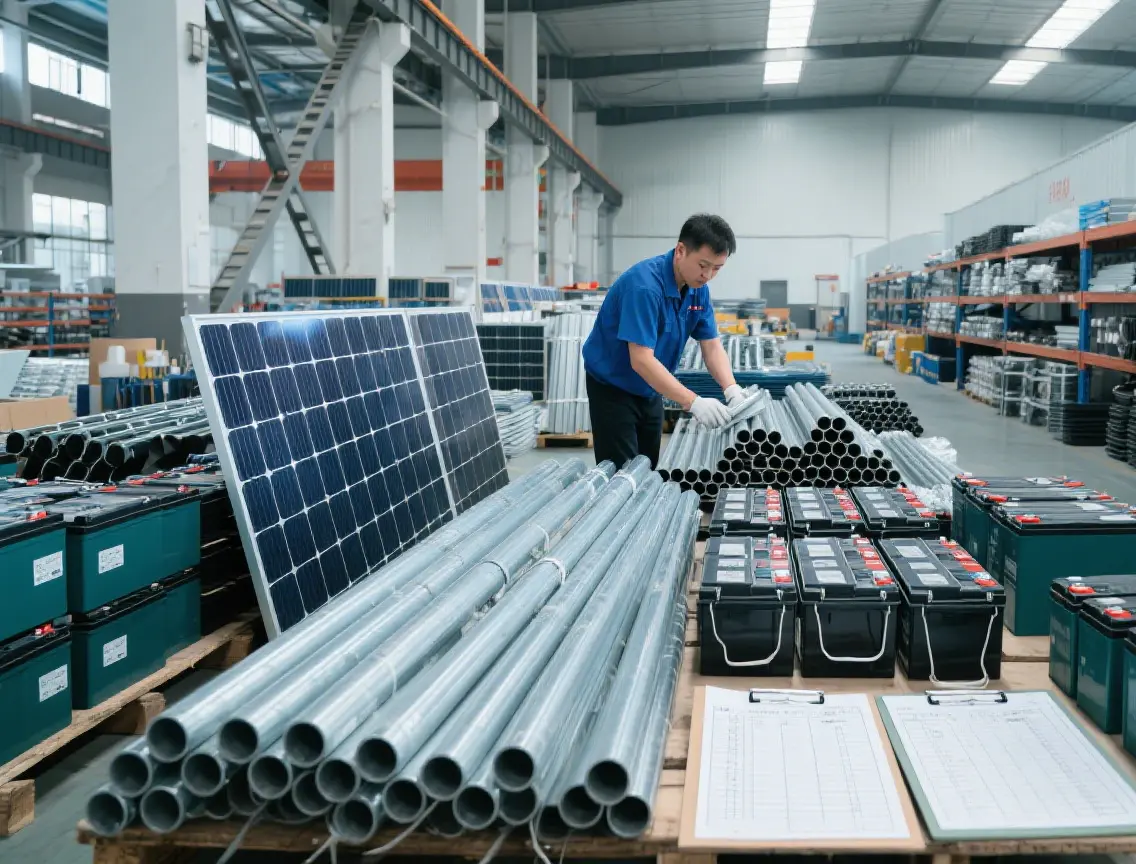
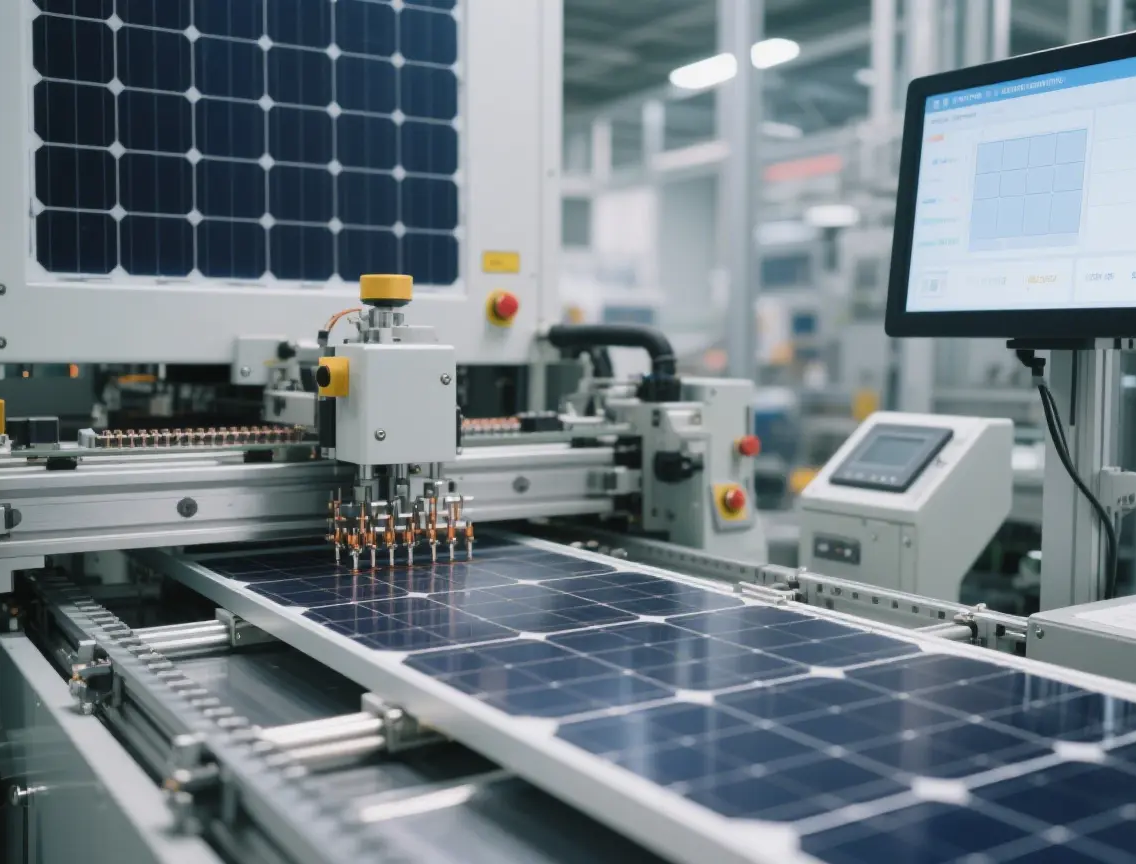
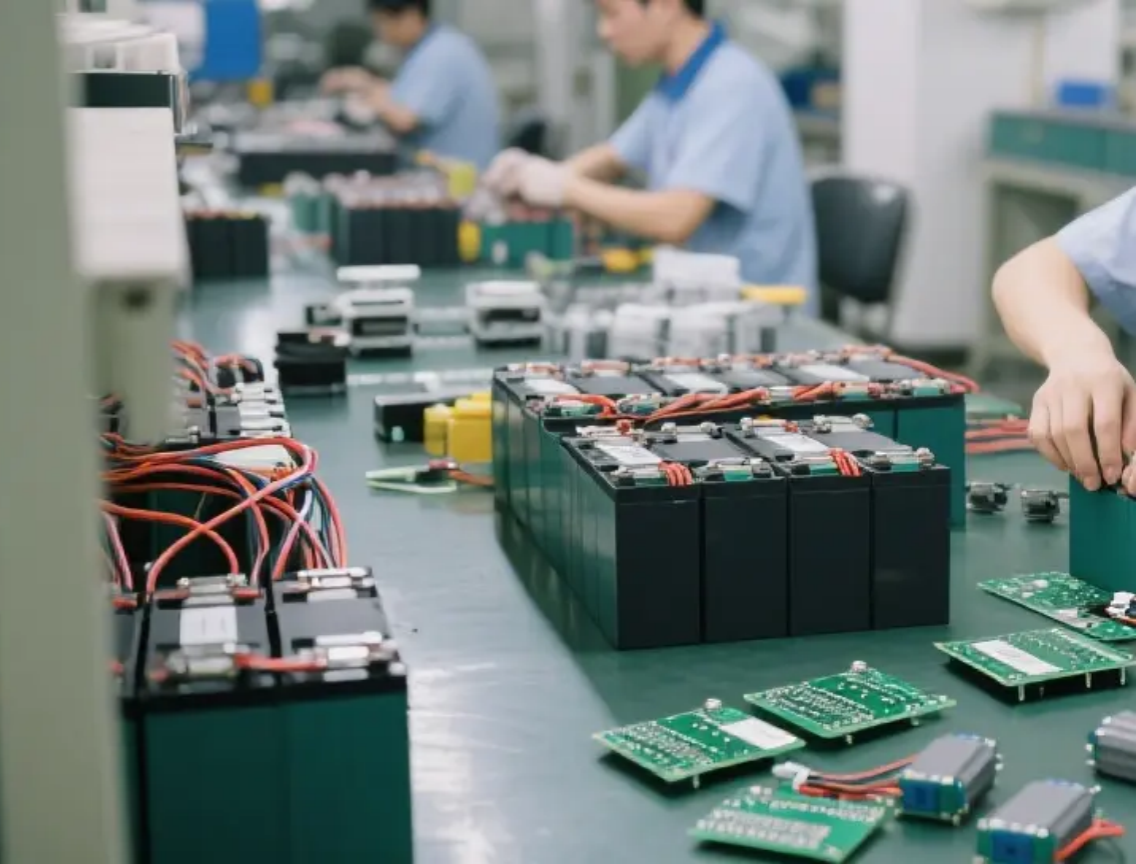
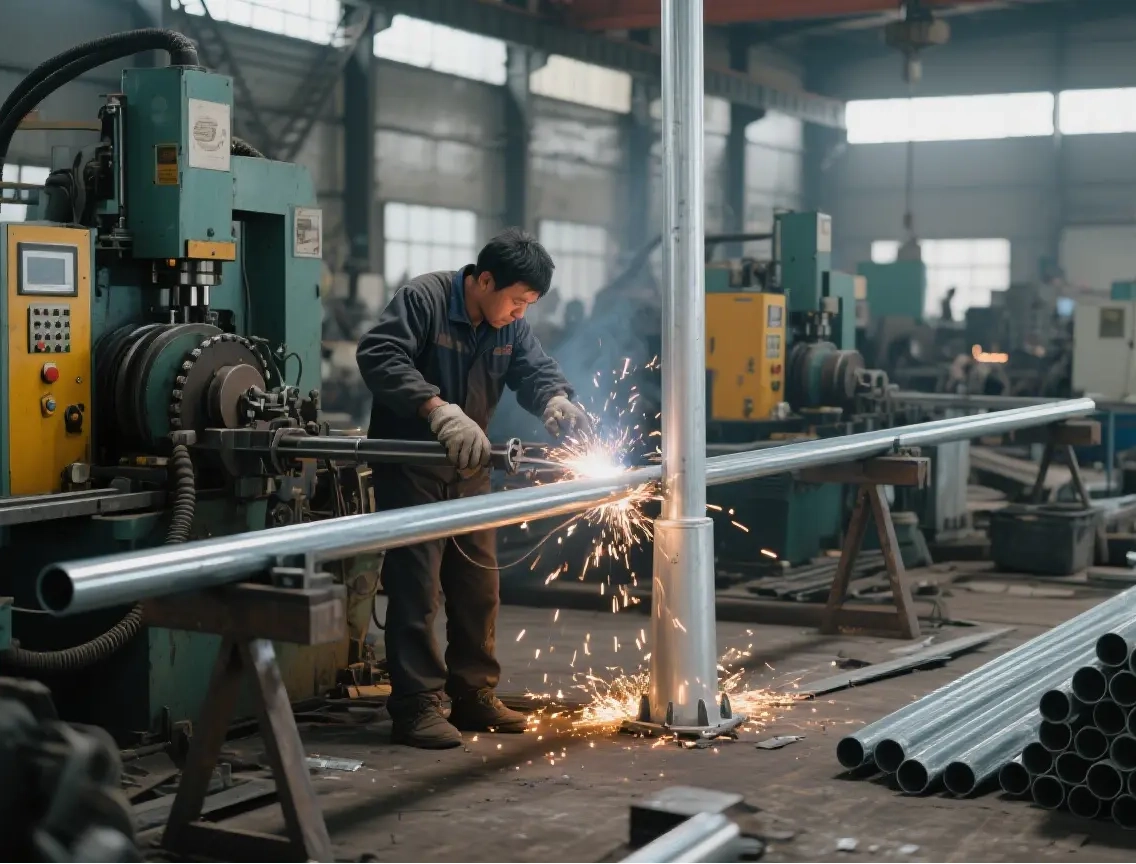
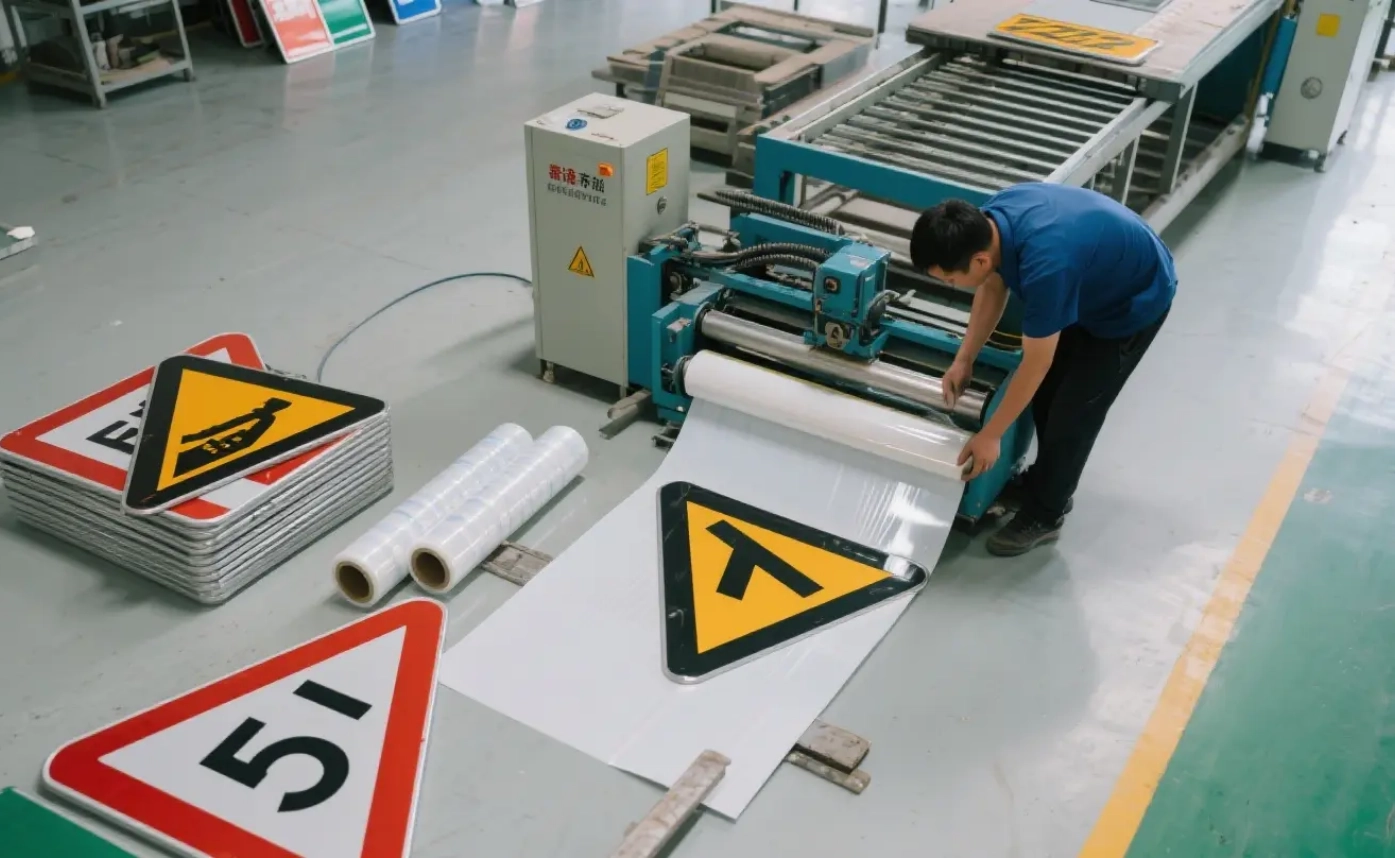
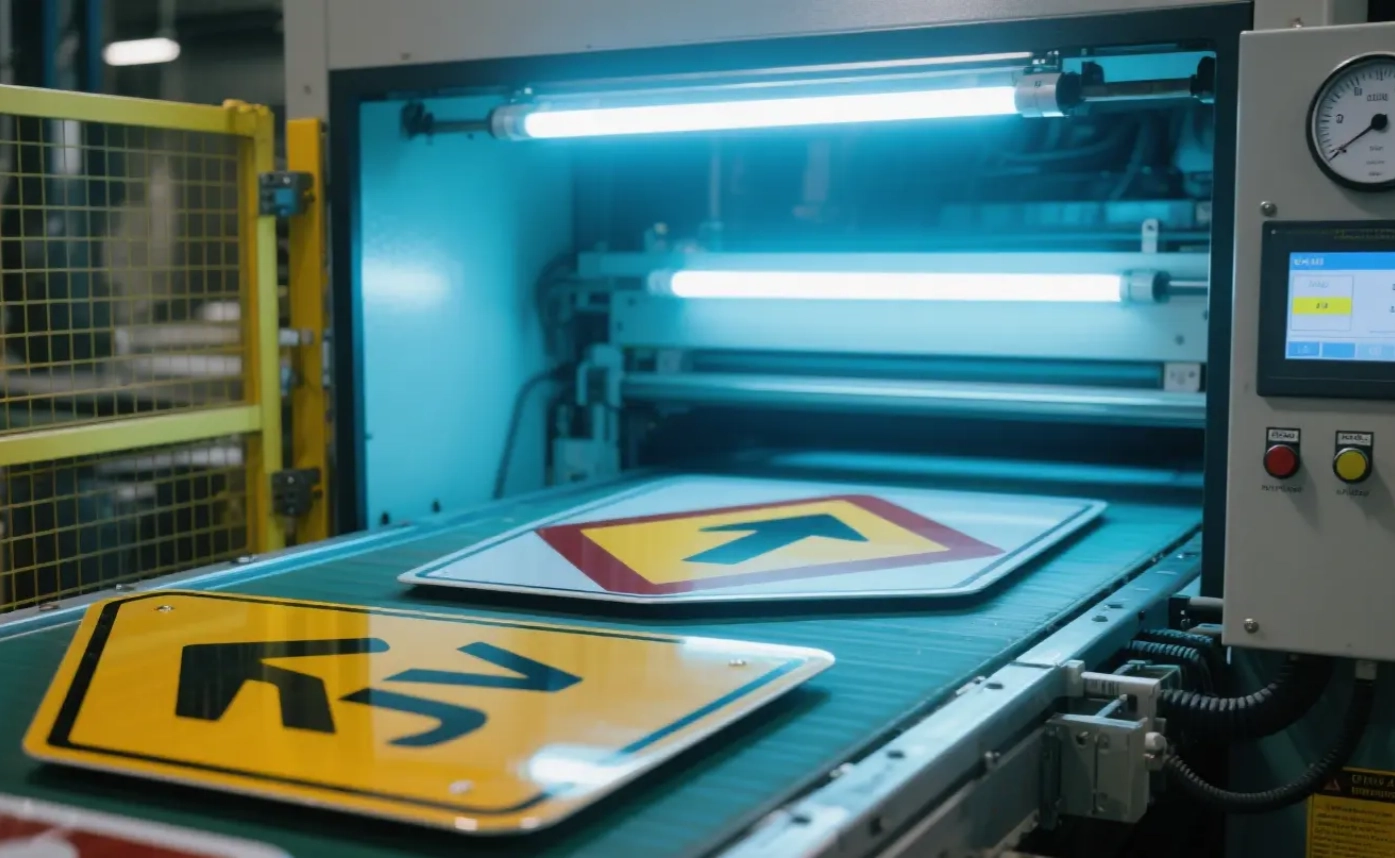
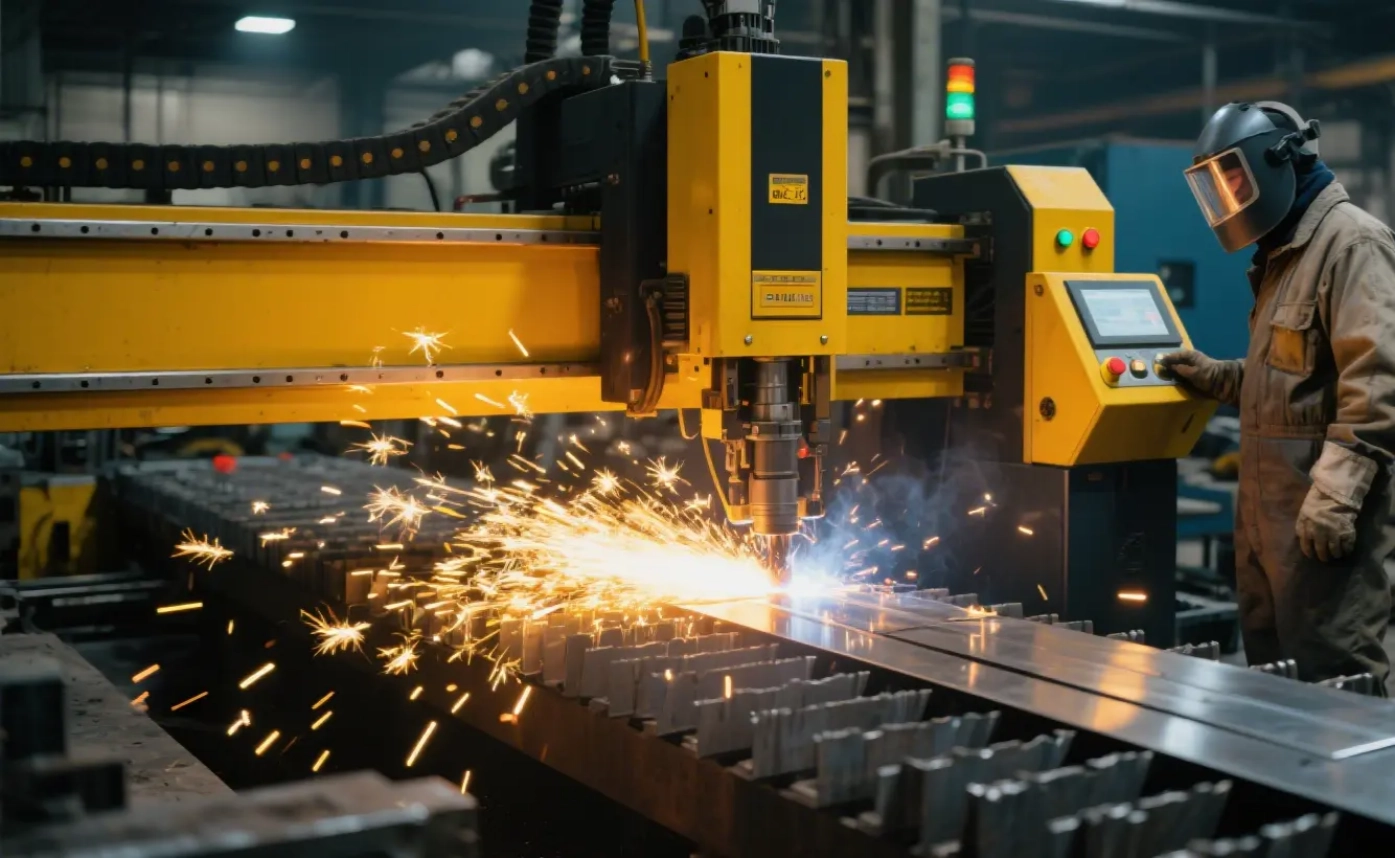
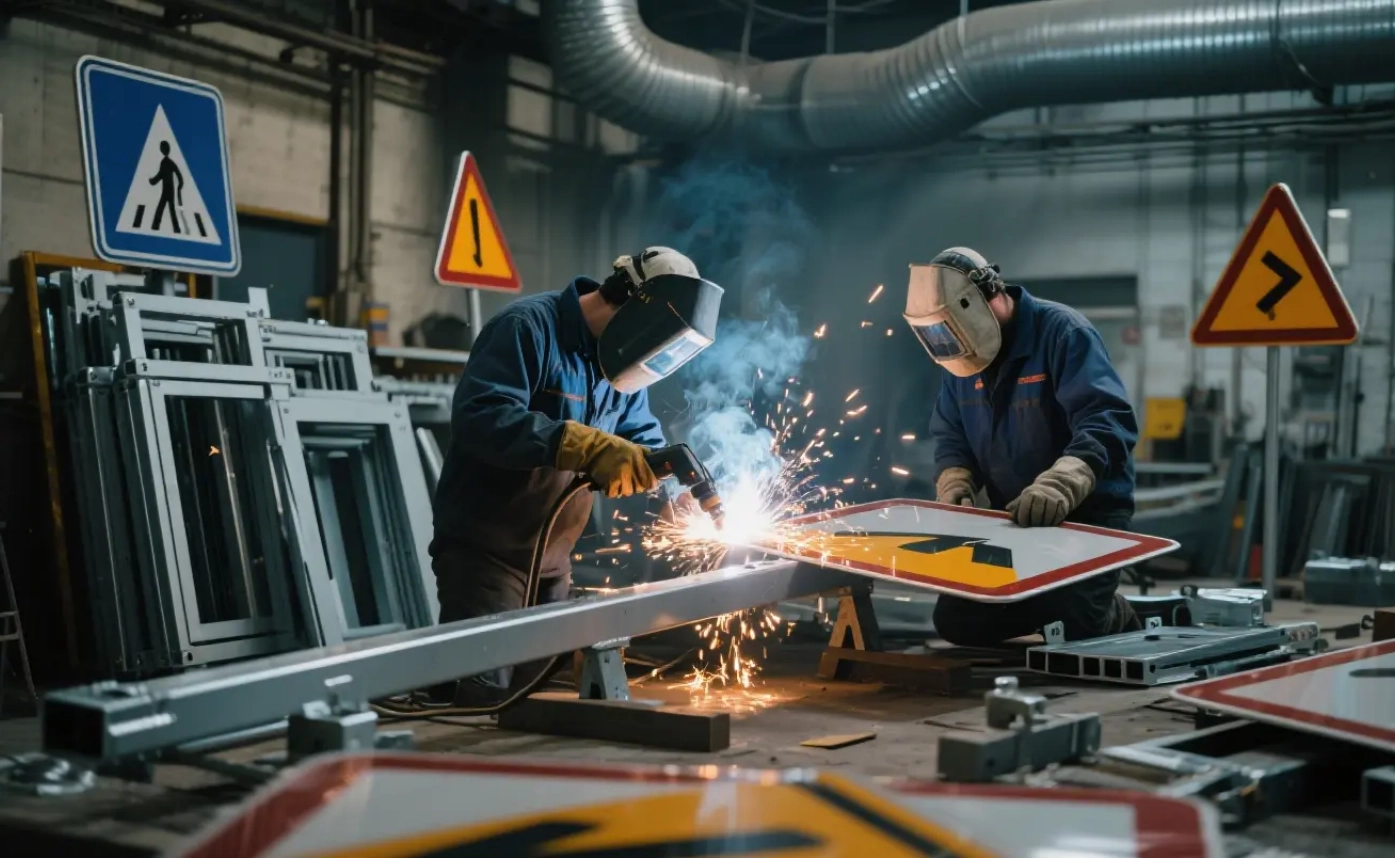
Optimized manufacturing ecosystems offering unbeatable unit value, scalability, and certification adherence.
By leveraging Jiangsu's highly dense raw-material, LED semiconductor, and electronics ecosystem, Jiangsu Lukas Lighting minimizes procurement and production overhead. We pass these savings directly to municipal planners, EPC contractors, and international development agencies active across Vanuatu and Oceania. Sourcing directly ensures that custom specifications (such as oversized solar modules, tailored dimming curves, and specialized mounting interfaces) are integrated right on the factory floor—bypassing intermediate markups and shipping delays.
B2B procurement guidelines for high-humidity, marine atmospheric classifications.
| System Component | Standard Off-Grid Spec | Vanuatu Marine Environment Spec | Engineering Outcome |
|---|---|---|---|
| Photovoltaic Panel | Polycrystalline (15% Eff) | Monocrystalline PERC (21%+ Eff) | High yield under diffuse overcast & rainy sky conditions |
| Battery Storage | Lead-Acid / AGM Gel | LiFePO4 with smart BMS (B-grade+) | Long lifespan (>8 years), thermally stable at 45°C+ ambient |
| Controller Type | Standard PWM charging | Waterproof MPPT (98% tracking efficiency) | Maximizes charging rate during limited winter/cyclone days |
| Enclosure & Bracket | Standard painted sheet metal | Die-cast Aluminum (ADC12) + C5-M Powder coating | Prevents corrosion oxidation from highly humid sea-spray |
| Hardware / Bolts | Electroplated Steel | SUS316 Marine Grade Stainless Steel | Maintains structural integrity, preventing galvanic rust |
Customized street, community, and resort lighting options optimized for long runtimes and aesthetic alignment.
Insights and engineering support for developers, local governments, and installers looking to scale their public lighting footprints.
We use ADC12 grade die-cast aluminum alloys treated with a multi-layered thermosetting electrostatic powder coating. This process conforms to the ISO 12944 standard C5-M atmospheric corrosivity classification (Coastal and marine environments with high salinity). Furthermore, all exterior screws, brackets, and connections are made of SUS316 marine-grade stainless steel to prevent localized galvanic corrosion.
Yes. Our structural frames, arm mounts, and hot-dip galvanized steel poles (Q235 steel) undergo rigorous finite element wind-load modeling. The structures are engineered and welded to survive sustained gust velocities up to 280 km/h (equivalent to Category 5 conditions). Mounting fixtures feature double-locking mechanism clamps to prevent wind oscillation damage.
High temperatures are standard lithium batteries' worst enemy. To combat this, we use only high-grade LiFePO4 (Lithium Iron Phosphate) chemistry containing smart thermal runaway protection circuits. The battery pack is wrapped in a thermal insulation jacket and housed separately from the hot solar module. This design keeps internal temperatures below 45°C even in direct sunlight, guaranteeing a lifespan of over 3,000 cycles at 80% depth of discharge.
Yes, our systems are equipped with smart MPPT (Maximum Power Point Tracking) controllers. These controllers achieve 98%+ conversion efficiency even under diffuse sunlight. In combination with our high-conversion monocrystalline PERC solar panels, the system captures ambient light and charges during rainy or overcast conditions. The built-in dimming program automatically adjusts LED output to stretch operations over 3 to 5 continuous rainy days.
Typical production lead times for standard batch sizes (100–500 units) range from 15 to 20 days. Ocean transit from major Chinese hubs like Shanghai or Ningbo to Port Vila or Luganville harbor takes between 25 and 35 days, depending on route logistics. We handle all logistics packaging with seaworthy double-layered crating to protect fragile solar cells and glass panels.
We provide a 5 to 10-year warranty program on our structural poles and solar panel systems, and 3 to 5 years on batteries and controllers. In the event of a warranty issue, we supply extra replacement components (such as modular drivers, LED boards, and batteries) with your original shipment. This ensures local maintenance technicians can quickly replace parts without shipping delays.
 Lukas Lighting