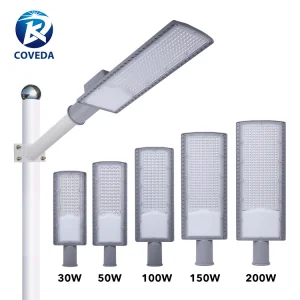
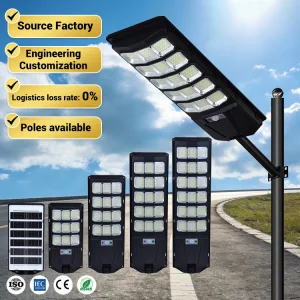
High-efficiency, storm-resistant, and smart-monitored integrated lighting platforms engineered for high-salinity island climates.
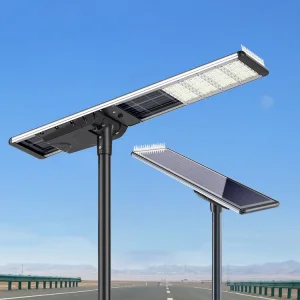
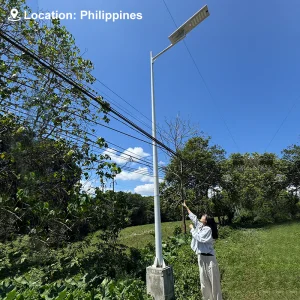
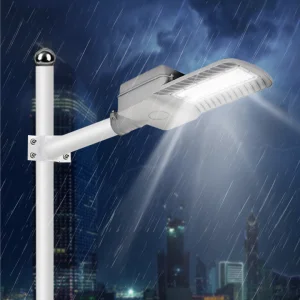
Takamaka, situated on the southern coast of Mahé, Seychelles, presents a unique micro-environment that demanding engineering structures must survive. Characterized by high humidity, salt-spray mist, tropical storm fronts, and high ambient temperatures, the region is highly dependent on robust infrastructure. In the face of rising diesel generation fuel costs and the national mandate to shift towards carbon-neutral operations, clean energy transition has transformed from an environmental goal to a financial necessity.
Municipal networks and commercial operators in Takamaka are increasingly replacing traditional grid-tied high-pressure sodium (HPS) and metal halide fixtures. Operating off-grid solar street lighting minimizes local trenching, preventing damage to sensitive root systems of coastal vegetation, and bypasses the massive capital expenditure required for laying armored underground cabling along sandy subgrades. However, local applications are notoriously unforgiving to low-grade imported solar systems, which often fail within six months due to battery degradation from thermal stress, casing corrosion, or inadequate structural design against wind loading.
The global solar lighting paradigm has shifted from basic standalone illumination to integrated smart municipal assets. The primary driver is the integration of IoT (Internet of Things) communication protocols—such as Zigbee, LoRaWAN, and cellular NB-IoT—allowing municipal managers to remotely monitor battery health, dimming cycles, and real-time power consumption from centralized dashboards. These smart management systems (SMS) reduce operational expenditures (OPEX) by up to 50% by eliminating scheduled field inspections.
On the hardware level, monocrystalline silicon photovoltaic (PV) modules have broken efficiency barriers, achieving commercial conversion rates of 22% to 24%. When combined with intelligent maximum power point tracking (MPPT) charge controllers and high-lumen Philips Lumileds or Bridgelux LED chips (generating up to 180-210 lm/W), today's configurations require substantially smaller solar panels and battery storage capacities to deliver equivalent or superior lux values on target surfaces. This integration of components makes all-in-one and all-in-two structures visually compact and drastically simplifies transport and crane installation logistics.
In the procurement of capital equipment, global engineering firms and government agencies evaluate supplier capability on supply chain resilience, consistency of materials, and vertical integration. Jiangsu Lukas Lighting Co., Ltd. operates a highly standardized production model designed to mitigate geopolitical, material, and logistics bottlenecks, ensuring on-time delivery to Remote Small Island Developing States (SIDS) like Seychelles.
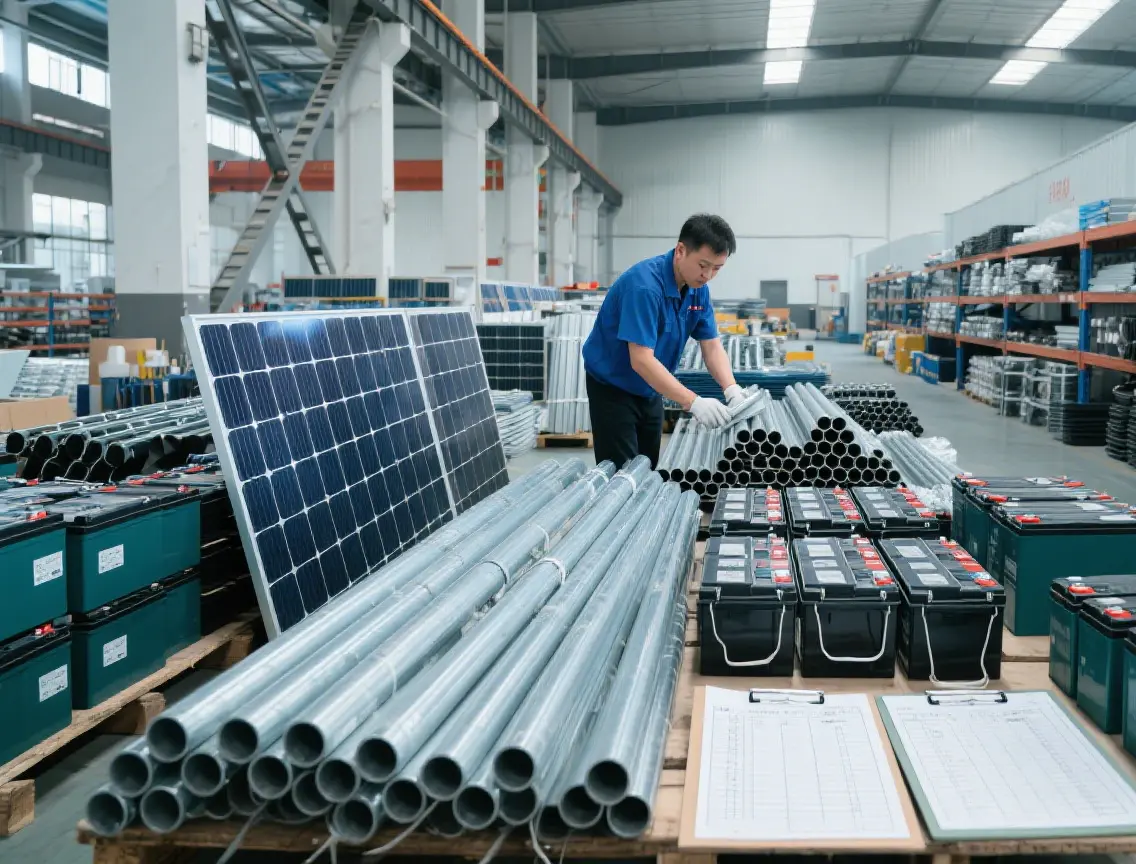
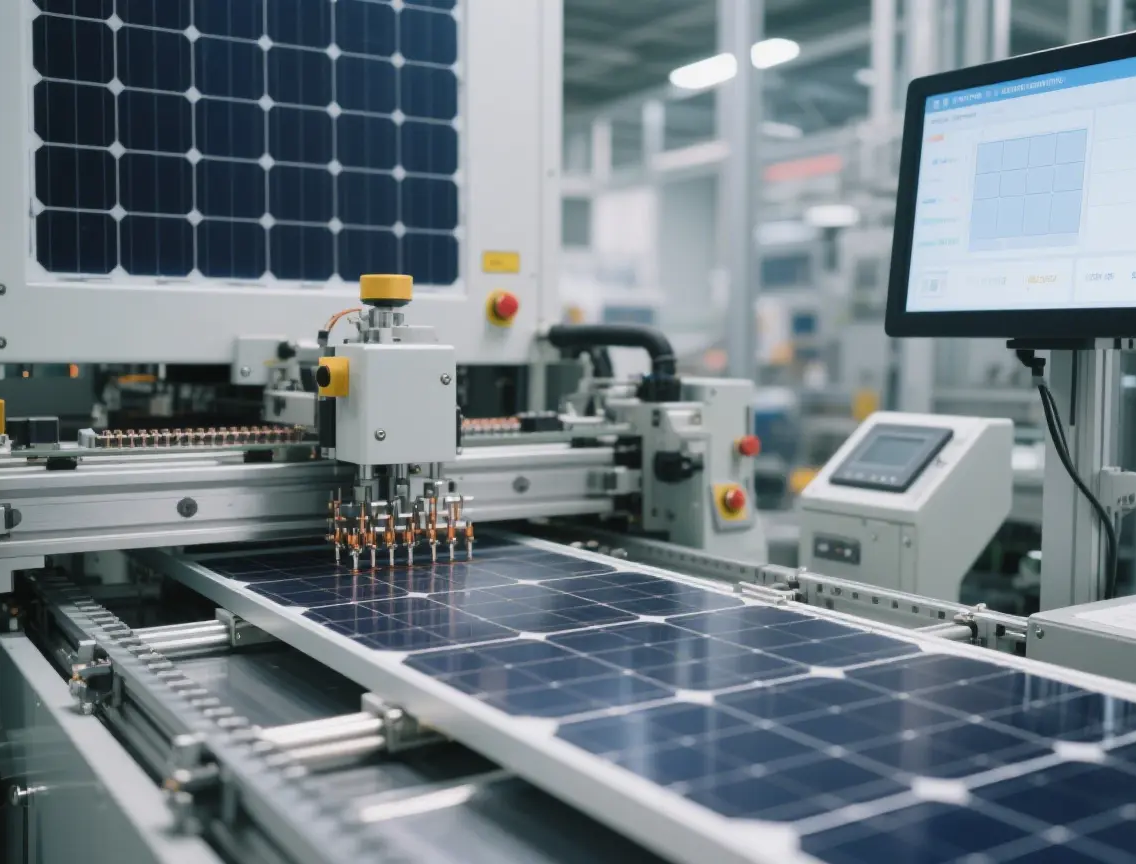
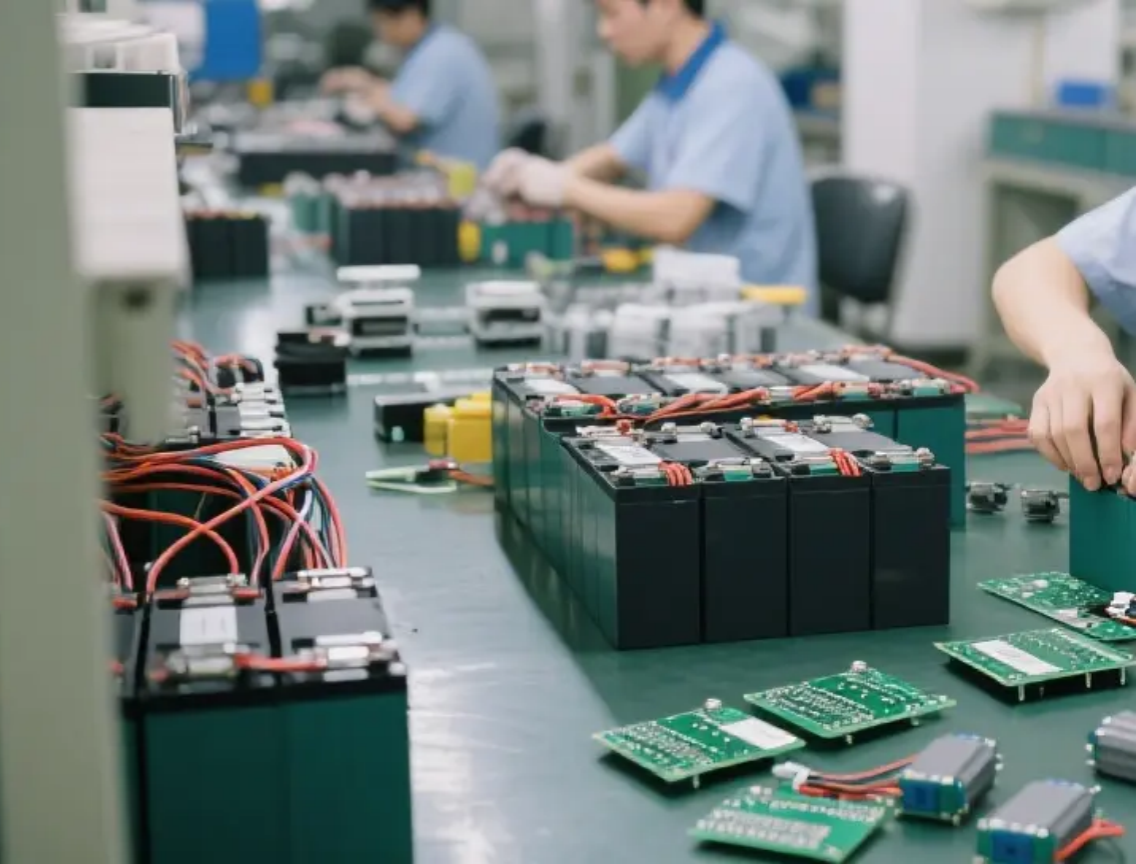
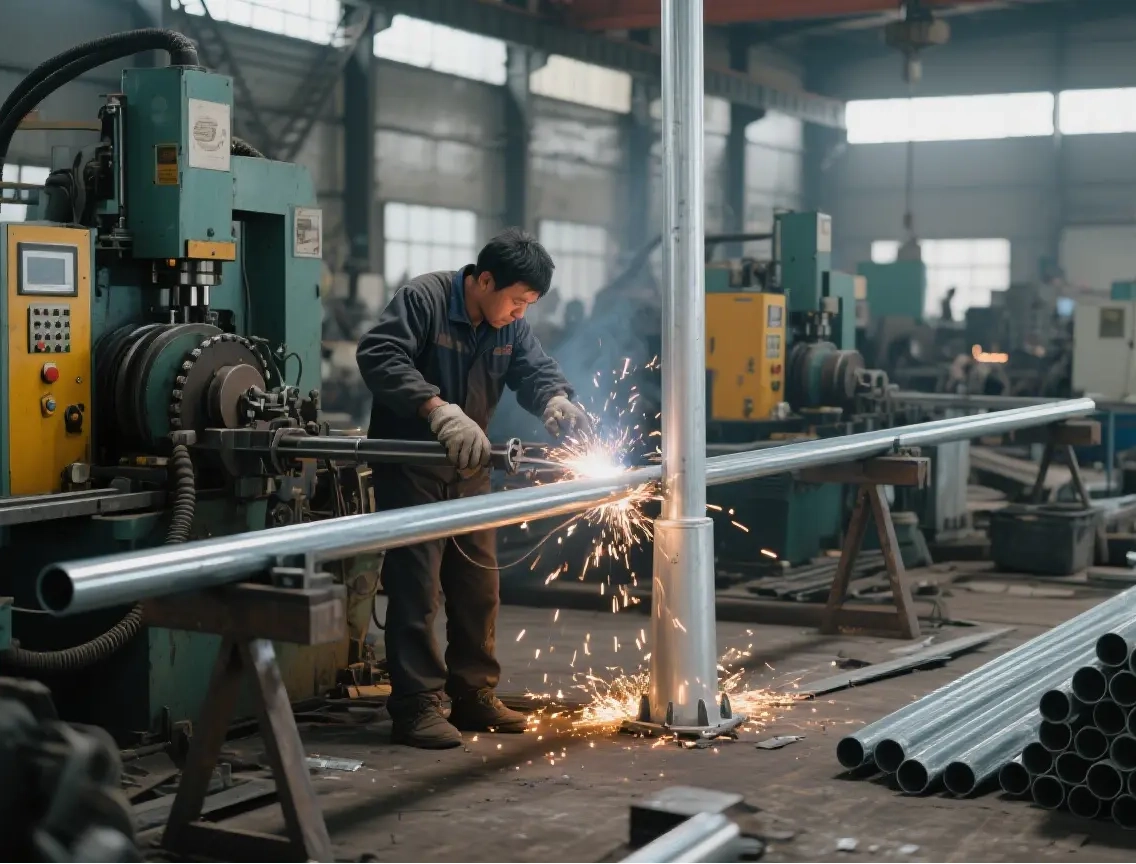
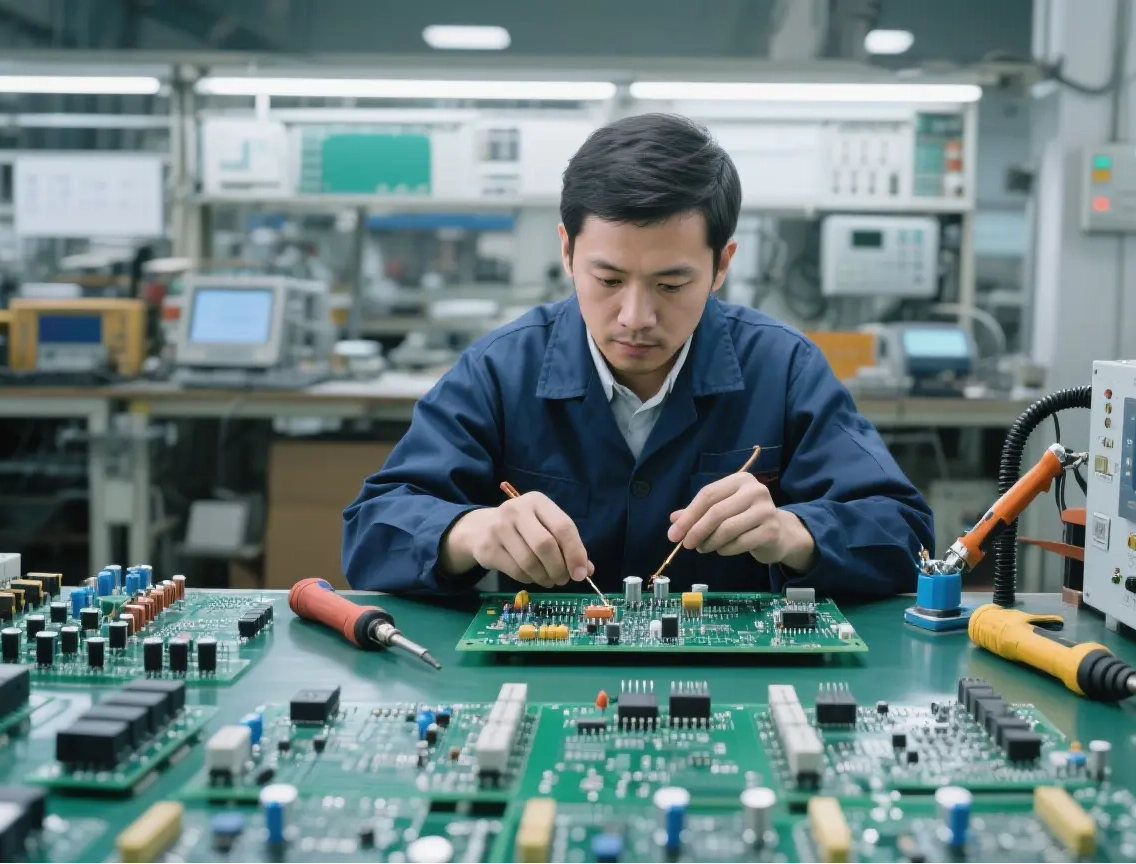
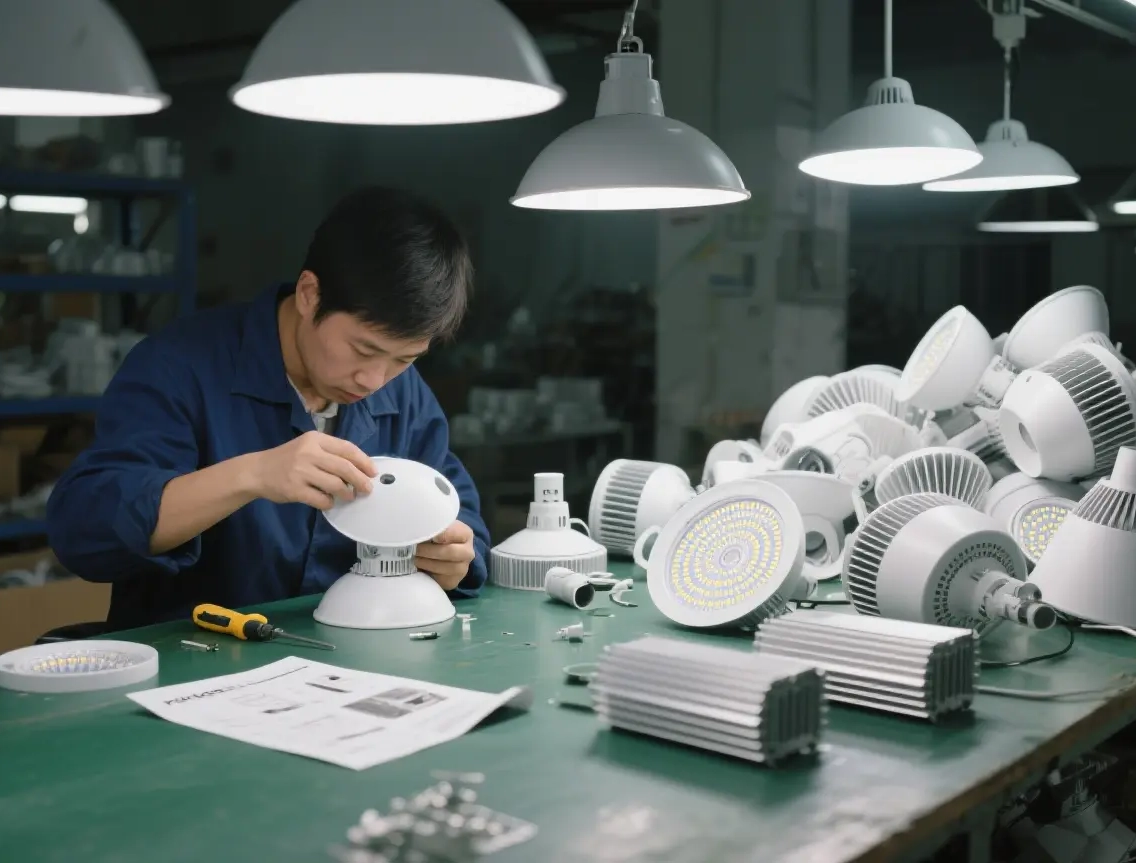
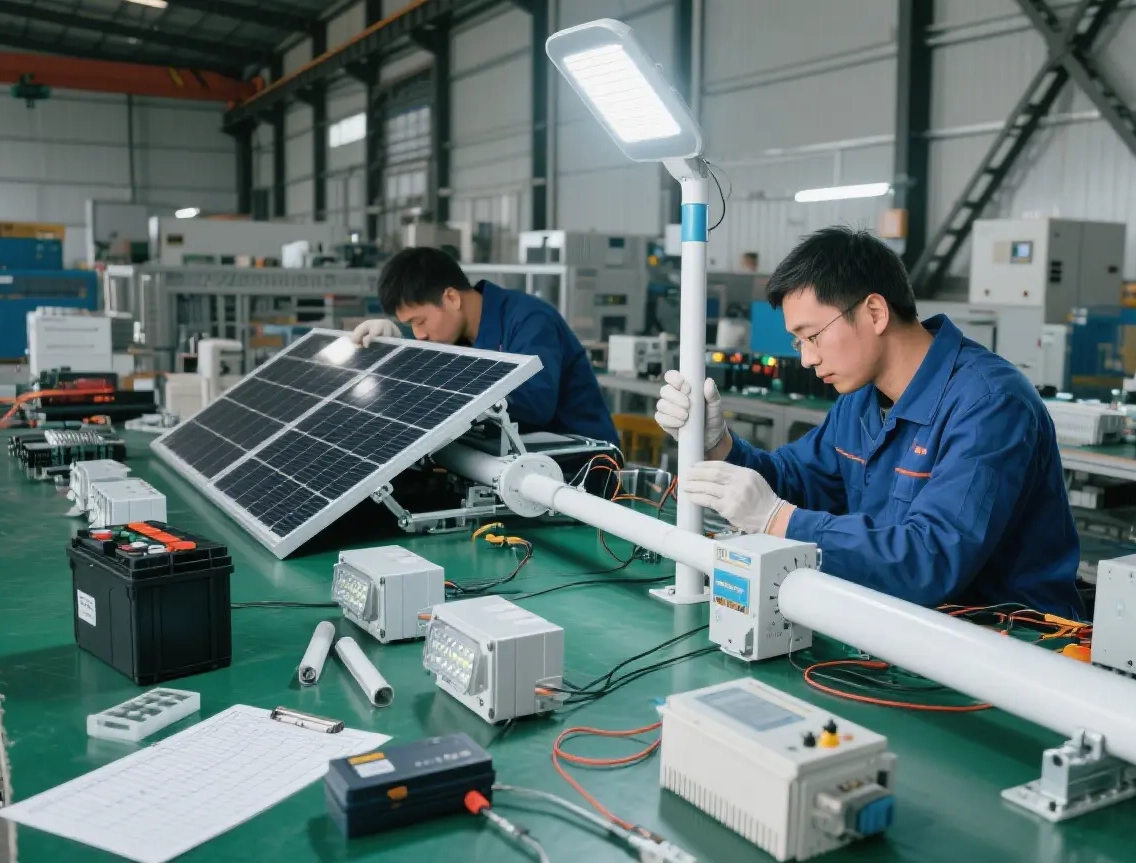
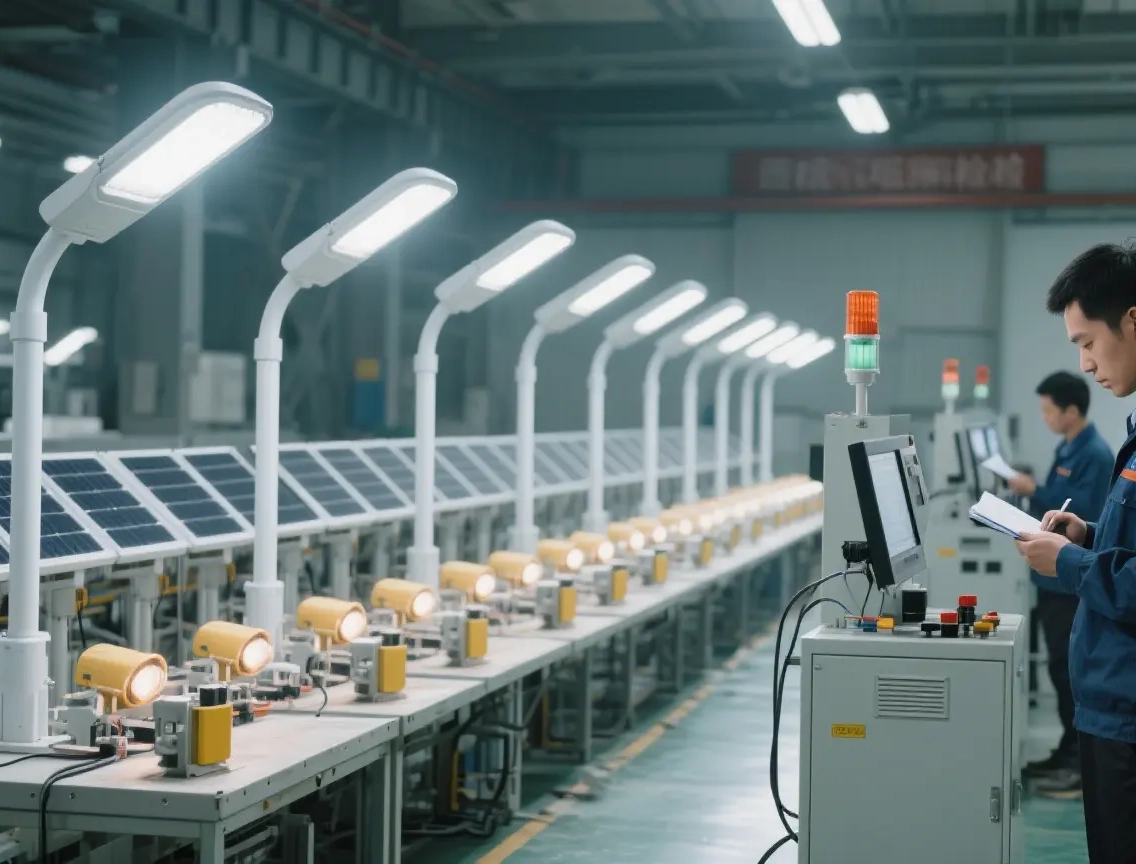
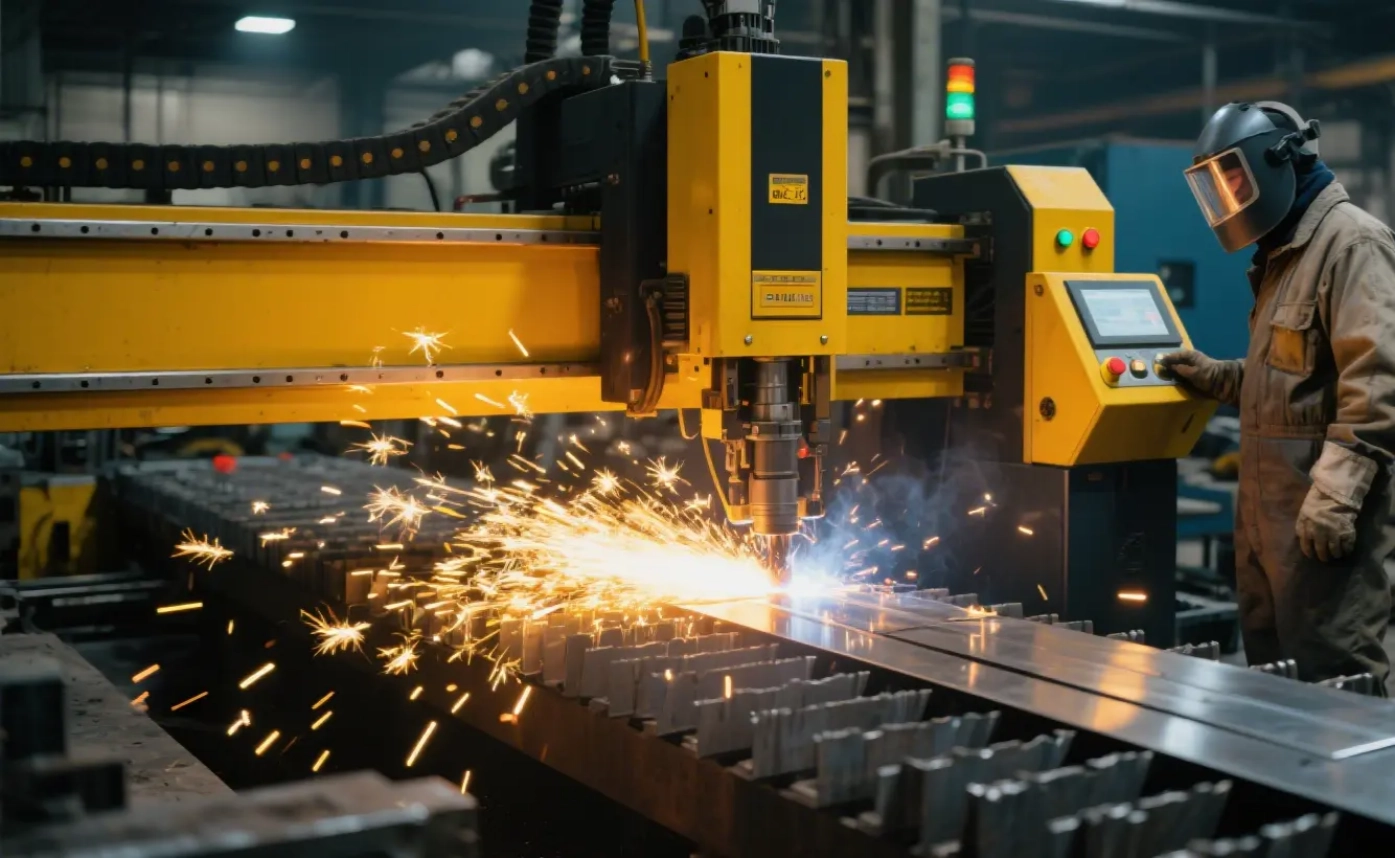
Operating an 11,000-square-meter modern manufacturing complex in Jiangsu, China, Lukas Lighting controls the production value chain end-to-end. This internalizes all critical manufacturing processes—from automated LED packaging and Surface Mount Technology (SMT) component assembly to heavy-duty die-casting, robotic pole fabrication, and computerized optical quality control. By reducing reliance on external tier-2 suppliers, we protect our production timelines from external market delays and guarantee uniform QA/QC standards across every luminaire batch.
Jiangsu Lukas Lighting Co., Ltd. was established in 1998 with a strong commitment to innovation, quality, and sustainability in the outdoor lighting industry. Over more than two decades of development, the company has grown into a professional manufacturer specializing in intelligent and energy-efficient street lighting solutions.
With continuous investment in research and development, Lukas Lighting has expanded its product portfolio to include LED street lights, solar street lights, smart lighting systems, landscape lighting, and customized municipal lighting solutions. Our products are widely used in urban roads, highways, industrial parks, residential communities, and public infrastructure projects across global markets.
Located in Jiangsu, China, our modern production base covers an area of approximately 11,000 square meters. The facility is equipped with advanced manufacturing technologies and operated by a team of experienced engineers and skilled technicians. This ensures strict quality control, precision manufacturing, and efficient large-scale production capabilities.
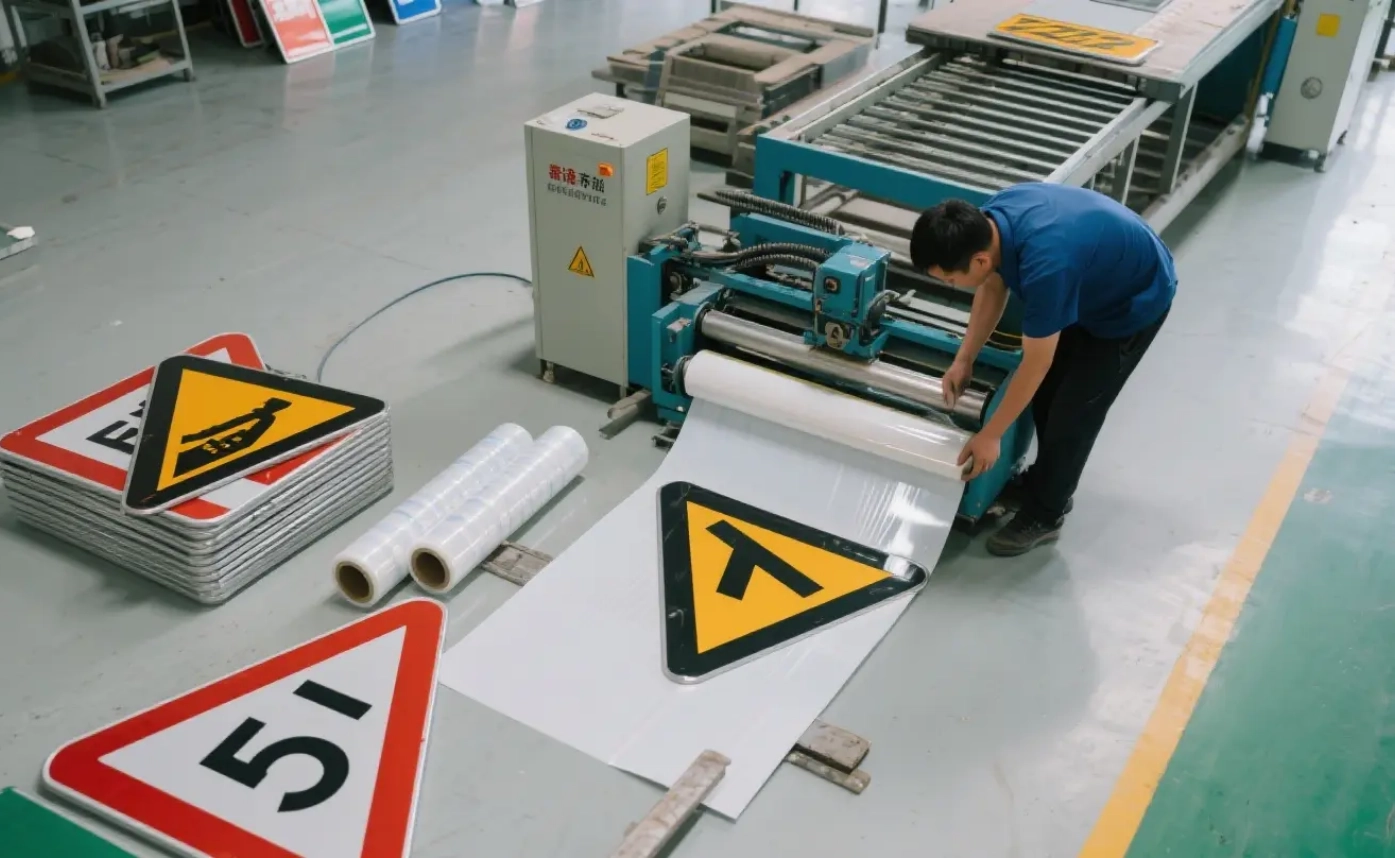
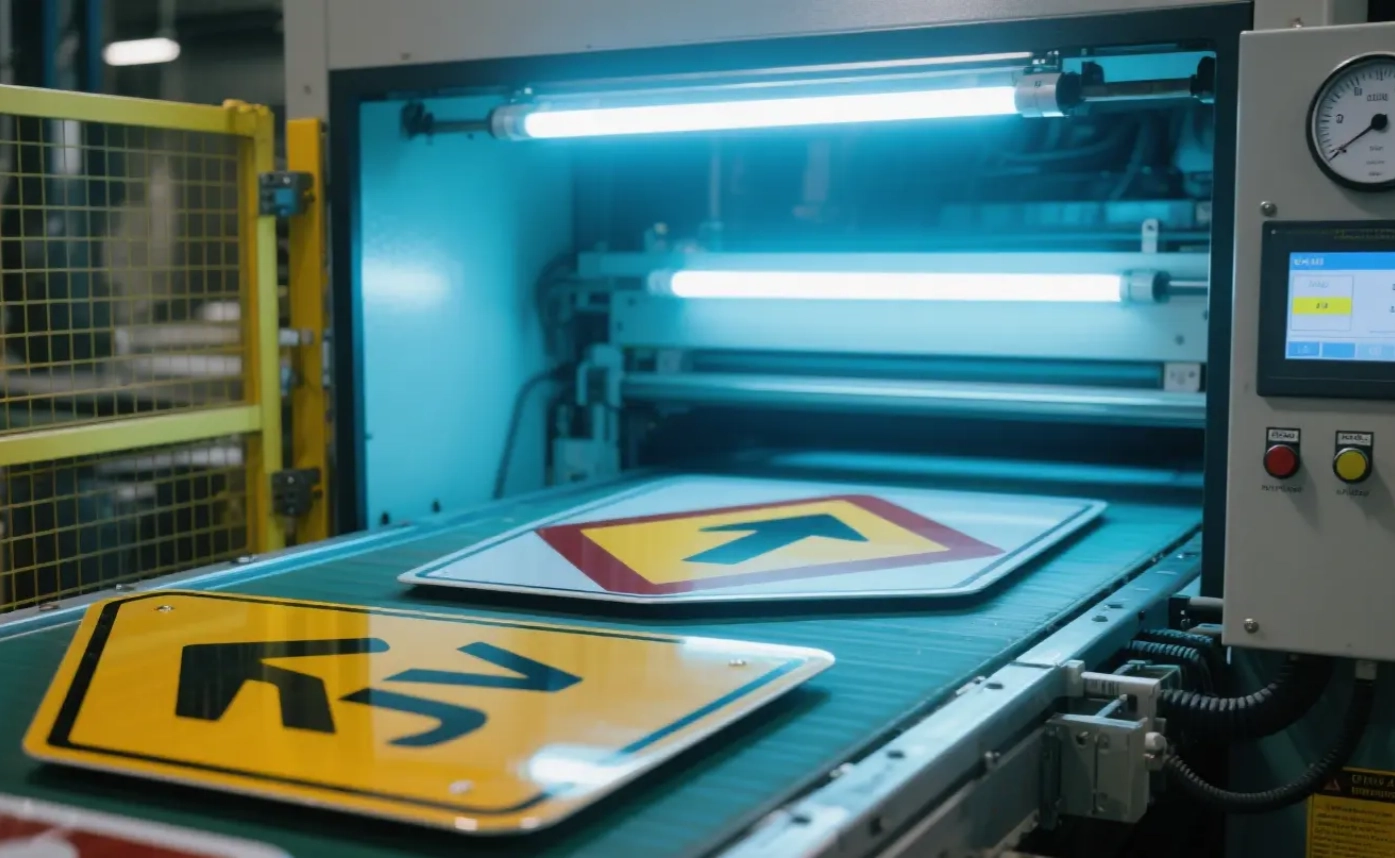
Our factory is equipped with a complete set of advanced production and testing systems, including:
These modern facilities enable us to maintain high production efficiency while ensuring stable and reliable product performance. Every product undergoes strict quality inspection procedures, from raw material selection to final assembly and lighting performance testing.
With efficient production lines and advanced automation, we are capable of handling both large-volume orders and complex customized projects with precision and speed.
We have established a comprehensive quality control system and have passed ISO9001 international certification. In addition, we have obtained multiple patents in lighting structure design and optical technology.
We provide fully integrated services including product design, mold development, prototype testing, mass production, and logistics support—eliminating intermediate links and ensuring faster delivery and better cost efficiency.
We continuously invest in energy-saving LED technologies and smart lighting control systems to support global carbon reduction goals and smart city development.
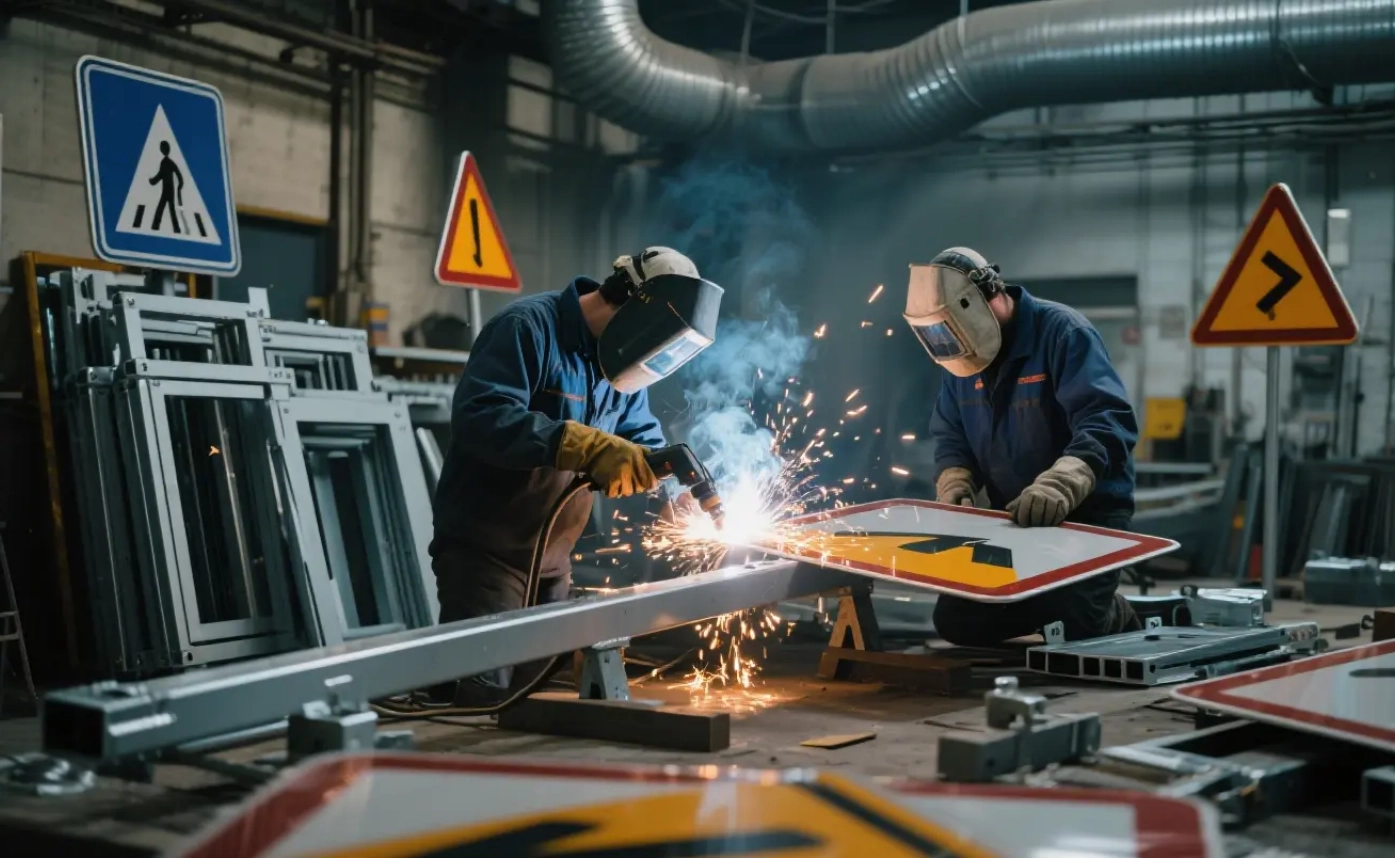
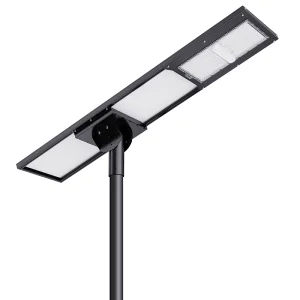
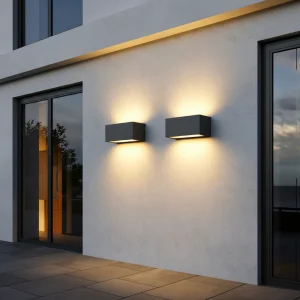
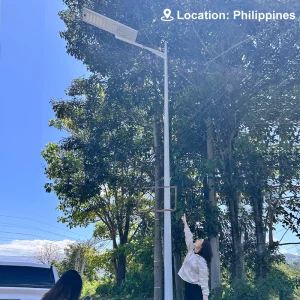
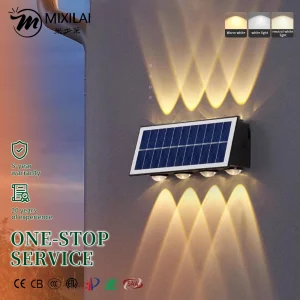
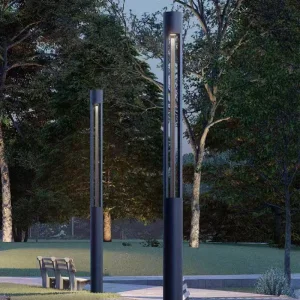
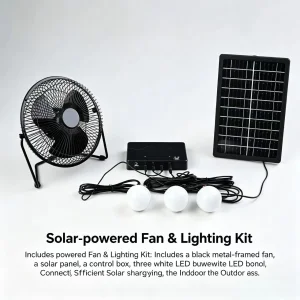
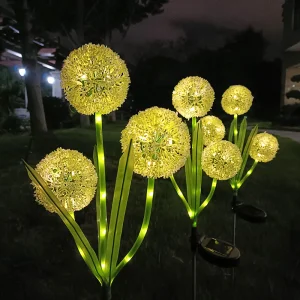
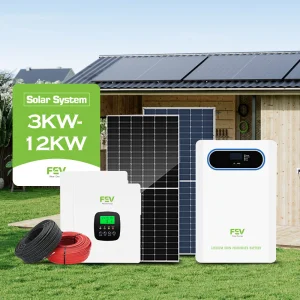
Explore our diverse portfolio of high-output systems, heavy-duty mounting poles, off-grid storage packages, and energy-efficient garden lighting.
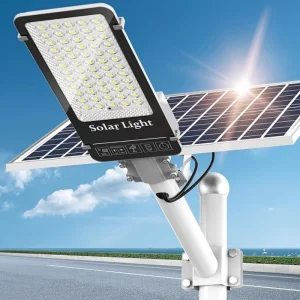
Detailed technical insights for consulting engineers, municipal planners, and procurement officers.
Contact our engineering desk today to request standard pricing sheets, custom Dialux simulations, or specialized raw material certifications.
Send Inquiry Now Lukas Lighting