As the primary economic hub of Mexico and the heart of the Valley of Mexico, Mexico City (CDMX) presents unique environmental and technical challenges for outdoor municipal and industrial lighting. The metropolitan area sits at an altitude of approximately 2,240 meters above sea level, characterized by high ultraviolet index exposure, high atmospheric particle concentration, and severe seismic activity in its lakebed geological zones. Selecting solar street lighting systems for this market demands professional, factory-level adaptations that traditional off-the-shelf imports fail to provide.
Furthermore, under the current regulatory framework of Mexico's Energy Transition Law and the mandates of the Secretaría de Energía (SENER), public and private infrastructure developers are shifting aggressively to off-grid solar systems to reduce strain on the CFE (Comisión Federal de Electricidad) grid. In major logistic corridors such as Vallejo, Naucalpan, and the surrounding State of Mexico industrial rings, solar lighting acts as a critical security feature, requiring smart integrations (like high-definition cameras) to secure warehousing perimeters under the USMCA (T-MEC) logistics compliance rules.
CDMX receives an average solar irradiation of 5.3 kWh/m²/day. High UV index levels require high-efficiency monocrystalline solar panels with specialized anti-UV EVA film encapsulation to prevent yellowing and degradation over a 25-year service life.
CDMX's seismic classification demands engineering calculations based on regional wind loads (up to 120 km/h) and soil mechanics. Steel poles must feature hot-dip galvanization conforming to ASTM A123 standards to endure highly corrosive urban smog.
High soot and dust levels in the dry winter season build a dust layer on panels. We offer self-cleaning designs and advanced MPPT smart controllers that optimize charging algorithms even under heavy smog-induced light scattering.
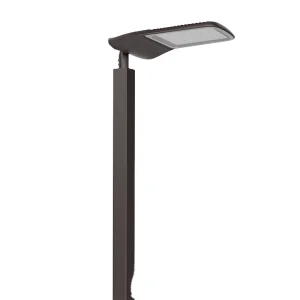
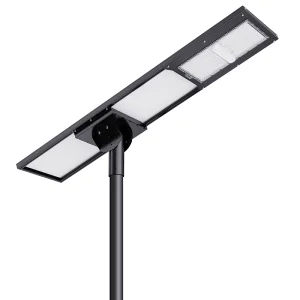
Engage with our core product line designed specifically to meet NOM compliance, municipal bidding standards, and commercial real estate specifications in Mexico.
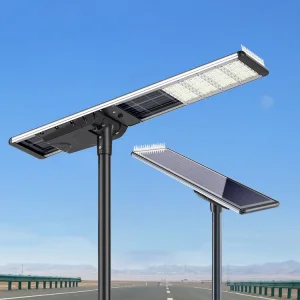
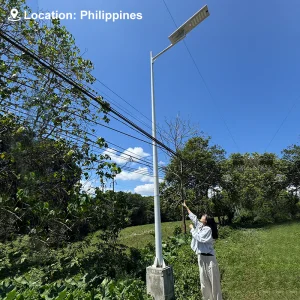
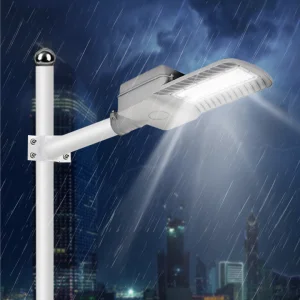
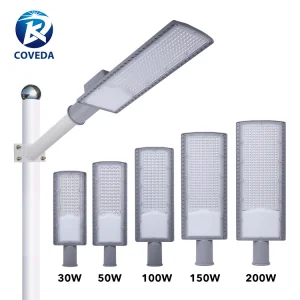
Industrial parks in regions like Naucalpan, Tlalnepantla, and Vallejo are experiencing rapid transition to comply with strict international Environmental, Social, and Governance (ESG) standards. Multinationals exporting from Mexico under the USMCA trade agreement must prove carbon reductions. Replacing heavy high-pressure sodium (HPS) grids with advanced solar lights provides instant offset metrics.
Engineering partners in Mexico City must ensure fixtures conform to the following national frameworks:
Establishes mandatory energy efficiency requirements and lifetime standards for LED luminaires used in public roads.
Regulatory standards for electrical installations, grounding systems, and lightning protection on structural solar columns.
Enables project developers in Mexico to qualify for government financing, tax write-offs, and clean energy incentives.
Every component is engineered at our Jiangsu facilities to withstand the unique mechanical, electrical, and thermal stresses of the Valley of Mexico.
Conventional batteries suffer thermal runaway under CDMX's fluctuating daytime and nighttime temperatures. We use high-capacity Lithium Iron Phosphate (LiFePO4) battery packs with integrated Smart BMS (Battery Management System). This retains up to 80% capacity even after 3,500 full charge-discharge cycles, with working limits spanning -20°C to +65°C.
Utilizing high-efficiency Philips/Bridgelux SMD chips, our systems reach up to 180 lm/W. With Type II and Type III polarized optical lenses, the beam pattern maximizes ground coverage on roads, highways, and logistics yards, minimizing glare and reducing the number of poles required per kilometer.
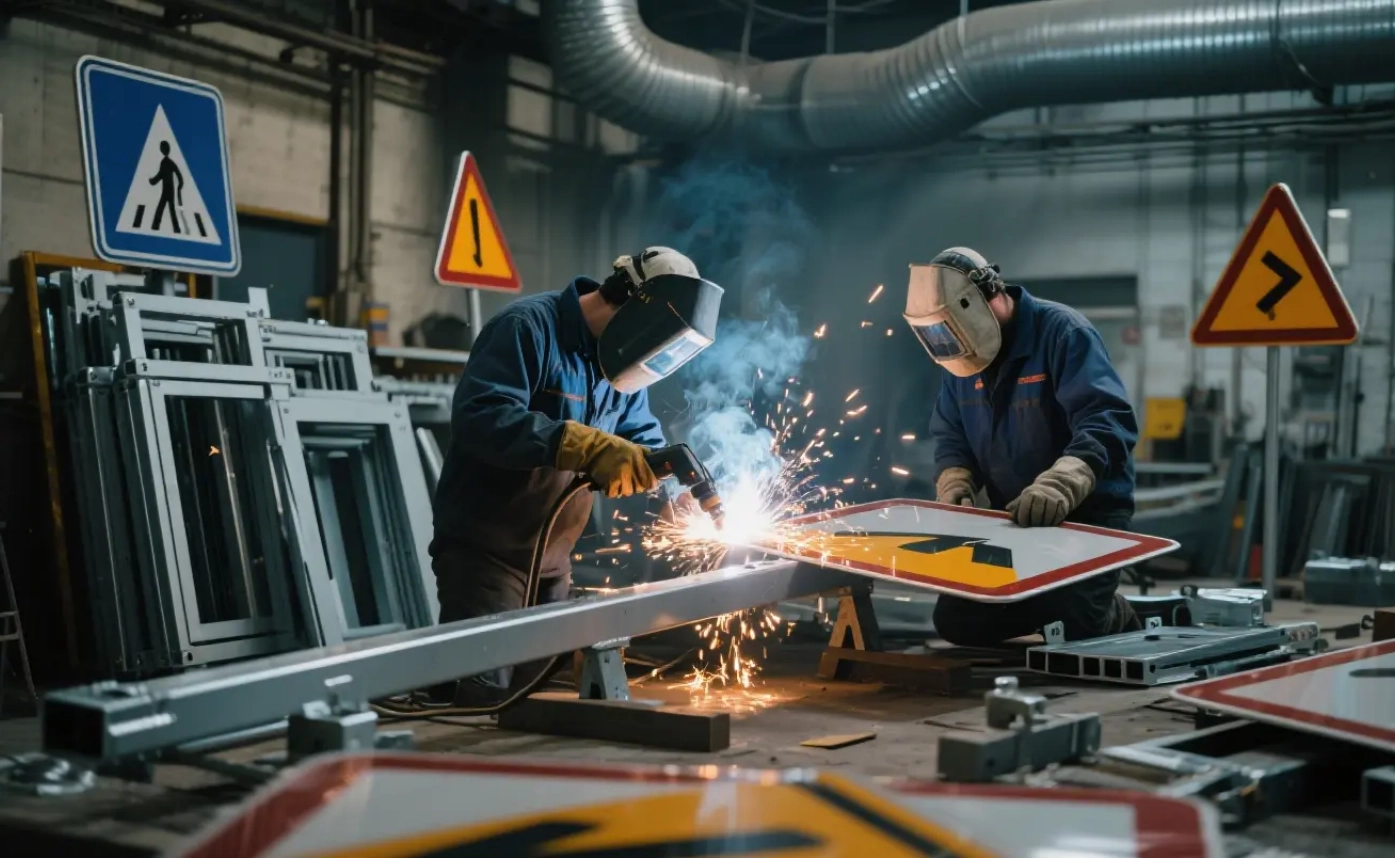
Designed for CDMX seismic zone D, all poles use high-tensile Q235 steel structures. Precise weldments are tested using non-destructive ultrasonic techniques. Anchor baseplates are reinforced with thick stiffeners to guarantee survivability under continuous seismic resonance.
Jiangsu Lukas Lighting Co., Ltd. was established in 1998 with a strong commitment to innovation, quality, and sustainability in the outdoor lighting industry. Over more than two decades of development, the company has grown into a professional manufacturer specializing in intelligent and energy-efficient street lighting solutions.
With continuous investment in research and development, Lukas Lighting has expanded its product portfolio to include LED street lights, solar street lights, smart lighting systems, landscape lighting, and customized municipal lighting solutions. Our products are widely used in urban roads, highways, industrial parks, residential communities, and public infrastructure projects across global markets, including Latin America.
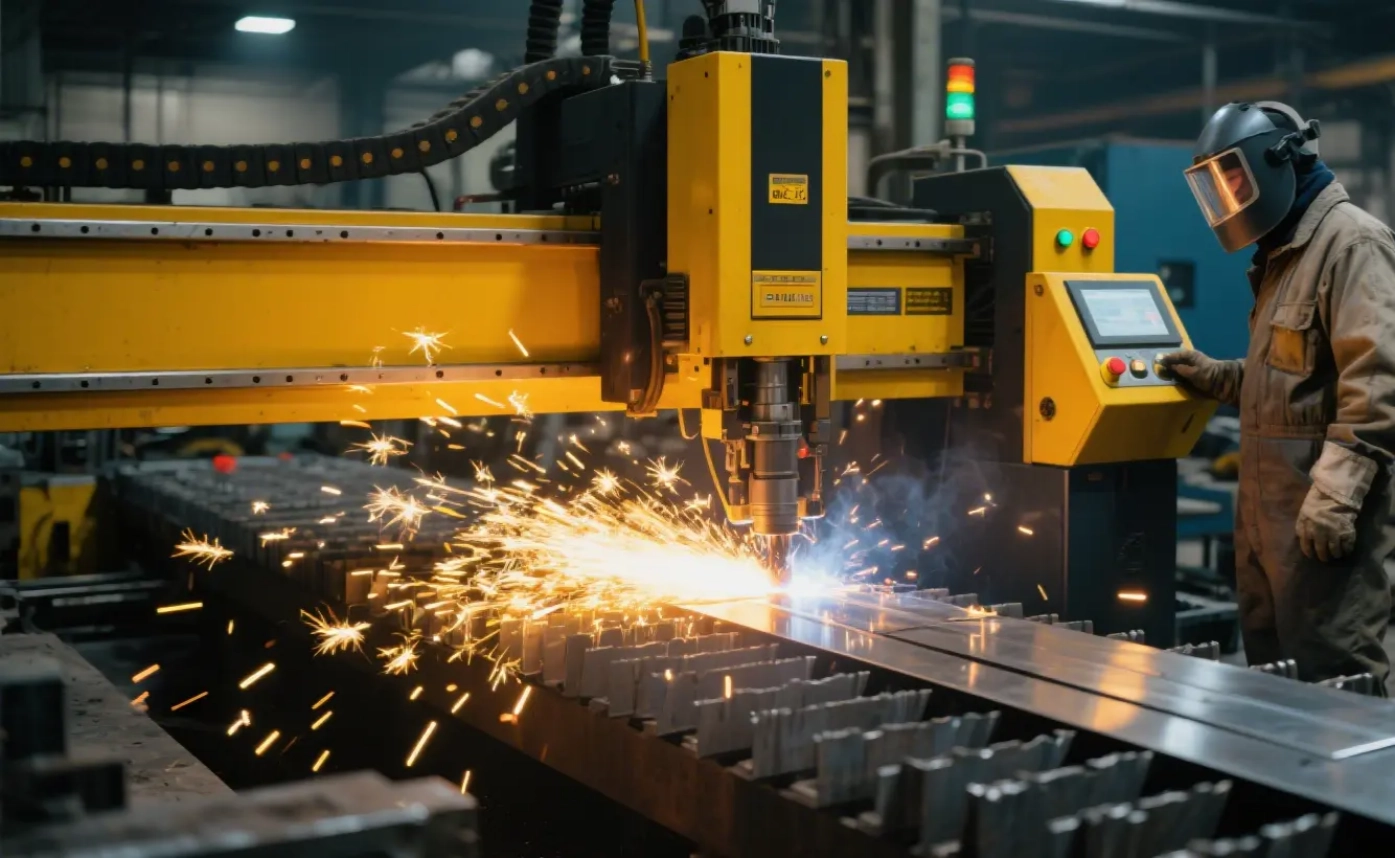
Located in Jiangsu, China, our modern production base covers an area of approximately 11,000 square meters. The facility is equipped with advanced manufacturing technologies and operated by a team of experienced engineers and skilled technicians. This ensures strict quality control, precision manufacturing, and efficient large-scale production capabilities.
Our factory is equipped with a complete set of advanced production and testing systems, including:
Every batch follows an audited quality control path to guarantee compliance before shipment to Manzanillo or Veracruz ports.
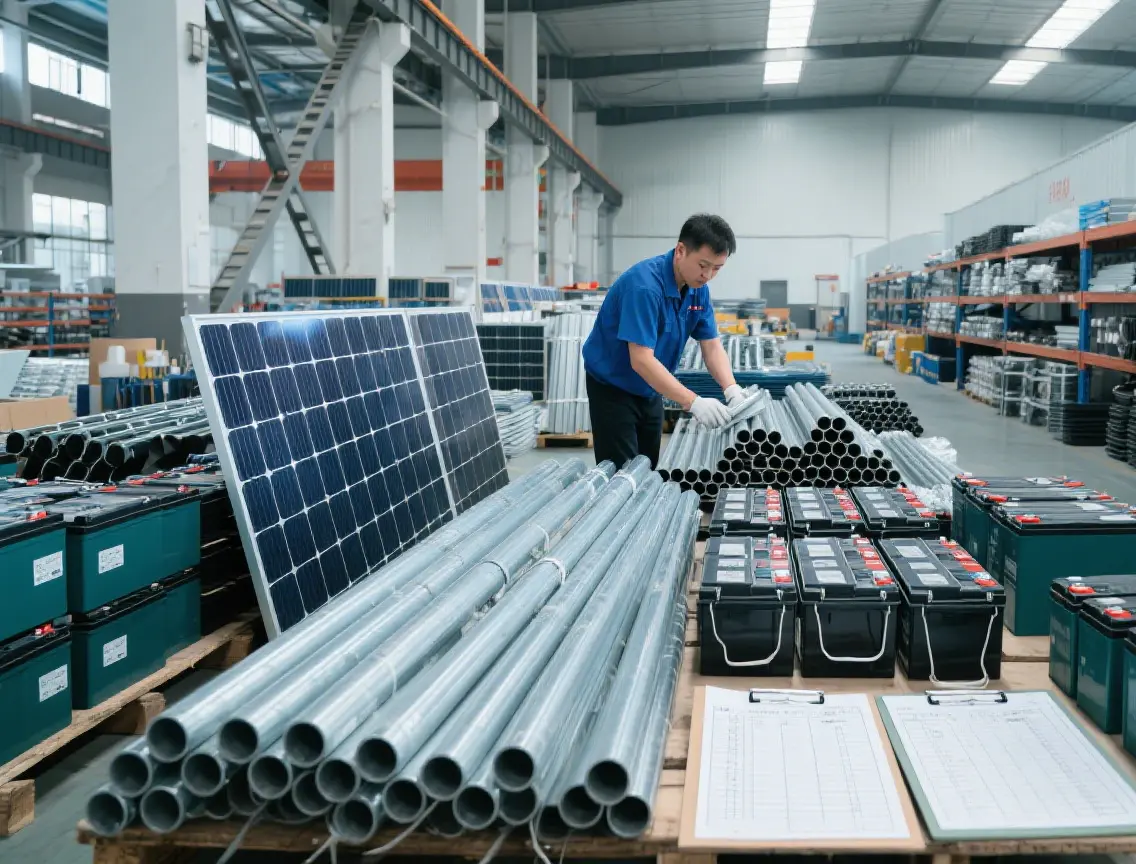
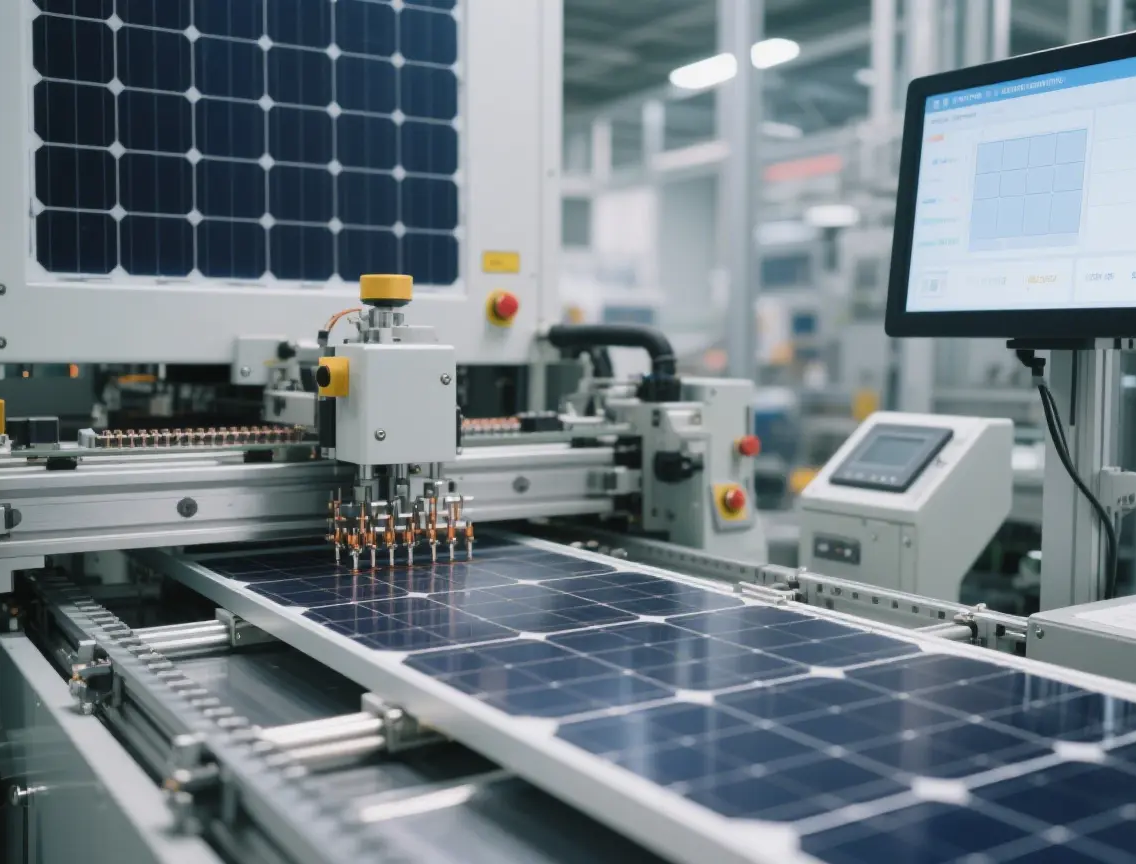
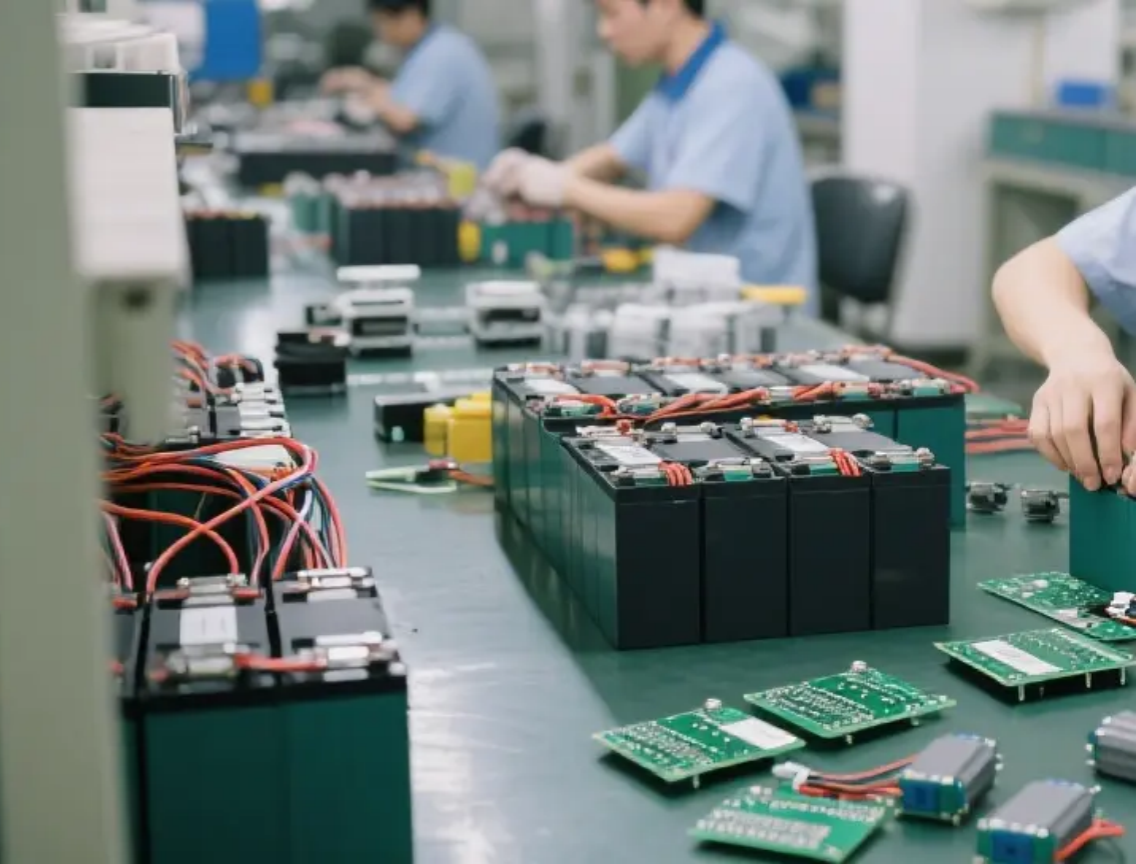
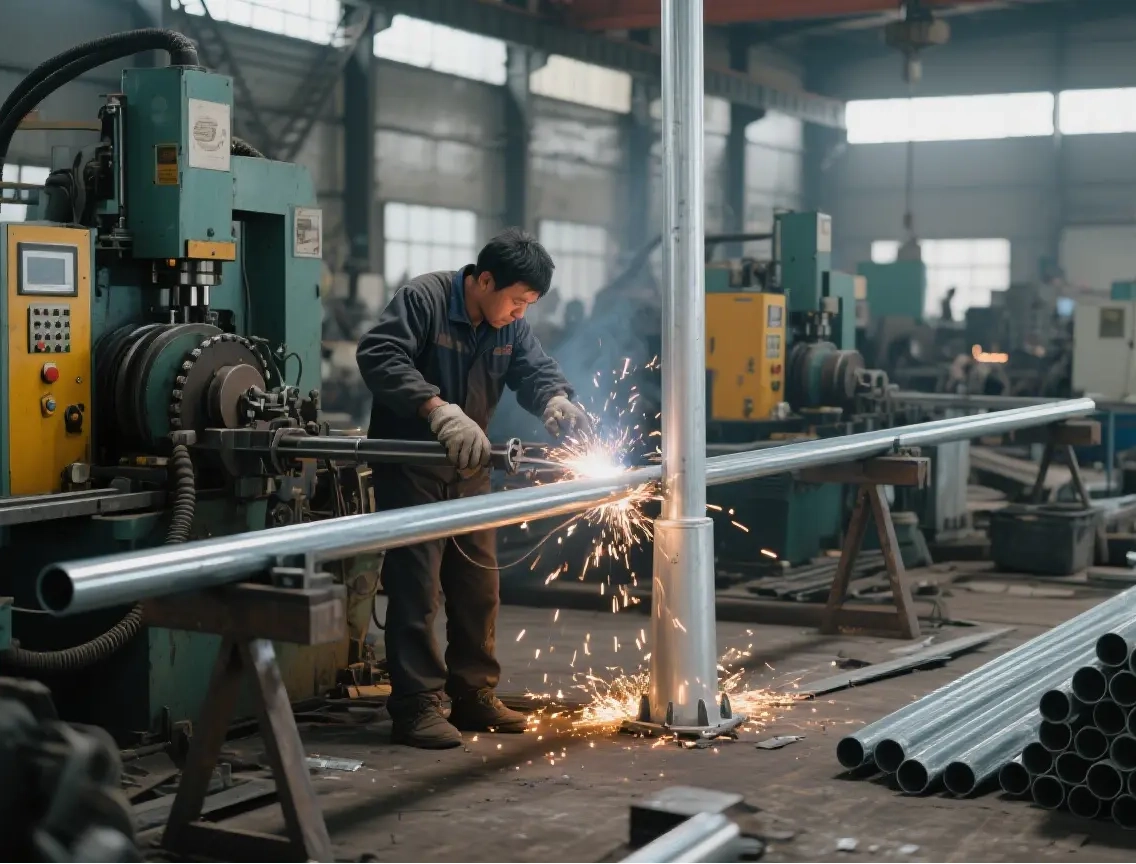


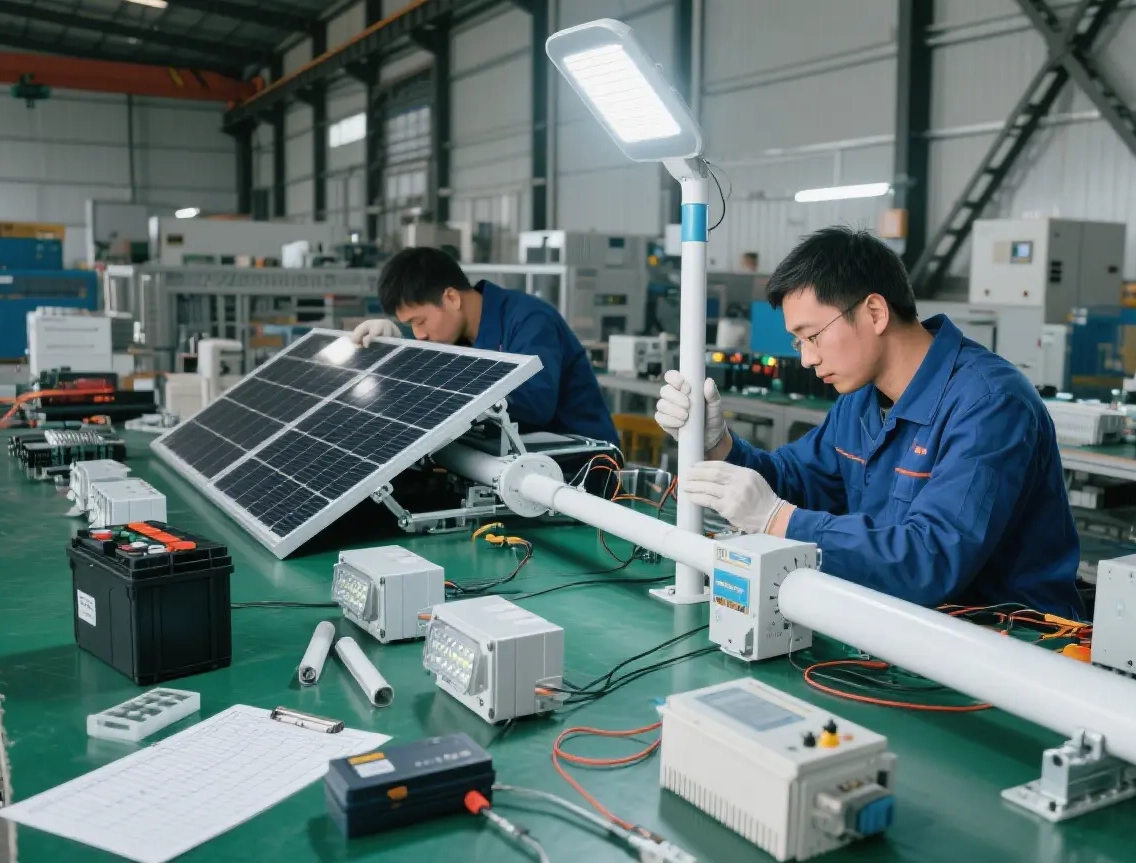
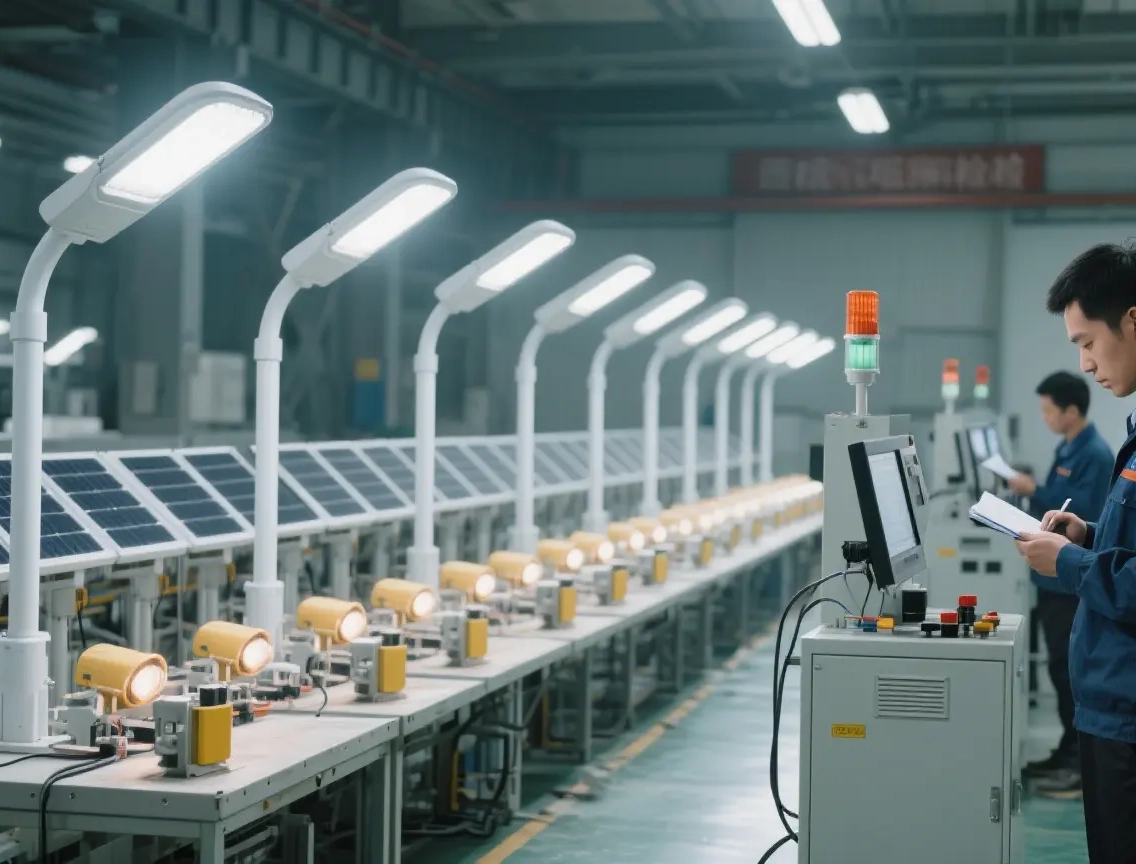
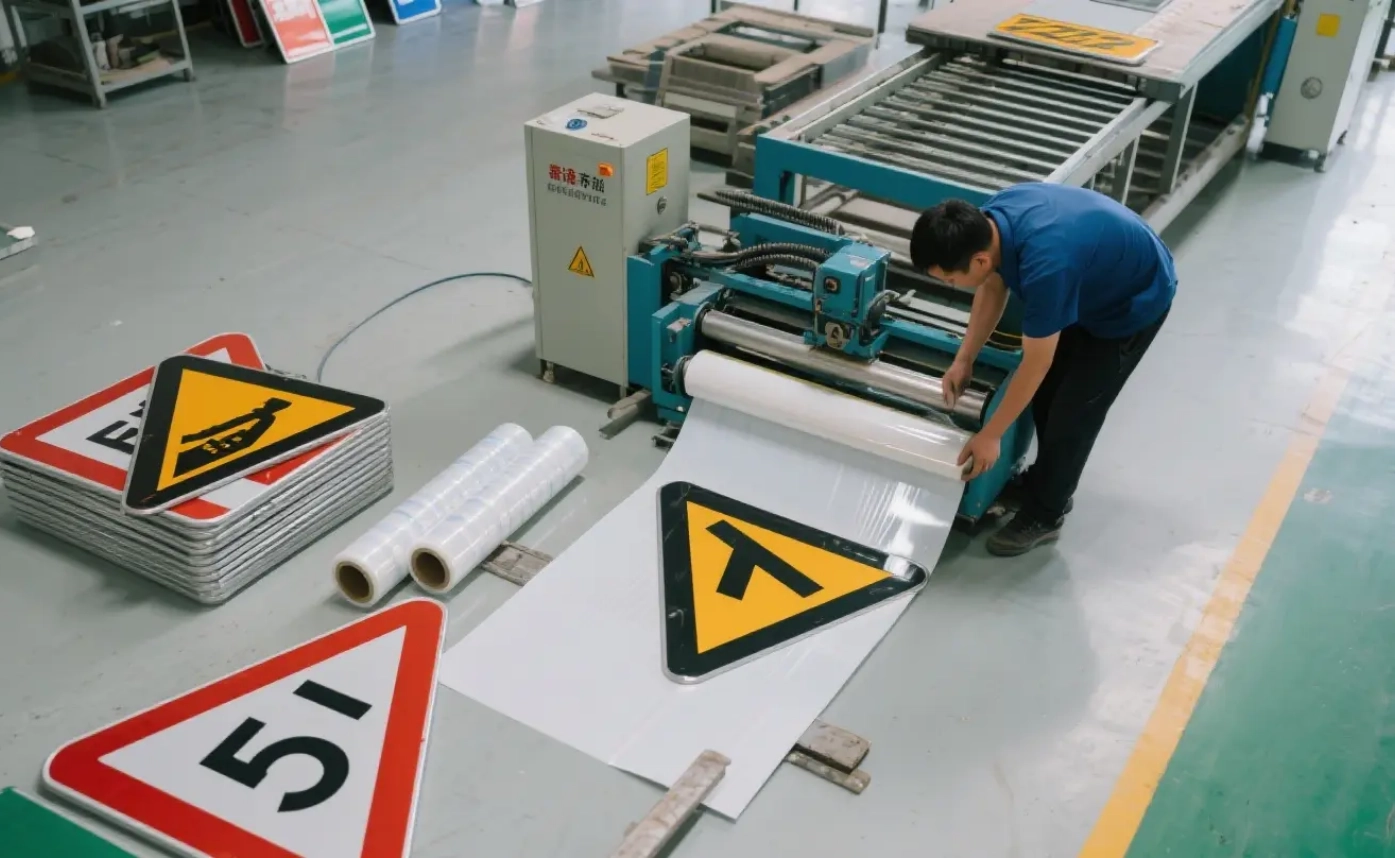
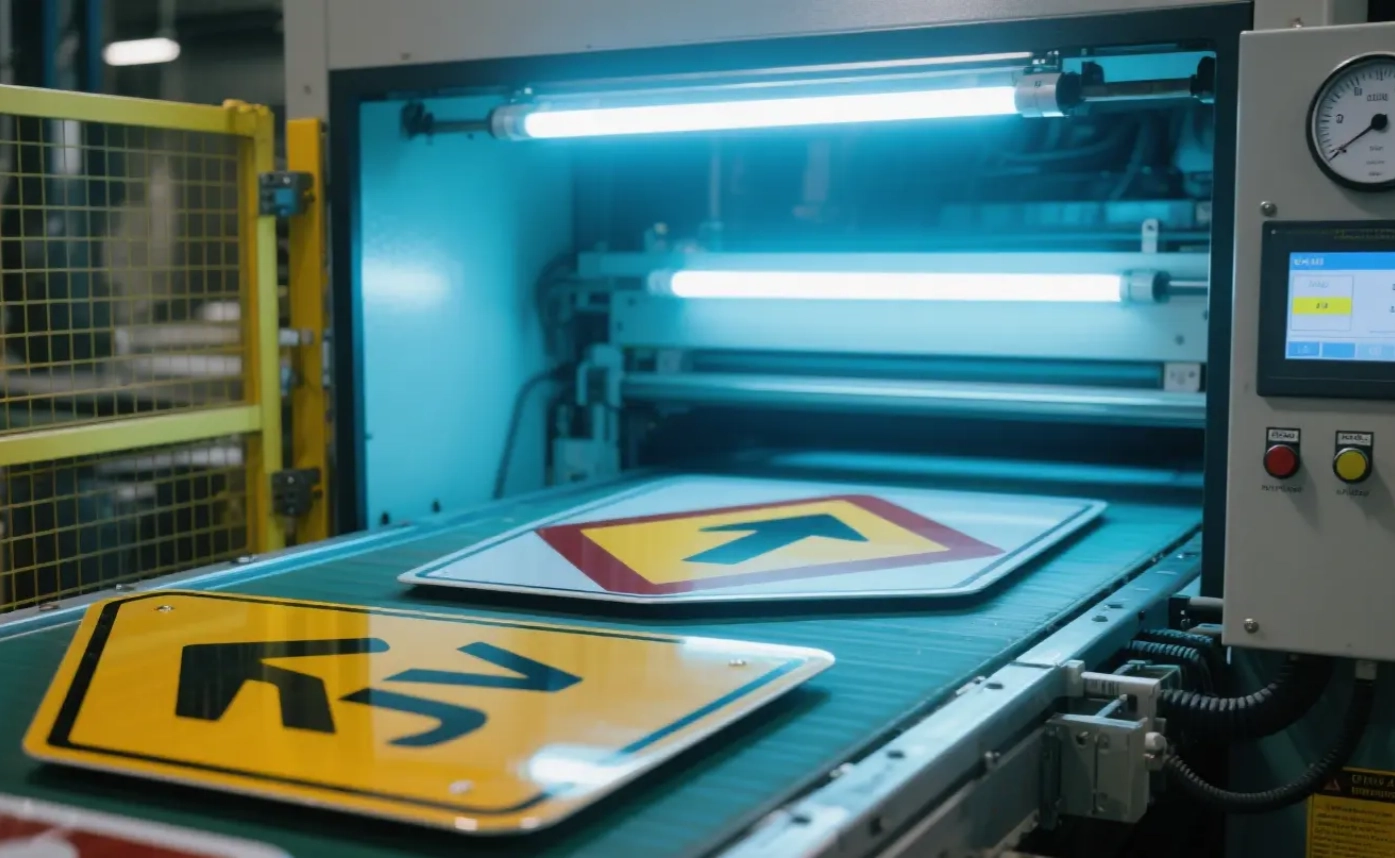
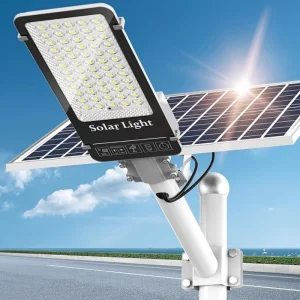
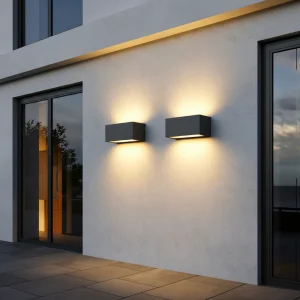
Explore our certified products covering street illumination, high-performance battery setups, decorative garden models, and off-grid support systems.
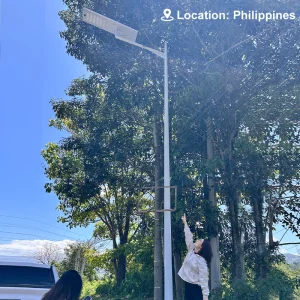
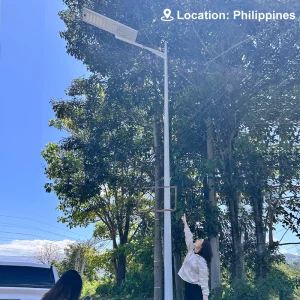
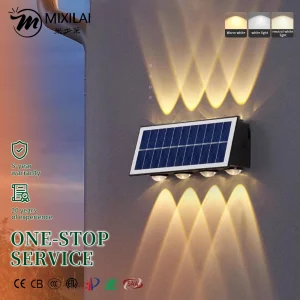
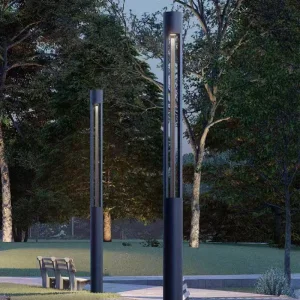
As Latin American metropolises shift toward Smart City architecture, street lighting networks are transforming from passive fixtures into critical IoT nodes. Lukas Lighting is at the forefront of this shift, integrating edge computing, smart sensors, and advanced protocol networks into our solar luminaire lines designed for the Mexico City metropolitan grid.
Luminaires can be equipped with remote centralized monitoring controllers. Operating on international open protocols, municipal managers in CDMX can monitor battery health, real-time energy conversion metrics, and failure diagnostics from a single dashboard, slashing maintenance expenses by 45%.
Our smart CCTV-enabled streetlights use native hardware encoders to stream high-definition surveillance data directly over local cell networks or private municipal sub-GHz systems. These installations double as security boundaries in heavy commercial hubs.
By leveraging ground albedo (reflected light off concrete logistics terminals and surrounding buildings), our bifacial solar panels capture light on both sides. This improves power generation metrics by up to 25% under overcast sky conditions in CDMX's rainy months.
Key procurement, technical, and regulatory questions answered by our engineering and logistics department.
Yes. Our industrial export units are designed to fulfill NOM-031 testing parameters, including optical luminous flux distribution, color temperature consistency, LED driver protection levels, and nominal efficacy (>110 lm/W). We supply factory test reports for regional tender verification in Mexico.
High elevation means greater UV exposure, which typically degrades lower-quality PET panels within 2-3 years. Lukas Lighting utilizes tempered glass encapsulation and anti-UV EVA films on all monocrystalline modules to guarantee full rated energy production for over 25 years.
For standard systems, manufacturing lead time is 15-20 days. Shipments are dispatched from Shanghai or Ningbo ports directly to Manzanillo (Colima) or Lázaro Cárdenas (Michoacán). Sea transit times are approximately 18-25 days. Customs paperwork and packing lists are structured for smooth customs clearing.
Our solar systems incorporate smart MPPT controllers featuring adaptive charging profiles. Even with continuous cloud coverage or heavy afternoon downpours, the controller shifts load parameters, enabling up to 5-7 nights of continuous illumination from a single full charge cycle.
Absolutely. We compute anchor cage specs and baseplate thicknesses to meet structural requirements for soft clay soils (Zones II and III of CDMX's seismic building code). We provide comprehensive mechanical drawing sets to ensure local civil engineering teams pour matching reinforced concrete foundations.
We provide a 5-year replacement warranty on the integrated LED luminaire and battery components, and a 10-year warranty on structural poles. In the event of a warranty claim, replacement parts are dispatched immediately to avoid project downtime.
Our smart camera streetlights support 4G LTE SIM cards (compatible with Telcel, Movistar, and AT&T networks in Mexico), as well as local Wi-Fi bridges. Systems feature localized micro-SD storage along with ONVIF compliance for integration into local security monitoring platforms.
Yes. As an OEM/ODM manufacturer, we offer customized laser-engraved branding, custom housing colors (e.g., specific RAL codes for municipal requirements), custom packaging, and tailored operational documentation in Spanish.
Work directly with Jiangsu Lukas Lighting Co., Ltd. for direct factory pricing, NOM-certified specifications, and high-performance solar configurations.
Send Inquiry Now Lukas Lighting