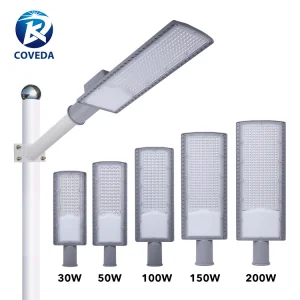
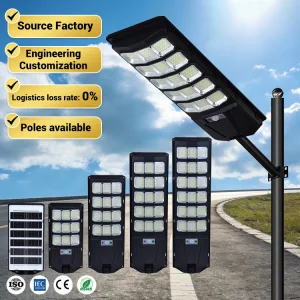
Designed to handle high humidity, torrential rainfall, and coastal salinity. Explore our top integrated and smart configurations engineered specifically for Mumbai's public, industrial, and urban roadways.
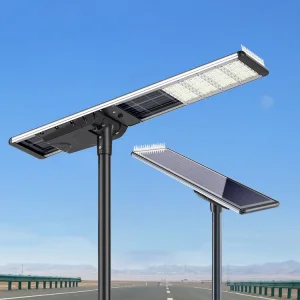
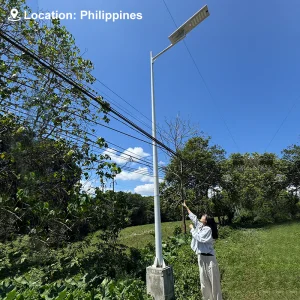
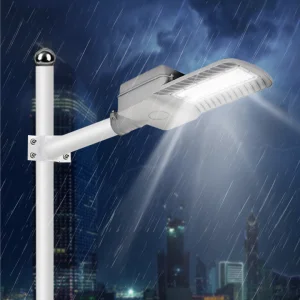
As India's financial capital, Mumbai is undergoing an unprecedented infrastructural metamorphosis. The Mumbai Metropolitan Region Development Authority (MMRDA) and the Municipal Corporation of Greater Mumbai (MCGM) have prioritised clean energy adoption under the smart city framework. However, deploying solar technology in Mumbai requires navigating severe environmental variables.
The coastal geography exposes outdoor lighting systems to continuous salt mist, high humidity, and extreme annual monsoon seasons (averaging over 2,500 mm of rain within 4 months). Conventional grid-tied lighting suffers from cable corrosion, electrical short circuits during waterlogging, and high maintenance costs. Lukas Lighting's municipal-grade street lights mitigate these hazards via integrated configurations that eliminate ground-level wiring entirely.
Furthermore, the local electrical grid experiences peak stress during hot summer months. Off-grid solar systems relieve municipal distribution transformers, providing uninterrupted illumination along critical arteries like the Eastern Express Highway and the Western Express Highway.
Hermetic double-rubber sealings shield internal LED drivers, controllers, and lithium batteries from persistent coastal moisture and monsoonal deluges.
Alloy housings are finished with specialized marine-grade powder coatings. They endure years of exposure to salt-laden ocean air without structural degradation.
Engineered structural brackets and pole assemblies are built to withstand cyclonic wind forces up to 45 m/s, matching local building codes.
The global smart municipal lighting market is pivoting rapidly toward decentralized, clean energy solutions. Advanced lithium iron phosphate (LiFePO4) chemistry has completely replaced lead-acid storage. This transition ensures operational stability across extreme temperatures, offering up to 6,000 cycles at 80% Depth of Discharge (DoD).
In tandem with battery improvements, high-efficiency monocrystalline PV technology now regularly hits 22.5%+ conversion efficiency. These cells ensure rapid energy capture even under diffuse light conditions typical of Mumbai's prolonged cloud cover. Intelligent lighting controllers featuring Maximum Power Point Tracking (MPPT) algorithms adjust charging parameters dynamically, maximizing yield during low-solar periods.
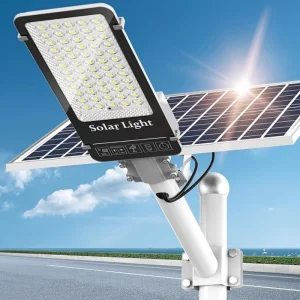
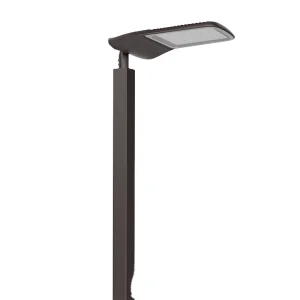
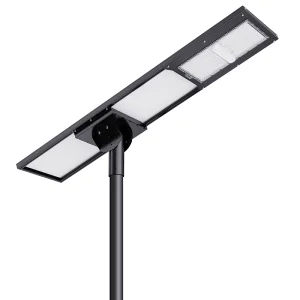
Excellent for Marine Drive extensions, JNPT port roads, and coastal defense avenues. High saline environment requires C5-M anti-corrosive coatings, structural stability, and reliable optical distribution to handle heavy mist.
Ideal for manufacturing plants in Thane, Belapur, and Navi Mumbai. Integrates smart sensors and CCTV camera surveillance to secure logistics hubs, warehousing areas, and private perimeter roads.
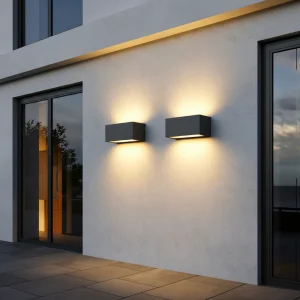
Tailored for modern high-rises, urban pathways, and municipal parks. Operates autonomously with motion sensors, providing reliable illumination while preserving aesthetic layouts.
Our core engineering focuses on improving system longevity, lowering the cost of ownership, and expanding smart capabilities. Lukas Lighting continues to invest in advanced energy management systems (EMS) to drive smart city integration.
Our proprietary controllers achieve up to 99.8% tracking efficiency. By analyzing real-time solar yield, they prevent battery overcharging or deep discharge. Dynamic dimming algorithms adjust light output according to residual battery state-of-charge, extending lighting duration during overcast periods.
We use high-density N-type monocrystalline solar cells that perform exceptionally well in low-light environments. Paired with high-efficacy Philips or Bridgelux LED chips (generating up to 180 lm/W), our street lights deliver superior illuminance with minimal energy consumption.
Our smart luminaires connect through LoRaWAN or NB-IoT networks. Municipal operators can monitor power generation, control illumination profiles, and receive instant maintenance alerts from a centralized dashboard. This drastically lowers operational costs and improves public safety.
Established in 1998, Jiangsu Lukas Lighting Co., Ltd. has spent over two decades engineering, manufacturing, and exporting advanced outdoor lighting products. From our modern 11,000-square-meter facility in Jiangsu, China, we export reliable municipal and commercial lighting solutions globally.
By keeping product design, component manufacturing, and final system integration under one roof, we guarantee exceptional quality control and competitive pricing. We conform to international quality management systems, including ISO9001 and CE certifications.
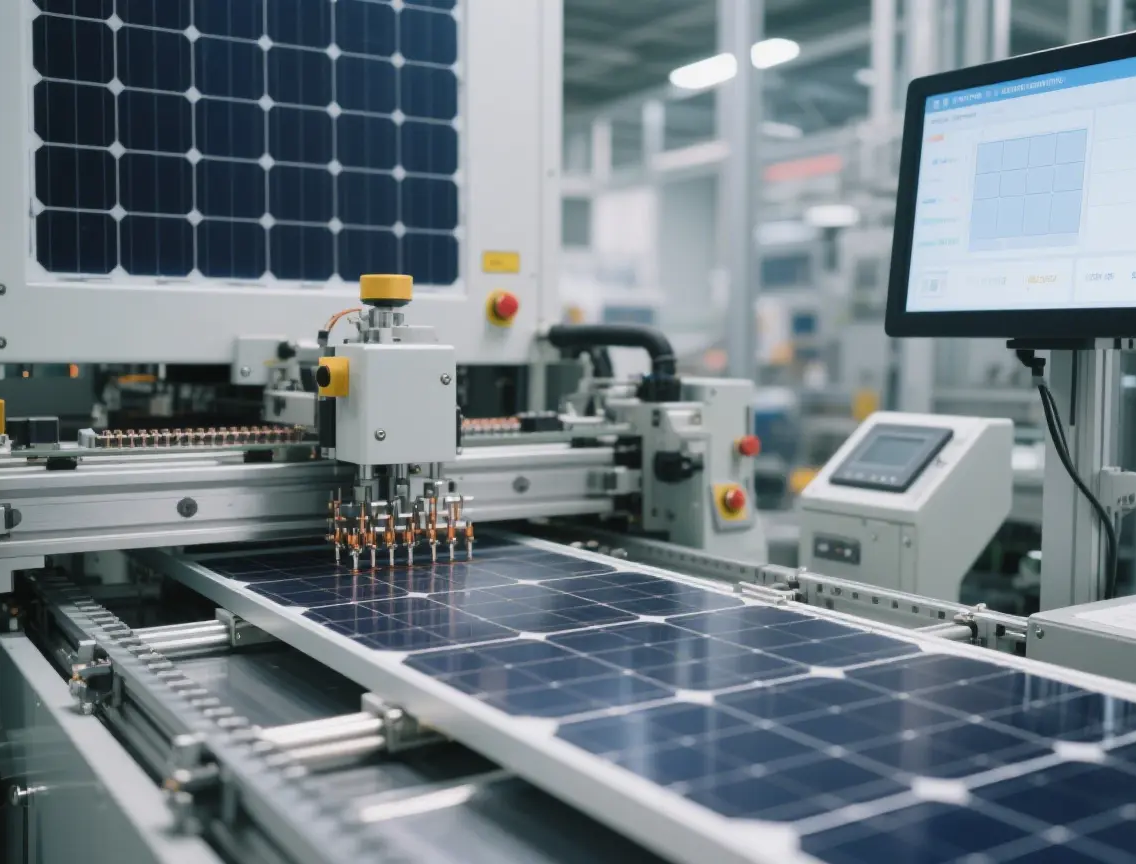
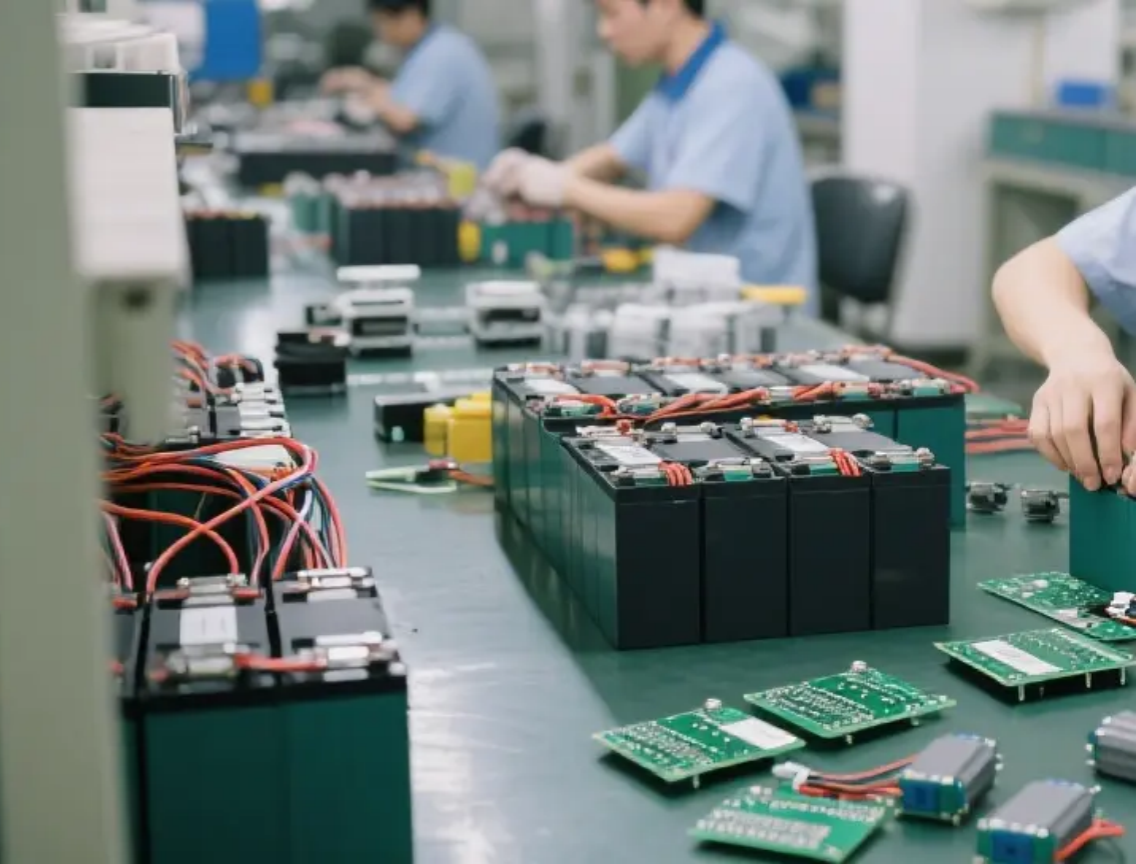
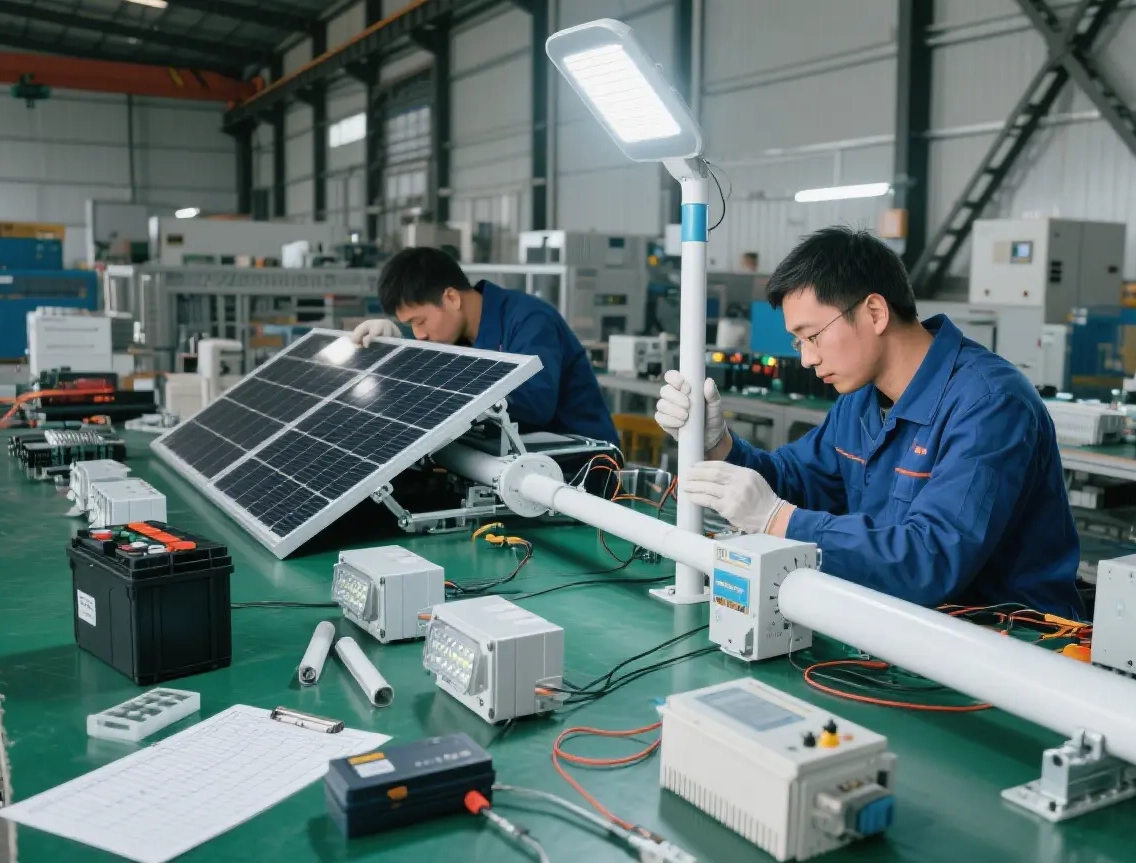
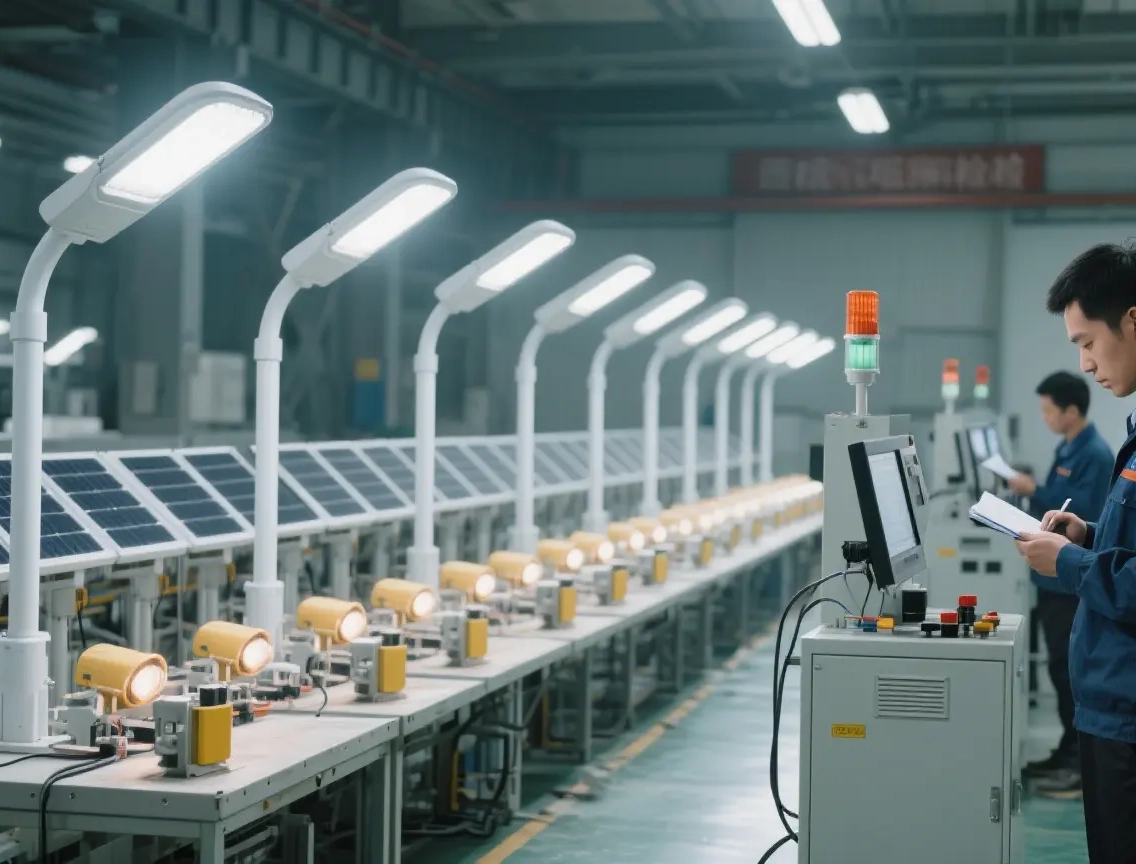
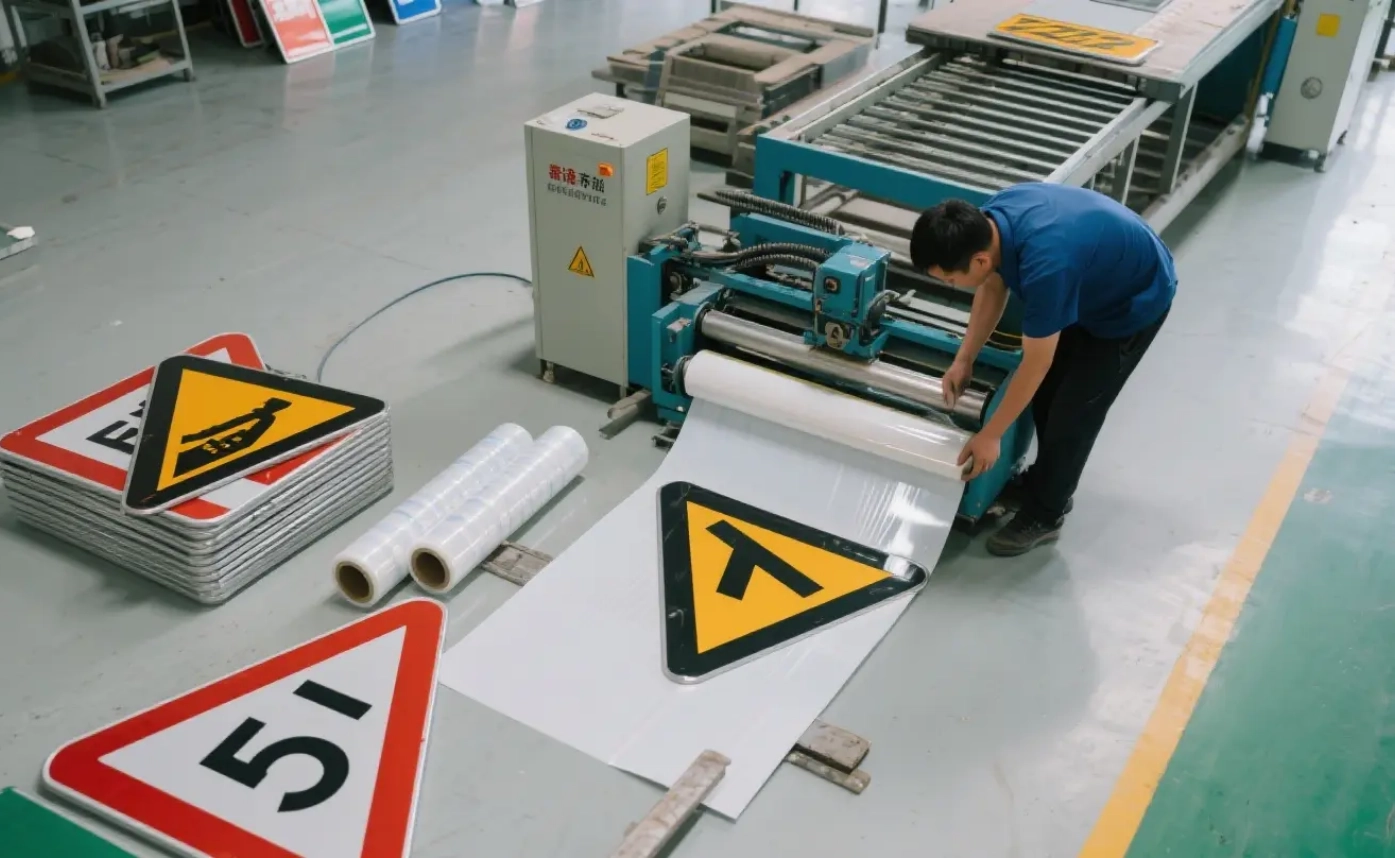
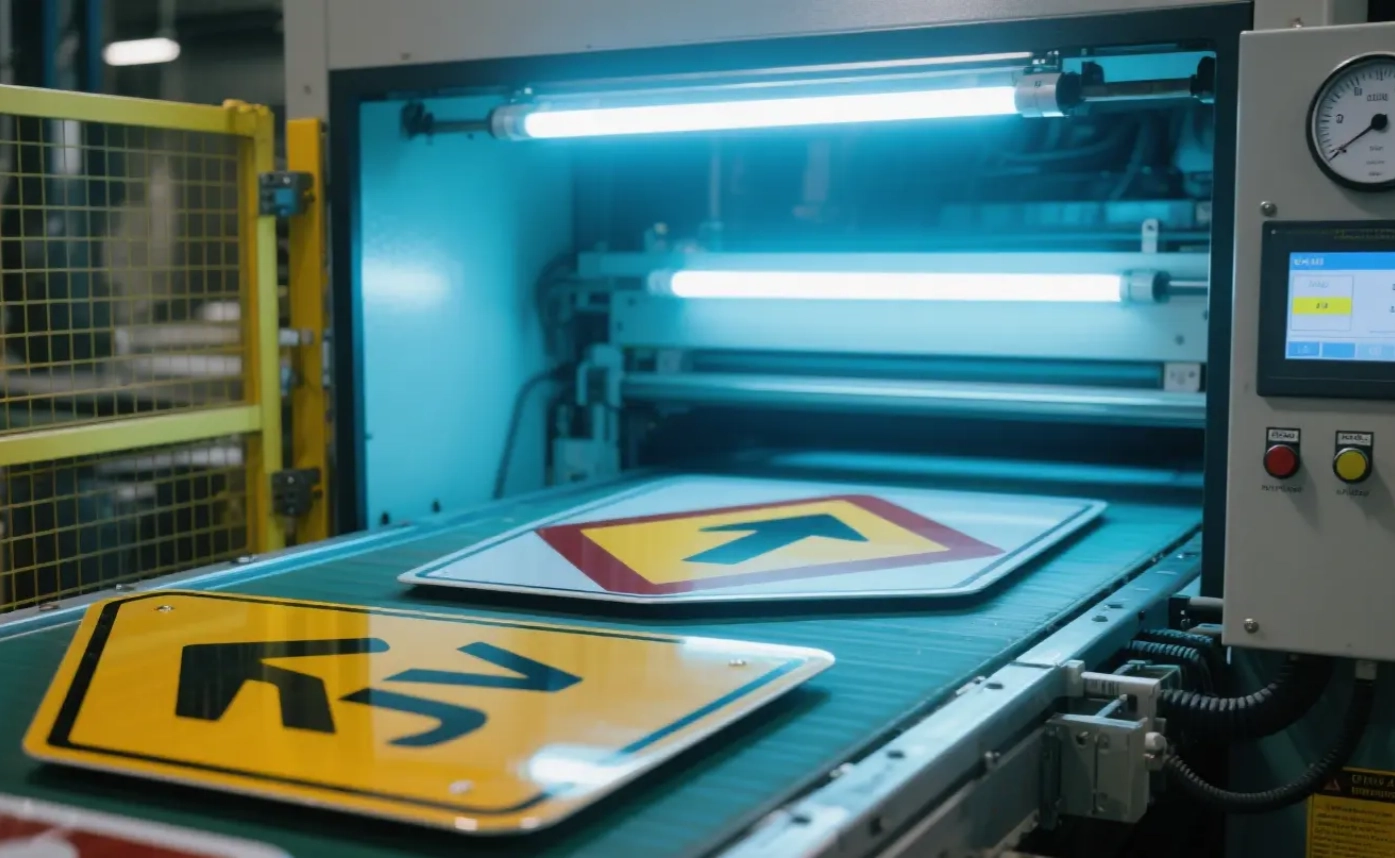
To maintain strict quality control and support high-volume manufacturing, our production facility features:
Automated and flexible assembly lines allow us to fulfill bulk municipal shipments and custom project builds with competitive lead times.
We operate an ISO9001-certified system and hold multiple patents for lighting structures and advanced optical designs.
We manage the entire lifecycle in-house—from design and mold fabrication to performance testing and export logistics.
Continuous R&D in LED technology and smart controls supports global carbon reduction targets and smart city planning.
Discover how we build reliability and longevity into every component. Our production line maintains strict quality controls at every stage of fabrication.
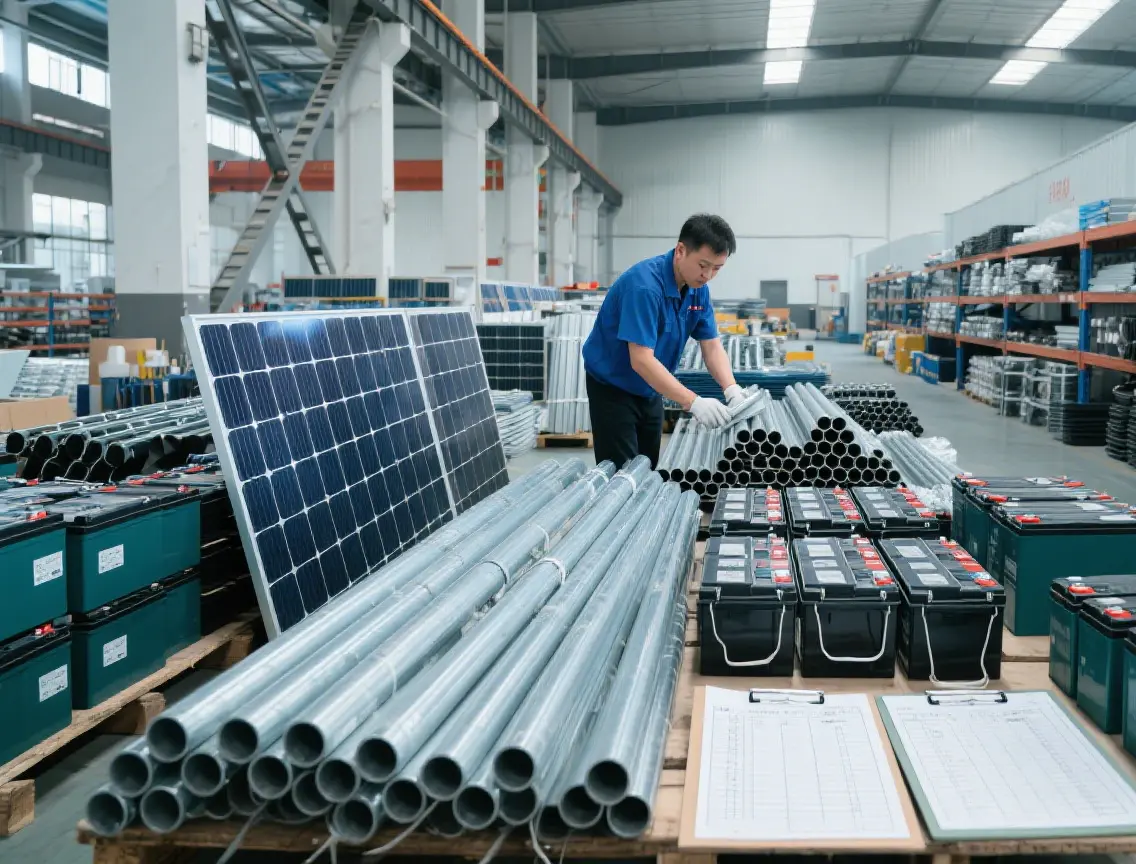





Select from our high-performance street lamps, decorative garden lights, solar kits, and industrial off-grid power systems designed for international markets.


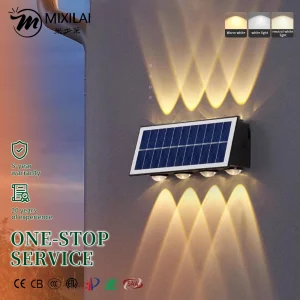
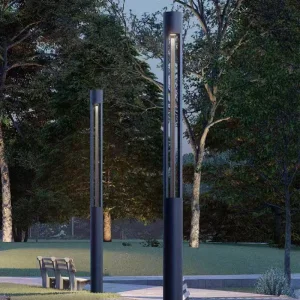
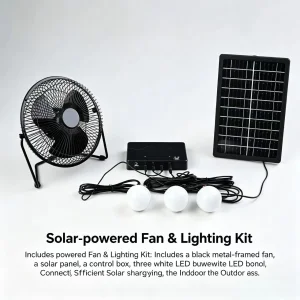
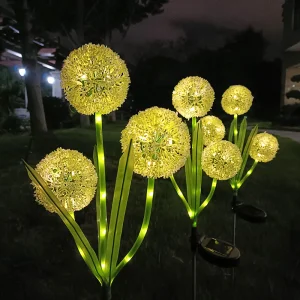
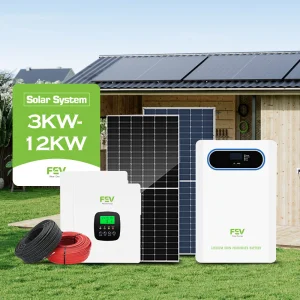
Transitioning large municipal or commercial road networks to solar lighting requires clear financial planning. Lukas Lighting works closely with Energy Service Companies (ESCOs) and Engineering, Procurement, and Construction (EPC) contractors in India to offer flexible project models.
Municipal bodies or private industrial park developers purchase the lighting systems upfront. While this requires a larger initial investment, it offers the fastest return on investment (ROI)—often within 3 to 4 years—along with complete ownership of the energy-generating assets.
Under this model, the developer avoids upfront capital costs. Instead, an ESCO partner installs, owns, and maintains the solar street lighting infrastructure. The client pays a fixed monthly service fee funded by their guaranteed energy savings, making it an excellent option for large-scale municipal road upgrades.
Additionally, our smart lighting systems generate verifiable carbon offset data. This helps developers claim carbon credits under international ESG guidelines, improving overall project returns.
Get answers to common technical, commercial, and operational questions about deploying solar street lighting in coastal and municipal environments.
 Lukas Lighting