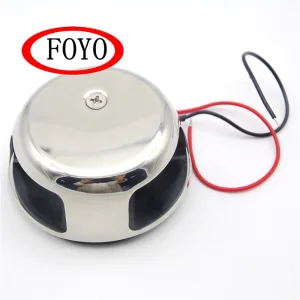
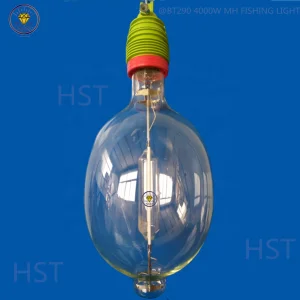
The San Francisco Bay Area represents one of the most dynamic, economically critical, yet environmentally challenging maritime regions in the United States. Comprising key facilities like the Port of San Francisco, the Port of Oakland, and municipal shipyards spanning Richmond to Redwood City, the bay hosts constant shipping, ship repair, and public ferry transit operations. These terminals require uninterrupted illumination to maintain security, high throughput, and strict operational safety.
However, the local microclimate presents unique obstacles for structural materials. The region's famous marine layer brings high humidity, saline fog, and rapid temperature swings. Regular moisture combined with airborne salt accelerates the galvanic corrosion of metal light fixtures, leading to premature electrical failures, lens clouding, and structure fatigue. Additionally, high-mast port lighting must comply with California's strict environmental regulations, including Title 24 Energy Efficiency Standards and Dark Sky compliance to protect migrating coastal avian pathways across the Pacific Flyway.
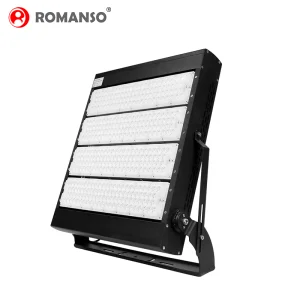
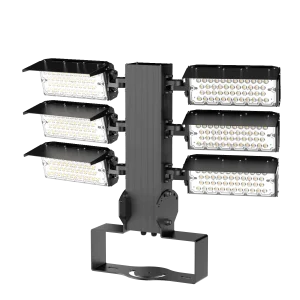
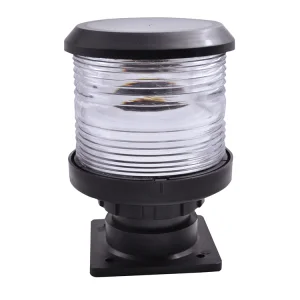
Industrial seaport procurement departments demand products that adhere strictly to international testing standards. Purchasing decisions for infrastructure lighting are no longer based solely on upfront unit cost, but on Total Cost of Ownership (TCO) over a 10-to-20-year horizon. Lukas Lighting addresses these demands through rigorous engineering controls, advanced material choices, and strict quality verification processes.
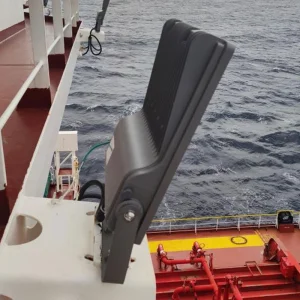
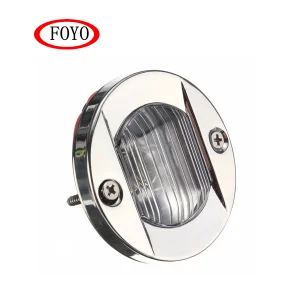
Luminaires operating in splash zones, ship hulls, and docks must feature airtight sealing technology. Our marine products utilize high-tensile silicone gaskets and precision-machined mating surfaces to keep out pressurized seawater and micro-particulates.
For coastal structures, standard powder coating fails within months. Lukas applies a multi-stage electrostatic fluorocarbon powder coating on copper-free die-cast aluminum alloys. This delivers exceptional salt spray resistance verified under ASTM B117 standards.
Gantry cranes and high masts operate under constant wind shear and mechanical jarring. Our terminal floodlights are certified to ANSI C136.31 standards, utilizing reinforced brackets and vibration-dampened internal driver mounting.
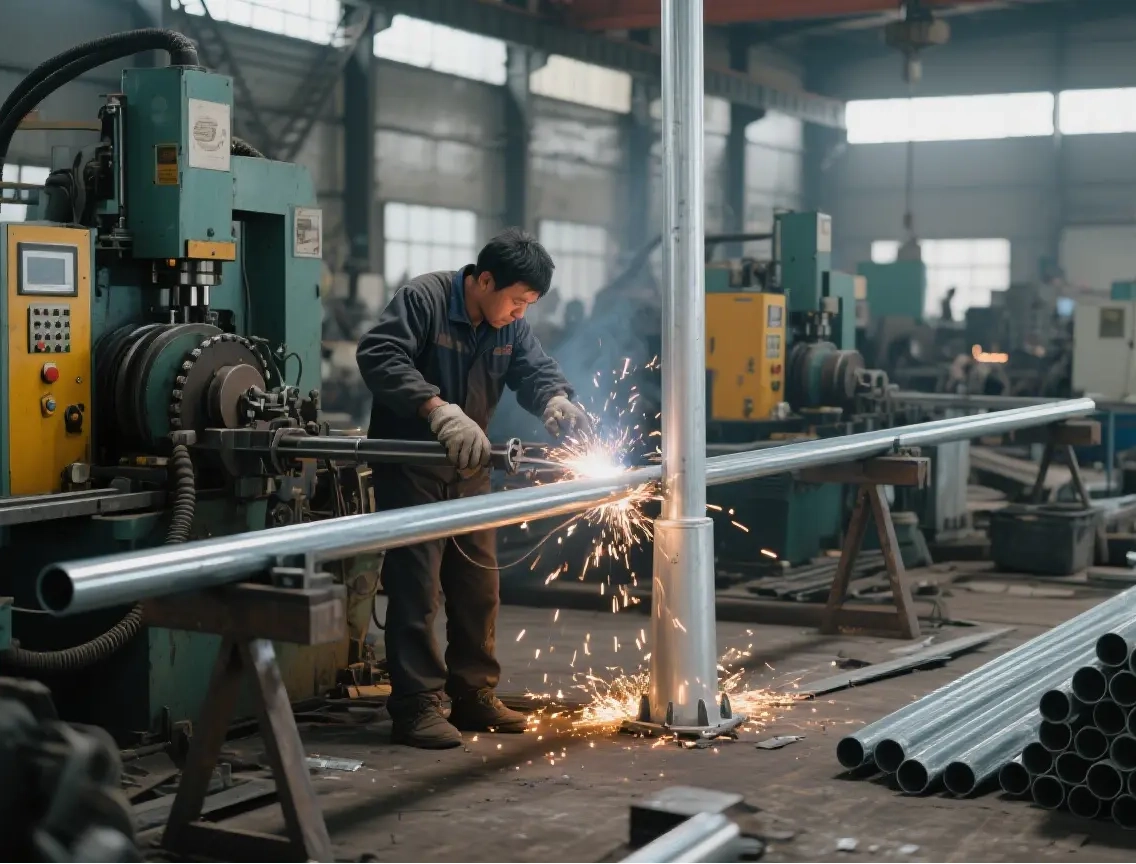
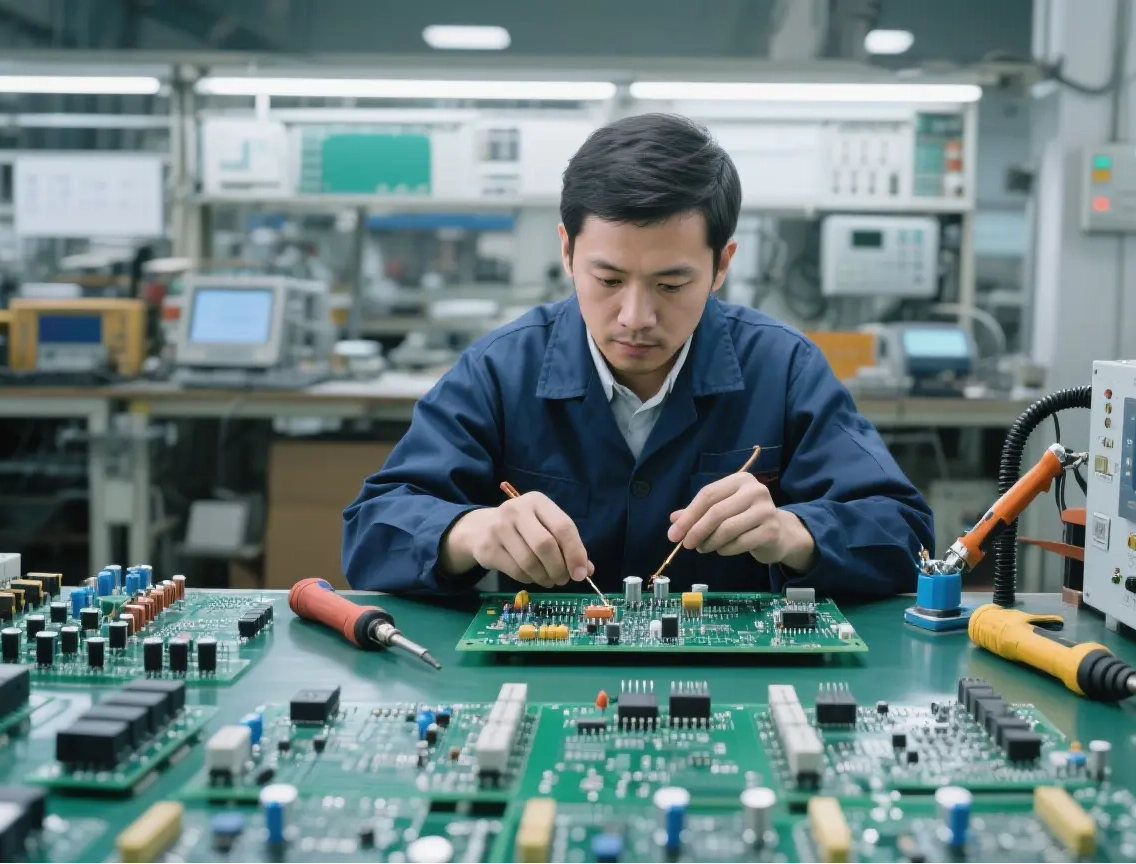
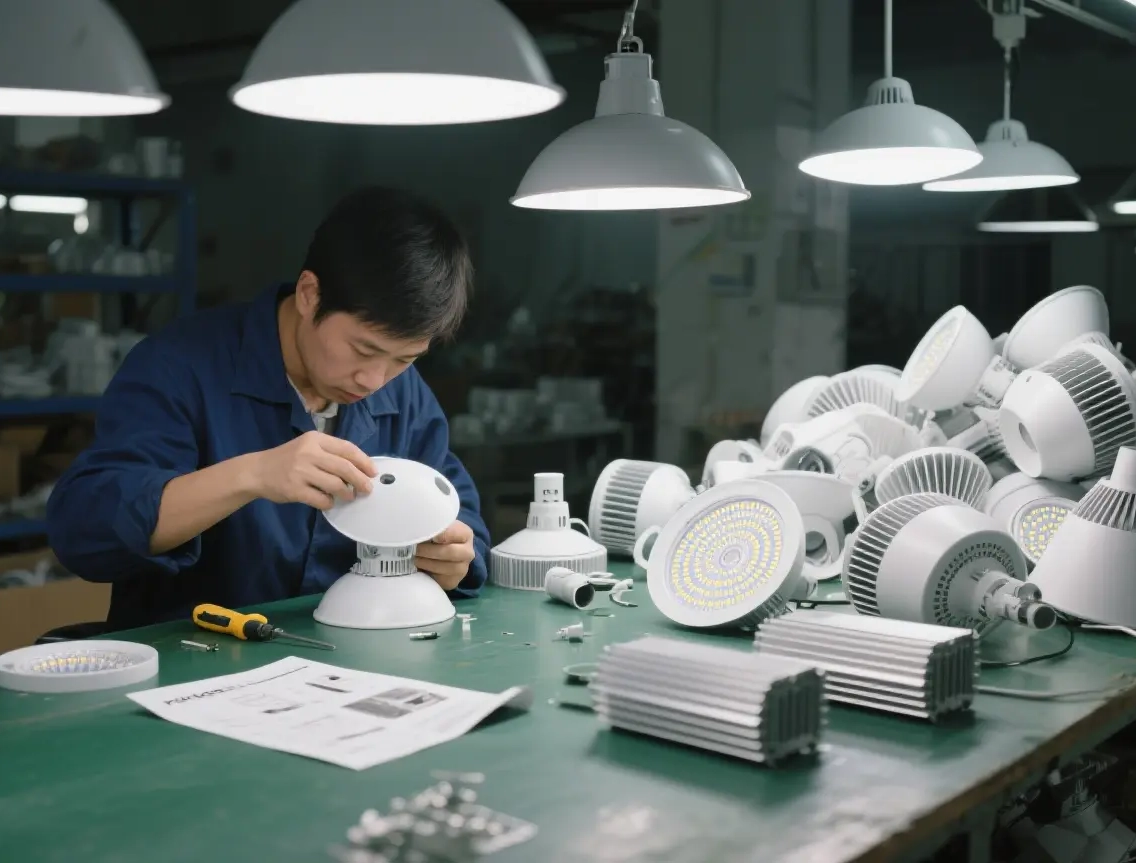
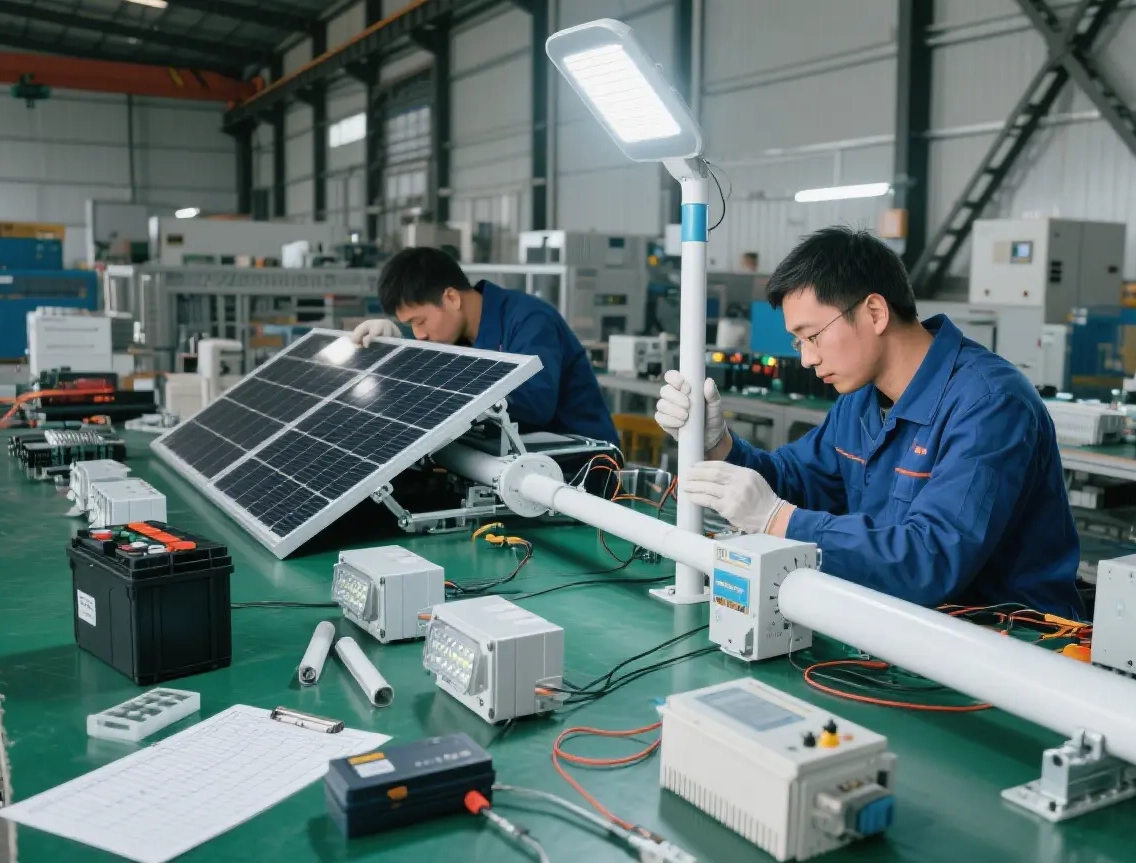
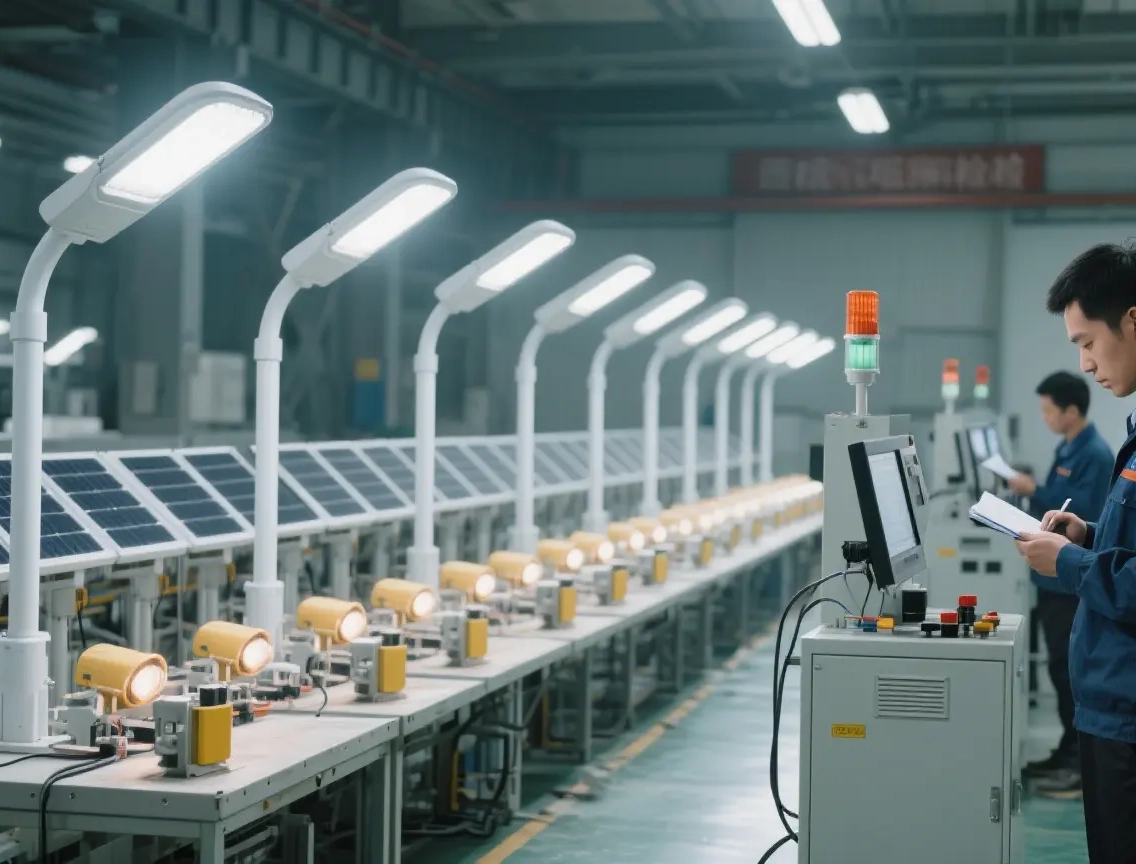
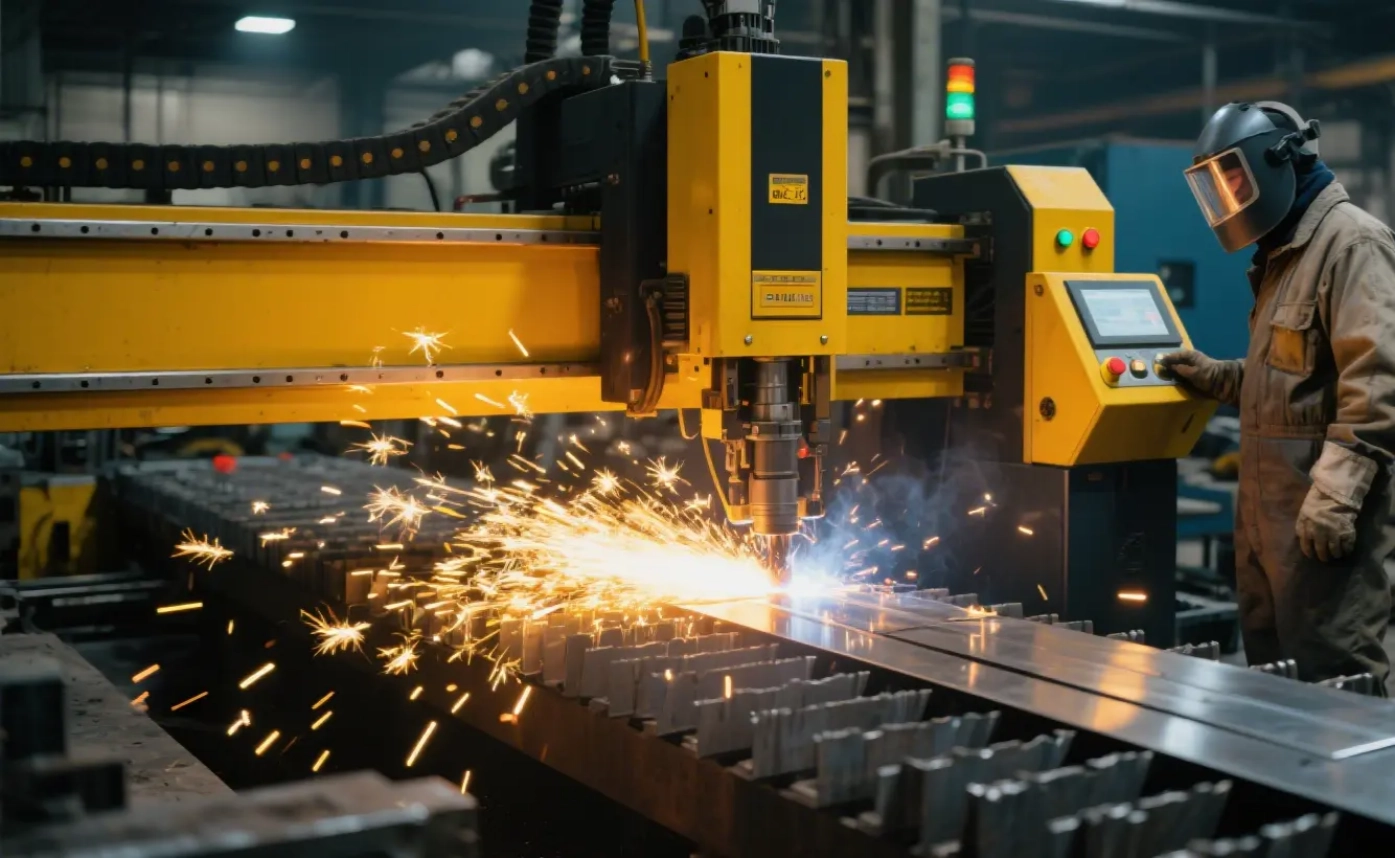
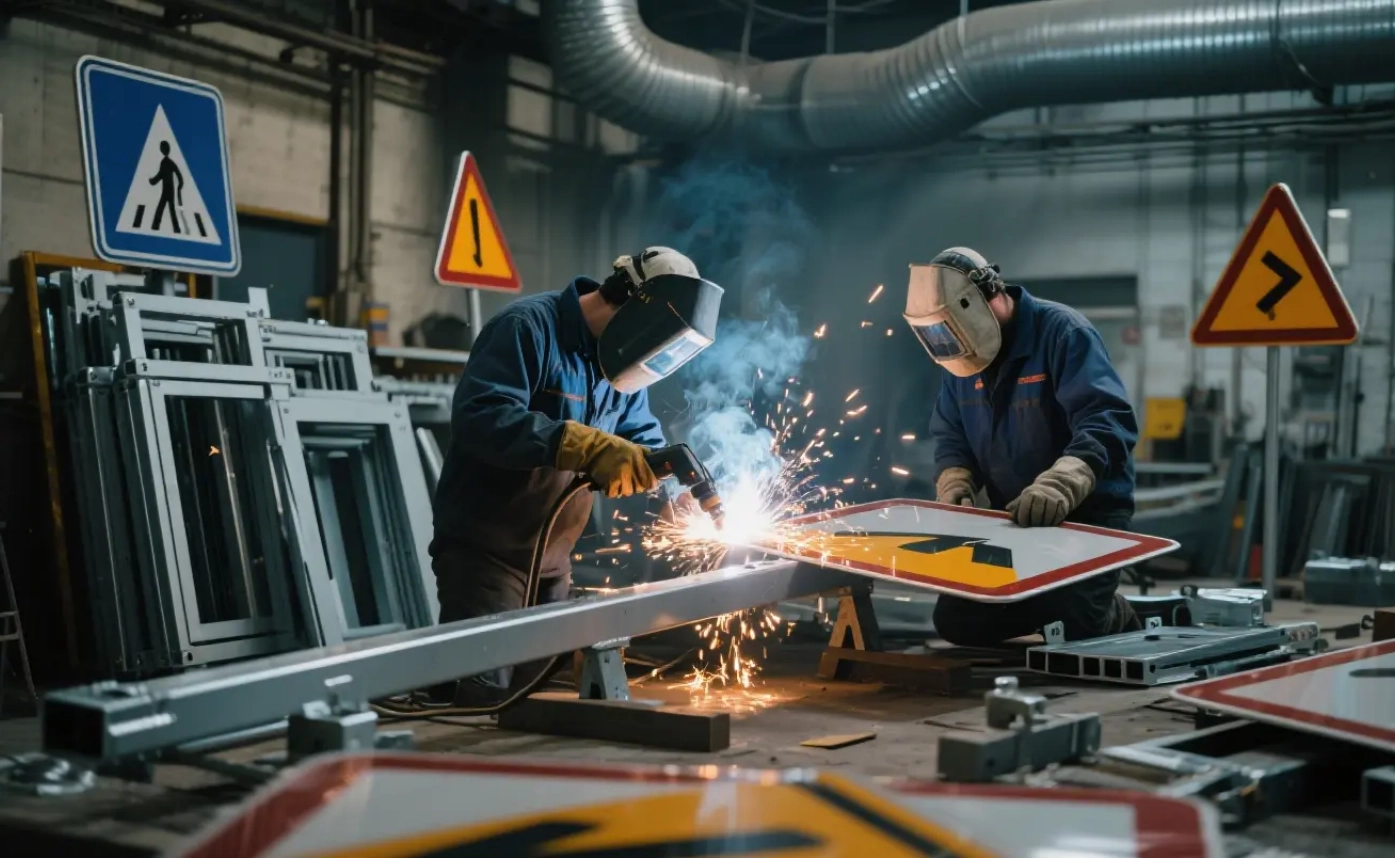
Jiangsu Lukas Lighting Co., Ltd. was established in 1998 with a strong commitment to innovation, quality, and sustainability in the outdoor lighting industry. Over more than two decades of development, the company has grown into a professional manufacturer specializing in intelligent and energy-efficient street lighting and marine-grade flood lighting solutions. Located in Jiangsu, China, our modern production base covers an area of approximately 11,000 square meters. The facility is equipped with advanced manufacturing technologies and operated by a team of experienced engineers and skilled technicians. This ensures strict quality control, precision manufacturing, and efficient large-scale production capabilities.
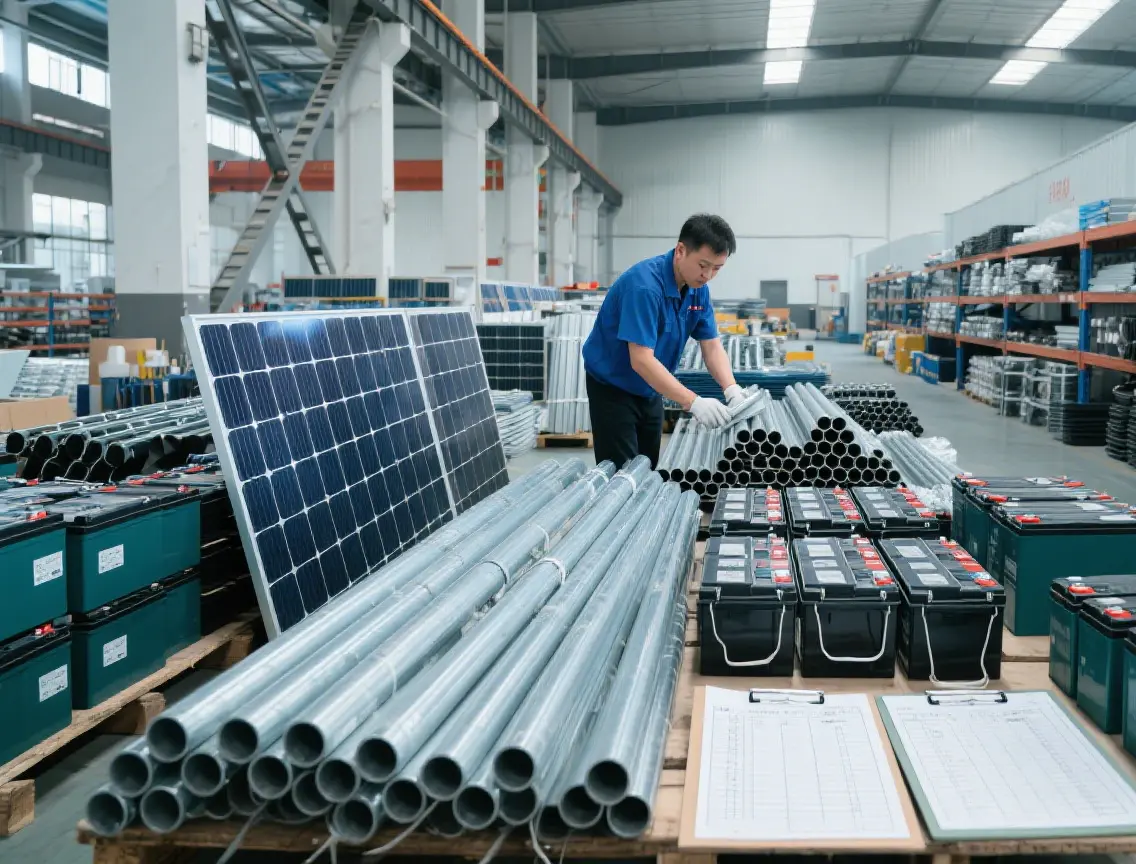
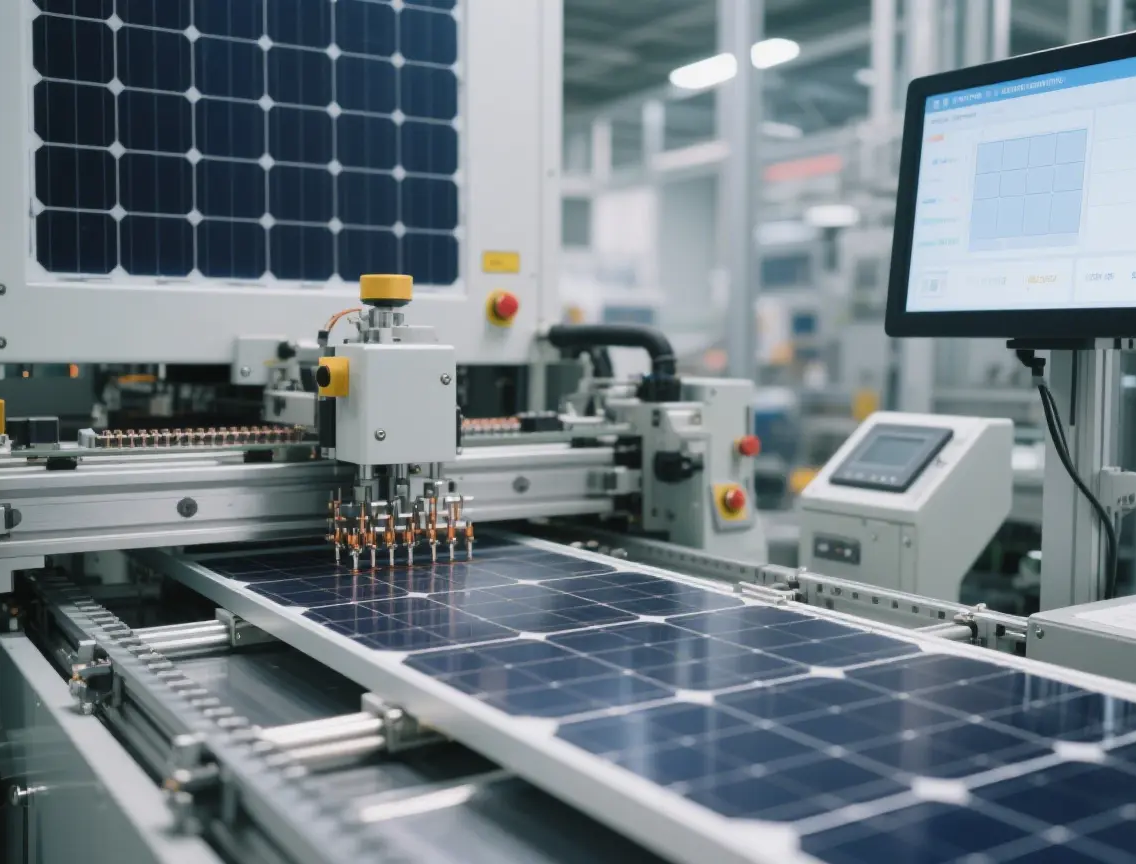
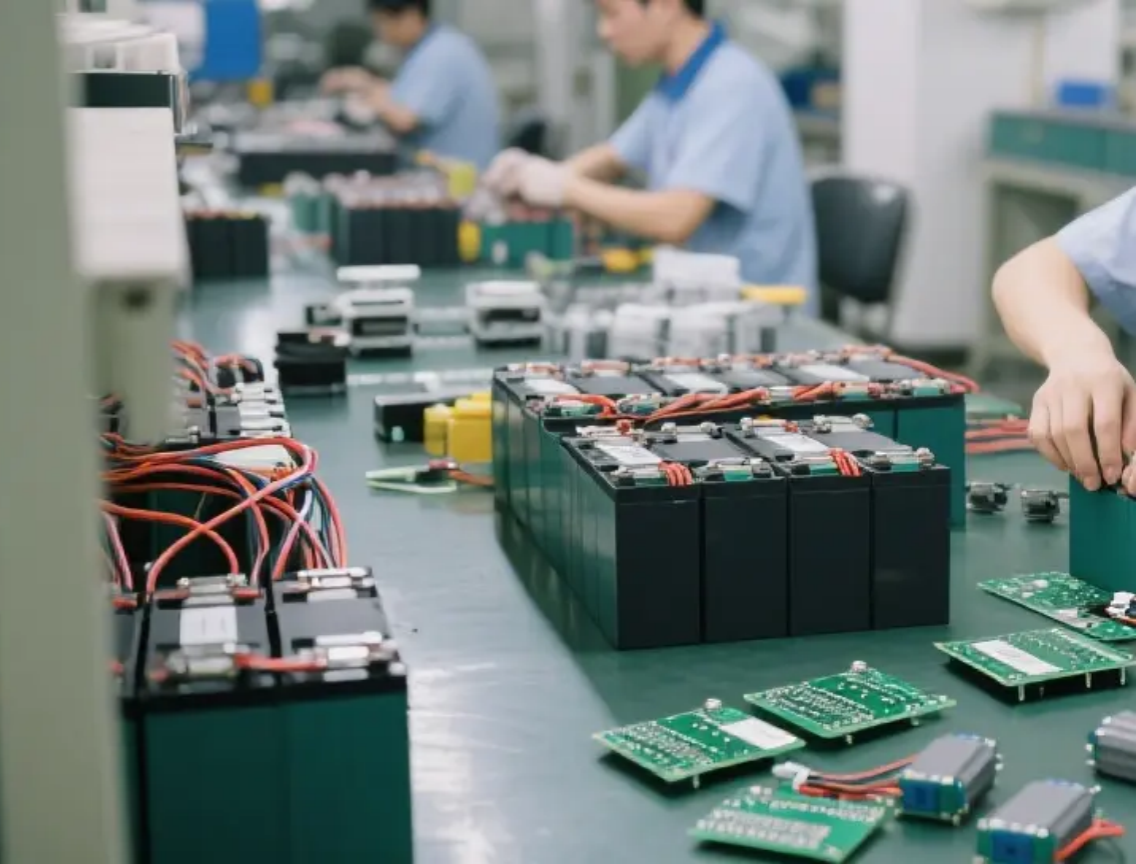
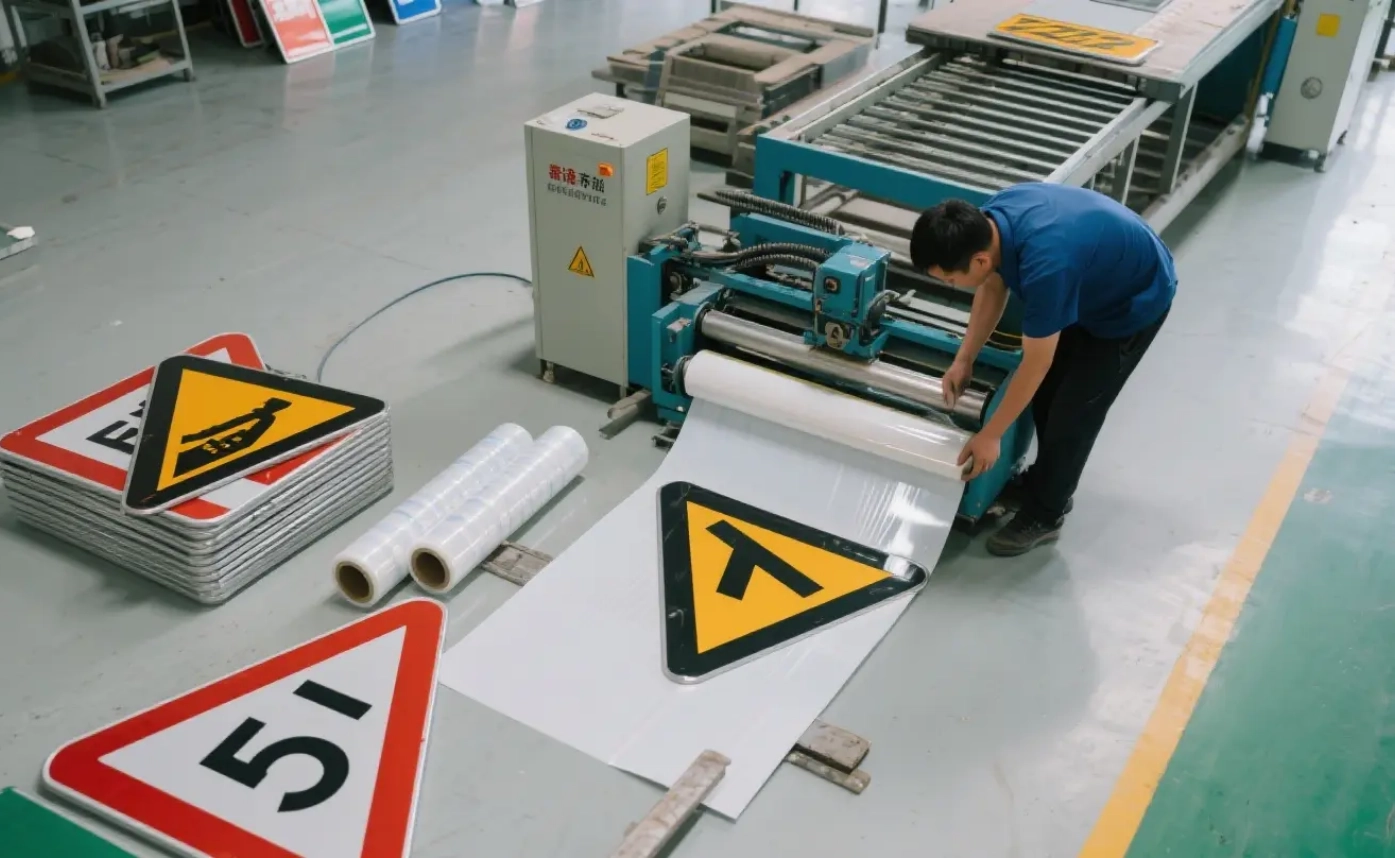
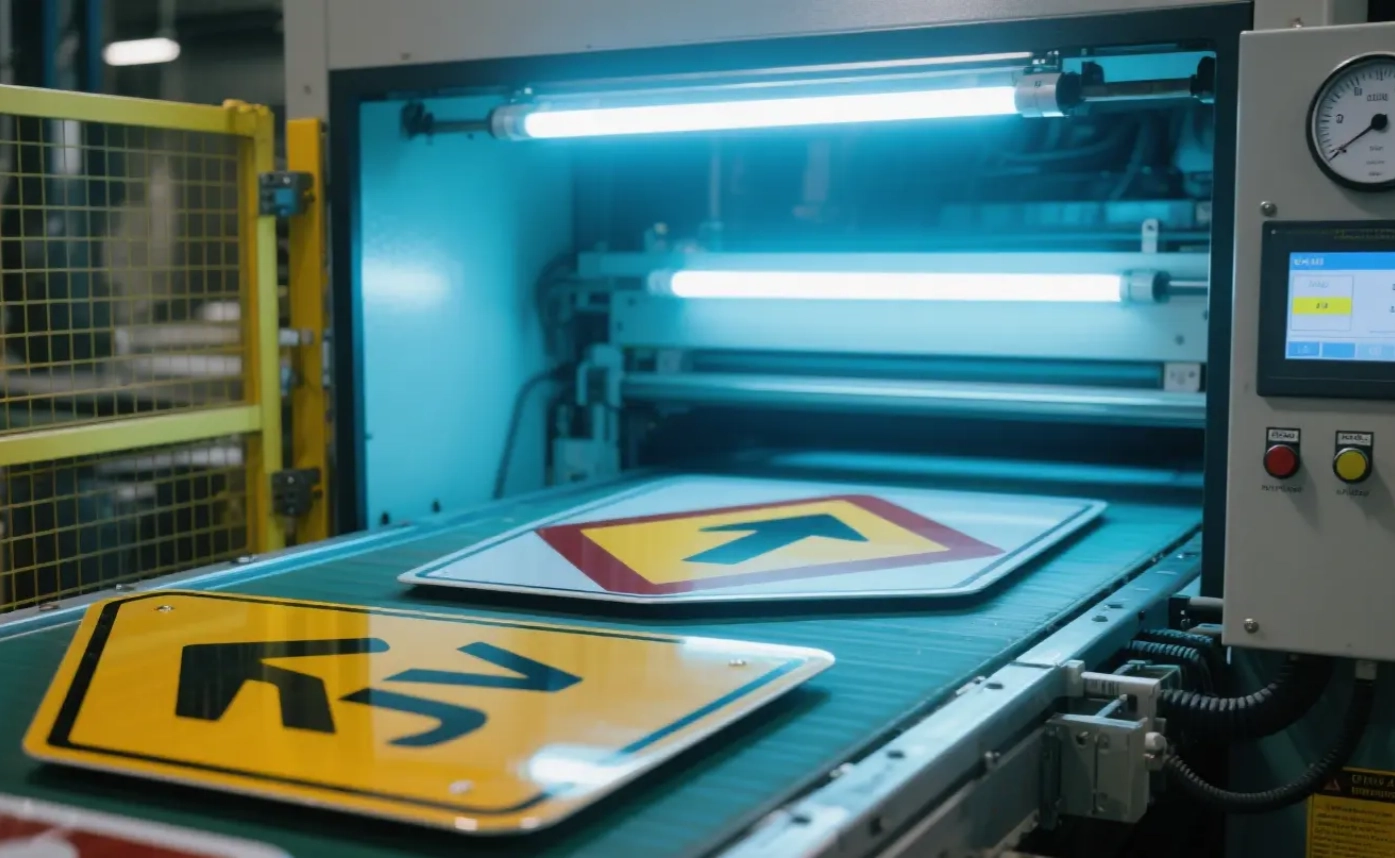
Our factory is equipped with a complete set of advanced production and testing systems. These modern facilities enable us to maintain high production efficiency while ensuring stable and reliable product performance. Every product undergoes strict quality inspection procedures, from raw material selection to final assembly and lighting performance testing.
Capable of handling both large-volume orders and complex customized projects with precision and speed.
Comprehensive quality control system passed ISO9001 certification and holds multiple structural patents.
Services from product design, mold development, prototype testing to mass production and logistics.
Continuous investment in high-efficiency LEDs and smart controls supporting global carbon reduction goals.
As modern maritime hubs evolve toward "Smart Ports" and "Green Shipping Initiatives," lighting infrastructure is transitioning from static, localized nodes into integrated cyber-physical networks. The future of seaport illumination relies on intelligence, extreme energy density, and adaptive spectral controls.
Modern terminal fixtures are no longer controlled via simple photocells. Lukas is developing intelligent nodes integrated with DALI-2, Zigbee, and LoRaWAN gateways. These enable central command rooms in ports to monitor power quality, configure adaptive scheduling based on real-time ship arrivals, and collect automated maintenance reports, reducing downtime by up to 40%.
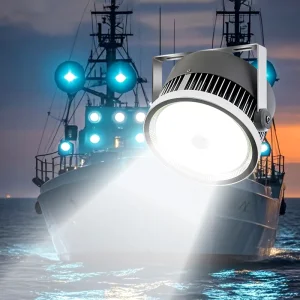
For marine and dockside environments, controlling light spectra is vital. Deep-sea fishing and luring lights demand precise wavelengths (like cyan and high-penetration blue-green) to yield high attraction ratios. Conversely, dockside illumination must minimize high-angle glare and high-kelvin white light spill to meet ecological standards, protecting local marine life and nesting sea birds.
High-power LED luminaires (such as 1000W to 2000W floodlights) generate substantial localized heat. Inadequate dissipation causes rapid diode degradation. Lukas implements passive heat dissipation via advanced cooling fins and phase-change thermal interface materials. Coupled with corrosion-proof synthetic resins, our fixtures maintain stable operating temperatures even in static, high-ambient tropical or humid harbors.
Our products are manufactured in compliance with international testing frameworks: UL1598 (Luminaires), UL1598A (Supplemental Requirements for Installation on Marine Vessels), CSA C22.2, CE, and RoHS directives, ensuring smooth customs clearance and engineering sign-off for ports worldwide.
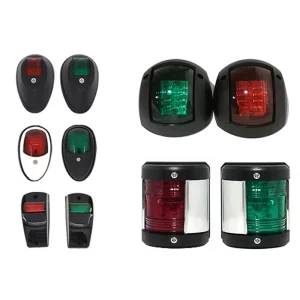
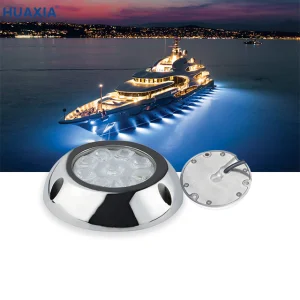
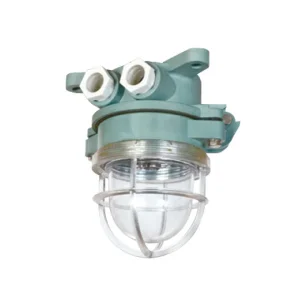
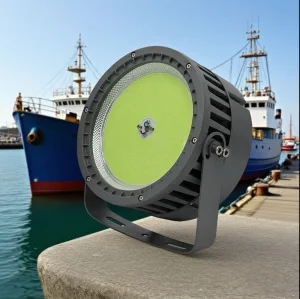
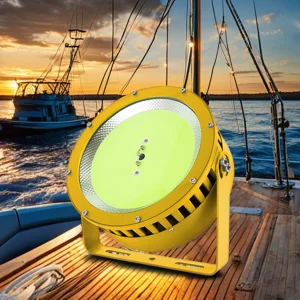
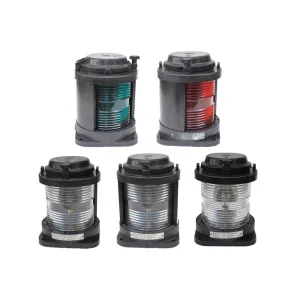
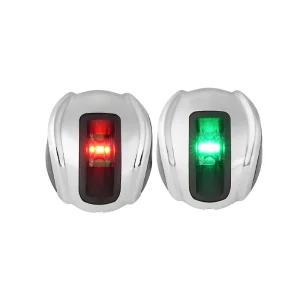
Standard industrial lights are designed for inland warehouses or factories and lack the necessary anti-corrosion protection. The San Francisco Bay Area microclimate features persistent salt fog, high humidity, and sea spray. Normal fixtures deteriorate due to galvanic corrosion. Seaport lighting requires marine-grade alloys, C5-M anti-corrosion coatings, and 316 stainless steel accessories to prevent electrical failures and mechanical degradation.
Our seaport high-mast floodlights and terminal lighting integrate with DALI-2 and smart sensors. This allows for automated scheduling, daylight harvesting, motion-controlled dimming, and zoning, complying with California's Title 24 Part 6 standards while optimizing energy usage.
We design specialized asymmetric and narrow-beam optics that direct light only onto active operational surfaces (such as shipping lanes, loading docks, and staging areas). This keeps upward light output ratio (ULOR) at 0%, satisfying Dark Sky guidelines and protecting coastal birds and marine organisms from light spill.
Yes, our heavy-duty marine floodlights (including 900W and 1000W models) undergo ANSI C136.31 vibration and shock testing. They are designed to withstand continuous mechanical shaking from gantry cranes, rail-mounted container cranes, and high winds.
We offer a comprehensive 5-to-10-year warranty on our marine-grade lighting products. This covers our LED chips, driver electronics, and anti-corrosive body coatings, even under continuous exposure to high-salinity marine environments.
Looking to upgrade your seaport terminal, vessel navigation system, or high-mast lighting? Get in touch with our engineering team for photometric layouts, custom mounting specifications, and compliance quotes.
Send Inquiry Now Lukas Lighting