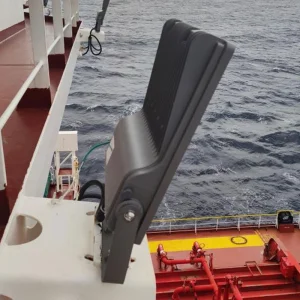
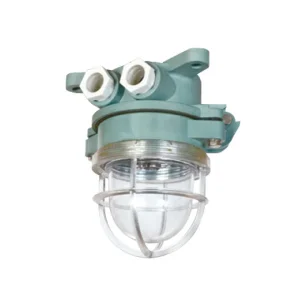
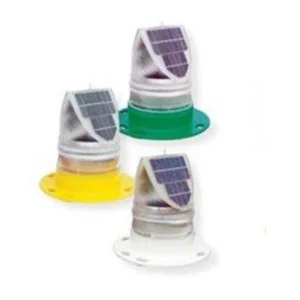
Engineered for extreme coastal salinity, heavy storm resilience, and high-mast illumination demands in Mozambican channels.
A comprehensive analysis of maritime trade corridors, local environmental constraints, and global industrial procurement trends.
Mozambique occupies a pivotal geographic position in southeastern Africa, serving as the main maritime gateway for landlocked neighbors including Zimbabwe, Zambia, Malawi, Swaziland (Eswatini), and the northern provinces of South Africa. The primary ports—Maputo, Beira, and Nacala—are the lifelines of regional logistics, mineral export corridors (such as coal and graphite), and agricultural distribution. As global container volumes increase and ships scale in size, the pressure on port terminals to operate safely and efficiently through the night has reached unprecedented levels.
Reliable, high-efficiency seaport lighting is not merely a utility; it is a critical asset that directly governs container throughput, prevents workplace accidents, and deters security breaches. In Mozambican ports, where power grid stability can be unpredictable and maintenance cycles are hindered by remote logistics, selecting the correct luminaire technology makes the difference between consistent profitability and catastrophic downtime.
Mozambique’s coastline is notoriously harsh on industrial hardware. Marine environments introduce a combination of high atmospheric salinity, intense ultraviolet (UV) exposure, rapid temperature variations, and high relative humidity.
The Salt Spray Threat: High salinity triggers rapid galvanic corrosion on standard aluminum fixtures. Port lighting must employ marine-grade alloys, specialized powder coatings (complying with ISO 12944 C5-M specifications), and 316 stainless steel accessories to prevent mechanical failure and water ingress.
Furthermore, the region is highly prone to severe tropical weather, including cyclones (such as Cyclones Idai and Kenneth). High-mast fixtures installed at heights of 25 to 40 meters must withstand sustained wind forces of up to 60 m/s without experiencing structural failure or optical misalignment. Standard commercial floodlights are simply not designed to meet these mechanical stress thresholds.
The global maritime sector is undergoing a massive energy transition, moving away from high-pressure sodium (HPS) and metal halide (MH) lamps toward smart LED illumination networks. The primary driving forces behind this shift include:
Jiangsu Lukas Lighting Co., Ltd. was established in 1998 with a strong commitment to innovation, quality, and sustainability in the outdoor lighting industry. Over more than two decades of development, the company has grown into a professional manufacturer specializing in intelligent and energy-efficient street lighting solutions.
With continuous investment in research and development, Lukas Lighting has expanded its product portfolio to include LED street lights, solar street lights, smart lighting systems, landscape lighting, and customized municipal lighting solutions. Our products are widely used in urban roads, highways, industrial parks, residential communities, and public infrastructure projects across global markets.
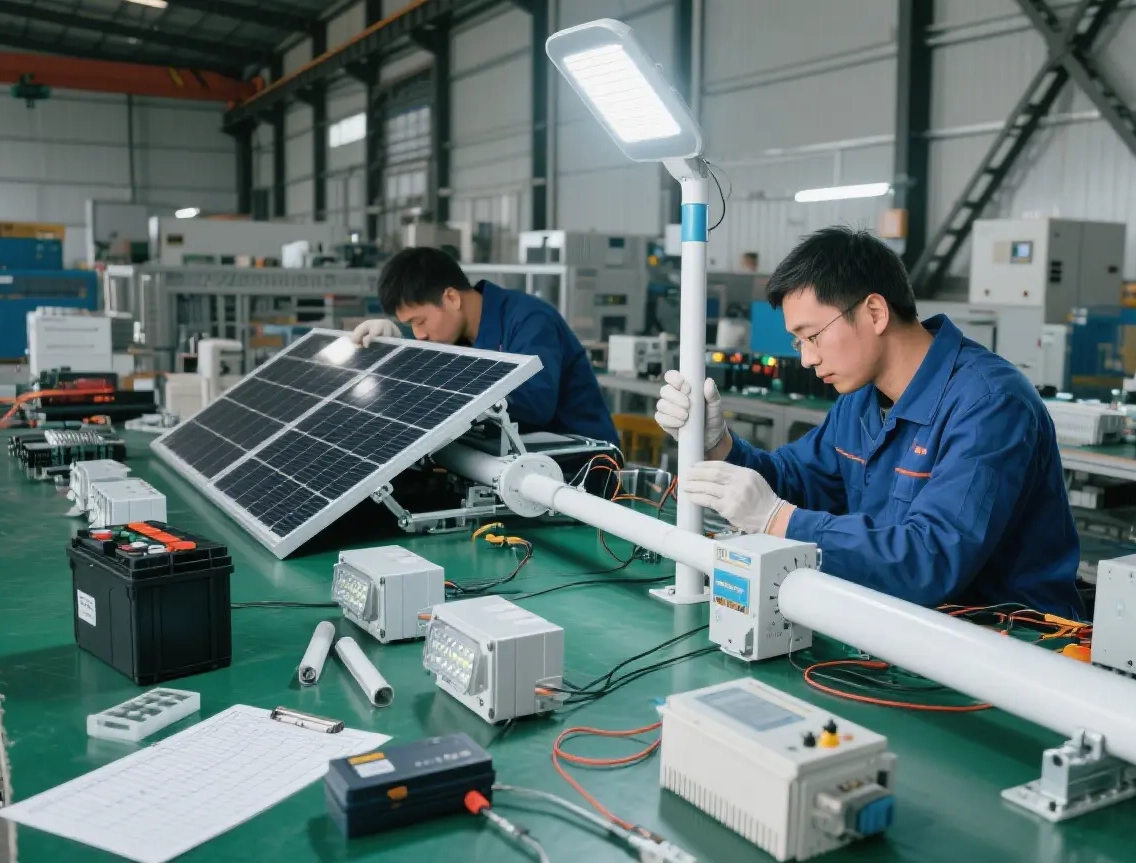
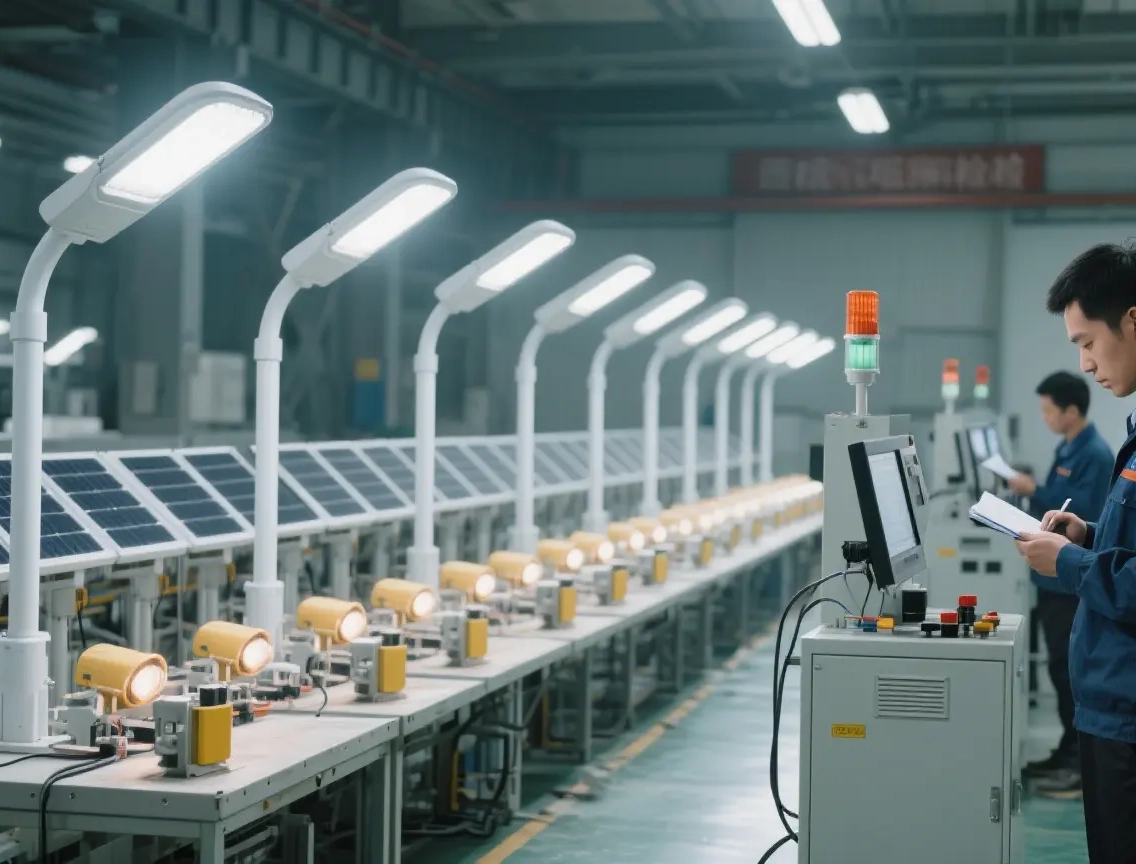
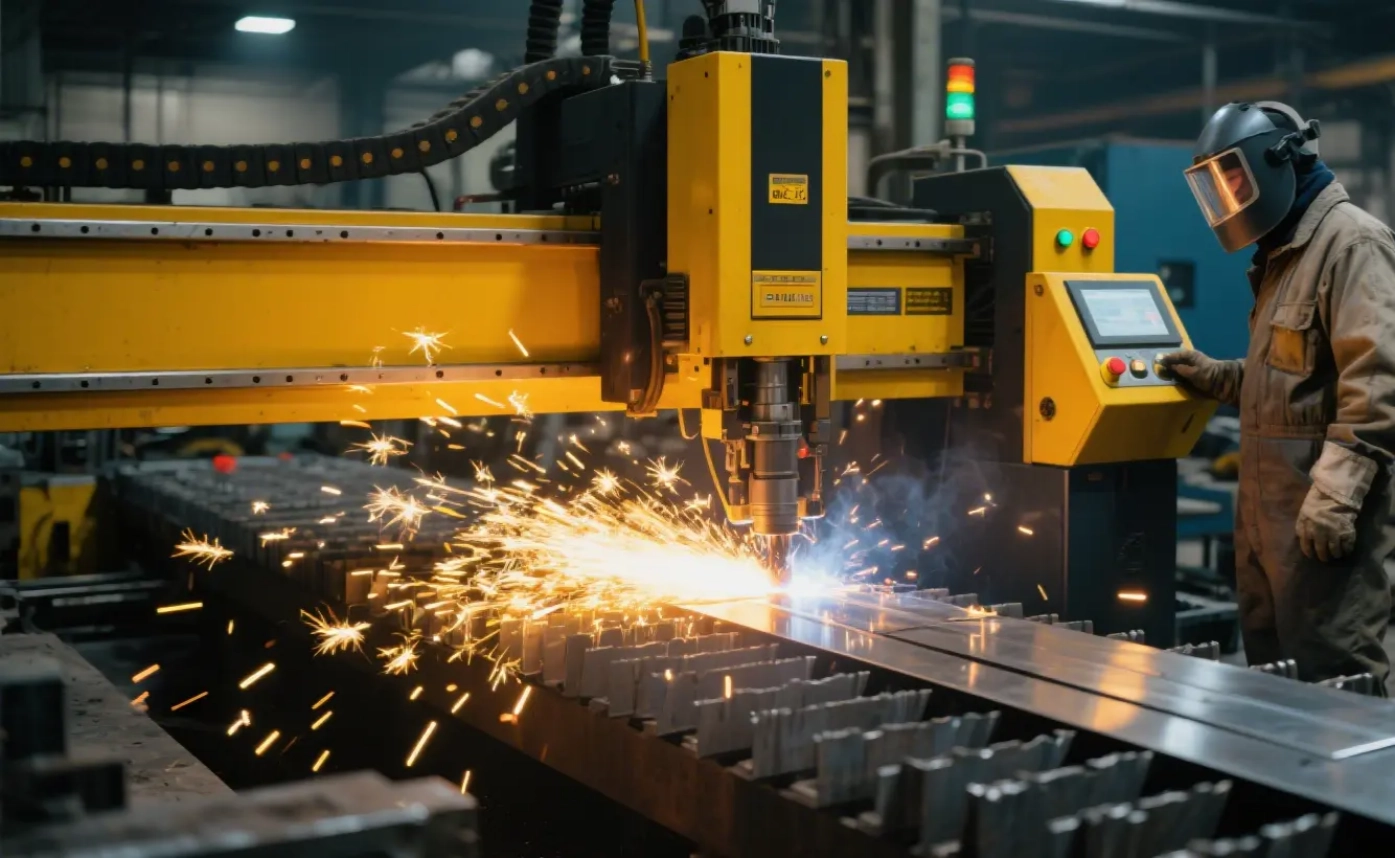
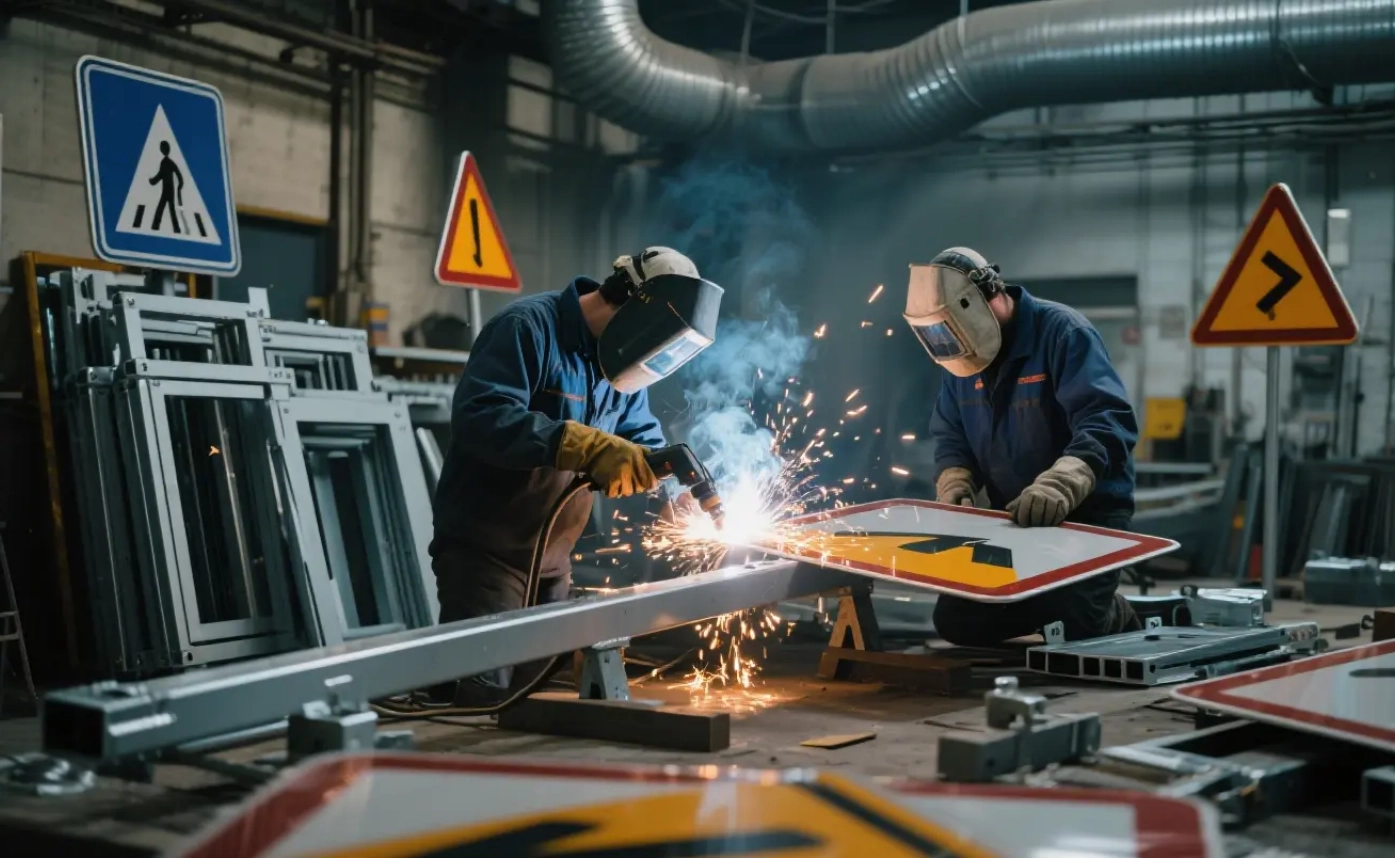
Located in Jiangsu, China, our modern production base covers an area of approximately 11,000 square meters. The facility is equipped with advanced manufacturing technologies and operated by a team of experienced engineers and skilled technicians. This ensures strict quality control, precision manufacturing, and efficient large-scale production capabilities.
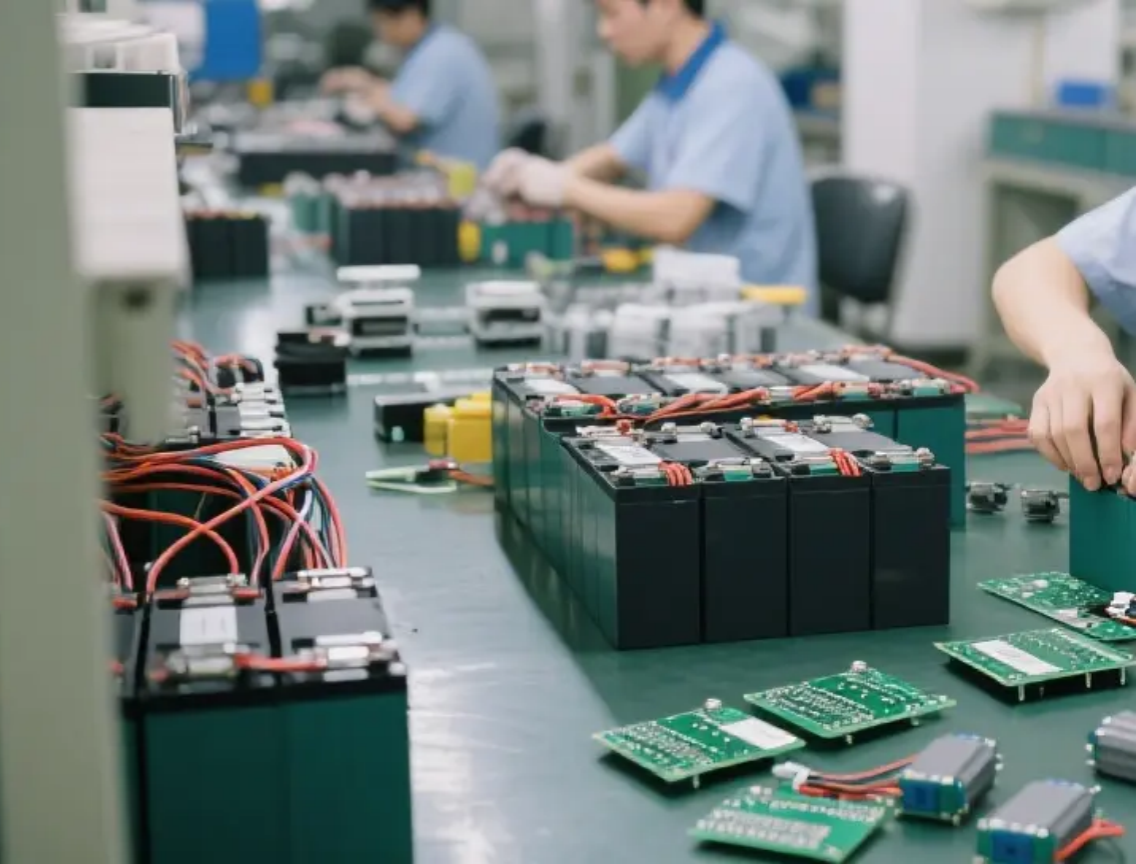
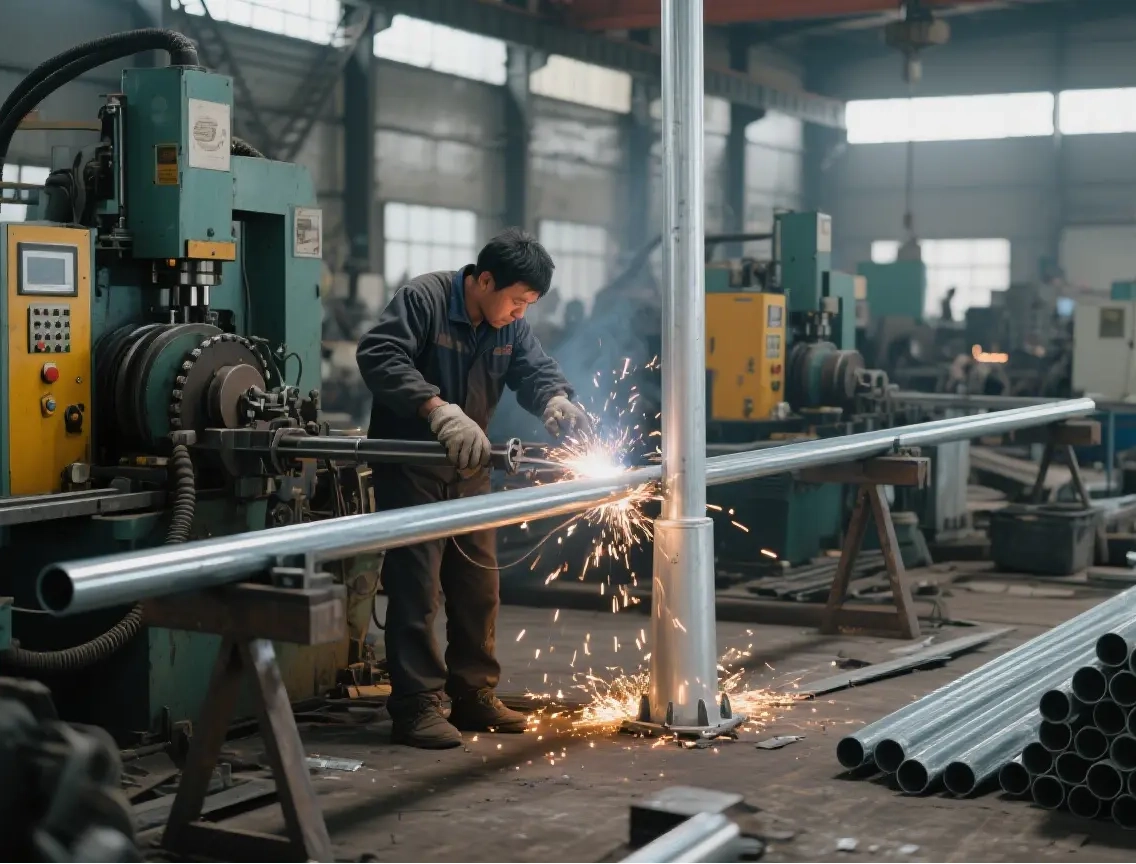
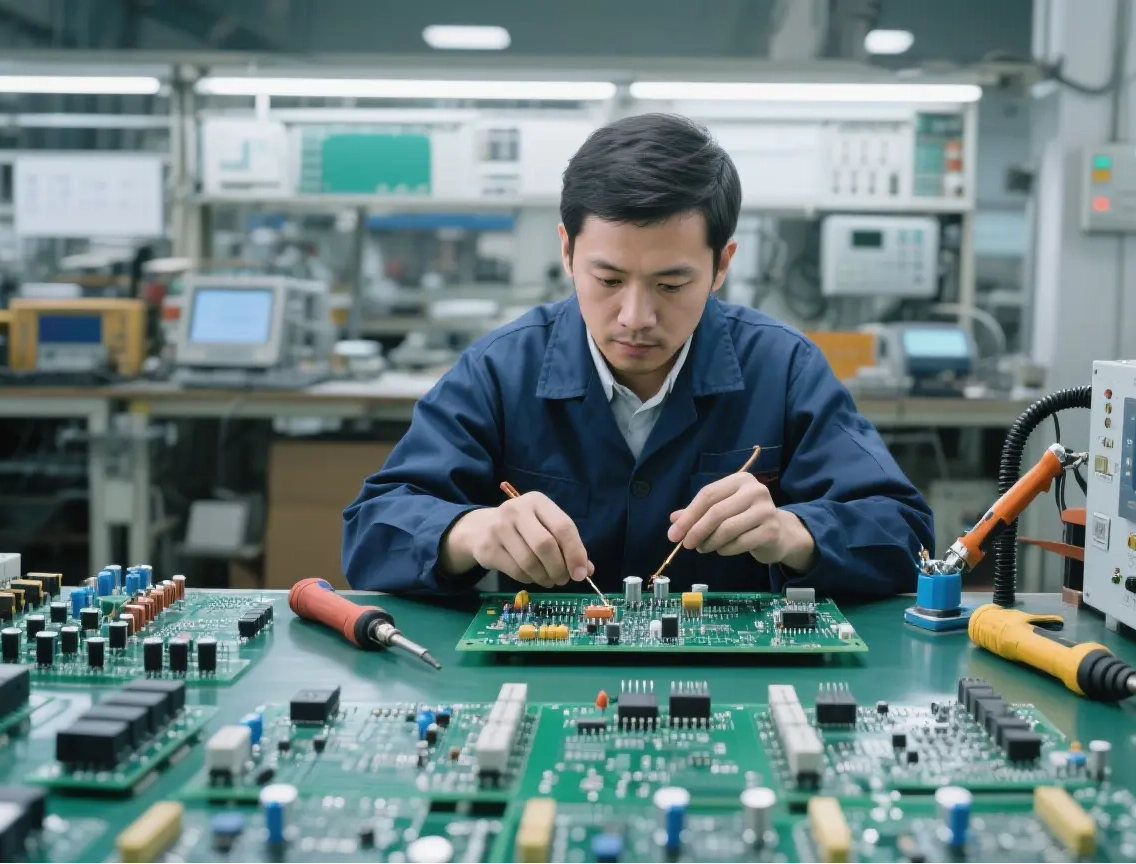
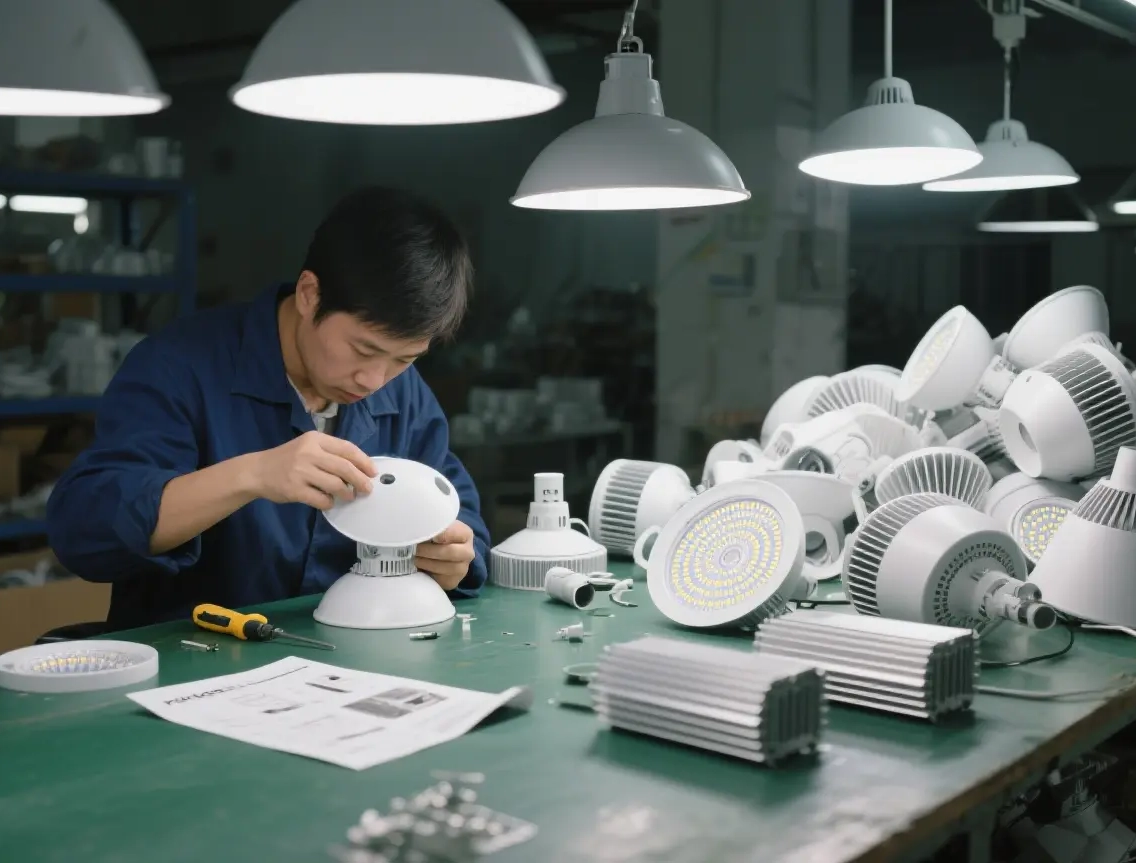
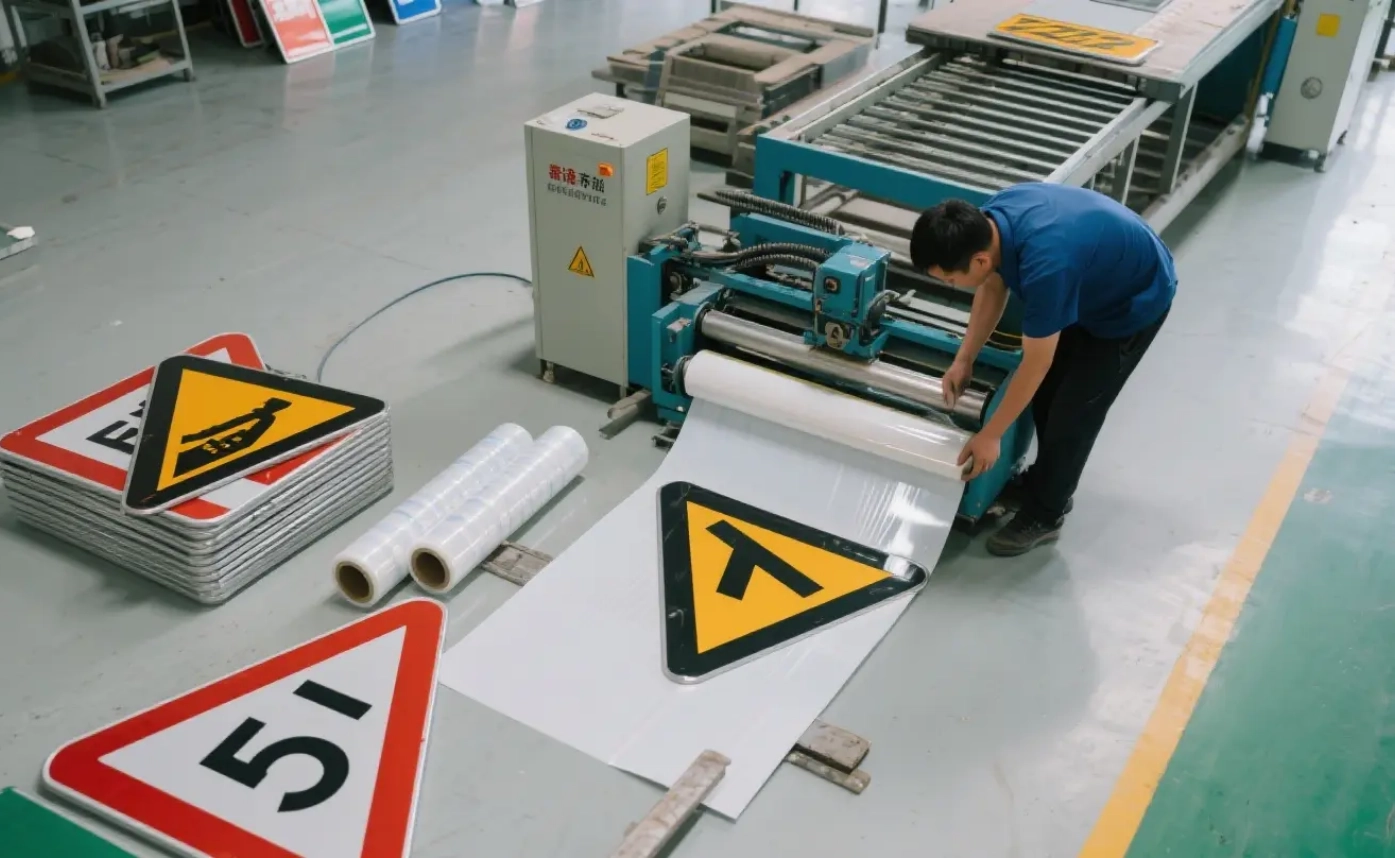
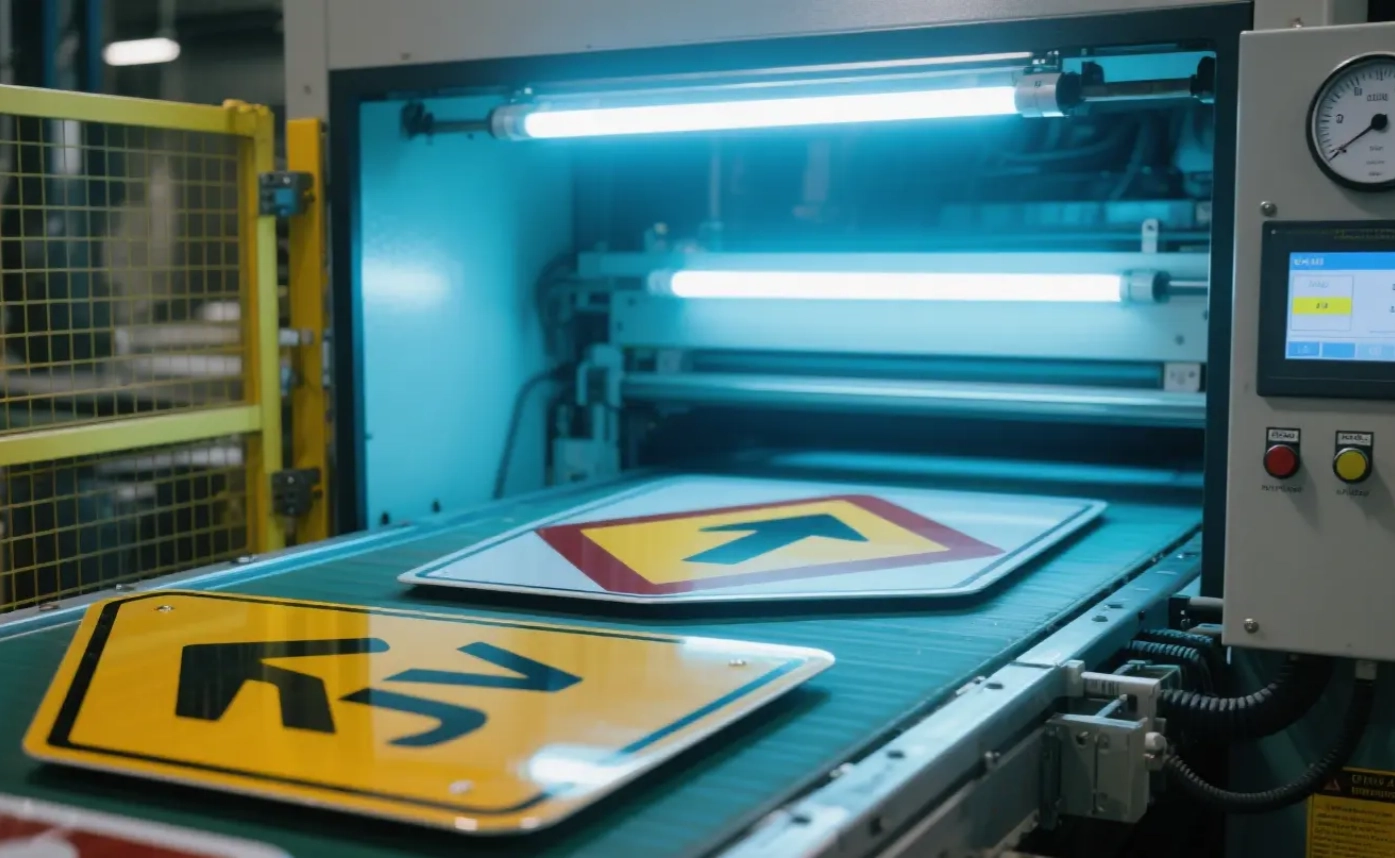
Our factory is equipped with a complete set of advanced production and testing systems, including:
These modern facilities enable us to maintain high production efficiency while ensuring stable and reliable product performance. Every product undergoes strict quality inspection procedures, from raw material selection to final assembly and lighting performance testing.
With efficient production lines and advanced automation, we are capable of handling both large-volume orders and complex customized projects with precision and speed.
We have established a comprehensive quality control system and have passed ISO9001 international certification. In addition, we have obtained multiple patents in lighting structure design and optical technology.
We provide fully integrated services including product design, mold development, prototype testing, mass production, and logistics support—eliminating intermediate links and ensuring faster delivery and better cost efficiency.
We continuously invest in energy-saving LED technologies and smart lighting control systems to support global carbon reduction goals and smart city development.
Different zones within a maritime terminal demand distinct photometrical architectures. Standardizing on a single generic fixture leads to energy wastage and poor visibility.
Container stacking yards require highly uniform light dispersion to minimize shadows between shipping containers. Using 900W LED fixtures mounted on 30m high-masts ensures that gantry cranes and reach stackers can maneuver safely. The high uniform spacing index prevents dark patches, reducing loading mistakes and improving crew safety.
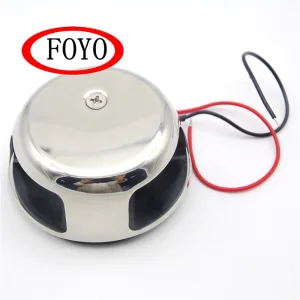
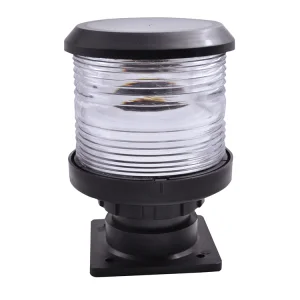
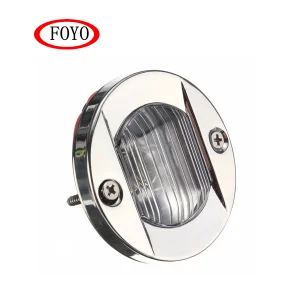
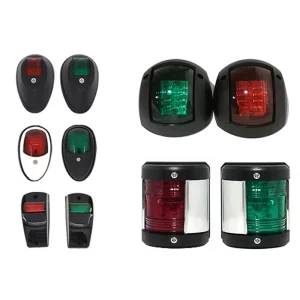
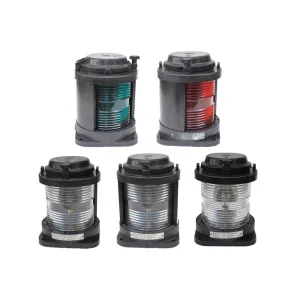
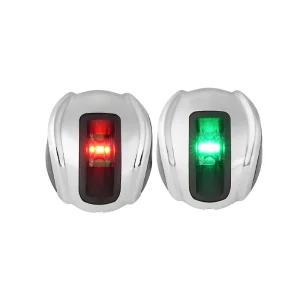
The entry channels into Beira suffer from siltation and challenging tidal patterns. Reliable LED navigation lighting and vessel bow/stern signaling systems are paramount. These lights must use marine-grade stainless steel housings, have IP68 waterproof ratings, and offer stable operation under sudden power surges from shipboard generators.
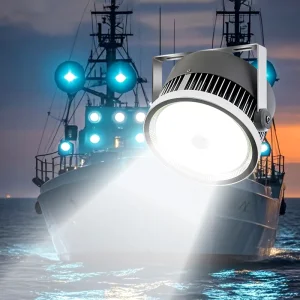
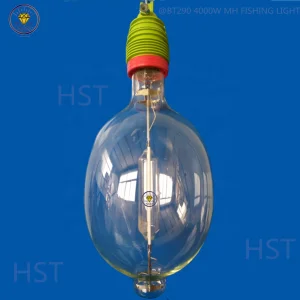
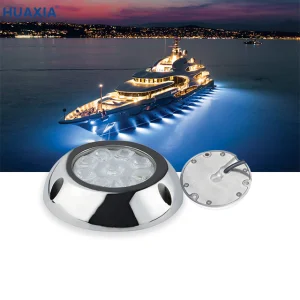
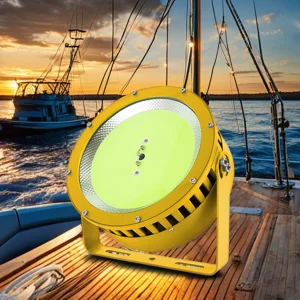
Commercial fishing vessels operating in the Mozambique Channel utilize high-power underwater and overwater light arrays to attract fish. Traditional metal halides present serious glass breakage risks and consume massive amounts of fuel. Upgrading to high-penetration 1000W LED fishing lights significantly reduces diesel consumption on generator sets while maximizing the light penetration depth.
When procurement managers in Maputo, Nacala, or global ports sourcing for East African infrastructure purchase seaport lighting, key technical metrics must be meticulously specified in the RFQ (Request for Quote):
Addressing core engineering queries regarding high-salinity resilience and electrical stability in coastal projects.
The C5-M (Marine) classification defines the highest level of atmospheric corrosivity according to the ISO 12944 standard. Coastal regions in Mozambique, characterized by high temperatures and humidity, accelerate metal oxidation. Standard paint finishes will crack and peel within 12 months, leading to interior rust. Lukas Lighting products undergo professional multi-stage powder coating to ensure reliable performance over a decade of marine deployment.
Voltage dips and spikes are common in developing industrial zones. Our fixtures utilize premium international drivers (such as MeanWell or Inventronics) coupled with a built-in 10kV to 20kV surge protection device (SPD). This secondary safety system redirects lightning surges and line switches to the ground, keeping the internal LED chips safe from thermal damage.
Yes. Upgrading to high-efficacy LEDs (150 LM/W and above) reduces the lighting utility bill by 60%. Additionally, the long lifespan of LEDs (L70 > 50,000 hours) eliminates the frequent bulb-replacement costs associated with high-pressure sodium lamps, which typically require bulb changes every 12,000 hours and involve high-risk bucket truck operations.
Warm white (3000K) or specific green/red wavelengths are ideal for navigation and signaling, as they provide high visibility through thick coastal fog. For industrial container yard activities, a crisp cool white (5000K-5700K) with a high Color Rendering Index (CRI > 70) ensures that yard operators can clearly read shipping container ID labels and distinguish safety lines.
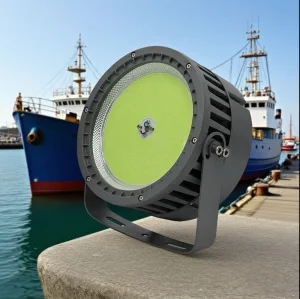
Browse our extensive selection of high-mast terminal lamps, navigation signals, and marine-grade work lights.
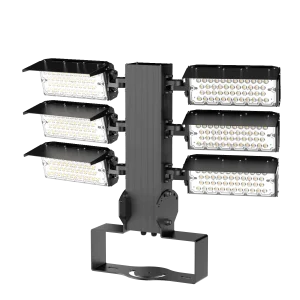
 Lukas Lighting