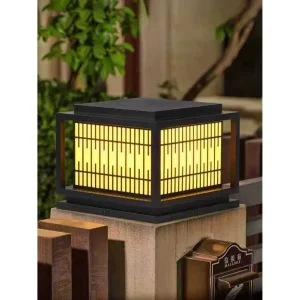
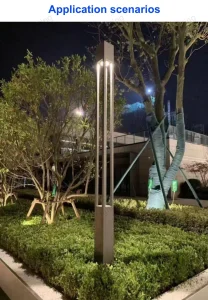
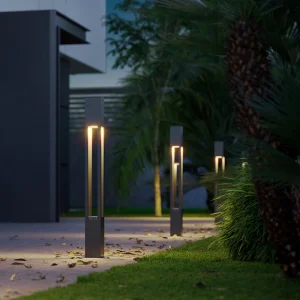
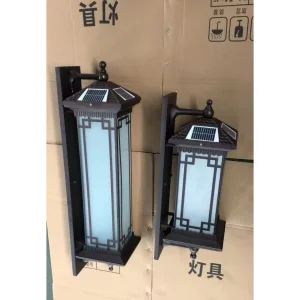
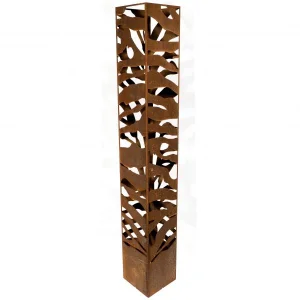
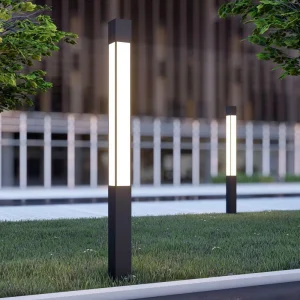
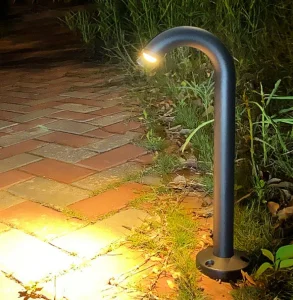
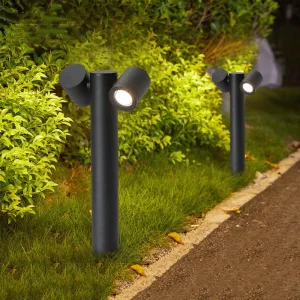
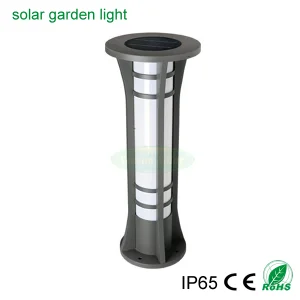
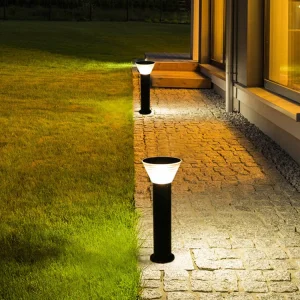
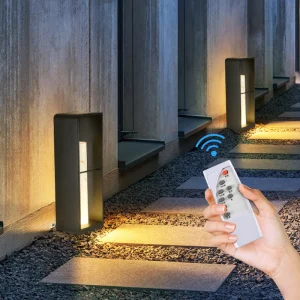
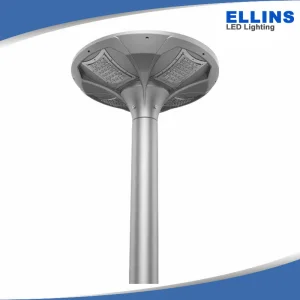
Engineered with marine-grade durability and highly targeted optical configurations to meet the aesthetic and functional needs of Nagoya's modern civic landscapes.
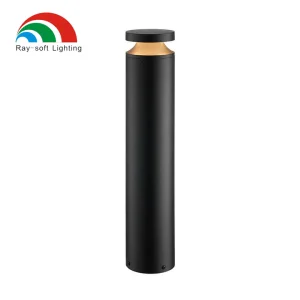
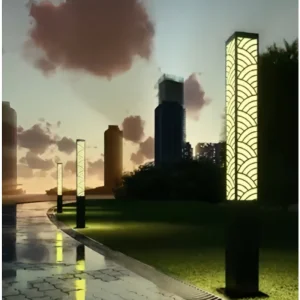
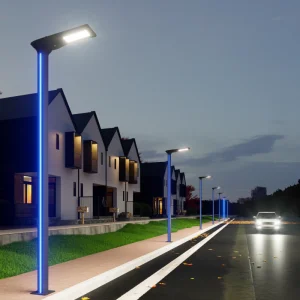
Nagoya, the industrial powerhouse of Aichi Prefecture, stands at a critical juncture of urban transformation. As a major logistics and manufacturing hub adjacent to the Ise Bay, the city requires infrastructure that balances strict energy-conservation targets (such as those outlined in Nagoya's Low-Carbon City Action Plan) with rugged environmental resistance.
Outdoor lighting installations in Nagoya face distinct challenges: high ambient humidity, seasonal salt-mist exposure near Nagoya Port, and extreme thermal cycling between humid summers and freezing winter winds off the Ibuki mountains. Furthermore, as part of Japan's seismic resilience initiatives, all pedestrian lighting fixtures must feature structural anchoring systems capable of absorbing ground acceleration forces without compromising integrity.
For municipal planners and commercial developers in districts like Sakae and Nakamura-ku, selecting LED bollard lighting is no longer just about illumination. It is an engineering choice demanding low glare (UGR < 19), dark-sky compliance to preserve nocturnal ecosystems, and structural materials that guarantee a 10+ year operational lifespan without maintenance.
From IoT integration to advanced photovoltaic harvesting, the international landscape lighting market is shifting toward smarter, self-sustaining technologies.
Modern commercial bollards are evolving into smart city endpoints. Incorporating DALI-2 drivers, Zigbee, or LoRaWAN nodes allows fixtures to dim dynamically during low-traffic hours. Combined with integrated microwave motion sensors, this tech reduces energy consumption by up to 70% compared to static LED configurations.
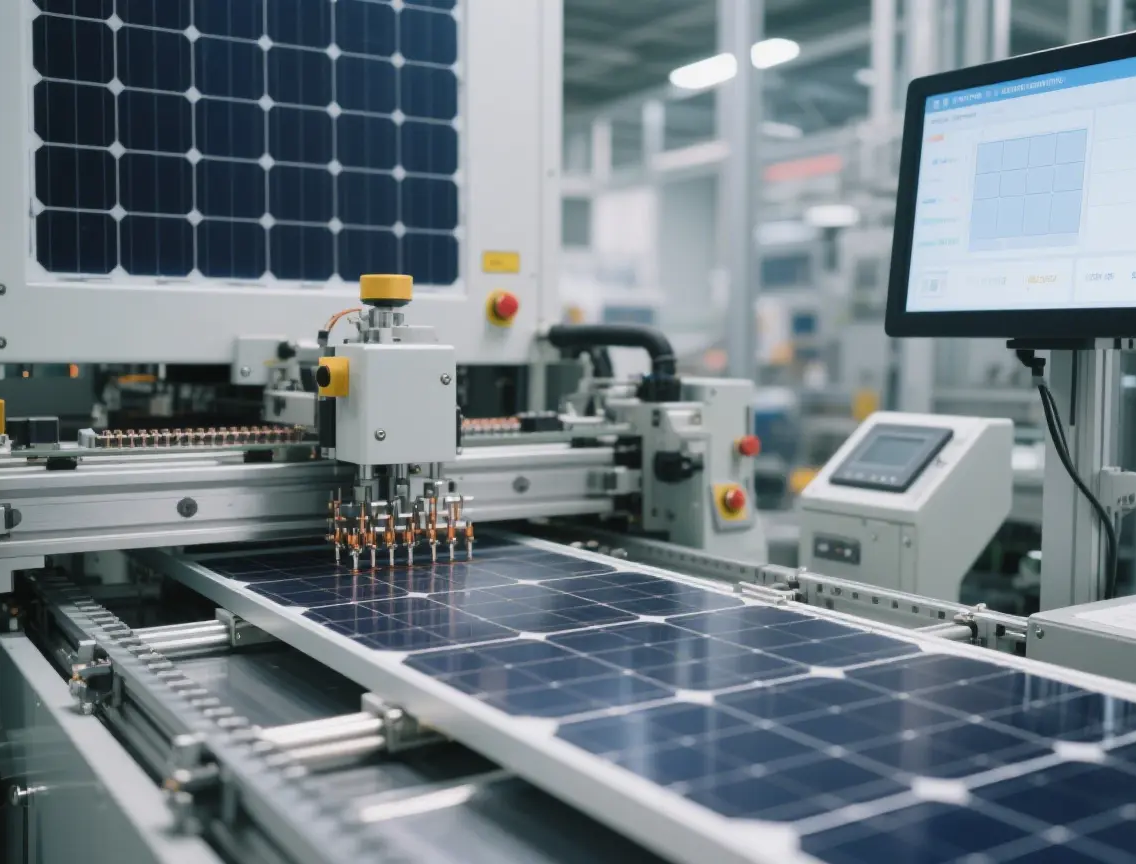
Traditional trenching and wiring are increasingly replaced by high-efficiency vertical or top-mounted solar modules. Leveraging monocrystalline silicon cells with conversion efficiencies exceeding 22%, combined with high-capacity LiFePO4 batteries, ensures 3-5 days of continuous operation even in cloudy, overcast environments typical of Nagoya's rainy season.
To resist weathering, global manufacturers are standardizing on architectural anodized 6063-T6 aluminum and Corten weathering steel. Double-layer electrostatic powder coatings protect the underlying metal from moisture ingress, while IK10 impact ratings protect municipal assets from vandalism and mechanical damage.
Year Established
Production Base
Protection Rating
System Luminous Efficacy
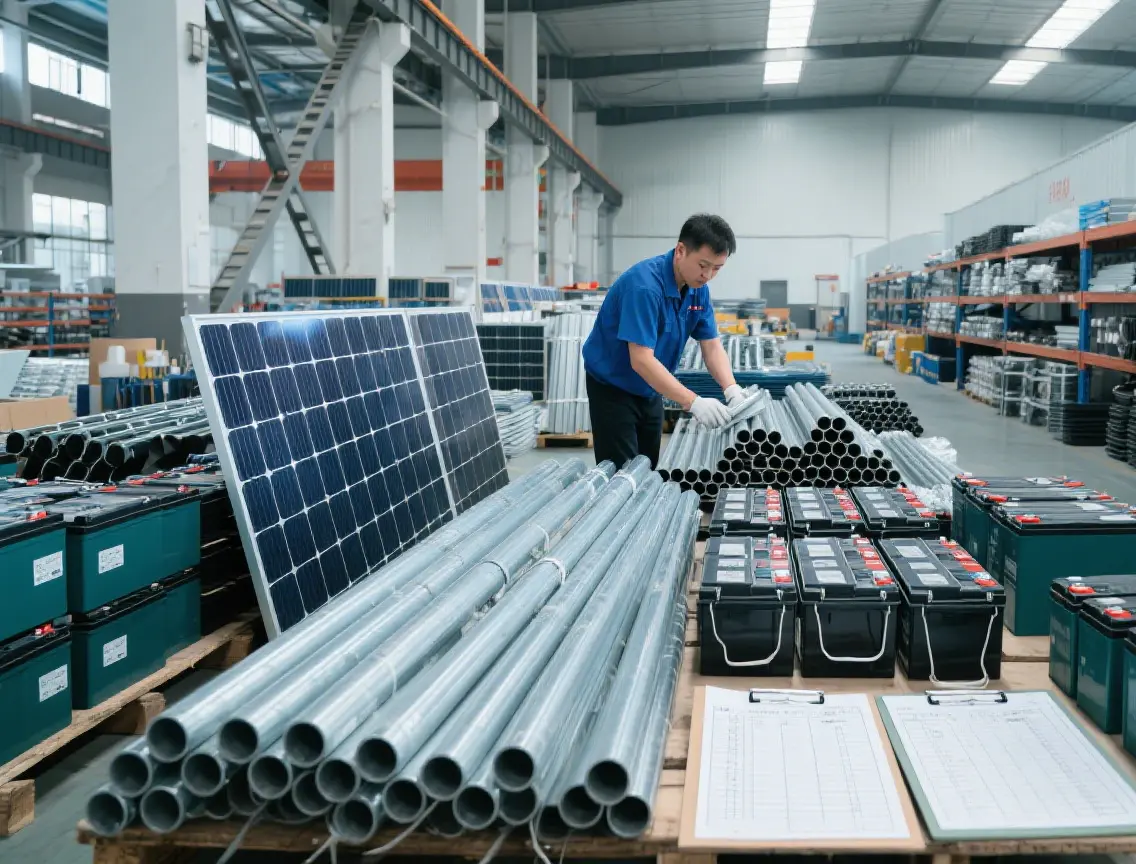
Lukas Lighting employs a meticulous engineering process to construct bollards that withstand the test of time and climate. Our materials selection is based on long-term field performance testing:
Our lighting systems are tailored for seamless integration into diverse architectural contexts throughout Nagoya and the broader Chubu region. Whether it is matching the clean, minimalist aesthetic of the Toyota City research hubs or providing subtle, low-glare lighting for historic pathways near Atsuta Shrine, we deliver engineered configurations that perform under demanding conditions.
Lukas Lighting’s standard and solar-powered bollards serve as critical safety markers along harbor docks, commercial office plazas, public parks, and residential perimeters. Each product line undergoes stringent testing for photobiological safety (RG0/RG1 classification), ensuring visual comfort for pedestrians and cyclists alike.
Established in 1998, Jiangsu Lukas Lighting Co., Ltd. has grown from a specialized local manufacturer into a global leader in intelligent outdoor lighting solutions. Spanning over 11,000 square meters, our facility delivers high-volume production with CNC precision.
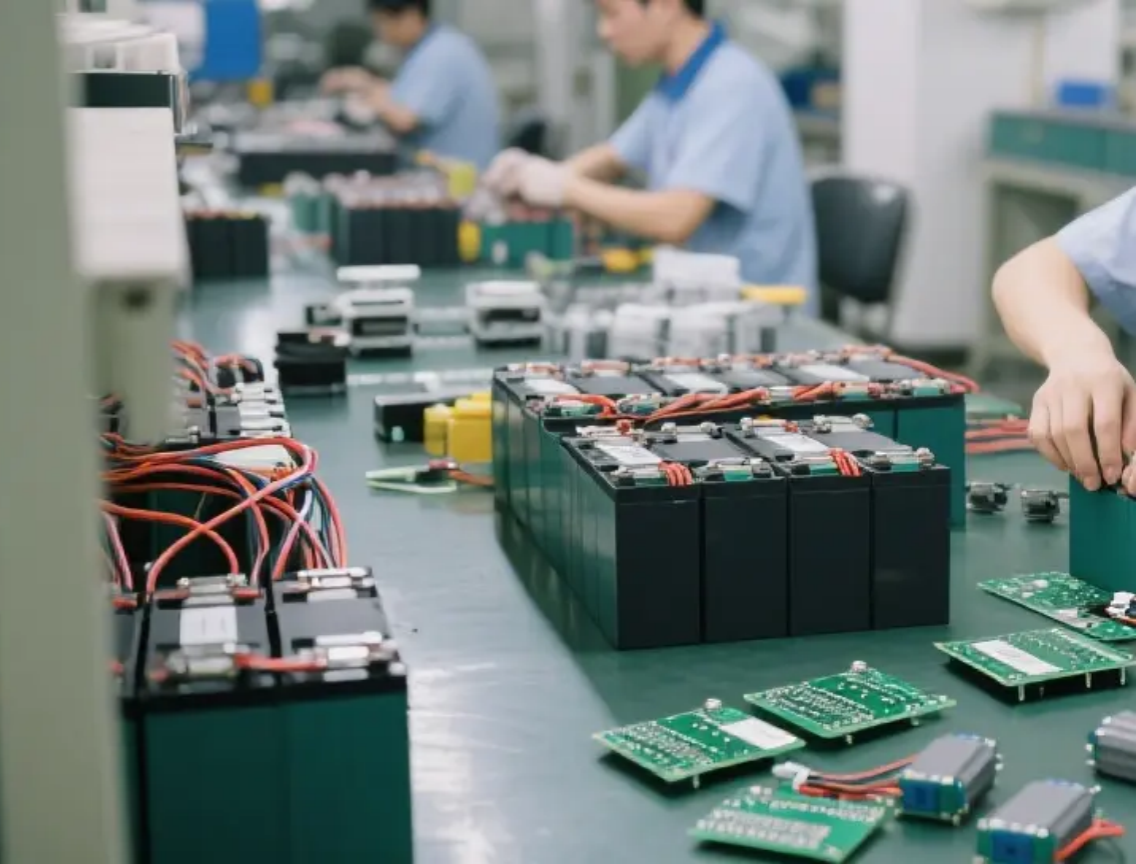
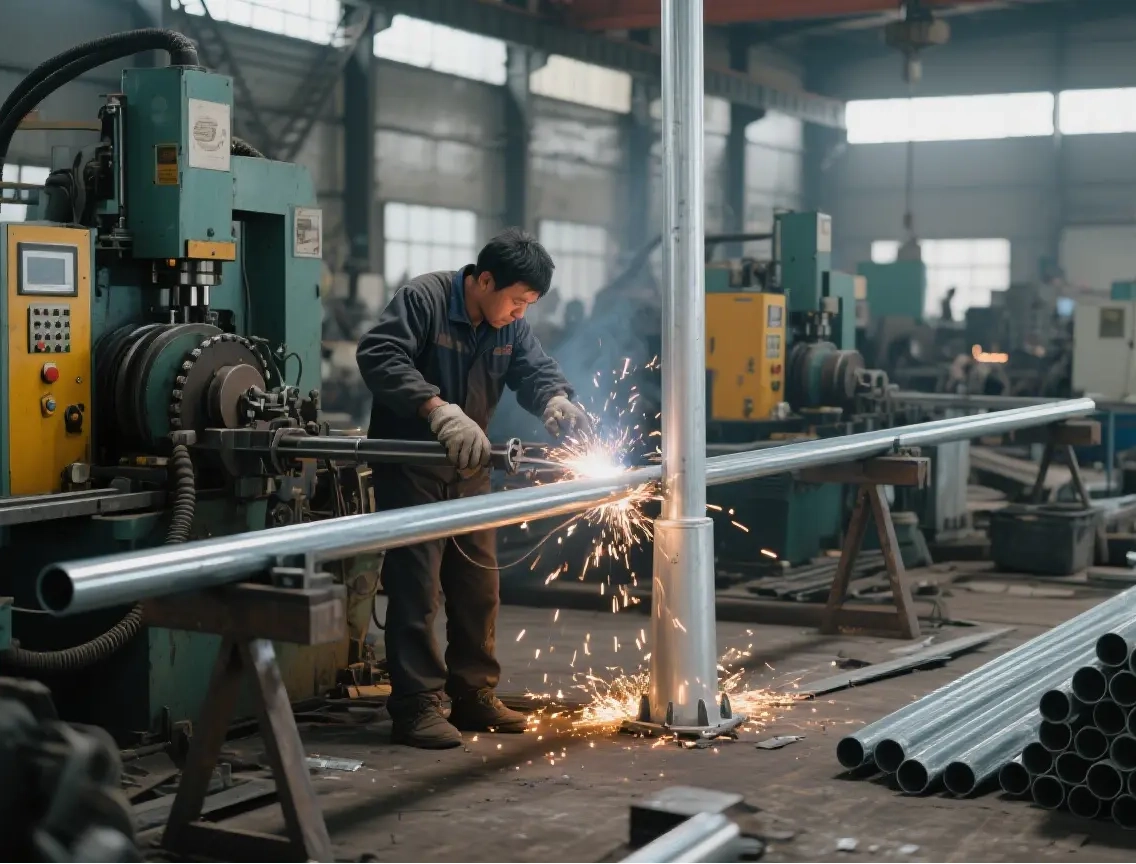
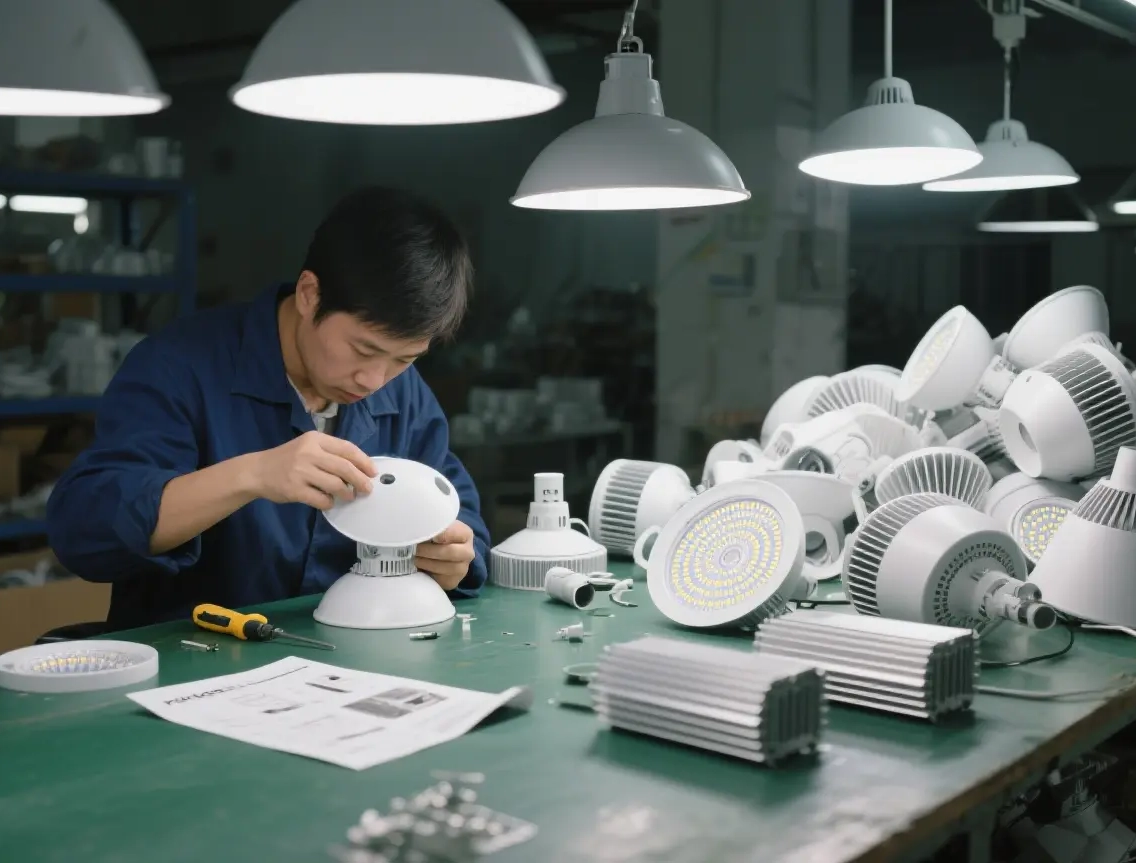
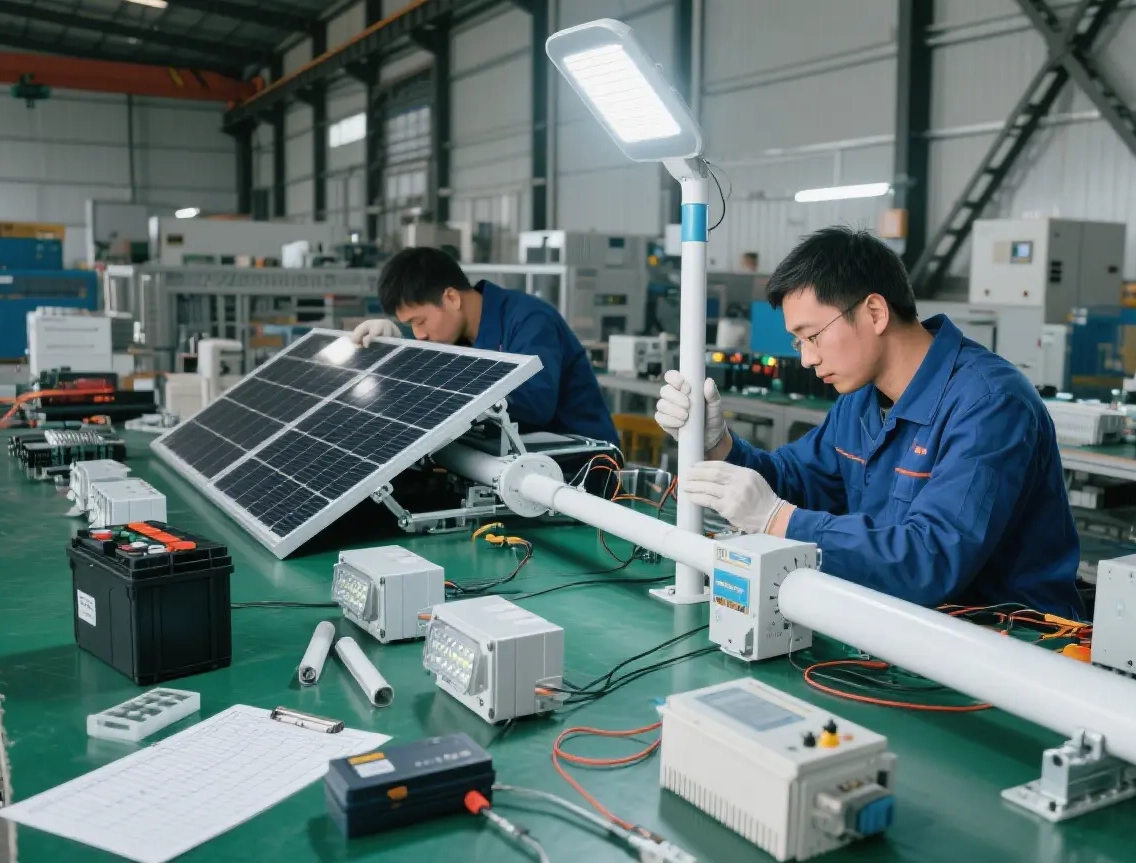
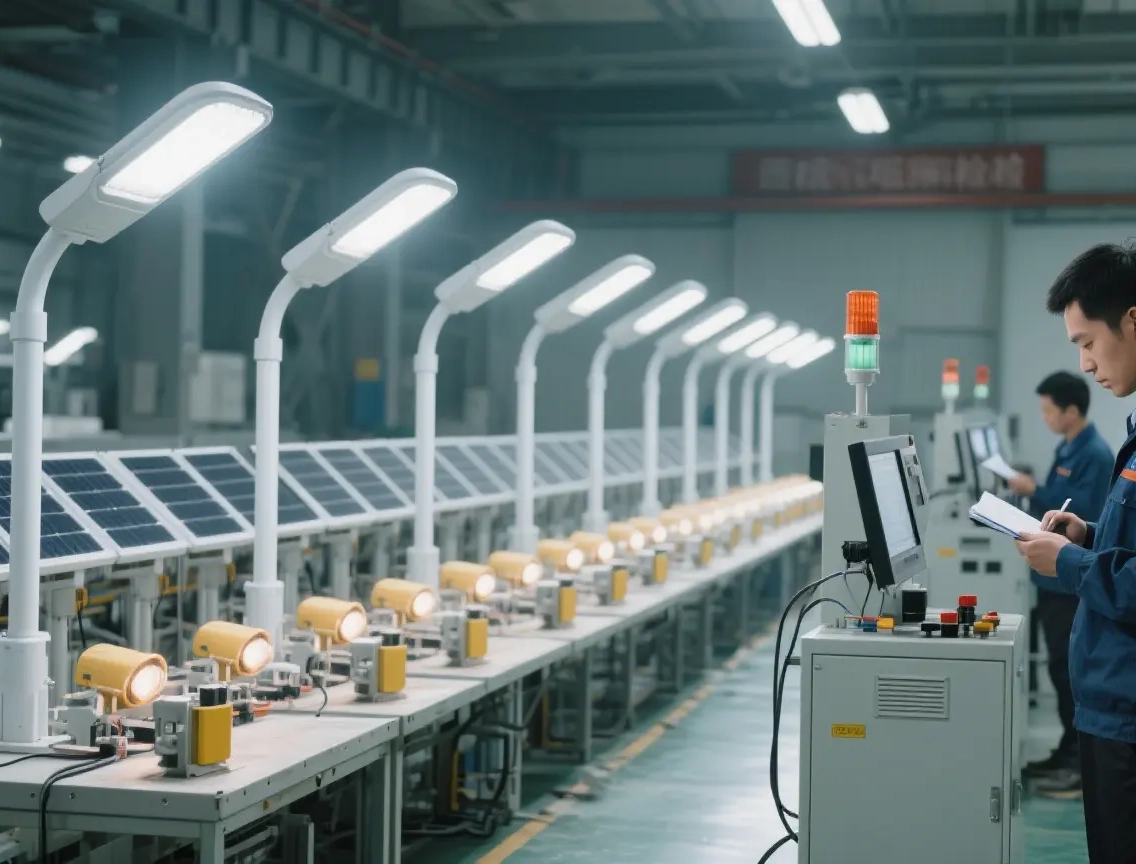
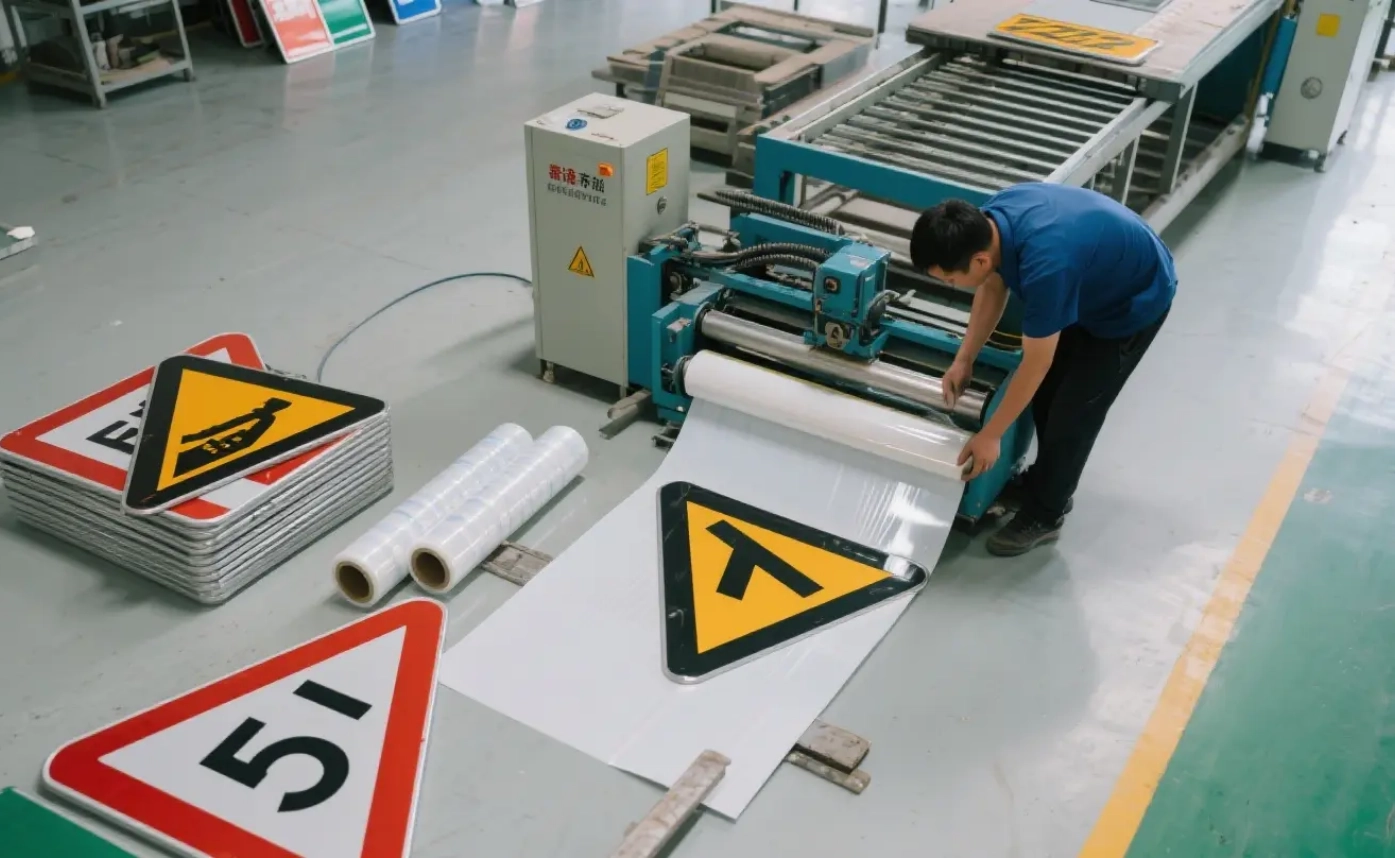
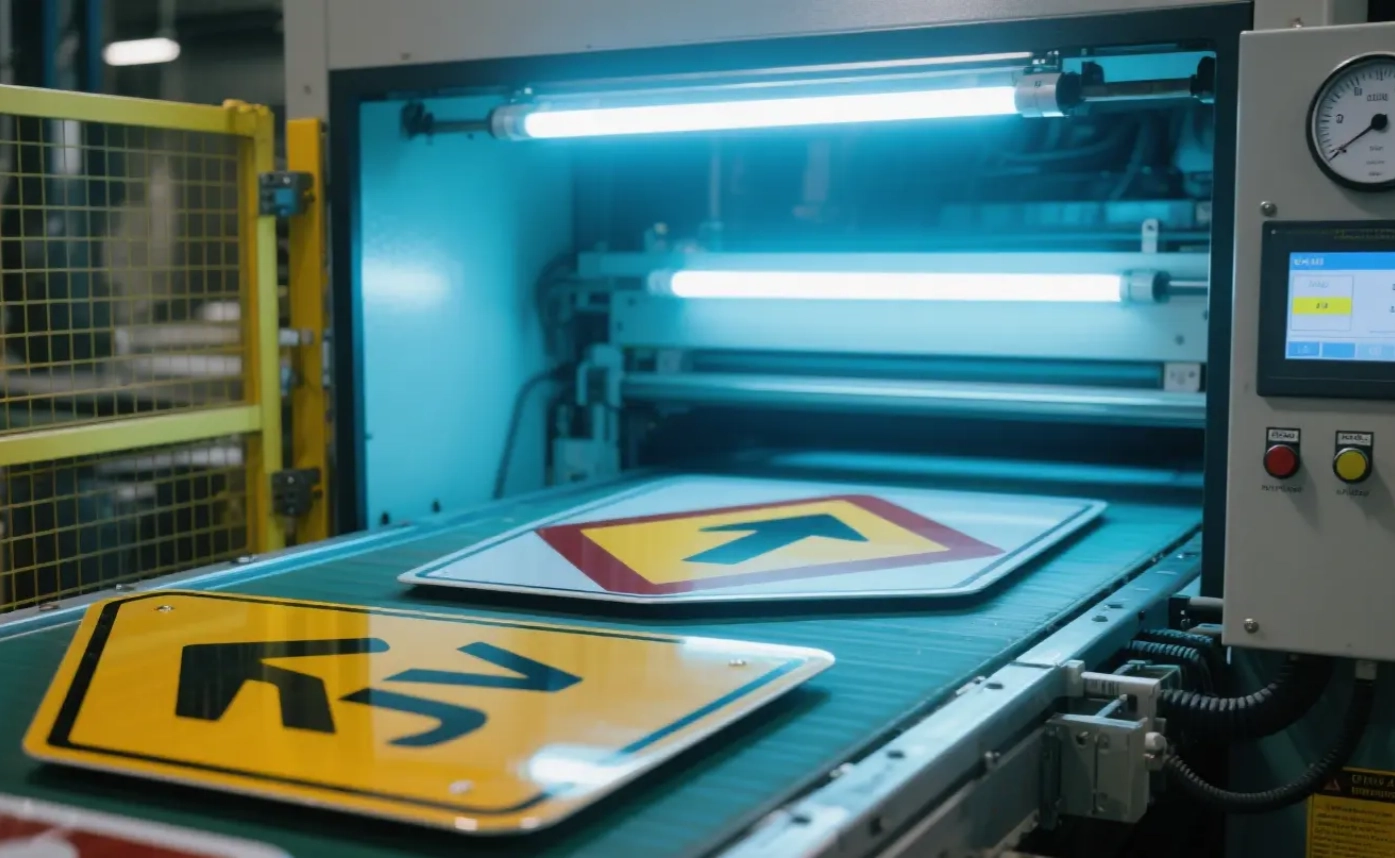
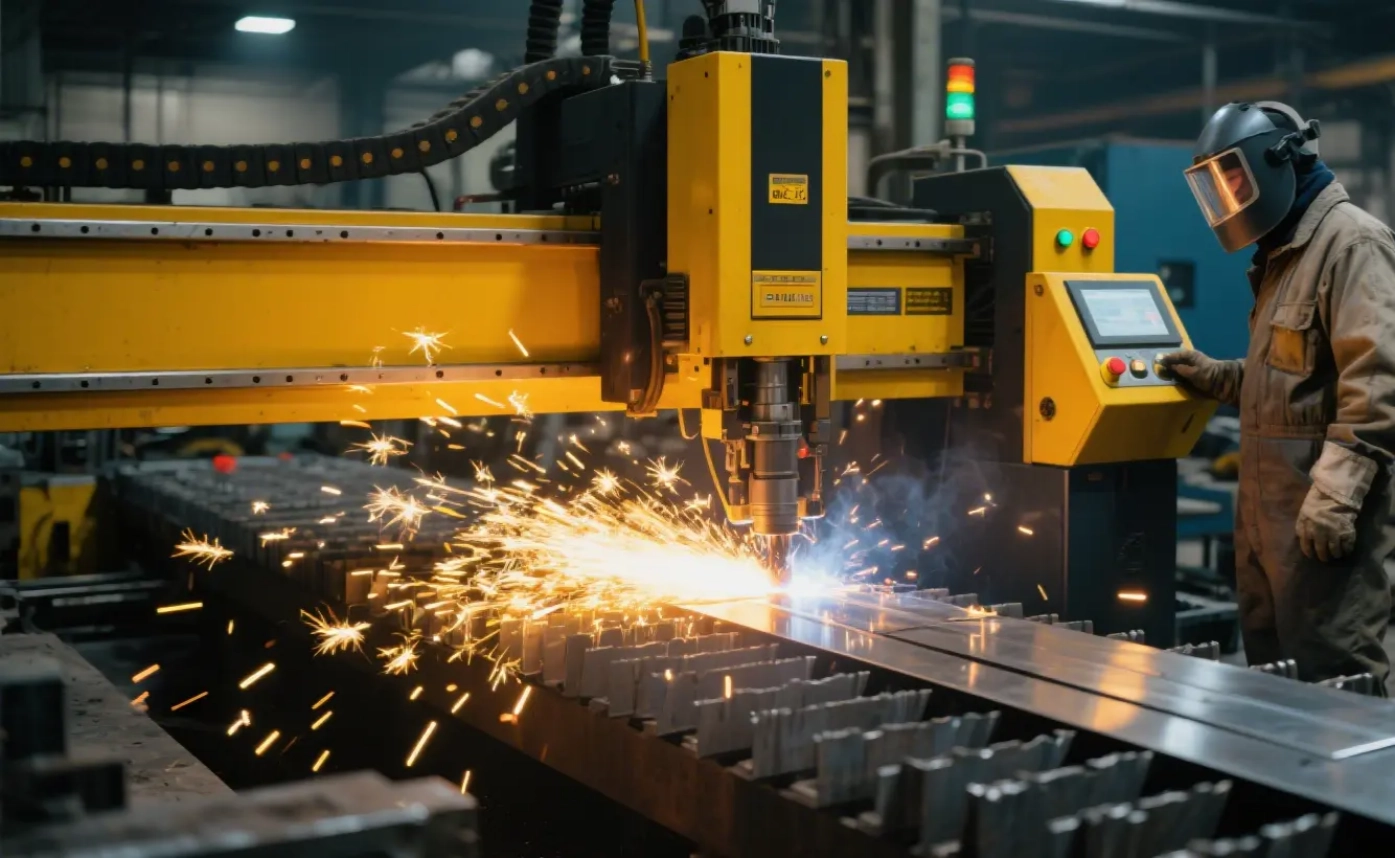
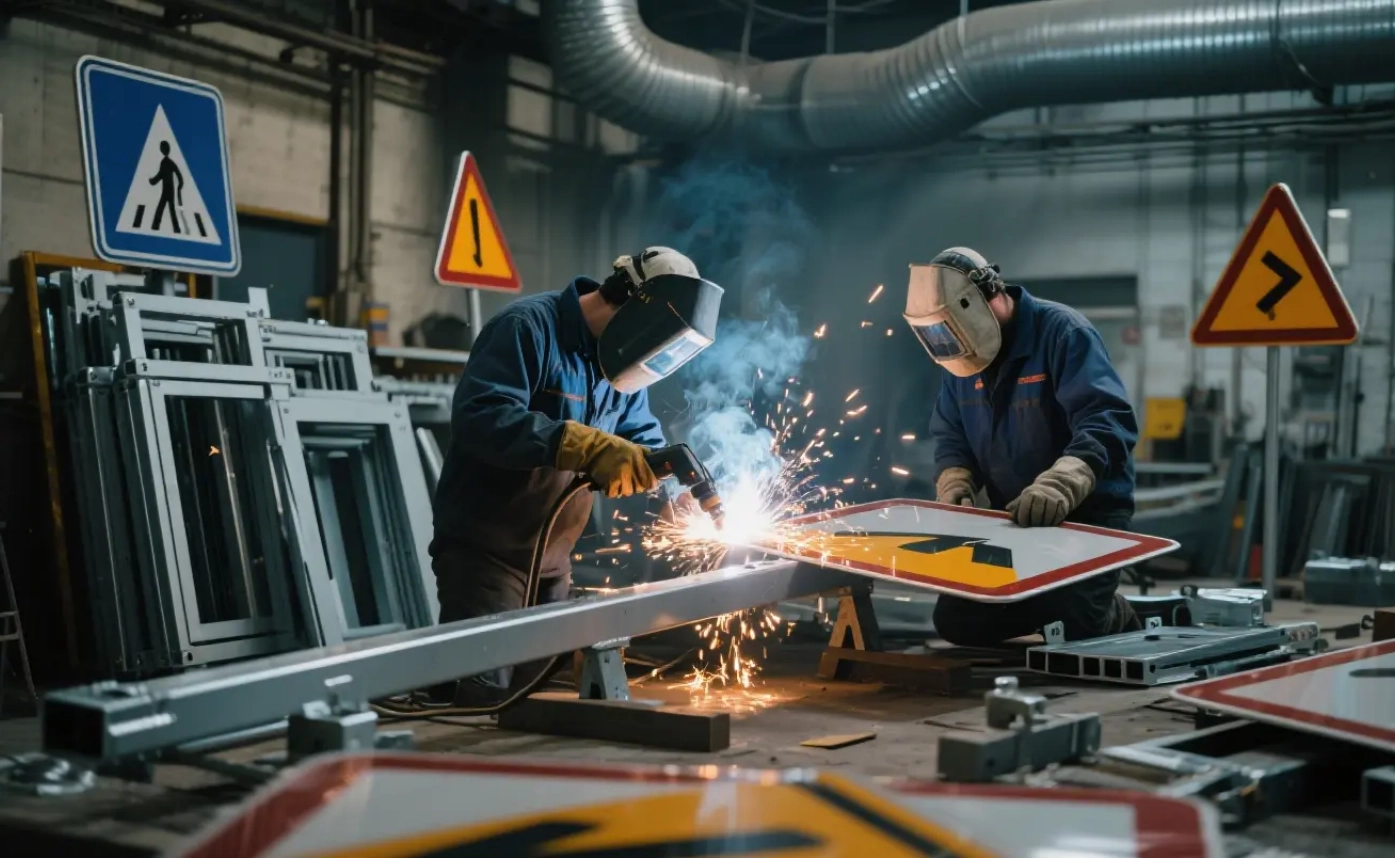
For more than two decades, Lukas Lighting has invested in innovation, quality, and sustainability. Our ISO9001-certified factory in Jiangsu, China, features fully integrated manufacturing processes—from automated LED encapsulation to robotic welding systems and electrostatic powder coating lines.
Every batch of bollards destined for export to Nagoya and other international markets undergoes a strict quality assurance sequence, including salt spray testing, thermal shock chambers, and goniophotometer optical distribution verification. This guarantees that our products arrive on-site fully prepared to face the local climatic conditions of central Japan.

Deep semantic answers for electrical contractors, municipal engineers, and landscape designers planning urban developments in Japan.
For sites within 5 kilometers of Nagoya Port or coastal Ise Bay, we strongly recommend a minimum of IP66 ingress protection and an IK10 impact rating. Structurally, the aluminum parts must be coated with a C5-M marine-grade paint system (ASTM B117 salt spray tested for over 1,000 hours) to prevent micro-pitting caused by salt spray and high atmospheric humidity.
Our solar systems are designed with autonomy margins of 3 to 5 days. By pairing monocrystalline PV cells with intelligent MPPT controllers (which support dynamic voltage tracking under low light) and premium LiFePO4 batteries, the system adjusts its luminous output based on the battery charge state, ensuring constant safety illumination even after several overcast days.
Yes, our architectural bollard lights are designed with a zero-upward light output ratio (ULR < 0.5%) and feature localized Type II or Type V optics. This design limits spill light and directs illumination precisely to the pathway, preventing sky glow in compliance with international Dark Sky standards and Japan's Ministry of the Environment guidelines.
Each bollard is built with a heavy-duty, hot-dip galvanized steel mounting base plate and J-bolt anchor configuration. The internal weld points and structural casing wall thickness (typically 3mm to 4mm extruded aluminum) are calculated to resist lateral shear stresses caused by seismic activities, ensuring the pole remains securely anchored during ground movements.
Absolutely. We offer customization options that incorporate smart LED drivers (1-10V or DALI) linked with microwave motion sensors or integrated IoT wireless nodes (NEMA or Zhaga interfaces). This allows for dynamic dimming profiles, real-time monitoring of energy consumption, and automatic maintenance notifications via Central Management Systems (CMS).
Lukas Lighting offers a standard 5-year replacement warranty on our professional-grade LED bollard systems, covering LED light engines, drivers, and housing finishes. For solar variants, the LiFePO4 battery pack and MPPT controller carry a 3-year performance guarantee. We provide technical support including Lux level calculation models and CAD anchoring drawings to assist engineering teams during installation.
Explore our complete range of certified outdoor lighting solutions, shipped directly from our ISO-certified production base to projects in Nagoya and worldwide.
Whether you are drafting specifications for a public park, upgrading a corporate campus, or designing a coastal promenade in the Chubu region, our engineering team provides customized photometrical models and tailored finishes.
Send Inquiry Now — Contact Engineering Desk Lukas Lighting