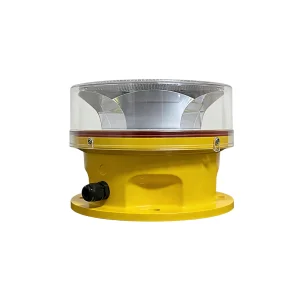
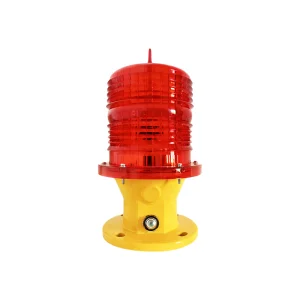
Premium class structural lights designed for runways, taxiways, and obstruction warnings, matching the strict directives of Ente Nazionale per l'Aviazione Civile (ENAC) and international aerodrome safety standards.
Years of Engineering Excellence
State-of-the-Art Factory Space
ICAO & FAA Compliant Products
Global Export Destination Countries
Italy serves as one of the most critical aviation hubs in Southern Europe, acting as a gateway for trans-Mediterranean, trans-Atlantic, and intra-European commerce. Major airports such as Rome Fiumicino (Leonardo da Vinci), Milan Malpensa, Venice Marco Polo, and regional nodes like Bologna and Naples are governed by strict regulations established by the Ente Nazionale per l'Aviazione Civile (ENAC) and the European Union Aviation Safety Agency (EASA). Modernizing Italy's runways demands airfield ground lighting (AGL) that delivers not only ultimate reliability during extreme weather conditions—from sub-zero Alpine blizzards in the North to searing Mediterranean heatwaves in the South—but also exceptional energy efficiency that aligns with the Italian National Plan for Airport Sustainability.
In line with the European Green Deal and Italy's national decarbonization strategies, airports across Italy are accelerating the transition from legacy halogen lamps to LED-powered airfield lighting systems. This migration offers multi-layered advantages:
Jiangsu Lukas Lighting Co., Ltd. was established in 1998 with a strong commitment to innovation, quality, and sustainability in the outdoor lighting industry. Over more than two decades of dedicated research and engineering development, the company has grown from a specialized local enterprise into a premier global manufacturer specializing in intelligent, energy-efficient street lighting and high-security airfield lighting systems.
With continuous investment in research and development, Lukas Lighting has expanded its product portfolio to include LED street lights, solar street lights, smart municipal lighting systems, landscape lighting, and customized airfield ground lighting solutions. Our systems are deployed in municipal roads, industrial parks, highway systems, regional airstrips, military helipads, and major international transit hubs across global markets.
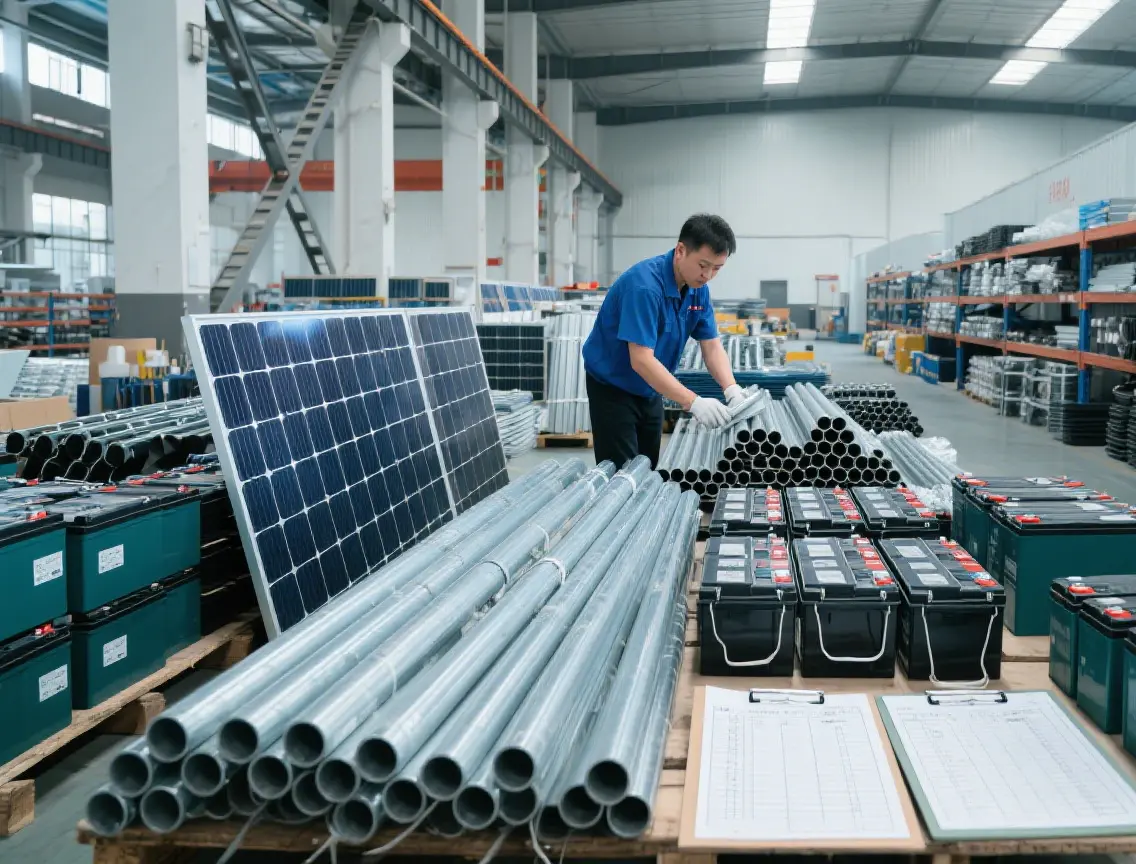
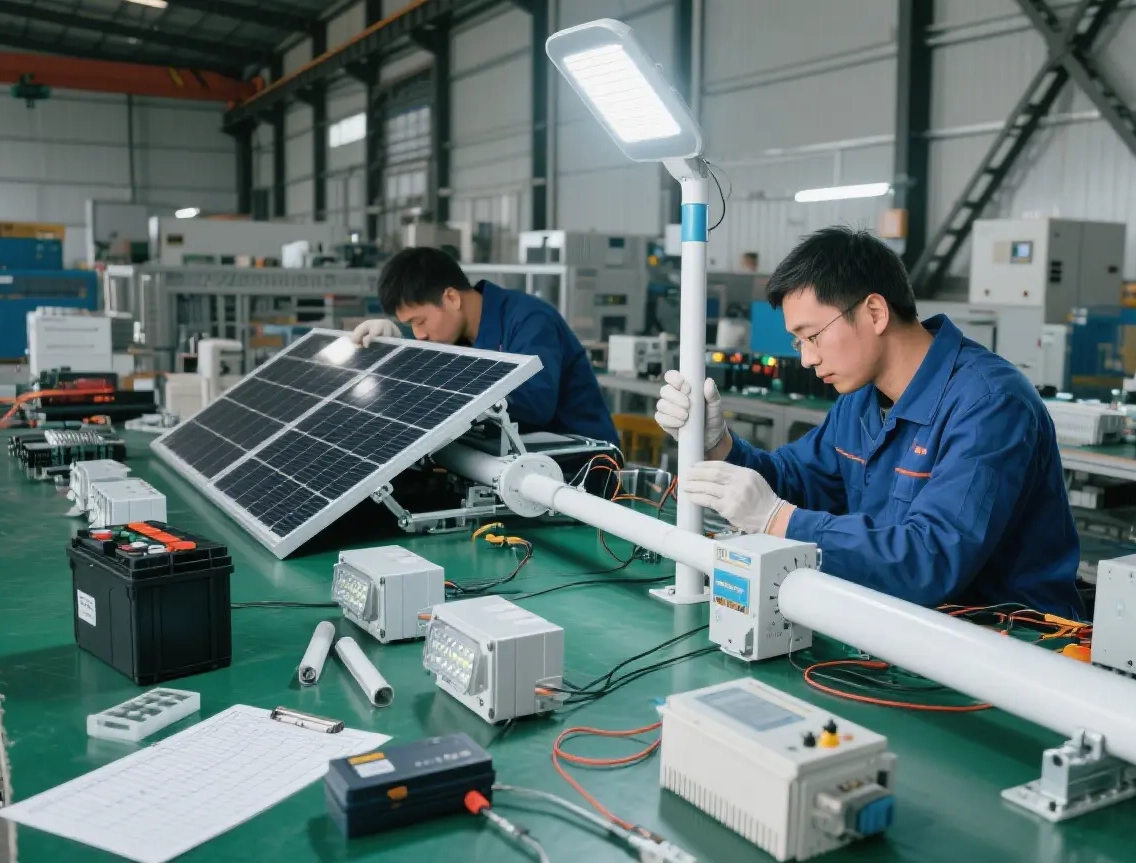
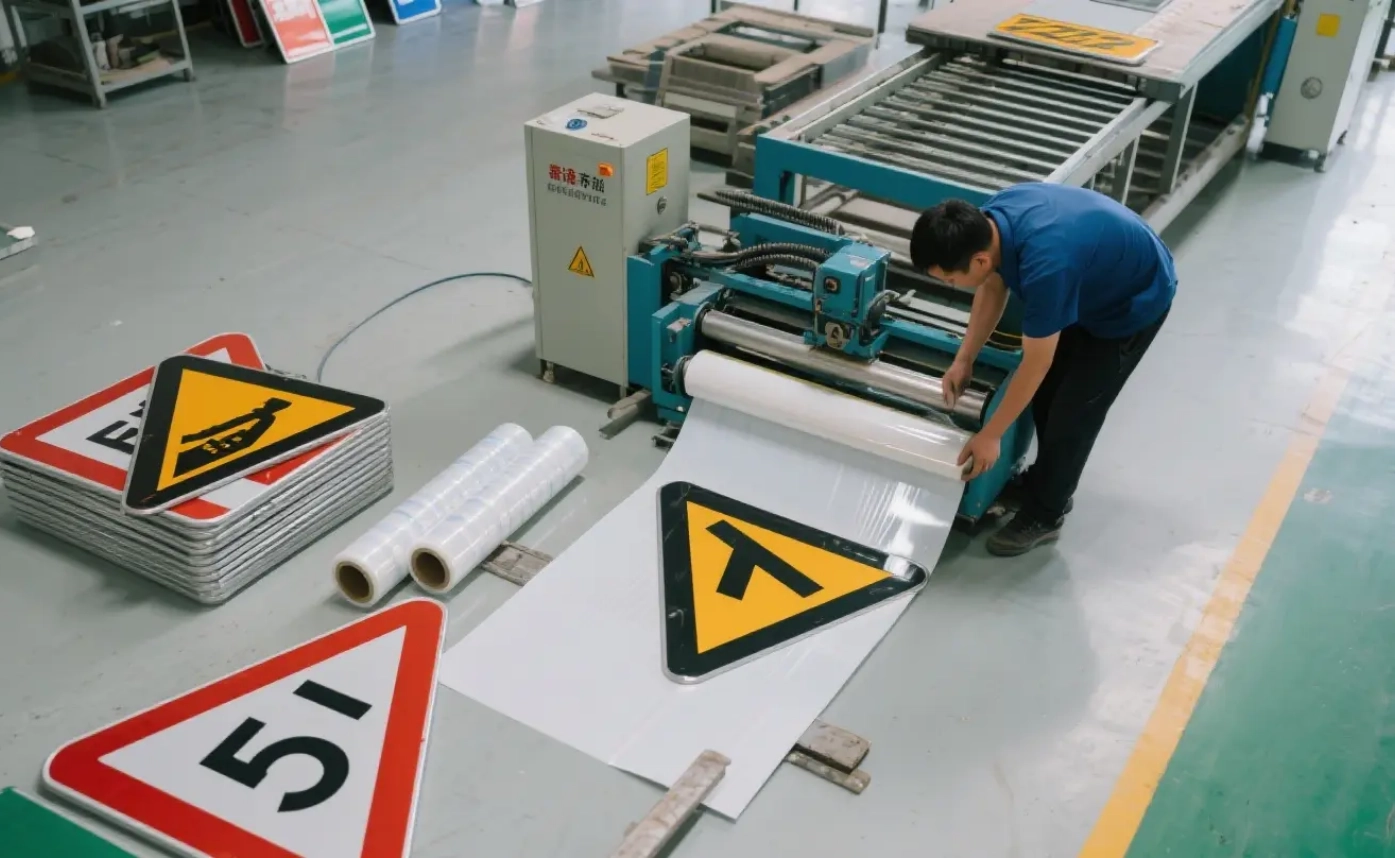
Located in Jiangsu, China, our modern manufacturing base covers an area of approximately 11,000 square meters. The facility is operated by a multidisciplinary team of experienced optical engineers, electronics technicians, and quality control specialists. This comprehensive structure guarantees precise manufacturing, strict quality checks, and the capacity to handle large-scale, high-speed international deliveries.
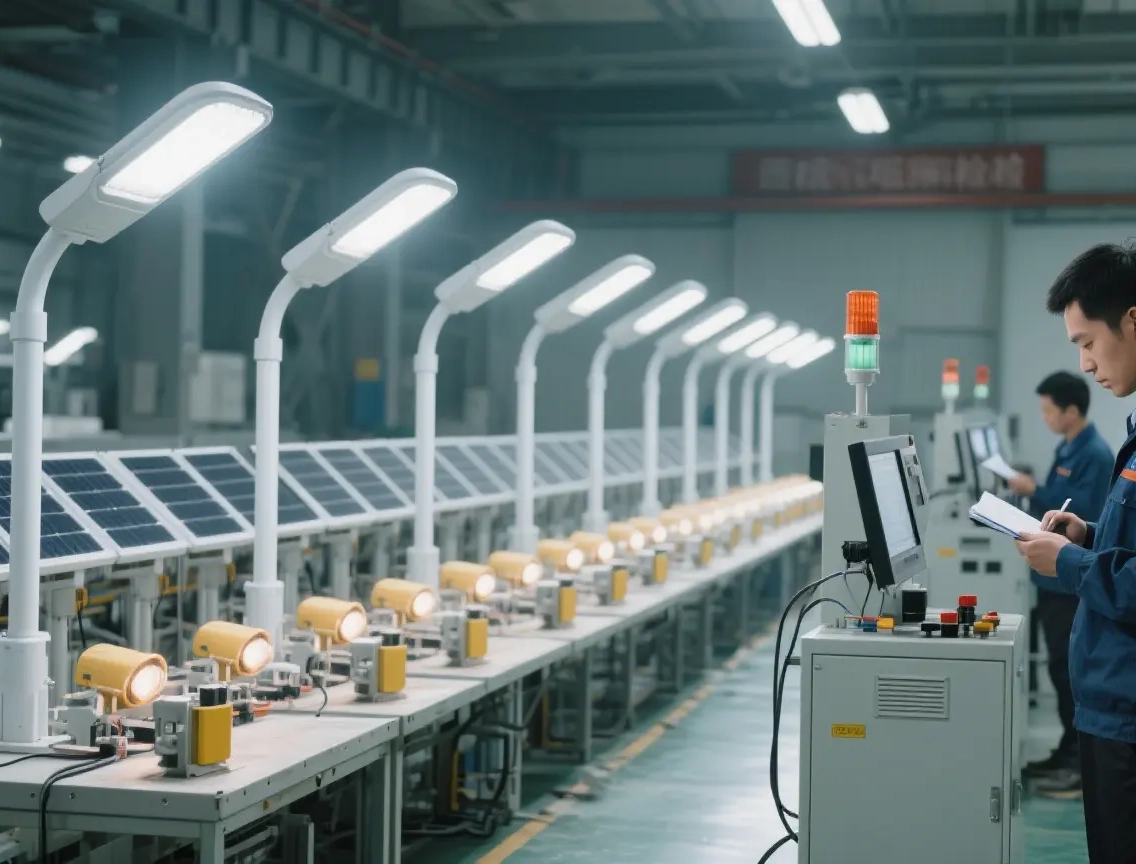
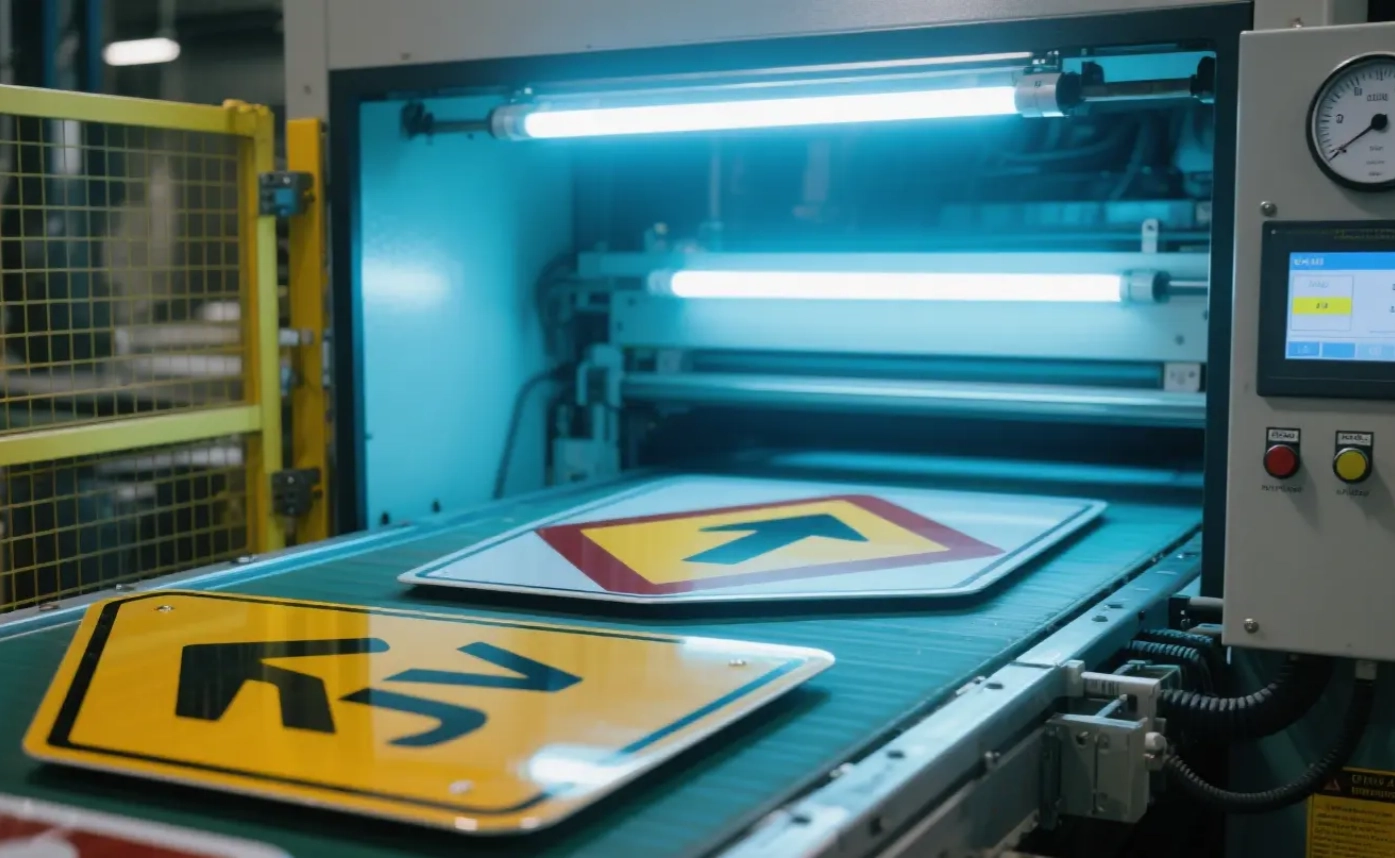
Our production floor is designed to meet strict ISO9001:2015 standards, equipped with cutting-edge machinery that supports everything from raw metal raw-material casting to high-precision SMT placement and robotic welding:
Every batch of runway lights, obstruction beacons, and inset taxiway markers undergoes a multi-stage validation process, testing water ingress (IP65/IP66/IP68), thermal resistance in environmental chambers, and continuous burn-in cycles before packaging and export.
Take an inside look at our 11,000 square meter facility in Jiangsu, showing the meticulous precision that guarantees aerodrome safety on runways worldwide.







Procuring airport ground lighting systems for projects in Rome, Venice, Milan, or regional helipads in the Alps requires balancing strict technical specifications with cost limitations. Working with Lukas Lighting as your Direct Manufacturer provides unique structural benefits that combine high technical standards with cost-effectiveness:
By bypassing third-party agents and trading intermediaries, Italian airport operators and procurement engineering firms save substantial markups. This budget optimization enables aerodromes to reallocate capital to other key airfield improvements, such as advanced pavement management and security monitoring systems.
Lukas Lighting products are engineered to conform to global specifications. Our systems use premium, high-transmittance borosilicate glass covers and heavy-duty die-cast aluminum alloys that undergo intense quality testing, ensuring seamless integration into existing airfield infrastructure designed to FAA or EASA standards.
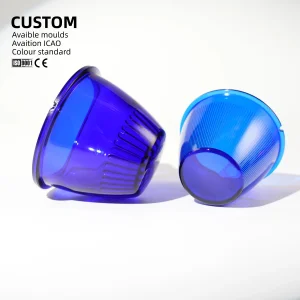
Whether you require custom mounting configurations for specialized alpine helipads, specific color arrays for taxiway detours, or custom glass dome shapes to fit legacy inset bases, our engineering department provides end-to-end design, tooling, and quick-turn prototyping.
With an 11,000 square meter facility utilizing automated CNC machining, SMT, and automated optical testing, Lukas can scale production rapidly to fulfill large municipal airport expansions and regional upgrade campaigns on time.
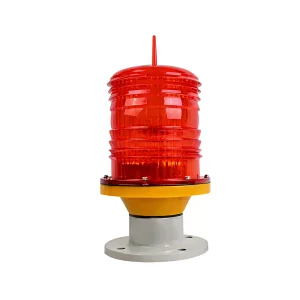
Essential components designed for high-rise airport structures, control towers, and regional runway guidance systems matching Italy's environmental demands.


Airfield ground lighting is not a one-size-fits-all product. Different terrains, operational categories, and local Italian environments dictate distinct requirements:
For high-capacity facilities like Milan Linate or Venice Marco Polo, maintaining taxiway and runway centerlines under poor visibility is crucial. Inset bi-directional LED lights must feature an extremely low profile (less than 6.3 mm above the finished grade) to minimize vibration for landing gear and withstand regular snowplow operations during winter snow cycles in Northern Italy.
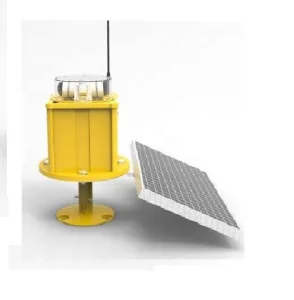
Many regional municipal fields and tourist routes in Sicily, Sardinia, and Tuscany operate with limited electrical grid connectivity. Lukas Solar-Powered LED Runway Edge Lights provide a reliable, grid-free alternative that charges during the day and provides clear runway guidance at night, reducing infrastructure cabling costs.
Heliports serving hospitals, search and rescue teams (such as SUEM 118 in alpine areas), and offshore oil platforms in the Adriatic Sea require robust green and white perimeter indicators. These lights must feature IP66/IP68 waterproof ratings to protect against heavy rain, sea spray, and condensation from rapid temperature changes.
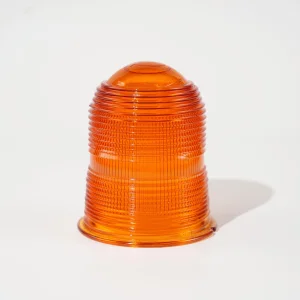
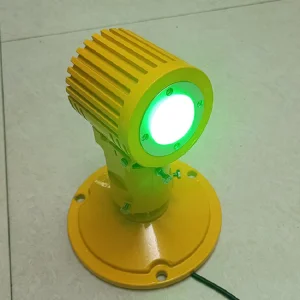
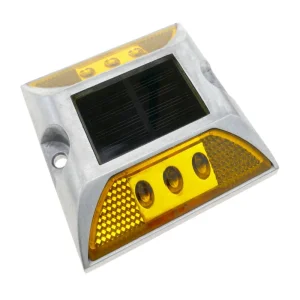
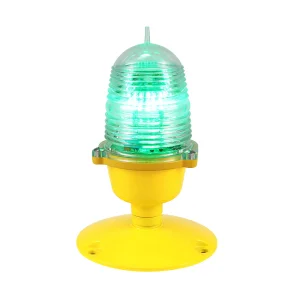
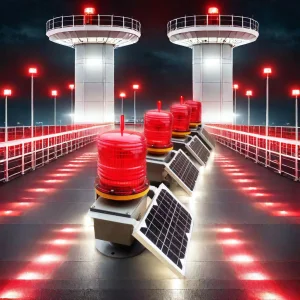
Browse our extensive selection of high-intensity warning lamps, explosion-proof covers, solar-powered road studs, and obstruction indicators designed for aviation networks in Italy and globally.

Expert answers addressing the technical, structural, and regulatory criteria required when installing airfield ground lighting in compliance with European standards.
Need custom photometry sheets, ICAO compliance documentation, or a direct factory quotation for your upcoming runway renovation or helipad installation in Italy?
Send Inquiry Now Lukas Lighting