1. Executive Analysis: The Paradigm Shift in Agricultural Lighting
Modern agricultural lighting has evolved from basic photoperiod management tools to highly specialized, biologically active spectral delivery systems. The transition to LED technologies has unlocked unprecedented control over plant morphology, photosynthetic efficiency, and crop yield curves.
Information Gain: Unlike consumer or street lighting where human optical comfort (Lumens) is the primary design metric, agricultural lighting measures system output in Photosynthetically Active Radiation (PAR), Photosynthetic Photon Flux (PPF), and Photosynthetic Photon Flux Density (PPFD).
Globally, modern agricultural enterprises face the dual challenge of maximizing crop yield per square meter while significantly mitigating energy overheads. High-efficiency grow light arrays enable growers to deliver precise wavelengths customized to specific growth stages. For instance, blue light wavelengths (typically between 400-500 nm) are crucial for chlorophyll absorption and vegetative growth, while red wavelengths (600-700 nm) stimulate photosynthesis, flowering, and fruit development.
Furthermore, agricultural lighting has crossed paths with Smart City IoT architectures. Technologies like remote spectral tuning, real-time DLI (Daily Light Integral) monitoring, and edge-computing sensors are converting traditional greenhouses into automated biophysical factories. Selecting a supplier is no longer about choosing hardware; it is about choosing a manufacturing partner capable of customizing solid-state physics for localized biological goals.
21+
Years Industry Experience
11k+
Sqm Manufacturing Base
100%
Quality Inspected Products
ISO9001
Standardized Quality System
2. Deciphering Global Procurement Requirements & Pain Points
Procurement directors in major agricultural markets—such as North America, Western Europe, and Asia-Pacific—operate under stringent capital expenditure and operating cost constraints. Key decision-making factors extend far beyond the unit price of lighting fixtures.
Longevity & Environmental Resilience
Agricultural spaces exhibit high humidity, soil treatments, and chemical exposure (such as ammonia in poultry farming and sulfur vaporization in commercial greenhouses). Fixtures must provide IP66, IP67, or IP69K ratings alongside advanced anti-corrosion coatings to safeguard against structural and electrical degradation.
Energy Efficiency & Spectral Stability
As energy costs fluctuate, systemic efficiency (measured in micromoles per Joule or µmol/J) remains a critical performance indicator. Fixtures must minimize energy-to-heat conversion and maintain spectral stability over a service life exceeding 50,000 operational hours.
Global Compliance & Certifications
Commercial setups require adherence to safety guidelines including CE, UL, RoHS, and DLC certifications. Non-compliant hardware risks project delays, regulatory action, insurance voidance, and grid connection issues.
3. Macro-Industry Solutions: Tailored Light Recipes for Diverse Ecosystems
No single spectral profile can meet the unique requirements of all agricultural sectors. Modern manufacturers must possess the engineering expertise to design and deploy specialized solutions:
Commercial Greenhouses (Hybrid & Top Lighting): High-efficiency supplementary lighting arrays designed to work in tandem with natural sunlight, prioritizing high PPFD levels for crops like tomatoes, cucumbers, and cannabis.
Indoor Vertical Farming (Sole-Source Lighting): Compact, close-proximity fixtures offering uniform light distribution and low heat signatures. Optimized to maximize space utilization for leafy greens, microgreens, and medicinal herbs.
Livestock & Poultry Facility Lighting: Optimized spectral recipes designed to manage animal biorhythms, reduce flock stress, and enhance feed conversion ratios through gradual dimming and flicker-free technologies.
Specialized Marine & Aquaculture Systems: High-power, waterproof, corrosion-resistant lighting (such as under-water LED systems) to regulate cycles in fish hatcheries and commercial operations.
4. Engineering Excellence: The Jiangsu Lukas Lighting Production Engine
Established in 1998, Jiangsu Lukas Lighting Co., Ltd. has spent over two decades developing high-performance outdoor and industrial lighting systems. By applying our engineering expertise to specialized horticultural and commercial outdoor projects, we provide reliable, high-volume production for municipal and enterprise clients worldwide.
Located in Jiangsu, China, our modern production base covers approximately 11,000 square meters. The facility integrates advanced machinery and quality control procedures, ensuring that our products—ranging from solar-powered street lighting to specialized architectural and agricultural luminaires—are engineered to meet strict performance requirements.
Advanced Factory Production Equipment
Our manufacturing facility is equipped with automated systems to maintain production precision, efficiency, and consistent product quality:
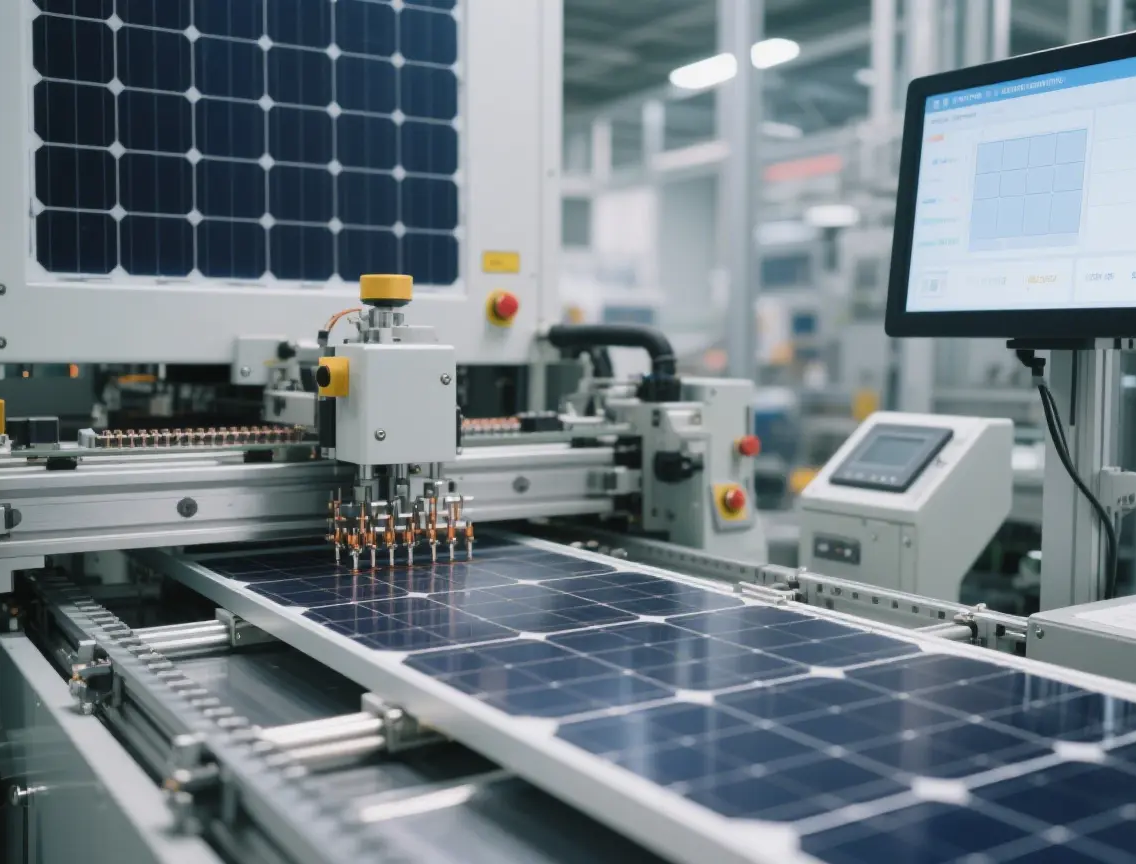
Automated LED Encapsulation
Automated production lines ensure uniform spectral output and diode longevity.
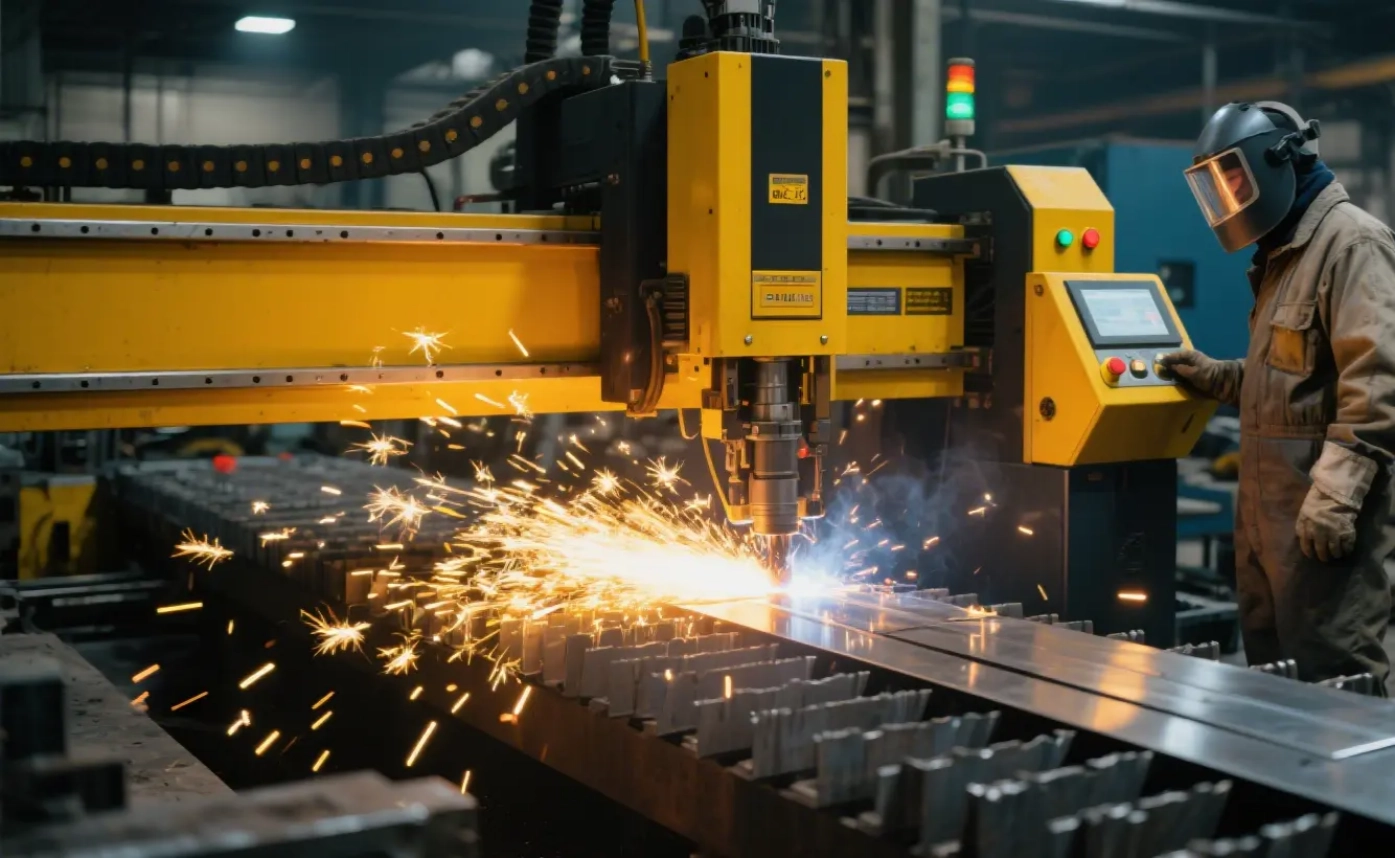
Precision Laser Processing
High-precision CNC laser cutting machines for clean-tolerance metal enclosures.
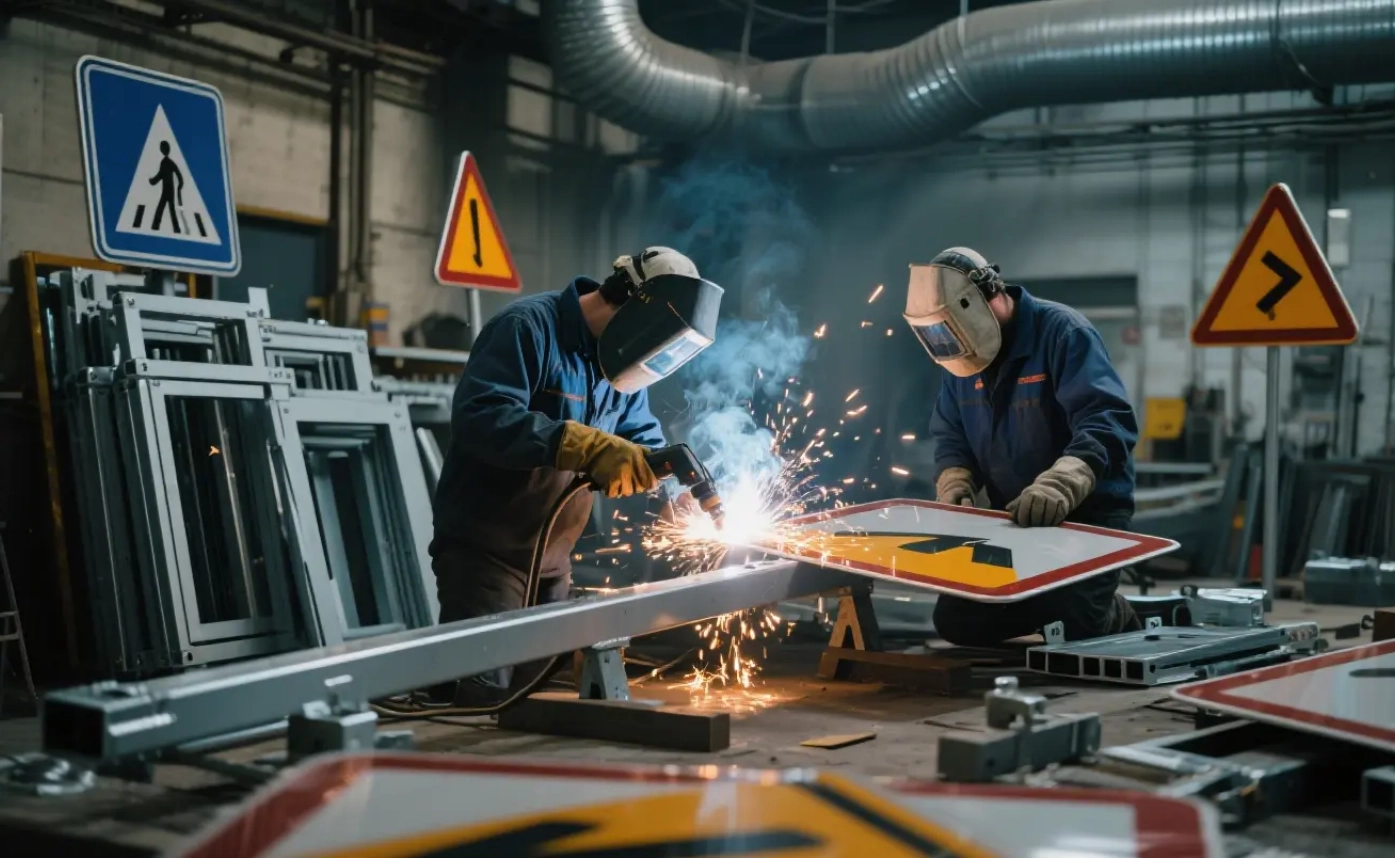
Robotic Welding & Casting
Robotic systems and automatic die-casting units for structural integrity.
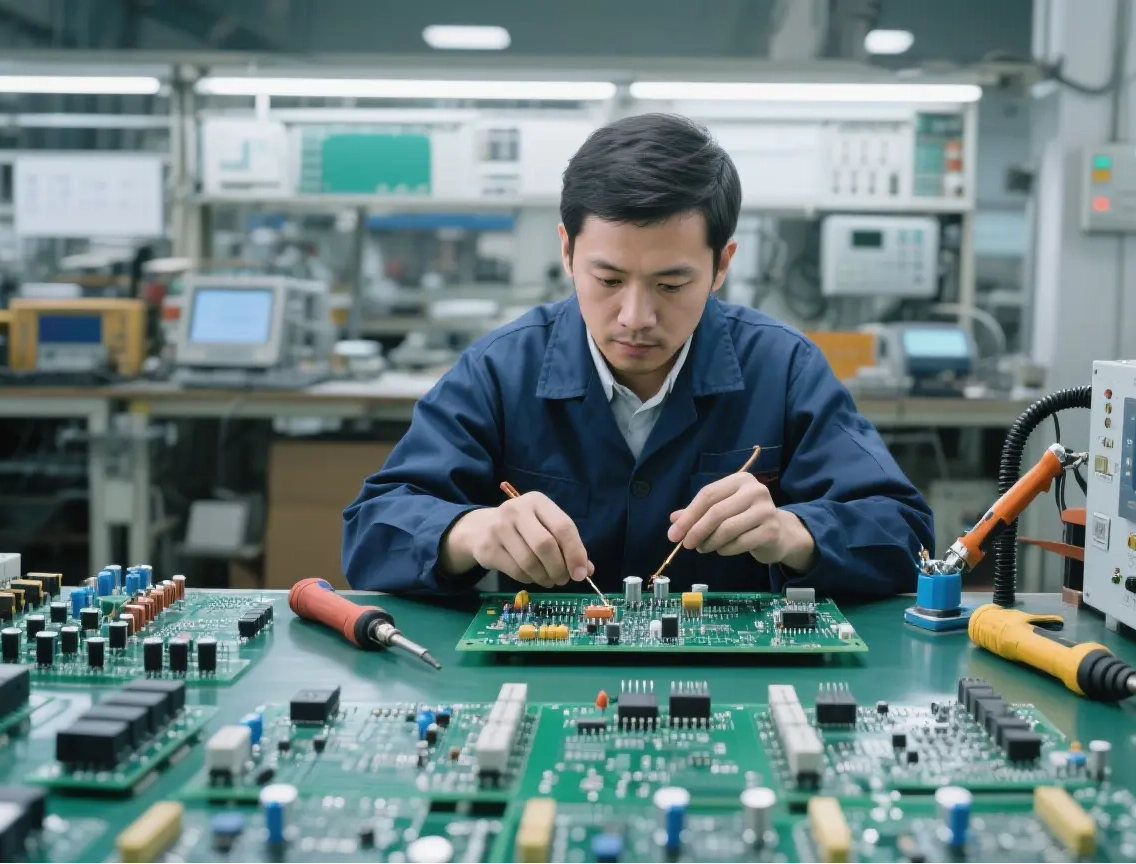
SMT & Optical Testing
Surface-mount assembly lines and photometric testing for precise light distribution.
Our Core Strengths
Large-Scale Manufacturing: Automation-driven production lines capable of supporting large-volume enterprise orders and customized product configurations.
Standardized Quality Management: ISO9001-certified processes, multiple structural patents, and testing from raw materials to final luminaire burn-in.
One-Stop Customization: In-house capabilities from design, tooling development, and prototype testing through to final production.
Innovation & Sustainability: Continued R&D focused on energy efficiency, thermal management, and smart control integration.
The Lukas Integrated Manufacturing Flow
Below is a detailed look at our step-by-step production flow, from material preparation to final optical calibration:
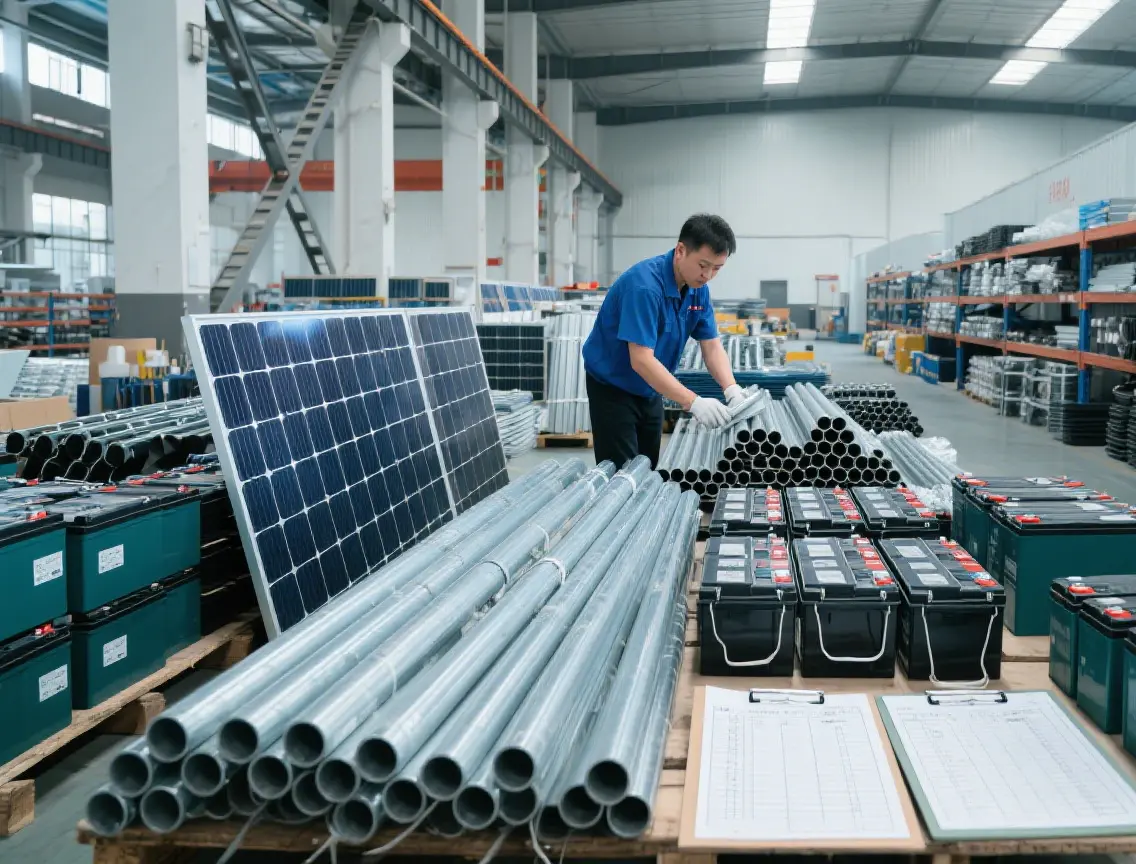
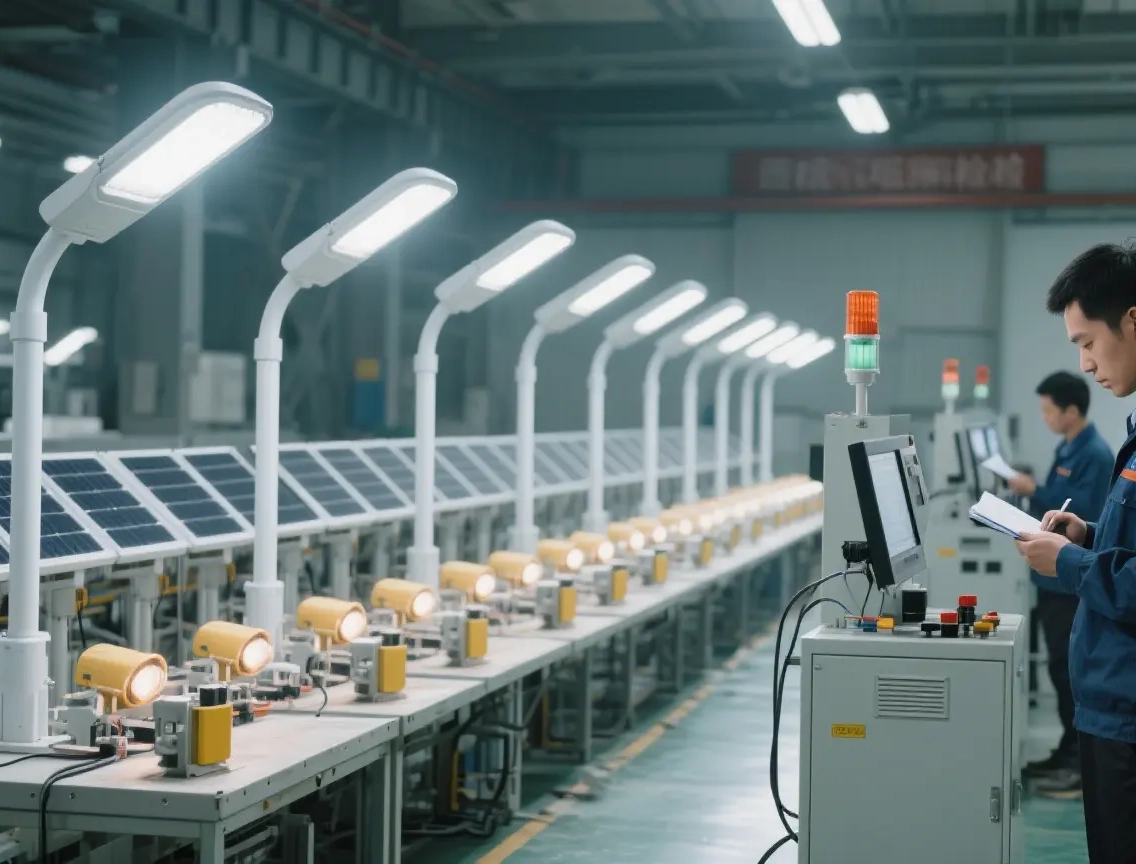
Raw Material Preparation
Solar Panel Fabrication
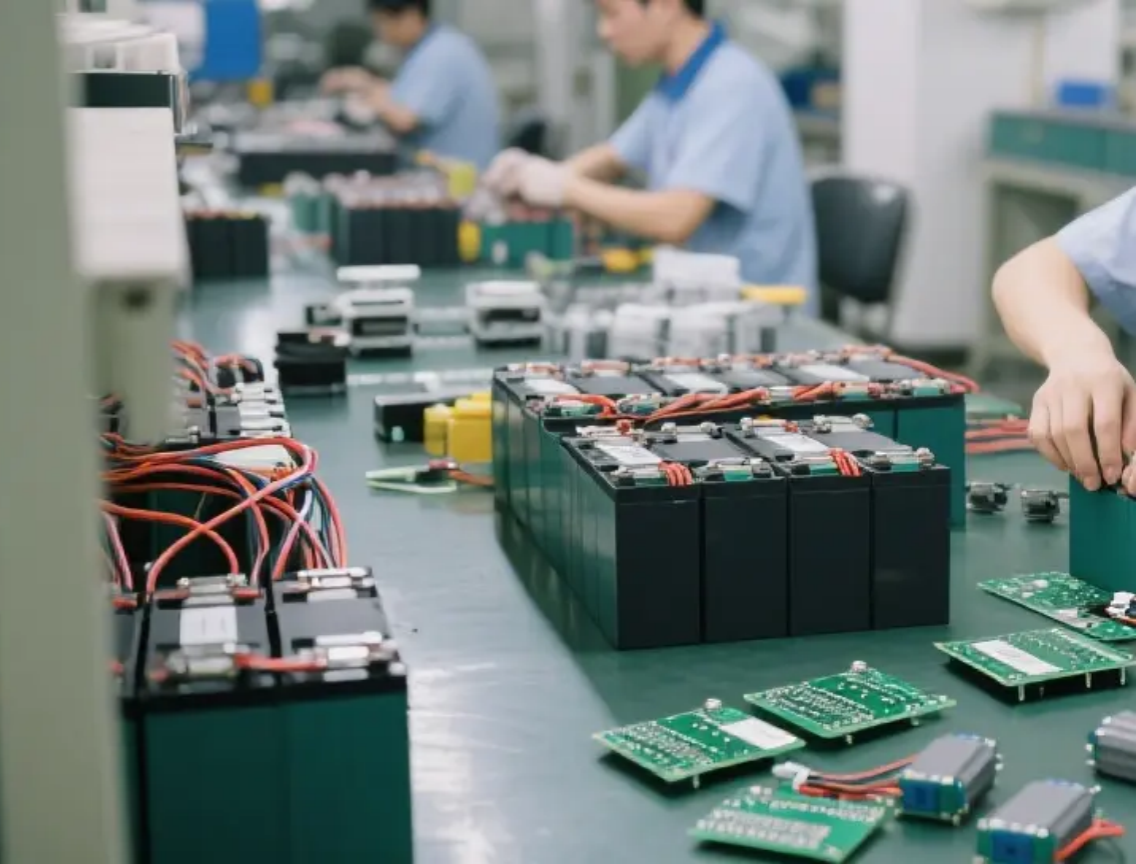
Battery Assembly
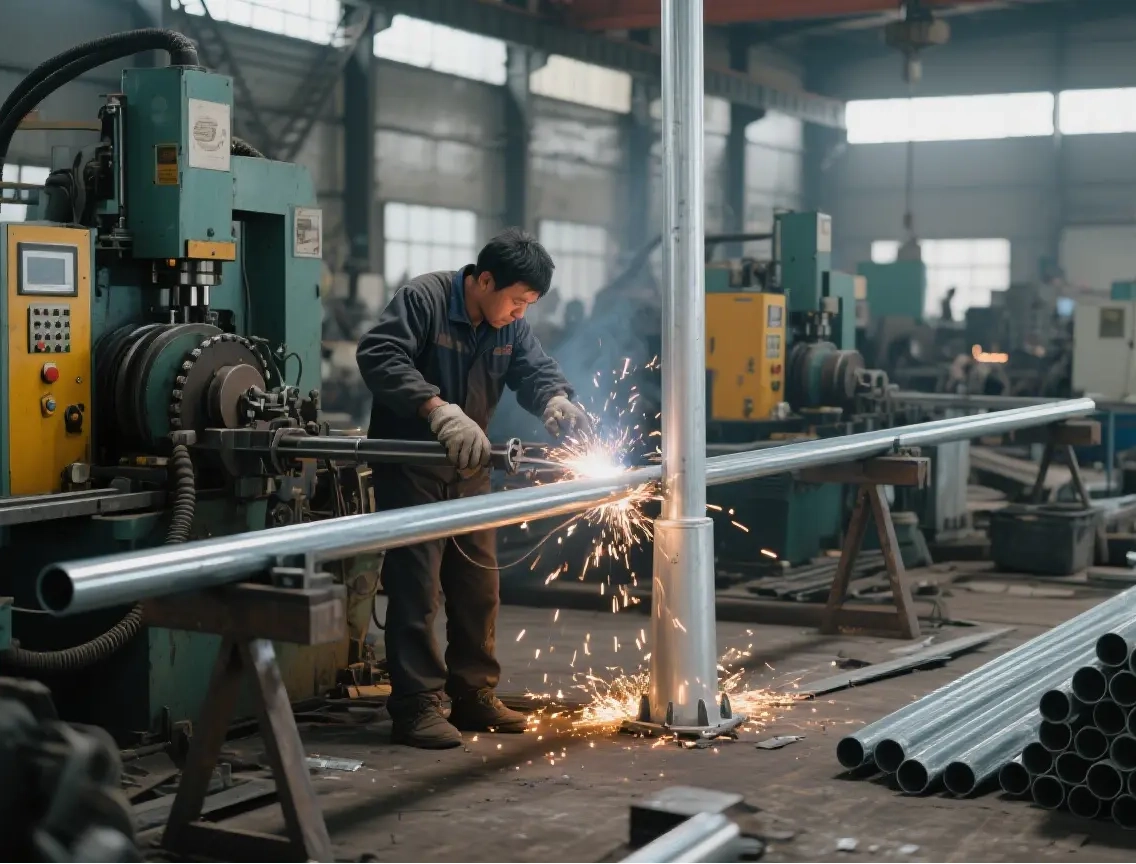
Pole & Bracket Processing
Controller Integration
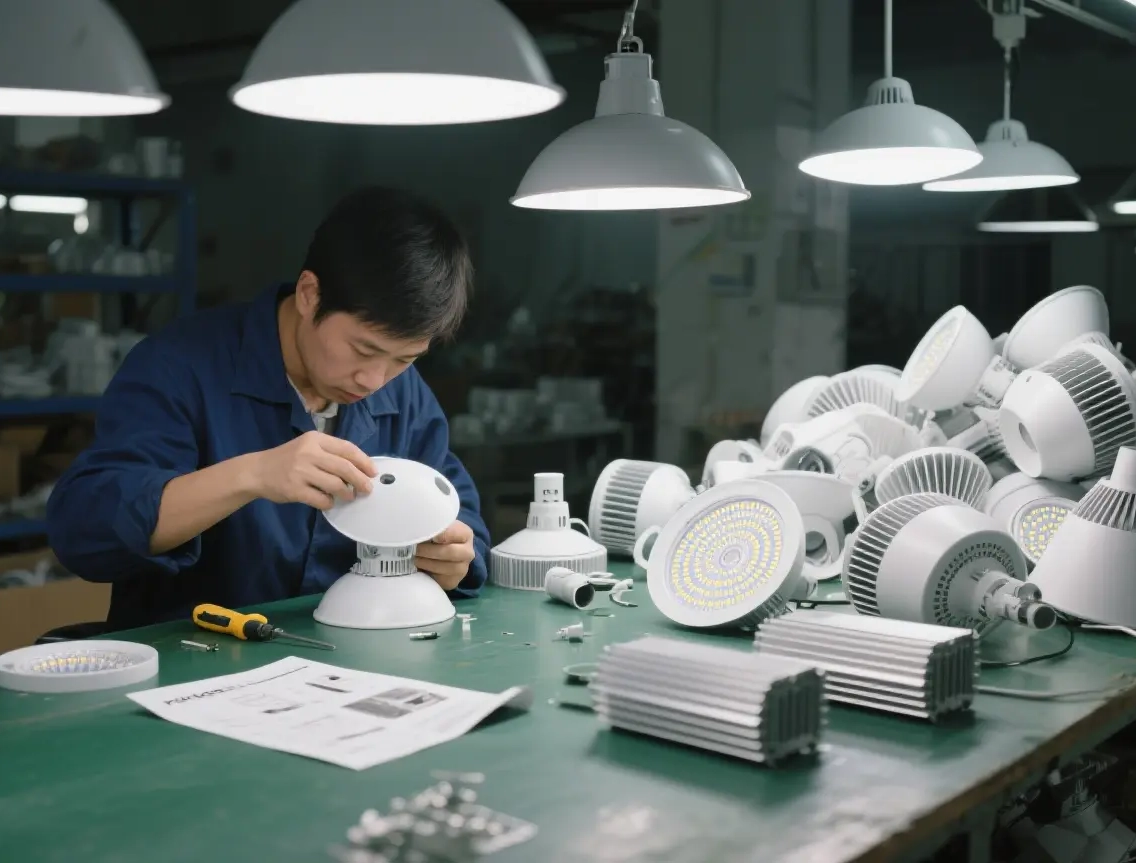
Luminaire Assembly
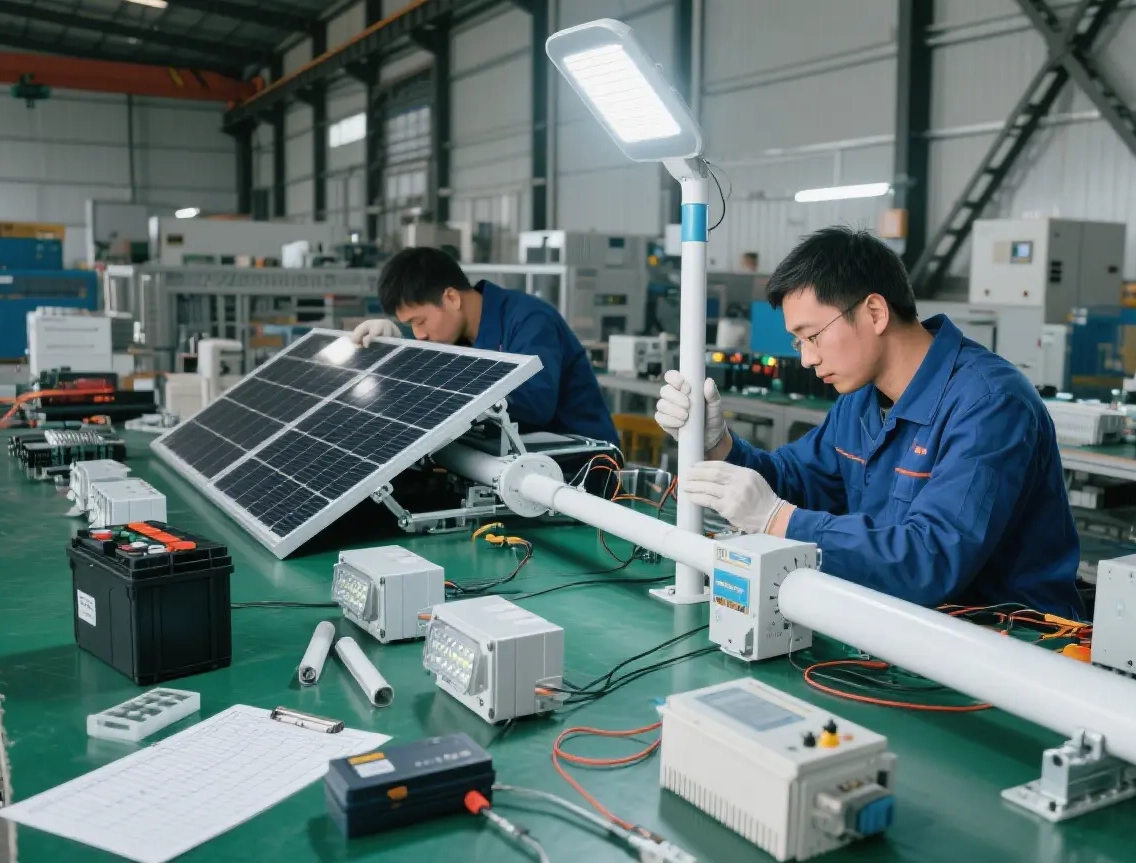
System Integration & Debugging
Burn-in & Quality Inspection
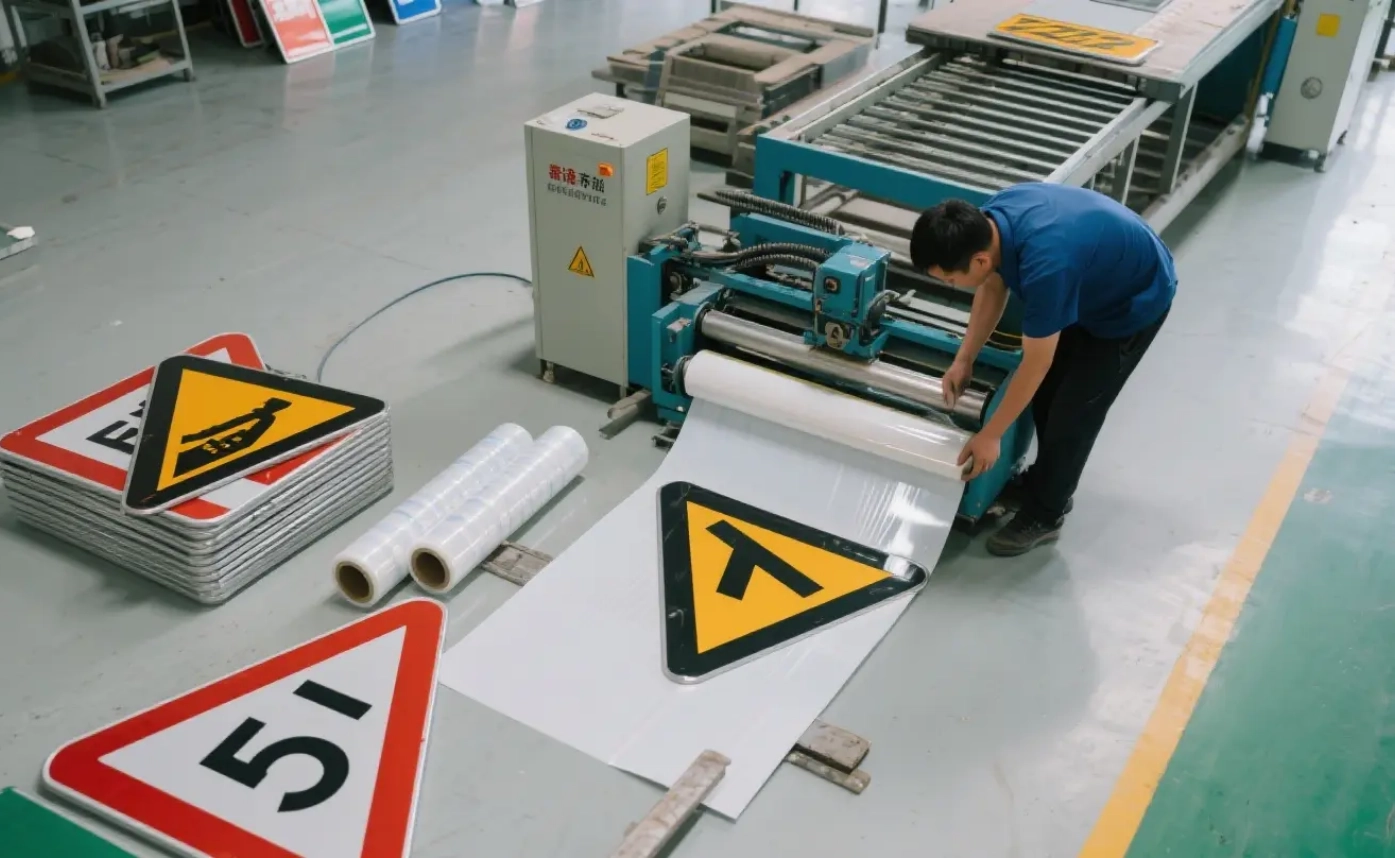
Reflective film laminating
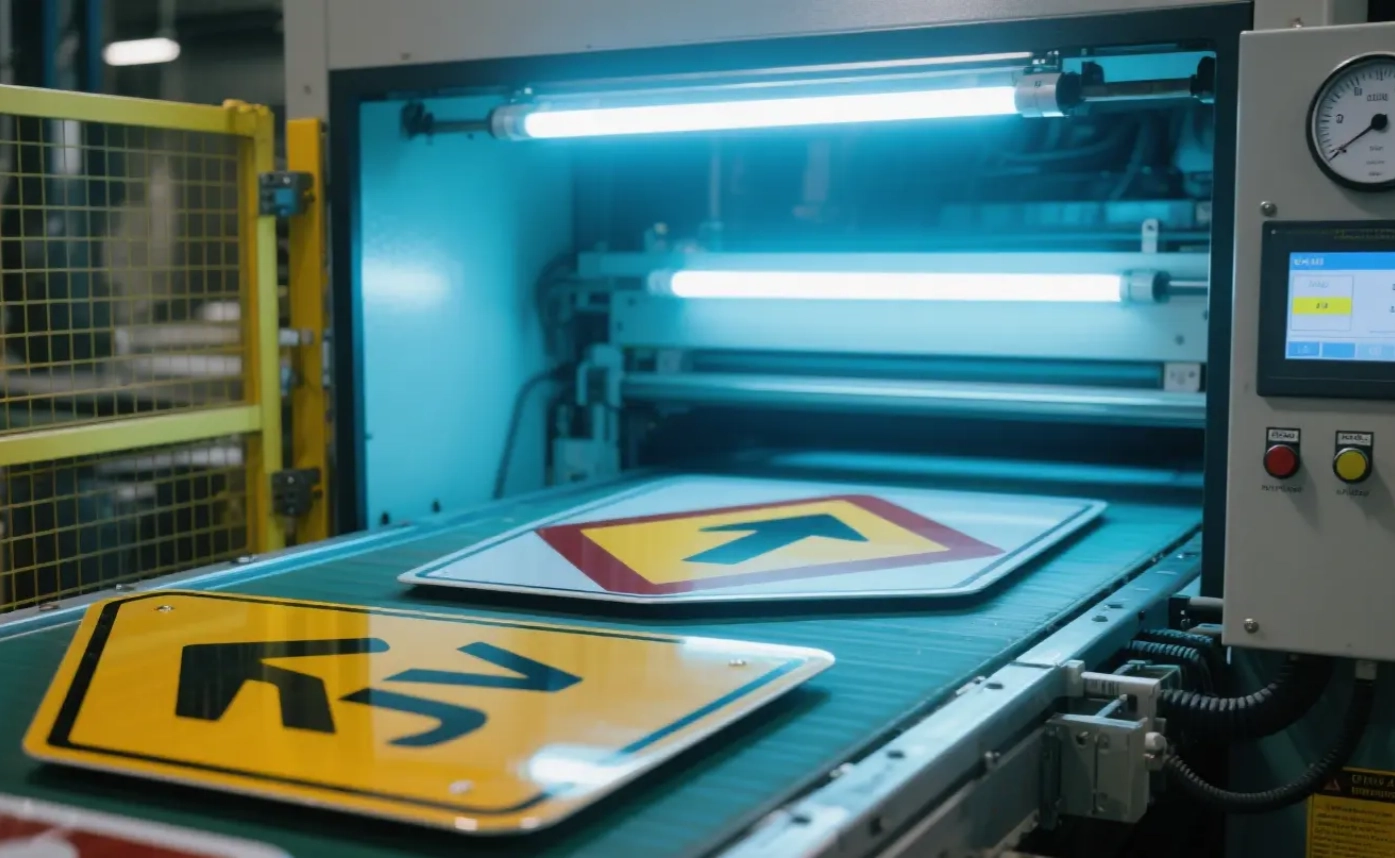
UV curing
Welding and forming
Assembly and welding
5. Localized Support & Regional Compliance Frameworks
A key differentiator for top-tier manufacturers is their ability to navigate regional regulations and provide local support. Import compliance, environmental standards, and local grid policies can present challenges for global project managers:
North American Standards
Strict adherence to UL 8800 (the standard for Horticultural Lighting Equipment) is required, alongside DLC (DesignLights Consortium) qualification to help growers access utility rebates.
European Union Norms
Compliance with CE Mark, RoHS, and ENEC certifications, ensuring fixtures meet strict electrical safety, electromagnetic compatibility, and hazardous material restrictions.
Global Grid & Integration
Adapting power supplies for various regional voltages (ranging from 120V to 480V) and integrating control interfaces like DALI, 0-10V, or wireless protocols.
6. Technological Roadmap & the Future of Grow Light Engineering
The agricultural lighting industry continues to evolve, driven by innovations that improve spectral efficiency and lower operational costs:
Smart Spectrum Tuning: Development of dynamic, multi-channel LED fixtures that adjust spectral output in real-time based on crop growth stages or natural light conditions.
Integration of High-Efficiency LEDs: Utilizing next-generation chip architectures to increase Photosynthetic Photon Efficacy (PPE) towards 3.5 µmol/J and above.
Advanced Thermal Management: Moving from active cooling (fans) to passive heat sink designs to improve fixture reliability and life expectancy in humid conditions.
Renewable Energy Integration: Combining LED grow light arrays with solar energy storage and smart microgrid controllers to reduce reliance on the utility grid.
7. Professional FAQ & Technical Insights
What is the primary difference between PPF and PPFD when evaluating agricultural lighting?
PPF (Photosynthetic Photon Flux) measures the total amount of photosynthetically active radiation (PAR) a light source emits per second, expressed in micromoles per second (µmol/s). PPFD (Photosynthetic Photon Flux Density) measures the amount of PAR that actually reaches the crop canopy per square meter per second, expressed in µmol/m²/s. While PPF defines the fixture's output potential, PPFD determines the light intensity delivered to the plants.
Why are IP67 and IP69K ratings important for agricultural lighting installations?
Commercial cultivation facilities and livestock pens are high-exposure environments characterized by high relative humidity, airborne dust, soil particles, and chemical washdowns. An IP67 rating ensures protection against dust ingress and temporary immersion in water. IP69K adds protection against close-range, high-pressure, high-temperature washdowns, ensuring the longevity and electrical safety of the fixture.
How do dynamic spectral recipes improve crop yields compared to fixed spectrum setups?
Plants have distinct spectral needs at different stages of their life cycle. Blue light promotes compact vegetative growth and stomatal opening, while red and far-red wavelengths trigger flowering and root development. Dynamic spectral tuning allows growers to modify the output spectrum in real time, matching the crop's physiological state to improve yield and quality while reducing energy use.
What options does Lukas Lighting offer for custom engineering and municipal-level projects?
Lukas Lighting offers end-to-end design, custom tooling, optical simulation, and electrical configuration at our 11,000 sqm ISO9001-certified facility. We support diverse specifications for municipal street lighting, industrial yards, sports courts, and custom commercial lighting projects, providing compliance engineering and quality assurance.
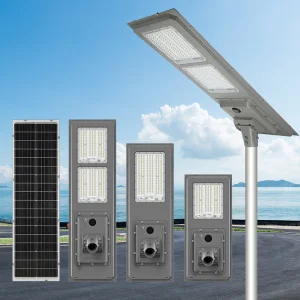
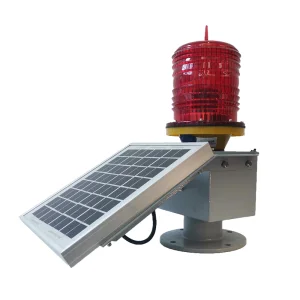
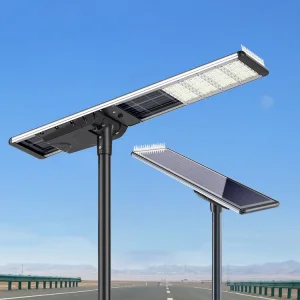
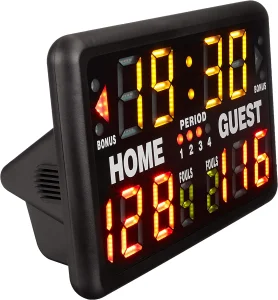
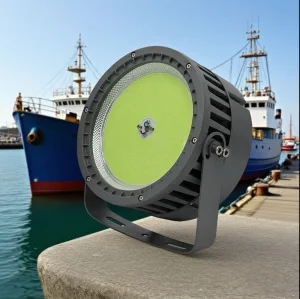
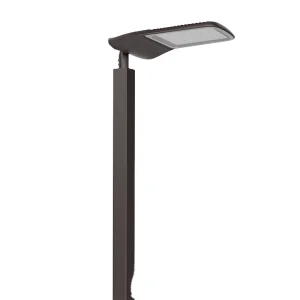
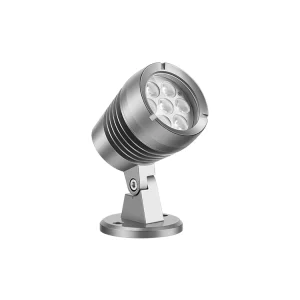
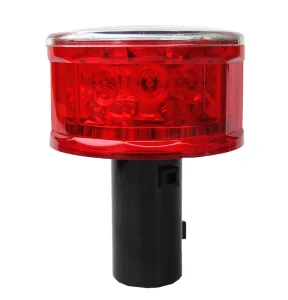
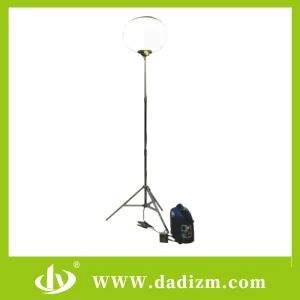
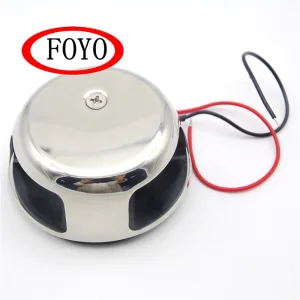
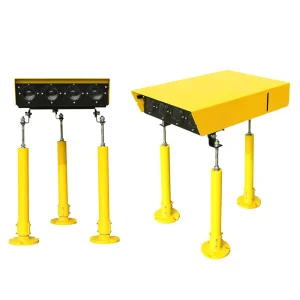
Featured High-Performance Industrial & Specialized Luminaires (Batch II)
 Lukas Lighting