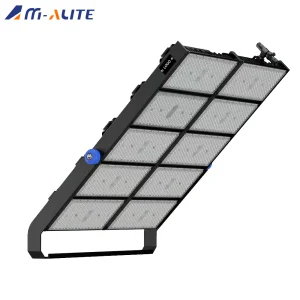
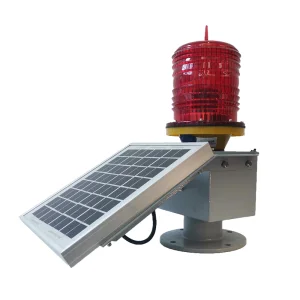
High-performance luminaires and control nodes designed for global commercial, municipal, and industrial applications.
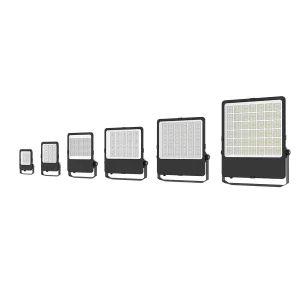
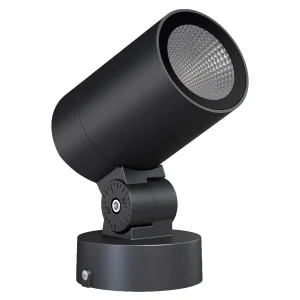
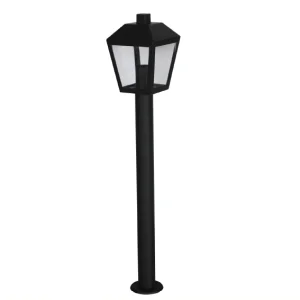
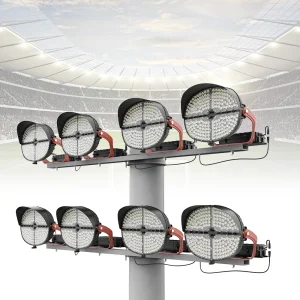
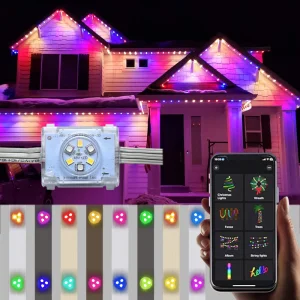
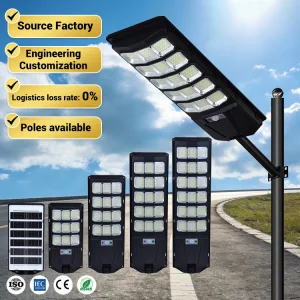
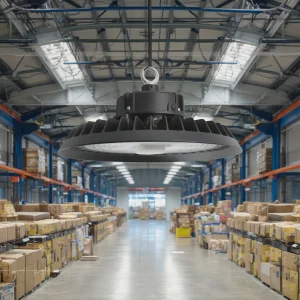
Modern public works and urban developments require lighting infrastructure that transcends traditional structural limits. As municipal corporations and global engineering consortia target Net-Zero emissions, the mandate for roadway illumination has evolved from basic lumen delivery to intelligent energy management, optical precision, and structural endurance.
At Jiangsu Lukas Lighting Co., Ltd., we serve as a premier OEM/ODM strategic partner for international importers, civil contractors, and electrical distributors. Established in 1998, we offer comprehensive engineering services that convert complex photometrical layouts and performance criteria into highly efficient, scalable manufacturing programs. Operating from our advanced, vertically integrated facilities in Jiangsu, China, we ensure all outdoor luminaires, smart solar assemblies, and high-mast installations provide industry-leading lumens-per-watt efficiency while keeping maintenance cycles minimal.
“Modern roadway lighting is no longer just a passive utility. It forms the spatial and electrical backbone of smart cities, requiring dynamic optical adaptability, IoT integration, and long-term durability in challenging outdoor environments.”
Founded in 1998, Jiangsu Lukas Lighting Co., Ltd. was built on a commitment to innovation, quality, and environmental sustainability in the outdoor lighting sector. Over more than two decades, the company has transitioned from a localized component developer into a comprehensive manufacturer specializing in smart, energy-efficient street lighting and architectural lighting systems.
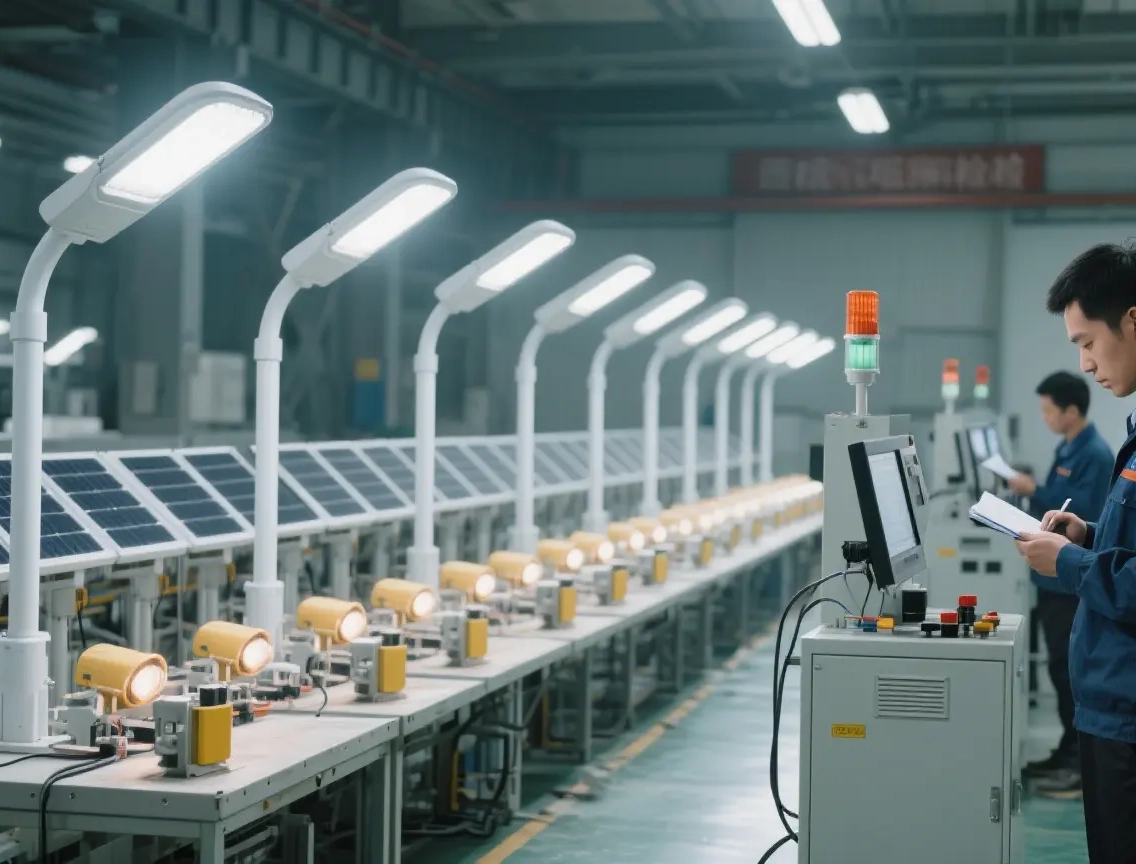
Our manufacturing facility spans over 11,000 square meters in Jiangsu, China, housing automated assembly lines, research labs, and photometric testing centers. By maintaining in-house control over mechanical, thermal, and optical designs, we provide tailored OEM/ODM solutions to meet the exact municipal specifications of clients in Europe, the Americas, Southeast Asia, and the Middle East.
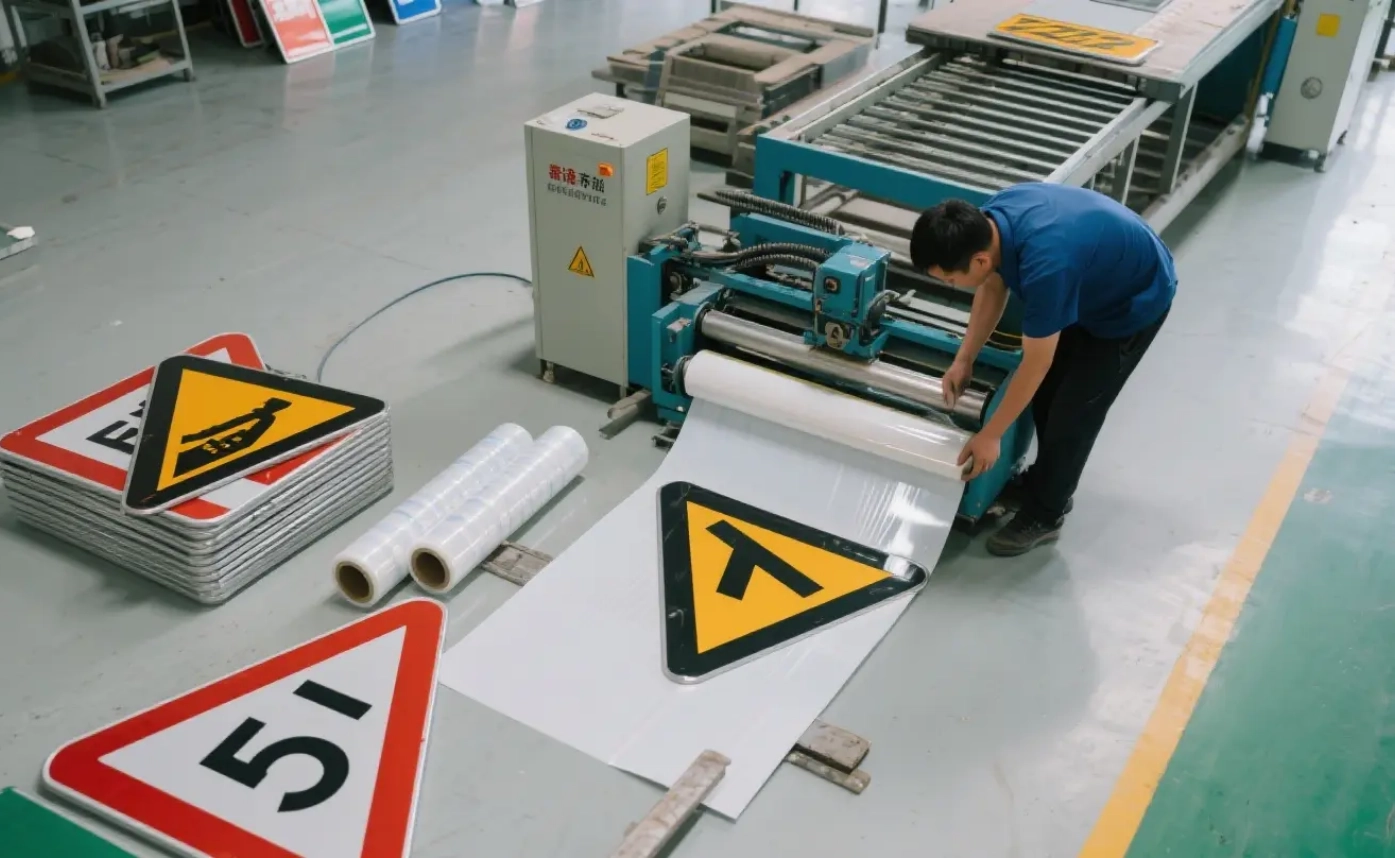
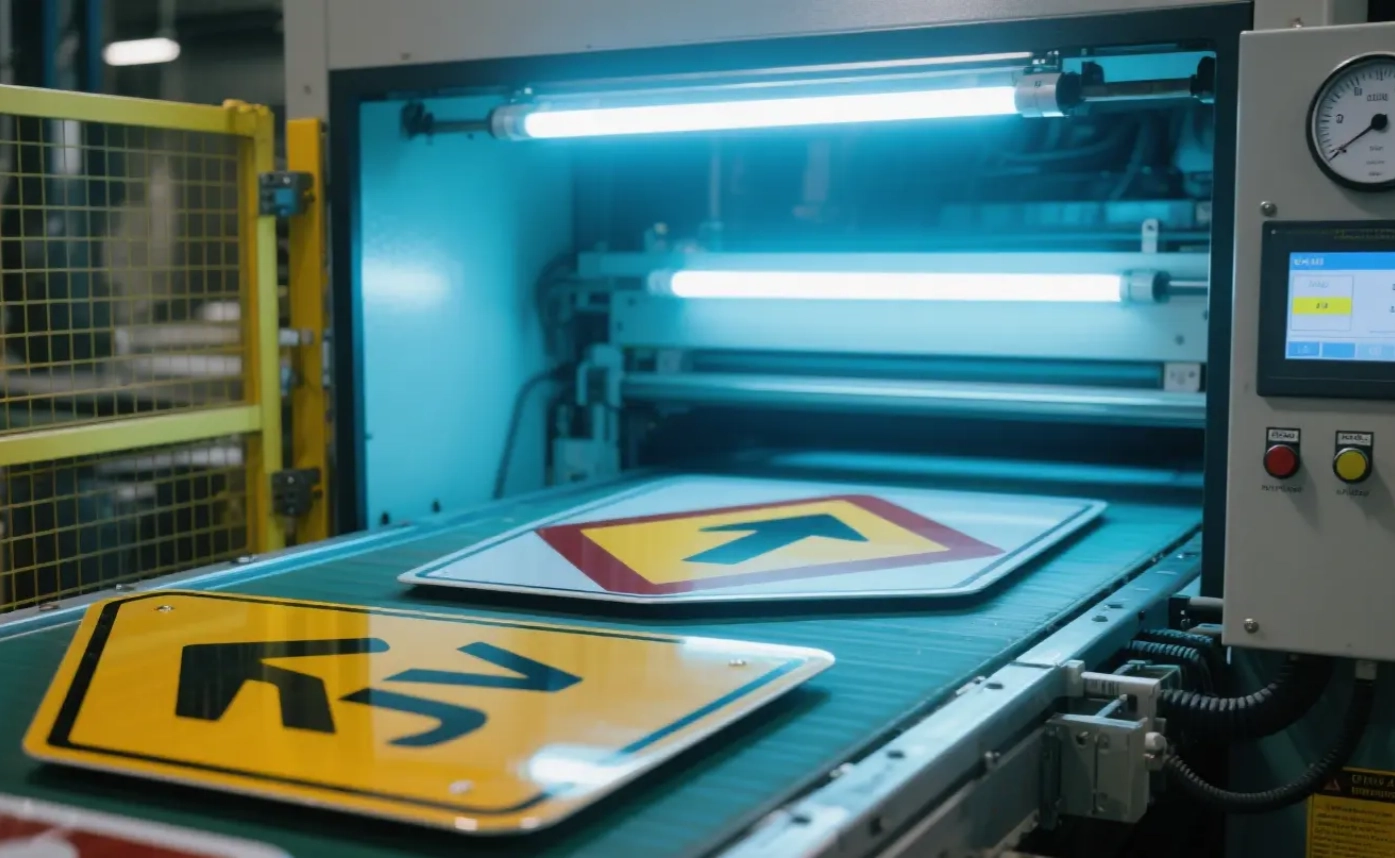
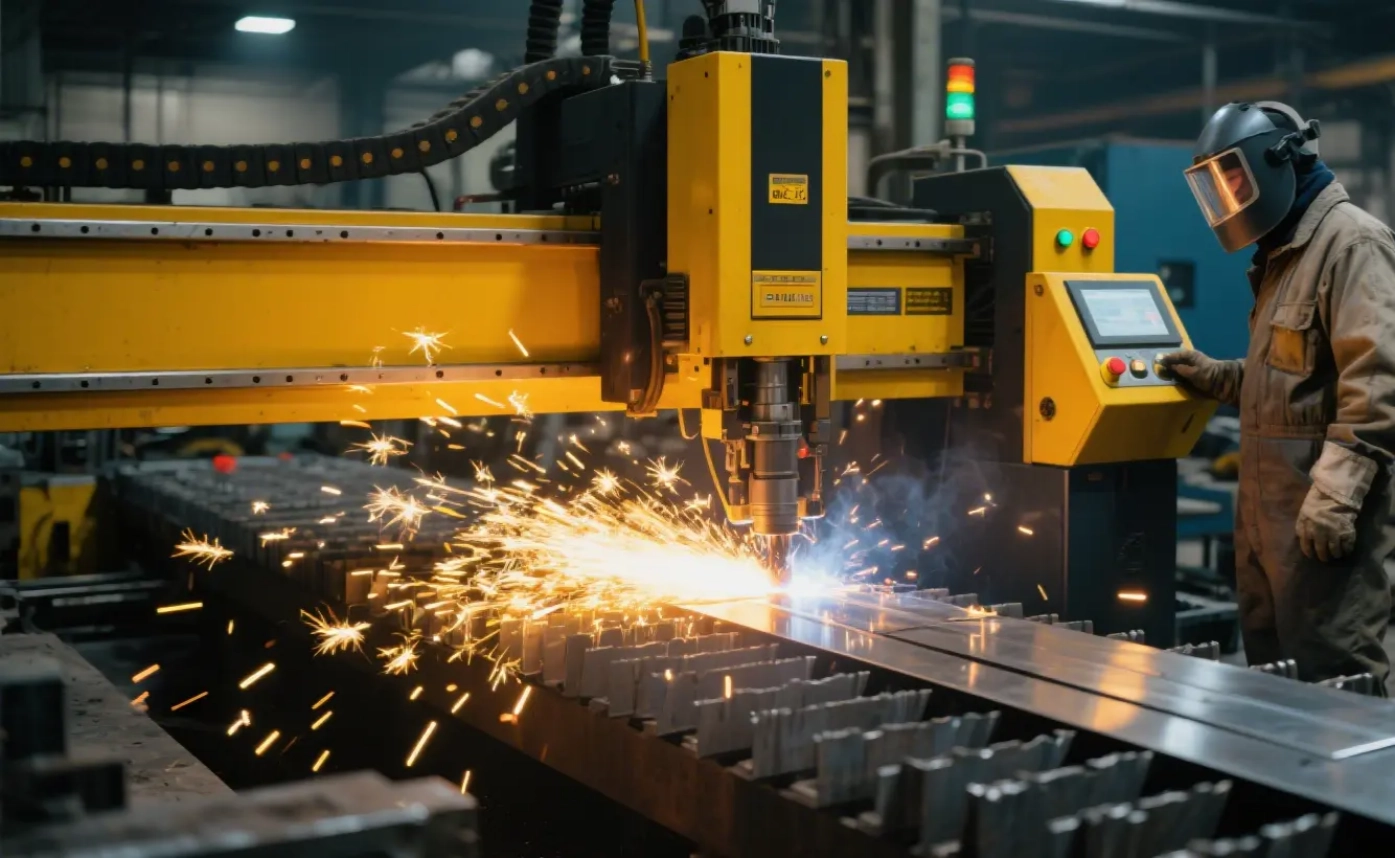
Our factory features advanced manufacturing and quality assurance equipment to guarantee product precision at scale:
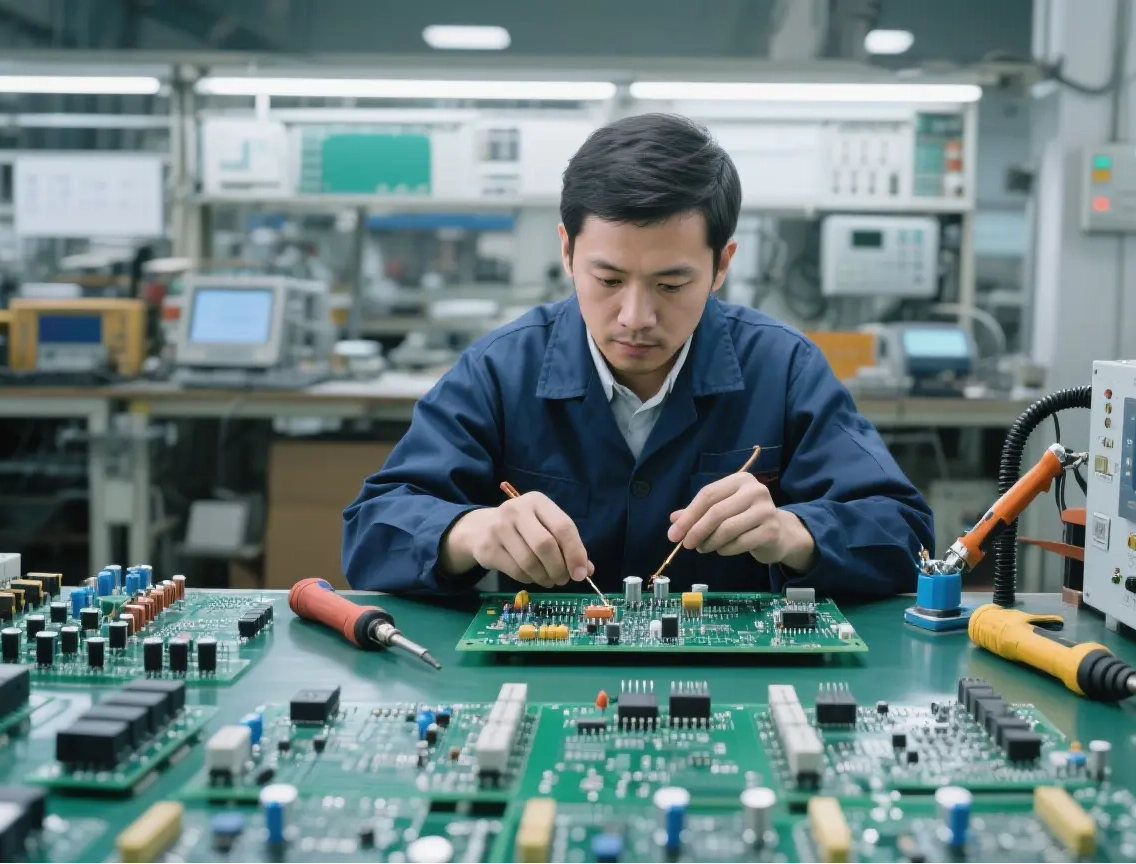
Equipped with high-speed surface-mount technology (SMT) lines to ensure precise placement of LEDs and driver components with minimal thermal resistance.
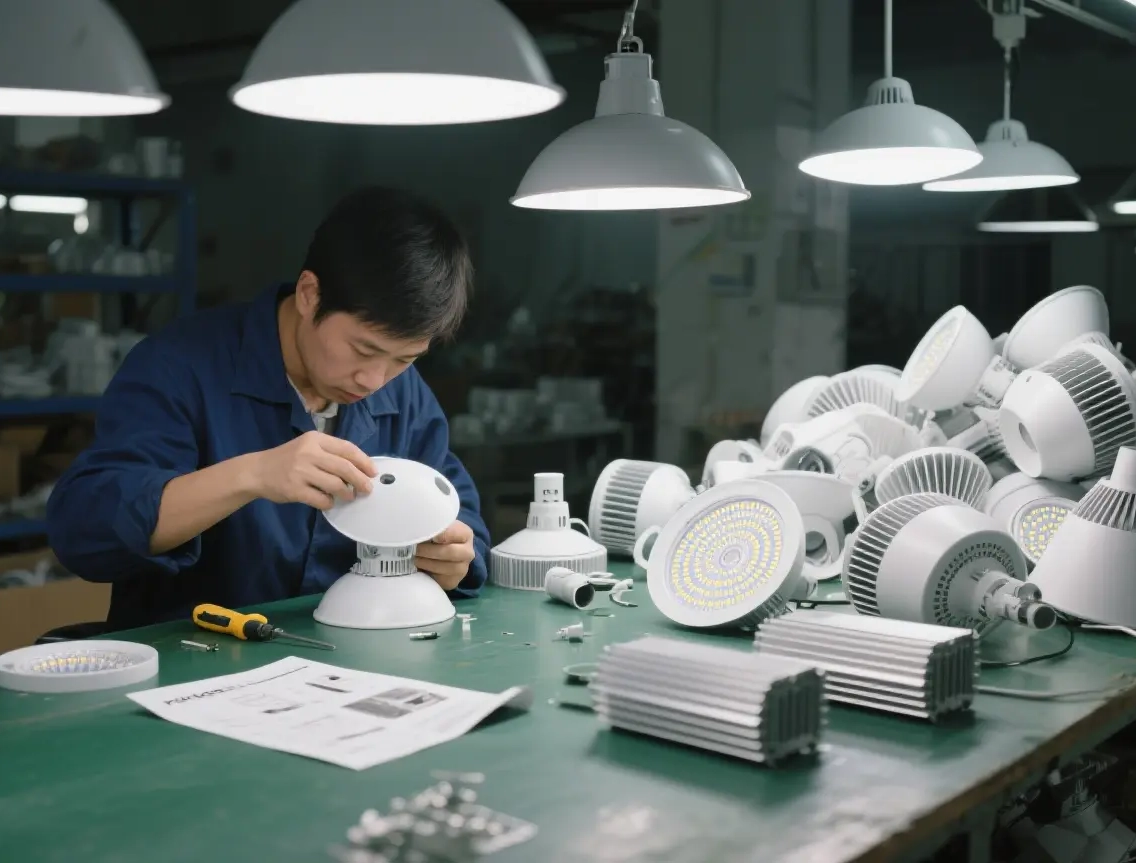
CNC laser cutting machines and high-pressure automatic die-casting units produce light enclosures with excellent mechanical strength and heat dissipation.
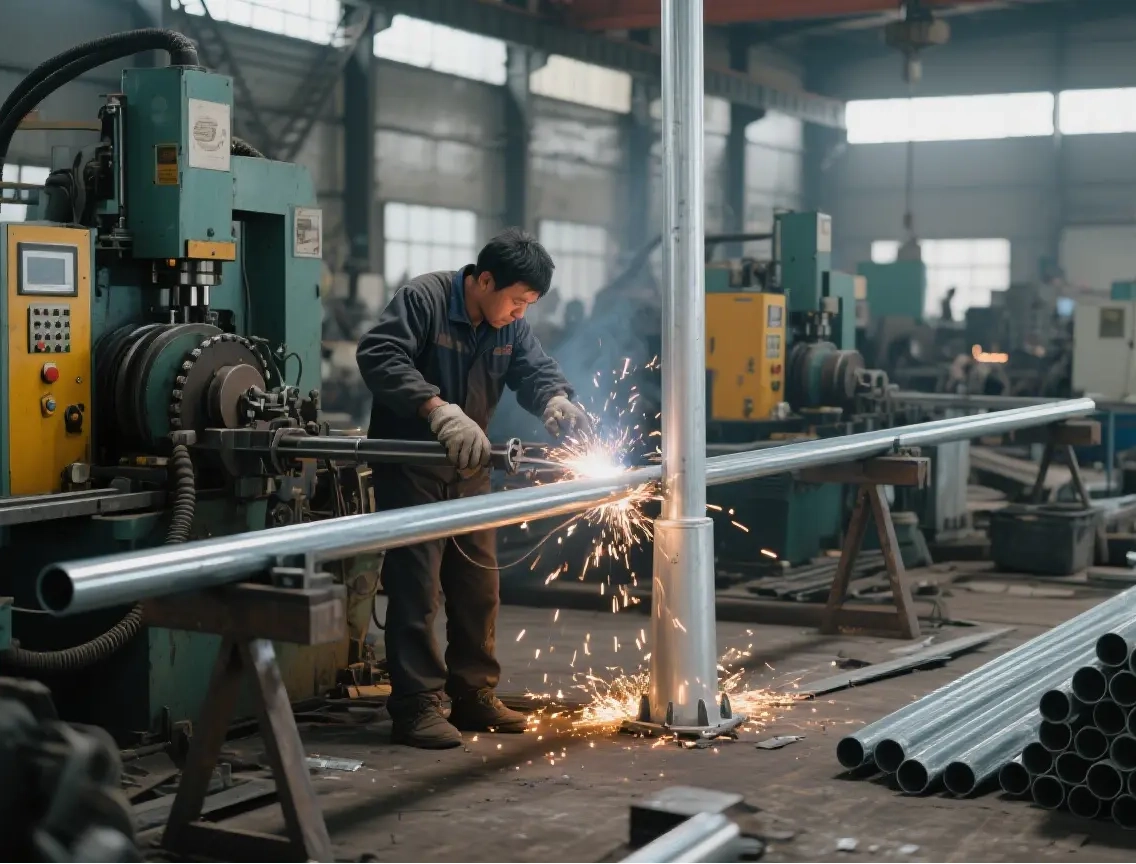
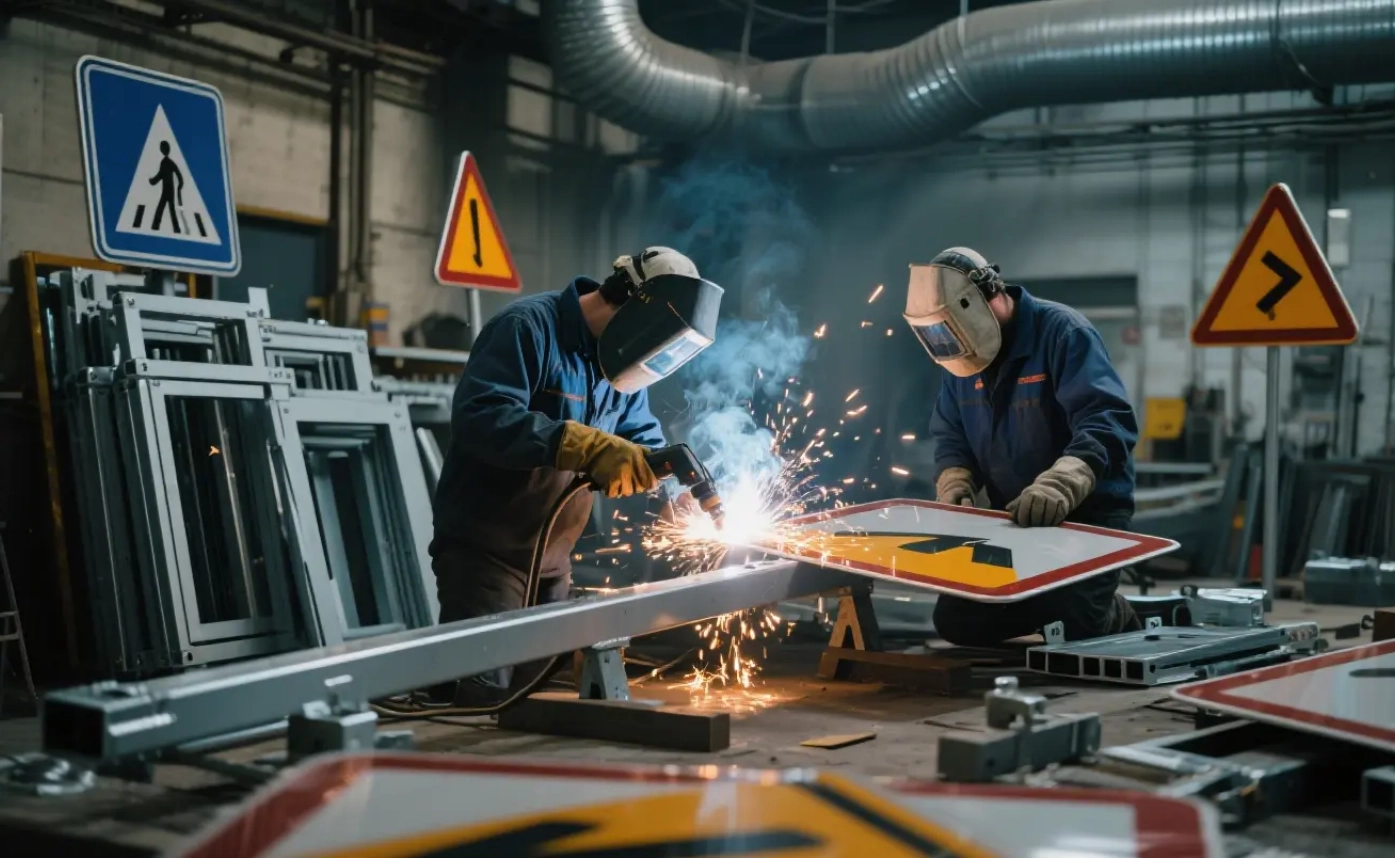
Robotic welding systems ensure consistent joinery, while automated powder coating lines apply weather-resistant coatings to protect against corrosion.
In-house integrating spheres, goniophotometers, and thermal chambers allow us to perform full IES profiling, IP rating validation, and stress testing.
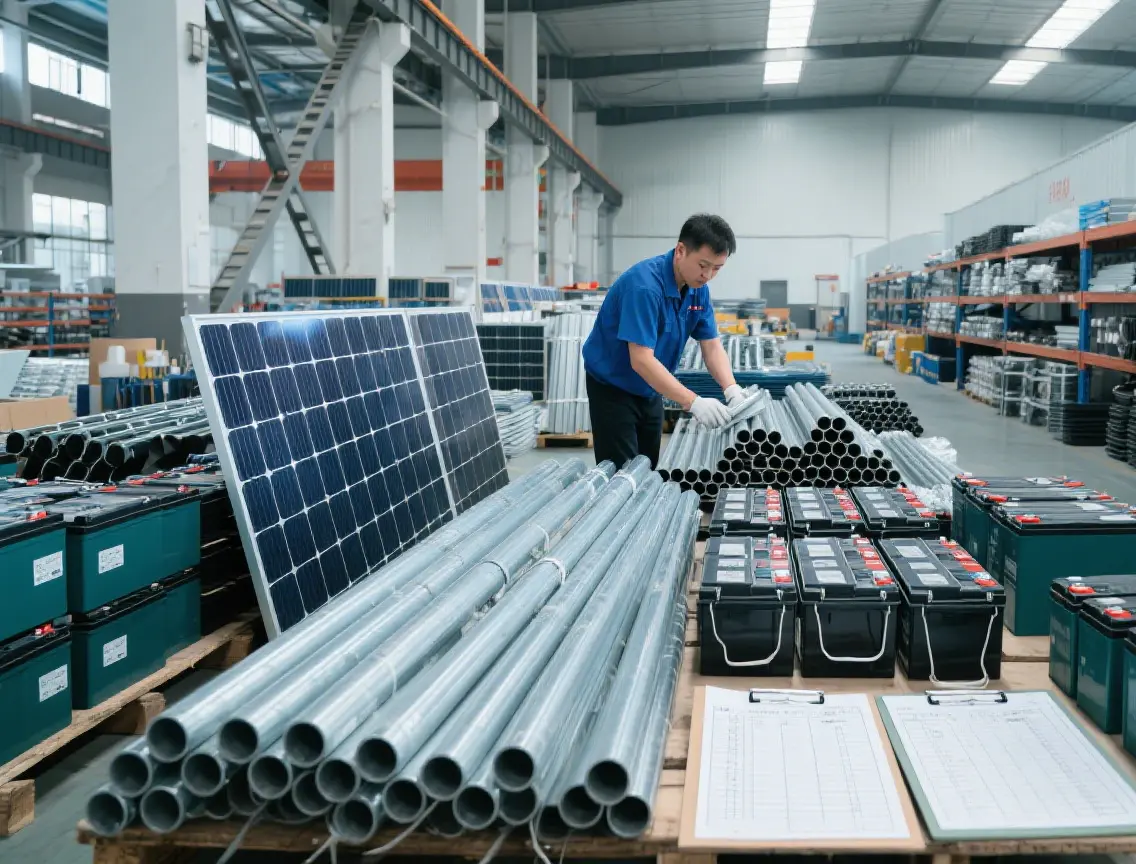
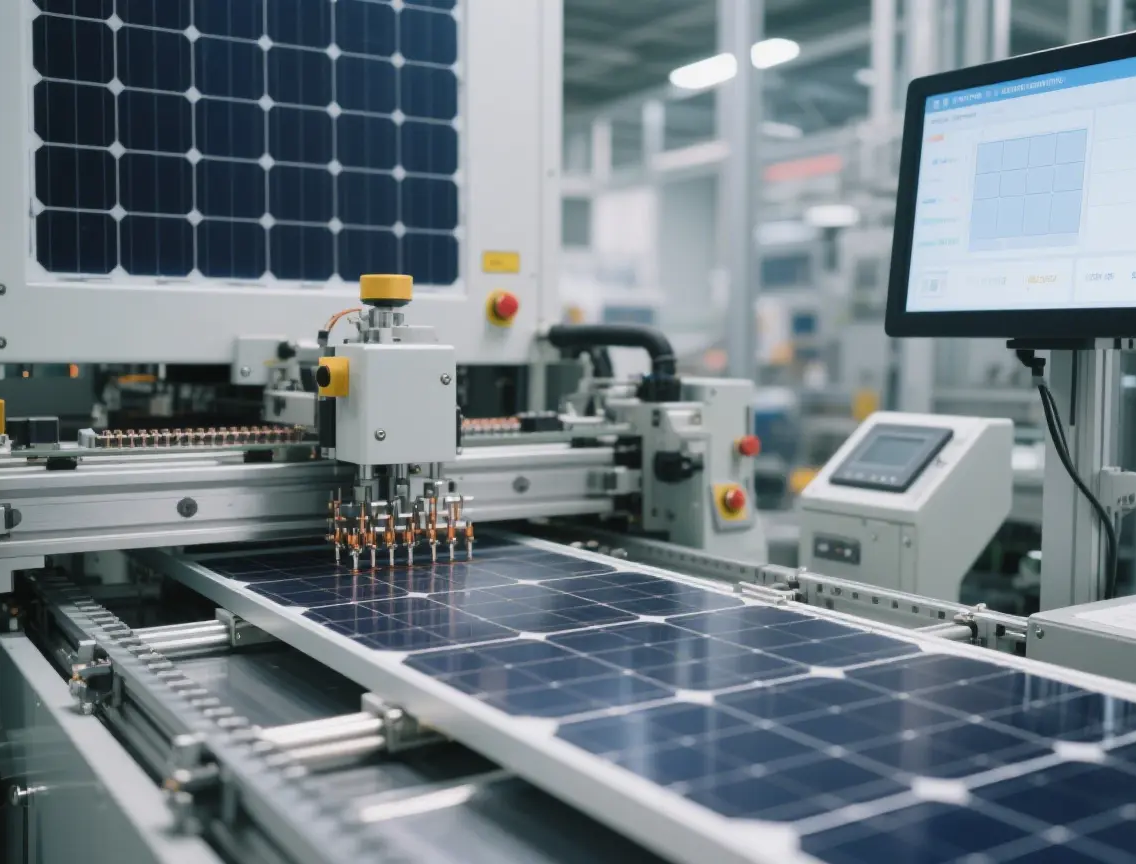
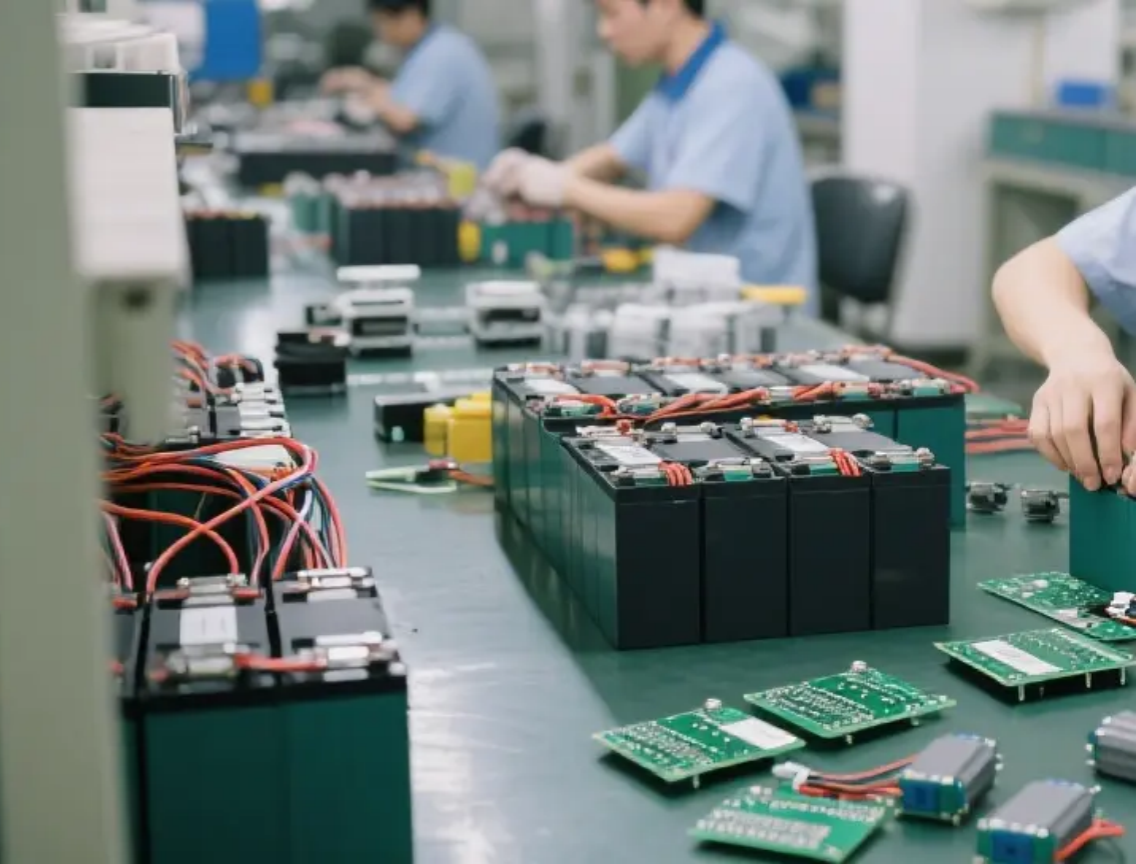
Roadway and public lighting systems are transitioning to serve as key access points for smart city technology. At Lukas Lighting, our research and development programs focus on four primary technological pillars:
Integrating IoT nodes via NEMA 7-pin and Zhaga Book 18 interfaces allows road lights to communicate dynamically with centralized management platforms. Using cellular (NB-IoT/LTE-M) or mesh networks (LoRaWAN), operators can adjust light levels based on real-time traffic volume, ambient weather conditions, and seasonal changes, reducing energy consumption by up to 40% compared to fixed-schedule LED layouts.
We are developing high-density LED arrays capable of reaching system efficacies of over 180 lm/W in warm color temperatures (3000K-4000K). This minimizes glare while maintaining the high Color Rendering Index (CRI) required for highway visibility. By pairing high-efficacy chips with reliable constant-current drivers, we achieve system lifetimes exceeding 100,000 hours (L90B10).
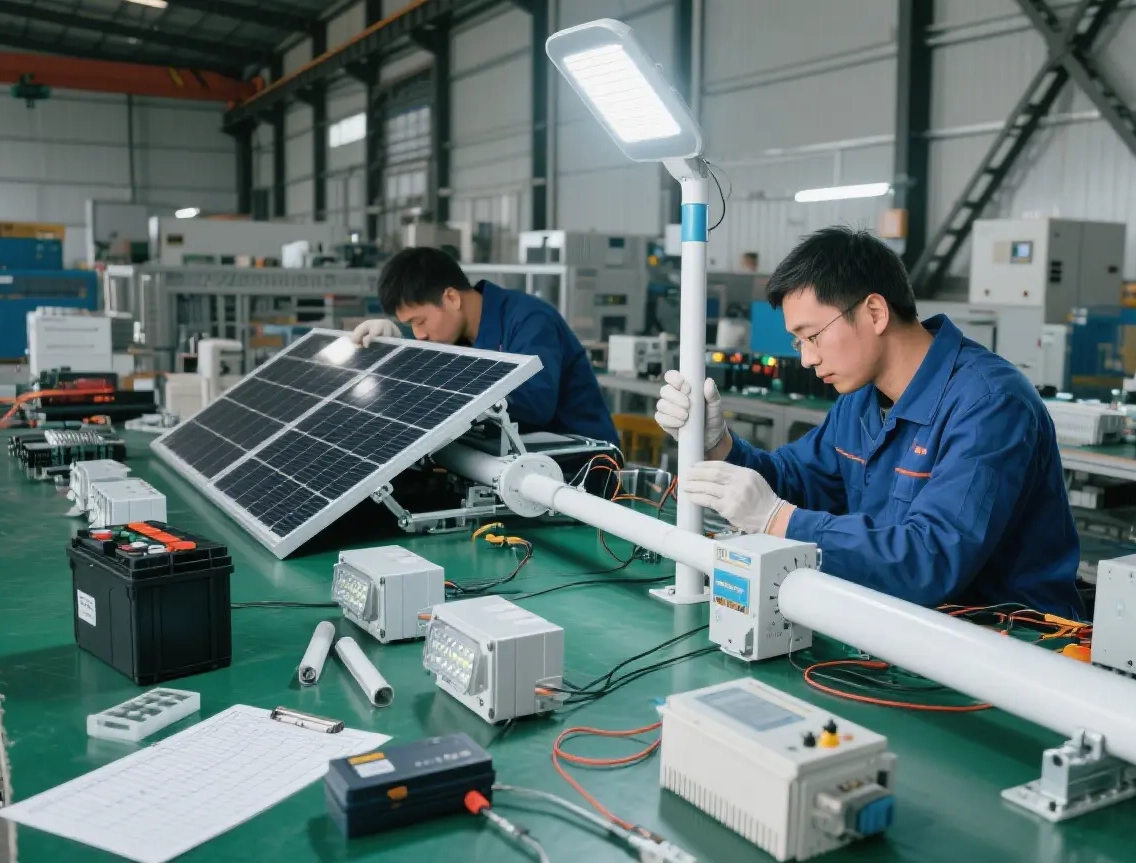
To meet the demand for carbon-neutral infrastructure, we design off-grid and utility-hybrid solar street lights. These systems use monocrystalline silicon panels with efficiencies above 22%, combined with Lithium Iron Phosphate (LiFePO4) battery systems and MPPT controllers. This design ensures reliable operation even during extended periods of overcast weather.
Our precision optical lenses deliver light only where it is needed, minimizing skyglow and light spill. We offer custom Type I, II, III, IV, and V light distributions to meet standard municipal specifications, reducing glare for drivers and preserving natural night sky conditions for local ecosystems.
We provide a structured engineering process that translates our clients' requirements into field-ready products. Whether you need a modification of an existing luminaire or a new custom housing design, our engineers guide each project through five key stages:
Our engineers use DIALux and AGi32 software to model road designs, ensuring the luminaire configurations meet regional luminance and uniformity standards.
We use SolidWorks Flow Simulation to optimize convective heat sink paths, keeping junction temperatures low to prevent early LED degradation.
Using 3D sand-casting and CNC tooling, we create functional metal samples within weeks for mechanical fit checks, optical testing, and ingress validation.
Luminaires are tested in-house for IP66 waterproof ingress, IK08-IK10 impact resistance, salt spray exposure, and surge protection up to 10kV/20kV.
Lukas Lighting designs systems to meet the unique mechanical and optical challenges of different installation environments:
Requires high lumens, precise glare control (UGR < 19), and robust surge protection to withstand voltage fluctuations on long electrical runs. Ideal for our high-power LED systems.
Focuses on color rendering and beam control to ensure pedestrian safety. These systems are often pre-wired with IoT smart nodes for centralized dimming controls.
Prioritizes warm color temperatures, architectural integration, and vandal-resistant housing (IK10) to create safe, welcoming public spaces.
Demands high reliability and specialized certifications, such as ICAO standards for aviation beacons, to ensure safety in critical industrial areas.
Navigating international safety and performance regulations is essential for successful infrastructure deployment. Lukas Lighting products are manufactured in compliance with international standards, helping simplify local approval and verification processes:
Additionally, our established relationships with international testing labs (TÜV, SGS, Intertek) allow us to expedite regional certifications (such as UL, DLC, SASO, or NOM) based on customer request.
Common technical questions regarding our OEM/ODM lighting manufacturing and engineering support:
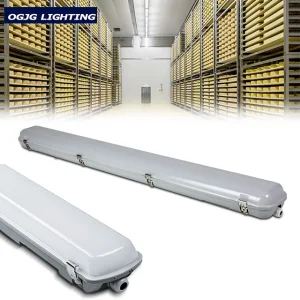
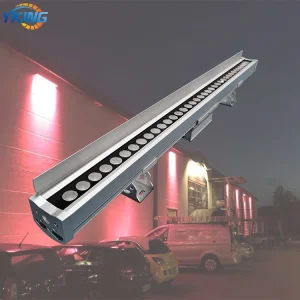
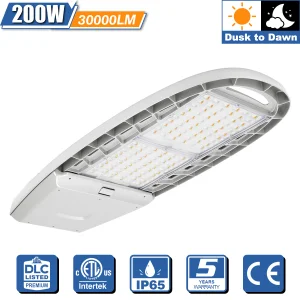
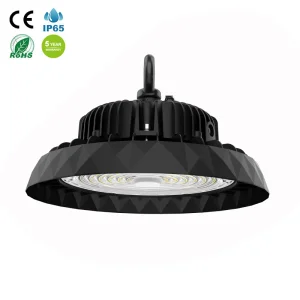
Explore our wider catalog, including high-bay lighting, specialized airport solutions, and high-performance floodlights.
 Lukas Lighting