Engineered for structural durability, optical efficiency, and aesthetic alignment in architectural projects worldwide.
Since 1998, Lukas Lighting has been at the forefront of municipal lighting innovation. With a robust 11,000 square meter production facility in Jiangsu, China, we operate as a specialized manufacturer delivering high-performance, energy-efficient decorative street lights, smart city poles, solar luminaires, and custom landscape installations.
Our operation is built on four core tenets: advanced mechanical engineering, optimal photometric design, digitalized quality assurance, and sustainable manufacturing practices. We serve infrastructure contractors, municipal planners, and engineering buyers in over 50 countries, facilitating projects that demand both structural integrity and architectural beauty.
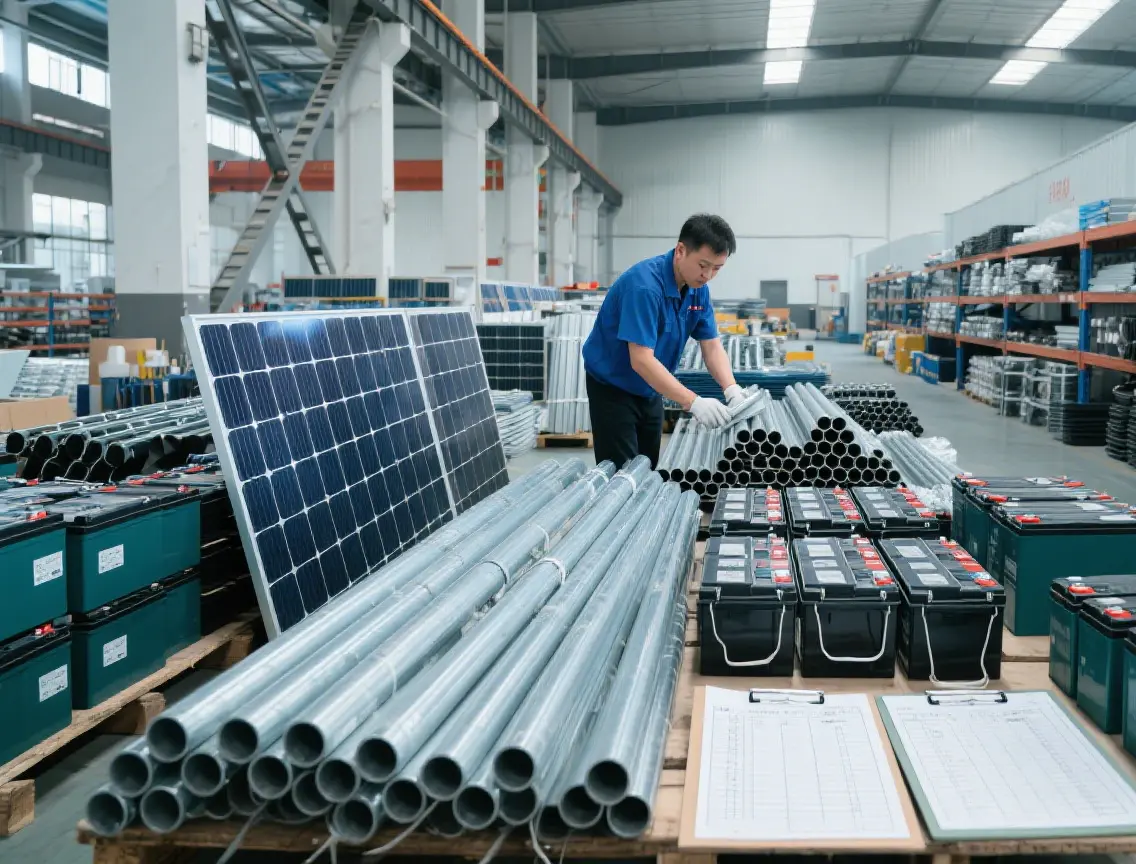
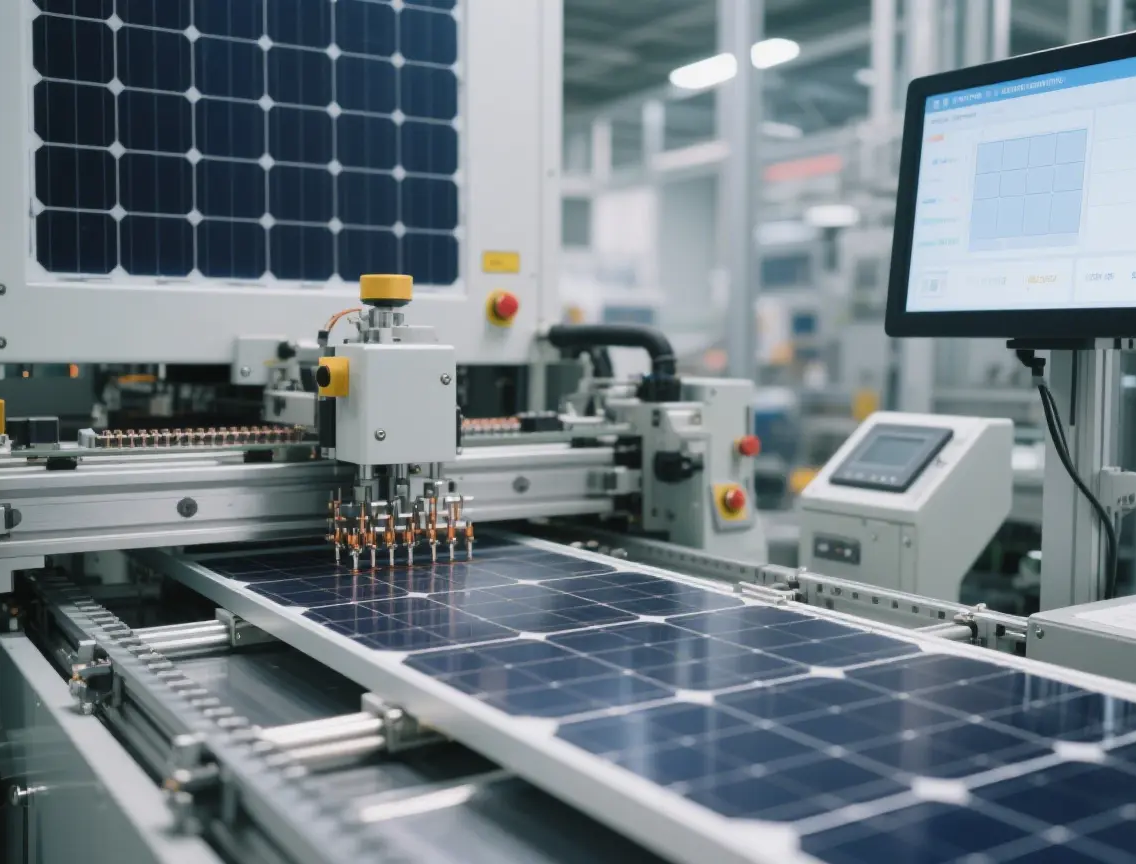
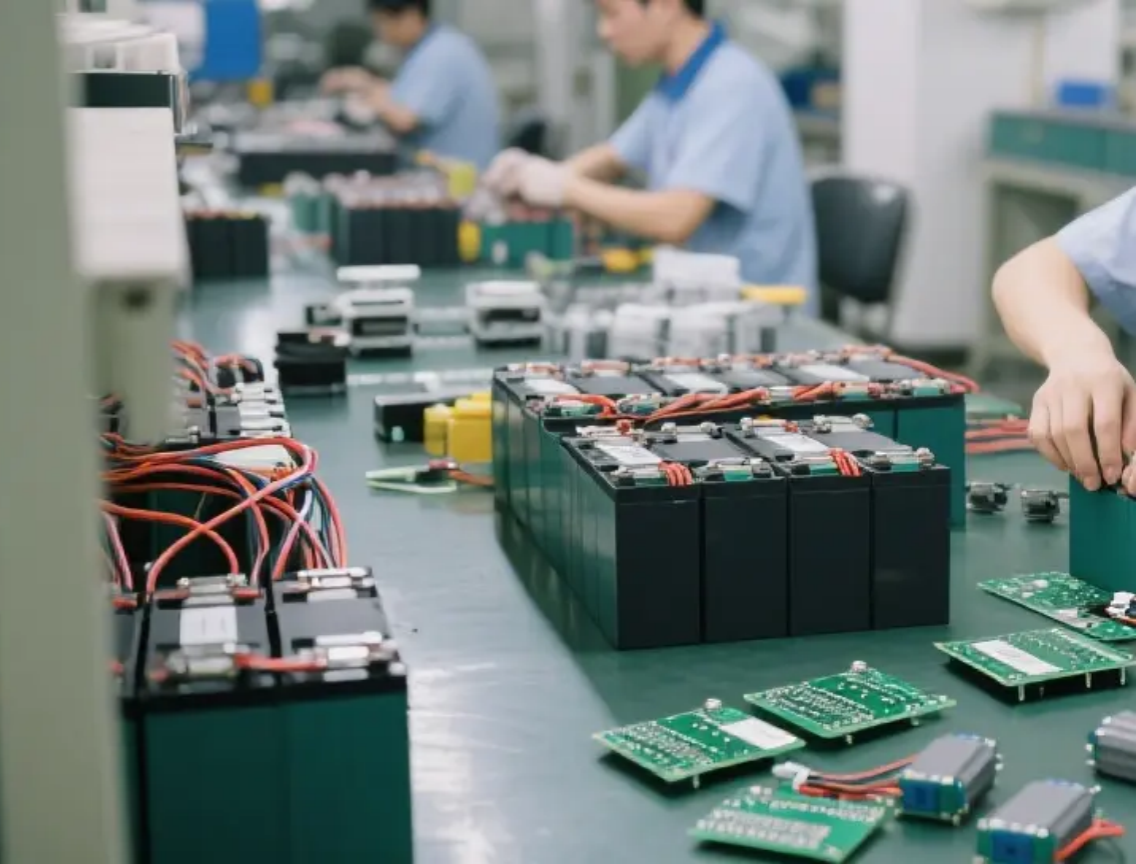
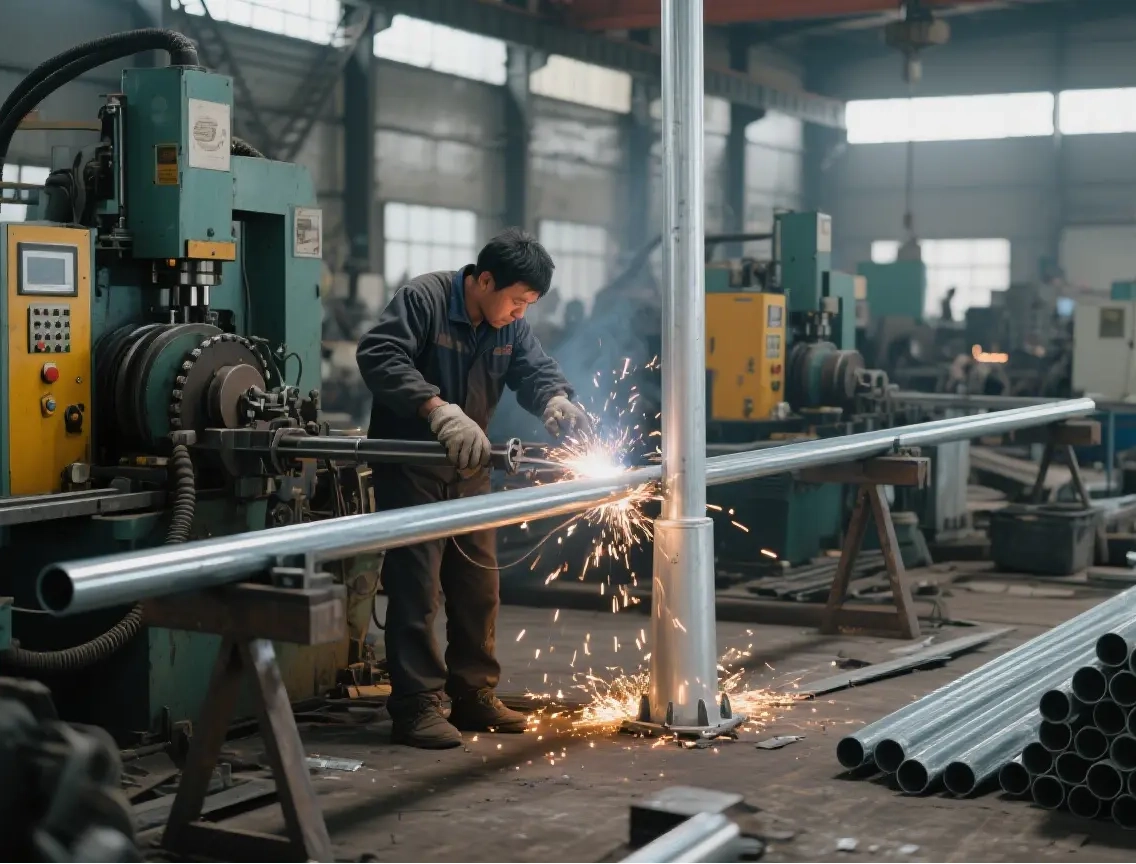
To achieve absolute batch consistency and long-term field stability in severe outdoor conditions, our factory relies on a comprehensive ecosystem of professional, automated production and testing machinery:
A look at the specific capabilities that position Lukas Lighting as a trusted OEM/ODM partner for global infrastructure projects.
Capable of processing high-volume municipal orders while simultaneously scheduling custom, low-volume architectural projects with minimum throughput friction.
Operates strictly under ISO9001 protocols. Each structural component and electrical layout is optimized and backed by active design patents.
We provide full product cycle design, optical simulation, mold design, raw casting, and testing. This vertical chain ensures fast turnarounds and lower costs.
Supporting clean energy policies with highly integrated solar platforms, smart dimming systems, and standard NEMA-compliant IoT node connectors.
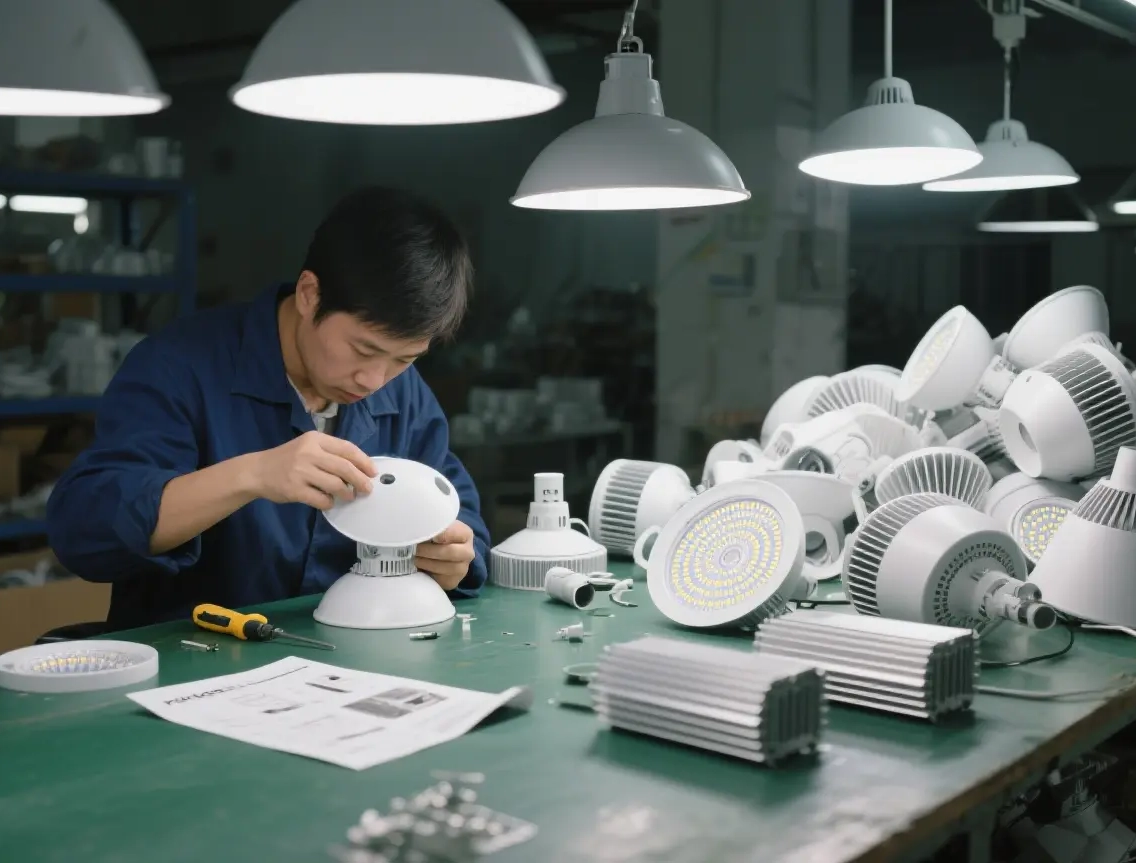
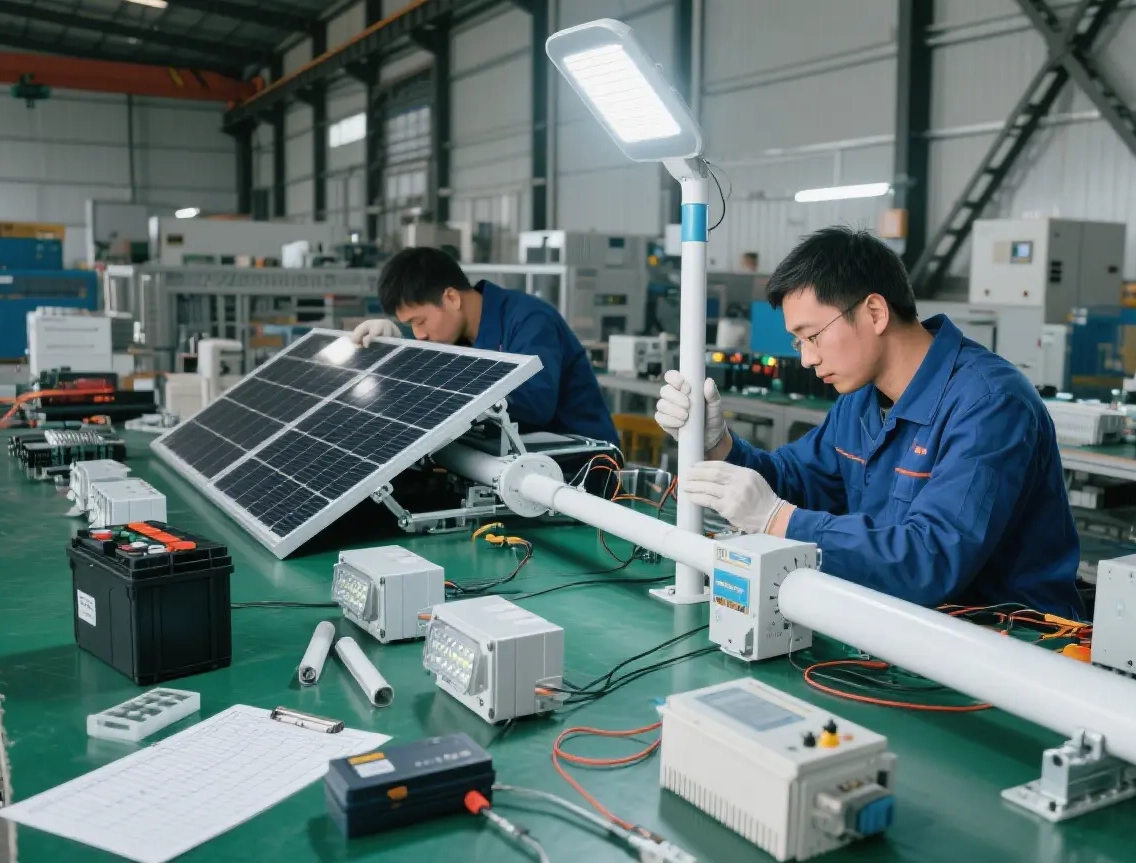
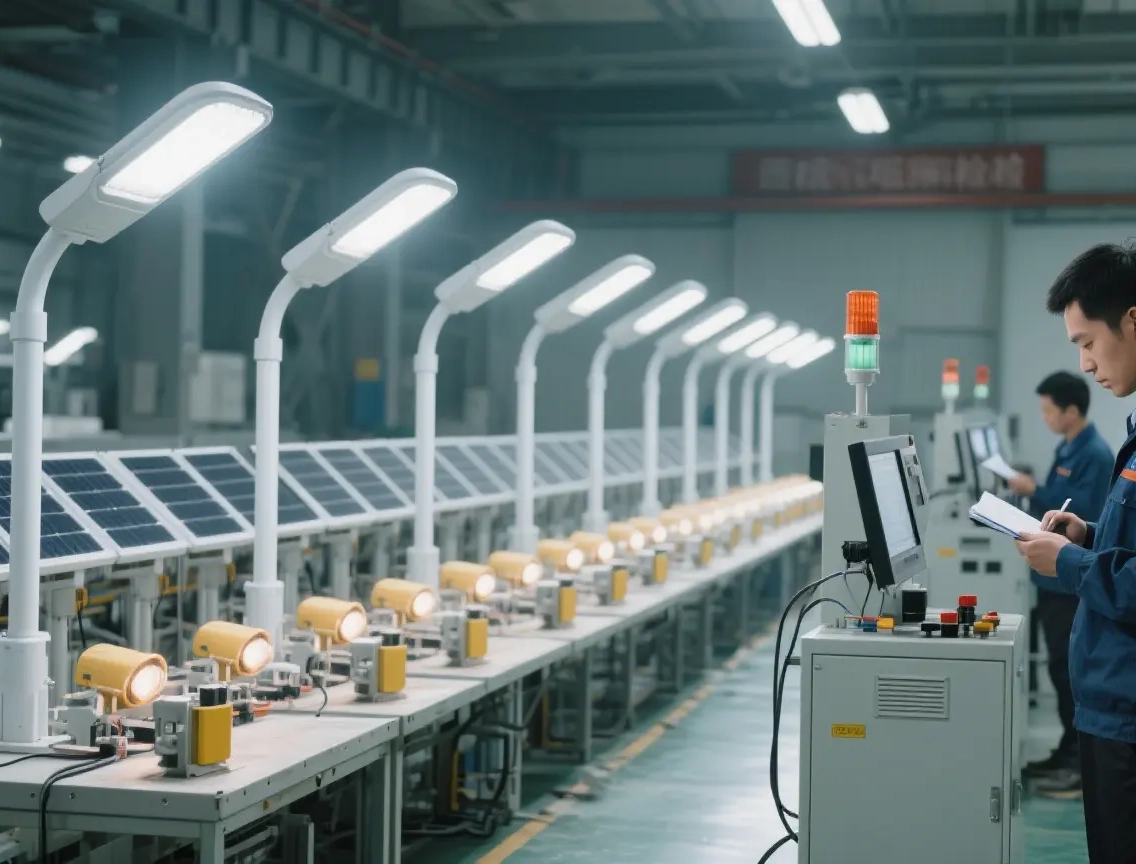
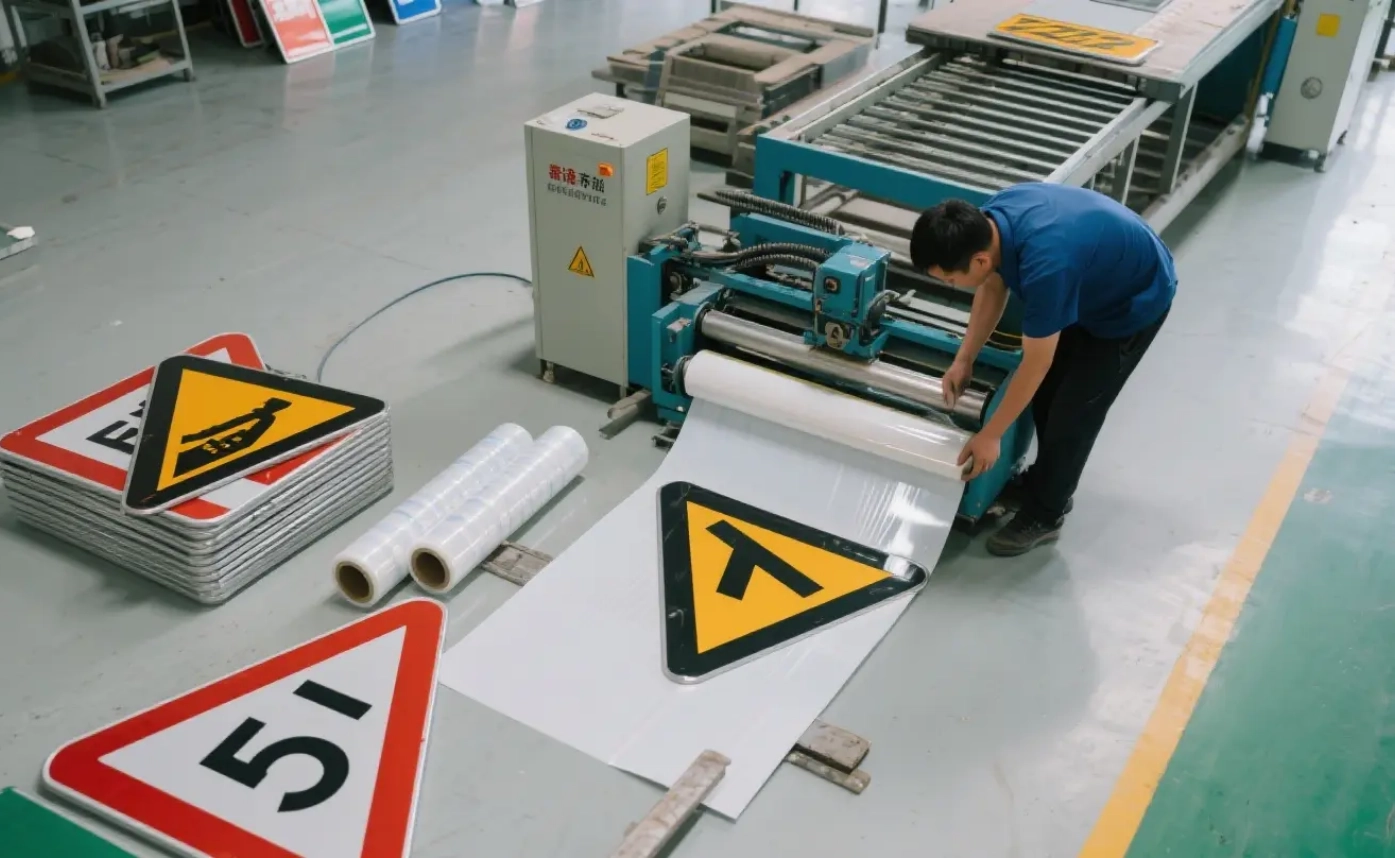
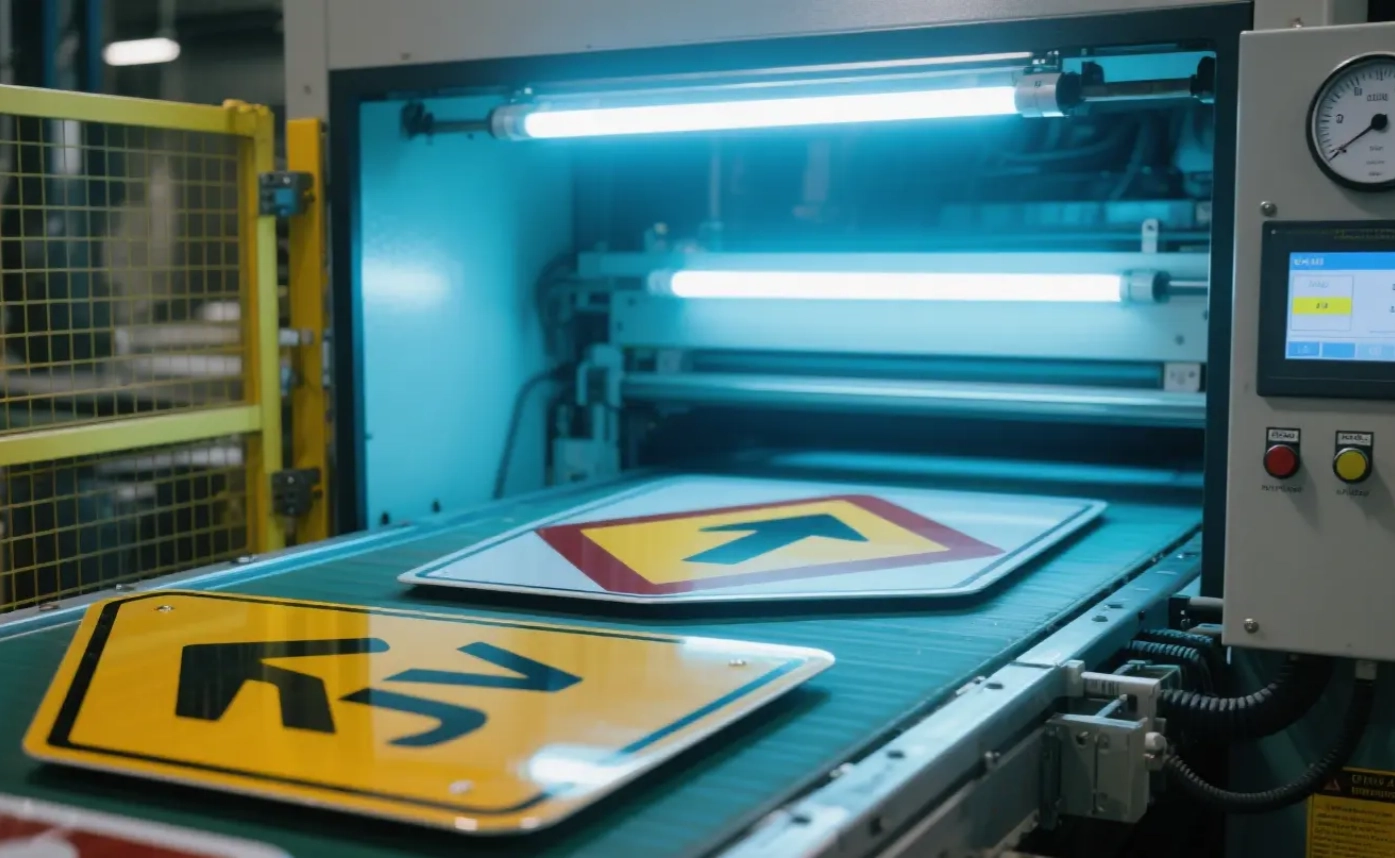
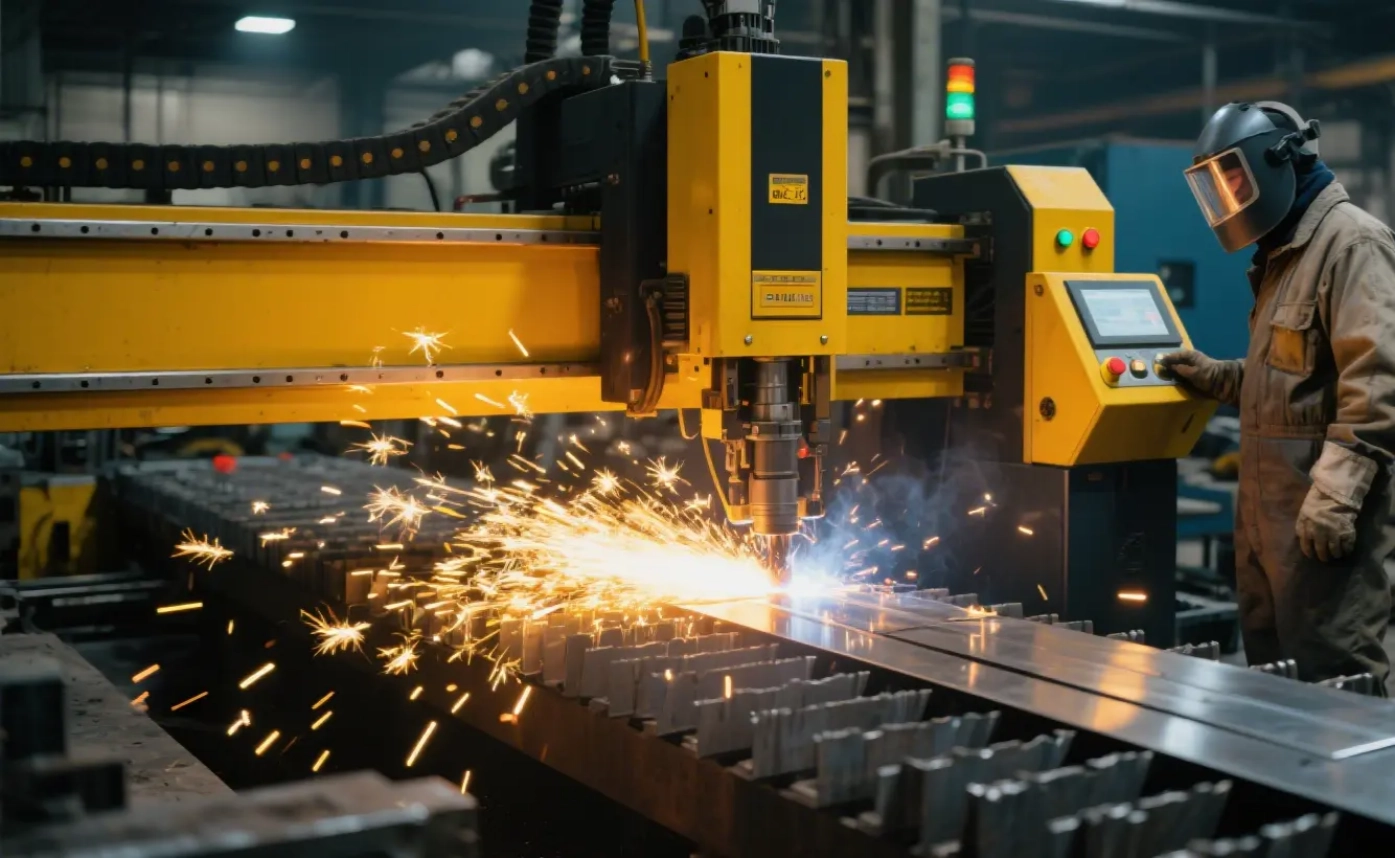
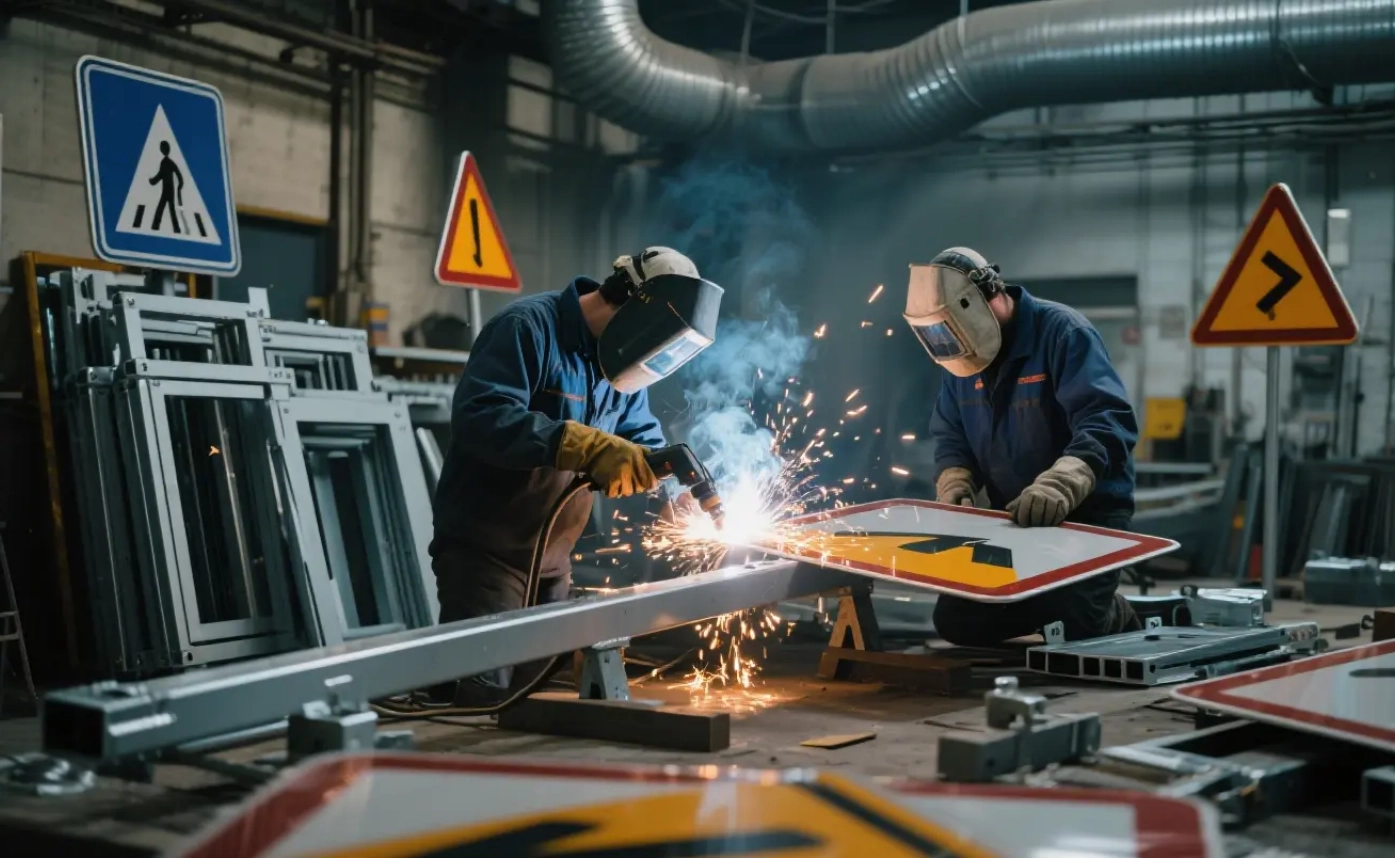
A transparent look inside our manufacturing processes, showcasing structural components fabrication, electronics assembly, and optical validation.

Expert insights on selecting, evaluating, and customizing street and architectural lighting infrastructure for municipal and enterprise projects.
Modern decorative lighting is not just functional; it reinforces urban identity. Our engineering team assists urban planners in balancing lux requirements with period-specific and ultra-modern spatial designs, utilizing customized CAD/BIM model matching.
We deploy NEMA (7-pin) and Zhaga-compliant bases, enabling seamless communication with regional SCADA networks. Our systems support light dimming protocols (0-10V, DALI-2), integrated security cameras, and environmental monitoring nodes.
From coastal saline air (requiring C5-M grade marine coatings) to extreme temperature spikes, our fixtures undergo rigorous salt-fog testing and are built with tempered glass, silicone gaskets, and IP66/IP67 mechanical seals to maintain operational continuity.
Engineering teams must ensure that street lighting procurements comply with local safety, environmental, and performance mandates. At Lukas Lighting, we ensure each production run passes international test protocols:
For North America (UL, DLC), Europe (CE, RoHS, ENEC), and general international markets (CB, IECEE). This covers optical hazard evaluations, driver life span calculations, and mechanical safety factor evaluations.
We recommend IP66 for standard decorative street poles and IP67/IP68 for low-profile pathway elements. Impact ratings of IK08 to IK10 protect structural enclosures against severe physical impacts and vandalism.
Compliance with IESNA G-rating limits ensures glare is minimised. Color Rendering Index (CRI > 80, optionally > 90 for historic urban cores) ensures clear contrast and safe environments for motorists and pedestrians.
Structural calculations based on regional wind profiles (up to 45m/s or hurricane level ratings) are performed for all custom poles, arm configurations, and heavy decorative brackets before steel or cast aluminum fabrication begins.
A look at the key technologies that will shape municipal urban infrastructure over the next decade.
Integration of high-efficacy chip architectures (e.g., Lumileds 5050) combined with optimized ADC12 heat dissipation chambers to prolong driver and led board life to over L90B10 @ 100,000 hours.
Implementation of MPPT smart charge controllers featuring deep cycle management and smart dimming curves. This design allows luminaires to operate without utility power for up to 5-7 continuous rainy days.
Poles serve as the primary network hubs of smart cities. Interfacing street lights with traffic flow sensors, emergency call systems, EV chargers, and environmental stations utilizing open protocols (MQTT, LoRaWAN, Cellular).
Get professional, technical answers regarding decorative and municipal street lighting engineering, manufacturing, and shipping.
Engineered to provide high optical performance in commercial arenas, maritime environments, industrial zones, and sports facilities.
 Lukas Lighting