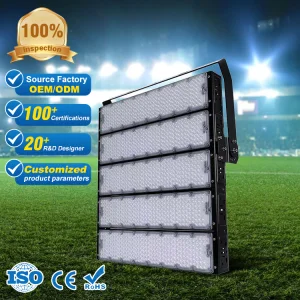
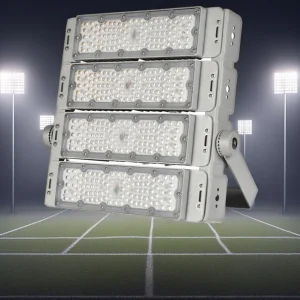
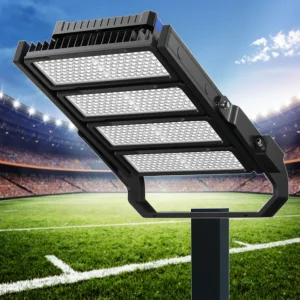
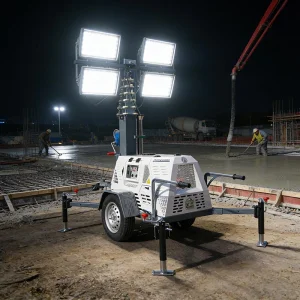
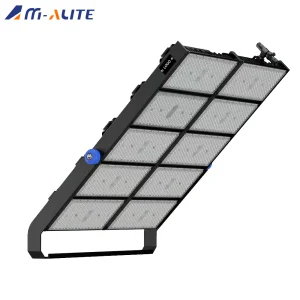
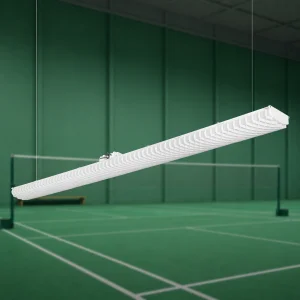
Engineered specifically for high humidity, marine corrosion resistance, and precise glare control in professional and recreational venues.
As the second-largest economy in Southeast Asia, Thailand is undergoing an unprecedented expansion in its sports infrastructure, driven by tourism growth, urbanization, and national physical fitness initiatives promoted by the Sports Authority of Thailand (SAT). The demand for high-quality sports field lighting has transitioned rapidly from traditional metal halide lamps to energy-efficient LED configurations.
From community football hubs in Bangkok and world-class championship golf courses in Pattaya to the surging expansion of outdoor Padel and tennis courts in tourist hotspots like Phuket and Koh Samui, high-grade architectural and functional sports lighting has become essential. Venues require luminaires capable of withstand severe tropical downpours and fluctuating local grid conditions.
Deploying lighting systems in Southeast Asia requires careful planning around three main environmental factors:
Extended operation in high heat can trigger early driver failures. Lukas LED lights feature built-in pure aluminum heatsinks to maintain junction temperatures below 75°C.
Severe tropical storms generate horizontal wind-driven rain. Double-silicone waterproof seals and breathers prevent internal condensation.
Voltage fluctuations in regional areas can damage sensitive electronics. Class-leading surge protection devices (SPDs up to 20kV) isolate the main driver from grid spikes.
Balancing localized technical compliance with high-efficiency direct procurement from certified manufacturer ecosystems.
Importing structural luminaires into Thailand requires compliance with TIS 1955-2551 (electromagnetic compatibility limits) and TIS 902-2532 (safety requirements for general-purpose luminaires). Directly sourcing pre-certified components accelerates project approval cycles for contractors.
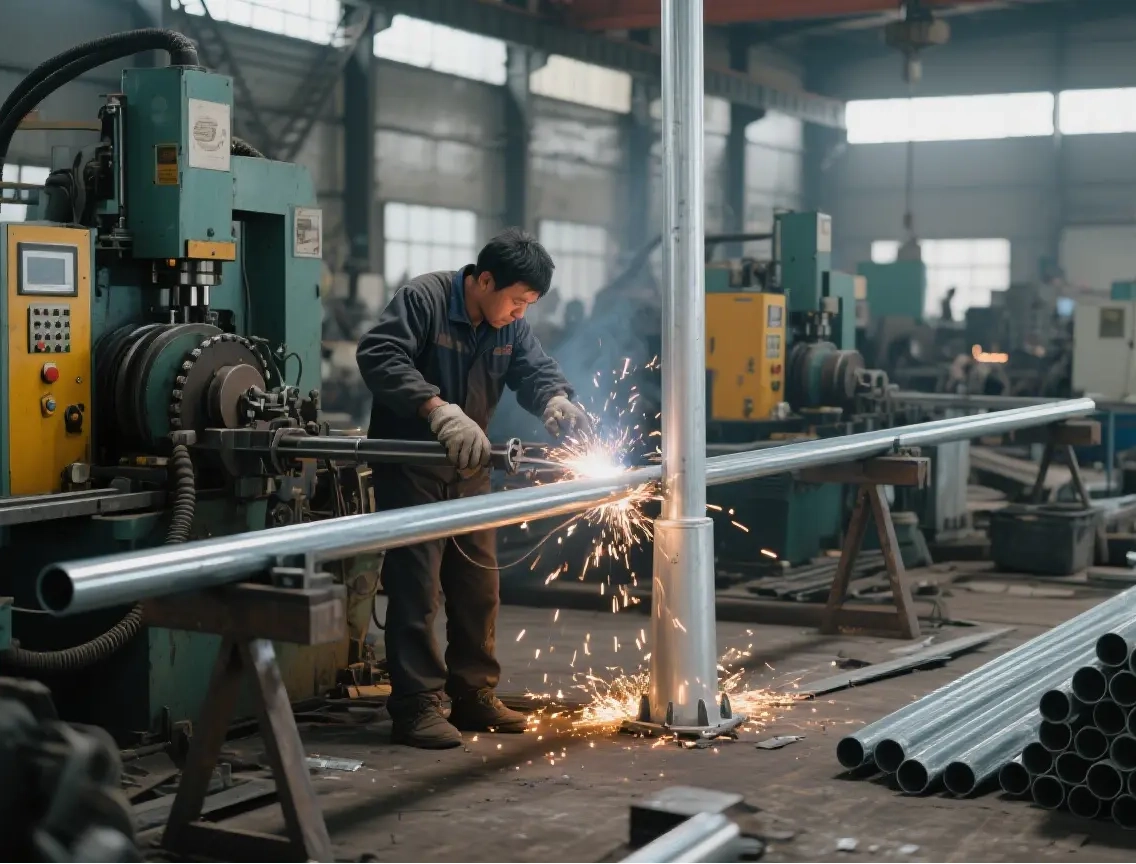
Southern Thailand's peninsular regions frequently endure severe high-wind conditions. Sports field light poles must pass comprehensive mechanical testing, incorporating heavy-duty hot-dip galvanization and structural calculation approvals for winds up to 50 m/s.
Procuring LED solutions directly from Chinese manufacturing bases utilizes the China-ASEAN Free Trade Agreement (Form E). This reduces import duties on lighting fixtures to 0% in many categories, maximizing budgetary allocation for premium specifications.
Jiangsu Lukas Lighting Co., Ltd. was established in 1998 with a strong commitment to innovation, quality, and sustainability in the outdoor lighting industry. Over more than two decades of development, the company has grown into a professional manufacturer specializing in intelligent and energy-efficient street lighting solutions.
With continuous investment in research and development, Lukas Lighting has expanded its product portfolio to include LED street lights, solar street lights, smart lighting systems, landscape lighting, and customized municipal lighting solutions. Our products are widely used in urban roads, highways, industrial parks, residential communities, and public infrastructure projects across global markets.
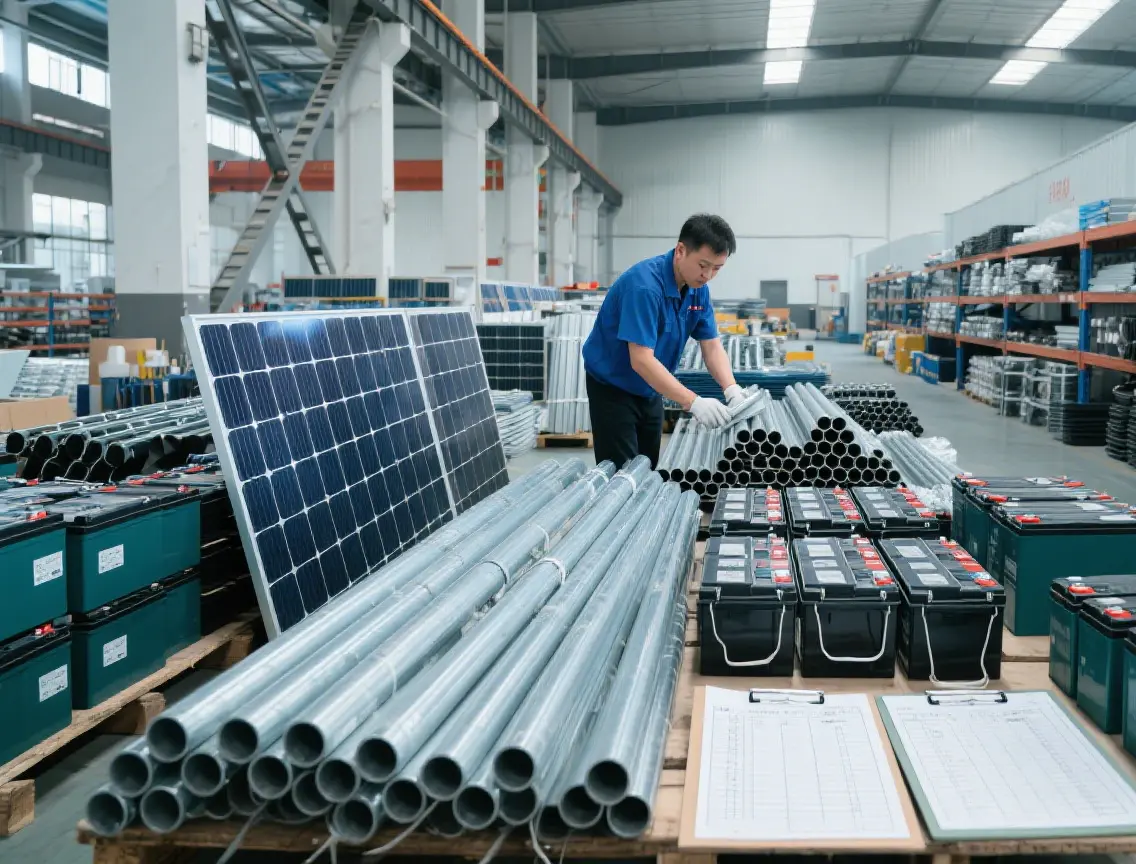
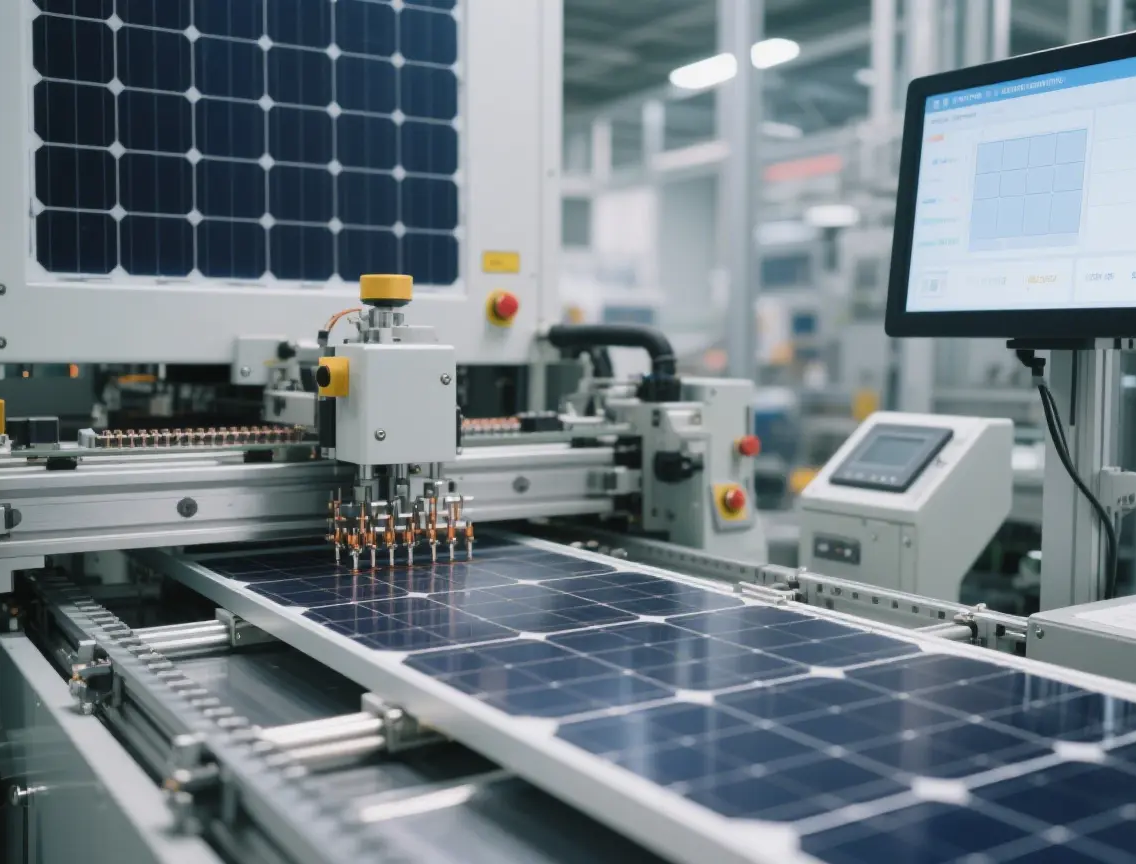
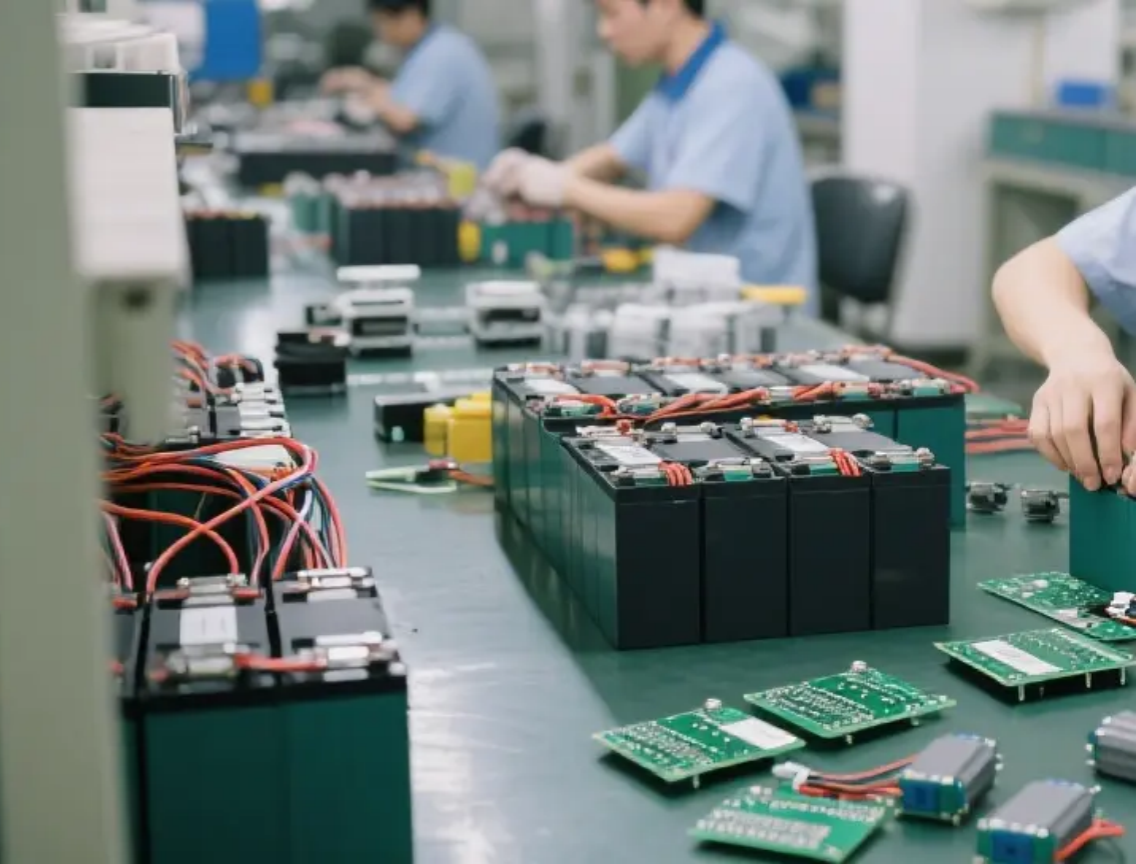
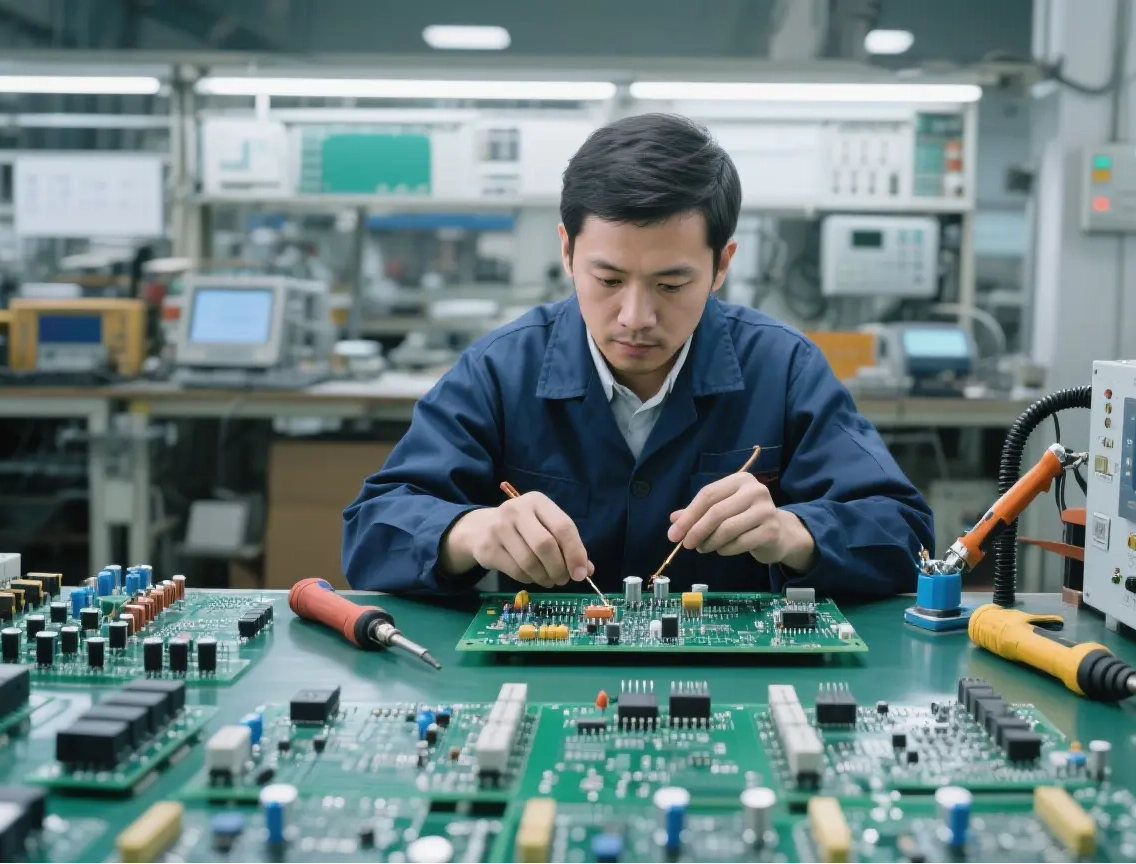
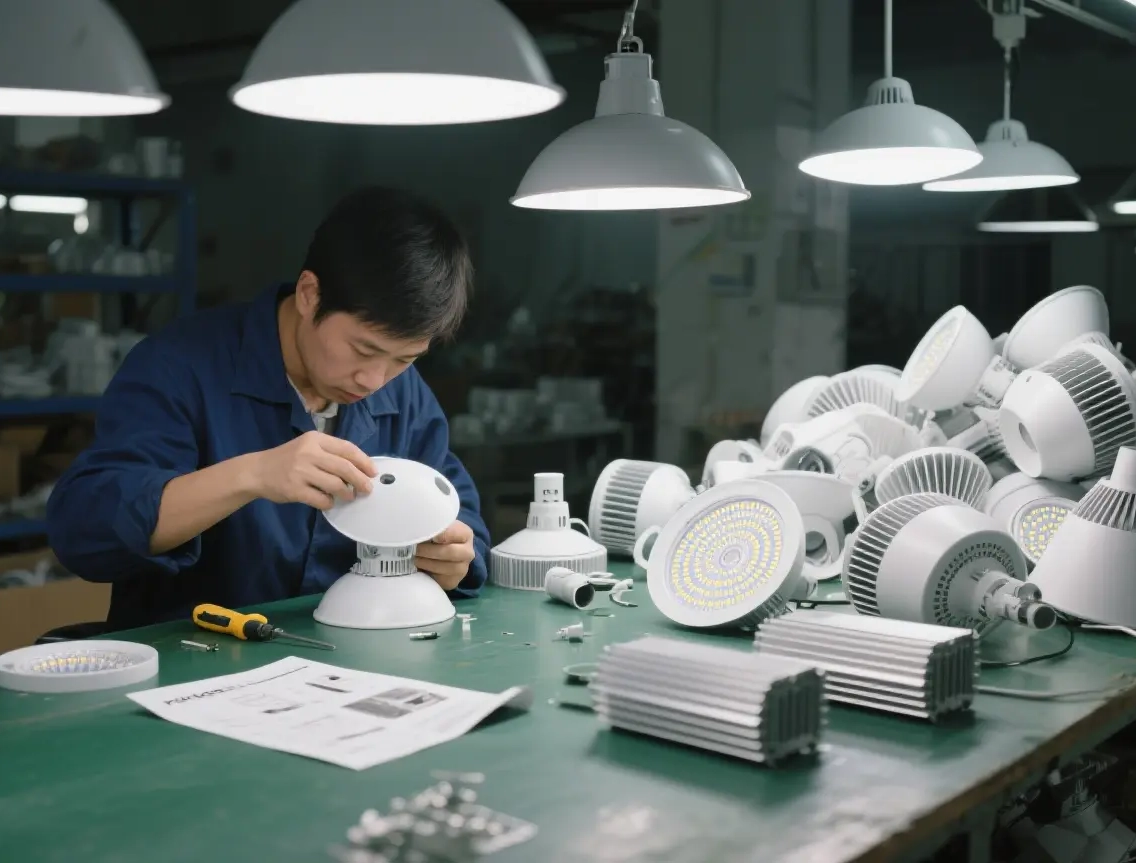
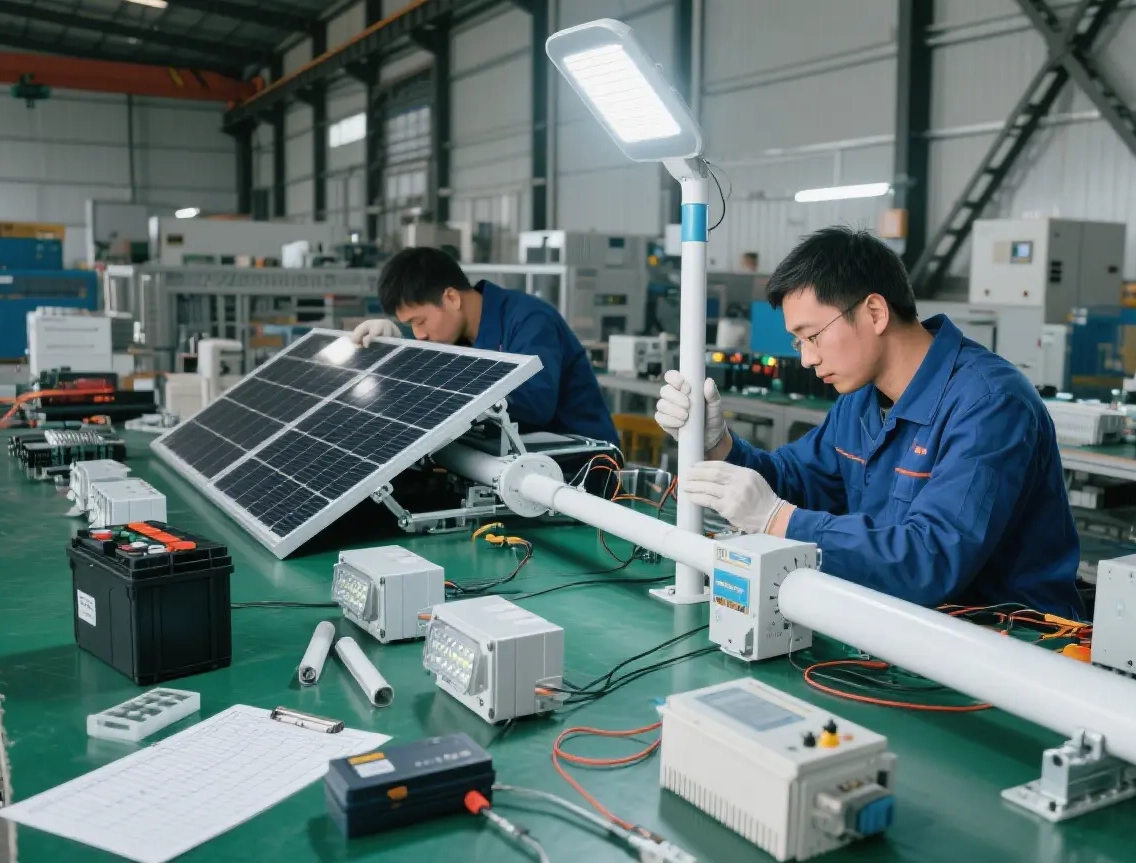
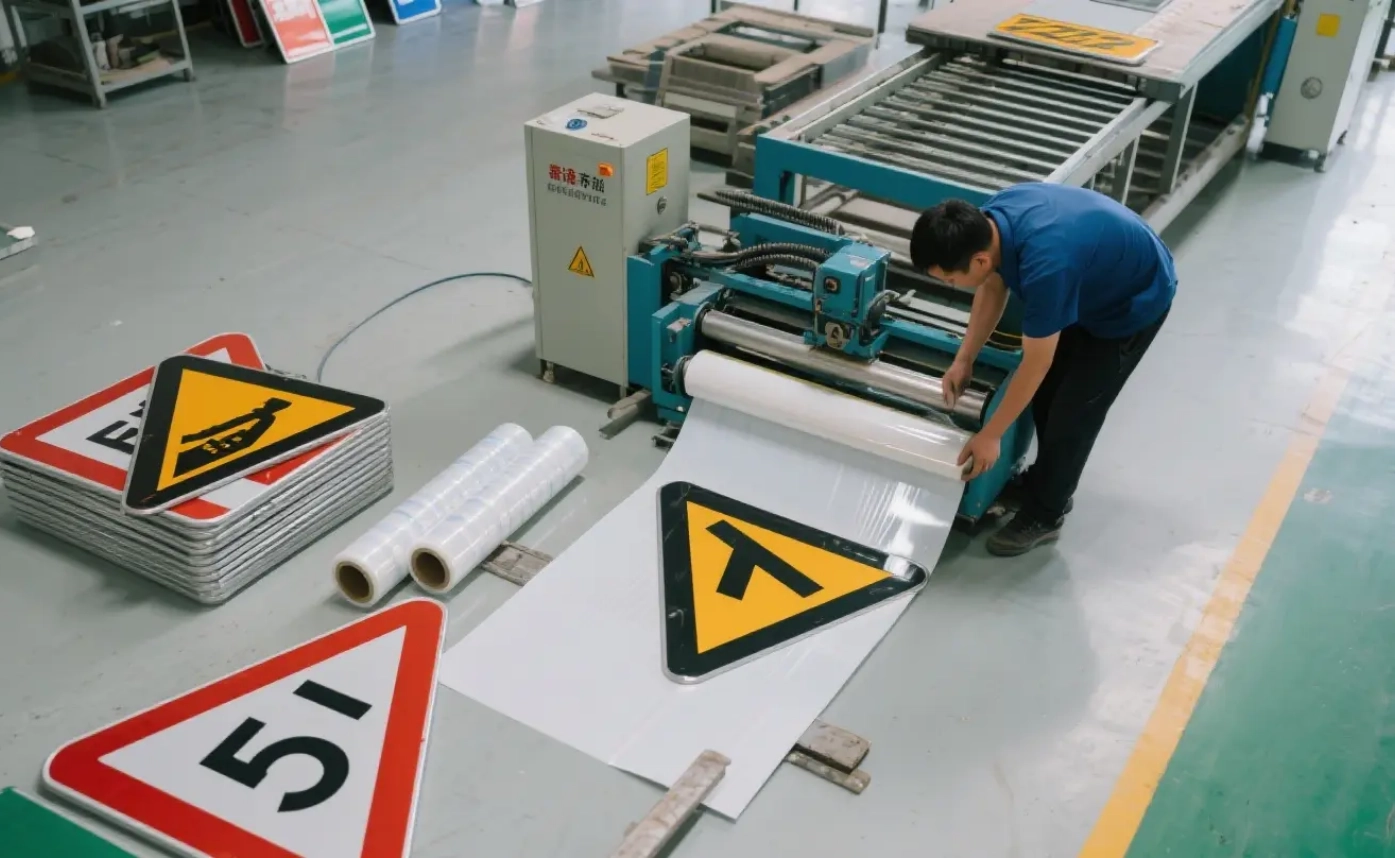
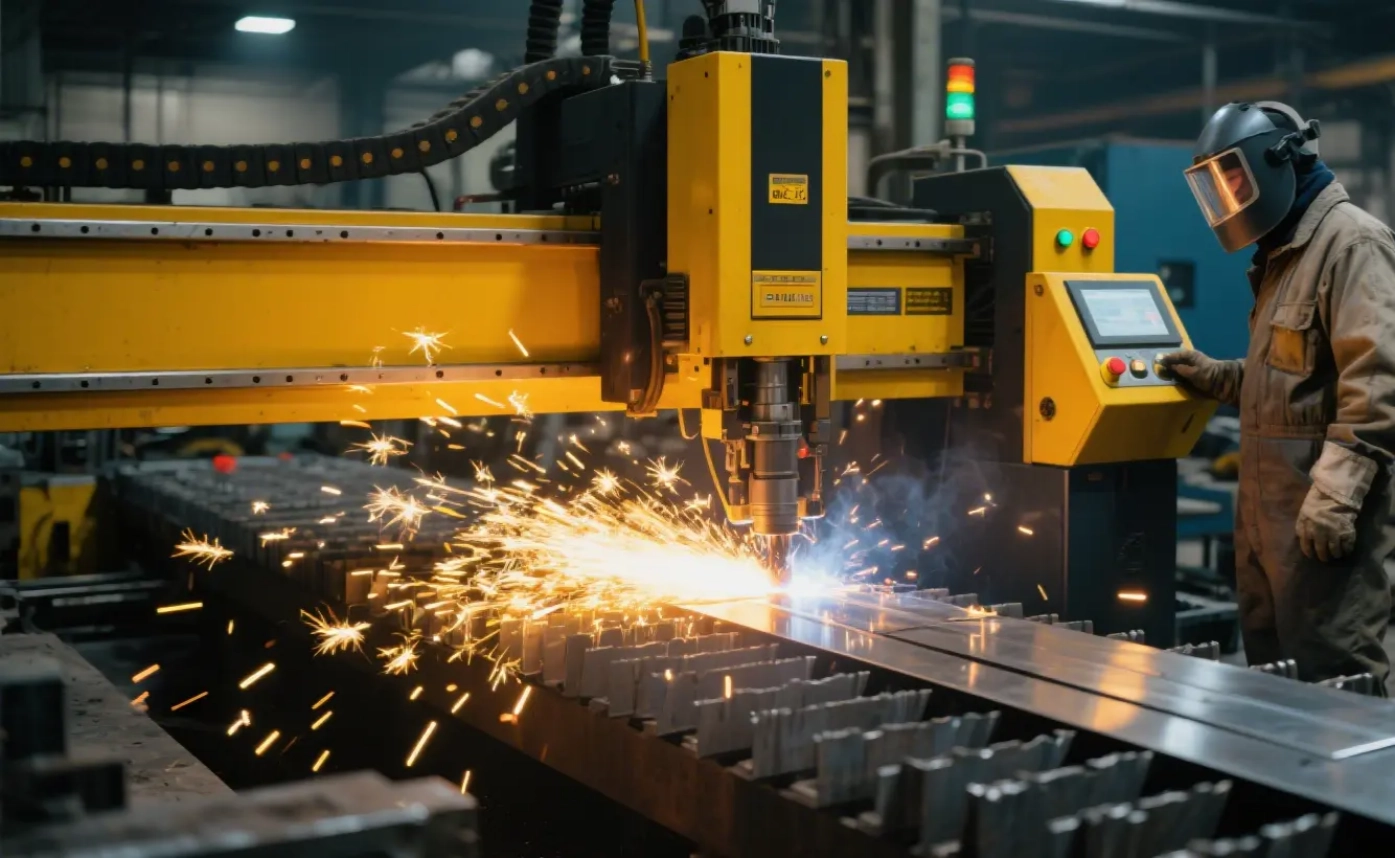
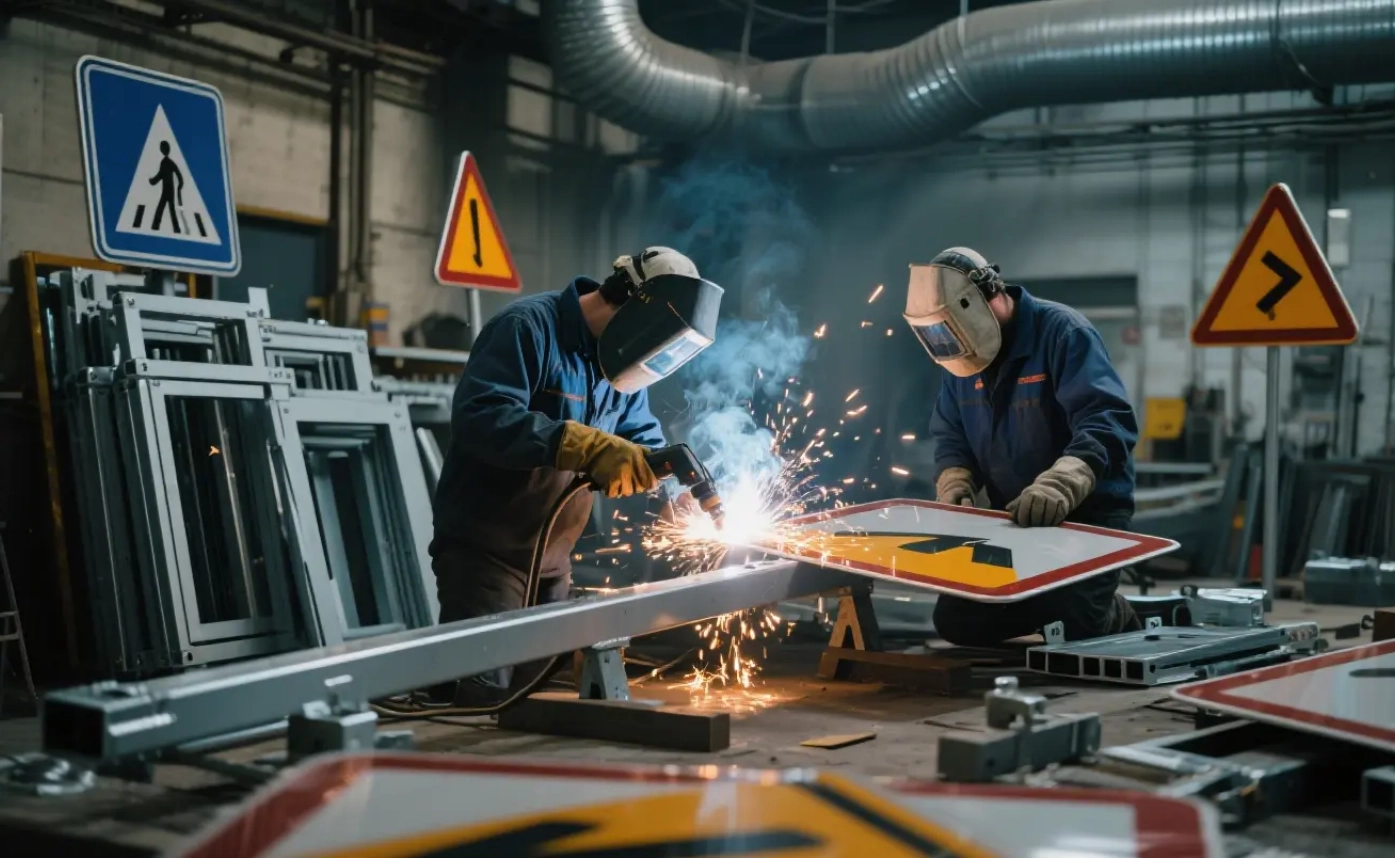
Located in Jiangsu, China, our modern production base covers an area of approximately 11,000 square meters. The facility is equipped with advanced manufacturing technologies and operated by a team of experienced engineers and skilled technicians. This ensures strict quality control, precision manufacturing, and efficient large-scale production capabilities.
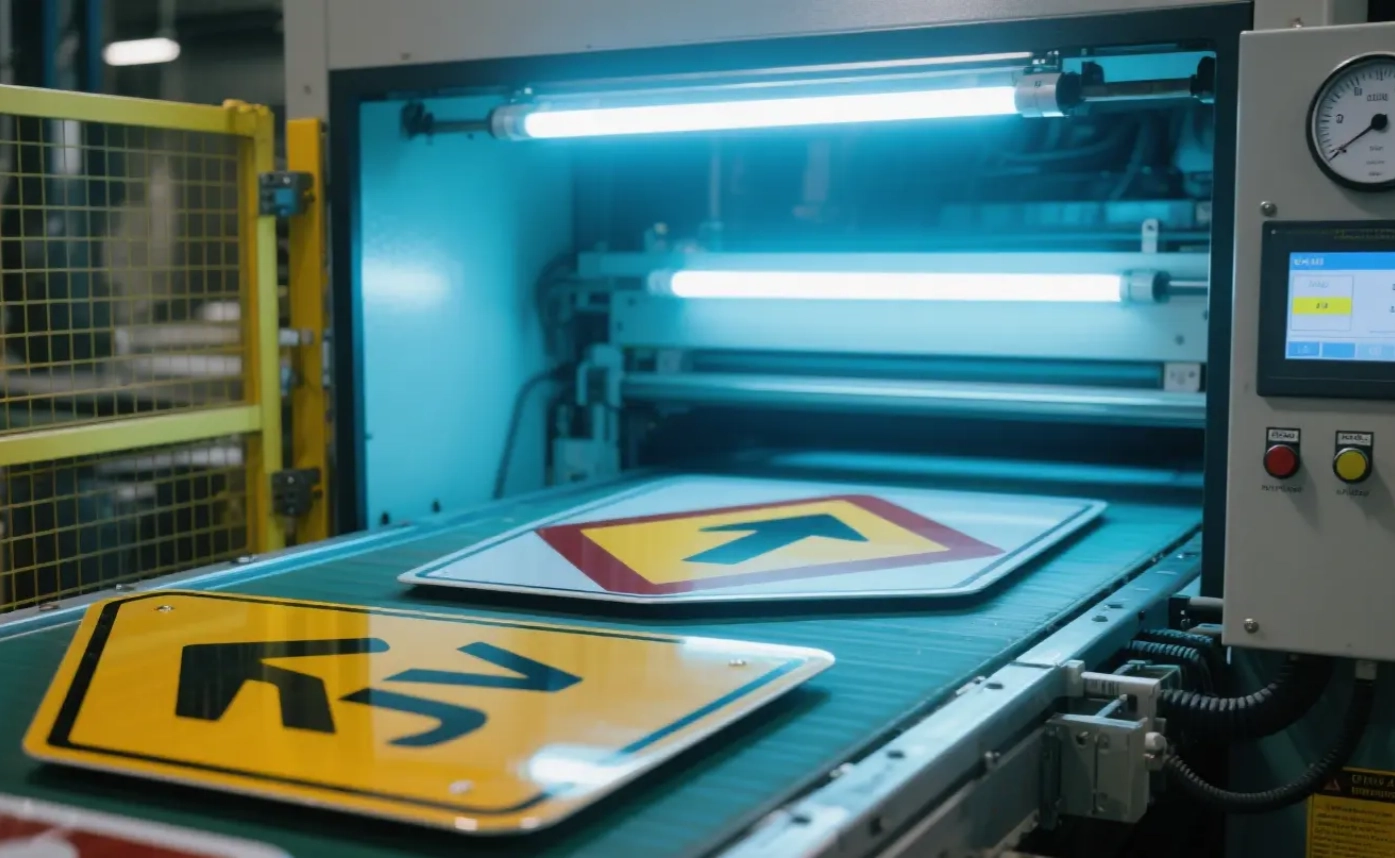
Our factory is equipped with a complete set of advanced production and testing systems, including:
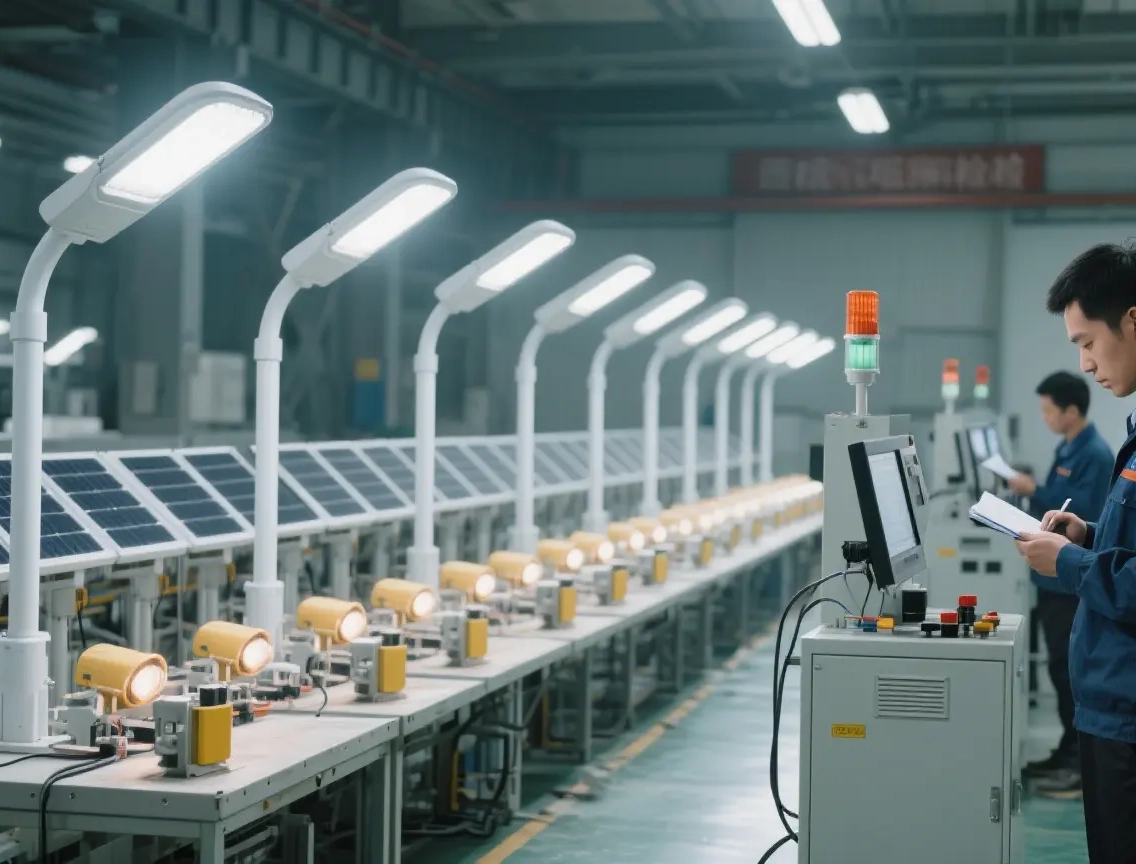
These modern facilities enable us to maintain high production efficiency while ensuring stable and reliable product performance. Every product undergoes strict quality inspection procedures, from raw material selection to final assembly and lighting performance testing.
With efficient production lines and advanced automation, we are capable of handling both large-volume orders and complex customized projects with precision and speed.
We have established a comprehensive quality control system and have passed ISO9001 international certification. In addition, we have obtained multiple patents in lighting structure design and optical technology.
We provide fully integrated services including product design, mold development, prototype testing, mass production, and logistics support—eliminating intermediate links and ensuring faster delivery and better cost efficiency.
We continuously invest in energy-saving LED technologies and smart lighting control systems to support global carbon reduction goals and smart city development.
How our customized outdoor stadium and court lighting systems fulfill demanding requirements across diverse geographical regions.
Densely populated municipal parks and school stadiums require low-glare, high-lumen density modules that don't produce light pollution for surrounding residences. Utilizing asymmetric optic lenses reduces spill light by up to 85%.
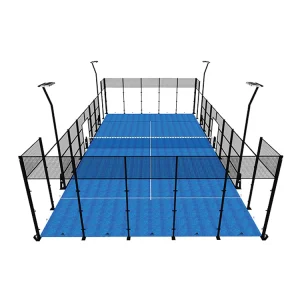
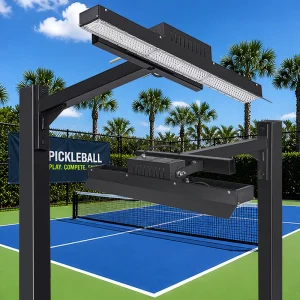
With high relative humidity and salt-laden air, outdoor Padel and tennis courts require durable, corrosion-resistant lighting. Our C5-M marine-grade powder coatings and premium alloy structures prevent rust and premature housing failure.
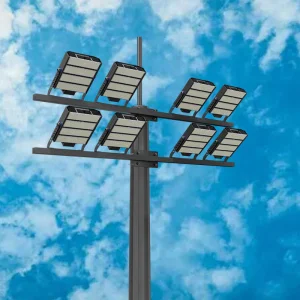
Key nodes along the Eastern Economic Corridor (EEC) rely on robust high-mast systems for 24/7 port and warehouse security. High-efficiency 1000W and 1200W models offer superior ground lux profiles while optimizing energy usage.
Deploying world-class engineering solutions directly to commercial projects in Southeast Asia and globally.
Expert technical guidance on selecting lighting manufacturers for heavy-duty sports field deployments in Southeast Asia.
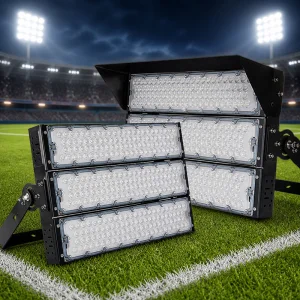
High-power stadium lights can create severe glare (measured as Unified Glare Rating or UGR) if designed incorrectly. Standard industrial floodlights often blind players looking up at tennis balls, shuttlecocks, or footballs. A professional factory must offer advanced optical lenses (such as asymmetrical angles and custom visors) to direct light onto the playing area rather than into the players' eyes or the night sky.
Heat is the primary enemy of LED lifespan. In Thailand, summer night temperatures can hover around 30-35°C with high humidity. Factories must utilize high-conductivity die-cast aluminum (Alloy ADC12 or equivalent) with optimized vertical convection fins. This prevents thermal accumulation and guarantees that the LED chips and driver components operate within safe temperature parameters.
Tropical monsoons in Southeast Asia bring severe lightning storms. Professional sports field installations must incorporate high-quality constant-current drivers (such as MeanWell, Inventronics, or Philips) backed by 10kV to 20kV surge protection devices (SPDs). This setup shields the delicate LEDs from voltage spikes, minimizing maintenance costs in hard-to-reach high-mast configurations.
For professional venues hosting televised events (e.g., Thai League 1 matches), lighting systems must support high-definition video capture. This requires a Color Rendering Index (CRI) of over 80/90 and a Television Lighting Consistency Index (TLCI) of over 85. Our high-end configurations deliver flicker-free operation up to 3000 frames per second, ensuring smooth slow-motion broadcasts.
Get authoritative answers on import requirements, structural design, and technical configuration options for Thailand sports field projects.
Luminaires imported into Thailand must comply with the Thai Industrial Standards Institute (TISI) requirements. Specifically, general-purpose luminaires must meet TIS 902-2532 standards, and all electrical items must pass EMC testing under TIS 1955-2551. At Jiangsu Lukas Lighting, we provide fully certified components and comprehensive testing reports to facilitate smooth clearance at major entry ports like Laem Chabang and Bangkok Port.
We apply a C5-M (Marine) grade anti-corrosive powder coating over high-density, low-copper die-cast aluminum housings. Exposed screws and mounting brackets are constructed from 304 or 316 stainless steel. This dual-layer protection system prevents degradation from saltwater mist along Thailand’s coastal resorts and ports.
Lux requirements depend on the level of play. Recreational and local training pitches typically require 100 to 200 lux. Semi-professional matches and regional tournaments require 200 to 500 lux. Professional events and televised matches require 1000 to 2000+ lux. We provide detailed Dialux simulations to help you achieve the required light distribution for your specific project.
Yes. Our galvanized high-mast steel poles (ranging from 10m to over 30m) are engineered using advanced stress-modeling software. This ensures they can withstand typhoon wind loads exceeding 50 m/s, meeting municipal safety codes throughout Thailand.
Yes. We offer customized Color Rendering Index (CRI) options of Ra70, Ra80, and Ra90+, as well as TLCI values exceeding 90. These configurations ensure accurate color representation and flicker-free operation, making them ideal for high-definition sports broadcasts and slow-motion video playback.
 Lukas Lighting