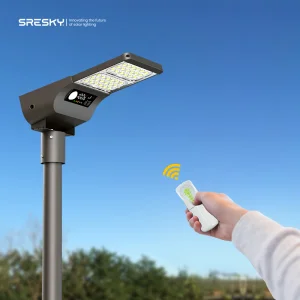
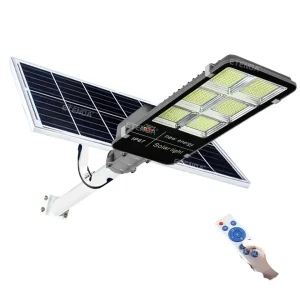
Integrated LED systems designed to meet South Korea's high standards for energy conservation, IoT compatibility, and aesthetic architectural integration.
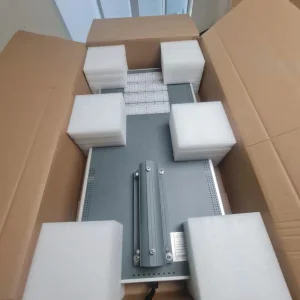
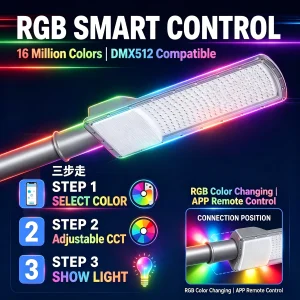
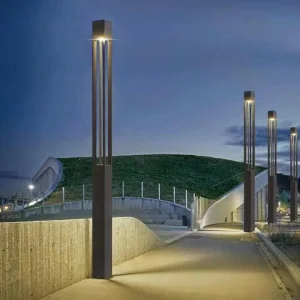
South Korea is a global pioneer in smart city construction, spearheaded by major national initiatives such as the Sejong National Pilot Smart City and the Busan Eco Delta City (EDC). Managed under the comprehensive direction of the Ministry of Land, Infrastructure and Transport (MOLIT), South Korea has transitioned from basic LED retrofits to highly intelligent, interconnected IoT urban ecosystems. The Korean market demands lighting infrastructure that acts not just as illumination, but as the neural network nodes of the city.
Key drivers in the Korean street lighting procurement ecosystem include:
Lukas Lighting structures all smart streetlighting products for South Korea to meet local communication bandwidth requirements, electrical safety certifications (KC), and environmental resilience factors, ensuring seamless integration into metropolitan control systems.
Worldwide, the transition to smart lighting serves as the lowest-hanging fruit for municipal carbon reduction. In collaboration with global telecom standards, our international research department adapts high-efficacy light-emitting diodes (exceeding 220 lm/W) with localized controller topologies. Globally, regions utilizing intelligent streetlamps experience up to 50% extra energy savings compared to static LED fixtures, and up to 80% compared to legacy High-Pressure Sodium (HPS) systems.
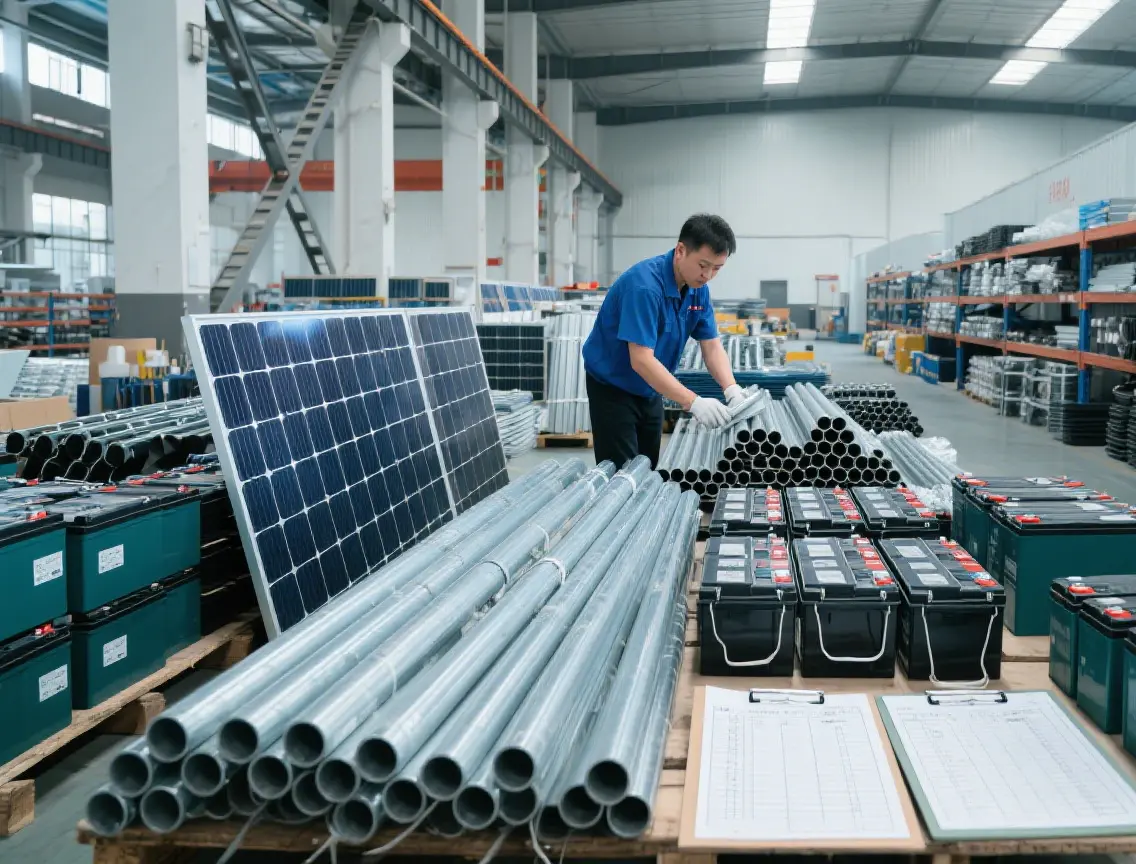
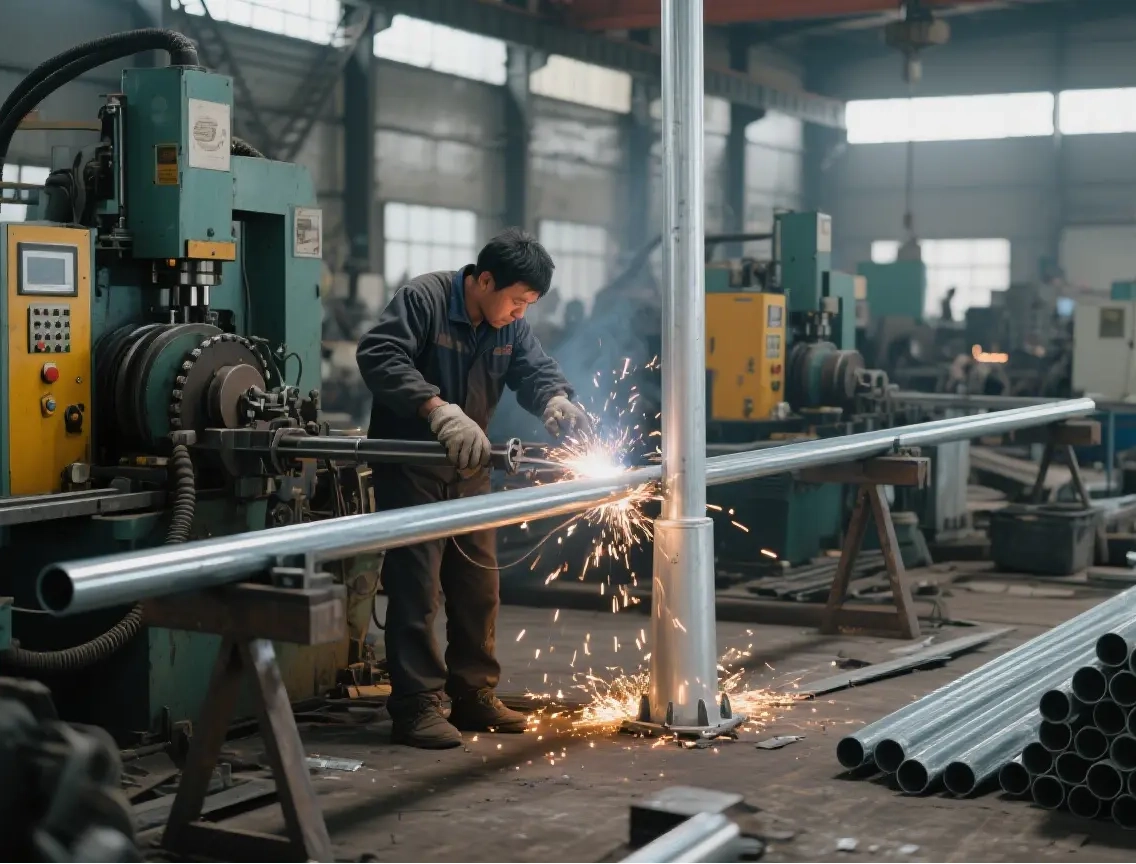
As smart cities mature, the concept of a standalone street light is disappearing. Lukas Lighting is at the forefront of the Smart Pole evolution, producing high-tensile strength, structural-grade aluminum alloy and hot-dip galvanized steel columns designed to hold weight loads from variable urban attachments, preventing pole deflection in typhoon-prone coastal corridors of East Asia.
Established in 1998, Jiangsu Lukas Lighting Co., Ltd. has spent over two decades developing high-performance municipal, highway, and industrial outdoor lighting. Focused on the frontier of light efficiency and controller integration, we operate out of a modern production base in Jiangsu, China, spanning over 11,000 square meters.
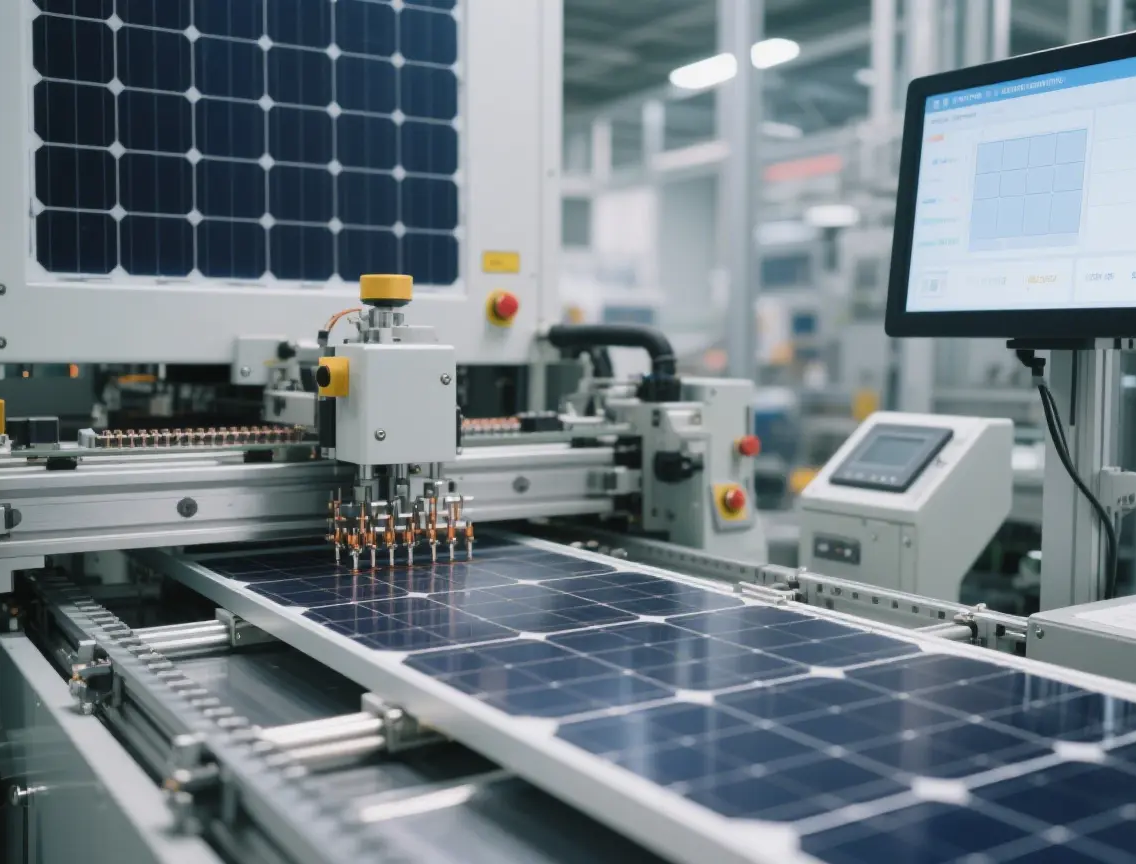
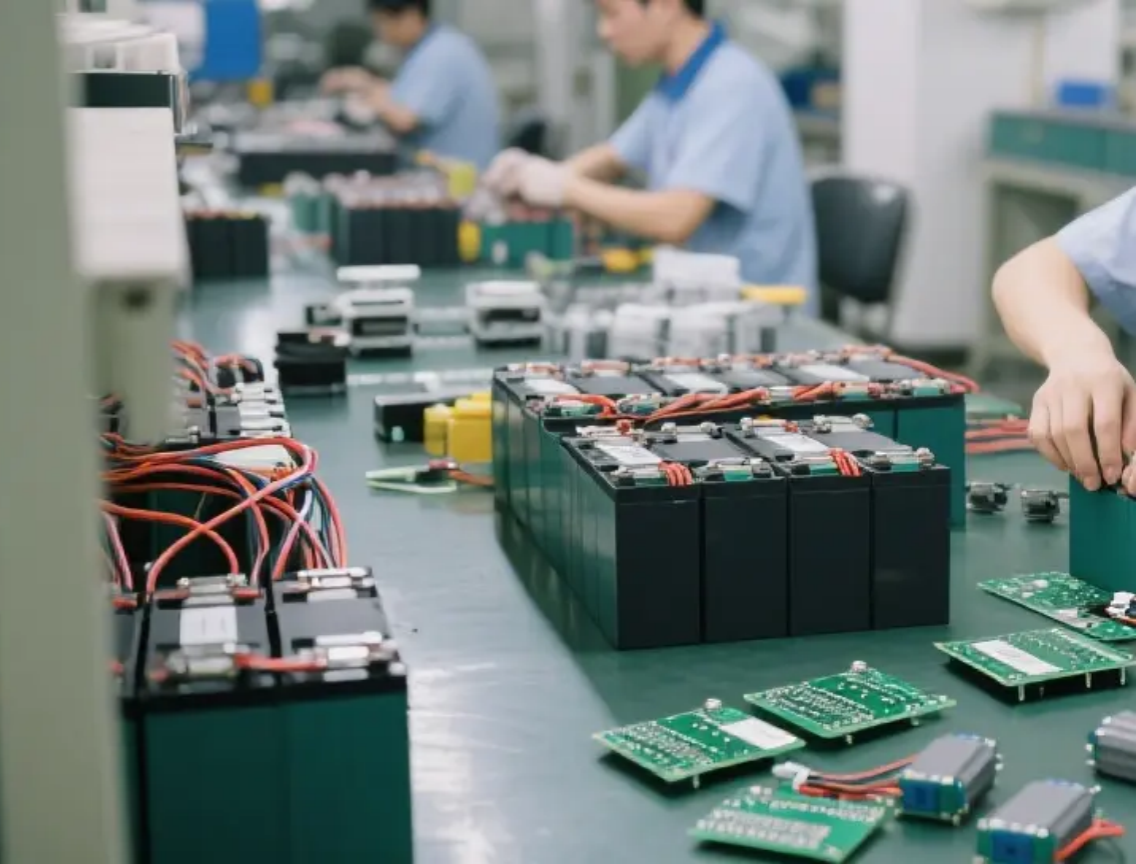
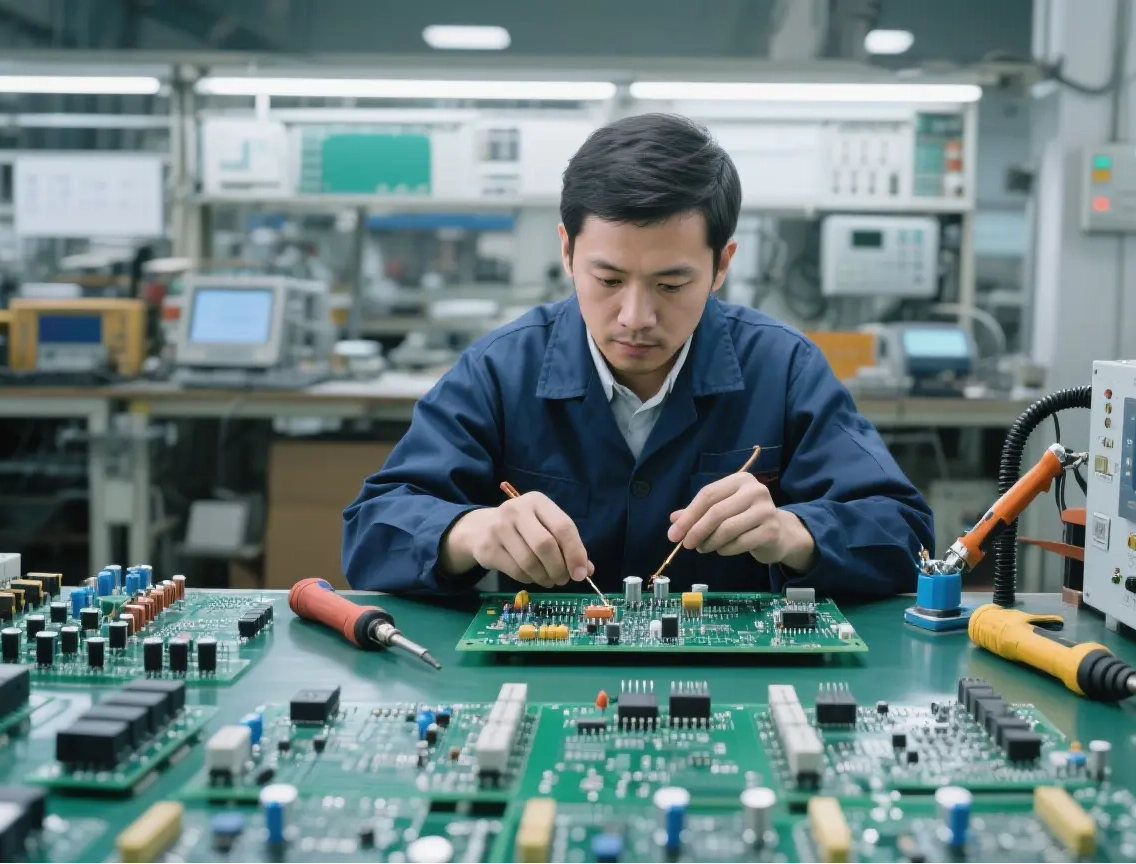
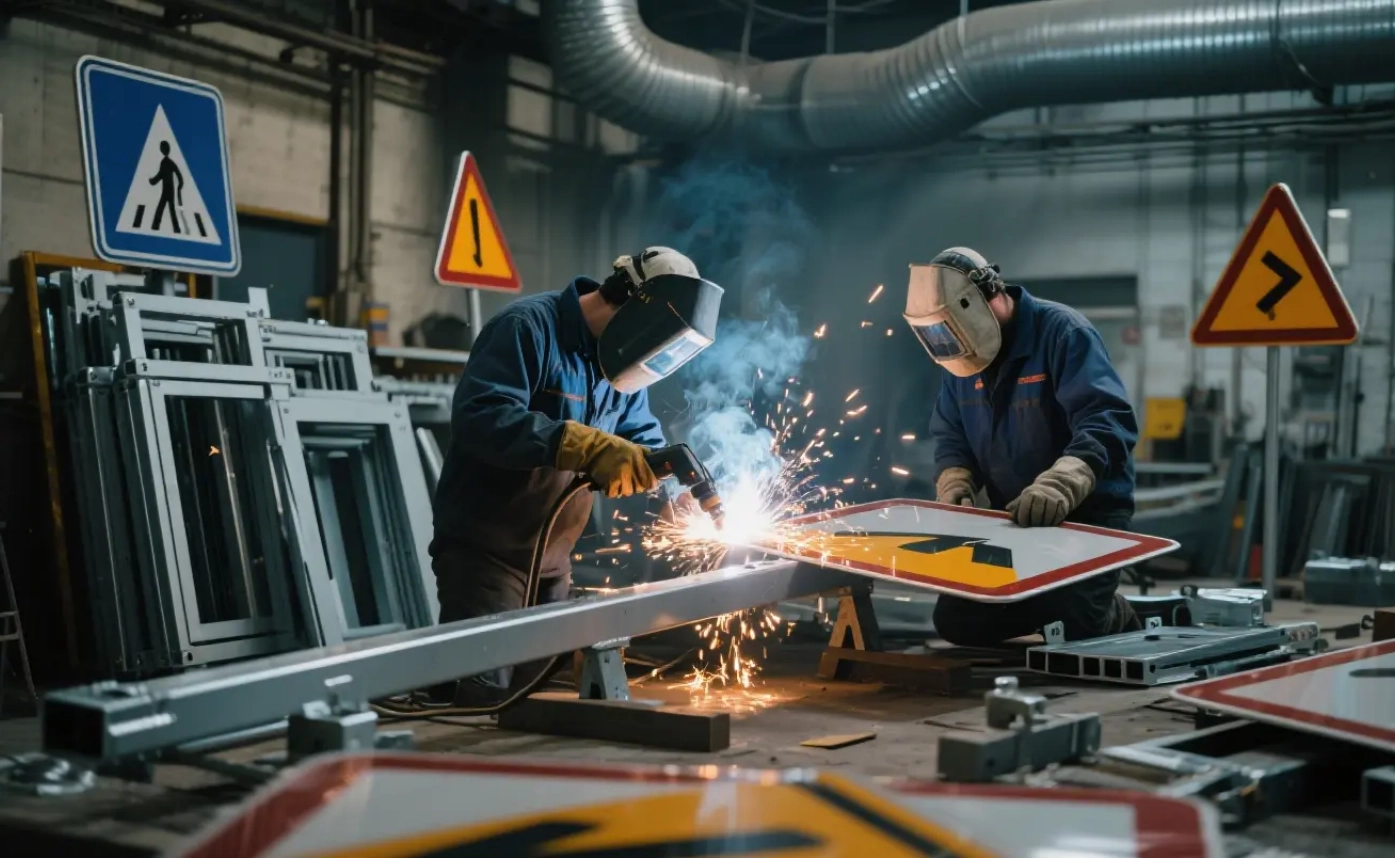
Our facility has been optimized with specialized assembly lines that ensure continuous QA/QC in accordance with international ISO9001 quality guidelines. By employing robotics for mechanical welding and SMT processes, we eliminate manual error and maintain structural integrity across all product lines.
We pride ourselves on four distinct pillars that make us the preferred partner for municipal exporters, contractors, and smart city integrators in the Republic of Korea:
Our extensive modern manufacturing plant allows us to fulfill large governmental bids and custom product designs with short lead times.
We hold international quality standard validations alongside domestic design and optical efficiency patents.
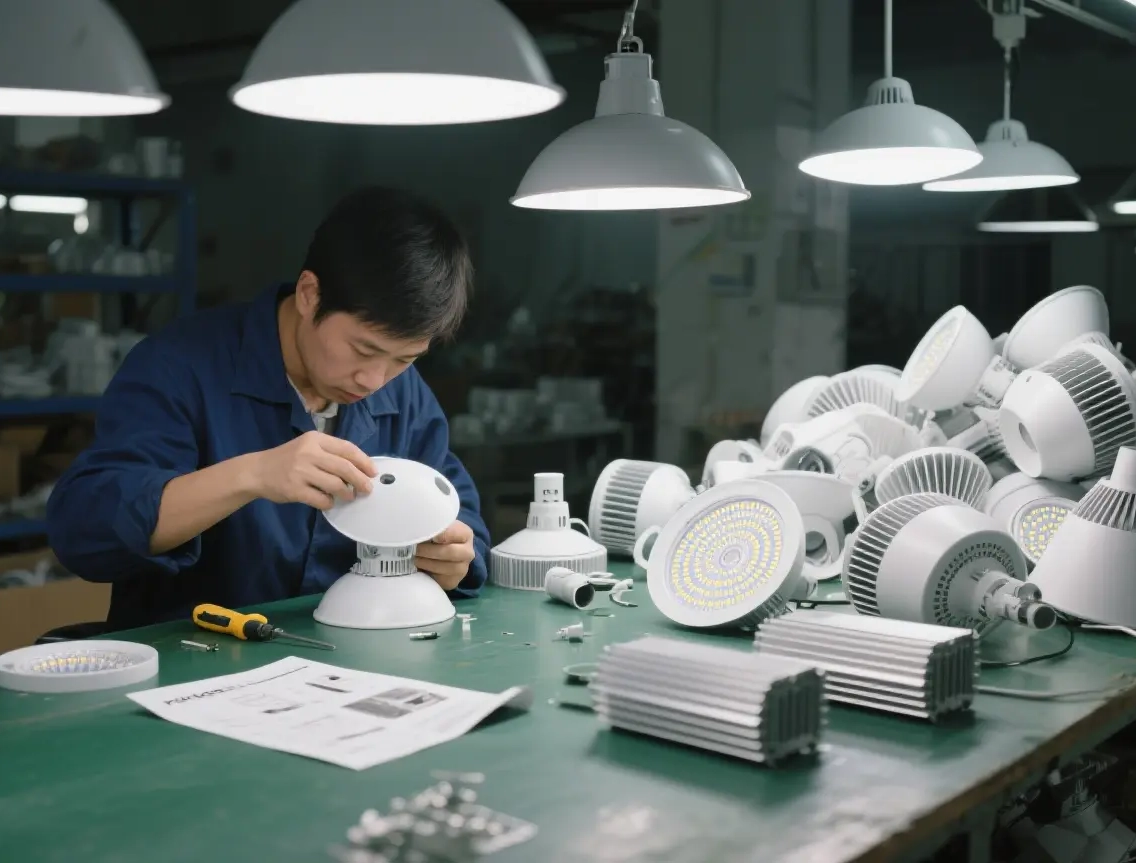
From custom housing designs and tailored optical distributions to custom IoT controllers, we provide an all-inclusive vertical service.
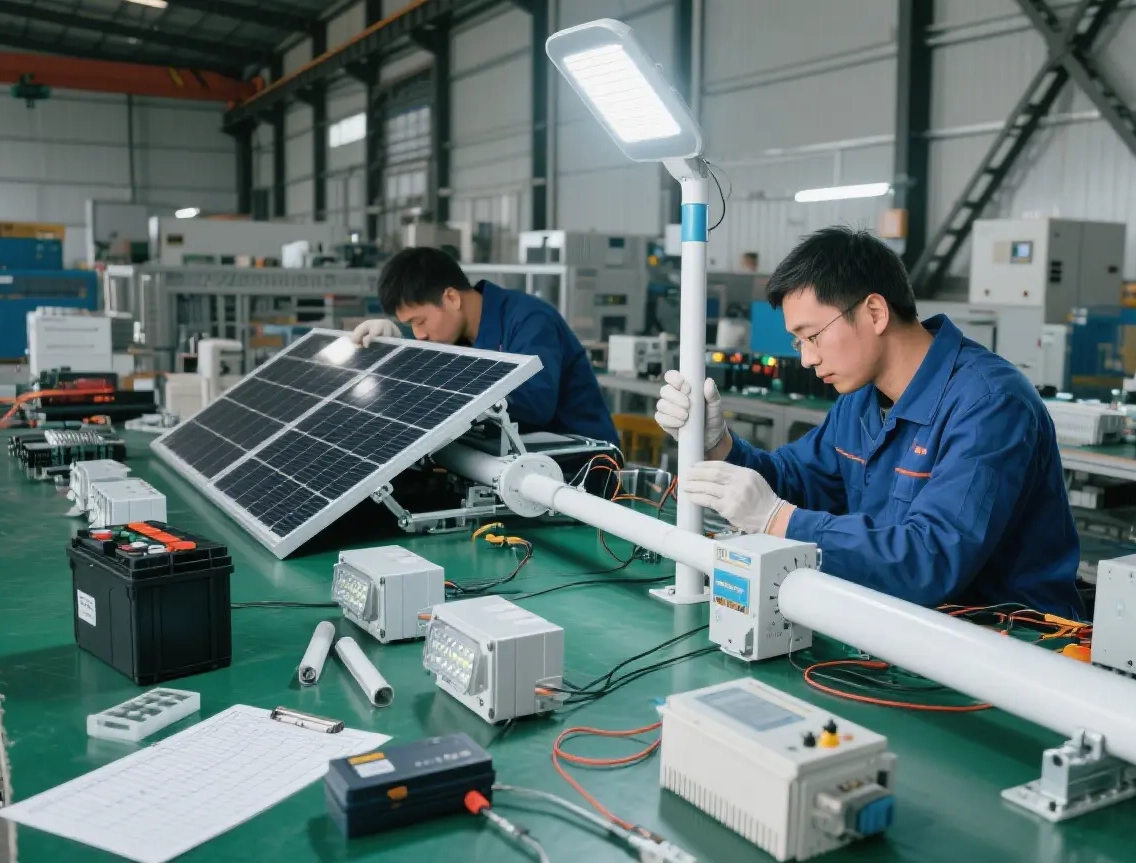
Continuous investment in low-emission LED components, advanced MPPT charging, and smart grid software alignment.
Every component, from the raw aluminum ingot to the integrated SMT control board, undergoes strict testing to meet our 5-year warranty standards.
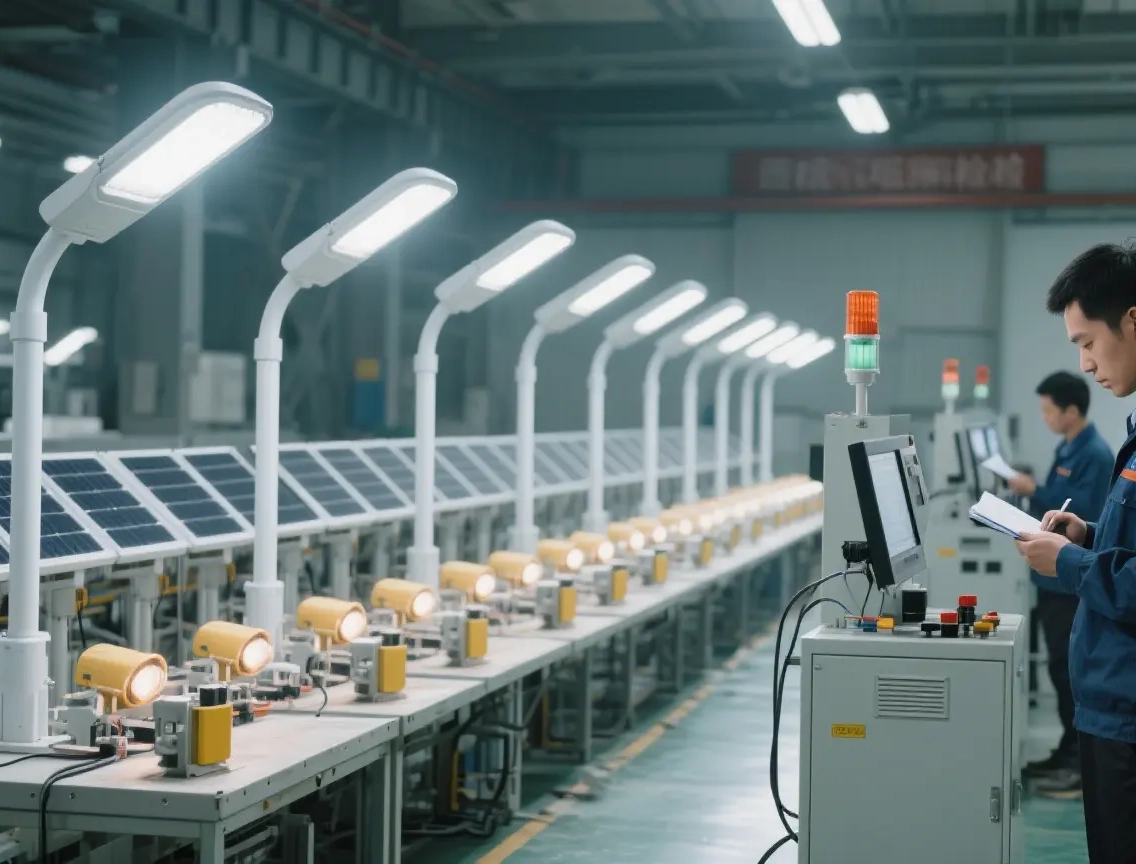
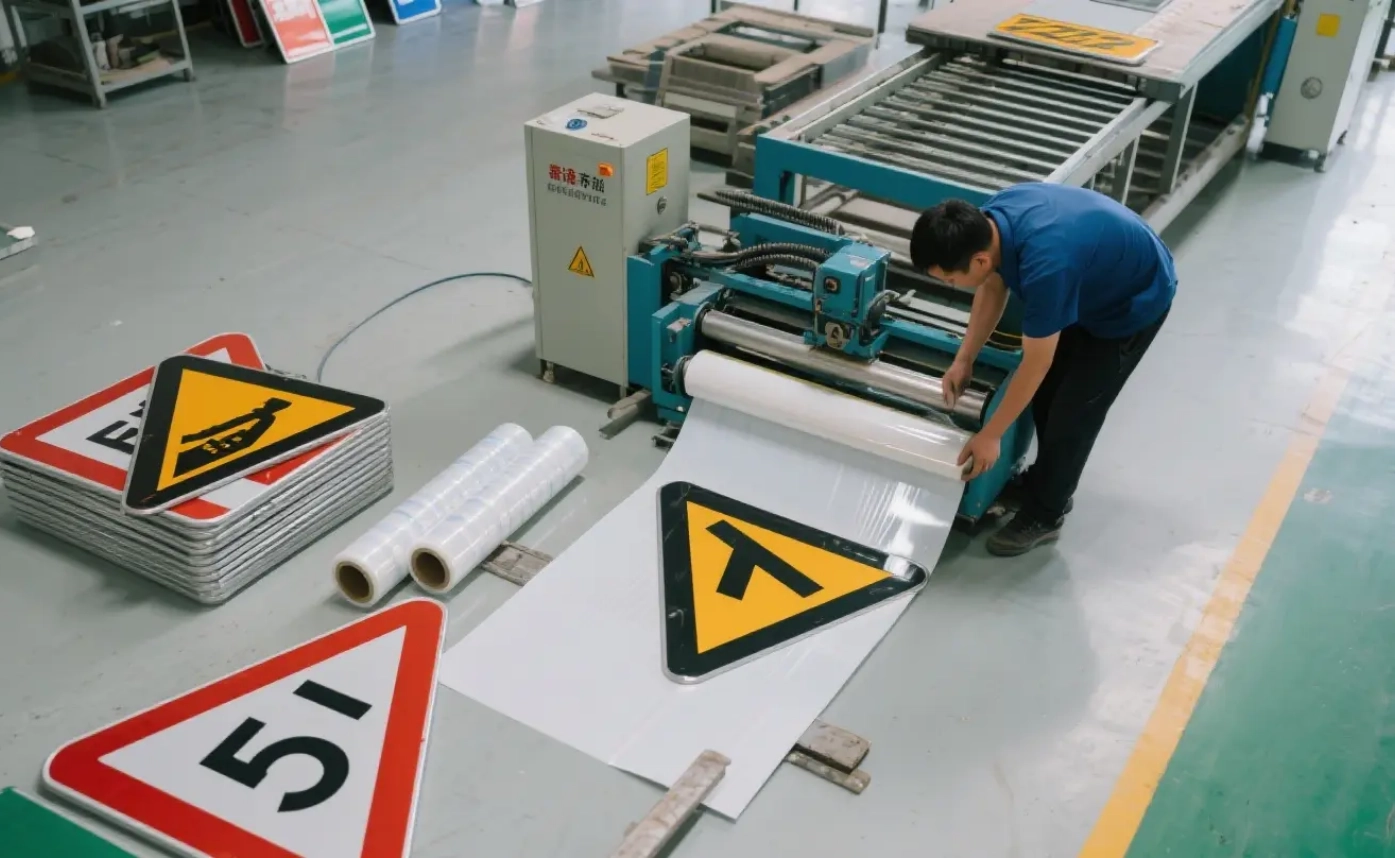
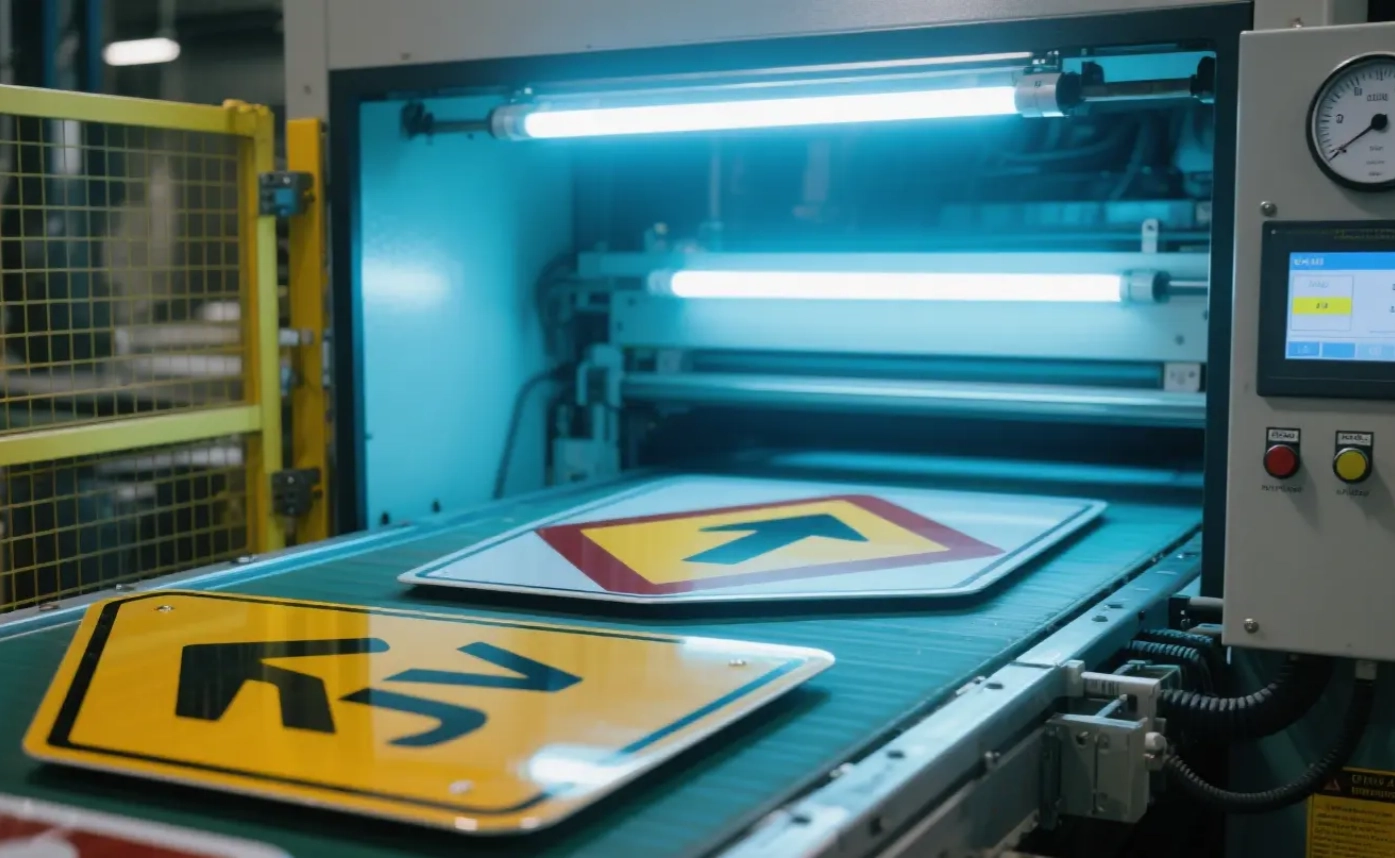
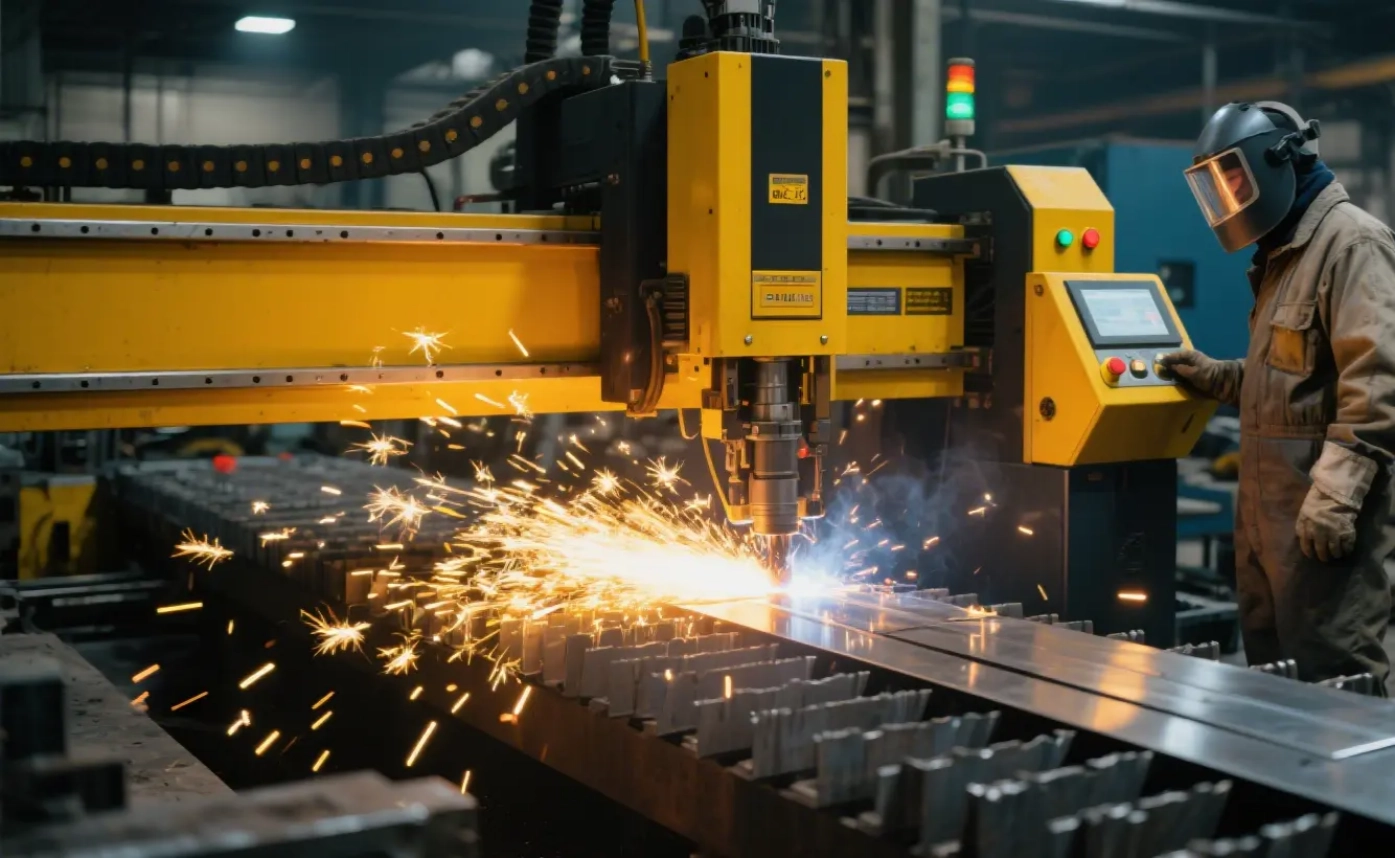
South Korea’s topography and climatic realities require highly specialized designs. Our engineering export projects prioritize the following localized applications:
Deployments along the coastal infrastructure of Incheon and Busan must withstand high salt spray corrosion. Lukas streetlights utilize high-thickness anodized protective coatings and SUS316 stainless-steel exterior fasteners, passing standardized salt spray chamber test criteria.
To address safety and visual comfort in residential quarters of Seoul and Daegu, we implement custom optical lenses with low glare ratings (UGR < 19). Combined with built-in radar detectors, the lights automatically dim up to full output only upon detecting movement, reducing light pollution.
Winter in northern provinces like Gangwon-do can drop below -20°C. Standard batteries lose charge capability under these conditions. Lukas utilizes LiFePO4 battery packs with integrated thermal insulation and smart heating modules (BMS with thermal regulation) that keep internal temperatures above 0°C, ensuring uninterrupted charging cycles.
As we design products for 2025 and beyond, Lukas Lighting is merging illumination hardware with advanced digital interfaces. Our upcoming technology architecture centers on three key directions:
Integrating microcontrollers capable of real-time object classification. Street lighting nodes will automatically identify pedestrians vs. vehicles, modifying illuminance profiles dynamic to traffic speed.
Preparing smart poles to transmit safety messages directly to connected vehicles, reducing pedestrian collisions at poorly lit crosswalks.
Developing high-transparency integrated photovoltaic panels embedded on the vertical pole surface, mitigating damage risk from typhoons.
Navigating the testing, import, and commissioning phases in South Korea requires deep regulatory familiarity. Lukas Lighting ensures complete administrative and technical support throughout the process:
Providing direct answers to technical queries regarding standard integration, logistics, and customization for South Korea.
A: Our smart poles and streetlights support NEMA 7-Pin ANSI C136.41 interfaces. This allows us to integrate wireless nodes using LTE-M, NB-IoT, LoRaWAN, and Zigbee depending on the local telecom carrier (SK Telecom, KT, LGU+) and the smart central platform in use.
A: The solar panels and structural brackets are calculated to withstand wind loads up to 45m/s (matching typhoon requirements in coastal cities). For sub-zero operation, we use LiFePO4 batteries protected by an insulated box with built-in heater mats that kick in automatically during cold snaps.
A: Yes. We customize bracket dimensions, pole heights, powder-coating colors, and design profiles to match specific regional visual requirements and city guidelines.
A: Standard manufacturing time is 15-25 days depending on the volume. Shipping from our Jiangsu plant to major ports like Incheon or Busan typically takes 2-4 days, enabling very fast project turnaround.
Explore our complete range of certified smart municipal, highway, and residential street lighting systems.
 Lukas Lighting