Explore our flagship intelligent outdoor luminaires engineered to withstand marine winds, lower overall grid stress, and integrate seamlessly with wireless municipal nodes across the Osaka Bay and municipal districts.
The Kansai region, anchored by the metropolitan powerhouse of Osaka, is undergoing a rapid smart infrastructure revolution. Under the framework of the Osaka Smart City Charter and in preparation for the upcoming Expo 2025 in Yumeshima, municipal governments are aggressively shifting from legacy high-pressure sodium lamps to high-efficiency, IoT-integrated solid-state lighting systems. This is not merely an energy-saving update; it is a critical modernization of the municipal nervous system.
Osaka's unique geographical profile—characterized by dense commercial zones like Umeda and Namba, coastal logistical hubs along the Osaka Bay, and seismically active residential areas—demands lighting solutions that offer more than illumination. The market requires smart poles that double as environmental sensors, earthquake alerts, public Wi-Fi access points, and grid-resilient emergency backup systems.
By integrating automated dimming profiles, real-time current monitoring, and decentralized solar-storage systems, smart streetlights contribute directly to Osaka’s mandate of achieving a 46% reduction in greenhouse gas emissions by 2030, compared to 2013 levels.
Navigating the Japanese telecommunication and power distribution environment requires careful protocol matching. While global smart lighting utilizes various mesh networks, our smart street poles support multiple protocols natively integrated to fit Japanese systems:
For smart street lights to operate reliably in Osaka, compliance with Japan’s rigorous national standards is mandatory. The PSE Mark (Product Safety Electrical Appliance & Material) and alignment with JIS (Japanese Industrial Standards) C 8105 series for luminaires are critical prerequisites for any municipal or public tender.
Furthermore, the coastal geography of Kansai introduces significant environmental challenges. Typphons regularly bring heavy rainfall, high humidity, and highly corrosive sea air. Our smart street lighting fixtures feature:
Jiangsu Lukas Lighting Co., Ltd. was established in 1998 with a strong commitment to innovation, quality, and sustainability in the outdoor lighting industry. Over more than two decades of development, the company has grown into a professional manufacturer specializing in intelligent and energy-efficient street lighting solutions.
Located in Jiangsu, China, our modern production base covers an area of approximately 11,000 square meters. Our factory is equipped with a complete set of advanced production and testing systems, enabling us to maintain high production efficiency while ensuring stable and reliable product performance.
With efficient production lines and advanced automation, we are capable of handling both large-volume municipal orders and complex customized projects with precision and speed.
We have established a comprehensive quality control system and have passed ISO9001 international certification. In addition, we have obtained multiple patents in lighting structure design and optical technology.
We provide fully integrated services including product design, mold development, prototype testing, mass production, and logistics support—eliminating intermediate links and ensuring faster delivery and better cost efficiency.
We continuously invest in energy-saving LED technologies and smart lighting control systems to support global carbon reduction goals and smart city development.
Strict quality control loops are executed at every major phase of manufacturing. From raw material sorting to final packaging, our operations are fully traceable under standard operating procedures.
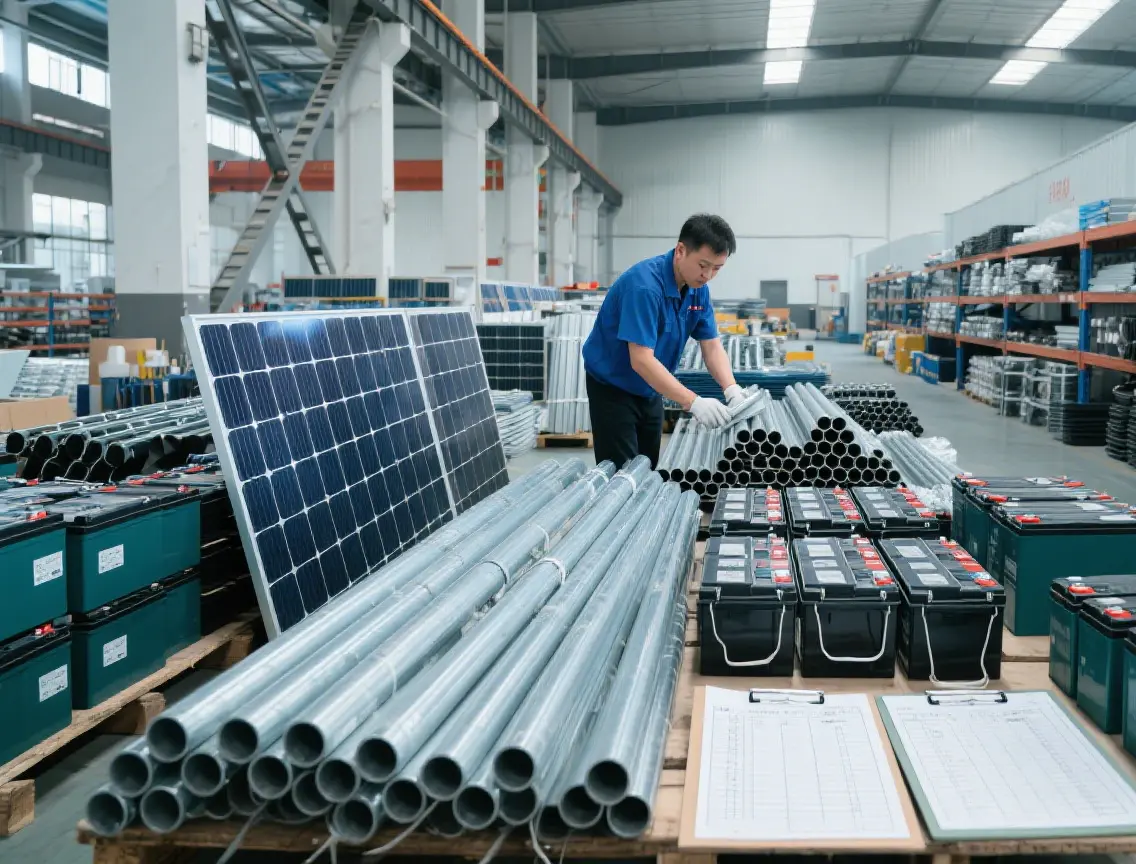
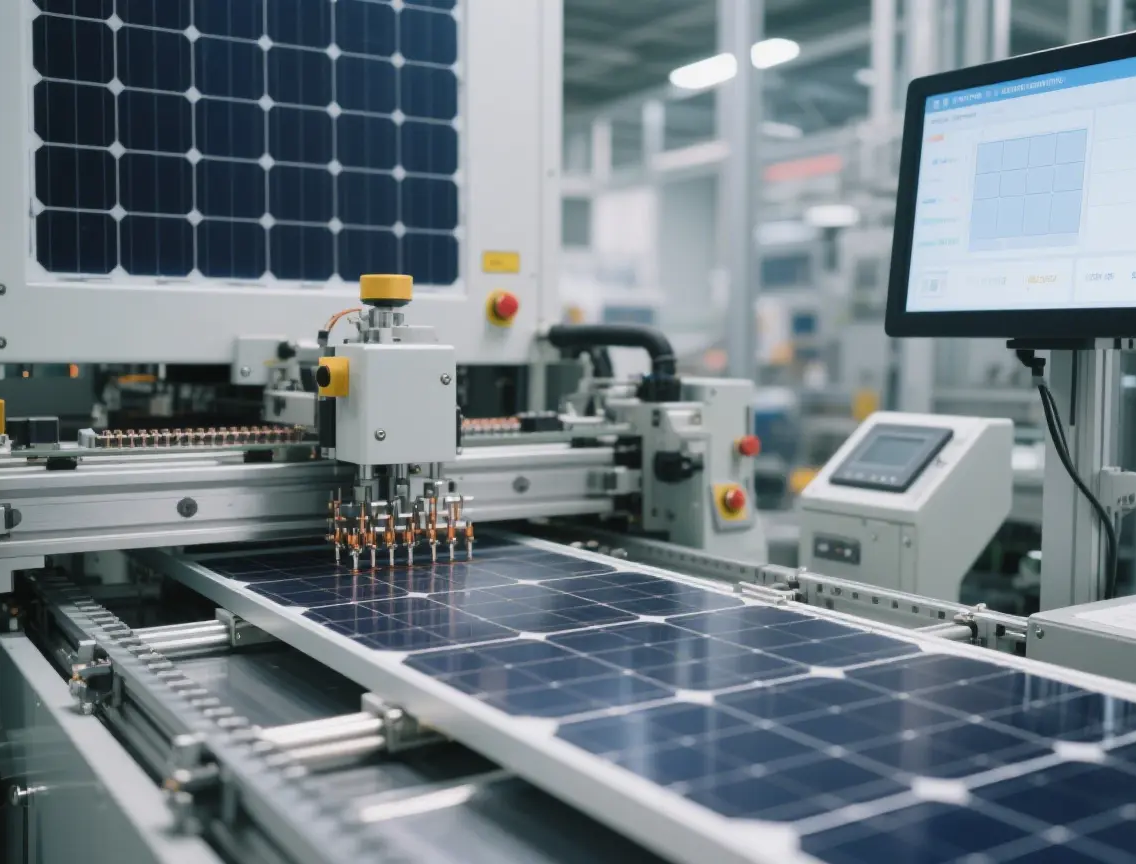
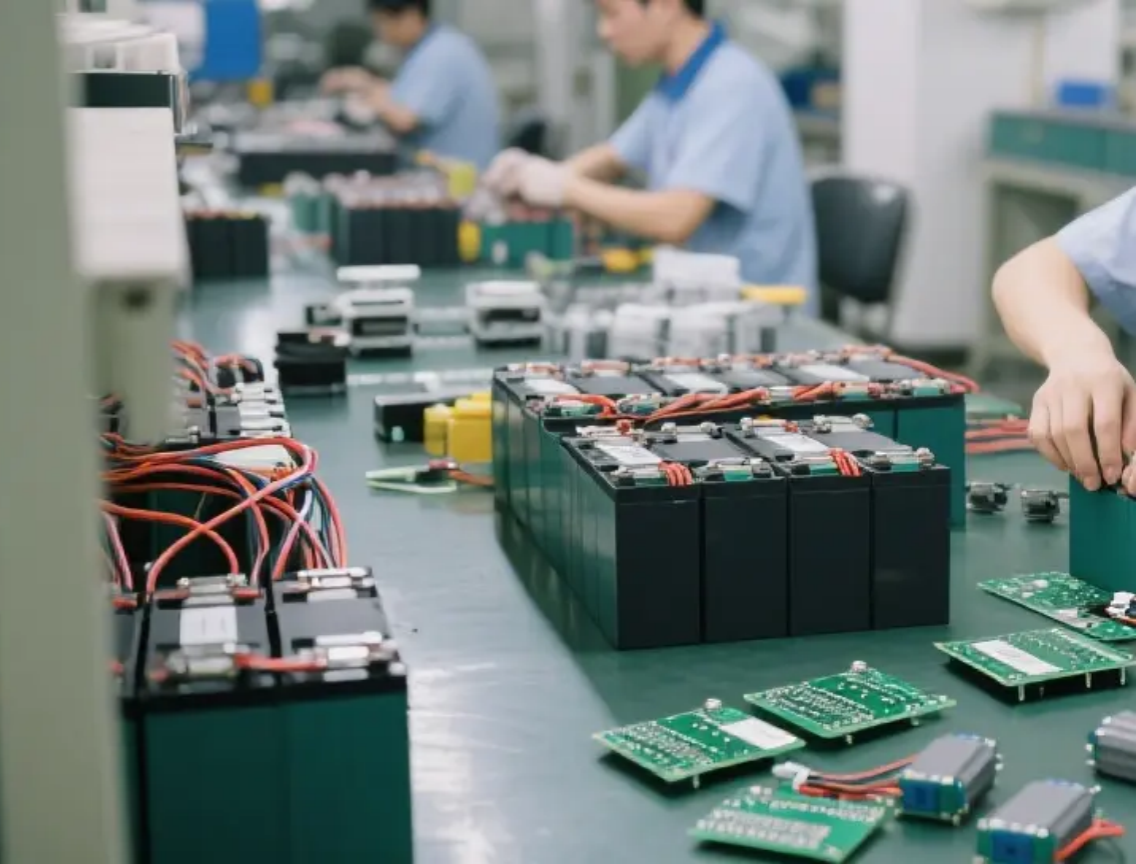
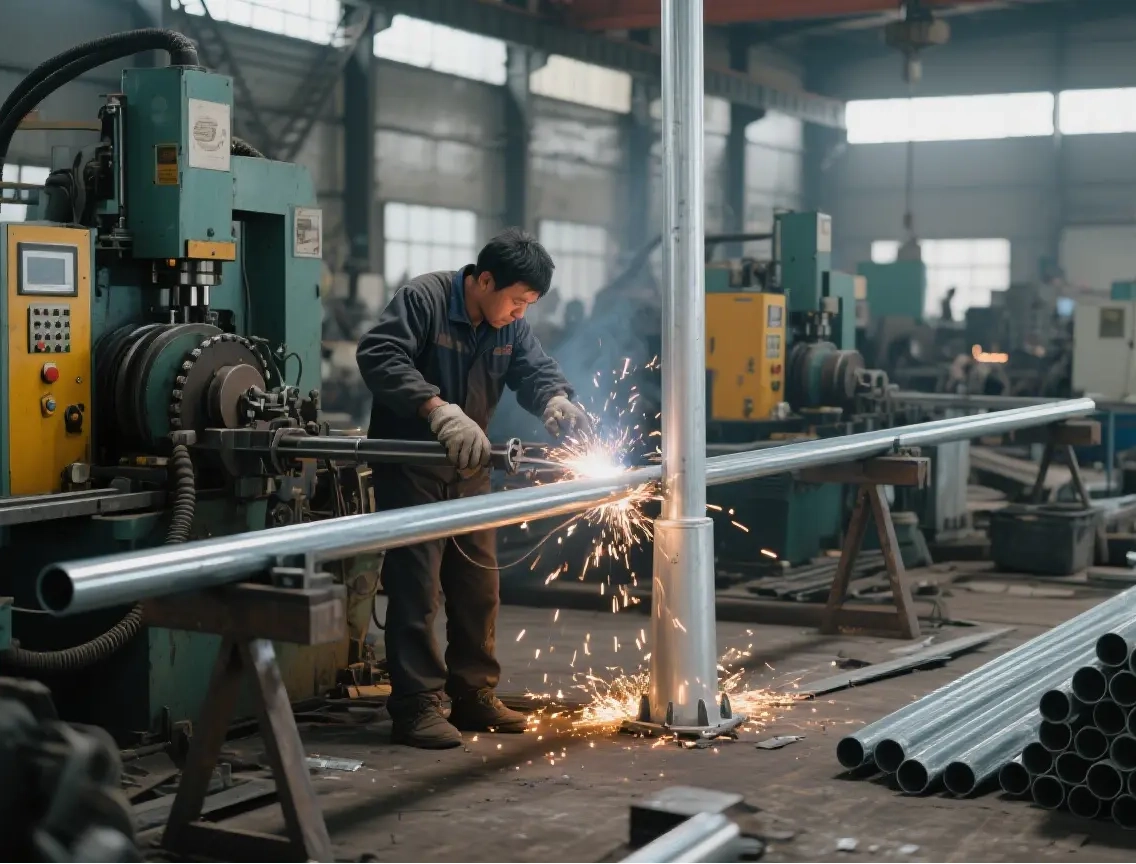
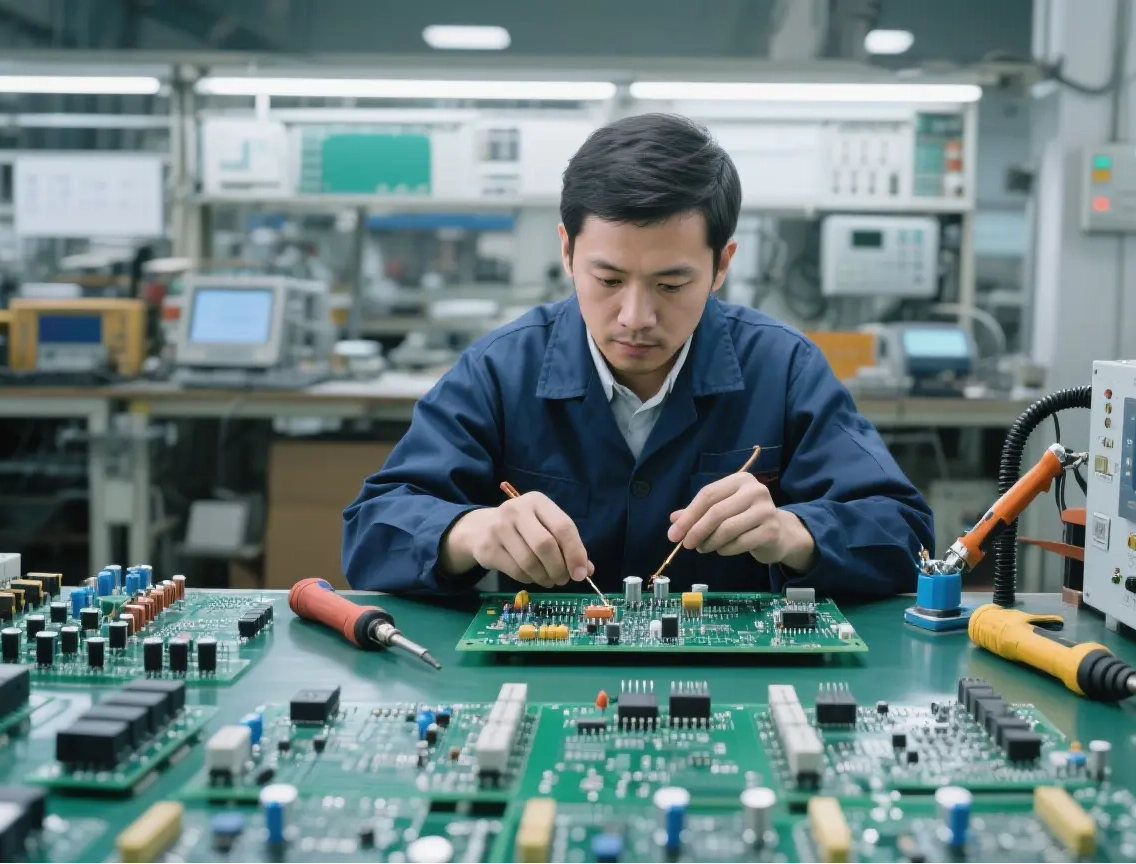
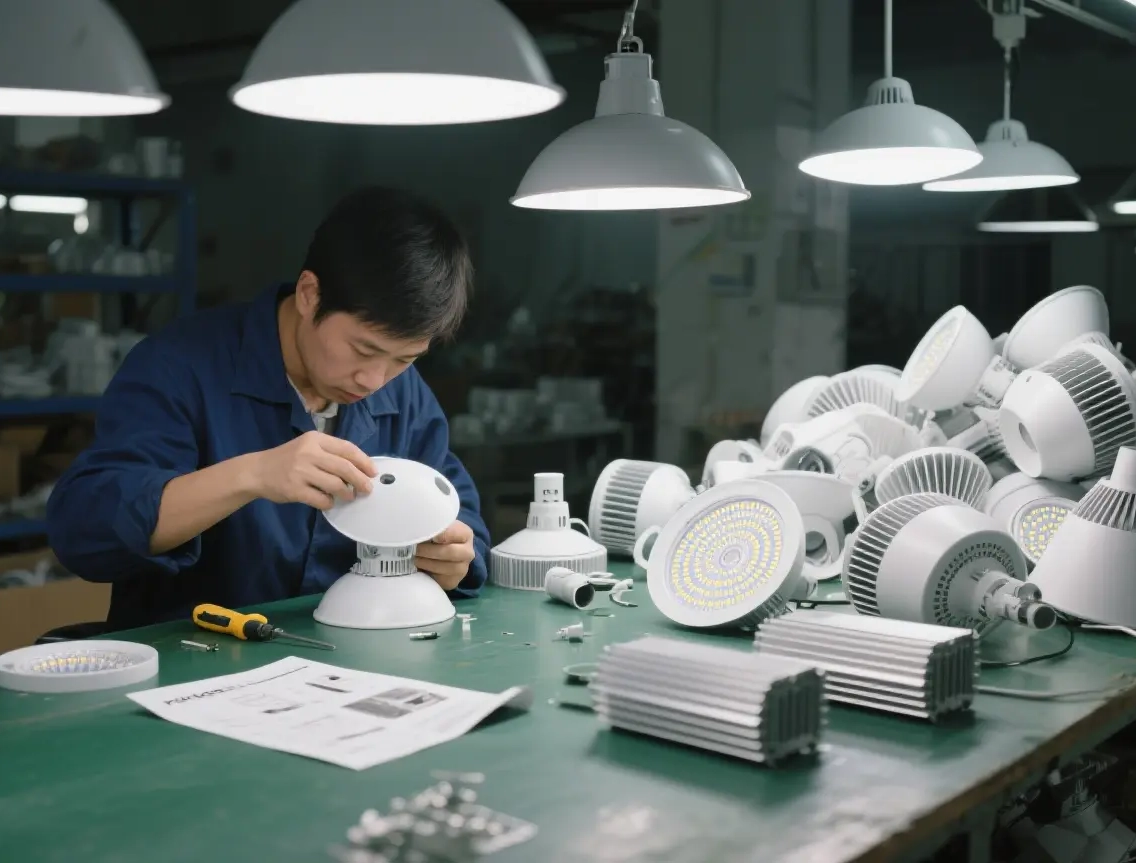
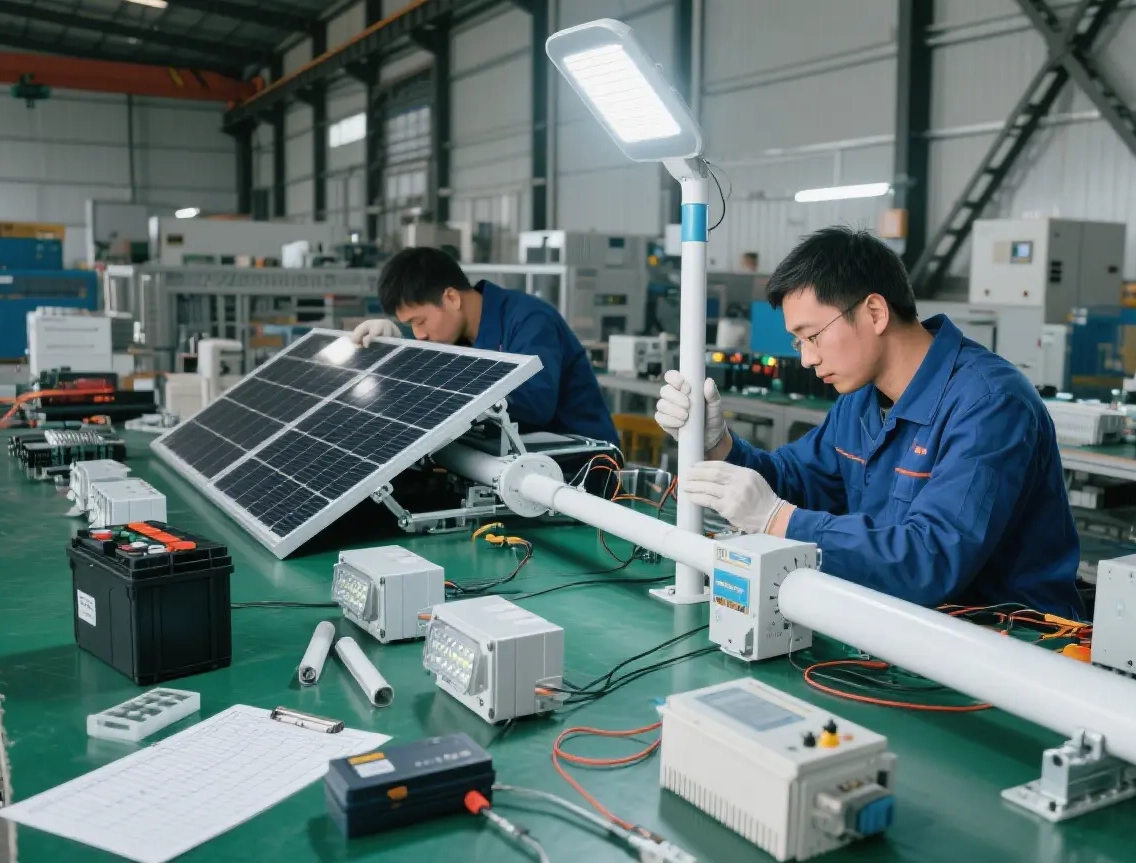
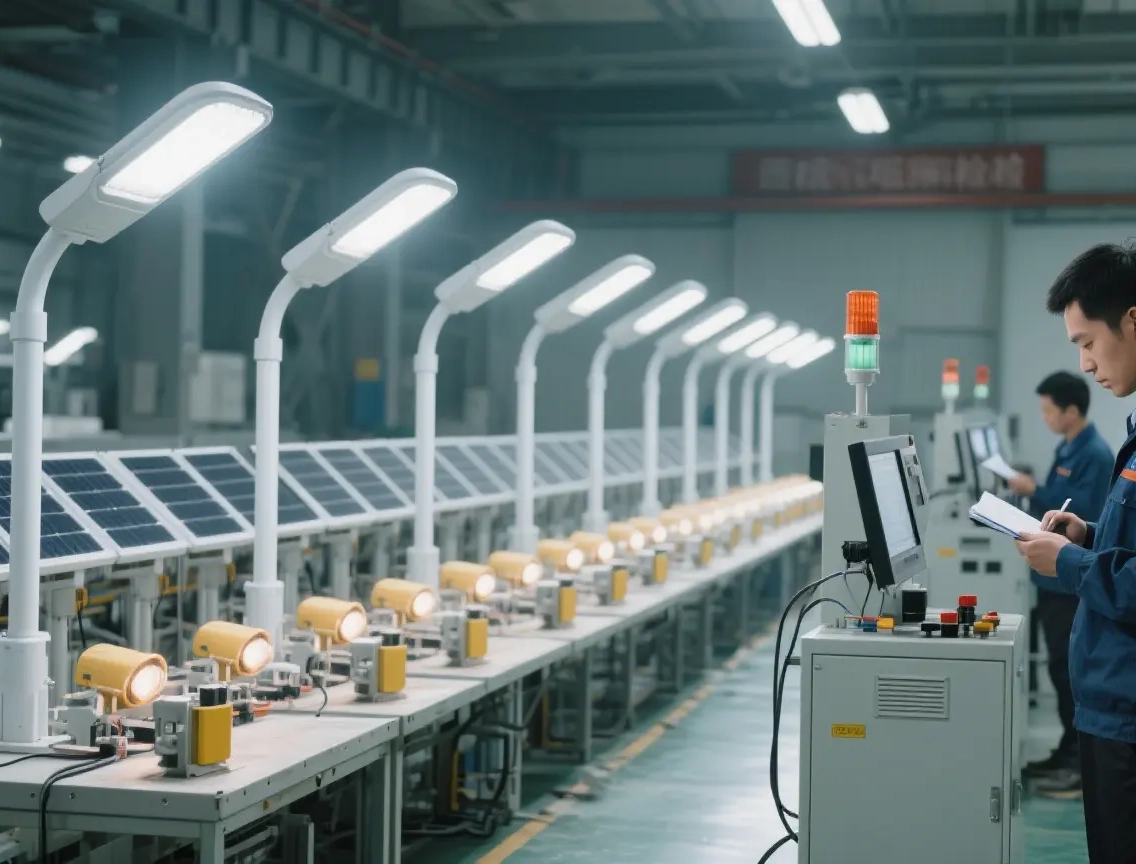
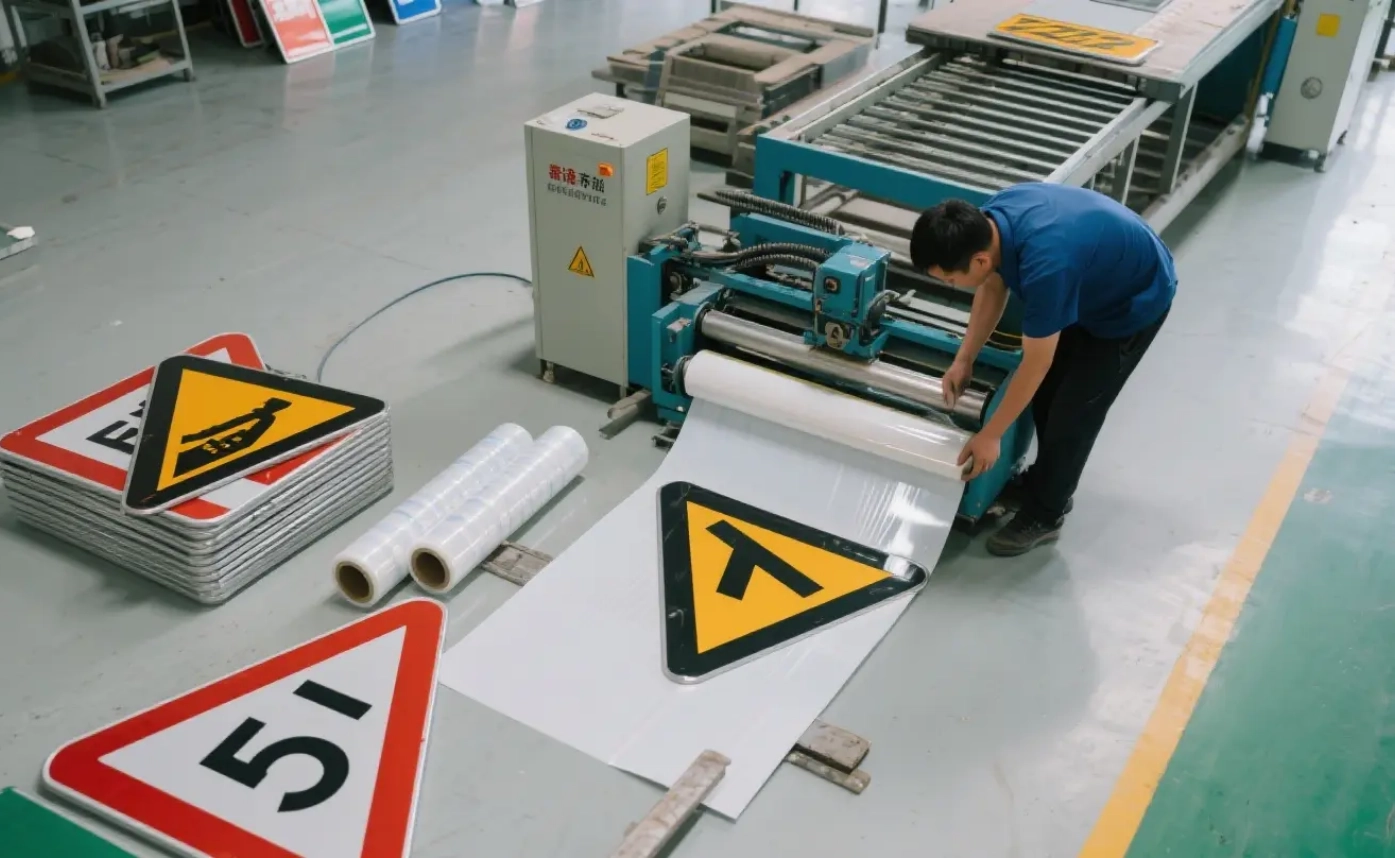
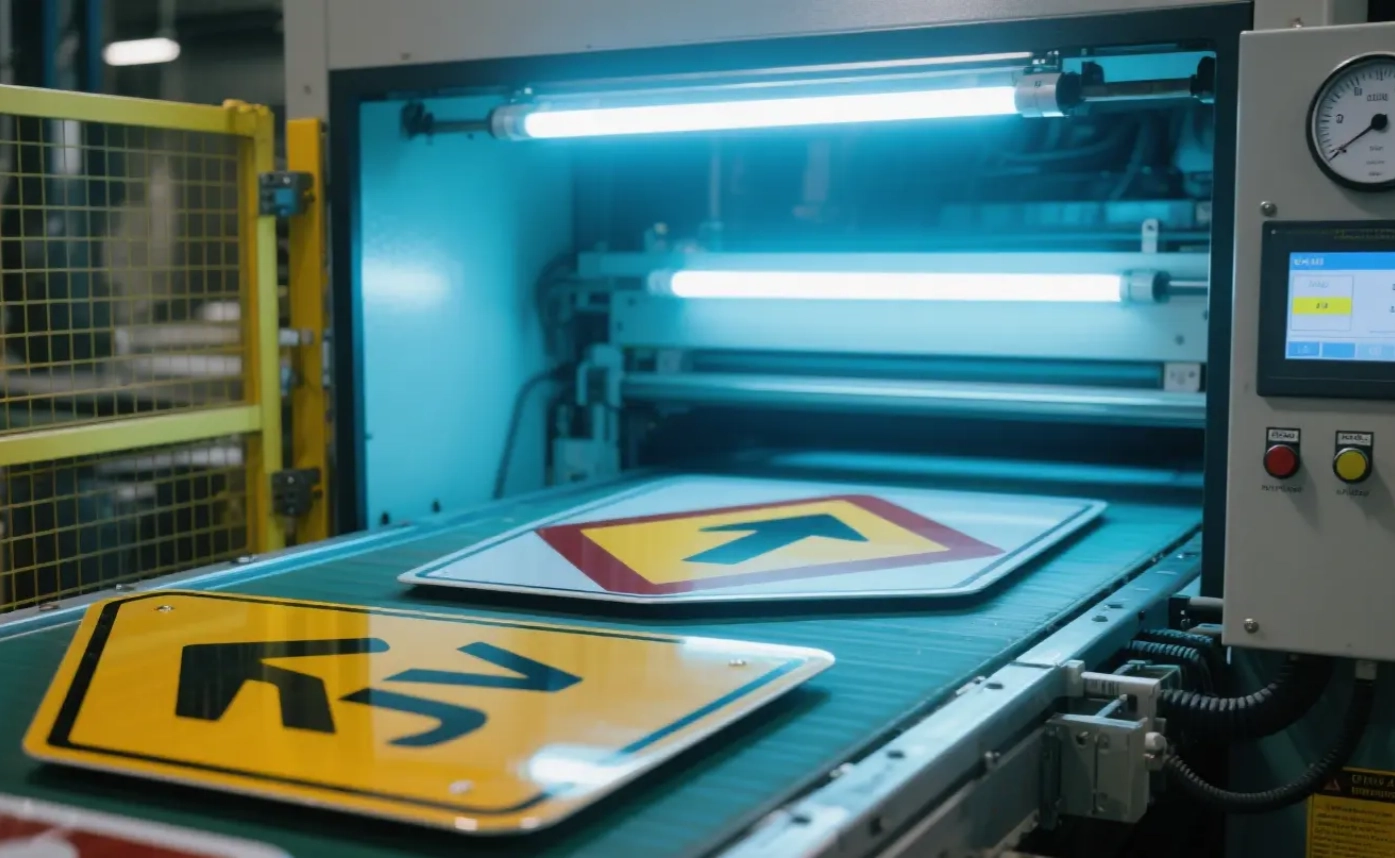
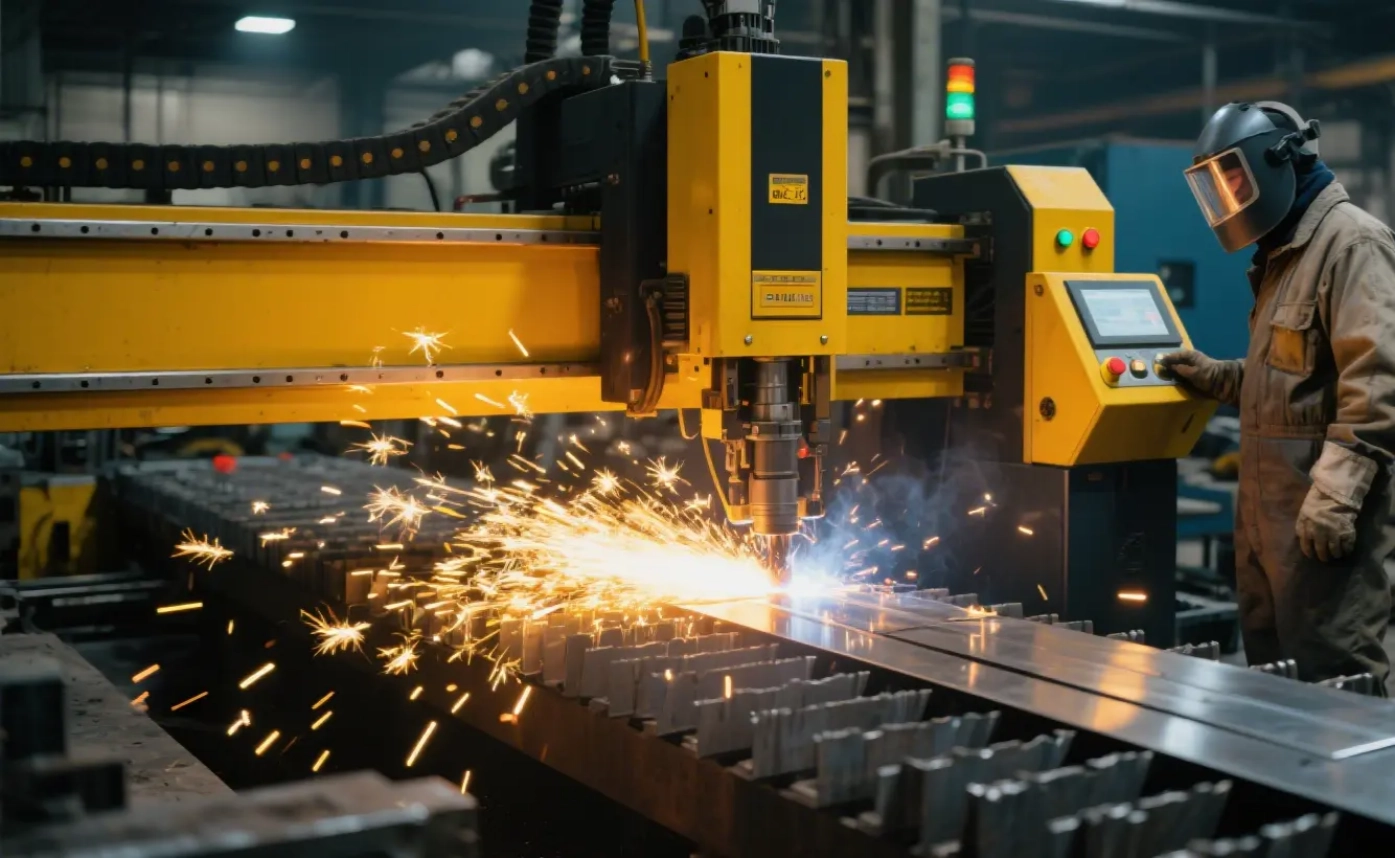
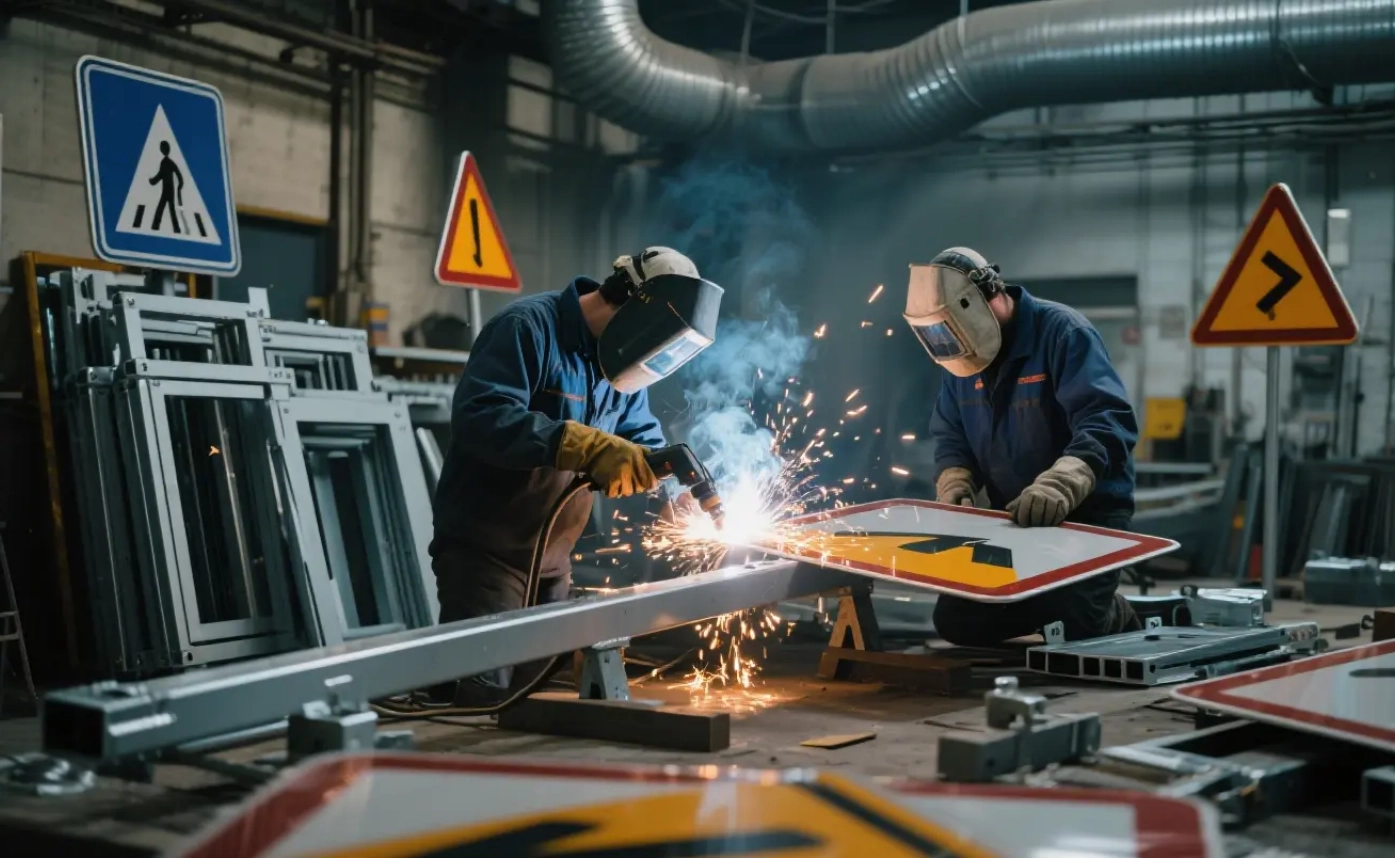
For Japanese municipal procurement officers and EPC (Engineering, Procurement, and Construction) contractors, the challenge is balancing rapid delivery, specialized customization, and absolute fiscal viability. Our primary manufacturing facility in Jiangsu, China offers a critical strategic advantage: fully integrated vertical supply chain control.
Unlike regional distributors or simple assemblers, we control the product lifecycle from initial silicone mold design and die-casting to SMT board placement and final system integration. This configuration allows us to rapidly prototype custom brackets, adjust driver parameters for specific Japanese line voltages (100V/200V), and maintain short turnaround times—saving up to 40% in initial capital expenditures without compromising quality.
By establishing strategic raw material reserves and automated lines that operate 24/7, we insulate our projects from volatile global shipping markets and material shortages. We deliver high-reliability systems to Osaka’s ports right when they are needed.
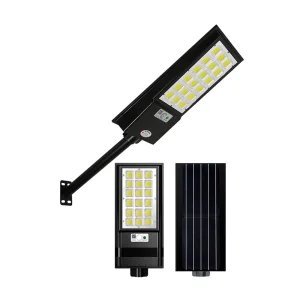
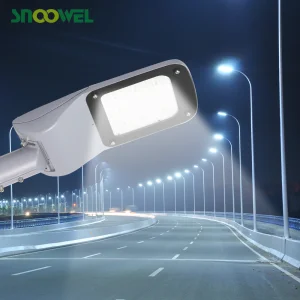
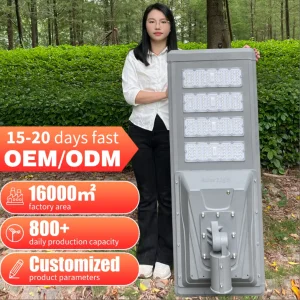
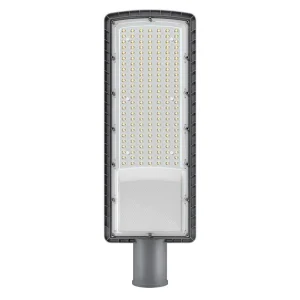
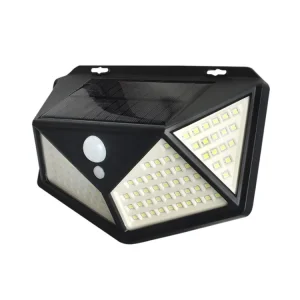
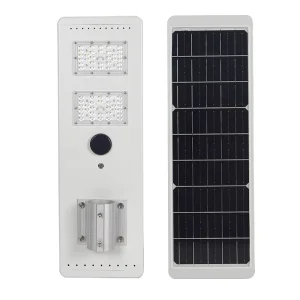
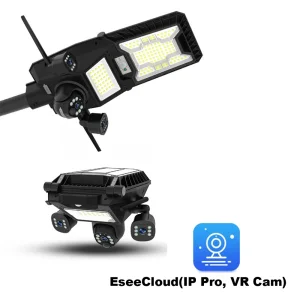
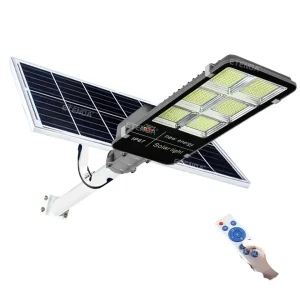
Review our complete list of commercial roadway lighting products, configured for high lumen efficacy, smart dimming profiles, and long-term operating efficiency.
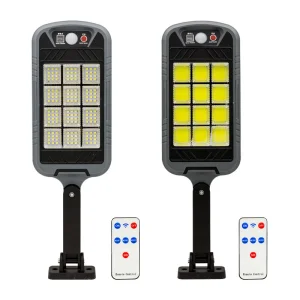
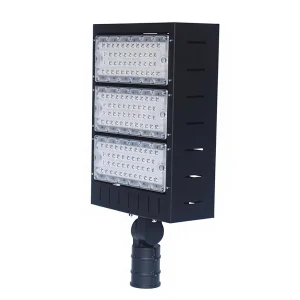
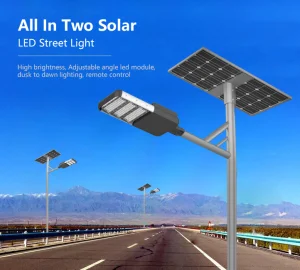
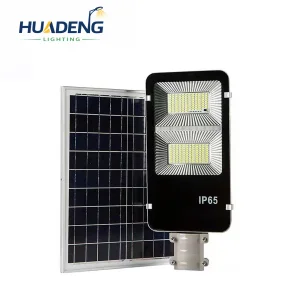
Get technical insights on municipal standards, integration options, and shipping protocols when procuring from Lukas Lighting.
Yes. All electrical systems, power supplies, and external drivers exported to the Japanese market are engineered to meet the criteria for the PSE Mark (Product Safety Electrical Appliance & Material). Additionally, our luminaires align with the performance and safety test requirements of JIS C 8105-2-3 (particular requirements for street and road lighting luminaires).
Our streetlights undergo a rigorous anti-corrosion process. We apply a multi-stage thermosetting powder coating over high-density, copper-free aluminum alloy, which has been tested to meet the standards for ISO 9227/JIS Z 2371 salt spray testing (C5-M high marine grade rating). Additionally, our housings are designed with low wind resistance profiles and are rated IP66/IP67 to withstand extreme rain and coastal winds up to 60 m/s.
Our smart poles support major IoT communication protocols, including Wi-SUN (essential for integration with Japanese utility network systems), LoRaWAN, NB-IoT, and Zigbee/Bluetooth Mesh. The control nodes plug into industry-standard 7-pin NEMA or Zhaga sockets, making it easy to swap them out or upgrade them in the future.
Sourcing directly from our 11,000 sqm facility in Jiangsu, China, provides cost and logistics advantages. We handle the entire manufacturing cycle, including automated SMT assembly, metal fabrication, and optical validation. This vertical integration allows us to keep lead times short (often within 3-4 weeks to the Port of Osaka) and offers the flexibility to customize bracket adapters and driver settings to meet Japanese grid and aesthetic requirements.
Yes, our multi-functional smart pole systems can be customized to include air quality sensors, CCTV security cameras, public Wi-Fi routers, dynamic LED advertising displays, and low-power EV chargers. These systems are designed with modular circuitry to keep power lines isolated and safe.
Ready to start your next infrastructure project in the Kansai region?
Connect with Our Technical Sales Team Lukas Lighting