Intelligent luminaires configured with advanced motion detection, IoT remote management, and IP65/IP66 weatherproof bodies suited for urban expansion across Algiers.
As the largest metropolitan area and main economic gateway of Algeria, Algiers is currently undergoing a comprehensive structural modernization. Under the vision of the Algiers Smart City Initiative, public infrastructures are transitioning from legacy high-pressure sodium (HPS) and metal halide fixtures towards interconnected Solid-State Lighting (SSL) nodes. This transition is not merely driven by illumination goals but by the need to drastically optimize municipal energy expenditure and establish the data-collection backbones required for future smart utility grids.
Operating a lighting grid in Algiers, however, presents distinct environmental challenges that demand rigorous physical engineering. The northern coastline of Algiers exposes optical systems to constant high relative humidity and aggressive marine salt-spray (causing chemical corrosion on raw alloys), while seasonal Saharan wind currents carry abrasive micro-dust particles. High-summer temperatures exceeding 45°C cause traditional driver components to experience rapid thermal stress, shortening their operational lifecycles. Without robust IP ratings, advanced heat sink dissipation, and localized intelligence protocols, municipal streetlights risk catastrophic component degradation within two to three seasons.
Dual chamber seals preventing Saharan particulate ingress under IP65 and IP66 ratings, ensuring optical clarity remains optimal.
Integrated aluminum alloy heatsinks and programmable thermal fold-back drivers designed to operate smoothly in temperatures exceeding 45°C.
Electrostatic powder coating and anti-corrosive treatments to defend hardware against the coastal salt spray of the Bay of Algiers.
Modern public lighting has evolved past basic photo-sensor triggers. Today's global and local standards place intelligent connectivity at the core of urban development. We analyze several structural shifts occurring within the sector:
Modern deployments utilize Zigbee, LoRaWAN, and NB-IoT architectures to allow bidirectional communication between the central municipal interface and individual light poles. Importers in Algiers prioritize luminaires featuring standard NEMA or Zhaga connectors, preparing physical poles for future telemetry expansions.
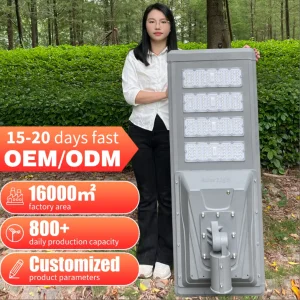
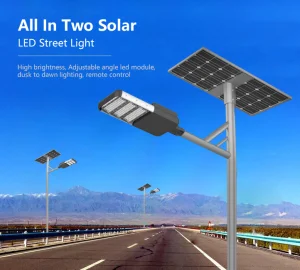
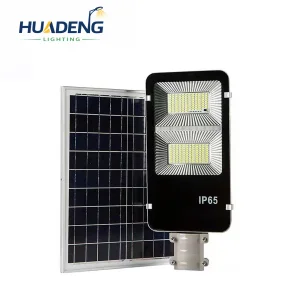
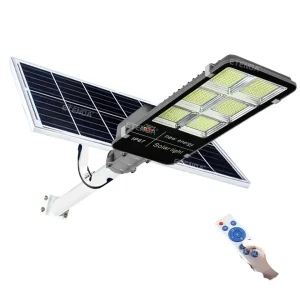
By pairing high-yield photovoltaic panels with LiFePO4 batteries and MPPT tracking algorithms, smart hybrid systems can operate independently during peak grid stresses or power outages, securing critical arterial roads throughout the Wilaya of Algiers.
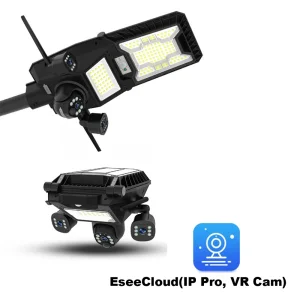
Streetlight poles are expanding into multi-functional smart nodes. Integrating motion sensors, CCTV cameras, and atmospheric sensors allows authorities to run dimming profiles based on active traffic flow, generating energy savings up to 70% compared to static networks.
By collecting continuous voltage, current, and temperature telemetry, Central Management System (CMS) software monitors the degradation profile of the driver and LED matrix, notifying field engineers in Algiers before actual optical failure occurs.
Jiangsu Lukas Lighting Co., Ltd. was established in 1998 with a strong commitment to innovation, quality, and sustainability in the outdoor lighting industry. Over more than two decades of development, the company has grown into a professional manufacturer specializing in intelligent and energy-efficient street lighting solutions.
With continuous investment in research and development, Lukas Lighting has expanded its product portfolio to include LED street lights, solar street lights, smart lighting systems, landscape lighting, and customized municipal lighting solutions. Our products are widely used in urban roads, highways, industrial parks, residential communities, and public infrastructure projects across global markets.
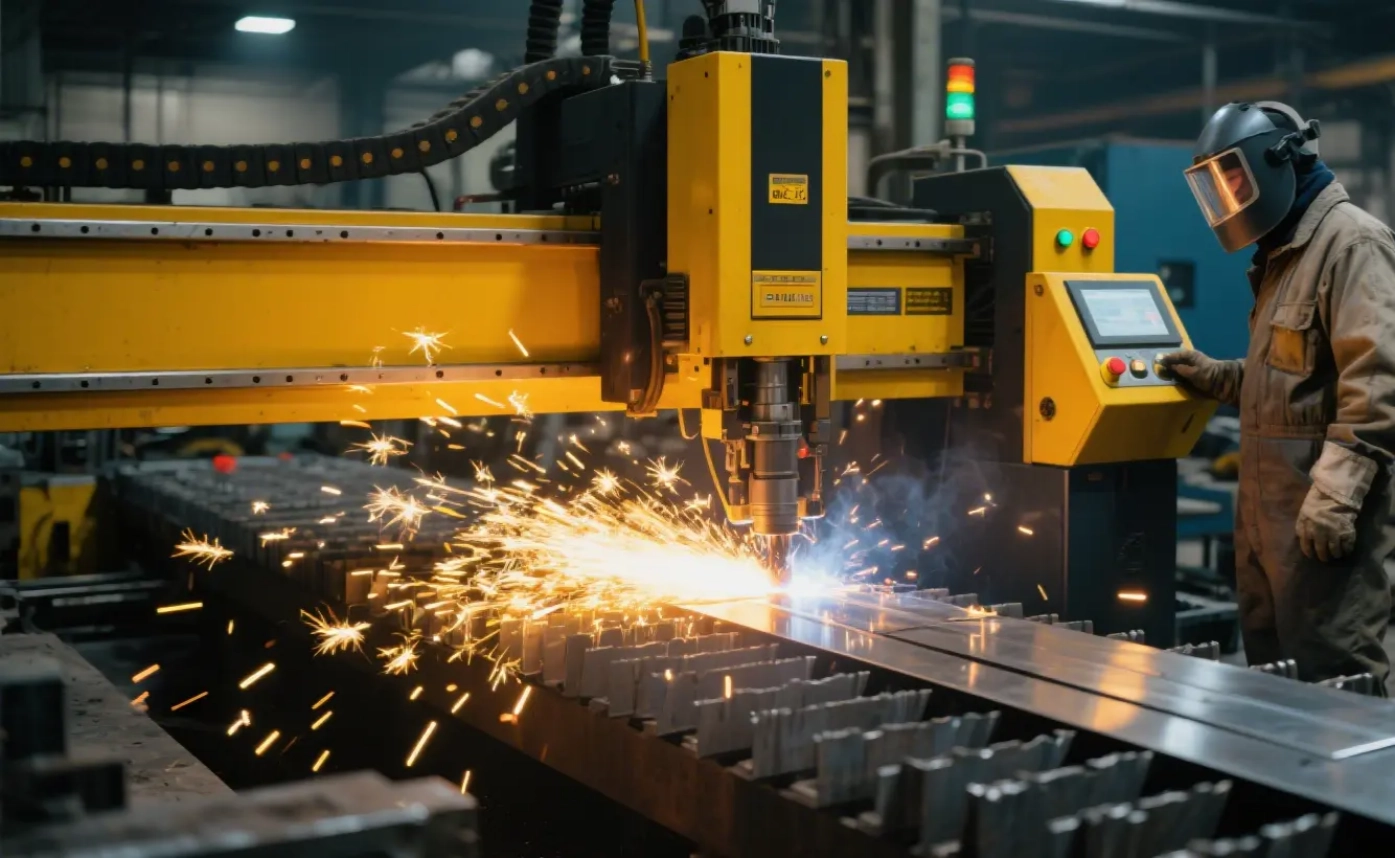
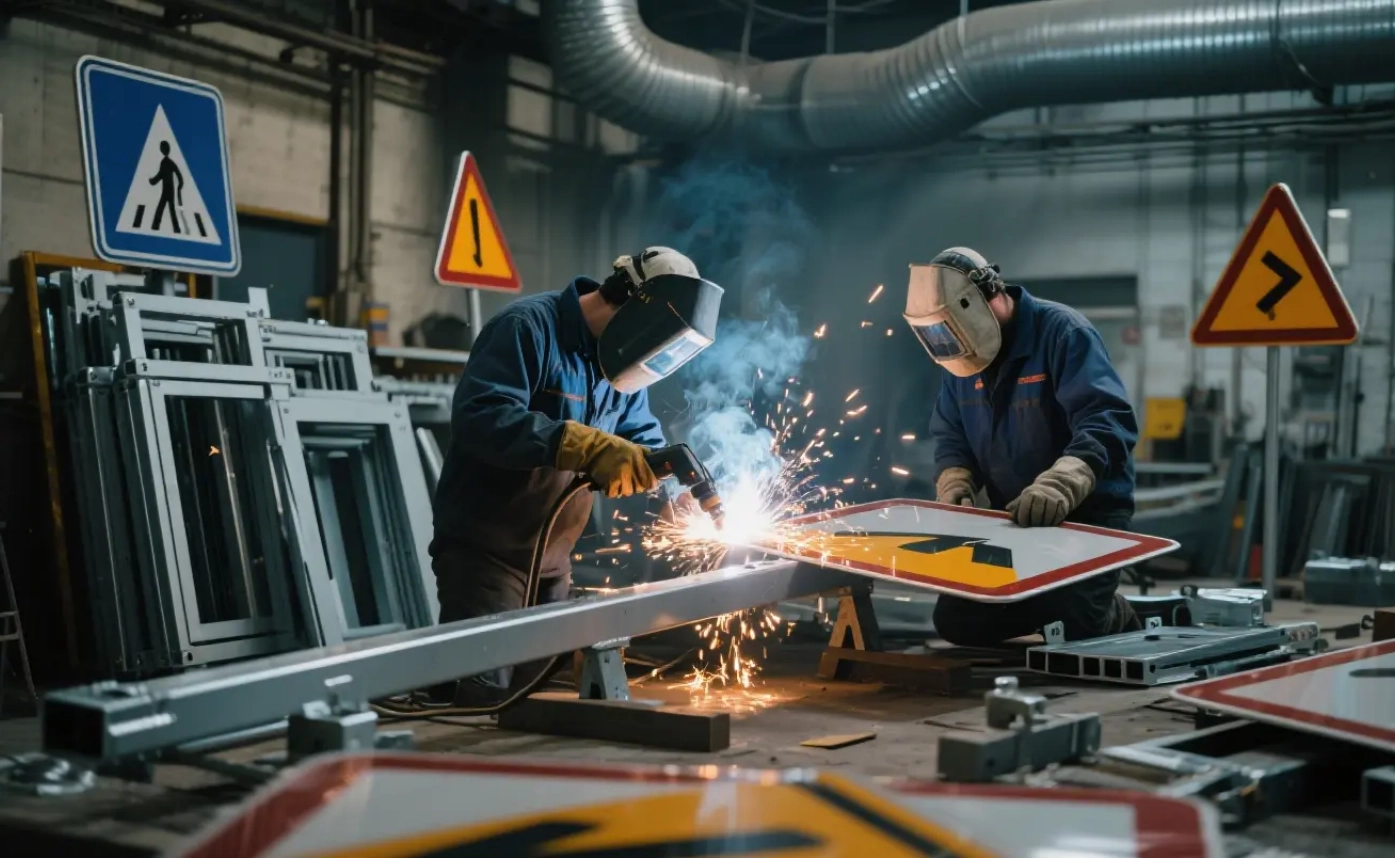
Located in Jiangsu, China, our modern production base covers an area of approximately 11,000 square meters. The facility is equipped with advanced manufacturing technologies and operated by a team of experienced engineers and skilled technicians. This ensures strict quality control, precision manufacturing, and efficient large-scale production capabilities.
Every stage of production—from raw material verification to final optoelectronic testing—is executed under strict quality assurance frameworks.
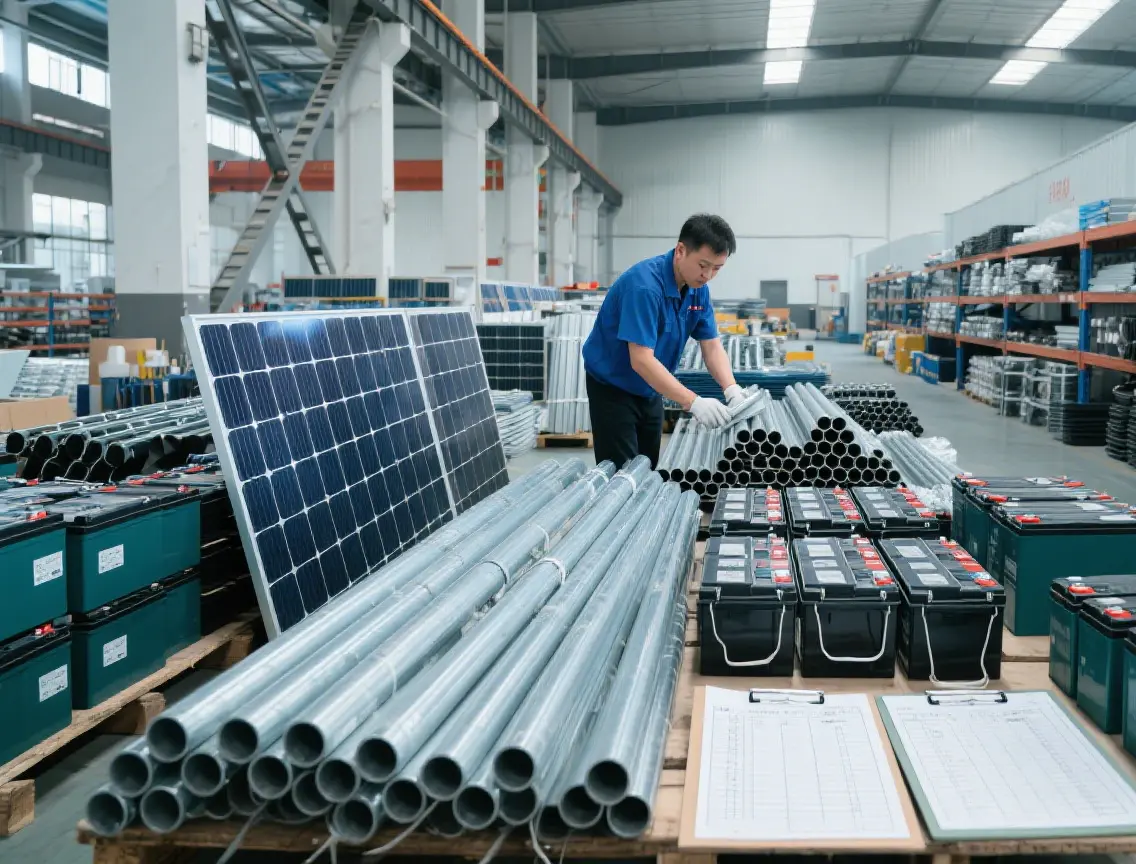
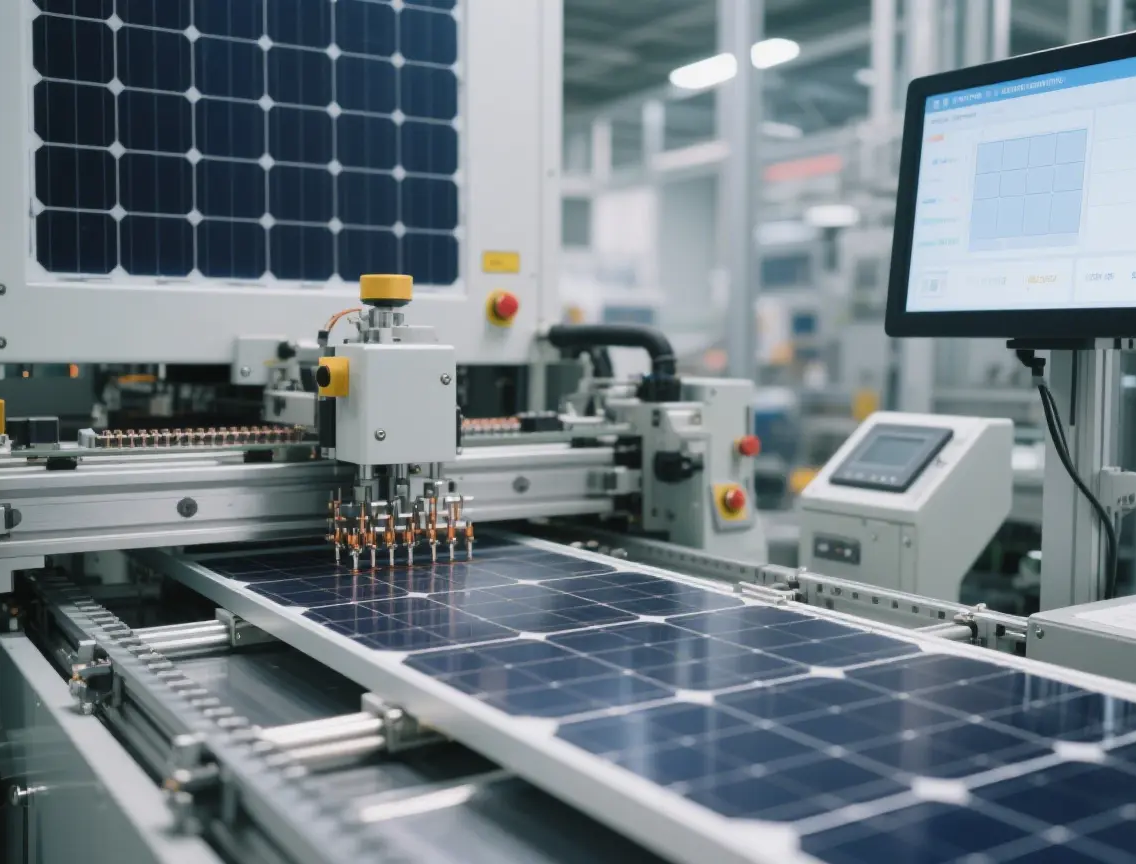
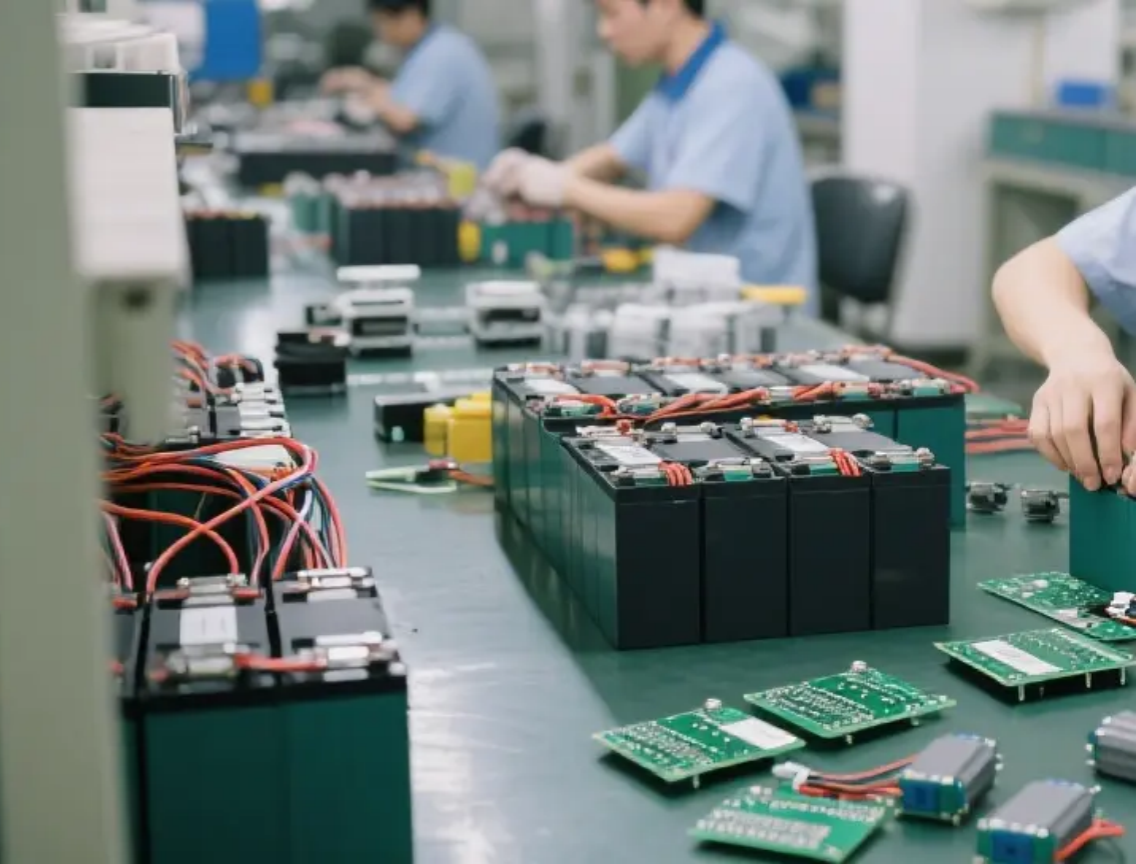
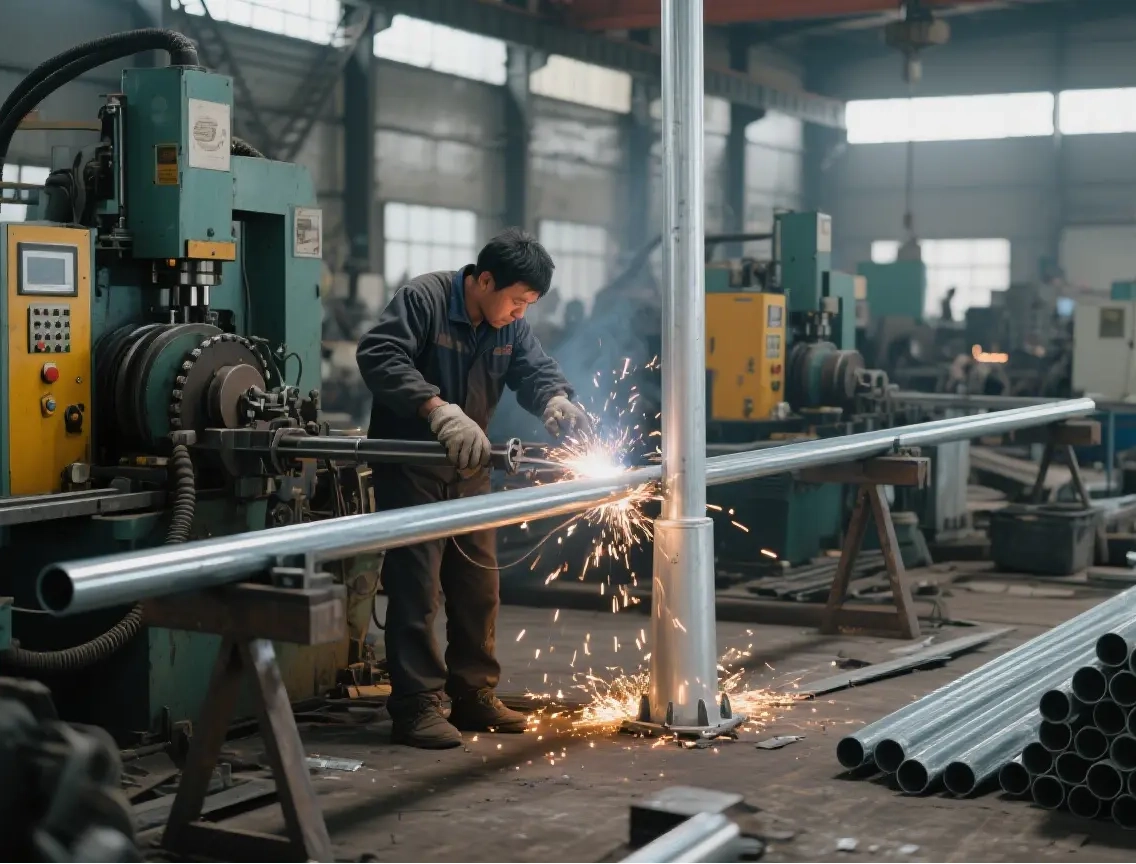


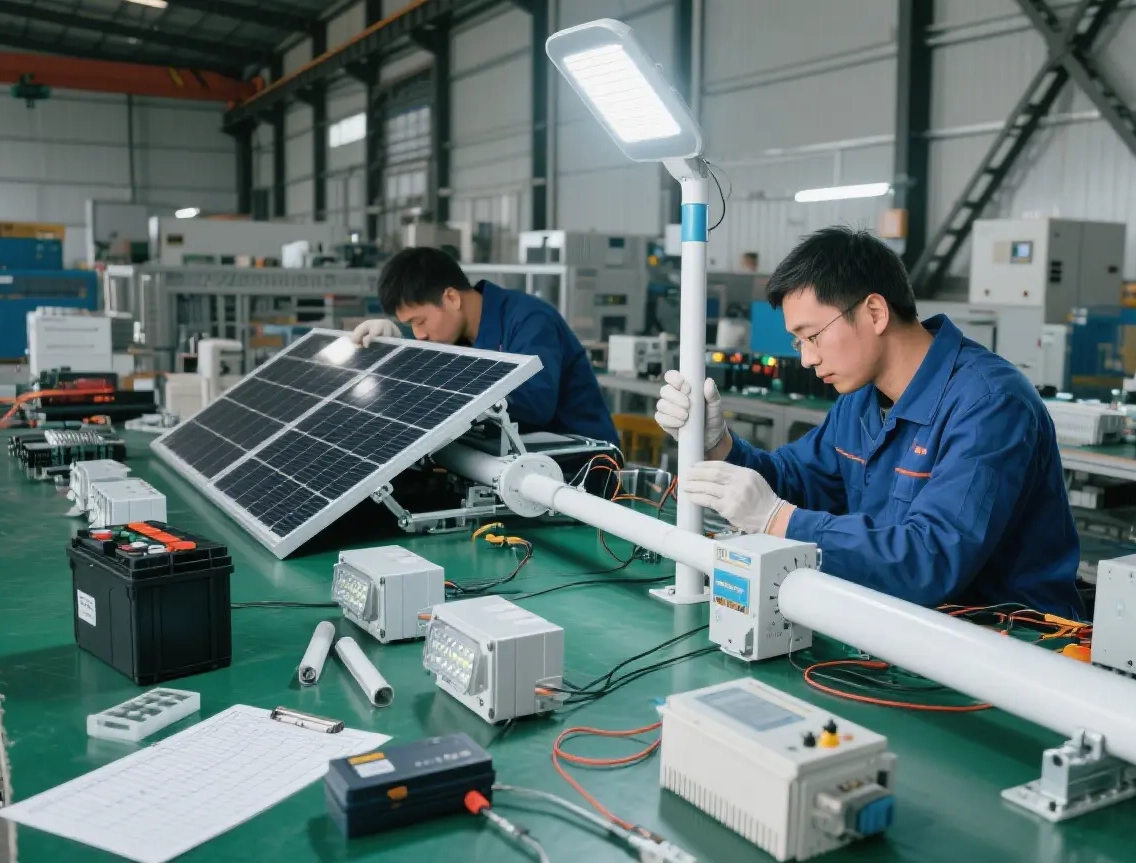
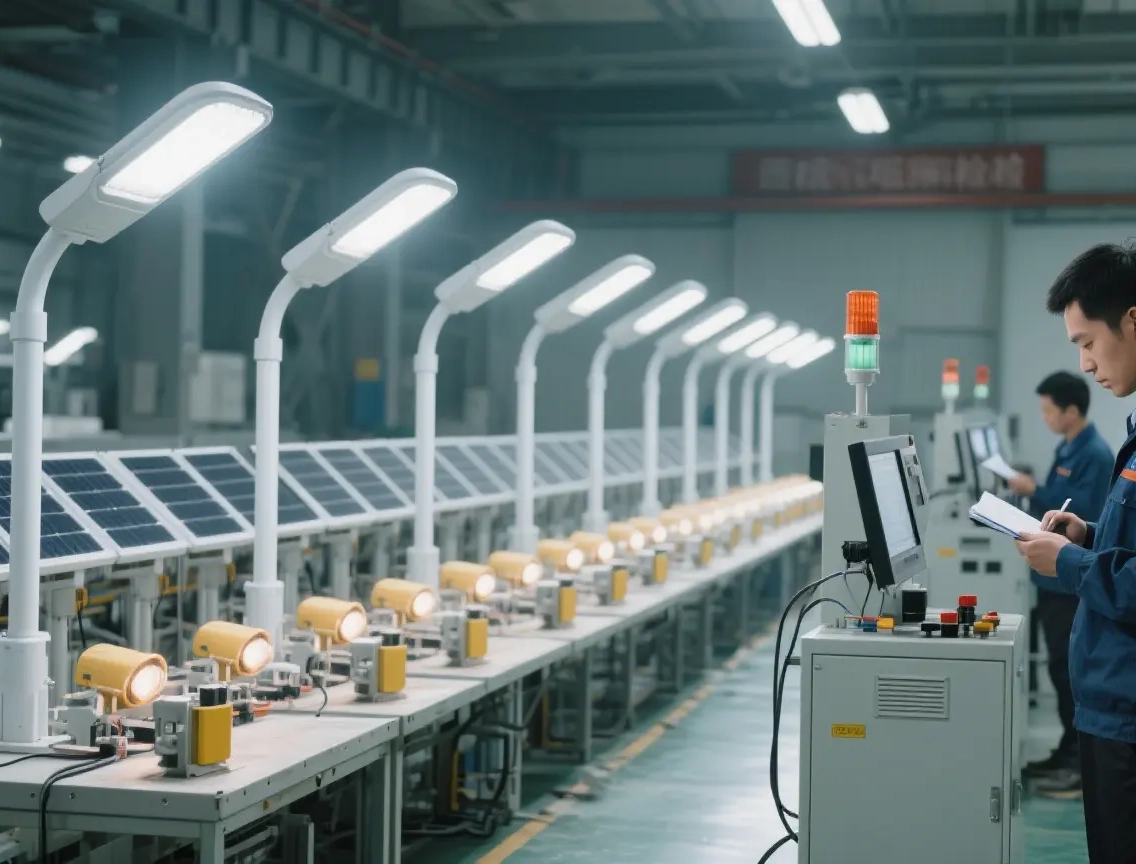
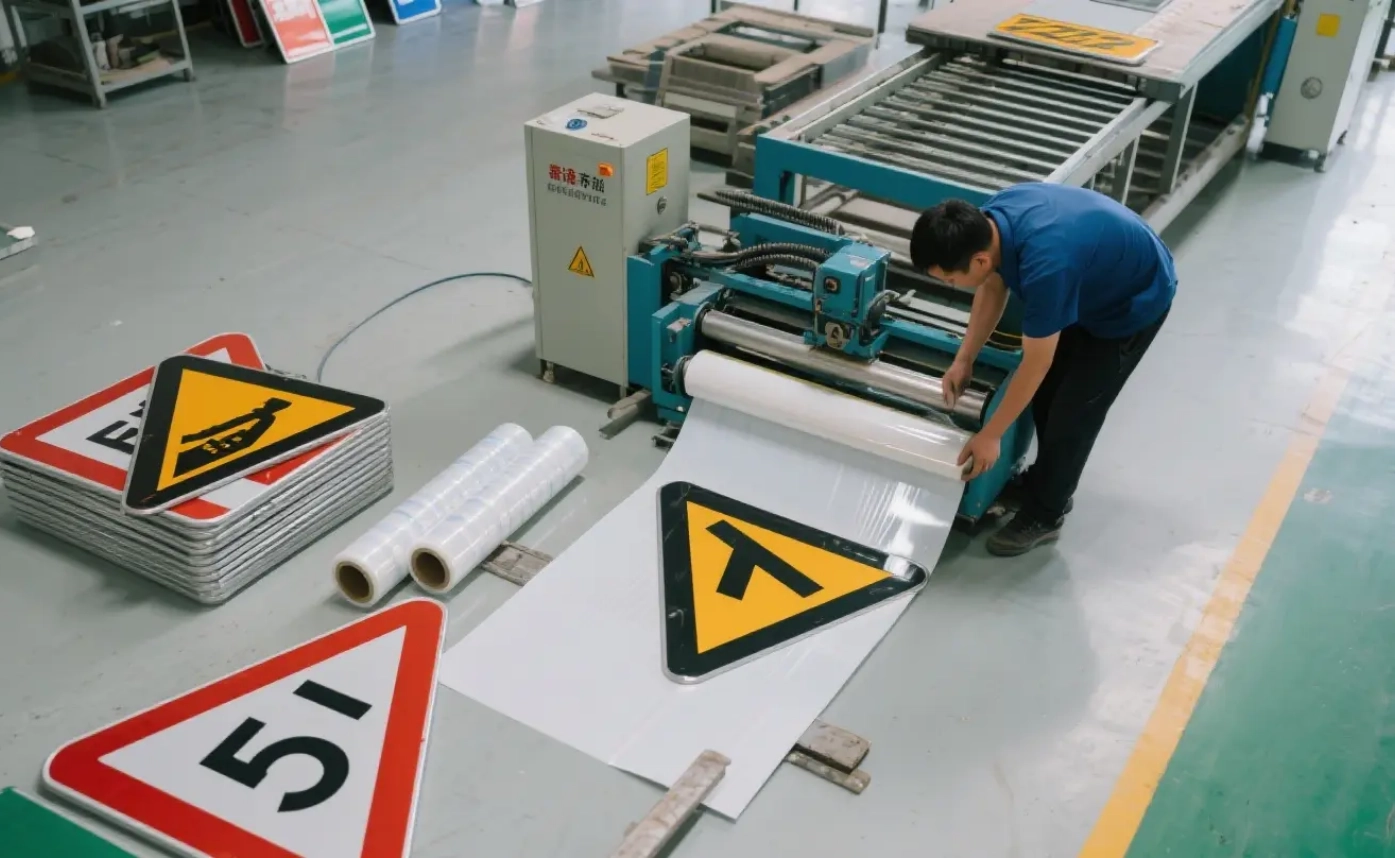
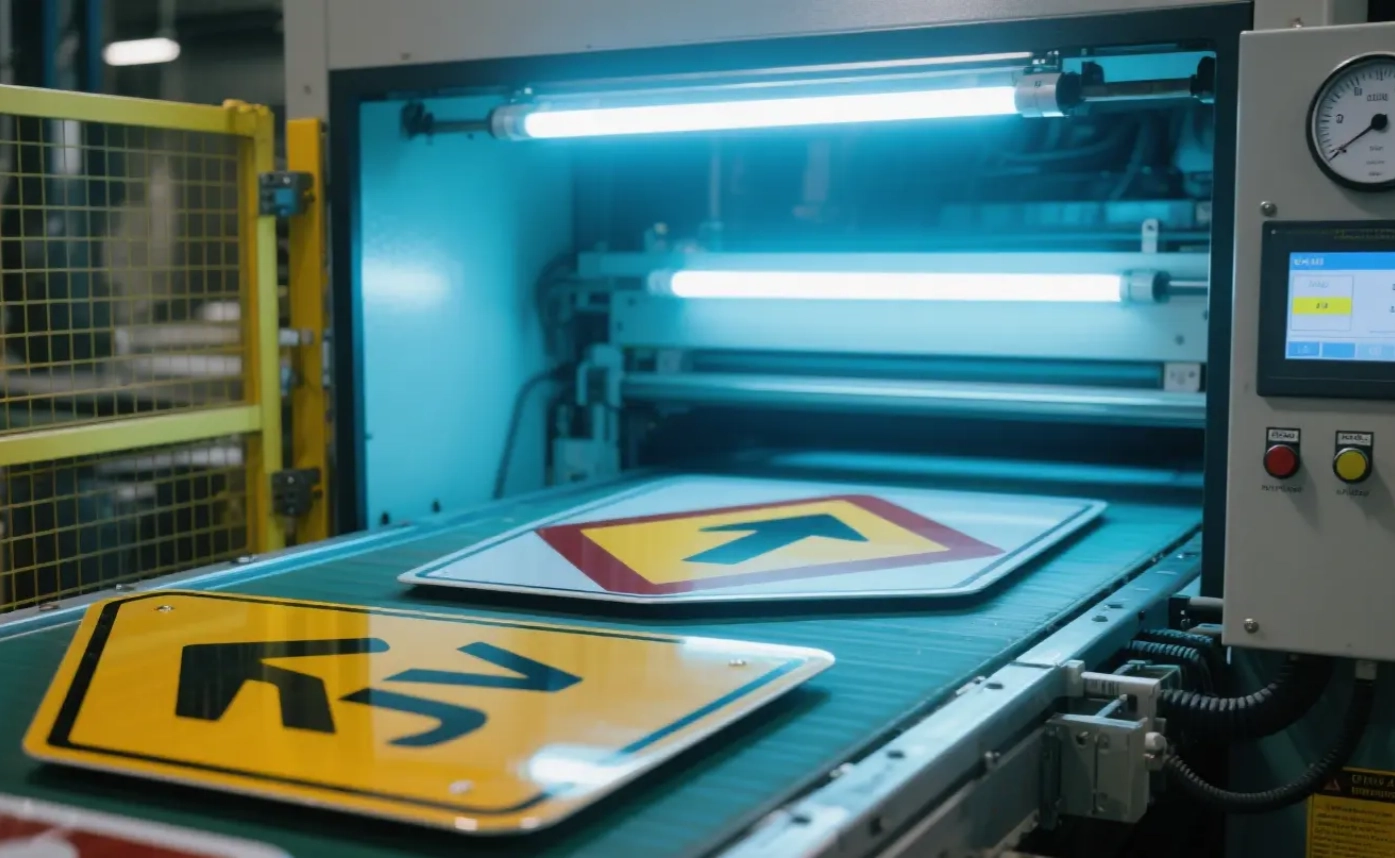
Entering the Algerian B2B market requires strict adherence to import procedures and safety frameworks. Lukas Lighting designs all public luminaires to comply with international standard benchmarks certified by bodies like TÜV, CE, CB, and RoHS, which streamline local customs clearance (Douane Algérienne) and technical approvals by local supervisory bodies (such as the IANOR - Institut Algérien de Normalisation).
| Regulatory Standard | Technical Objective | Relevance to Algiers Projects |
|---|---|---|
| CE / RoHS Certifications | Verifies low voltage electrical safety and limits toxic chemicals in electronic components. | Enables standard compliance for state-funded and municipal bids. |
| IEC 60598-2-3 (IP65 / IP66) | Assesses the physical seal integrity against dust and water ingress. | Crucial for coastal humidity and dust storms from the desert. |
| IK08 / IK10 Impact Ratings | Measures resistance against localized mechanical impacts. | Protects installations from accidental impact or localized vandalism. |
| IEC 60068-2-11 (Salt Spray) | Evaluates corrosion endurance in high-saline atmospheres. | Required for coastal expressways like the Route Nationale 11 along the coast of Algiers. |
Lukas Lighting supports Algerian partners with all critical documents needed for credit letters (LC) and import certificates, including Certificat de Conformité, test reports, and Dialux simulation data. We assist project contractors in drafting technical responses to complex public bids from the Wilaya d'Alger, matching light distribution patterns to specific road configurations.
Leveraging Chinese manufacturing remains a highly competitive strategy for Algiers infrastructure developers, offering critical benefits across the project lifecycle:
Partner with an experienced OEM/ODM manufacturer to secure reliable, certified municipal hardware optimized for Algeria's environmental conditions.
Send Inquiry NowDeploying smart lighting systems requires matching the hardware to the specific layout of the urban environment. Here are key scenarios where our products excel:
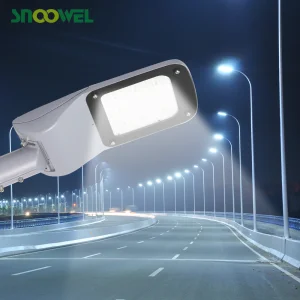
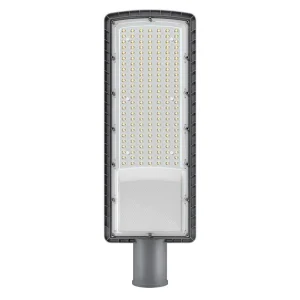
On high-speed corridors like the East-West Highway (Autoroute Est-Ouest) and the Algiers Southern Bypass, we deploy high-lumen 200W to 400W LED fixtures. These models feature precise asymmetrical light distribution to maximize visibility and road safety while reducing energy use during low-traffic night hours.
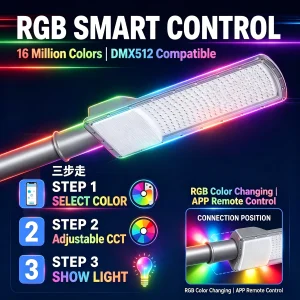
Along the Sablettes Maritime Promenade, luminaires require protection from ocean air and moisture. We install coastal-grade, anti-corrosive IP66 smart streetlights. Using integrated RGB and remote control networks (DMX512), municipal teams can adapt illumination colors for public holidays and civic events.
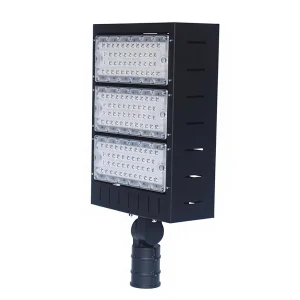
Industrial parks demand reliable, 24/7 illumination. Our high-power LED systems with integrated smart sensors provide consistent light for security and logistics operations, scaling down illumination automatically when zones are unoccupied.
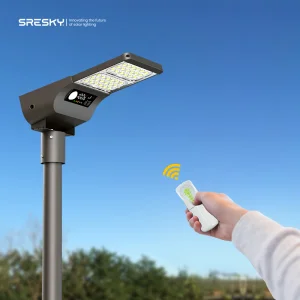
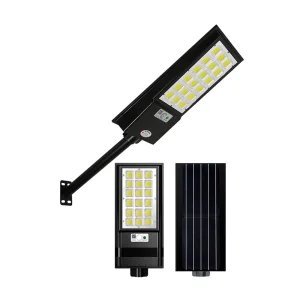
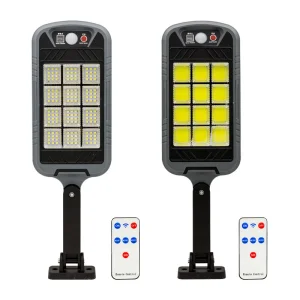
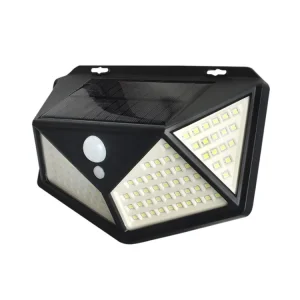
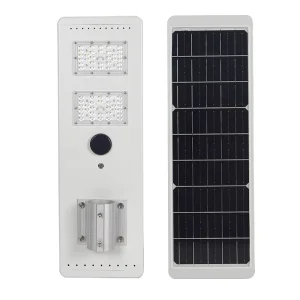
For municipal housing and residential quarters (such as Bab Ezzouar or Sidi M'Hamed), integrated solar streetlights with motion sensors provide a cost-effective choice. These standalone fixtures install without expensive underground trenching or wiring, operating entirely on stored solar energy.
Explore our full line of commercial, industrial, and municipal-grade fixtures, equipped with modern LED modules and smart system compatibility.
Technical advice and logistics information for engineering companies, municipal buyers, and distributors in Algiers.
 Lukas Lighting