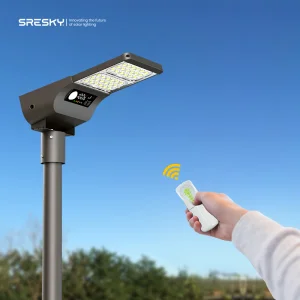
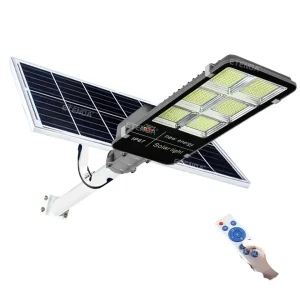
High-performance smart solar and grid-integrated luminaires configured to withstand high salinity, moisture, and storm conditions across the Trinidad and Tobago archipelago.
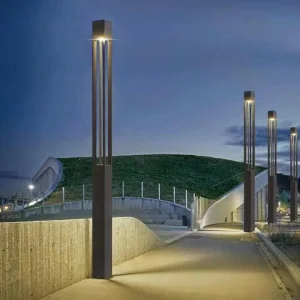
As the leading industrial economy in the Caribbean Community (CARICOM), Trinidad and Tobago is undergoing a foundational energy transformation. Backed by its Vision 2030 framework, the dual-island nation is actively transitioning from fossil-fuel dominance to decentralized, energy-efficient public infrastructure. The Trinidad and Tobago Electricity Commission (T&TEC) and municipal corporations are prioritizing intelligent LED retrofitting to optimize public grid loads.
Furthermore, coastal roads like the Solomon Hochoy Highway and high-density industrial corridors near Point Lisas experience intense environmental challenges: continuous exposure to high atmospheric humidity, high salinity, Saharan dust clouds, and severe tropical weather. Traditional high-pressure sodium (HPS) and metal halide fixtures suffer from rapid ballast degradation and high operational costs. Transitioning to Smart LED and Solar Street Lighting systems provides the grid independence and structural resilience necessary to maintain community safety and lower municipal expenses.
On a global scale, the municipal lighting paradigm has shifted from "simple illumination" to "sensor-integrated IoT infrastructure." Modern smart streetlights serve as decentralized sensor nodes. High-efficiency LEDs combined with IoT controllers reduce carbon footprints by up to 70%, and integration with Central Management Software (CMS) enables real-time asset tracking, predictive fault monitoring, and adaptive lux output.
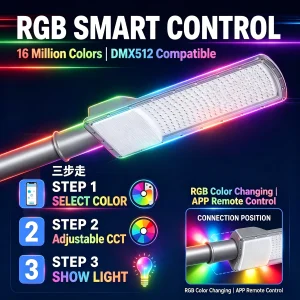
Leveraging LoRaWAN, NB-IoT, and 4G/5G cellular protocols to establish mesh networks, allowing utility operators to monitor and dim individual lighting poles remotely.
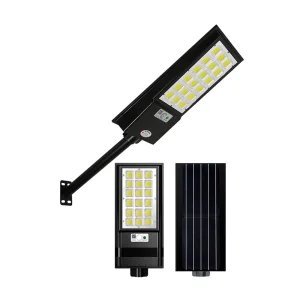
Replacing lead-acid batteries with high-capacity Lithium Iron Phosphate (LiFePO4) chemistries, paired with monocrystalline panels that deliver over 22% photoelectric conversion efficiency.
Converting light poles into smart nodes carrying CCTV security cameras, environmental sensors (measuring particulates and humidity), and municipal Wi-Fi transmitters.
Designed specifically for local topographies, industrial installations, and eco-sensitive environments across Trinidad and Tobago.
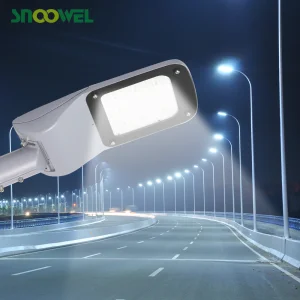
Highways like the Churchill-Roosevelt and Uriah Butler experience heavy vehicular traffic and high particulate dust from onshore winds. Our smart luminaires feature IP66 waterproof ingress protection and optical lenses designed for optimal light spread, ensuring clear visibility even during heavy downpours.
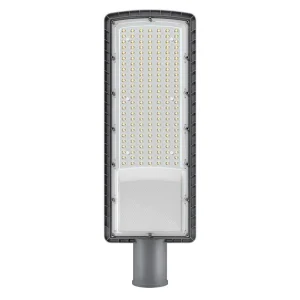
Point Lisas, Point Fortin, and heavy industrial ports require robust lighting capable of continuous operation in corrosive gas environments. We supply high-lumen, CE/RoHS/ENEC certified LED streetlights constructed with die-cast ADC12 aluminum housing and tempered glass protectors.
Tobago's focus on eco-tourism demands systems that preserve natural habitats. Our intelligent solar fixtures incorporate smart PIR motion sensors and remote control capabilities, dimming automatically when roads are empty to minimize light pollution and preserve local wildlife ecosystems.
Lukas Lighting streetlights integrate advanced components to provide high luminaire efficacy, reliable wireless communication, and battery life longevity.
Each smart luminaire can be equipped with a NEMA ANSI C136.41 standard smart controller. The controller communicates via GPRS, NB-IoT, or LoRaWAN protocols back to a web-accessible Central Management System. Municipalities can access dashboard interfaces indicating:
Our solar configurations rely on high-efficiency monocrystalline PV panels and high-capacity Lithium Iron Phosphate (LiFePO4) batteries. Compared to ternary lithium or lead-acid alternatives, LiFePO4 offers a wider thermal window (-20°C to +60°C) and over 2000-3000 charge-discharge cycles. When paired with Maximum Power Point Tracking (MPPT) intelligent controllers, solar harvesting efficiency increases by up to 30%, guaranteeing stable operation throughout the rainy season.
Jiangsu Lukas Lighting Co., Ltd. was established in 1998 with a strong commitment to innovation, quality, and sustainability in the outdoor lighting industry. Over more than two decades of development, the company has grown into a professional manufacturer specializing in intelligent and energy-efficient street lighting solutions.
With continuous investment in research and development, Lukas Lighting has expanded its product portfolio to include LED street lights, solar street lights, smart lighting systems, landscape lighting, and customized municipal lighting solutions. Our products are widely used in urban roads, highways, industrial parks, residential communities, and public infrastructure projects across global markets.
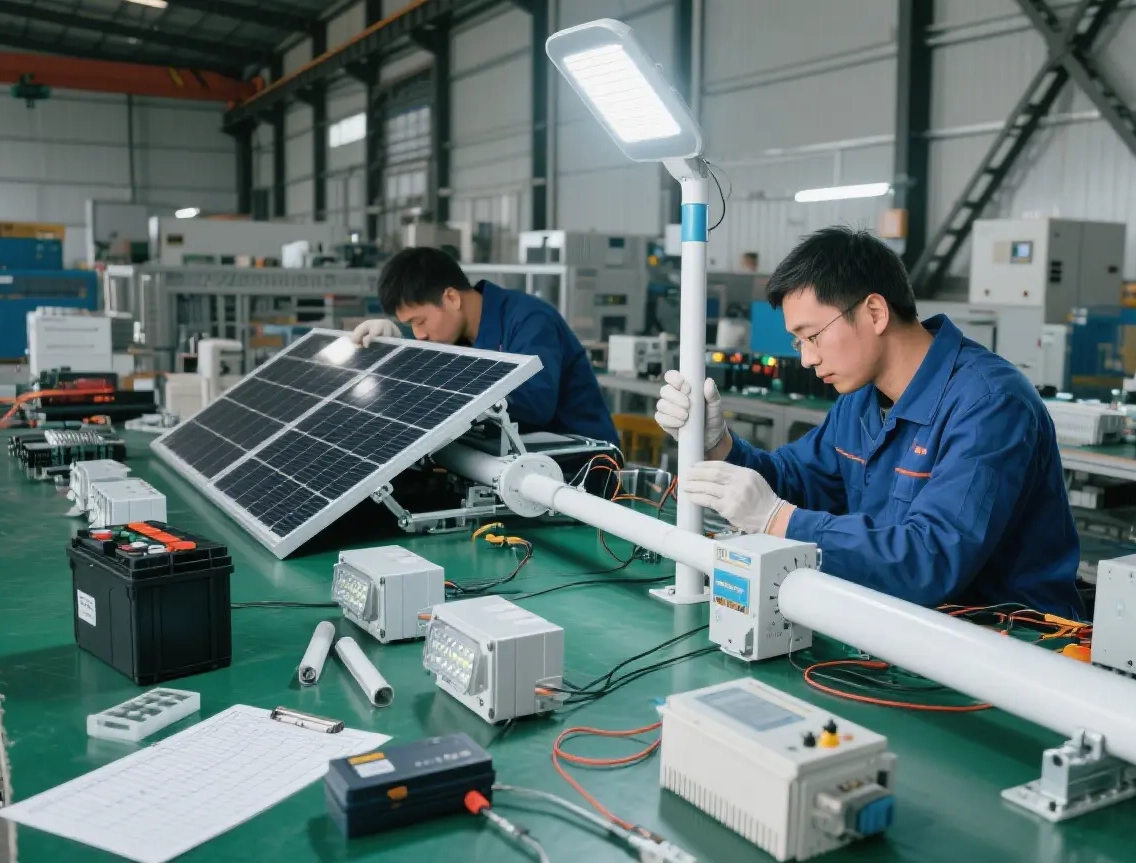
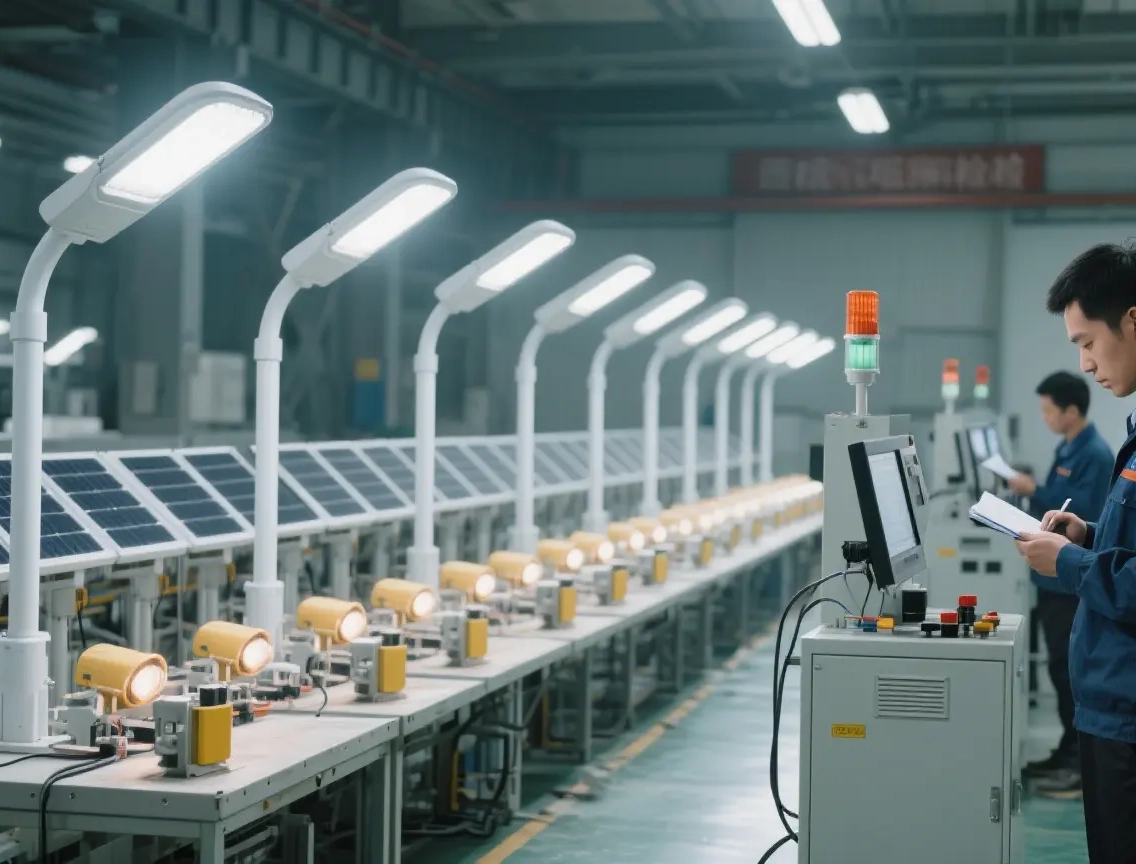
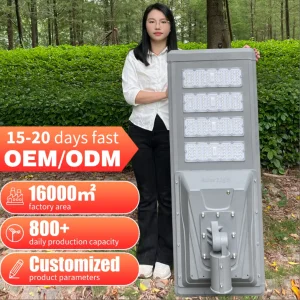
Located in Jiangsu, China, our modern production base covers an area of approximately 11,000 square meters. The facility is equipped with advanced manufacturing technologies and operated by a team of experienced engineers and skilled technicians. This ensures strict quality control, precision manufacturing, and efficient large-scale production capabilities.
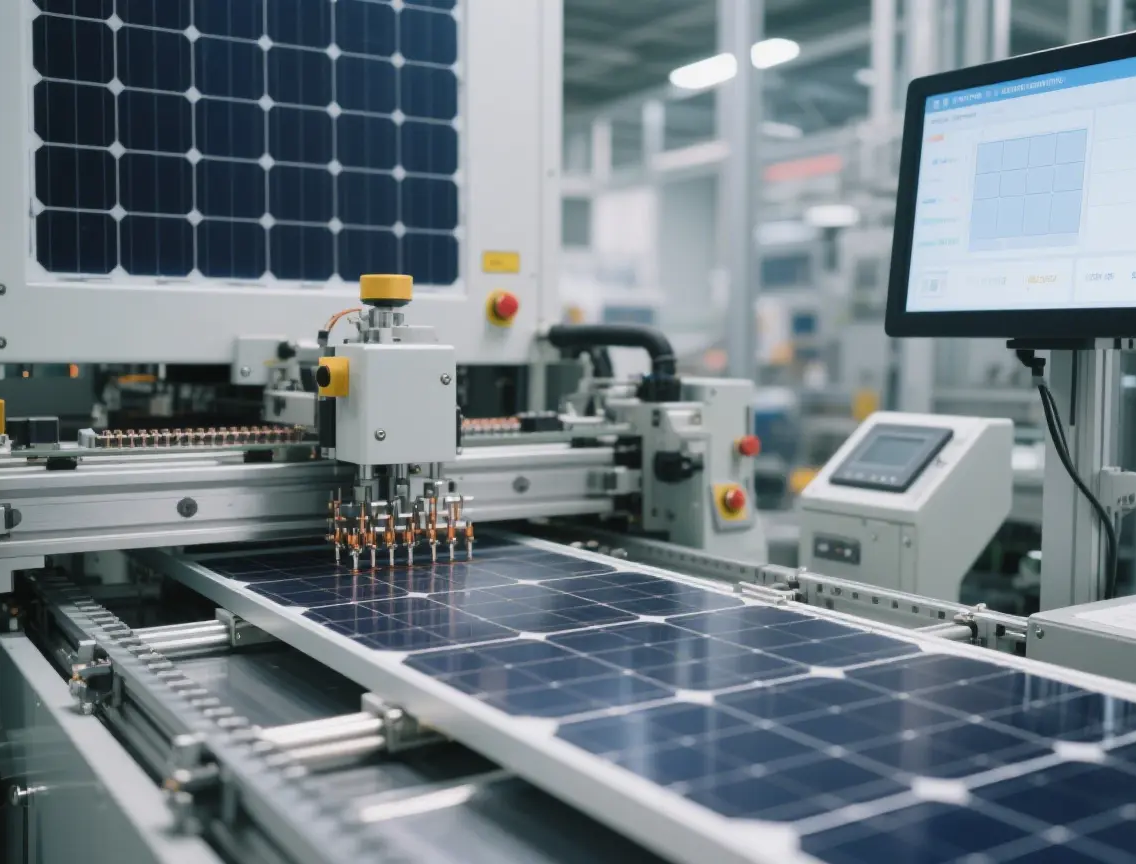
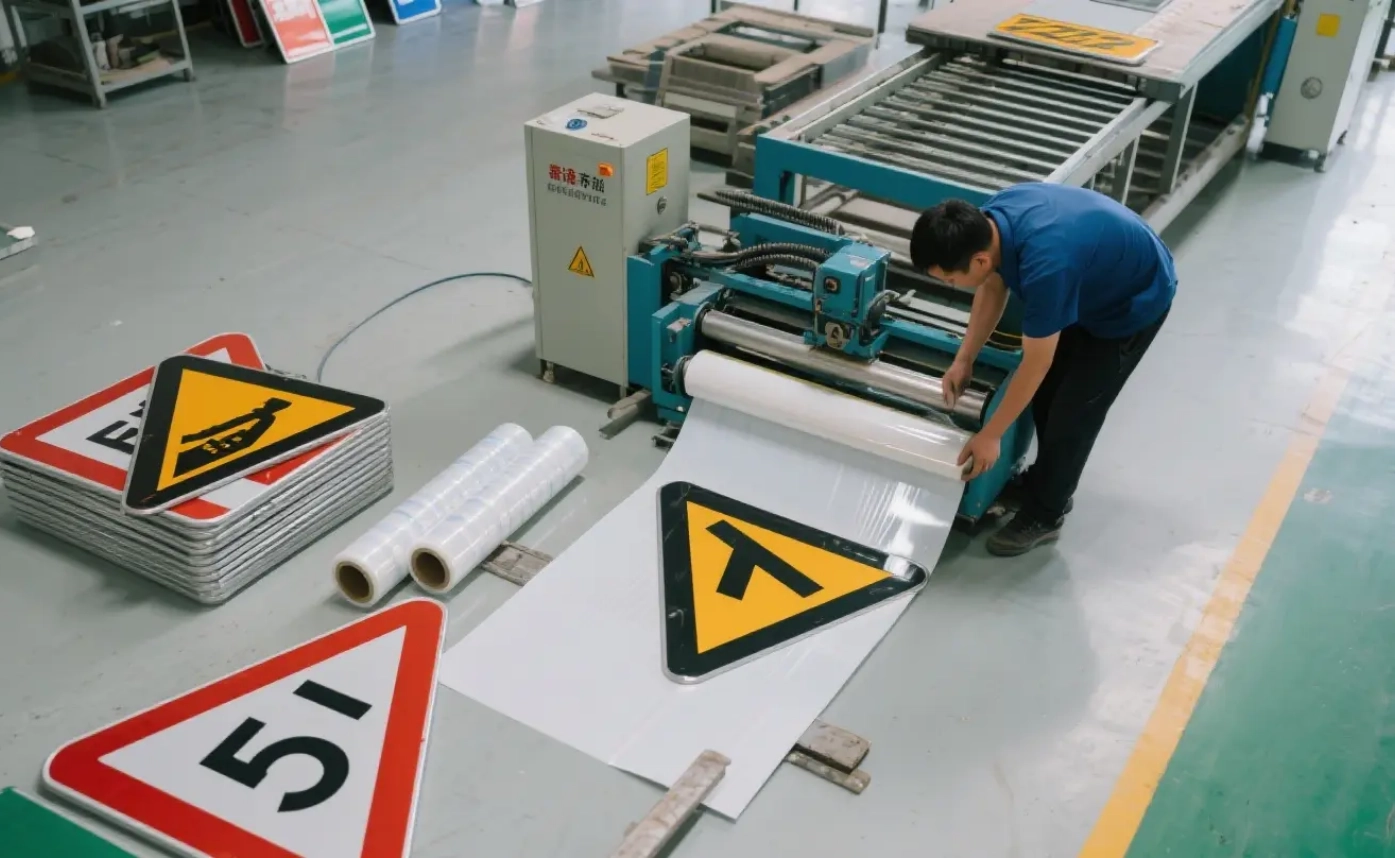
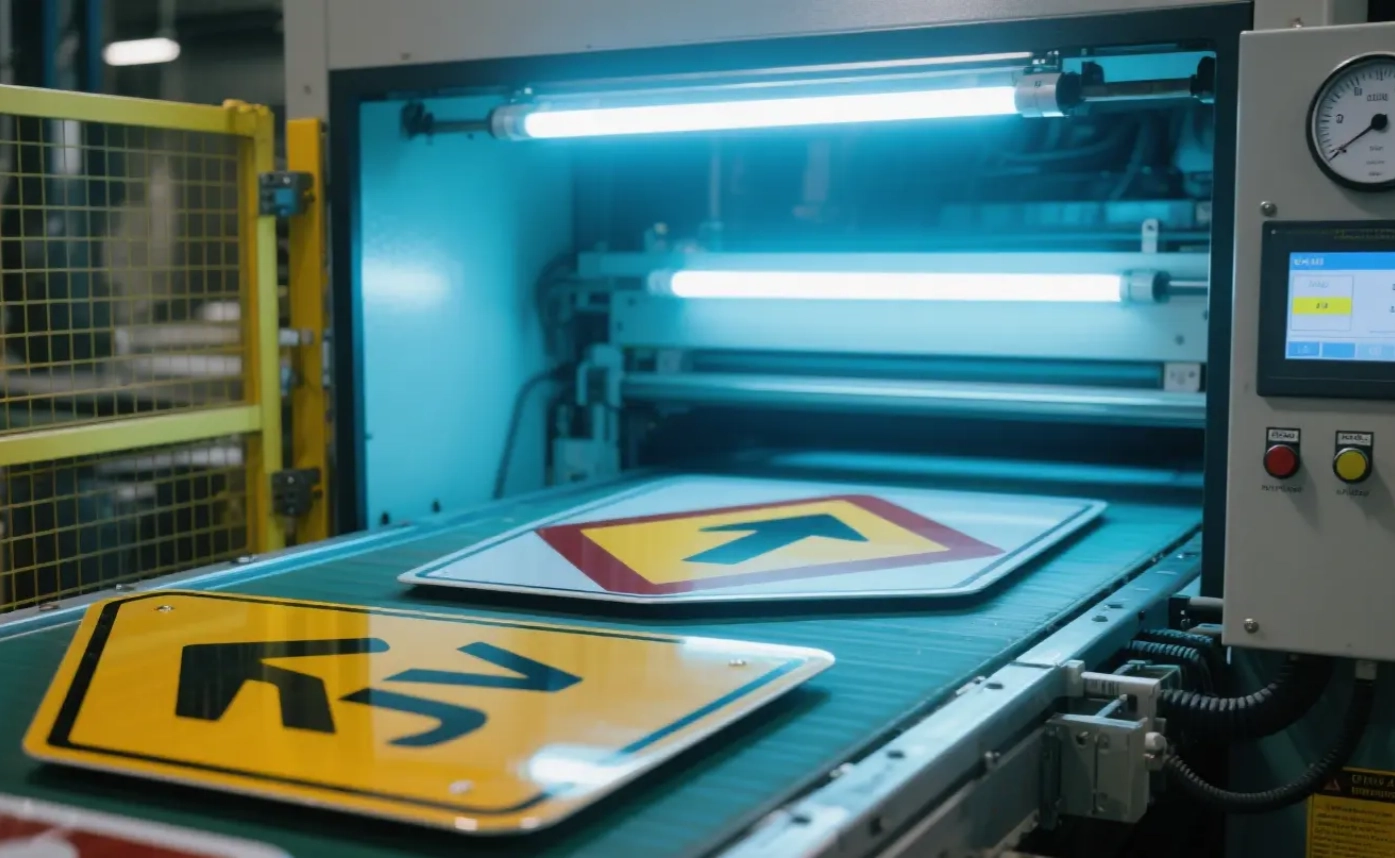
Our manufacturing complex is equipped with a complete set of advanced production and testing facilities, including:
These modern facilities enable us to maintain high production efficiency while ensuring stable and reliable product performance. Every product undergoes strict quality inspection procedures, from raw material selection to final assembly and lighting performance testing.
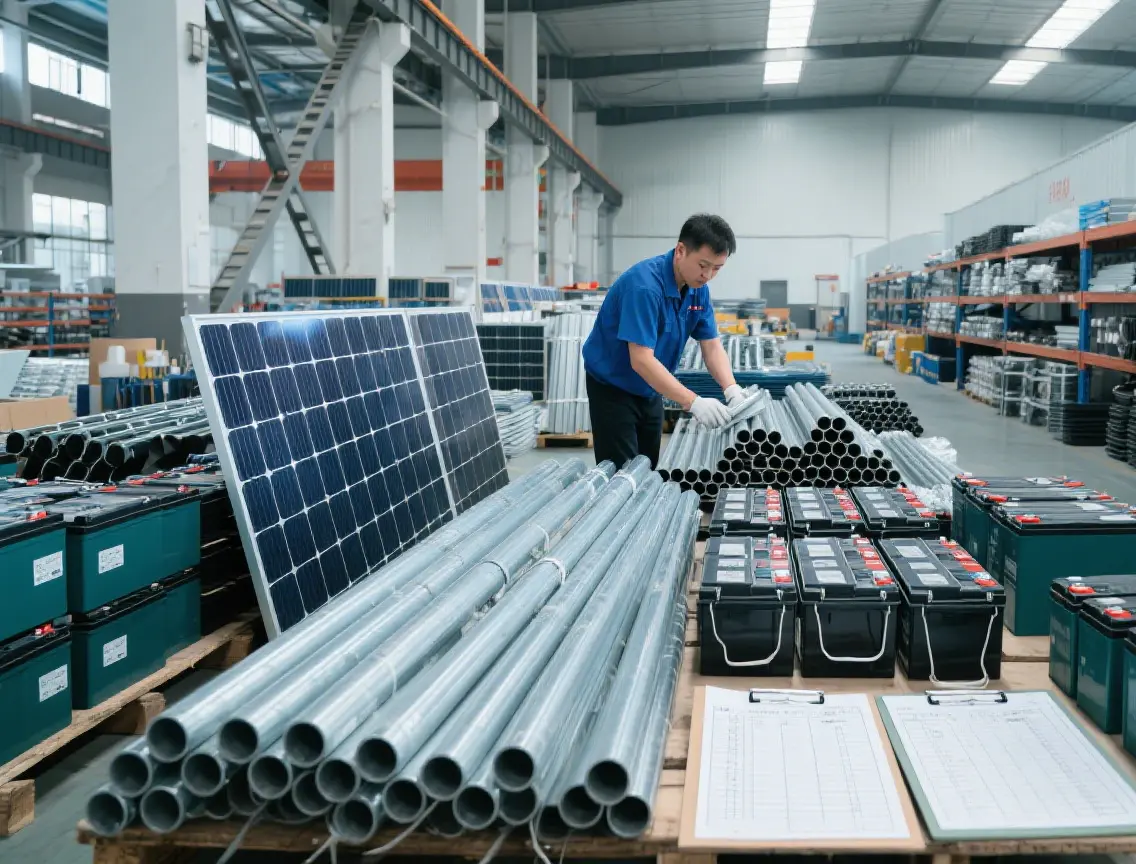
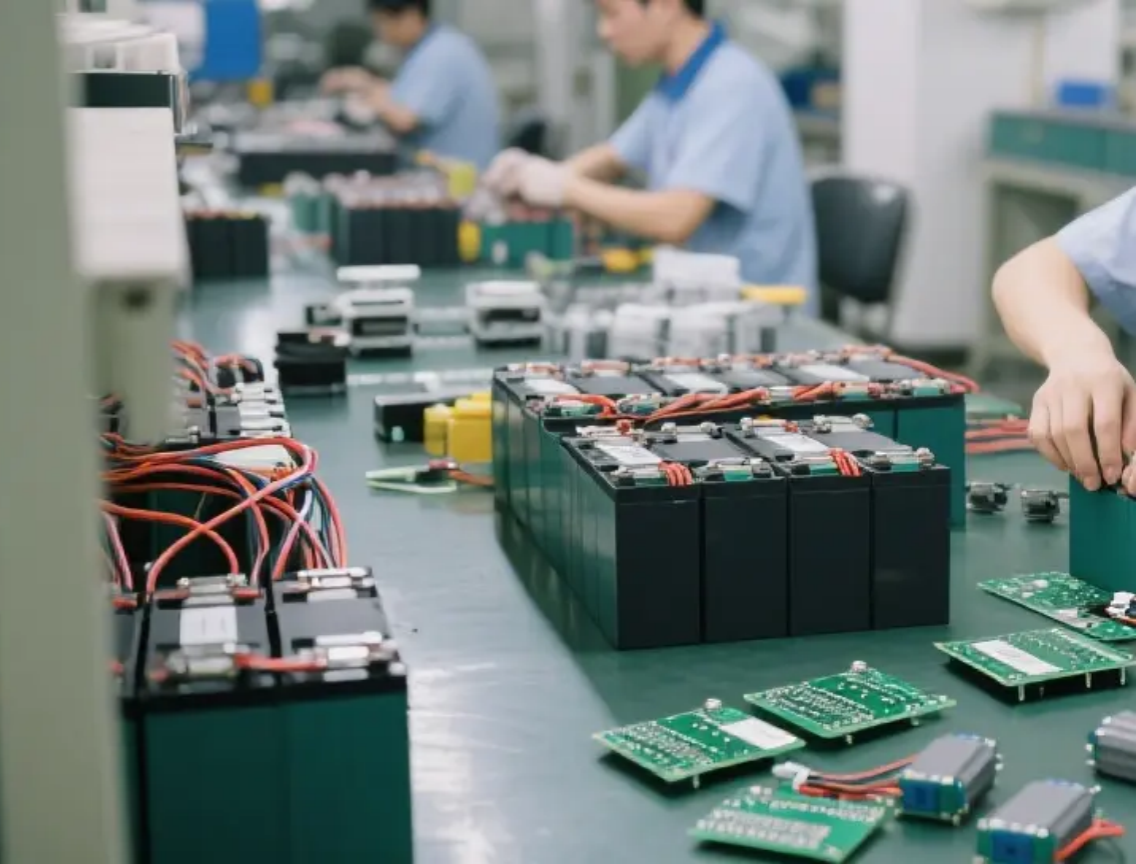





Why municipalities and commercial developers choose our smart lighting hardware.
With efficient production lines and advanced automation, we are capable of handling both large-volume orders and complex customized projects with precision and speed. Our factory is equipped with automated die-casting and robotic welding machines, allowing us to supply large infrastructure initiatives quickly.
We have established a comprehensive quality control system and have passed ISO9001 international certification. In addition, we have obtained multiple patents in lighting structure design and optical technology, guaranteeing that each unit shipped is compliant with international safety and performance standards.
We provide fully integrated services including product design, mold development, prototype testing, mass production, and logistics support—eliminating intermediate links and ensuring faster delivery and better cost efficiency. This is particularly valuable for Caribbean projects that require unique wind load engineering and mounting bracket adaptations.
We continuously invest in energy-saving LED technologies and smart lighting control systems to support global carbon reduction goals and smart city development, minimizing environmental footprints in coastal areas.
Adapting street lighting to a smart grid requires looking beyond individual lighting fixtures. In Trinidad and Tobago, where electrical distribution is managed by T&TEC, power quality fluctuations can damage typical LED drivers. Lukas Lighting addresses this issue by integrating heavy-duty surge protection devices (SPDs) rated up to 10kV/20kV into each driver assembly.
Our smart controllers feature dynamic voltage regulation. When voltage drop-offs occur at the end of long transmission lines, our drivers maintain stable light output. When coupled with solar-hybrid modules, the systems automatically draw power from local battery storage during grid drops, providing continuous, uninterrupted safety lighting.
Replacing outdated high-pressure sodium lamps with high-efficacy, marine-grade LED luminaires, reducing energy consumption by up to 50-60%.
Deploying NEMA-integrated IoT controllers with LoRaWAN or Cellular mesh setups to allow real-time diagnostic reporting and adaptive scheduled dimming.
Expanding lighting poles into platforms carrying micro-base stations, CCTV monitors, environmental sensors, and EV chargers powered by solar-grid systems.
Technical answers regarding smart street lighting deployments in Caribbean regions.
Explore our complete range of certified municipal LED, solar-hybrid, and smart sensor streetlights.
 Lukas Lighting