Engineered for Windhoek logistics hubs, Erongo mining zones, and Walvis Bay marine warehousing.
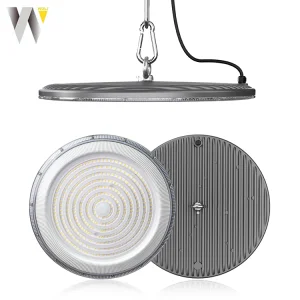
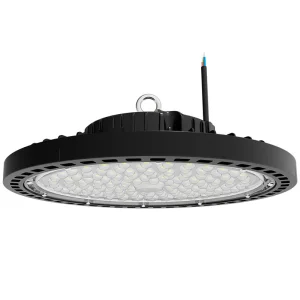
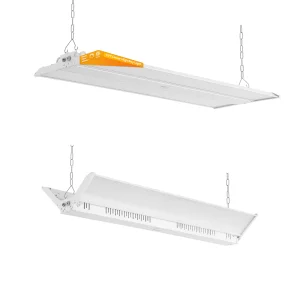
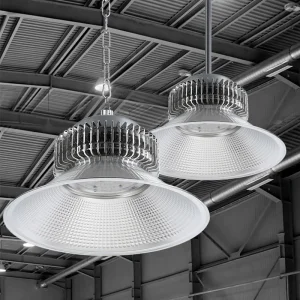
A technical brief on deploying solid-state high-bay luminaires in Southern Africa's arid and coastal zones.
Namibia is rapidly positioning itself as a core logistics gateway and mineral exporter within the Southern African Development Community (SADC) region. Driven by major projects including the expansion of the Port of Walvis Bay, massive investments in uranium and lithium mining in the Erongo Region, and a growing domestic manufacturing sector in Windhoek and Okahandja, modern industrial infrastructure requires highly reliable electrical and lighting equipment. However, the geographic reality of Namibia imposes harsh constraints that off-the-shelf lighting systems fail to withstand.
High ambient desert temperatures frequently exceeding 45°C, high ultraviolet index levels, pervasive sandstorms, and extreme coastal salinity (a common challenge in Walvis Bay and Swakopmund) demand industrial luminaires built to rugged engineering standards. The local industrial market requires solutions characterized by high IP (Ingress Protection) ratings, advanced thermal dissipation, and wide-input-voltage tolerance to withstand load-shedding fluctuations and voltage sags prevalent in remote rural grids.
Our company specializes in exporting heavy-duty LED high-bay systems tailored directly to these environments. By shifting from obsolete high-intensity discharge (HID) and metal halide fixtures to our smart LED arrays, Namibian enterprises realize up to 70% energy savings. Crucially, this mitigates operational pressure in a country where electricity prices are closely tied to regional imports from Eskom and NamPower, allowing industrial operators to secure long-term operational resilience.
Implementing DLC Premium, Smart Sensing, and Advanced Optical Physics in Heavy-Duty Fixtures.
Integration of DALI-2 protocols, Zigbee mesh networks, and microwave motion detectors to implement dynamic harvesting of daylight and occupation-based dimming cycles.
Cold-forged 1060 pure aluminum heat sinks designed with open-vent convection chimneys prevent thermal accumulation around driver chips, extending lifespans beyond 50,000 hours.
Epoxy-polyester thermosetting powder coatings protect against coastal salinity corrosion, while high-elasticity silicon seals ensure IP65/IP66 ingress protection against airborne dust.
The global high-bay lighting industry is transitioning toward hyper-efficient solid-state systems integrated with AI-driven controls. Rather than merely purchasing luminous output (lumens), forward-thinking engineers optimize spatial distribution using custom beam angles (60°, 90°, 120°) to maximize Lux levels on work surfaces while minimizing glare. Furthermore, compliance with global regulations such as the DLC (DesignLights Consortium) Premium certification ensures that the products export-ready for Namibia maintain high power factor values (>0.95) and low total harmonic distortion (THD <15%), protecting the onsite electrical infrastructure from dangerous phase offsets.
Jiangsu Lukas Lighting Co., Ltd. was established in 1998 with a strong commitment to innovation, quality, and sustainability in the outdoor lighting industry. Over more than two decades of development, the company has grown into a professional manufacturer specializing in intelligent and energy-efficient street lighting solutions.
With continuous investment in research and development, Lukas Lighting has expanded its product portfolio to include LED street lights, solar street lights, smart lighting systems, landscape lighting, and customized municipal lighting solutions. Our products are widely used in urban roads, highways, industrial parks, residential communities, and public infrastructure projects across global markets.
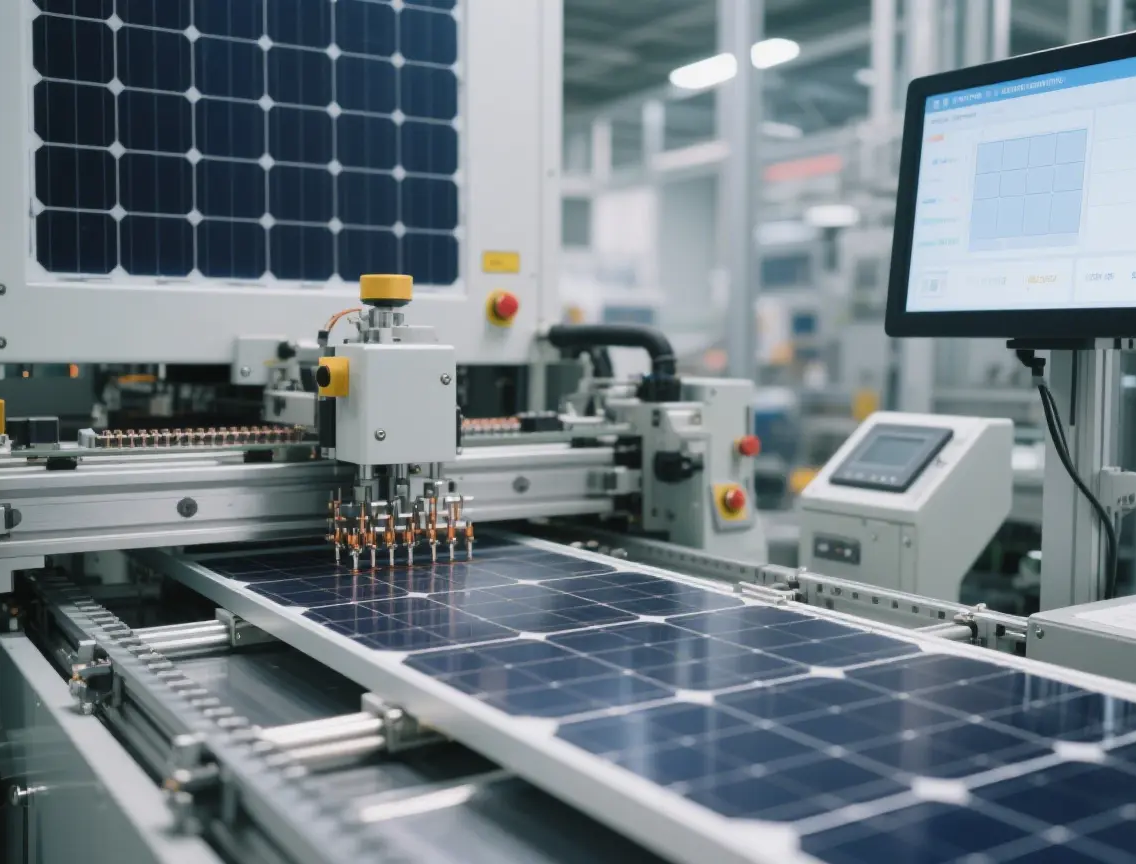
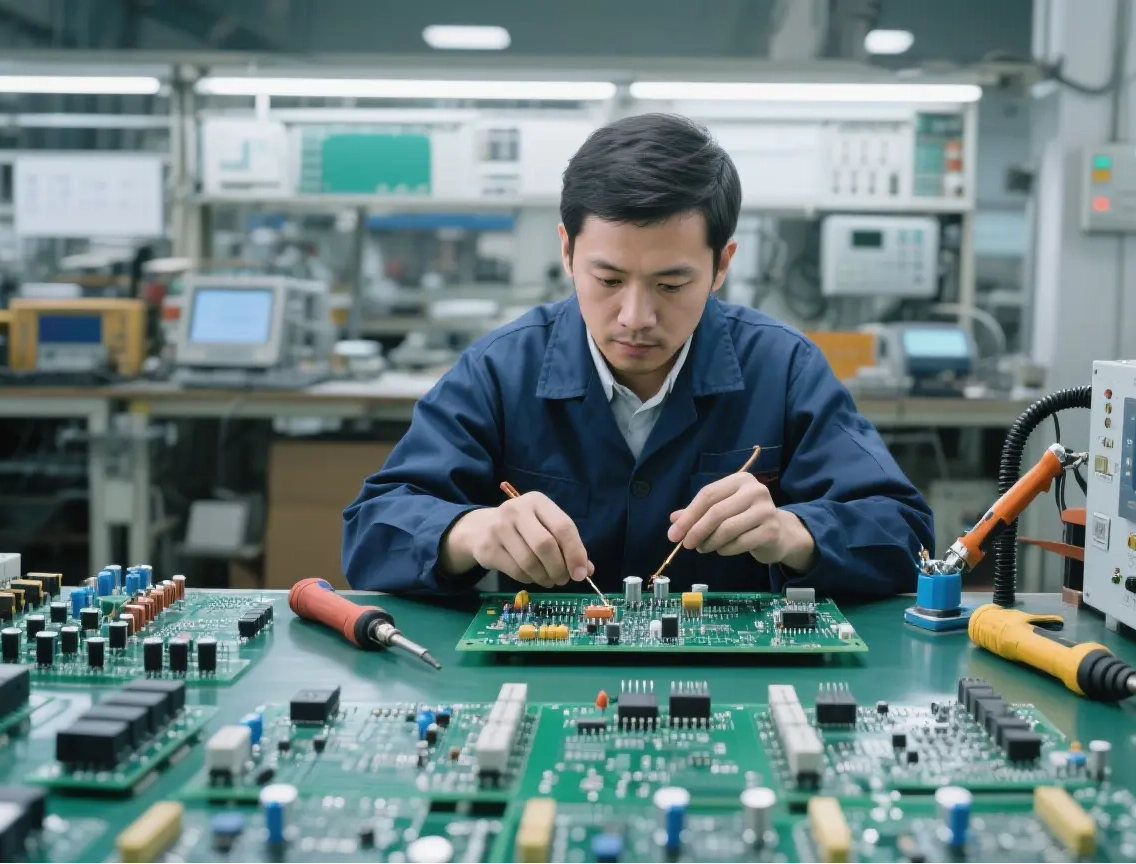
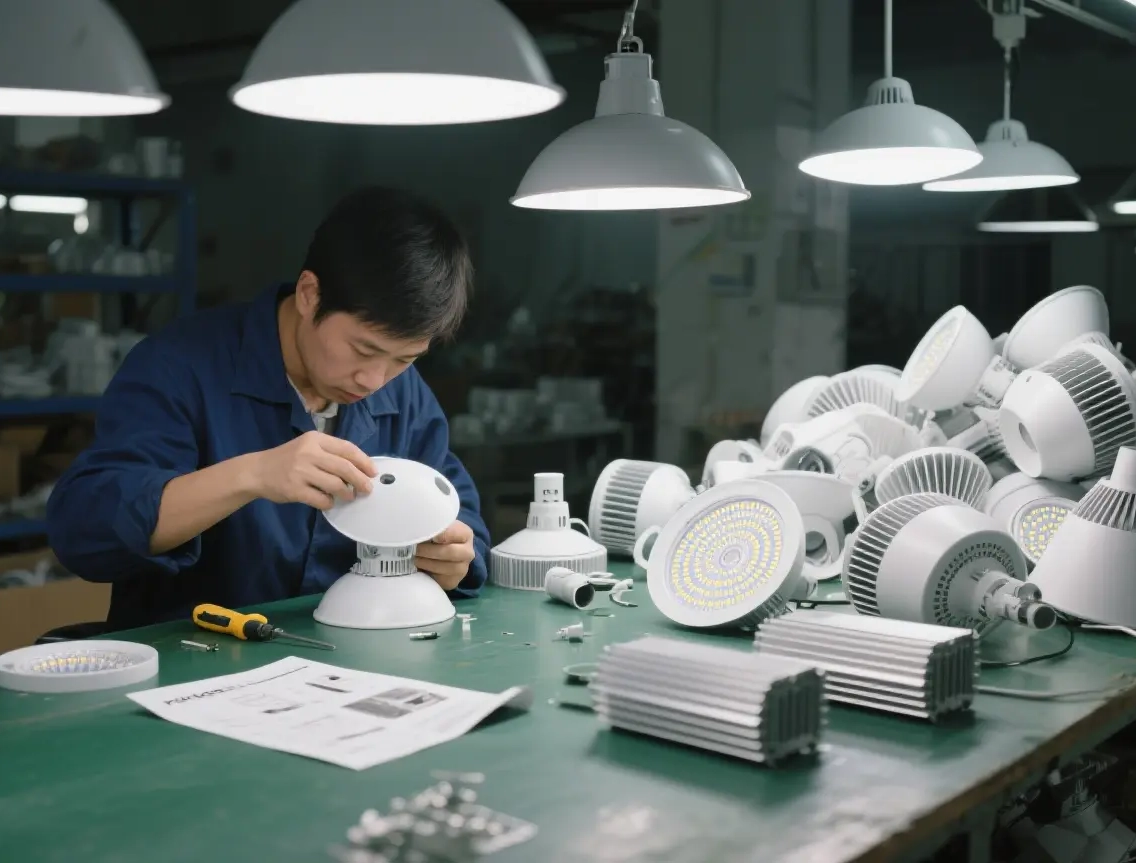
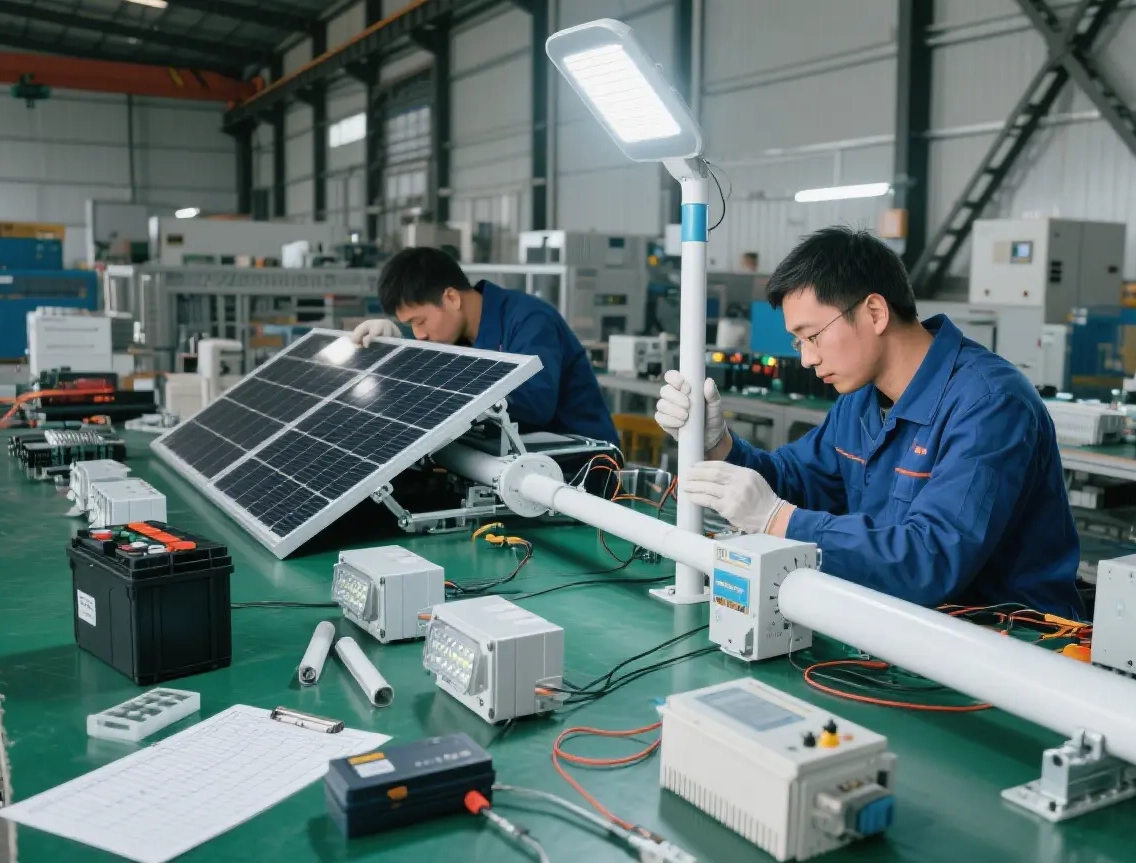
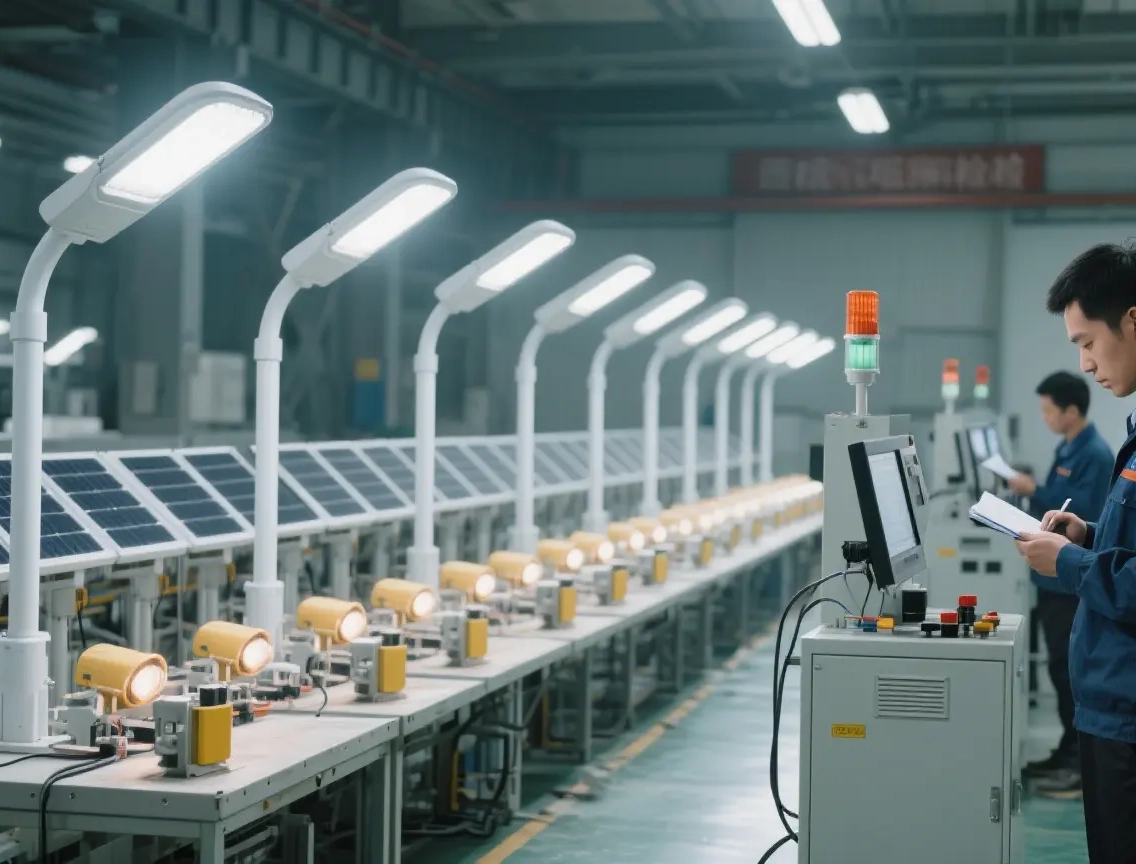
Located in Jiangsu, China, our modern production base covers an area of approximately 11,000 square meters. The facility is equipped with advanced manufacturing technologies and operated by a team of experienced engineers and skilled technicians. This ensures strict quality control, precision manufacturing, and efficient large-scale production capabilities.
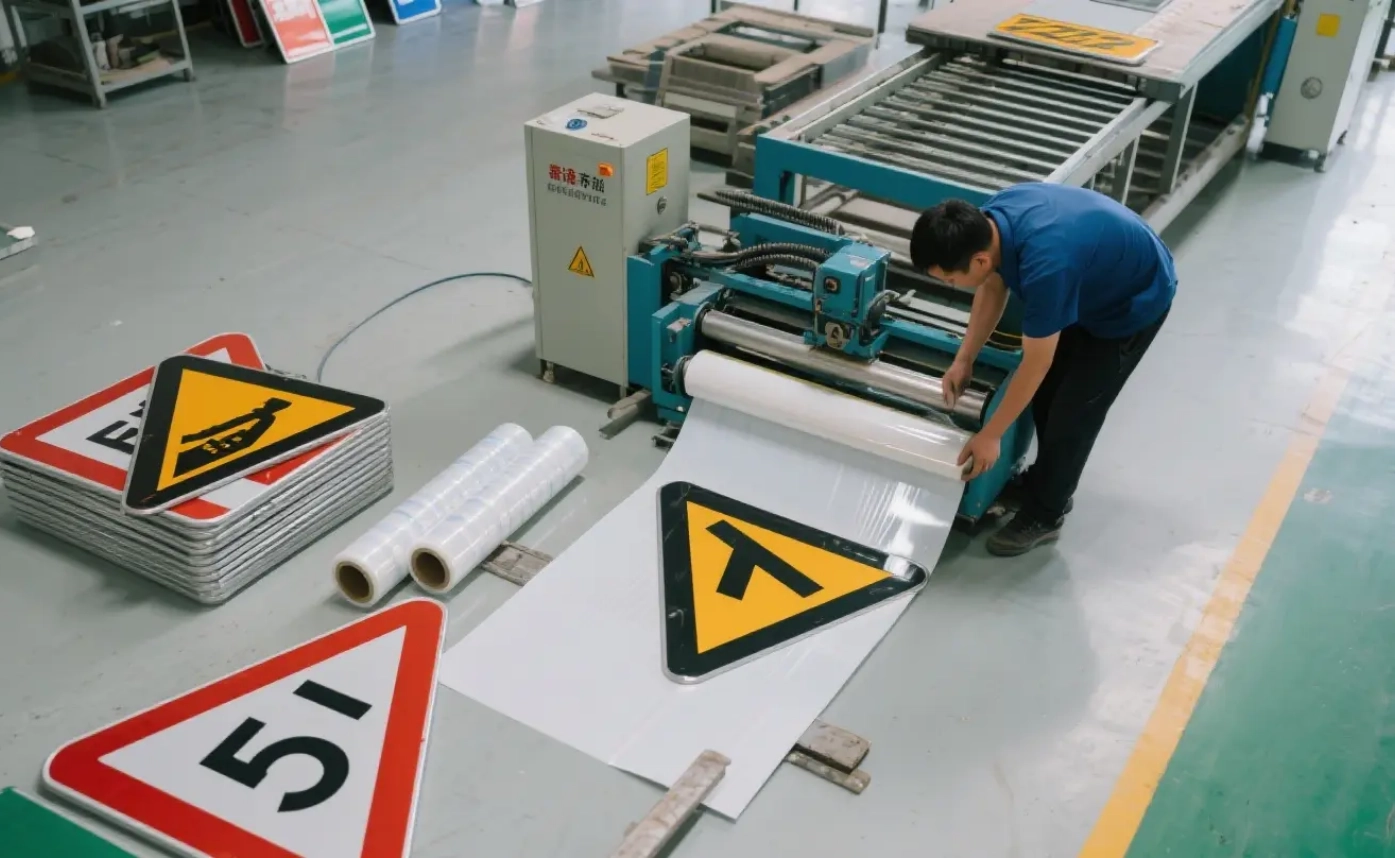
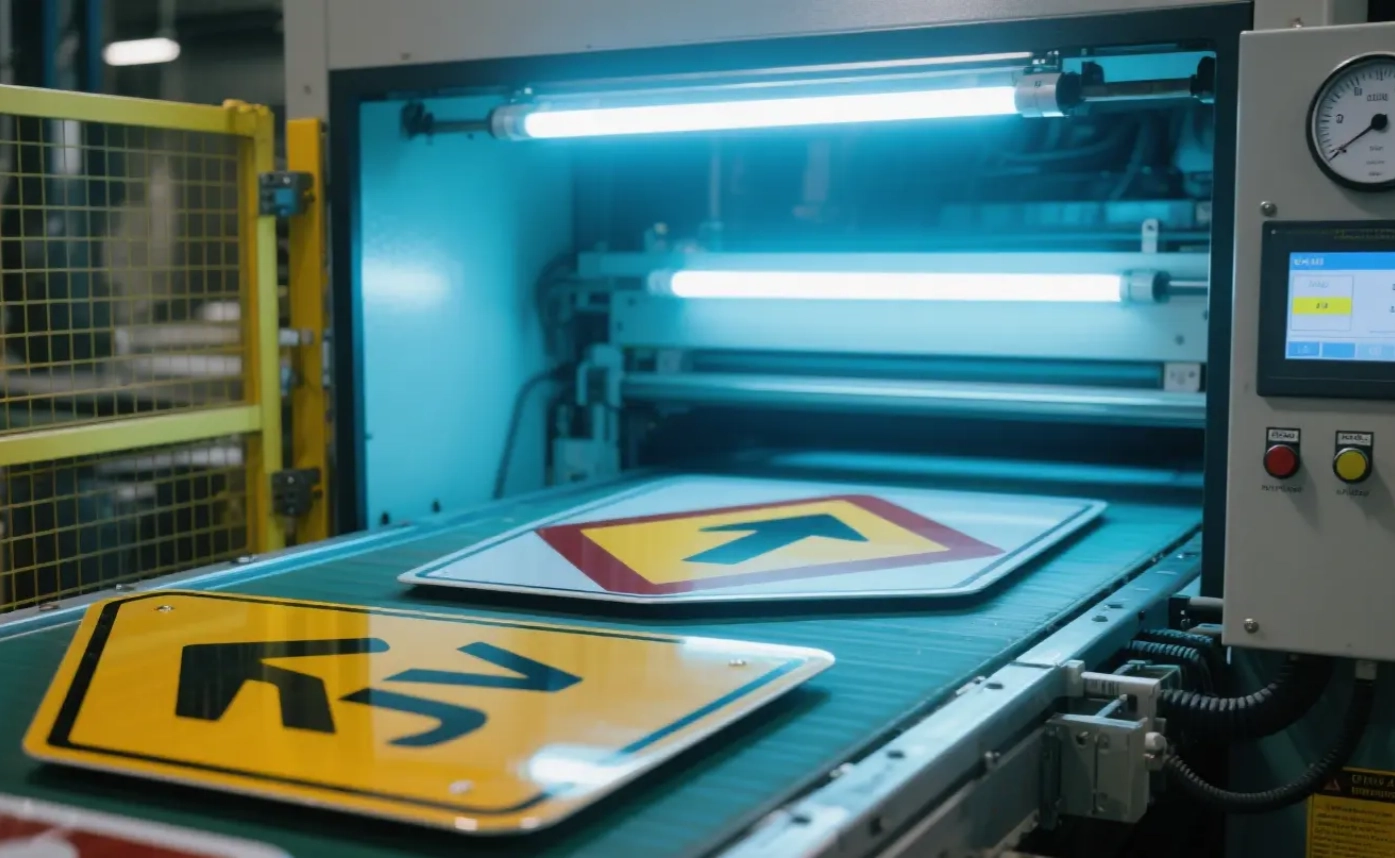
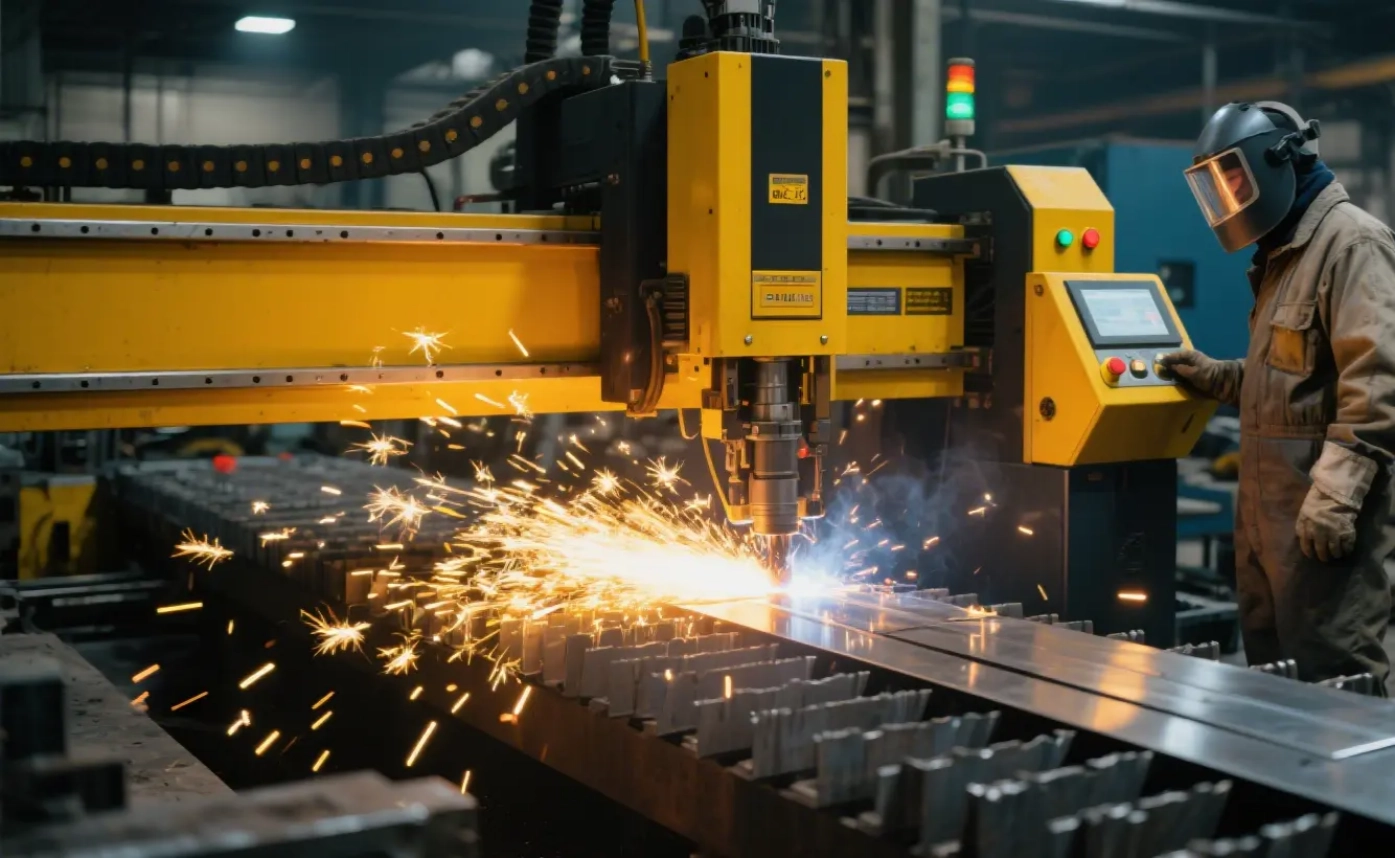
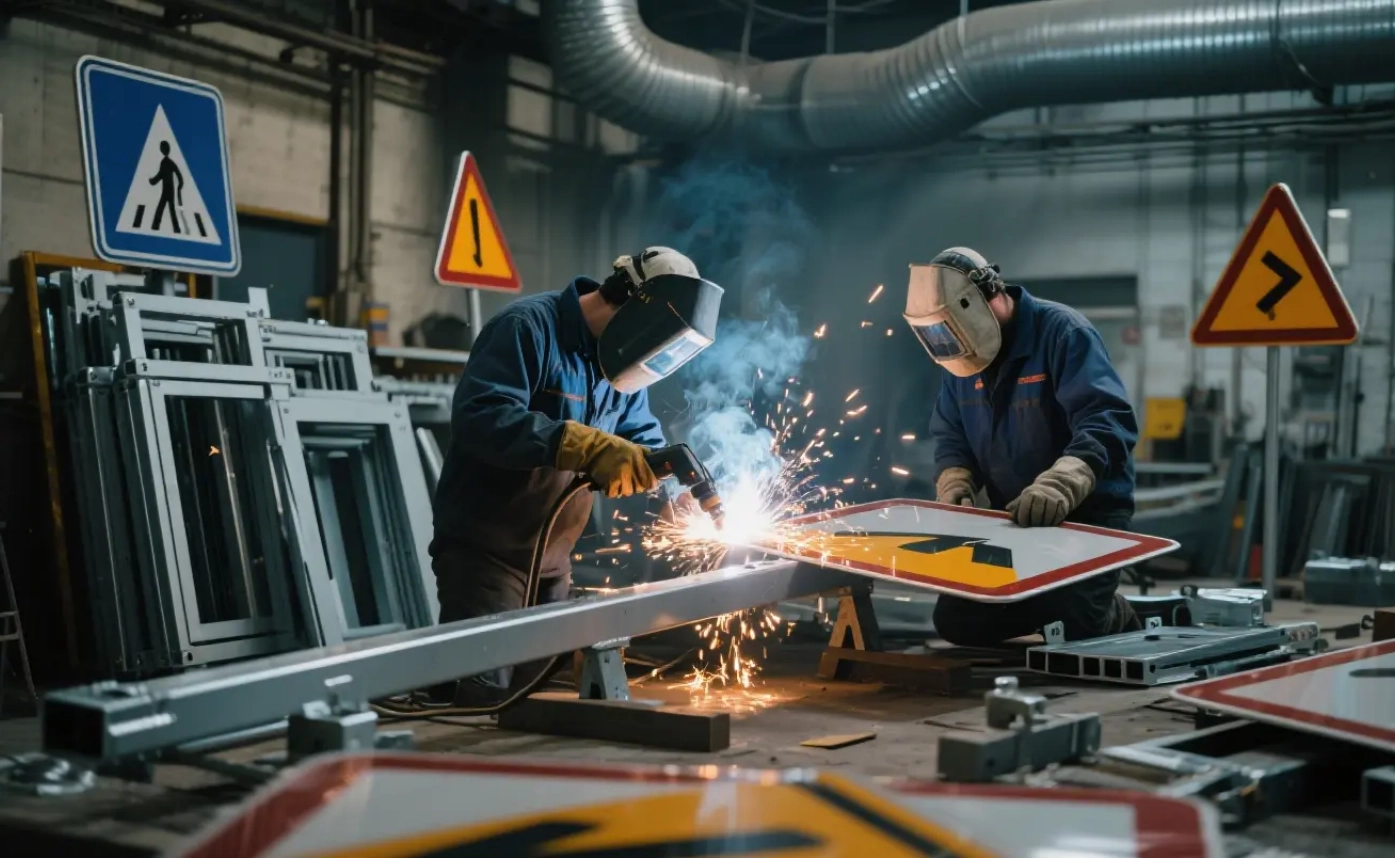
Our factory is equipped with a complete set of advanced production and testing systems, including:
These modern facilities enable us to maintain high production efficiency while ensuring stable and reliable product performance. Every product undergoes strict quality inspection procedures, from raw material selection to final assembly and lighting performance testing.
An overview of our precision assembly process, from raw material validation to final photometrical testing.
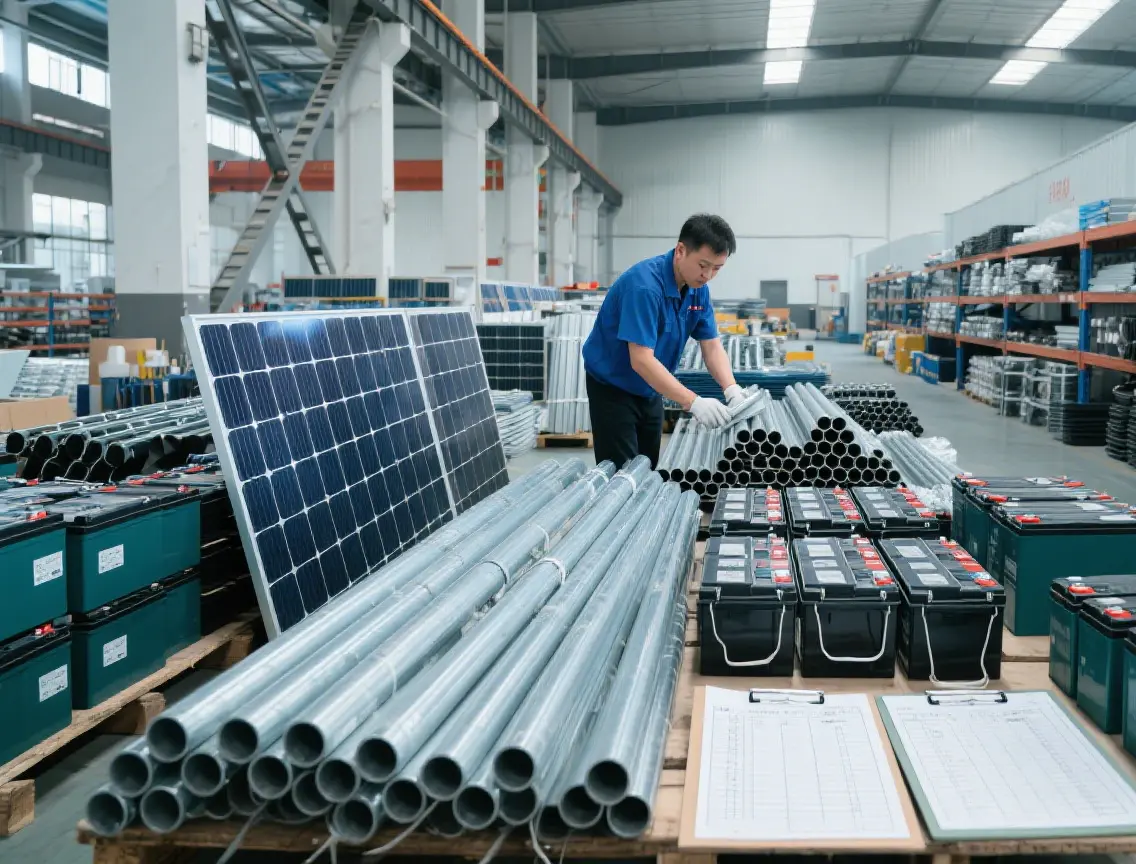
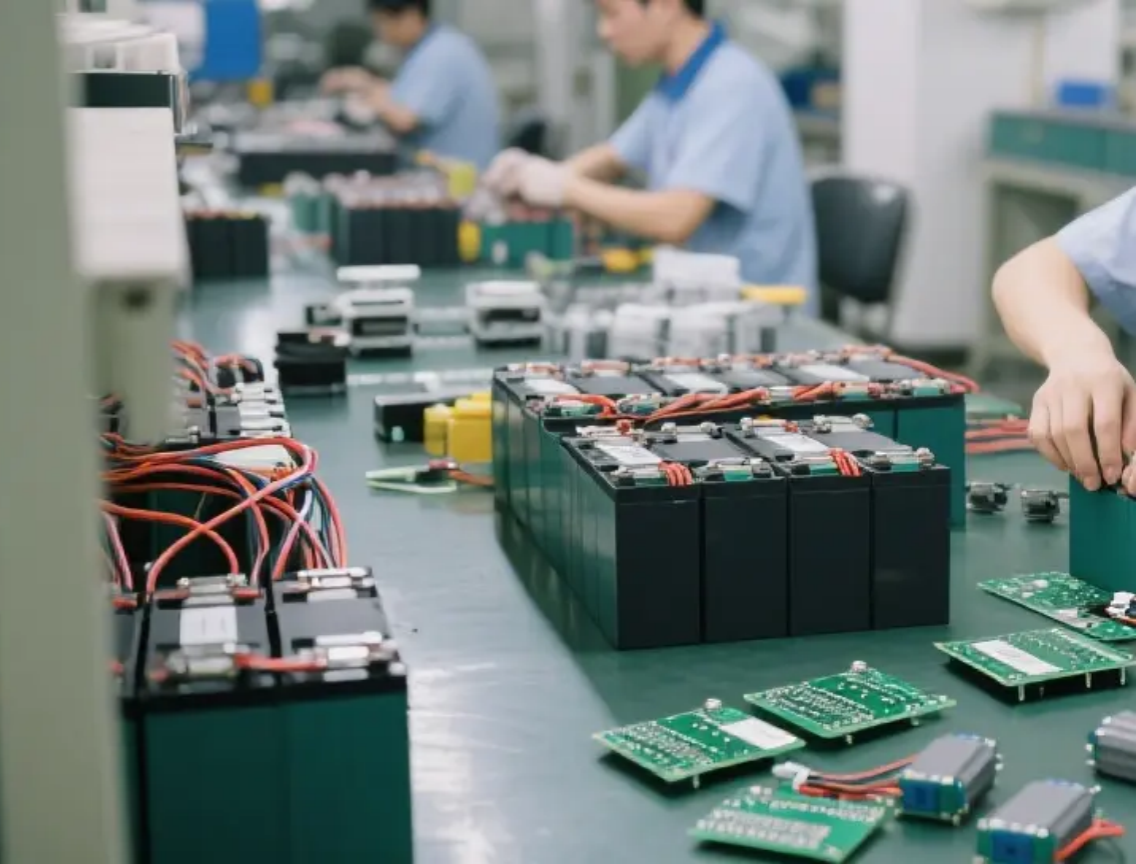
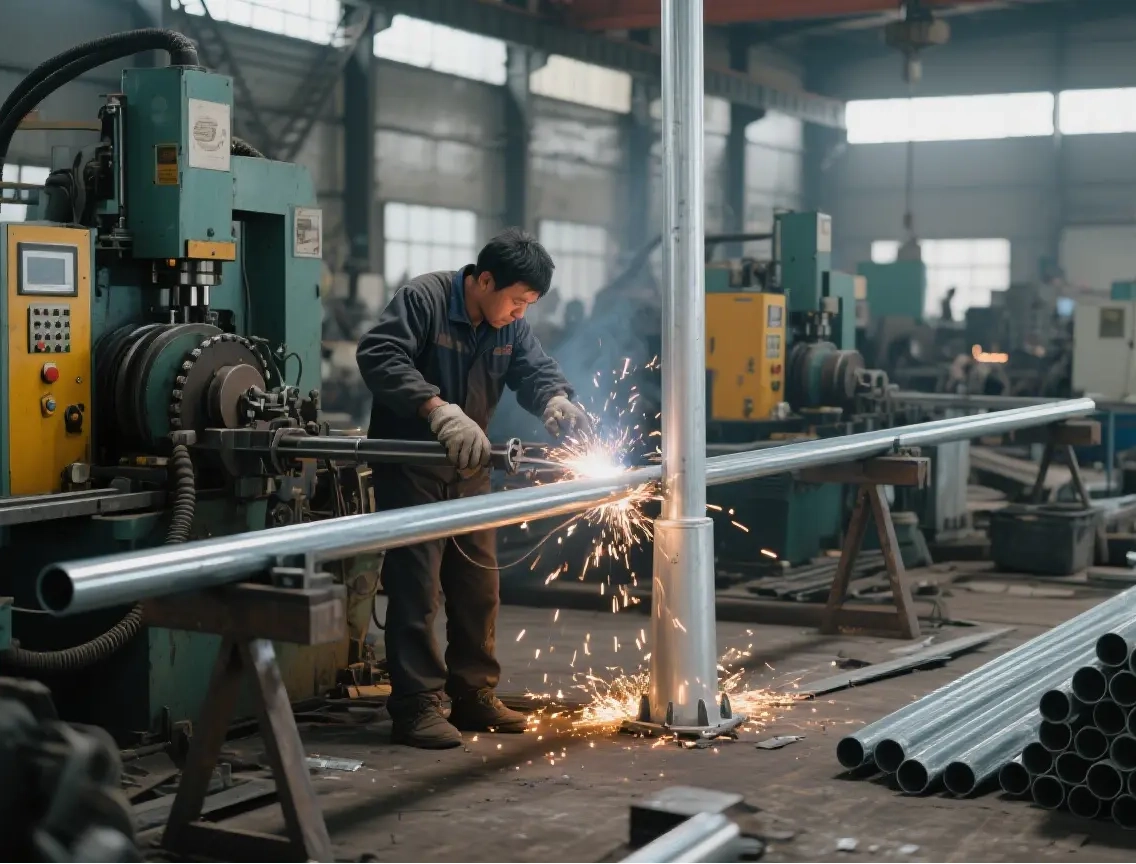
Why Industrial operators in the SADC Region choose Lukas Lighting for Municipal and Enterprise-grade upgrades.
With efficient production lines and advanced automation, we are capable of handling both large-volume orders and complex customized projects with precision and speed.
We have established a comprehensive quality control system and have passed ISO9001 international certification. In addition, we have obtained multiple patents in lighting structure design and optical technology.
We provide fully integrated services including product design, mold development, prototype testing, mass production, and logistics support—eliminating intermediate links and ensuring faster delivery and better cost efficiency.
We continuously invest in energy-saving LED technologies and smart lighting control systems to support global carbon reduction goals and smart city development.
A diverse array of configurations designed for cold storages, heavy fabrication yards, and high-ceiling assembly points.
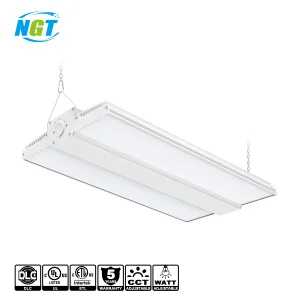
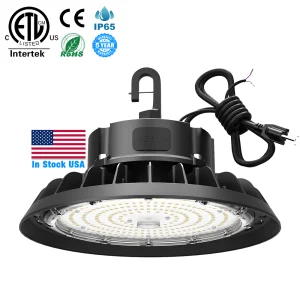
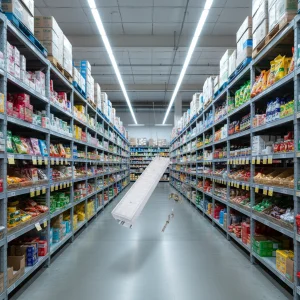
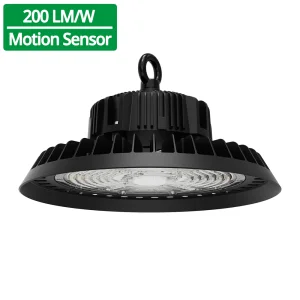
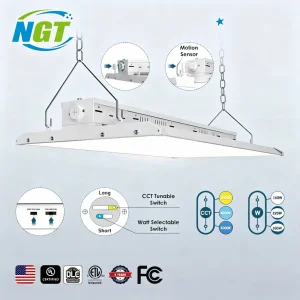
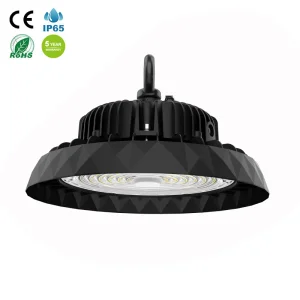
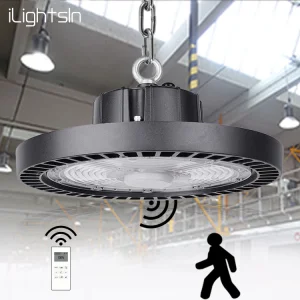
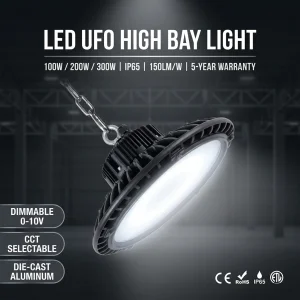
Architectural layouts and photometric distributions designed to solve specific operational bottlenecks.
Industrial operations are diverse, and lighting design cannot follow a one-size-fits-all approach. For example, in uranium and lithium mining facilities (such as those in the Erongo Region), the main challenge is high vibration from crushing plants and heavy dust loads. Luminaires used here must feature solid-state drivers without delicate wire bonds and cast aluminum housings with dust-shedding geometries. Optical lenses must be made of high-impact polycarbonate or tempered glass to resist abrasion from sandblasting sand particles.
Conversely, in cold-chain logistics facilities and seafood processing factories in Walvis Bay and Lüderitz, the challenges are completely different. The presence of chemical cleaning agents, high humidity, and temperatures dipping as low as -30°C requires vapor-tight linear high bays with high-efficacy ratings (above 150 lm/W) to prevent the fixture's driver heat from overloading the cooling compressors. In these cold zones, instant-on capabilities and low-temperature dimming functionality are critical to reducing energy consumption when areas are unoccupied.
Heavy vibration isolation, IP66 enclosure ratings, and specialized optical profiles (narrow-angle 60°) to push light down to raw mineral grading screens.
Corrosion-resistant stainless-steel components, non-outgassing silicone gaskets, and certified food-safe materials (NSF compliant) with high efficacy ratings.
PIR or microwave motion sensors integrated with modern high bays to dim unoccupied zones, providing high energy savings on regional distribution networks.
Technical answers to key engineering concerns for importing and installing industrial lighting fixtures in Namibia.
Access factory-direct pricing, customized photometric DIALux layouts, and comprehensive warranties for your next major installation.
 Lukas Lighting