As the global community accelerates toward Net-Zero emissions, the role of lighting—which accounts for nearly 15% of global electricity consumption—has become a focal point of urban transformation. China has emerged not just as a high-volume exporter, but as the primary engine for sustainable lighting innovation. Leading manufacturers like Jiangsu Lukas Lighting Co., Ltd. are at the forefront, integrating AI-driven controls, high-efficiency photovoltaics, and circular economy principles into every fixture.
Sustainable lighting solutions go beyond simple energy saving. They encompass the entire lifecycle of the product: from precision manufacturing that reduces material waste to smart dimming protocols that protect biodiversity by reducing light pollution (Dark Sky compliance). For global procurement officers, sourcing from China now means accessing a vertically integrated supply chain that offers the best "Total Cost of Ownership" (TCO) through durability, intelligence, and modular design.
Jiangsu Lukas Lighting Co., Ltd. was established in 1998 with a strong commitment to innovation, quality, and sustainability in the outdoor lighting industry. Over more than two decades of development, the company has grown into a professional manufacturer specializing in intelligent and energy-efficient street lighting solutions.
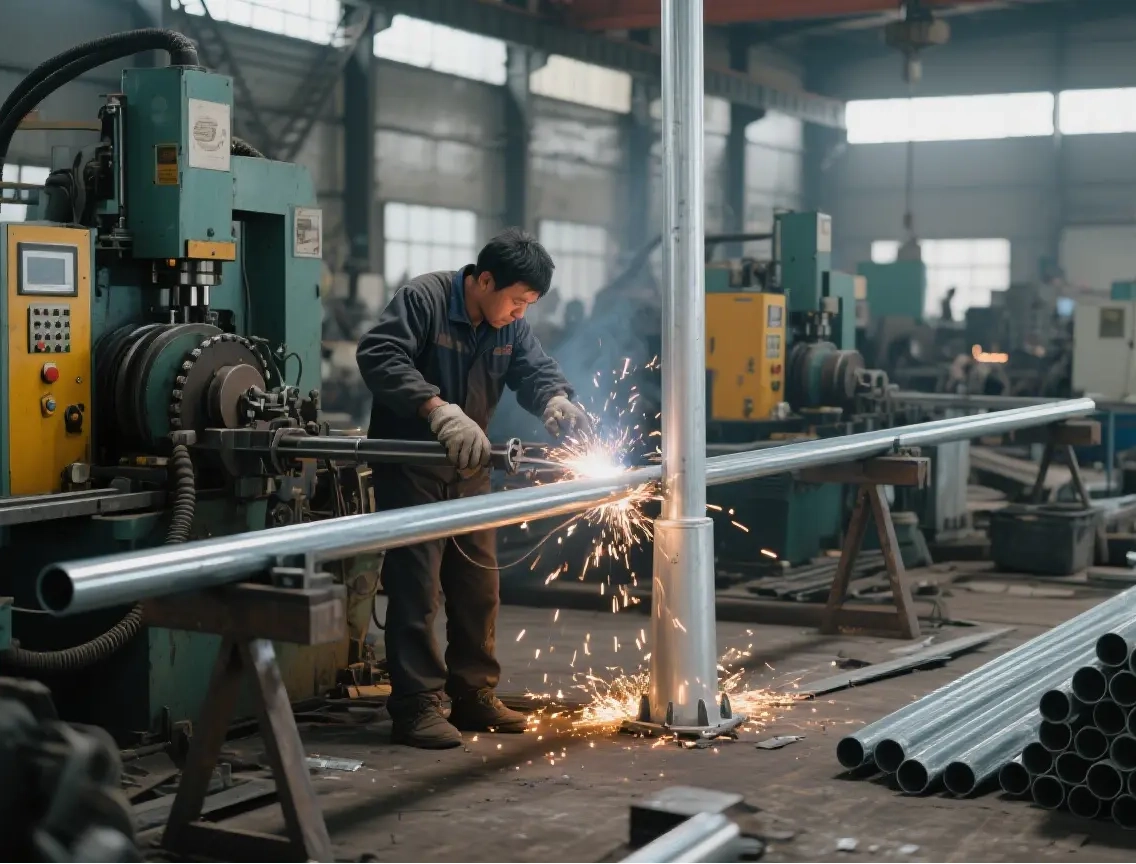
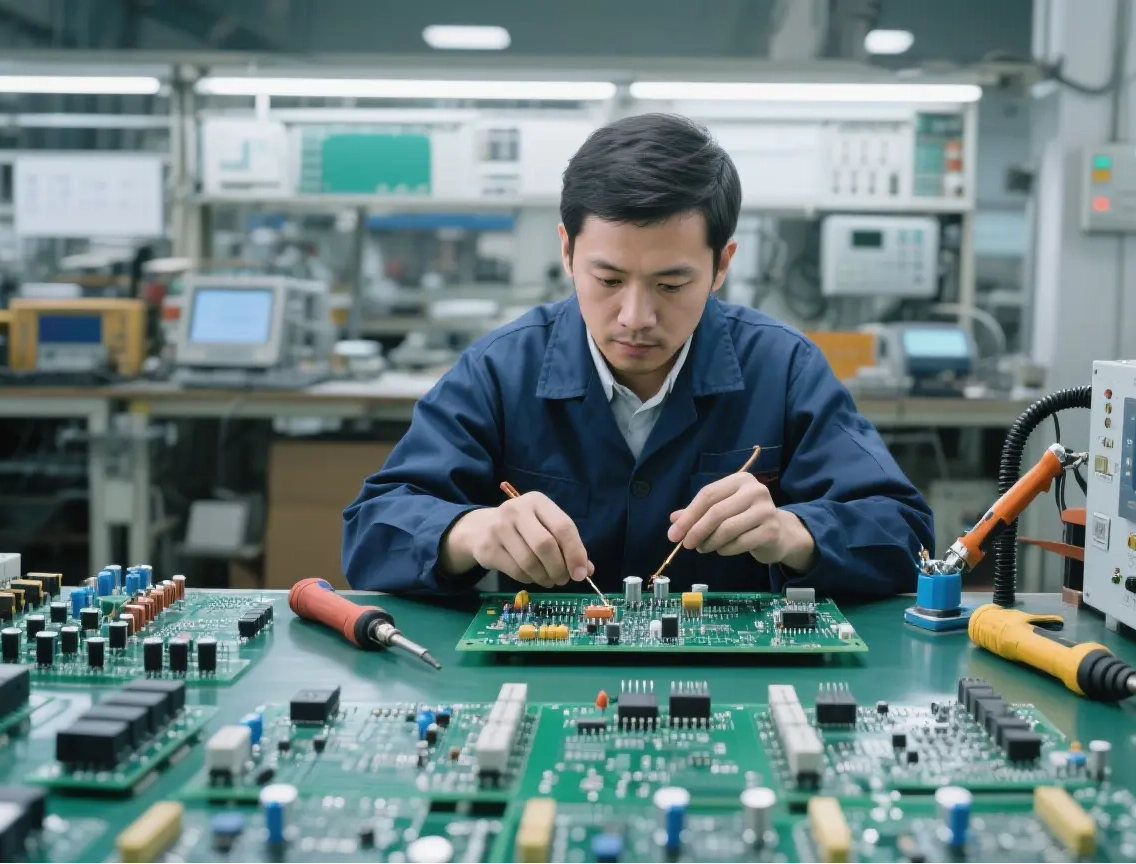
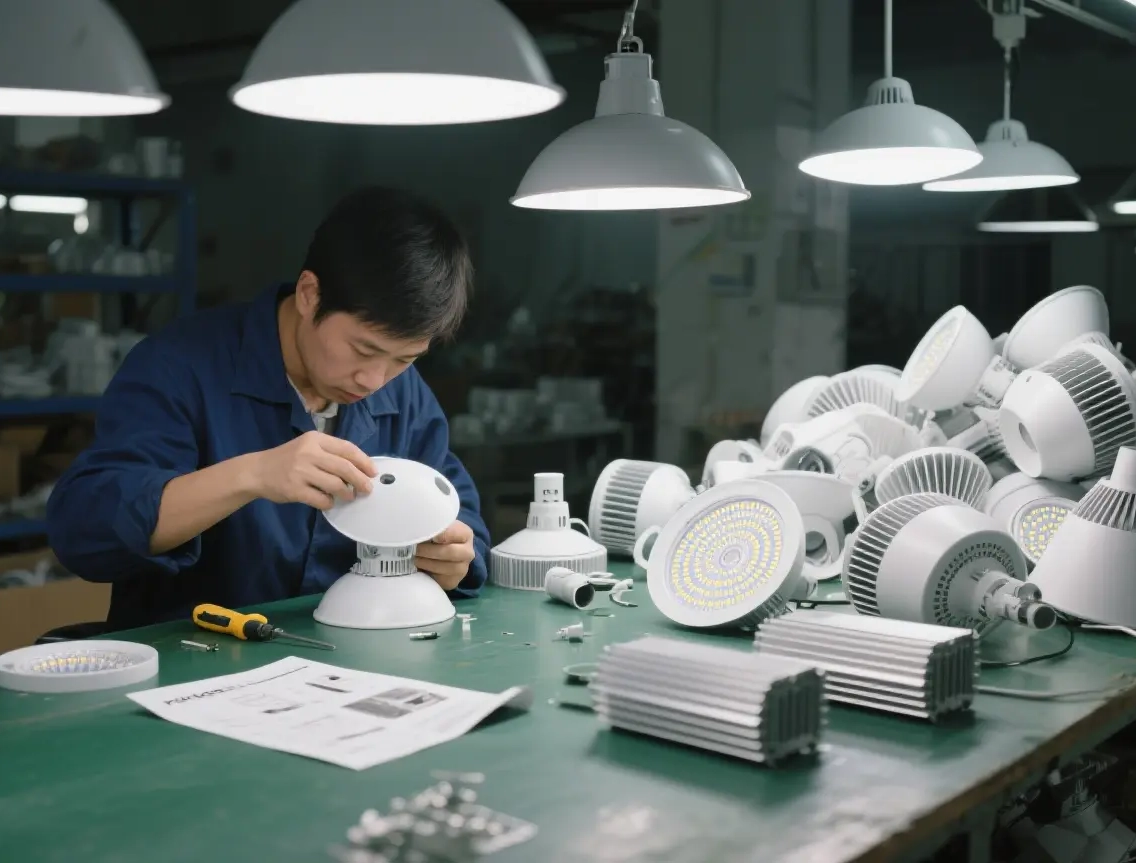
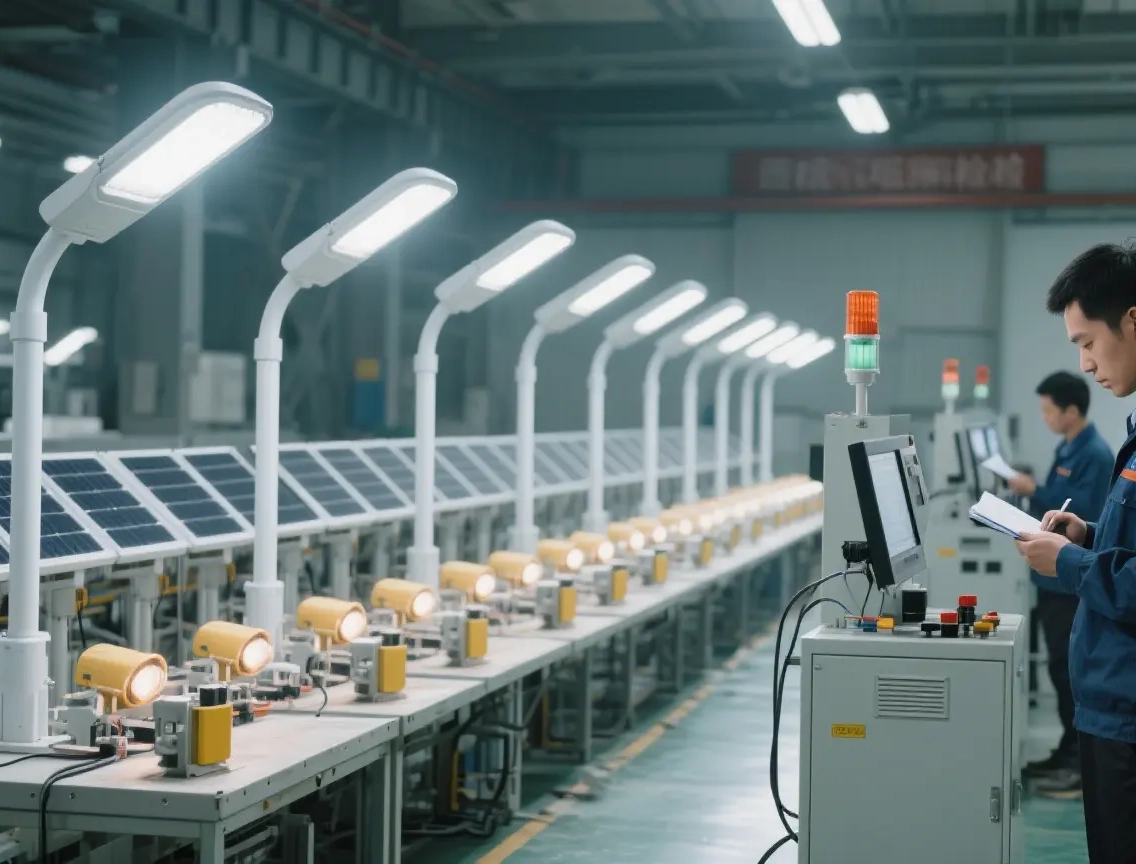
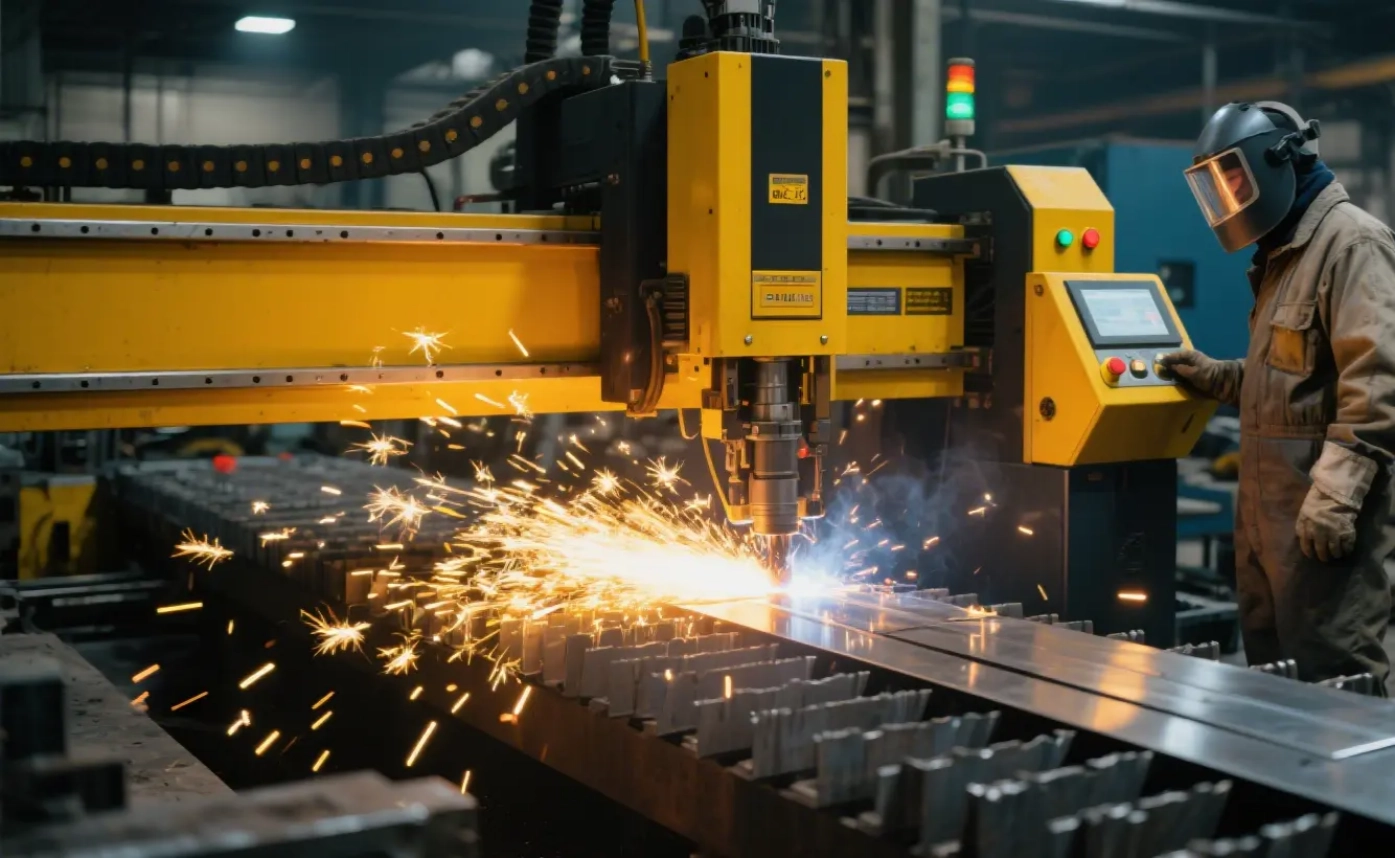
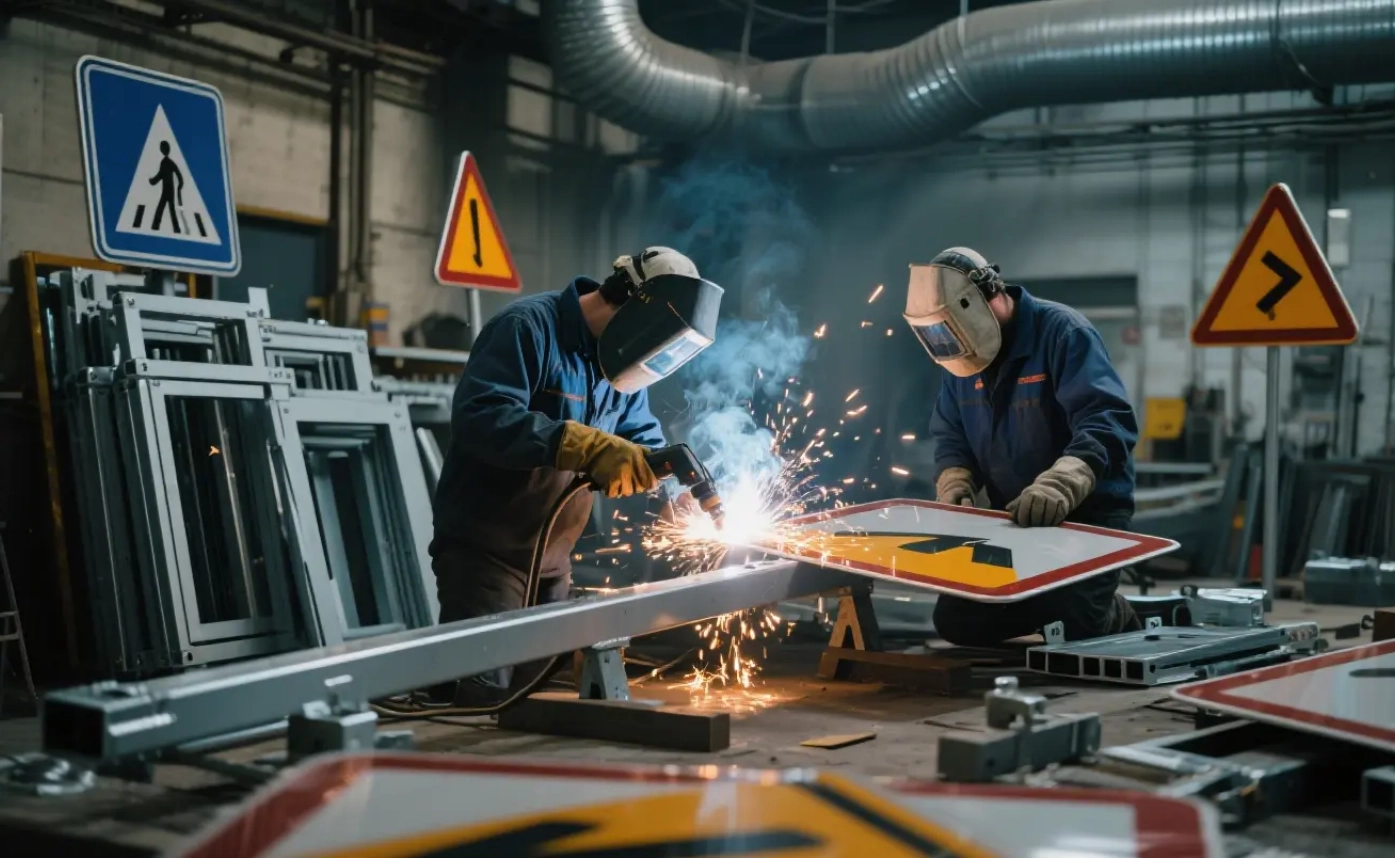
Located in Jiangsu, China, our modern production base covers an area of approximately 11,000 square meters. The facility is equipped with advanced manufacturing technologies and operated by a team of experienced engineers and skilled technicians. This ensures strict quality control, precision manufacturing, and efficient large-scale production capabilities.
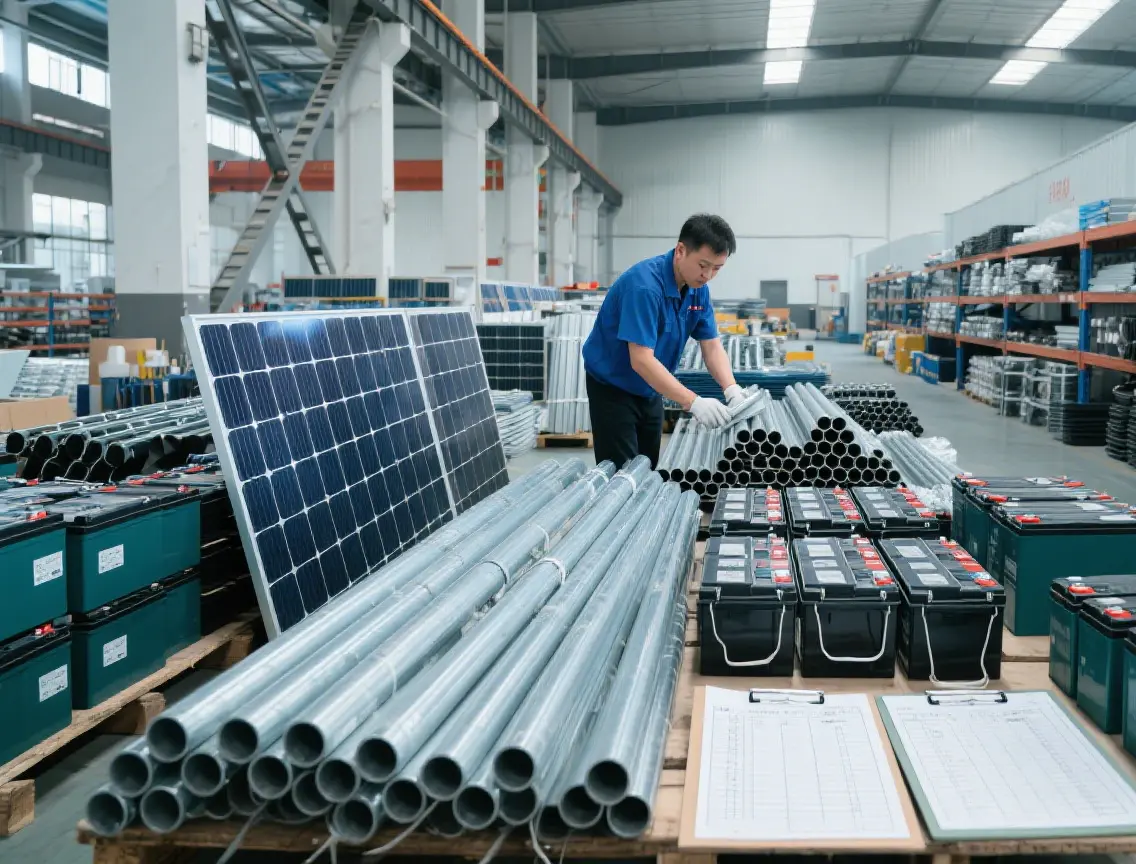
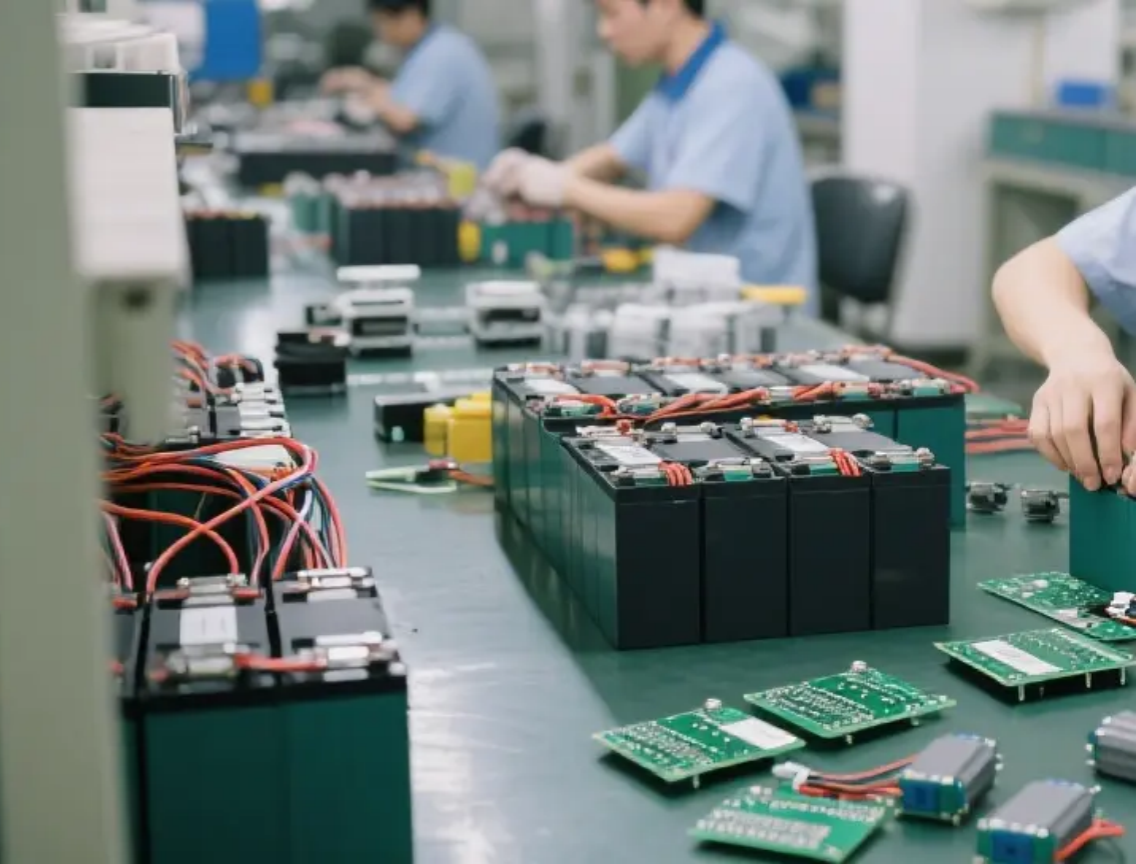
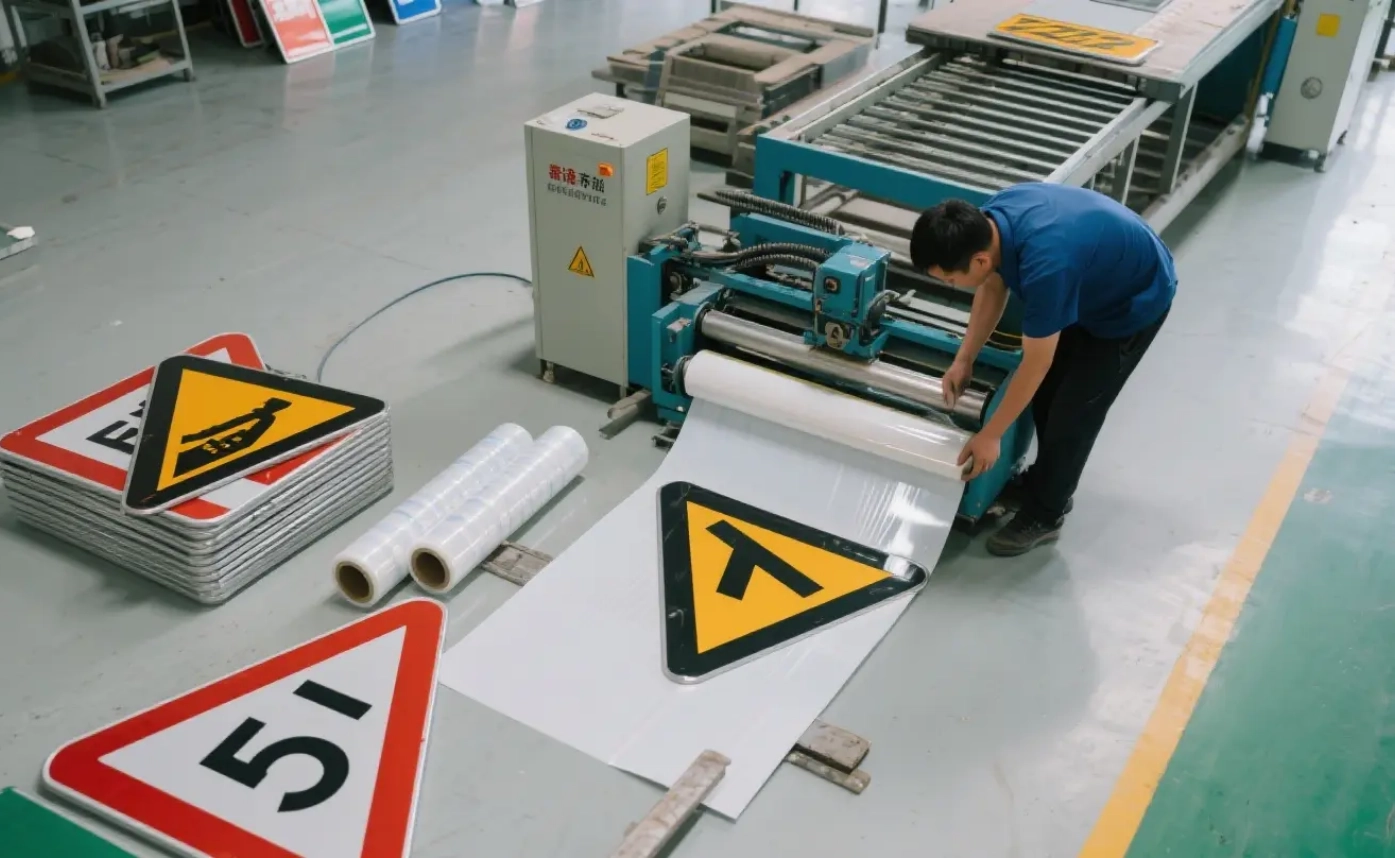
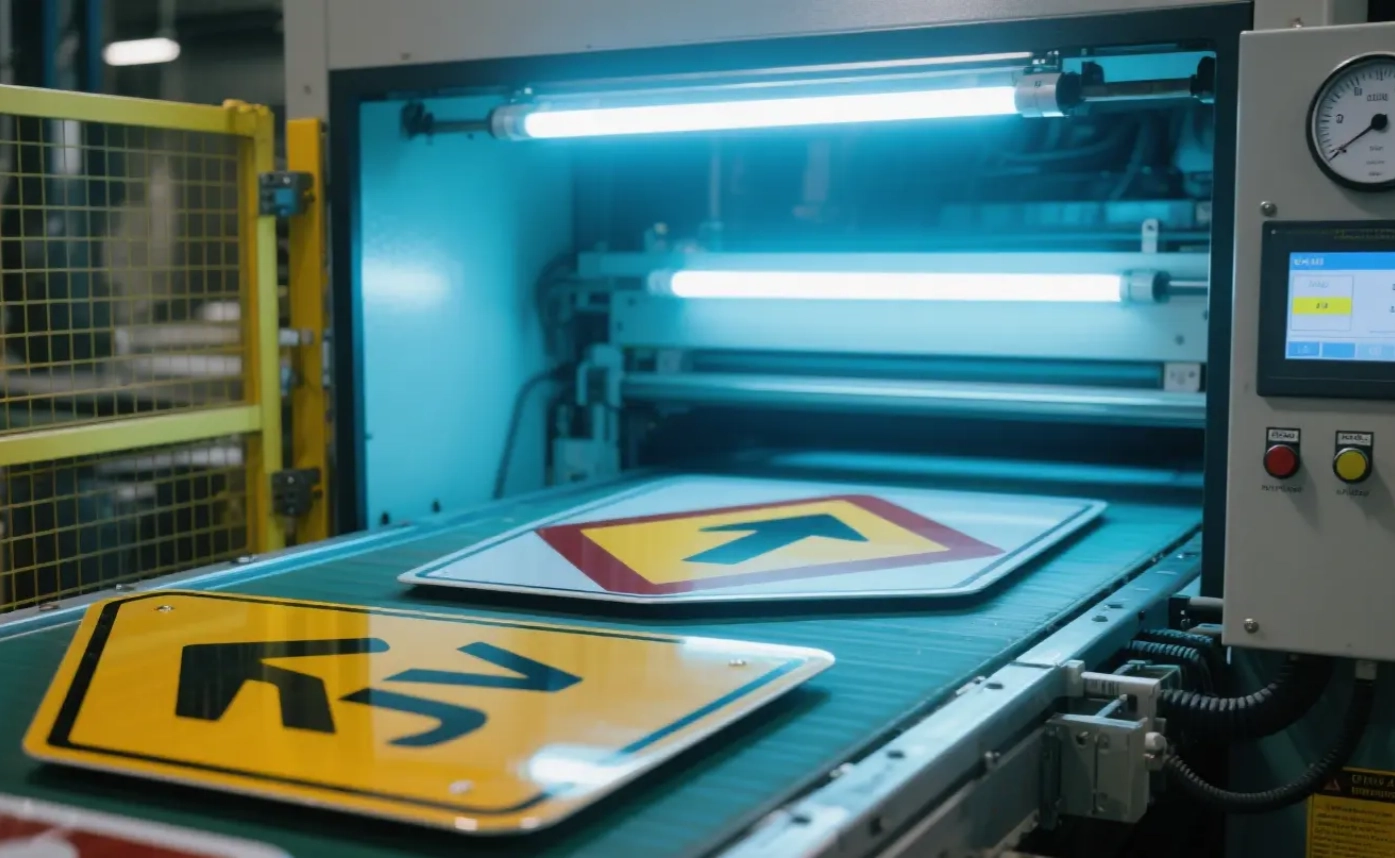
With efficient production lines and advanced automation, we handle large-volume municipal orders and complex customized projects with surgical precision.
ISO9001 certified operations combined with multiple patents in optical design ensure every luminaire meets international safety and performance standards.
From mold development and prototype testing to mass production and logistics, we eliminate the middleman for faster delivery and cost efficiency.
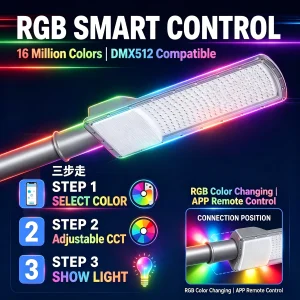
We invest heavily in LoRa, Zigbee, and NEMA-based smart control systems, enabling cities to manage lighting assets remotely and reduce carbon footprints.
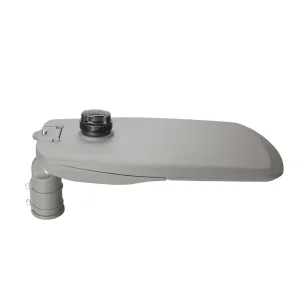
Modern procurement is no longer just about Lumens per Watt. It's about "Future-Proofing." Our fixtures come equipped with NEMA/Zhaga sockets, allowing clients to add smart sensors or 5G small cells years after the initial installation.
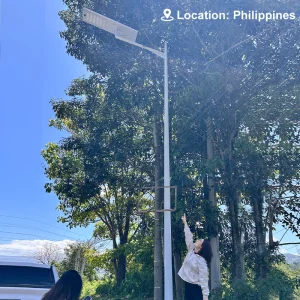
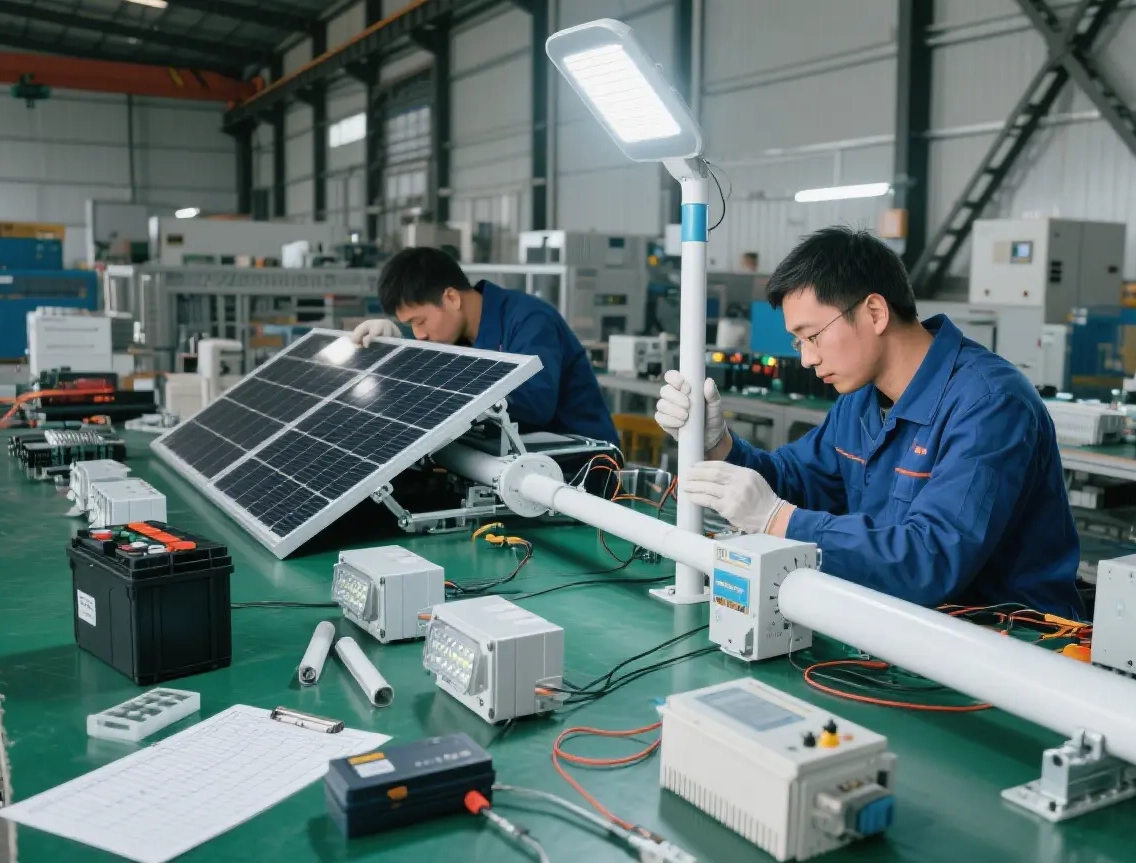
New "All-in-Two" solar designs separate panels from the luminaire to maximize sun exposure while maintaining a sleek aesthetic. This is crucial for high-latitude regions and tropical zones alike.
Sustainable lighting now demands easy maintenance. Our modular LED engines allow for component replacement without discarding the entire housing, significantly reducing e-waste and long-term maintenance costs.
In industrial and urban settings, we prioritize CCT (Correlated Color Temperature) tuning to improve worker productivity and ensure public safety without disrupting circadian rhythms.
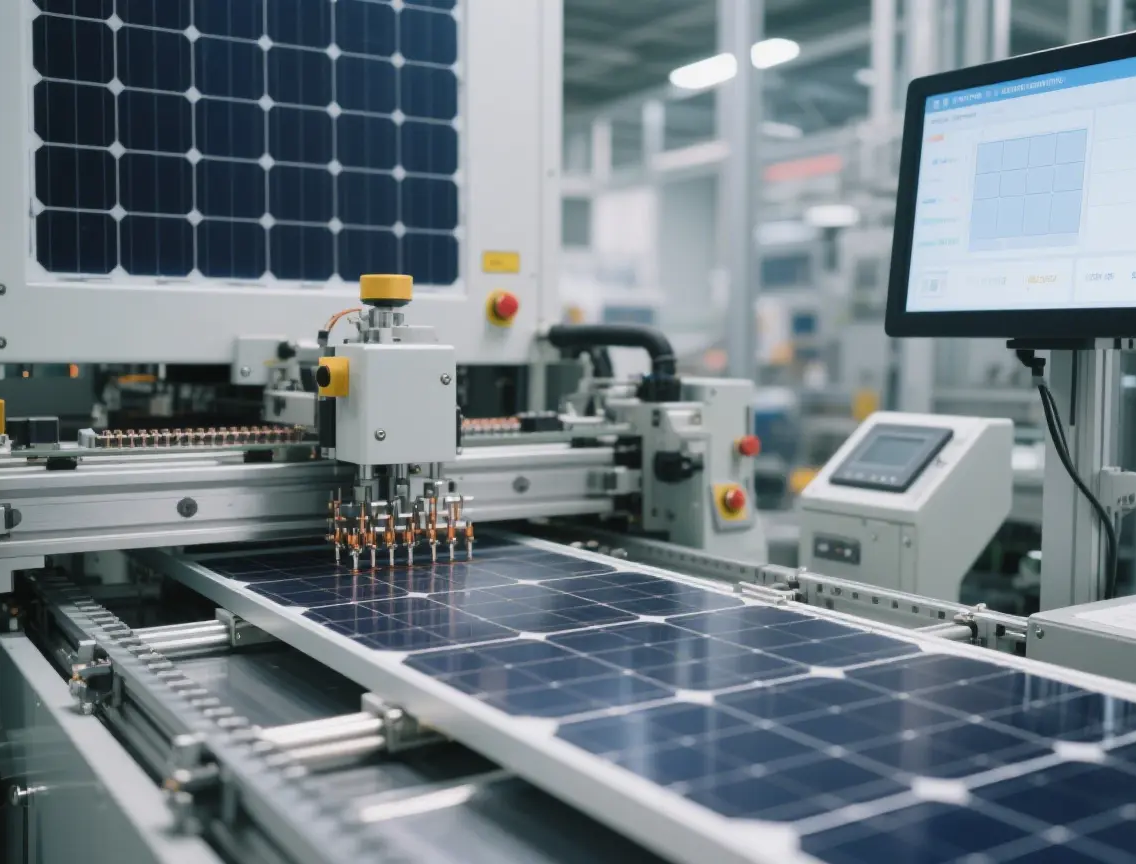
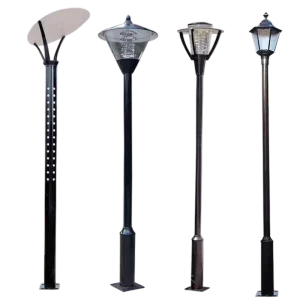
High-efficiency LED street lights and smart poles for highways and urban arteries, reducing energy bills by up to 70%.
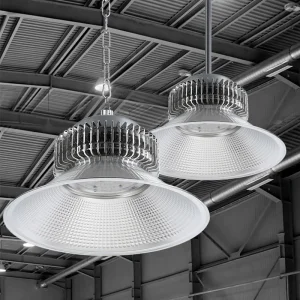
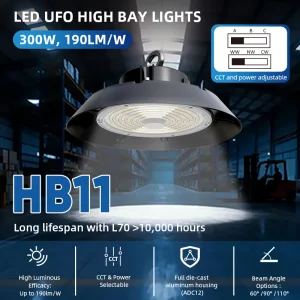
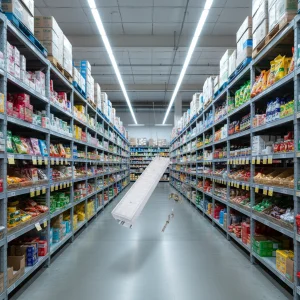
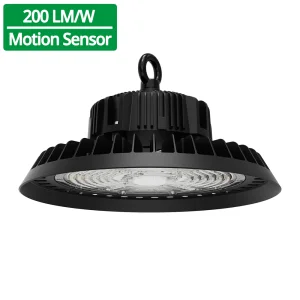
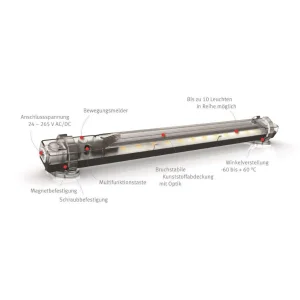
UFO High Bays and Linear lights for warehouses (IP65/IP67) with motion sensors to optimize electricity usage in low-traffic areas.
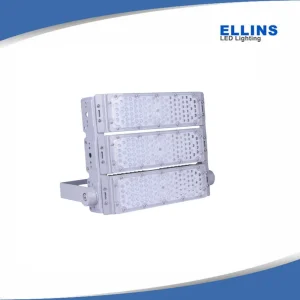
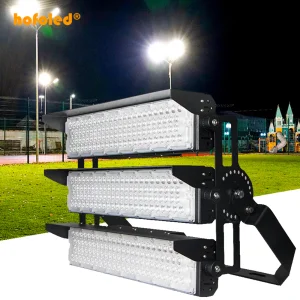
Powerful floodlighting (up to 2000W) for stadiums and ports, providing flicker-free illumination for HD broadcasting.
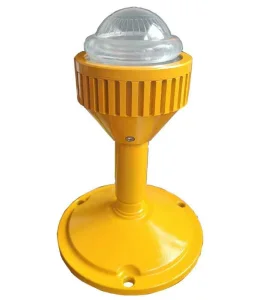
Specialized solutions for airport runways (Airfield Runway Lamps) and tunnel lighting (RGB Pixel Tunnels) where reliability is non-negotiable.
 Lukas Lighting