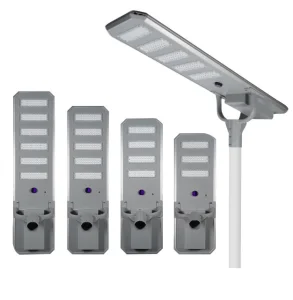
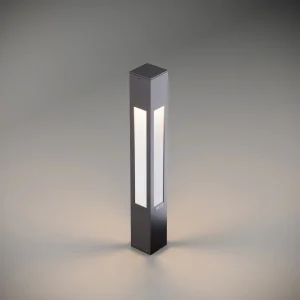
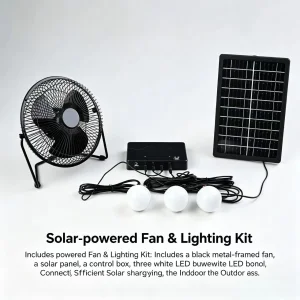
Analyzing key structural trends, energy transition pressures, and critical quality benchmarks driving B2B sourcing today.
The global transition toward decentralized, green energy infrastructure has positioned solar pathway and bollard lights as crucial assets for modern landscaping, commercial campuses, and civic infrastructure. The industry has moved past low-efficiency polycrystalline panels and simple lead-acid batteries. Today, Top China Solar Pathway Lights Factories have integrated high-efficiency Monocrystalline Silicon photovoltaic modules (often exceeding 22% conversion efficiency) alongside advanced Lithium Iron Phosphate (LiFePO4) storage batteries.
These technologies, paired with Smart MPPT (Maximum Power Point Tracking) controllers, allow outdoor luminaires to maintain lighting autonomy even under prolonged periods of overcast weather. As city planners seek to lower carbon footprints, integrating intelligent sensor nodes within pathway illumination acts as a primary step toward smart city ecosystems.
For global distributors, engineering contractors, and architectural procurement managers, choosing a manufacturing partner goes far beyond basic unit economics. Reliability is key. Pathway lighting must withstand heavy environmental stressors—UV radiation, maritime corrosion, mechanical impacts, and temperature fluctuations.
B2B buyers require suppliers to exhibit deep engineering capability, localized compliance expertise (such as CE, RoHS, IP66, and UL requirements), and a proven supply chain structure. Modern factories in China's industrial hubs, particularly Jiangsu, have adapted to this demand by implementing strict automation, standardized testing methodologies, and customizable OEM/ODM pipelines to deliver bespoke architectural solutions.
Year of Establishment
Modern Production Facility
High Environmental Protection
PV Cell Efficiency Standard
A look at our heritage, manufacturing base, and our evolution into a global provider of smart municipal and landscape illumination systems.
Established in 1998, Jiangsu Lukas Lighting Co., Ltd. has dedicated over 25 years to advancing the structural design, electrical safety, and overall efficiency of industrial and landscape luminaires. What began as a regional production workshop has developed into a major industrial enterprise specializing in high-performance LED street lighting, smart solar luminaires, architectural bollards, and customized municipal configurations.
Lukas Lighting is headquartered in Jiangsu, China, operating from a modern manufacturing complex spanning approximately 11,000 square meters. We combine advanced machinery with deep technical expertise to serve public infrastructure works, municipal pathways, industrial projects, and resort landscapes across North America, Europe, the Middle East, and Southeast Asia.
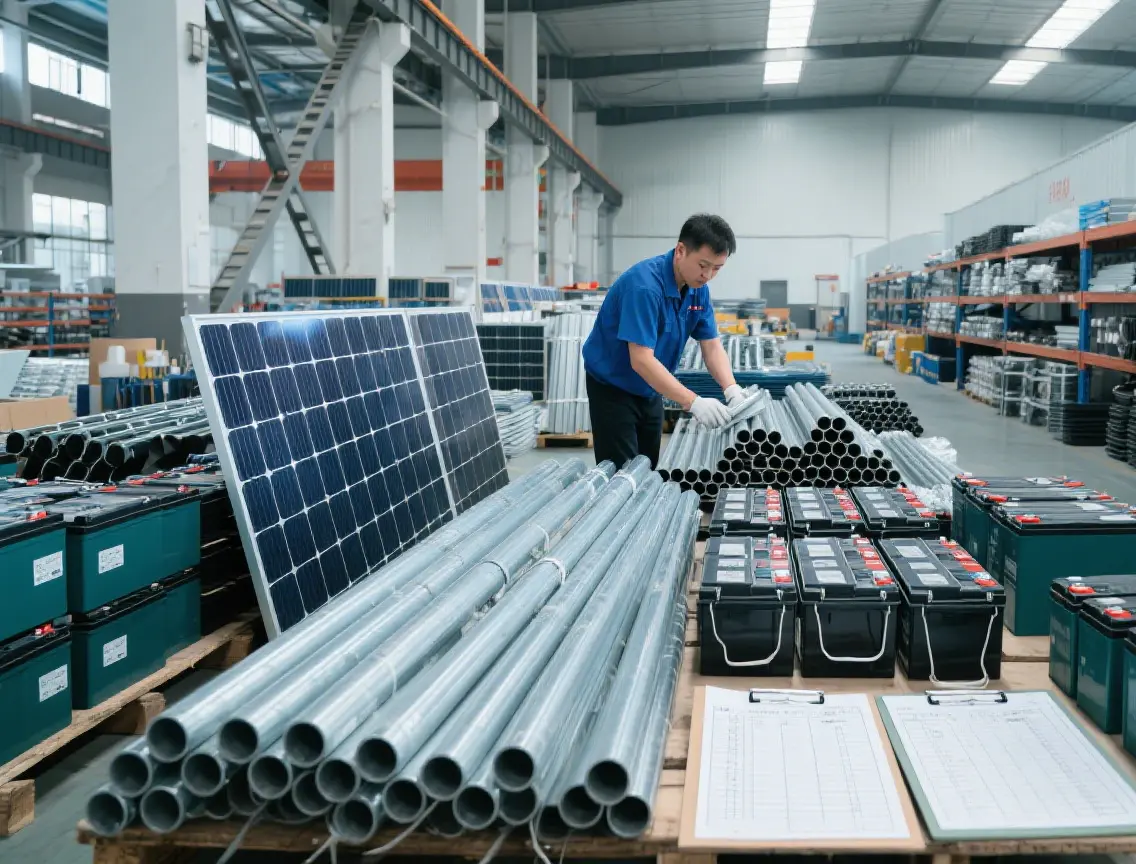
Maintaining quality control across large-volume orders requires advanced equipment. Our Jiangsu facility is equipped with automated lines designed for high accuracy and consistency. Key production assets include:
Each luminaire manufactured by Lukas Lighting undergoes rigorous test procedures, from ingress protection (IP) verification and salt-spray corrosion tests to thermal simulation and continuous burn-in validation.
A step-by-step look at our integrated production workflow, demonstrating the engineering detail applied to every product.
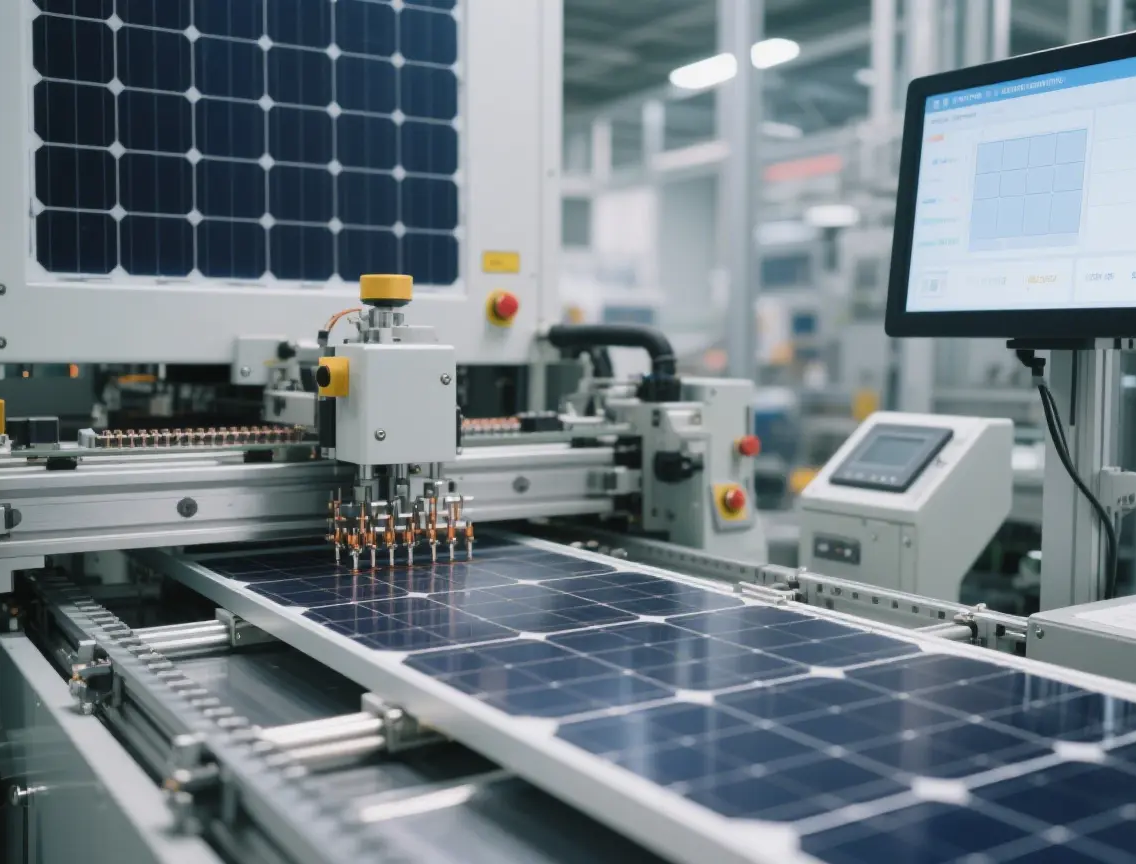
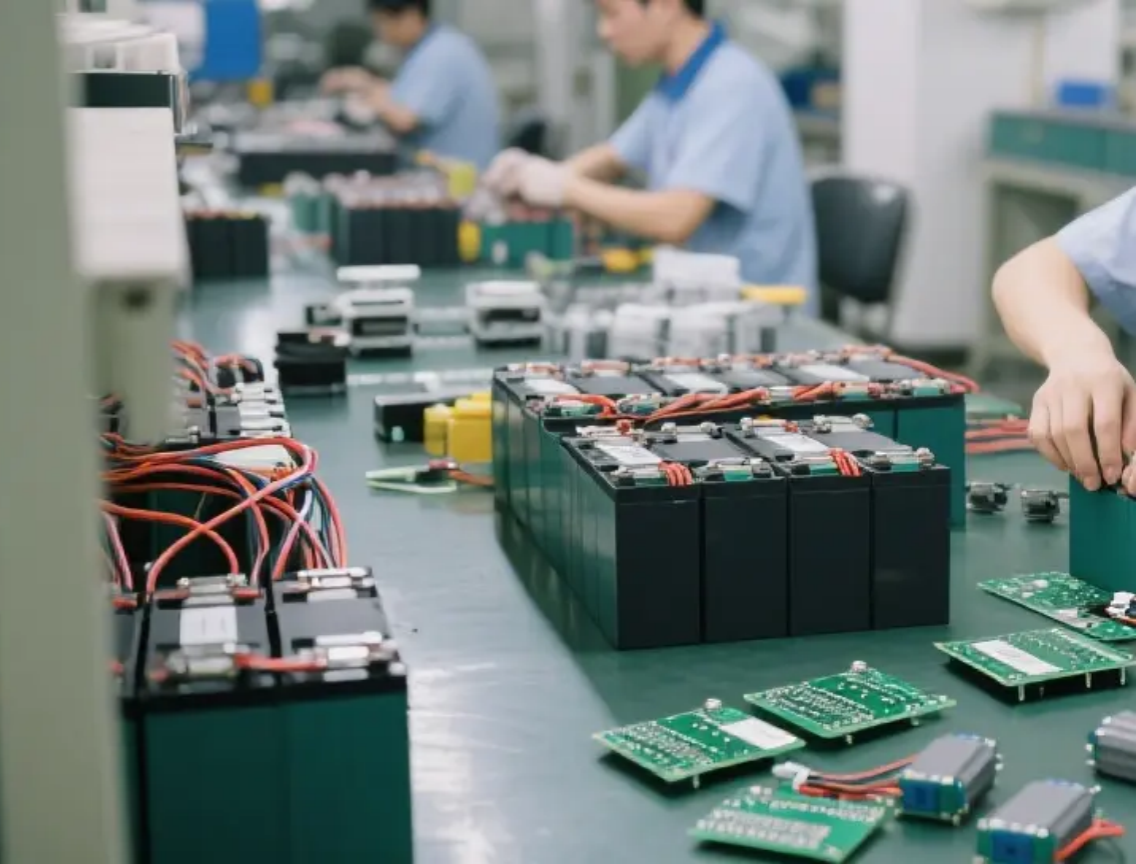
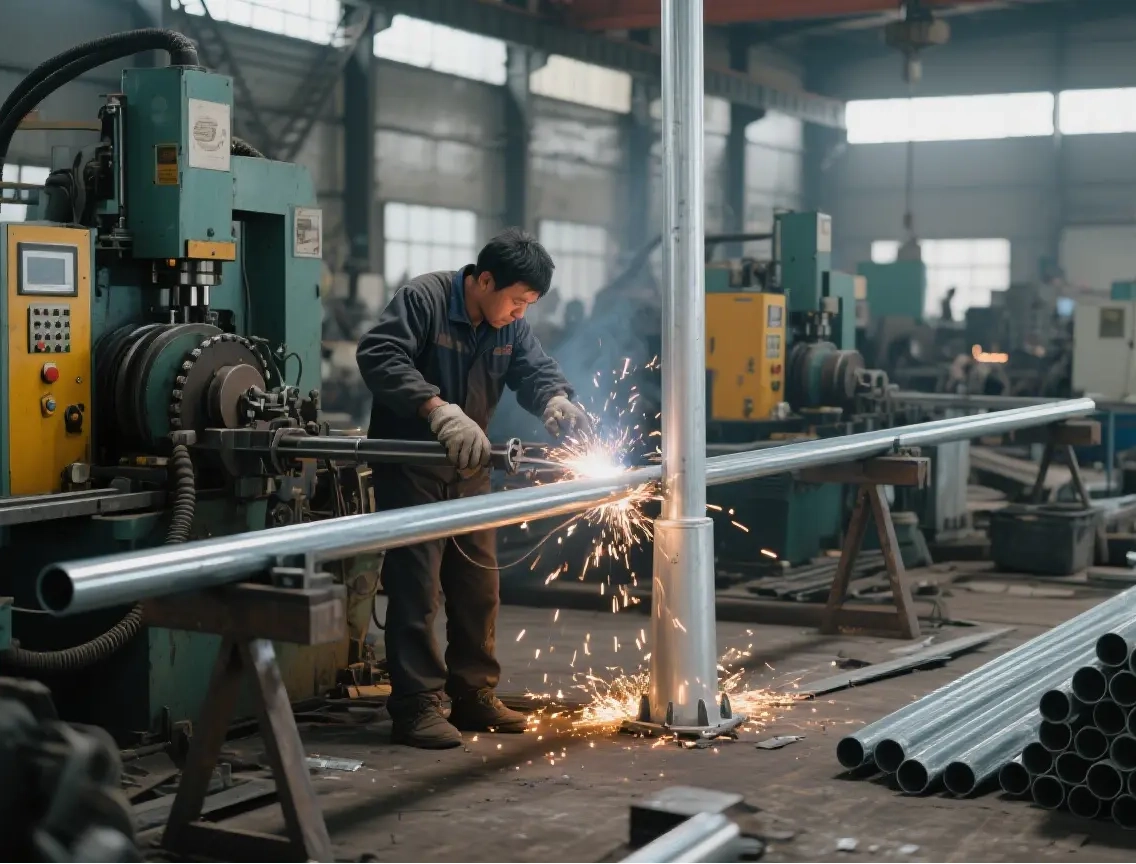
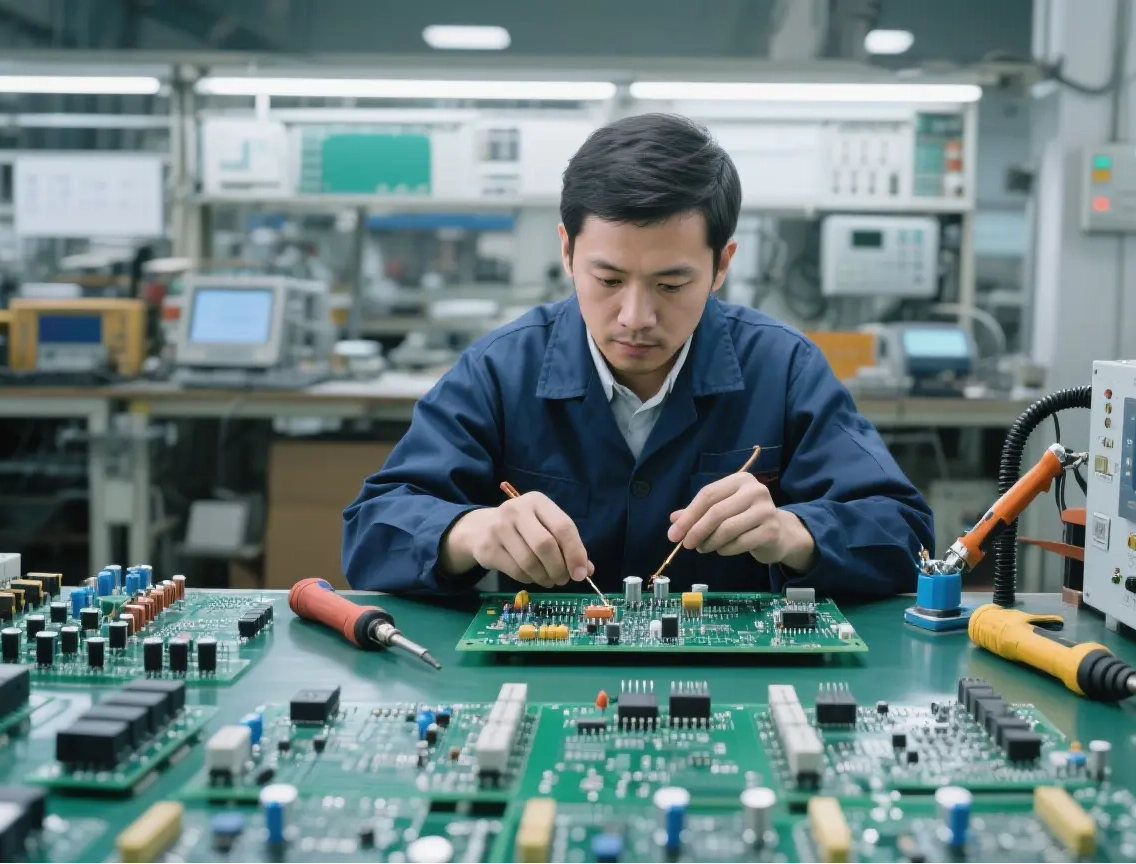
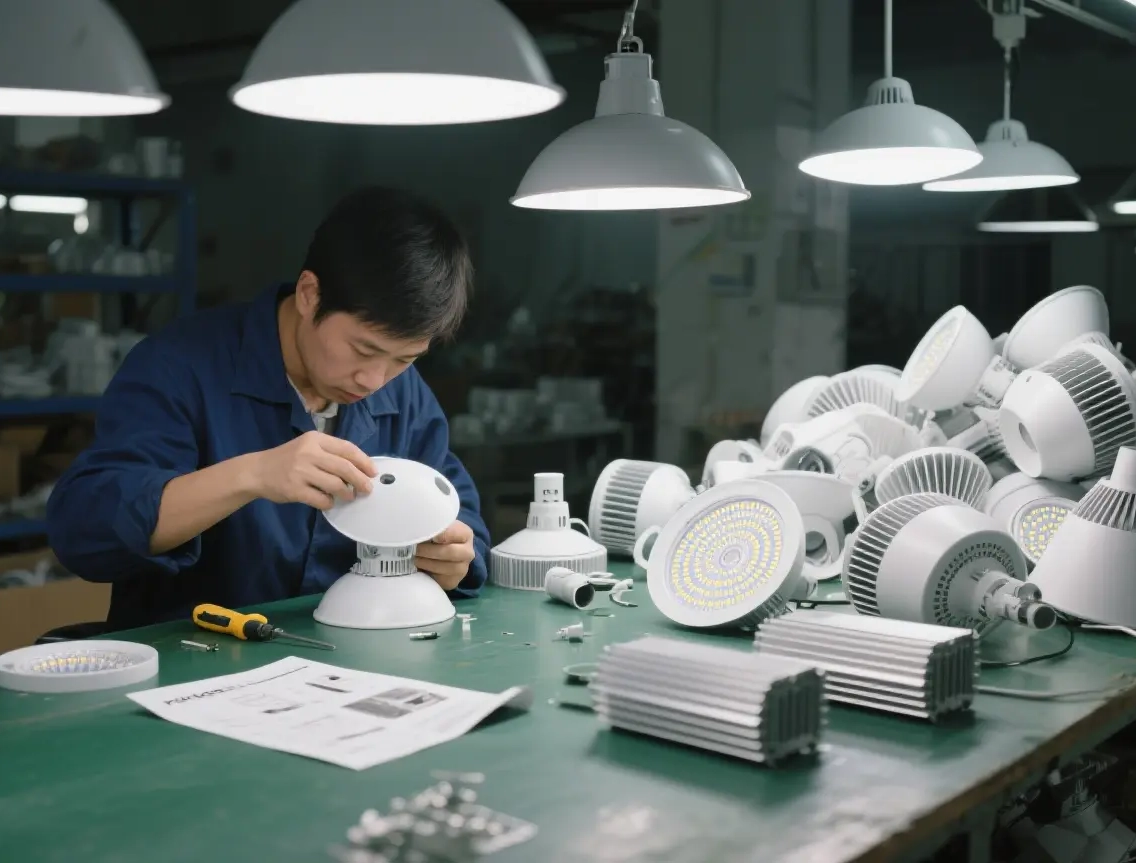
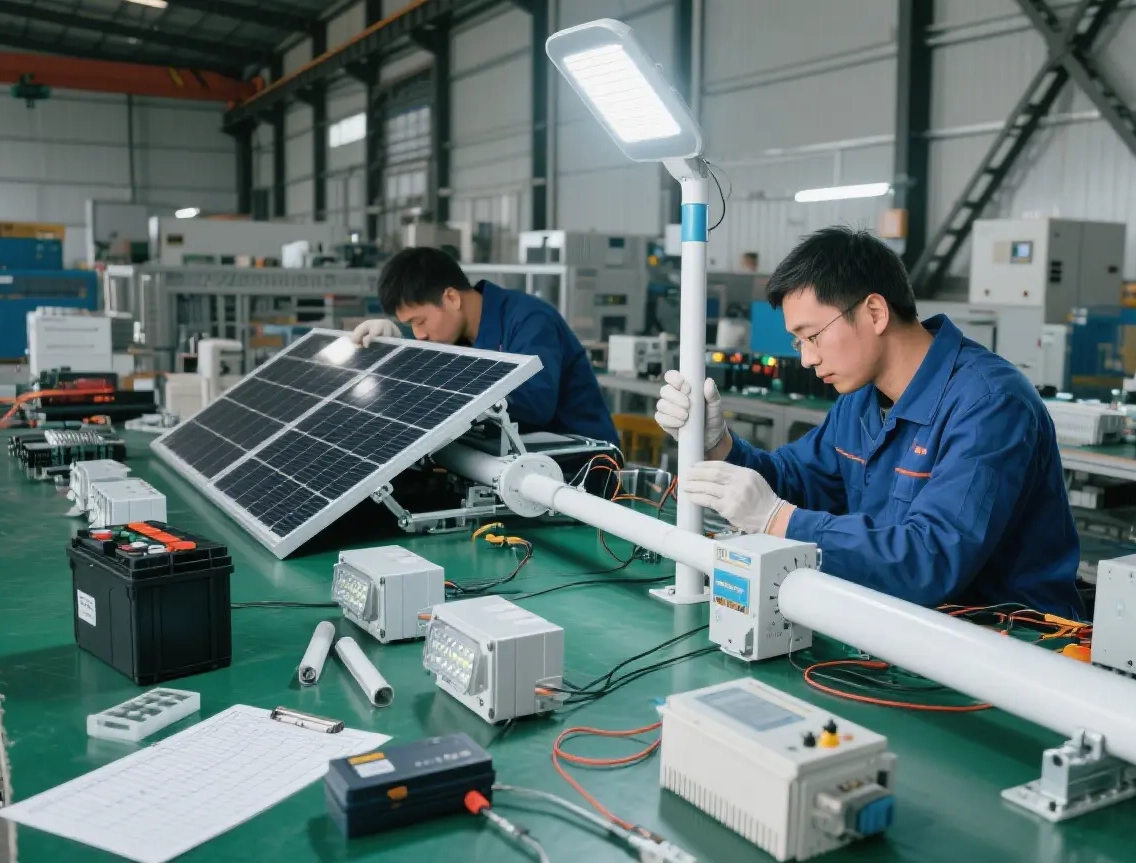
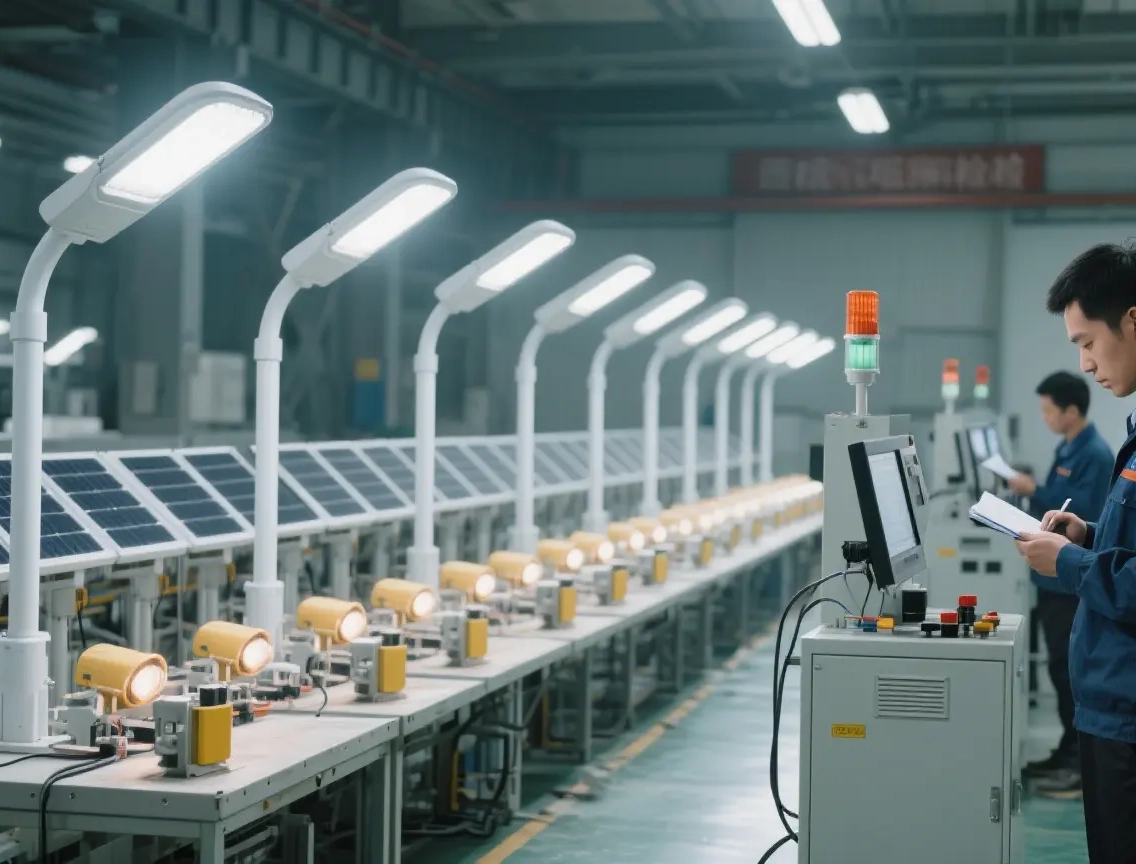
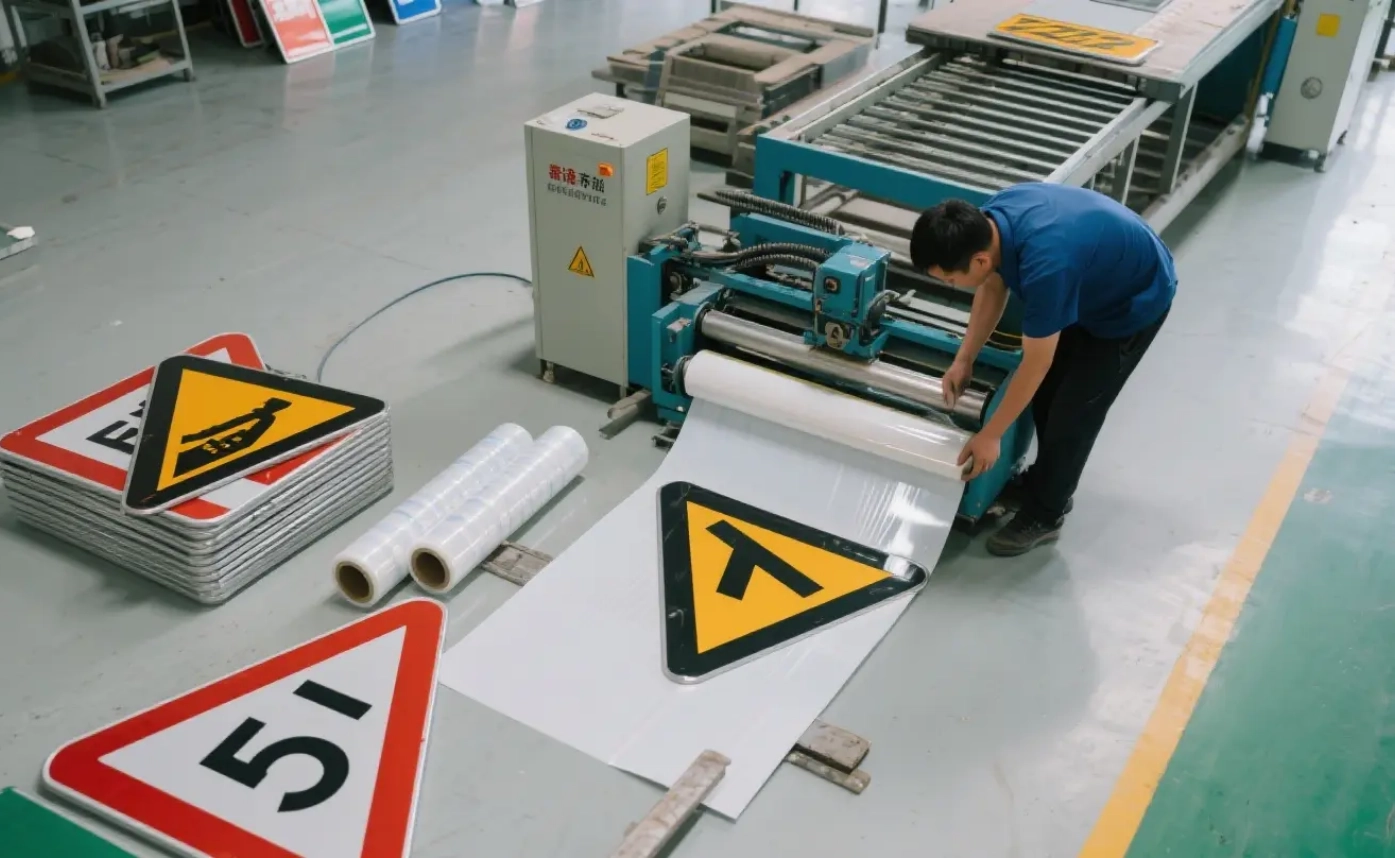
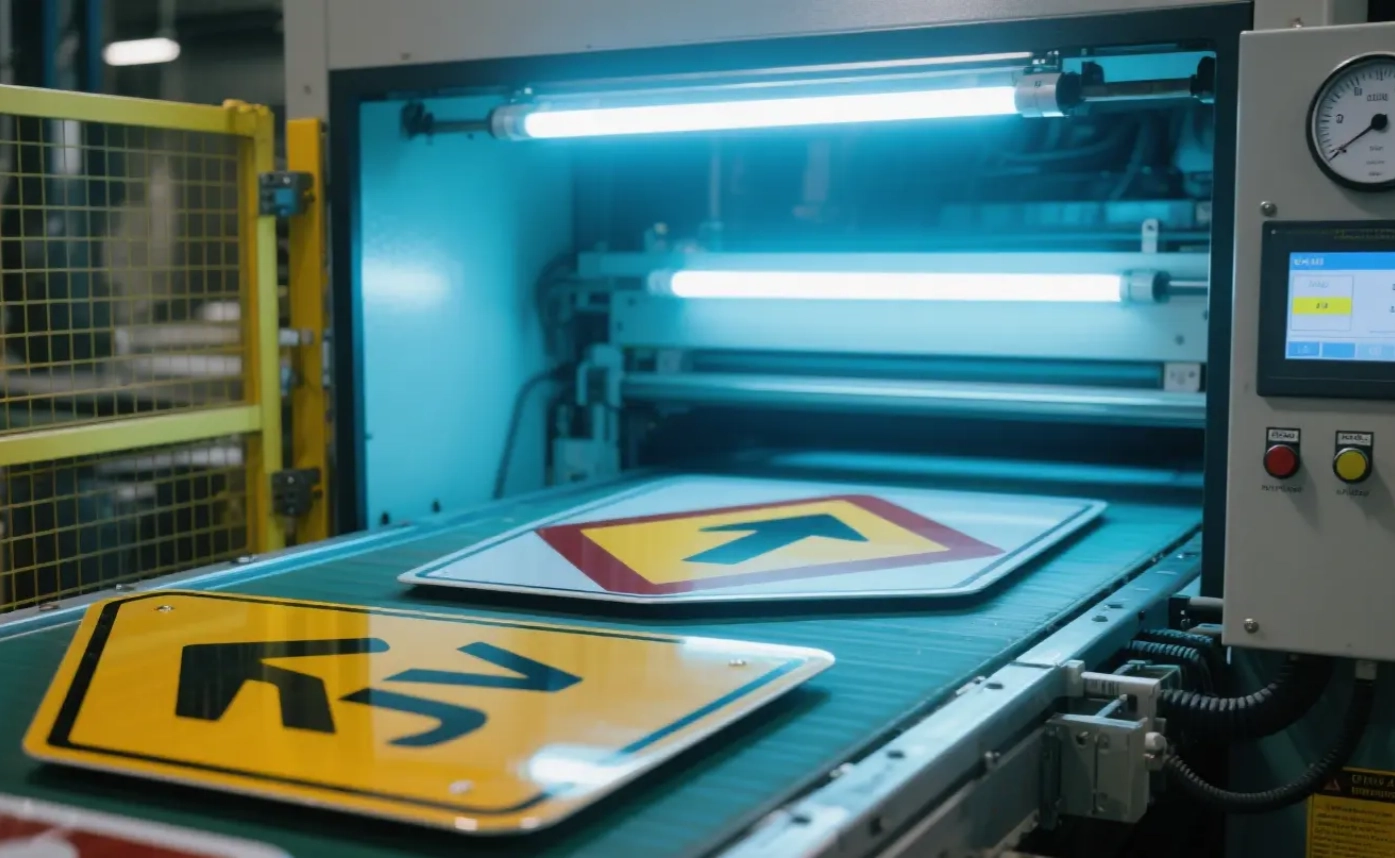
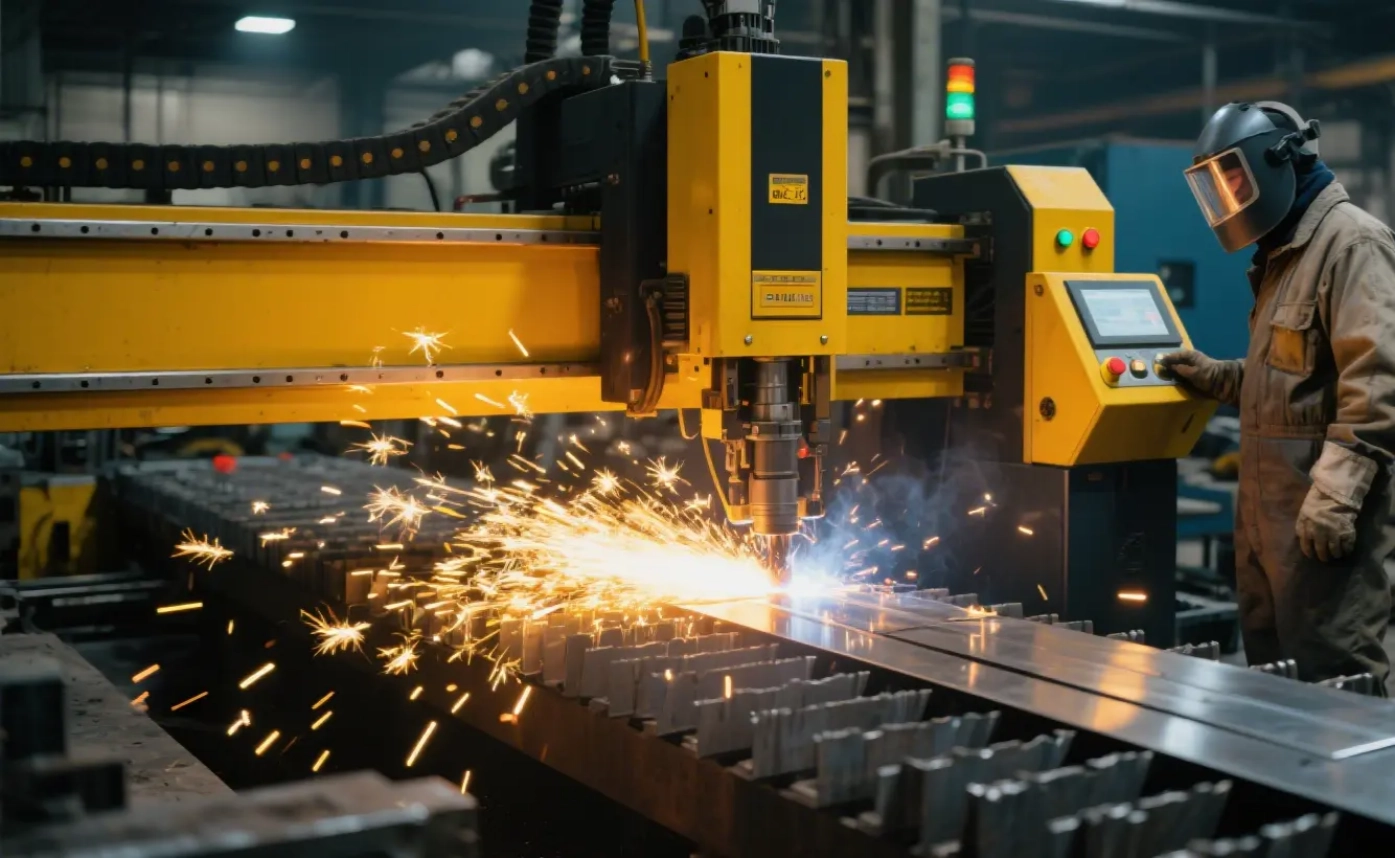
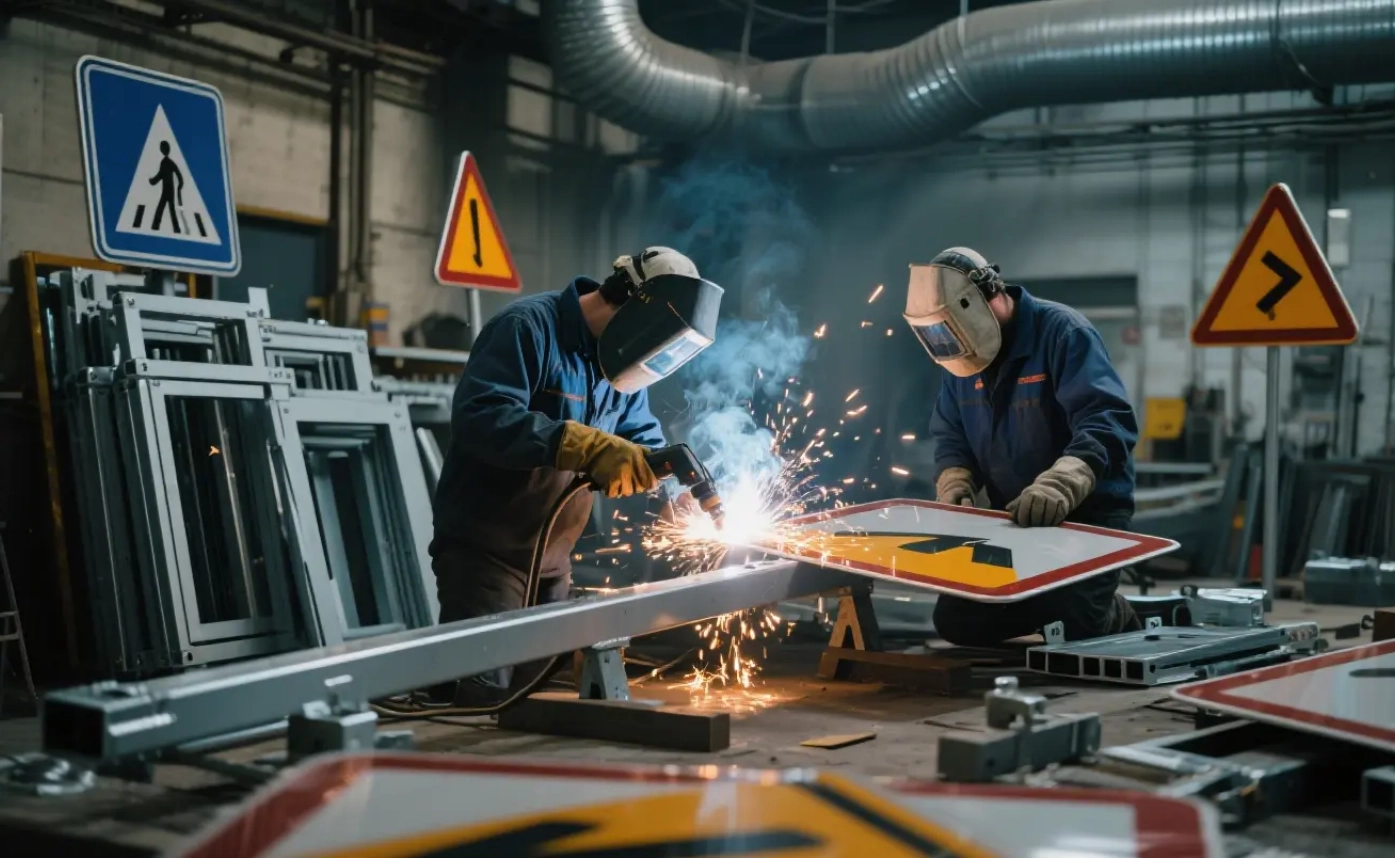
A reference table for engineers comparing the technical baselines of high-quality solar pathway and bollard lights.
| Component Group | Standard Specification | Advanced / Municipal Spec | Critical B2B Advantage |
|---|---|---|---|
| Solar PV Module | 18V Monocrystalline Silicon (18-20% eff.) | N-Type Monocrystalline (22-24% eff.) | Maximizes charge in low-light environments |
| Energy Storage | LiFePO4 12.8V / 24Ah | LiFePO4 with smart heating jackets | Over 3,000 charge cycles; cold-climate protection |
| LED Light Engine | 120 lm/W Cree/Osram SMD 3030 | 180-210 lm/W Lumileds / Nichia Chips | Reduces energy consumption for equivalent lumens |
| Housing & Protection | Die-Cast Aluminum, IP65 protection | 6063 Anodized Aluminum, IP66 / IK10 | Corrosion resistant; structural impact resistance |
| Smart Control System | PIR motion sensor + basic timer | IoT Mesh nodes, LoraWAN, smart MPPT | Remote system health monitoring & analytics |
Every construction project has unique requirements. We provide complete manufacturing services to simplify the process for our clients. From initial CAD drawing layout and optical photometric configuration to mold creation, quick prototyping, and safety certification support, our teams work directly with your procurement managers. By bypassing intermediaries, we help ensure faster lead times and better cost efficiency.
Navigating strict regional environmental criteria is essential for B2B distributors. Our factory operates in full compliance with the ISO 9001:2015 Quality Management System and holds international product certifications including CE, RoHS, FCC, and IP66. These compliance standards help ensure easy integration into North American and European municipal bids.
A preview of our research priorities, focusing on efficiency, intelligent controls, and long-term product durability.
We are testing tandem perovskite-silicon PV modules to achieve solar conversion efficiencies beyond 26% for compact bollards.
Our R&D team is developing prototypes utilizing solid-state lithium cells to ensure safe operation from -40°C to 75°C.
We are expanding support for smart city networks, enabling pathway lights to dynamically share sensor data and adjust light output.
Providing direct, clear answers to common technical and logistics questions for sourcing managers.
We use high-grade LiFePO4 battery chemistry. These units are rated for more than 3,000 charge cycles at 80% Depth of Discharge (DoD). Under standard operating conditions, this translates to a service life of approximately 8 to 10 years, outperforming older SLA and NiMH batteries.
Our structural poles are fabricated from heavy-duty extruded aluminum (6063-T6) or galvanized steel. They undergo finite element method analysis to withstand winds up to 150 km/h. Optical covers are made from impact-modified polycarbonate or tempered glass, achieving up to IK10 impact protection ratings.
Standard colorways and configurations typically require an MOQ of 50 to 100 units. For fully customized profiles, proprietary optical patterns, or specialized smart controller integrations, the MOQ ranges from 200 to 500 units to cover tooling costs.
All aluminum components undergo a Multi-stage Chromate Conversion Pretreatment before powder coating. We use marine-grade polyester powder coatings with dry-film thicknesses exceeding 80 microns. This ensures durability in ISO 9227 salt-spray tests for up to 1,000 hours.
Yes. Our photometric laboratory uses integrating spheres and goniophotometers to generate complete standard .IES files. We can customize light distribution patterns (Type I, Type II, Type III, or Type V) to match your specific illumination requirements.
Yes, our premium lines can be configured with Smart controllers supporting LoRaWAN, Zigbee, or Bluetooth Mesh protocols. This allows municipal operators to monitor battery voltage, change dimming profiles remotely, and receive real-time status alerts.
Standard production takes 20 to 30 business days from deposit confirmation. Custom tooling or unique material specifications may extend this by 10 to 15 days. Shipping timelines vary depending on destination ports and customs requirements.
We provide a standard 3- to 5-year replacement warranty on all solar lighting systems. If a component fails within the warranty period, we supply replacements after reviewing our diagnostics data. We also offer field engineering consulting for large-scale municipal projects.
 Lukas Lighting