In the era of Smart Cities and Industry 4.0, lighting is no longer just about visibility; it is about data, efficiency, and human well-being. The "Top 10 Lighting Controls Factories" are those that have transitioned from simple electrical hardware to complex IoT-integrated ecosystems.
Modern lighting controls leverage DALI-2, Zigbee, and Matter protocols to provide real-time monitoring and energy harvesting. Exporters are now offering "Light as a Service" (LaaS) models.
With global carbon neutrality goals, the demand for solar-integrated and high-lumen-per-watt fixtures has surged. Top factories are focusing on circular economy principles in their production.
Controls that adjust CCT (Correlated Color Temperature) and intensity based on circadian rhythms are becoming standard in office and healthcare environments to enhance productivity and health.
Jiangsu Lukas Lighting Co., Ltd., established in 1998, represents the pinnacle of Chinese lighting manufacturing. With a modern production base of 11,000 square meters, Lukas has integrated advanced automation to ensure global supply chain stability.
Precision component placement ensuring 99.9% reliability for smart driver circuits and LED modules.
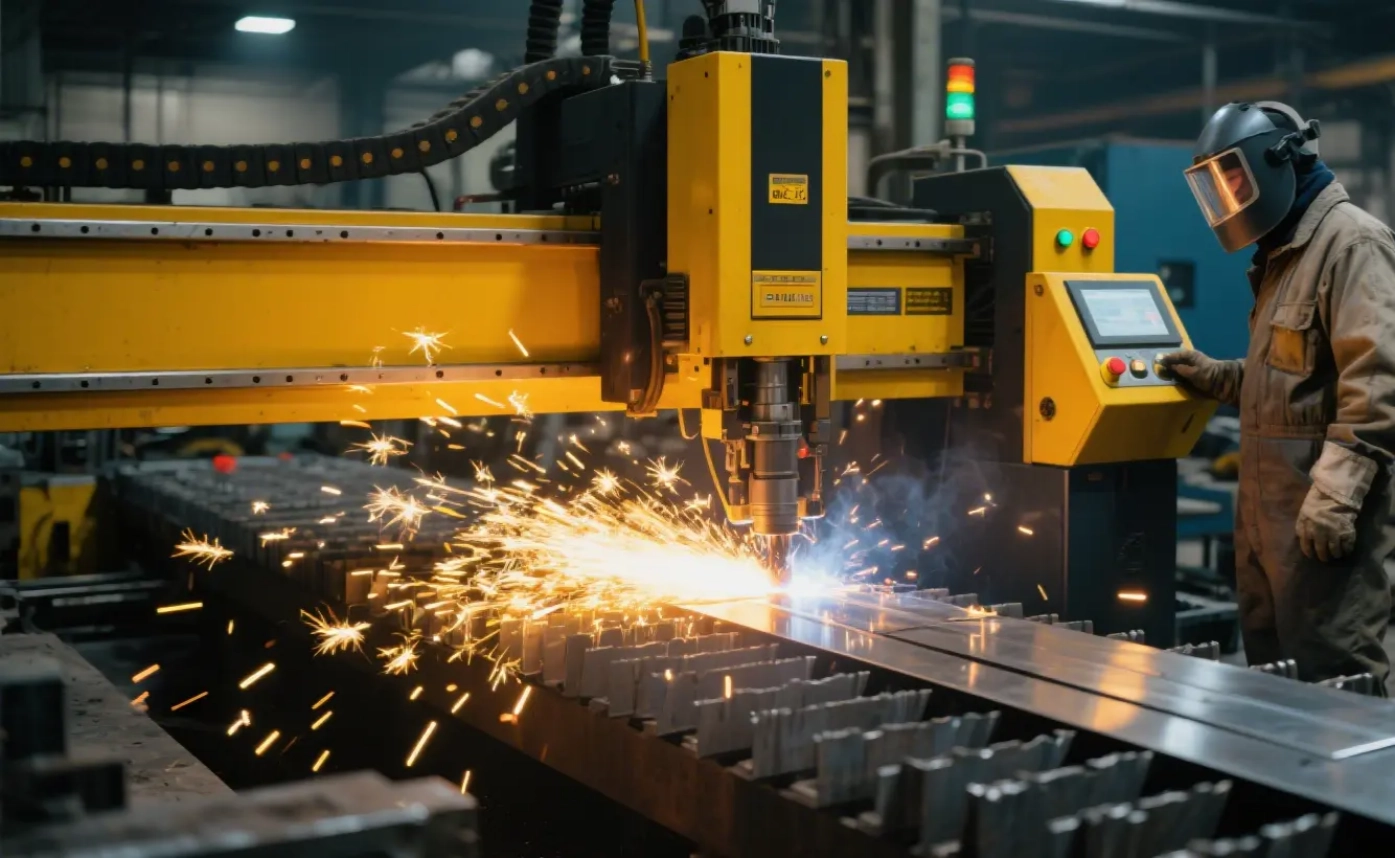
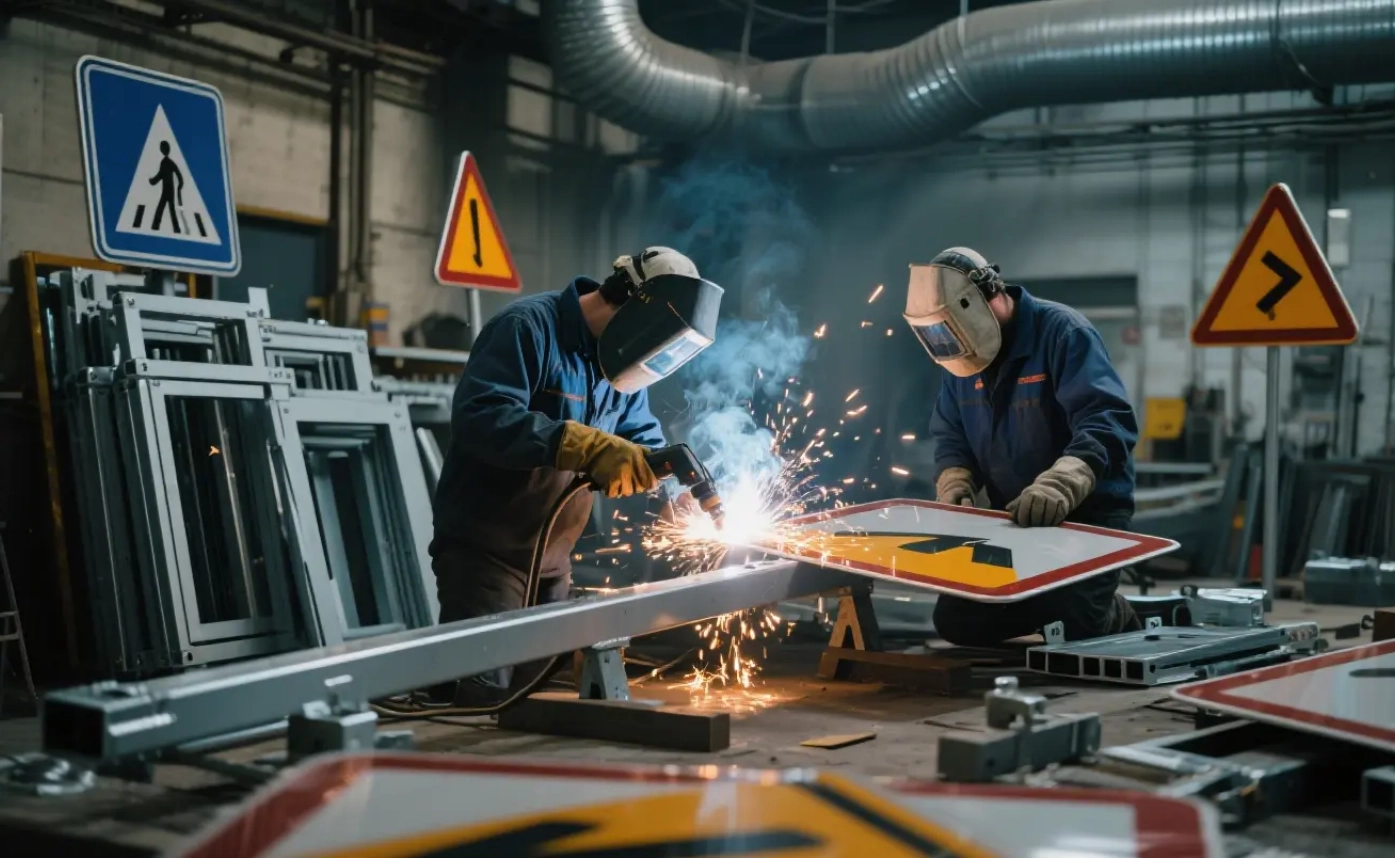
High-precision CNC laser cutting and robotic welding systems for durable, IP66-rated aluminum housings.
Advanced optical testing equipment ensures every batch meets international standards (CB, CE, Rohs, ENEC, TUV).
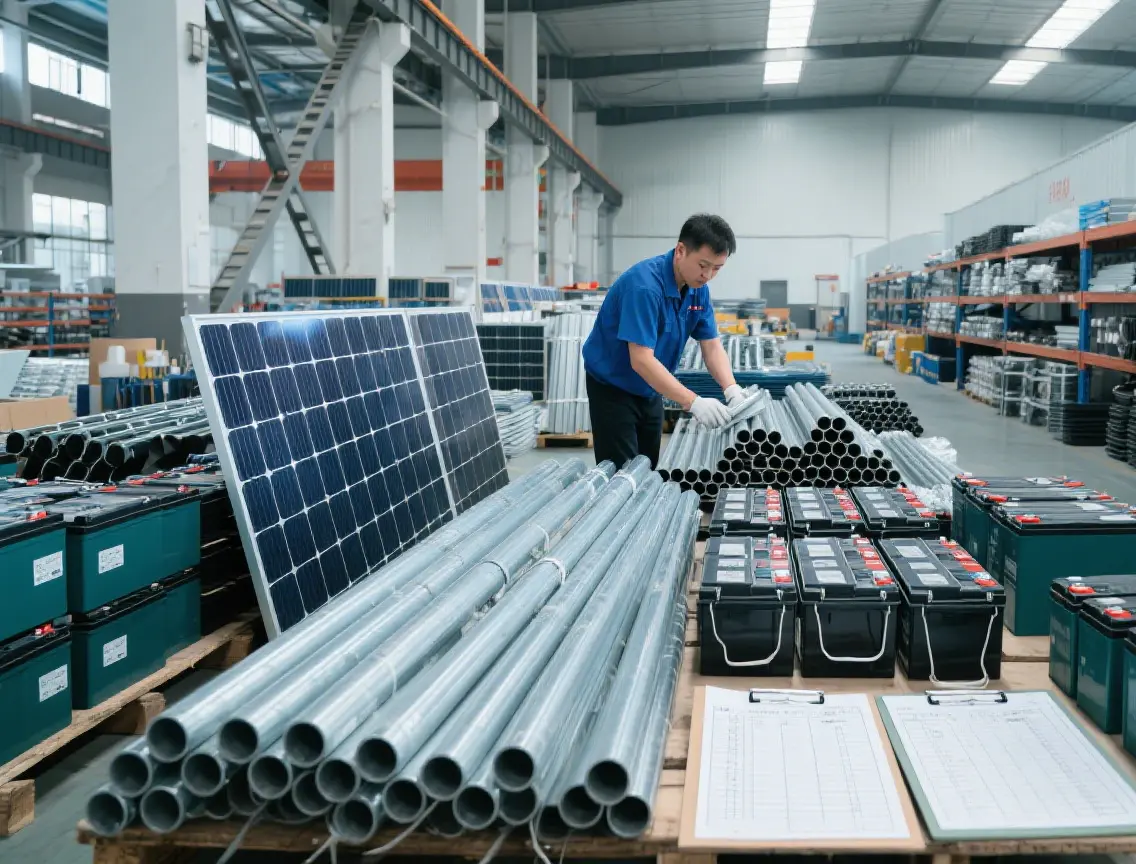
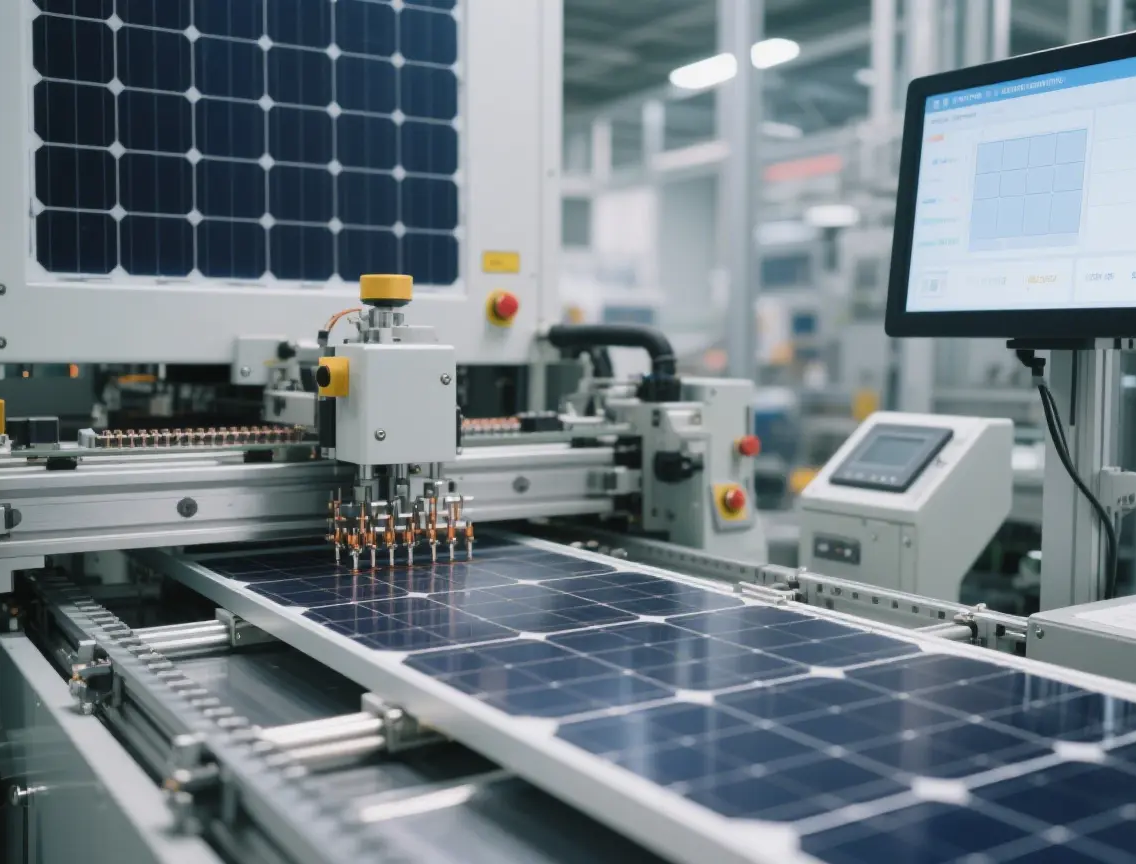
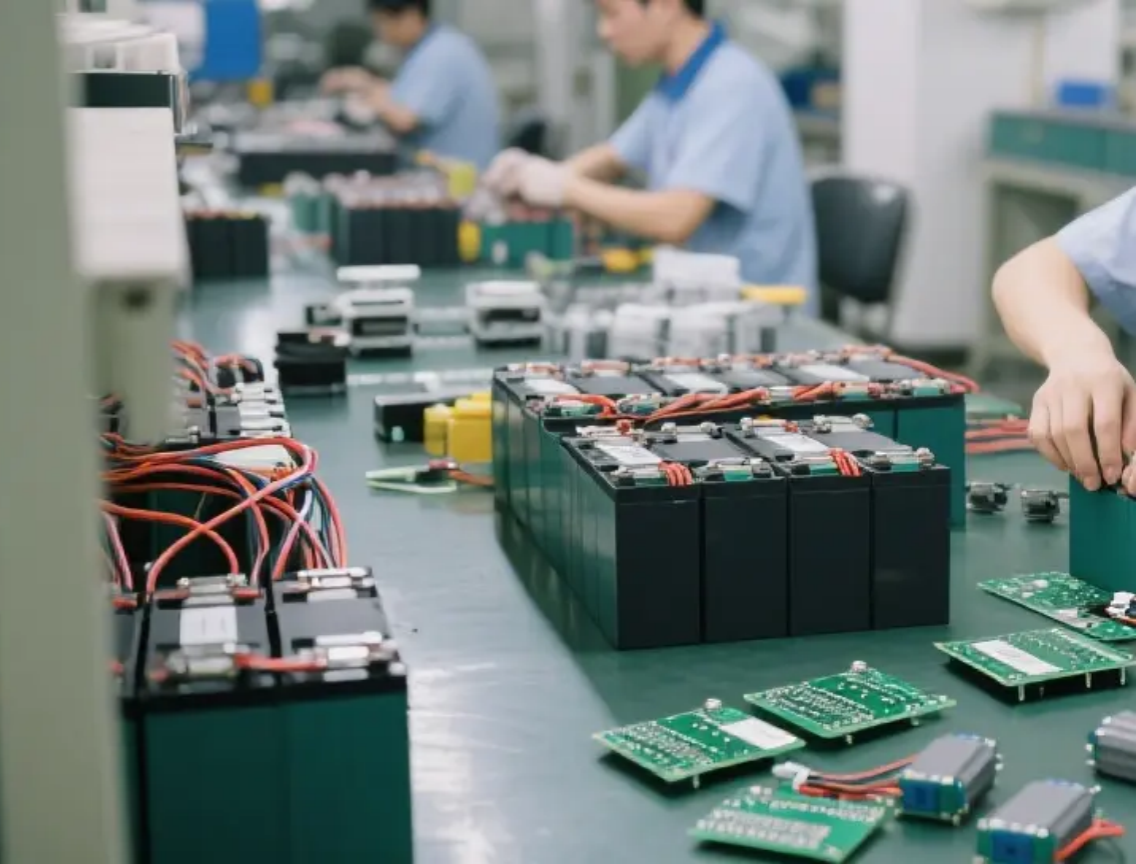
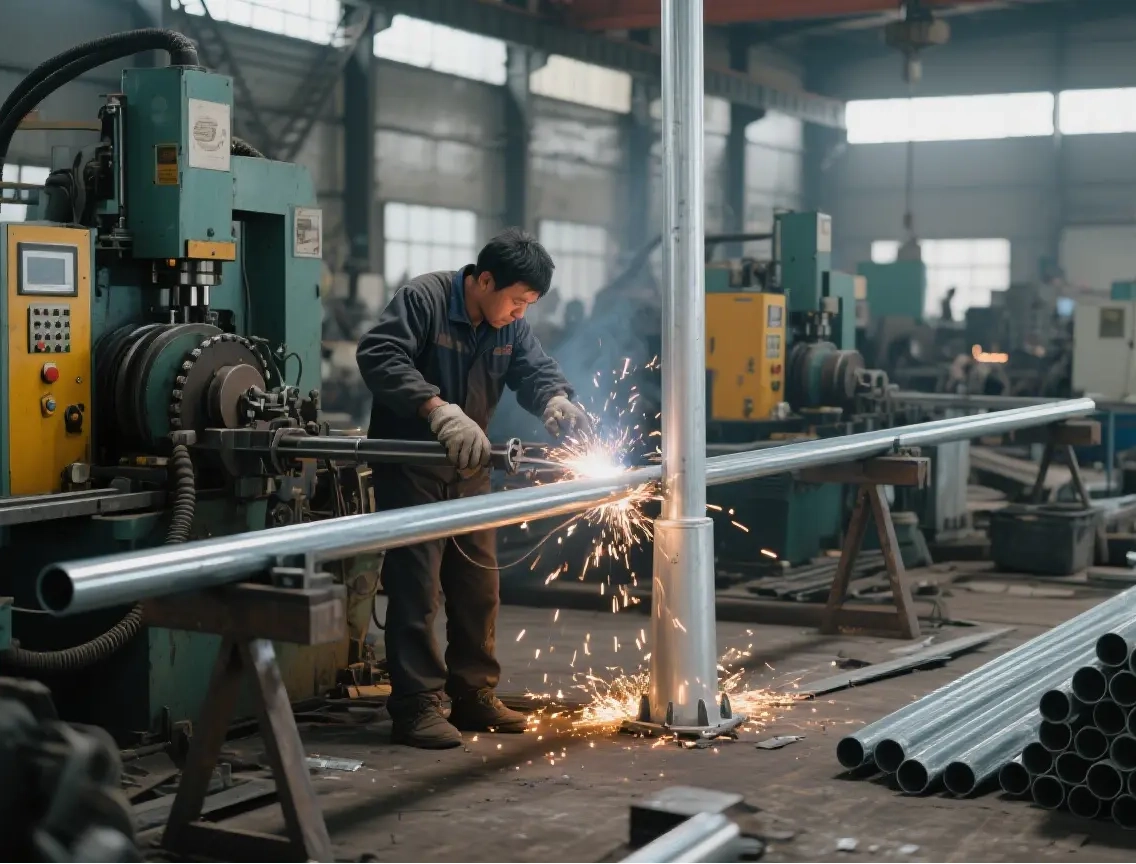
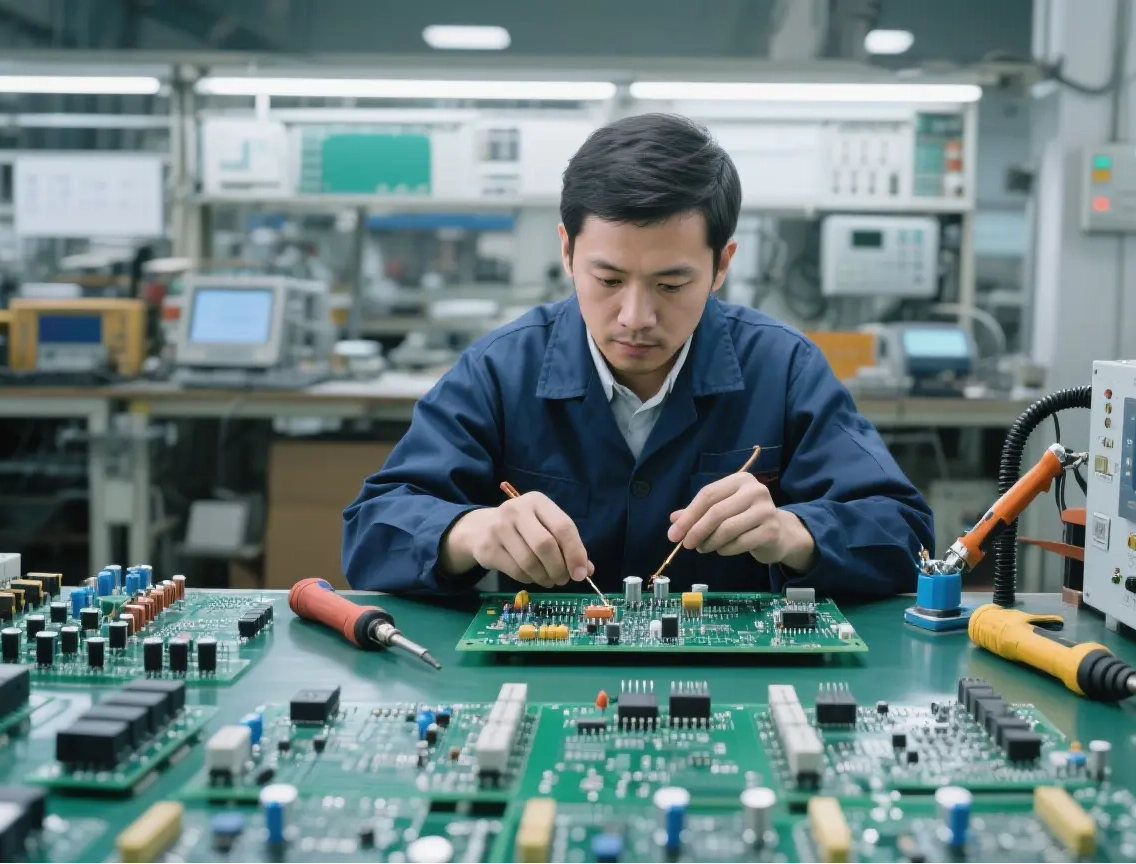
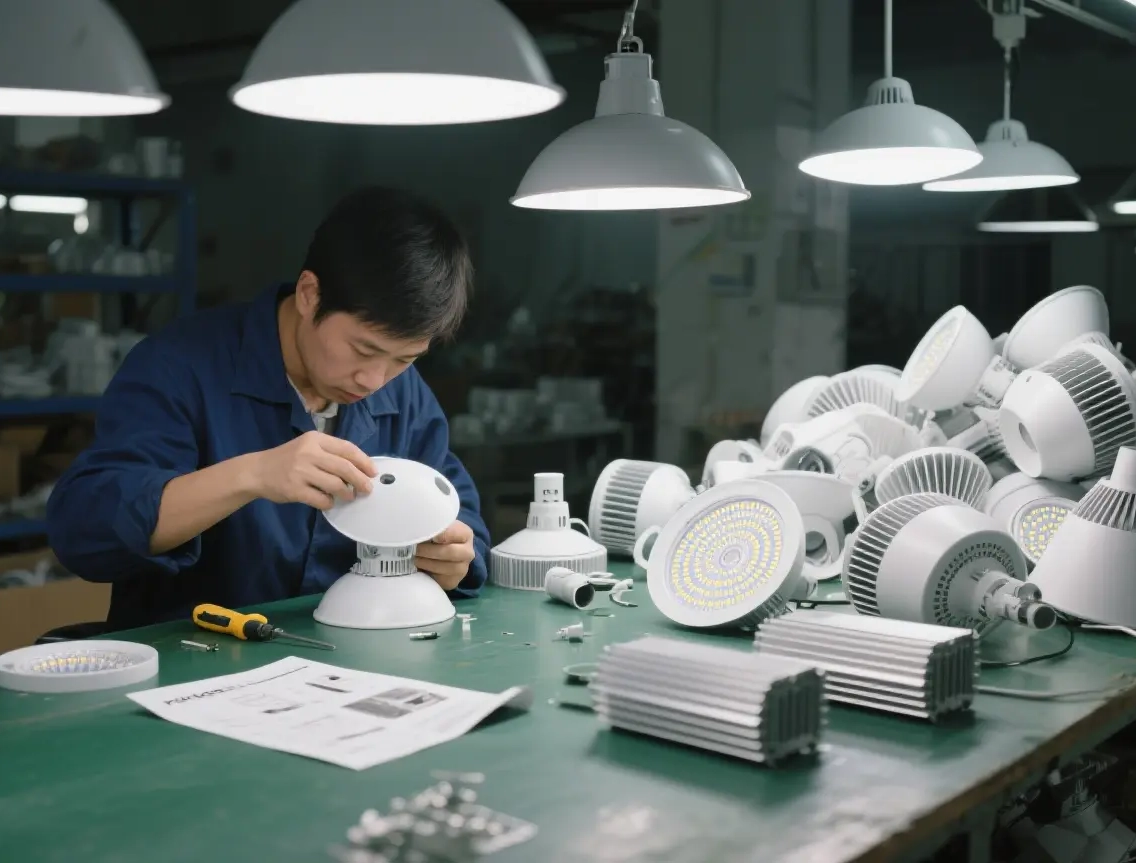
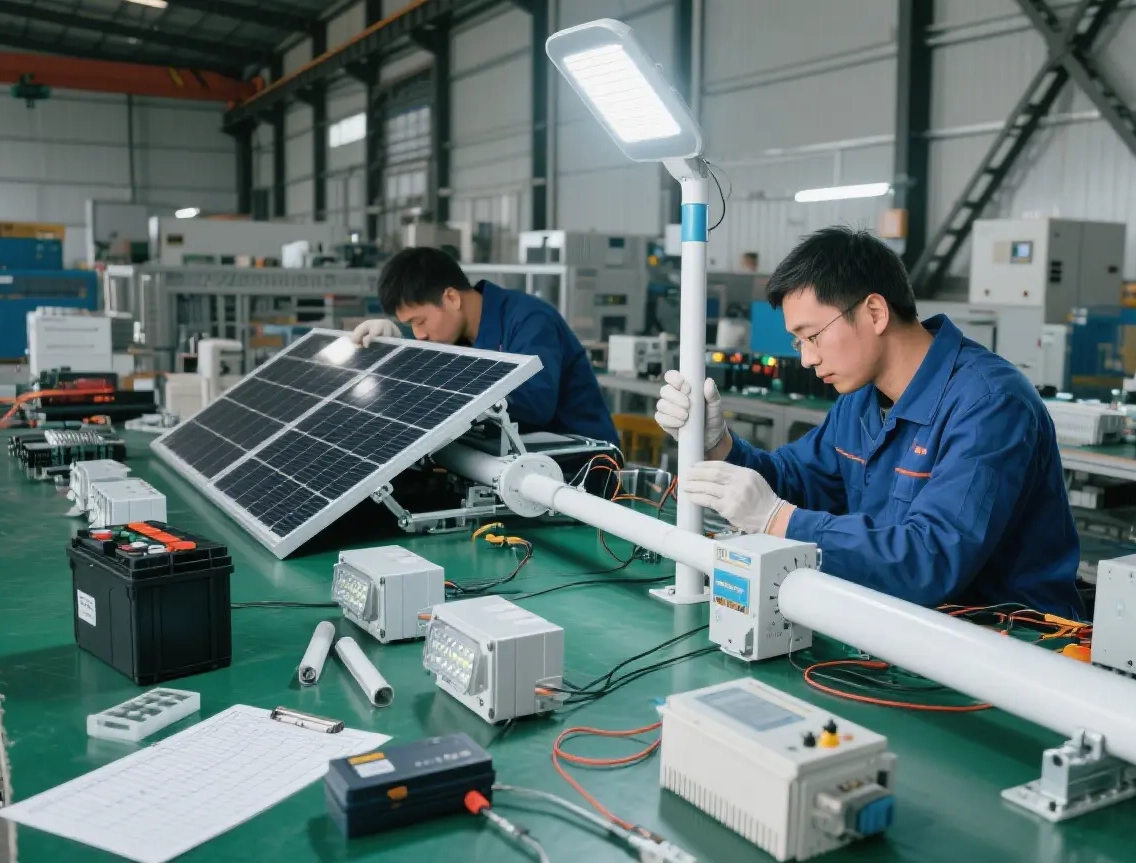
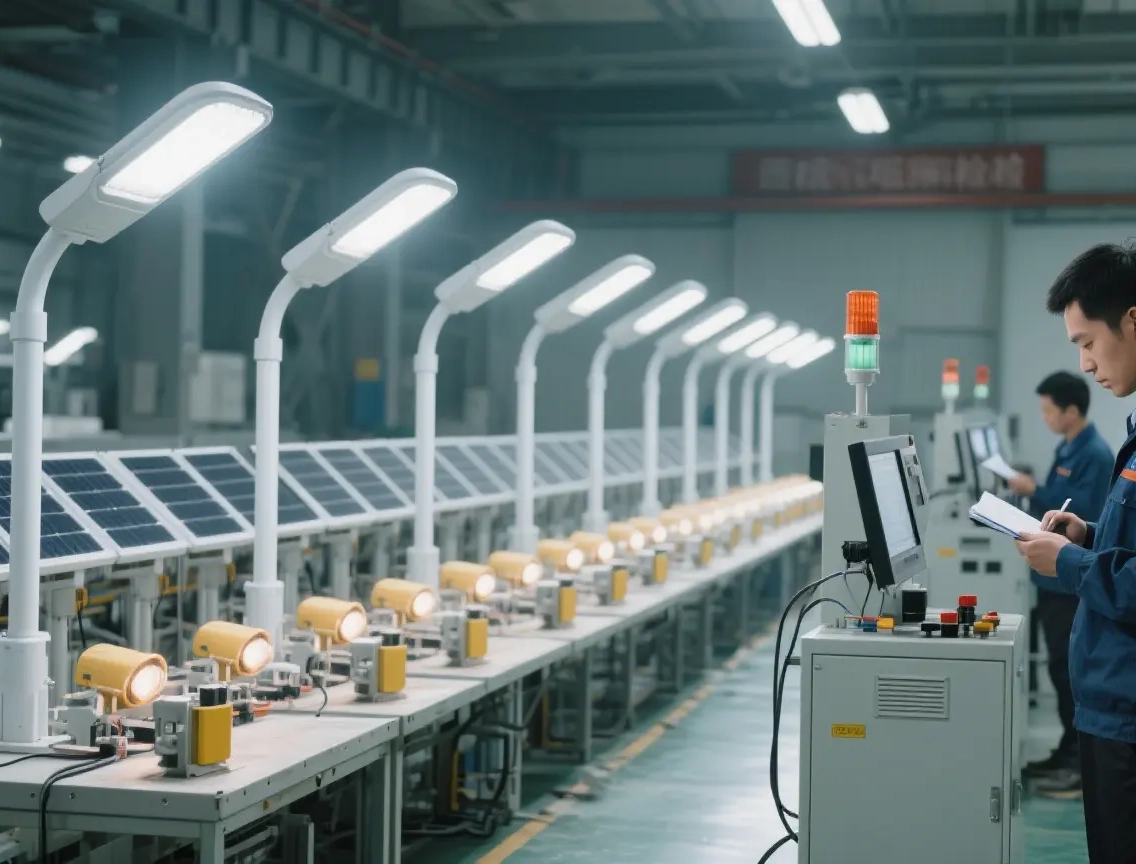
Capable of handling both large-volume orders and complex customized projects with precision and speed. Our 11,000 sqm facility is optimized for throughput.
Established a comprehensive quality control system and passed ISO9001. Multiple patents in lighting structure and optical technology showcase our expertise.
Integrated services including product design, mold development, prototype testing, mass production, and logistics support—eliminating intermediate links.
Continuous investment in energy-saving LED technologies and smart lighting control systems to support global carbon reduction goals.
B2B lighting procurement has shifted from "lowest price" to "lowest total cost of ownership (TCO)". Major industrial and commercial sectors now prioritize:
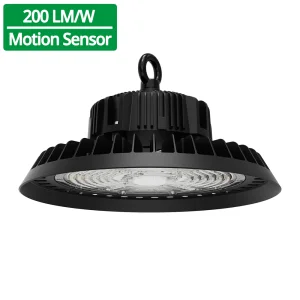
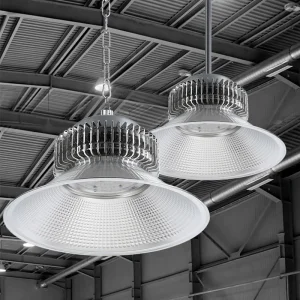
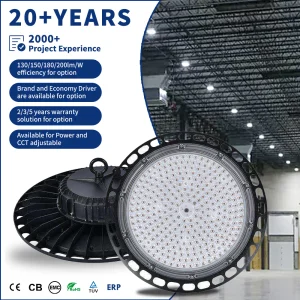
UFO High Bays with motion sensors for automated warehouses, ensuring energy is only used when activity is detected.
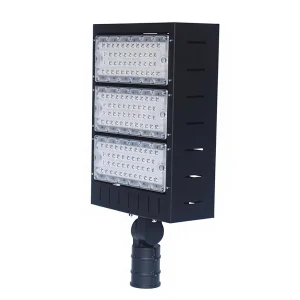
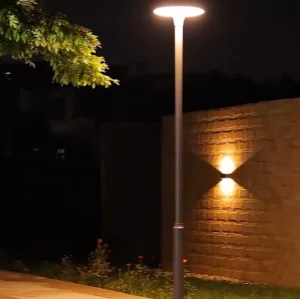
Smart LED street lights with NB-IoT controllers that allow city managers to dim lights remotely during off-peak hours.
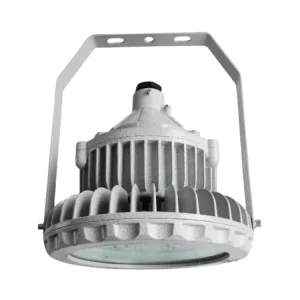
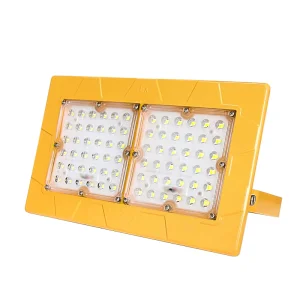
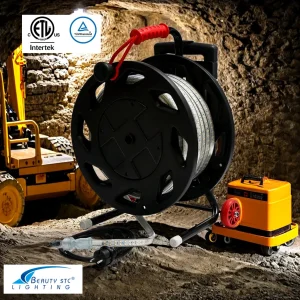
Explosion-proof fixtures for gas stations and portable LED strips for coal mine tunnels, where safety is paramount.
 Lukas Lighting