Explore high-efficiency solar-integrated luminaires, airfield guidance lighting, and municipal smart energy hardware built for modern net-zero infrastructure.
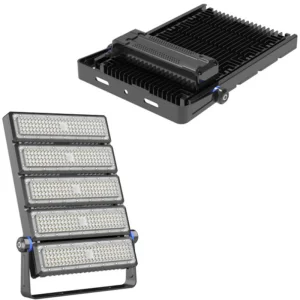
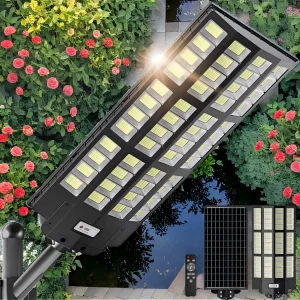
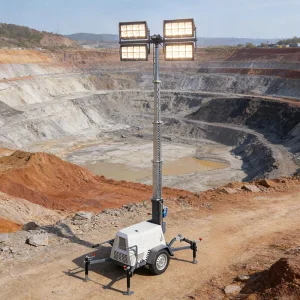
Analyzing the shift from add-on photovoltaics (BAPV) to seamless structural solar integration across global energy-efficient architectures.
Building Integrated Photovoltaics (BIPV) represents the fusion of renewable energy generation and structural building materials. Unlike traditional Building Applied Photovoltaics (BAPV), which are retrofitted onto existing rooftops via mechanical racks, BIPV components serve a dual function: acting as an outer building envelope element (such as facades, skylights, curtain walls, and roofing tiles) while simultaneously operating as power generators.
Driven by global decarbonization mandates, such as the European Union's Energy Performance of Buildings Directive (EPBD) demanding Nearly Zero-Energy Buildings (NZEB), as well as US LEED v4.1 certification frameworks, architects, commercial developers, and municipal planners are transitioning toward aesthetic, structural-grade solar cladding. Today's BIPV market demands high power density, customized transparency, color matching, and structural durability capable of enduring dynamic wind loads exceeding 5,400 Pa and extreme thermal swings.
Information Gain Insight: The modern procurement paradigm has evolved. Decision-makers no longer view BIPV purely through solar ROI lenses. Evaluation now hinges on the dual-offset metric: calculating displaced traditional cladding material costs (e.g., granite, glass, aluminum composite panels) against lifetime localized power generation revenue.
An authoritative technical evaluation of top tier global manufacturers delivering certified structural solar solutions, façade integration, and smart infrastructure components.
Core Specialization: High-durability Cadmium Telluride (CdTe) thin-film solar modules engineered for commercial building envelope integration.
Technical Advantage: Superior temperature coefficient and low-light spectral response, ideal for vertical facade installations subject to indirect sunlight.
Structural Rating: Heavy-duty laminated safety glass options meeting international hurricane and impact resistance standards.
Core Specialization: Customized transparent and translucent PV glass for curtain walls, ventilated facades, and skylights.
Technical Advantage: Extensive range of light transmission levels (from 10% to 50% transparency), customizable colors, and double/triple-glazed low-E insulation properties.
Structural Rating: Tested under IEC 61215 and EN 12600 standards for architectural safety glazing.
Core Specialization: Flexible thin-film solar modules integrated directly into single-ply roofing membranes and standing seam metal roofs.
Technical Advantage: Zero penetration installation preserving roof waterproofing integrity; ultra-lightweight profile (<3.5 kg/m²).
Structural Rating: Class A fire rating; certified against extreme wind uplift conditions on industrial logistics centers.
Core Specialization: High-efficiency BIPV claddings, solar windows, and customizable micro-textured colored solar glass.
Technical Advantage: Advanced nano-technology coatings matching natural stone, timber, or concrete aesthetics while concealing silicon solar cells.
Structural Rating: High structural load capacity designed for skyscraper exterior envelopes and extreme climatic conditions.
Core Specialization: Interdigitated Back Contact (IBC) silicon architecture for premium architectural BIPV applications.
Technical Advantage: Up to 22.8% conversion efficiency with grid-line-free front surfaces, providing sleek aesthetics for luxury modern facades.
Structural Rating: Solid copper foundation resisting cell cracking and thermal degradation over 40-year operational lifespans.
Core Specialization: Integrated glass roof tiles designed for high-end residential and commercial pitched roofing systems.
Technical Advantage: Seamless integration with energy storage ecosystems (Powerwall) and invisible PV appearance from street level.
Structural Rating: Class 4 ANSI FM 4473 hail rating and Class A fire resistance.
Core Specialization: SunEwat series active solar glazing solutions for commercial structural facades and spandrel panels.
Technical Advantage: Integration of high-efficiency monocrystalline cells within laminated safety glass with customized optical coatings.
Structural Rating: Fully compliant with European building standards for structural glass walls and thermal insulation.
Core Specialization: Heterojunction (HJT) BIPV roofing products and large-scale industrial canopy integration solutions.
Technical Advantage: Extremely low temperature coefficient (-0.26%/°C) ensuring optimal power production in high ambient heat environment.
Structural Rating: ISO 9001, ISO 14001 certified with robust mechanical load capacities.
Core Specialization: Custom-tailored architectural solar glass elements for high-profile institutional and heritage revamps.
Technical Advantage: Flexible dimension manufacturing up to 15-meter lengths, integrating color foils and varying cell spacing.
Structural Rating: Engineered specifically for structural overhead glazing and blast-resistant curtain wall standards.
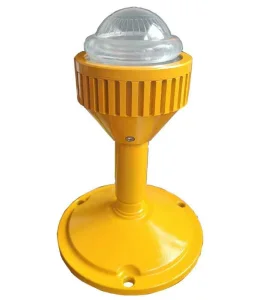
Core Specialization: Specialized BIPV municipal infrastructure systems, structural solar street light assemblies, airfield lighting systems, and integrated commercial outdoor lighting solutions.
Technical Advantage: One-stop custom engineering spanning advanced SMT assembly, automated encapsulation, precision CNC aluminum housing, and micro-grid control integration.
Structural Rating: ISO9001 certified, heavy-duty IP67/IP68 weather resistance, and dynamic structural wind resistance engineered over 26+ years of specialized manufacturing.
The evolutionary trajectory of photovoltaic technology, smart power management, and building codes from 2025 to 2035.
The core photovoltaic mechanism in BIPV is transitioning rapidly from traditional PERC (Passivated Emitter and Rear Cell) technology to TOPCon (Tunnel Oxide Passivated Contact) and Heterojunction (HJT). The next decade belongs to Perovskite-Silicon Tandem Cells, which hold laboratory efficiency records exceeding 33%. When integrated into architectural glass, tandem cells allow tailored light spectrum tuning—capturing ultraviolet and near-infrared wavelengths while transmitting visible light for internal ambient daylighting.
Historically, adoption of BIPV was hindered by the visual compromise of visible blue/black silicon cells and metal busbars. Next-generation BIPV relies on Interferometric Optical Filters and Ceramic Digital Fritting. These micro-coatings reflect specific visible light spectrum wavelengths to display vibrant solid colors, stone finishes, or metallic sheens to external observers while letting 85%+ of solar photons pass through to the underlying solar cells.
Operating temperature strongly influences photovoltaic output. Monocrystalline silicon experiences efficiency losses of approximately -0.35% per °C above 25°C. Advanced ventilated BIPV facade designs incorporate engineered rear cavity air channels. This passive ventilation structure extracts excess heat from the rear panel, lowering cell temperatures while supplying pre-heated thermal energy to the building's HVAC heat pump system—significantly enhancing overall facility Coefficient of Performance (COP).
Urban shading caused by adjacent high-rises, trees, and structural overhangs creates significant non-uniform irradiation across vertical facades. Utilizing centralized string inverters in BIPV applications leads to severe mismatch losses. The industry standard has shifted decisively toward Module-Level Power Electronics (MLPE), pairing each BIPV panel with intelligent micro-inverters or DC optimizers featuring dynamic Maximum Power Point Tracking (MPPT). This ensures shaded modules do not bottleneck unshaded elements.
Deploying integrated photovoltaic solutions across urban civil engineering, transport hubs, commercial skyscrapers, and smart municipal networks.
Vertical glass curtain walls integrated with low-emissivity BIPV spandrels turn static office towers into distributed urban power plants, drastically reducing peak grid reliance during air-conditioning intensive summer afternoons.
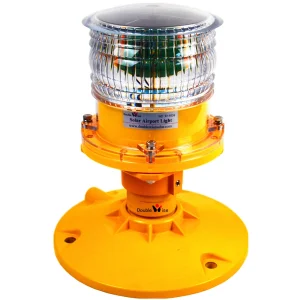
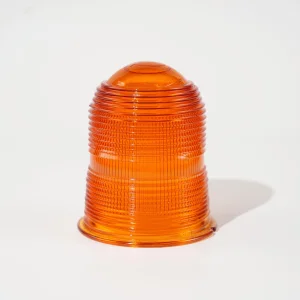
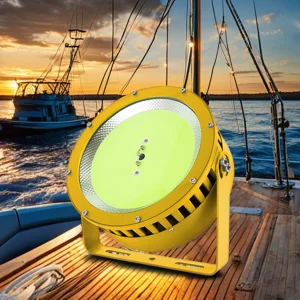
Airports require continuous operational reliability. Specialized glare-free, blast-resistant BIPV structural canopies combined with dedicated solar airfield warning and runway lights ensure autonomous off-grid security lighting even during major municipal grid blackouts.
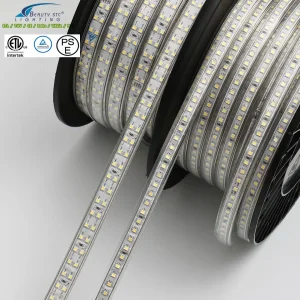
Highways and rail networks utilize heavy-duty vertical solar noise barriers and smart LED tunnel strip lighting. BIPV barriers generate clean power along extended transport corridors, feeding localized LED tunnel networks and emergency monitoring systems.
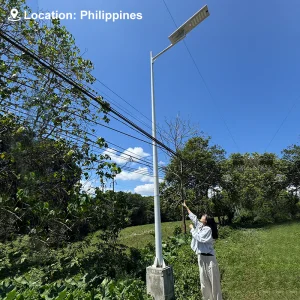
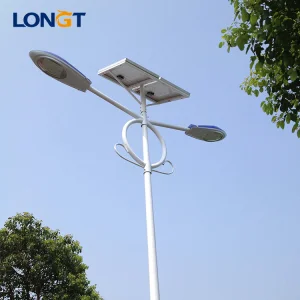
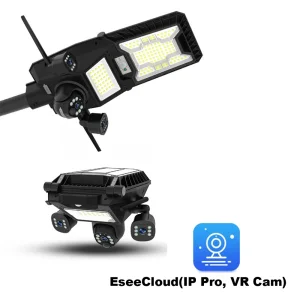
Integrating high-efficiency photovoltaic panels into street lighting poles, combined with IoT camera surveillance systems and LiFePO4 energy storage, creates resilient smart city nodes capable of autonomous operating cycles.
Retaining two decades of precision lighting craftsmanship, structural solar innovation, and standardized quality management.
Jiangsu Lukas Lighting Co., Ltd. was established in 1998 with a strong commitment to innovation, quality, and sustainability in the outdoor lighting industry. Over more than two decades of development, the company has grown into a professional manufacturer specializing in intelligent and energy-efficient street lighting solutions.
With continuous investment in research and development, Lukas Lighting has expanded its product portfolio to include LED street lights, solar street lights, smart lighting systems, landscape lighting, and customized municipal lighting solutions. Our products are widely used in urban roads, highways, industrial parks, residential communities, and public infrastructure projects across global markets.
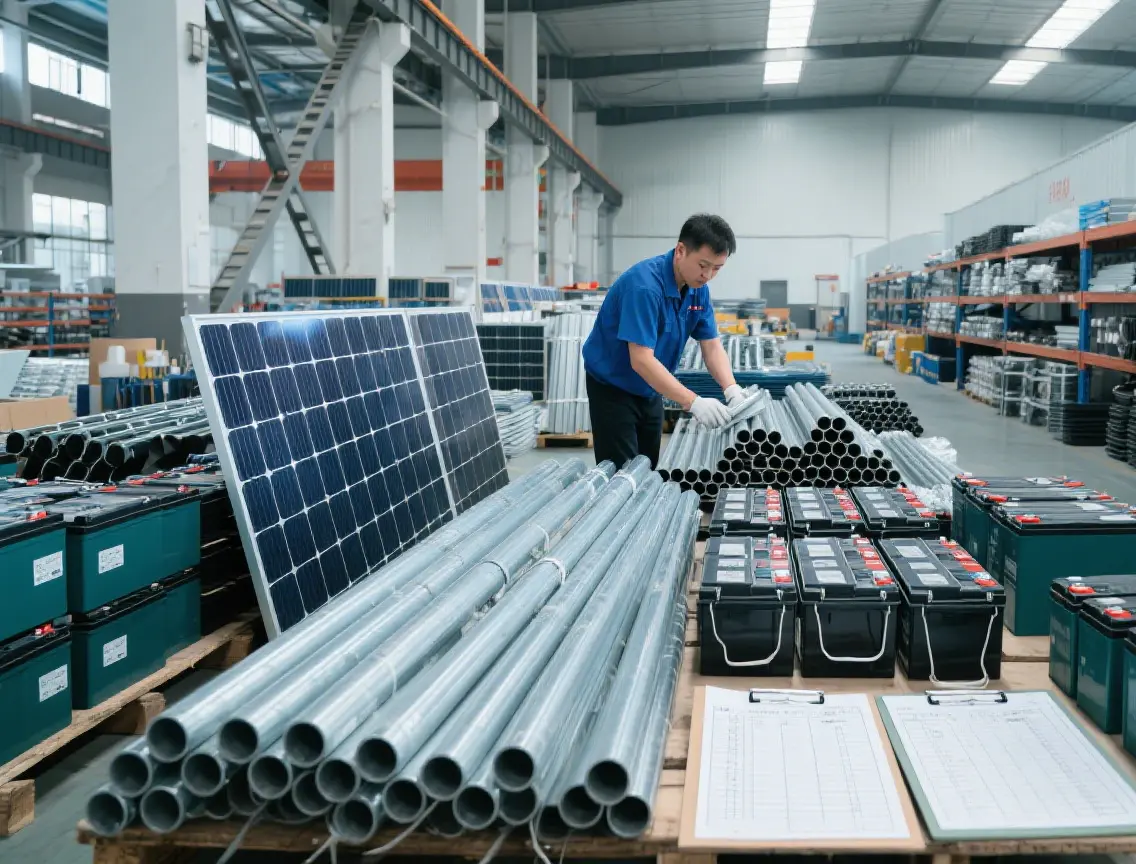
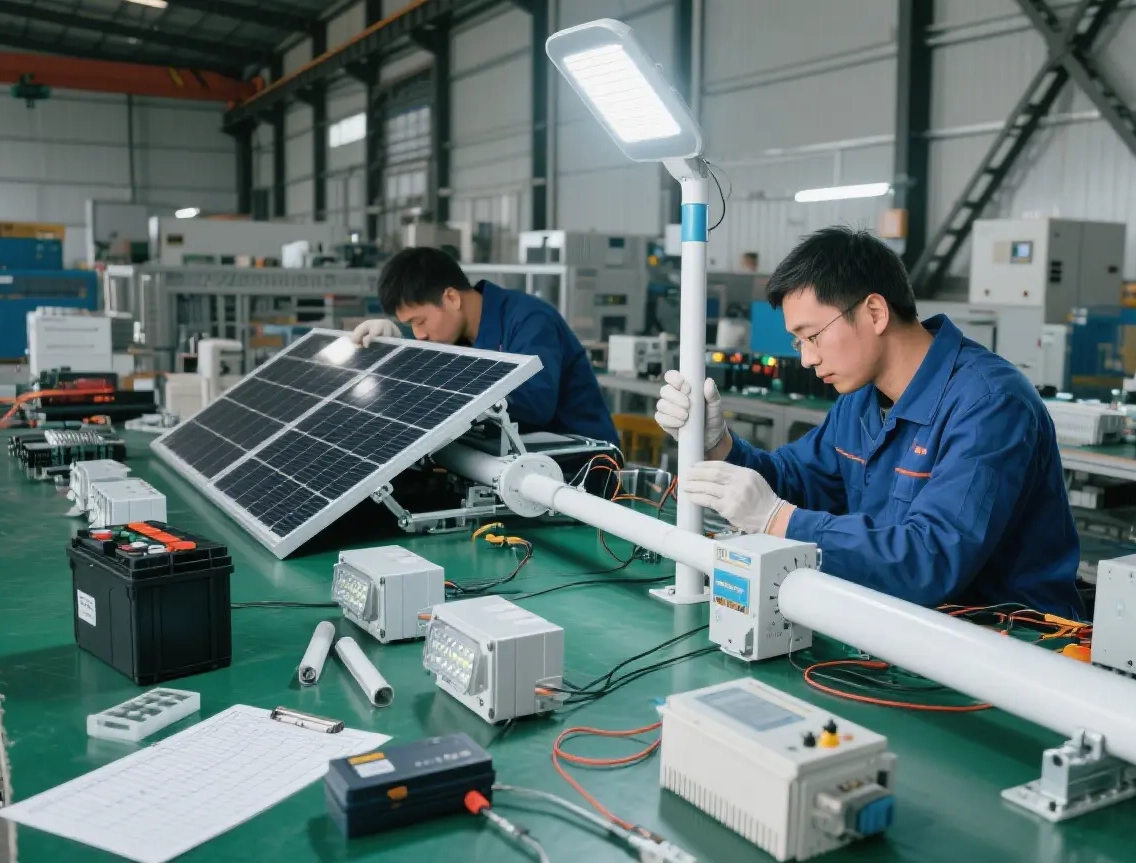
Located in Jiangsu, China, our modern production base covers an area of approximately 11,000 square meters. The facility is equipped with advanced manufacturing technologies and operated by a team of experienced engineers and skilled technicians. This ensures strict quality control, precision manufacturing, and efficient large-scale production capabilities.
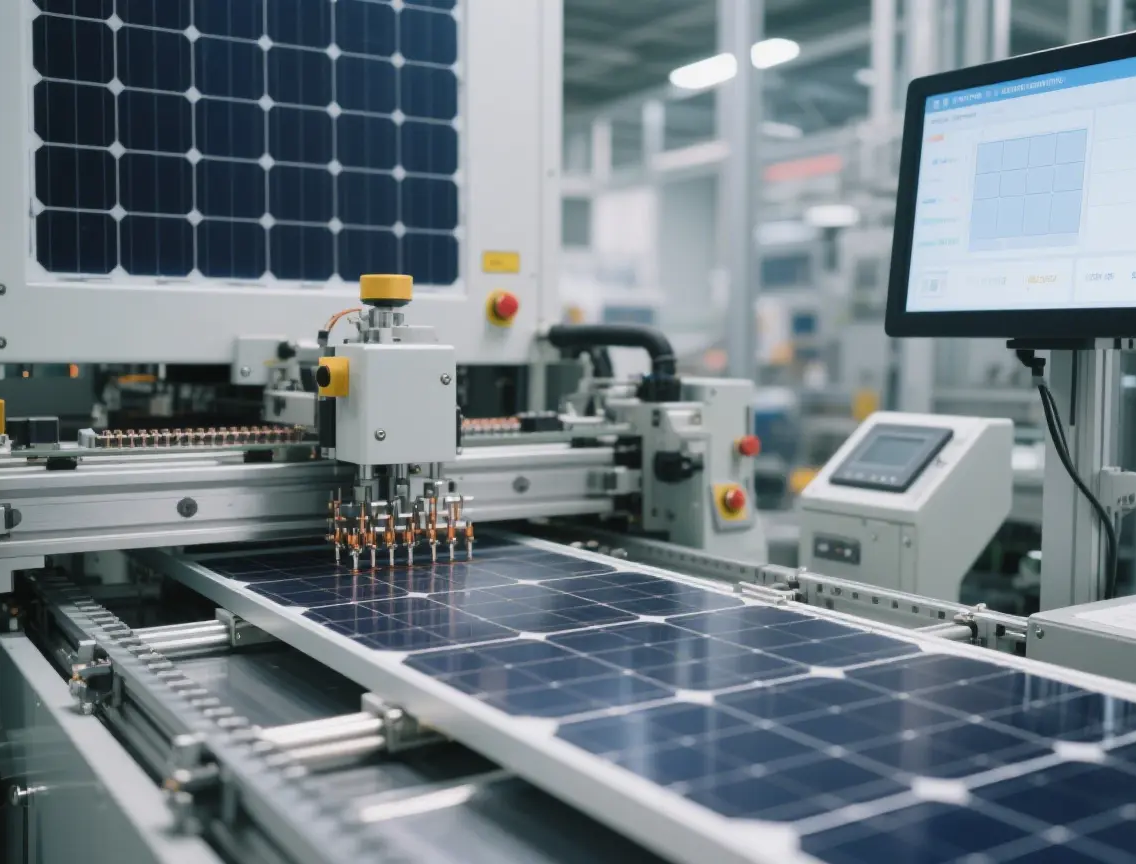
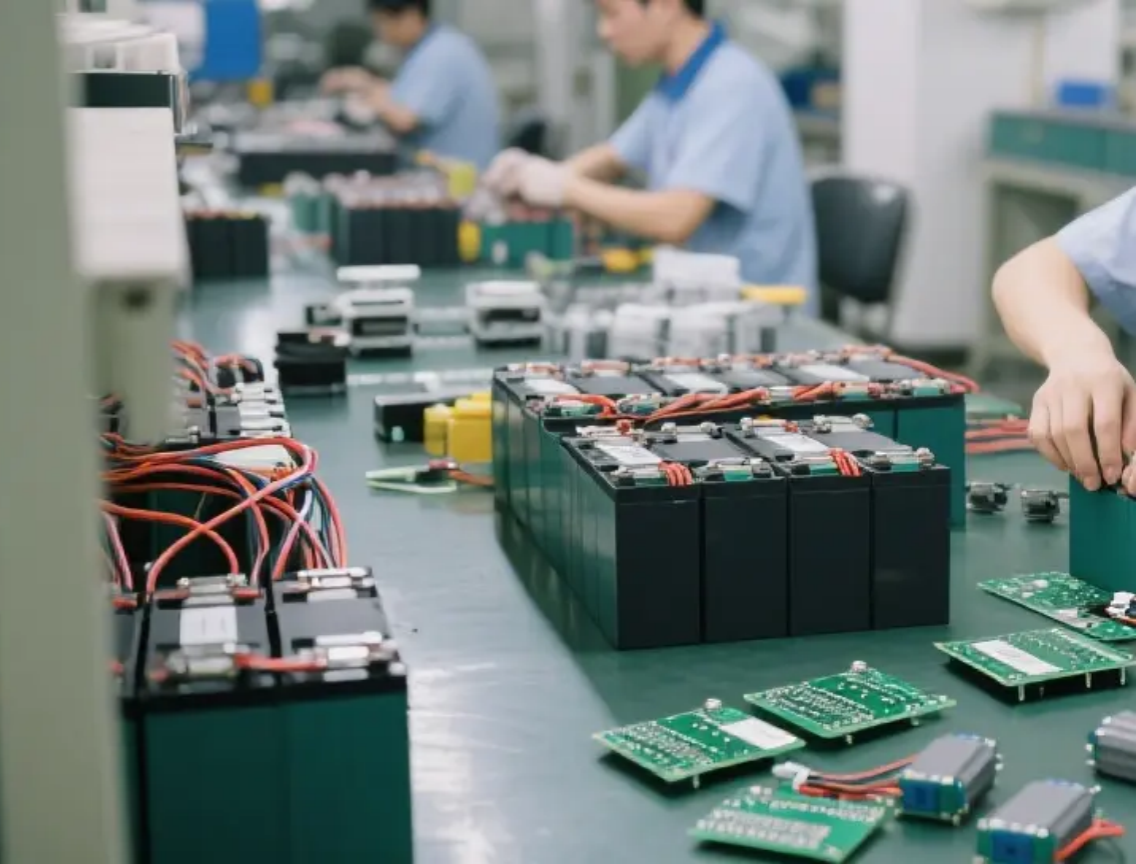
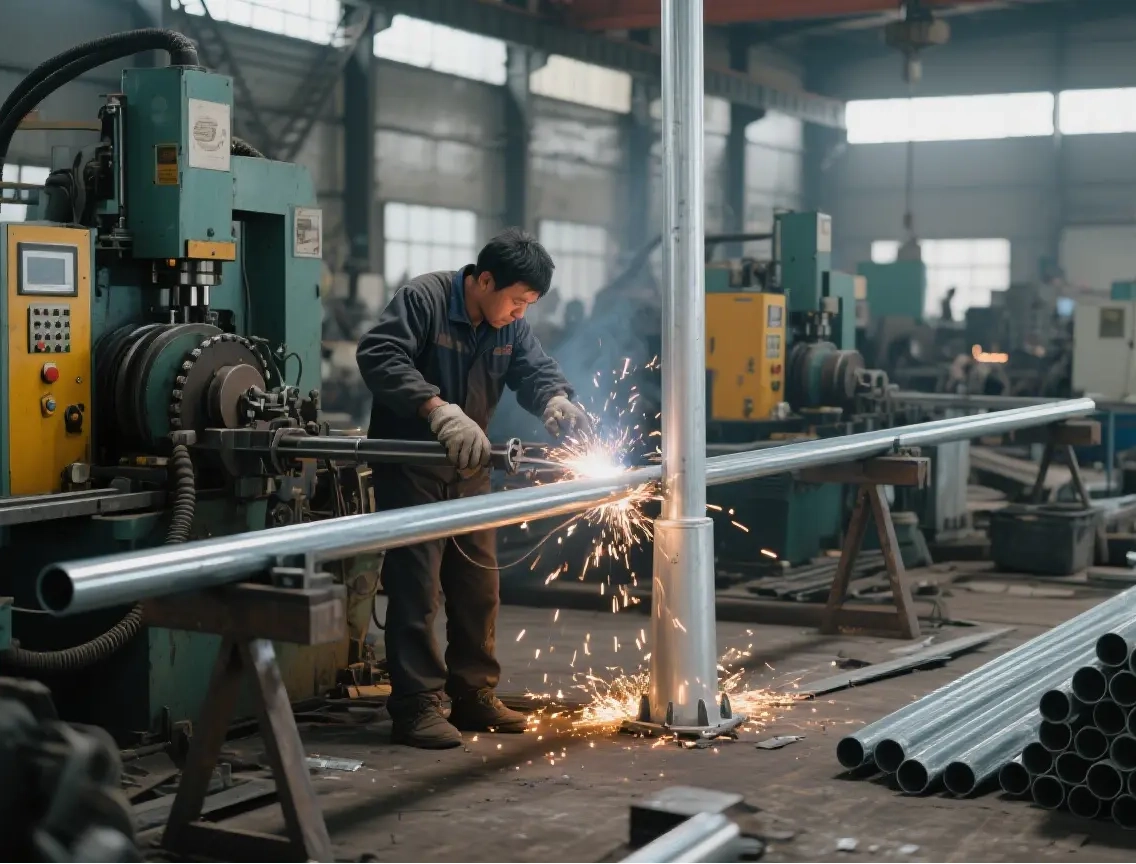
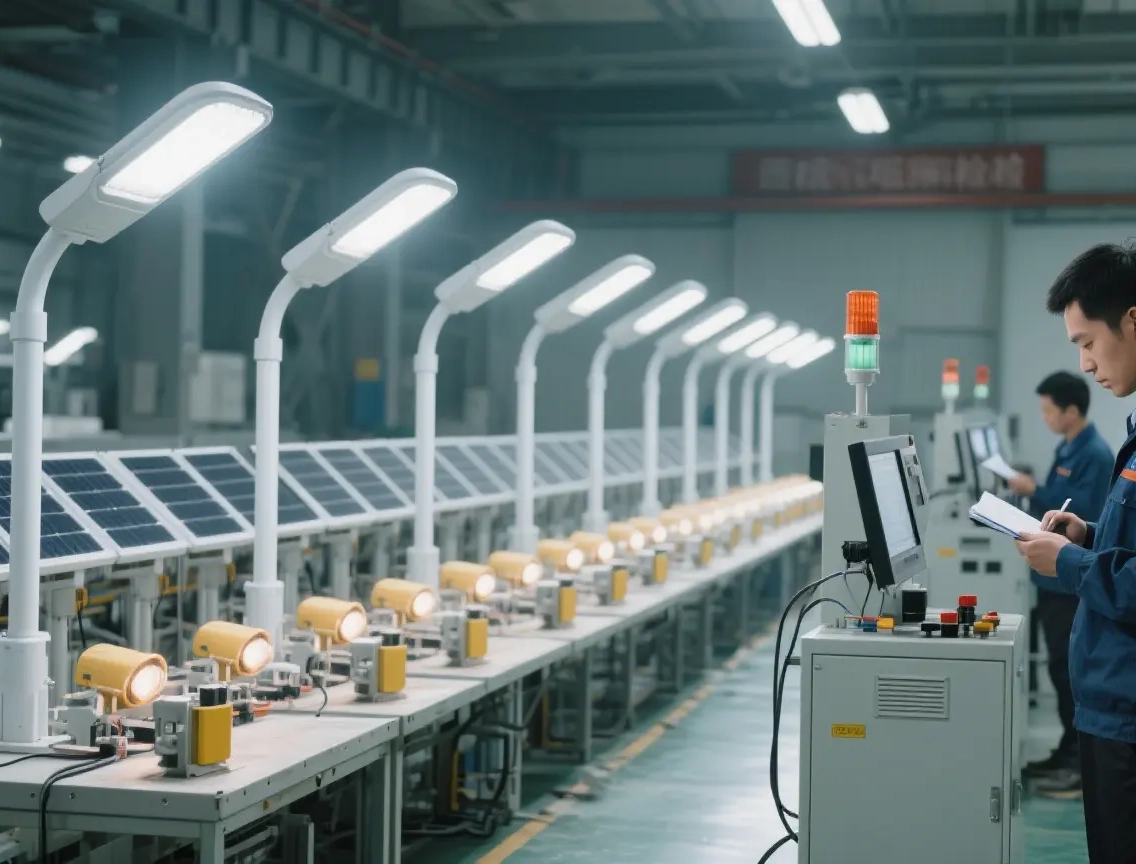
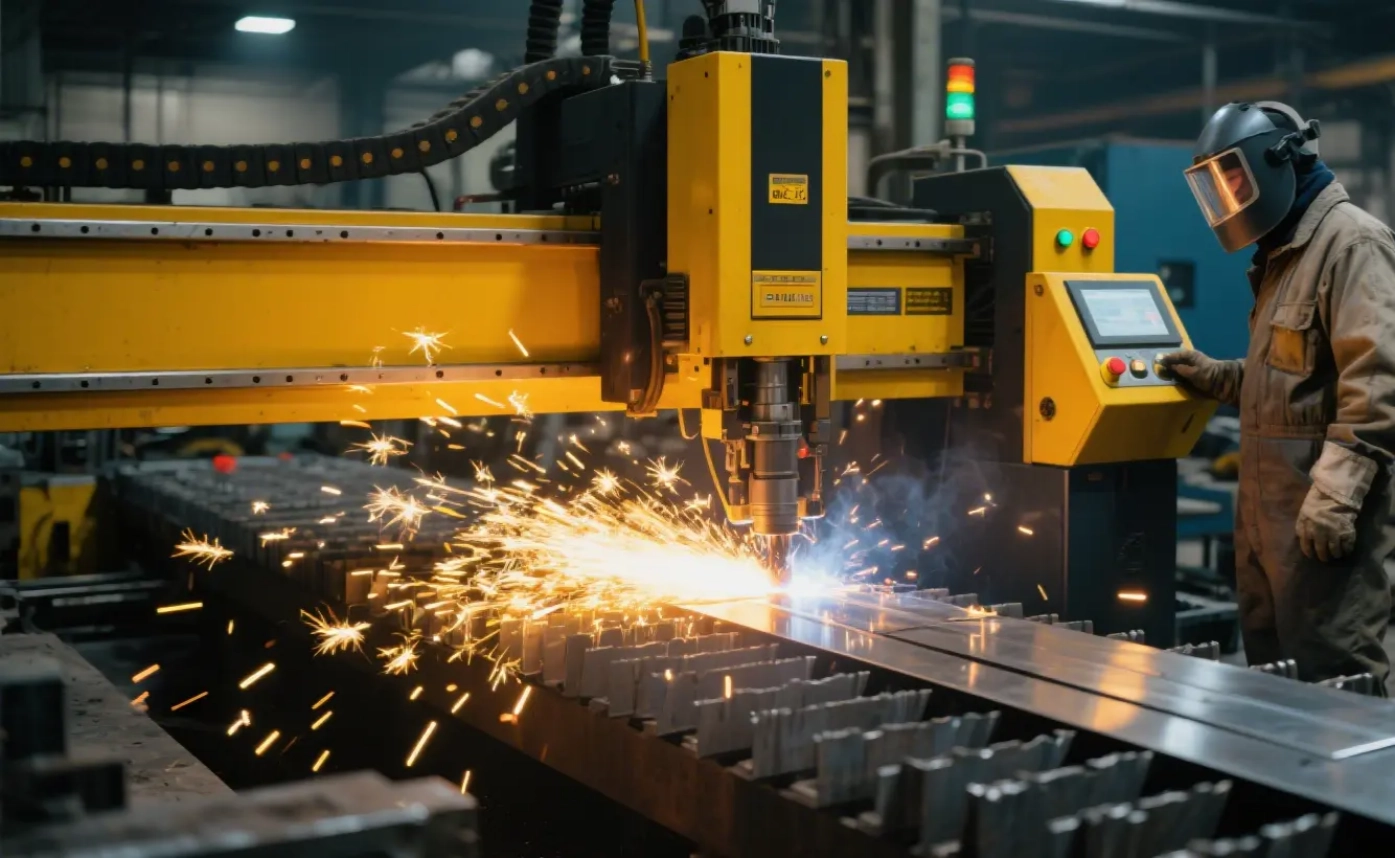
Our factory is equipped with a complete set of advanced production and testing systems, enabling precision engineered hardware for global deployments:
With efficient production lines and advanced automation, we are capable of handling both large-volume orders and complex customized projects with precision and speed.
We have established a comprehensive quality control system and have passed ISO9001 international certification. In addition, we have obtained multiple patents in lighting structure design and optical technology.
We provide fully integrated services including product design, mold development, prototype testing, mass production, and logistics support—eliminating intermediate links and ensuring faster delivery and better cost efficiency.
We continuously invest in energy-saving LED technologies and smart lighting control systems to support global carbon reduction goals and smart city development.
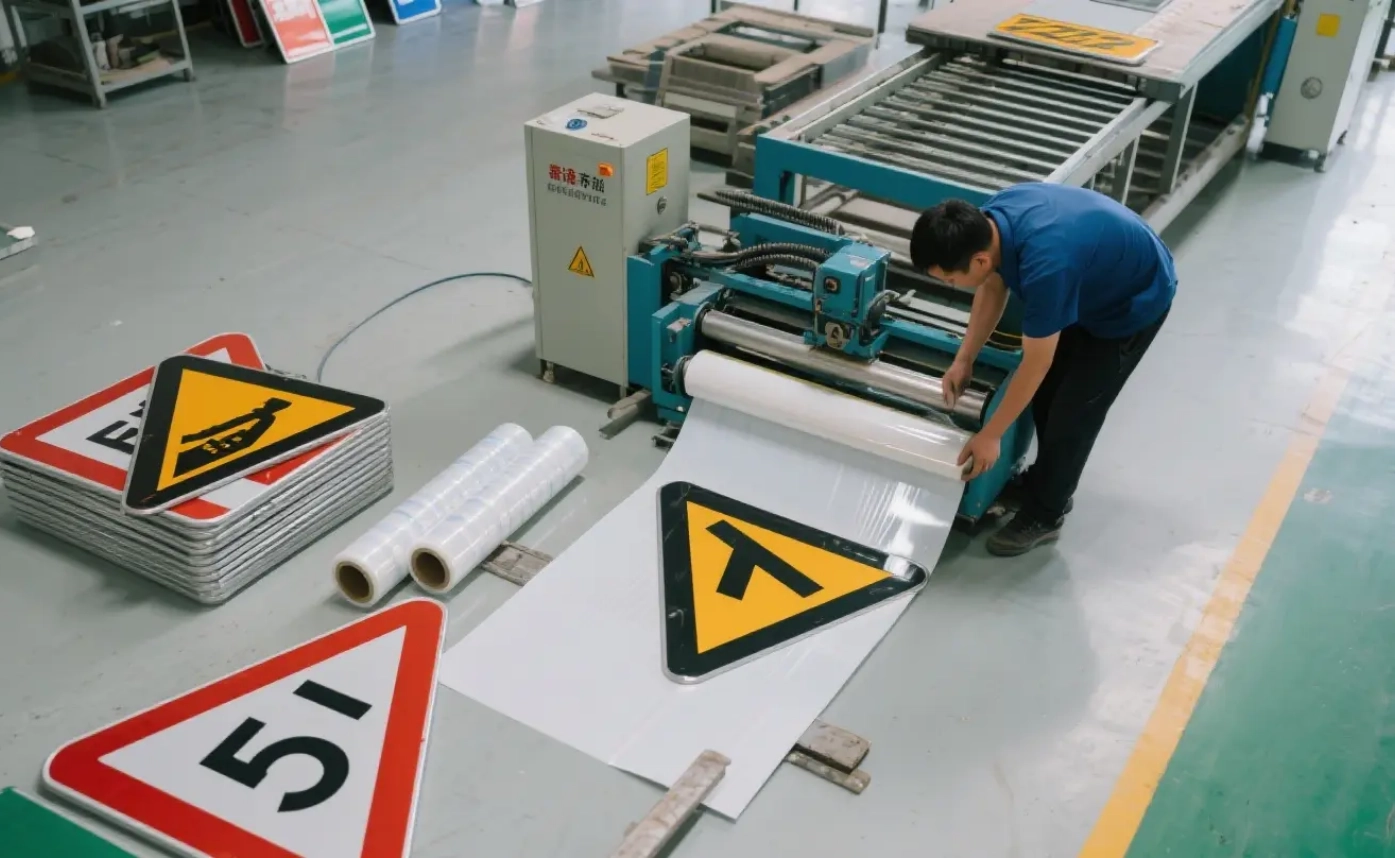
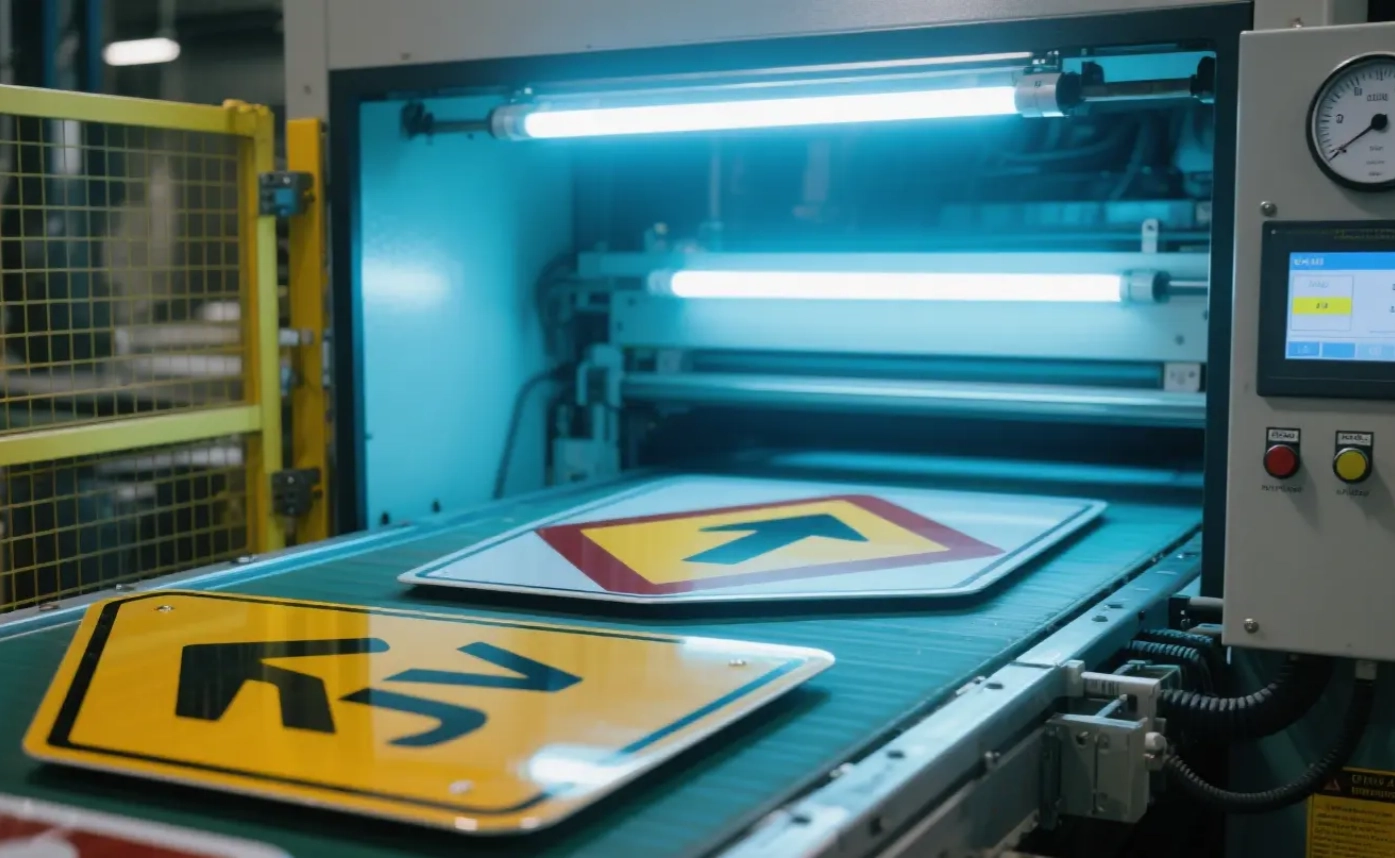
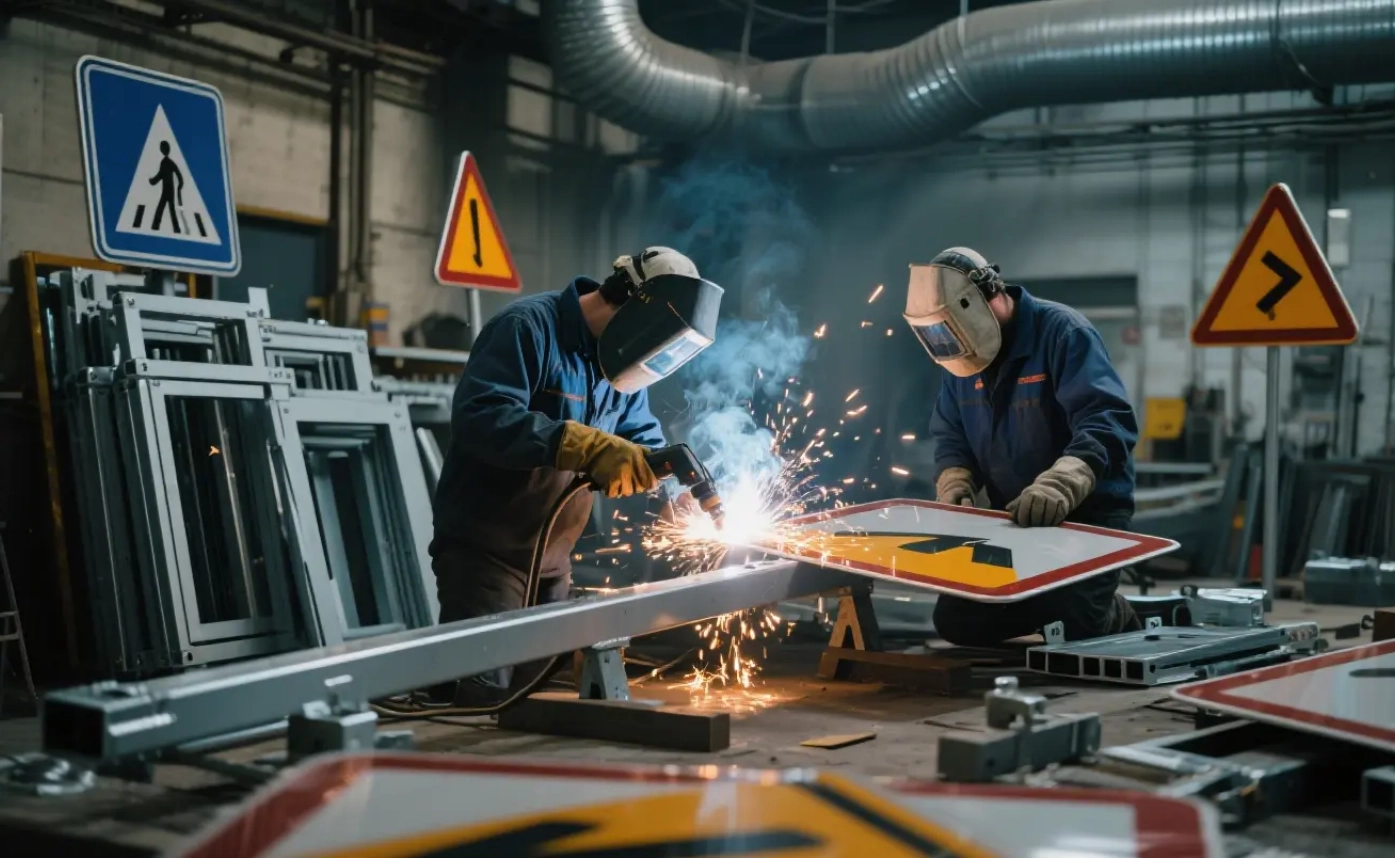
Every product undergoes strict quality inspection procedures, from raw material selection to final assembly and lighting performance testing:


Addressing engineering, fire safety, financial payback, and structural integration concerns for project developers and specifiers.
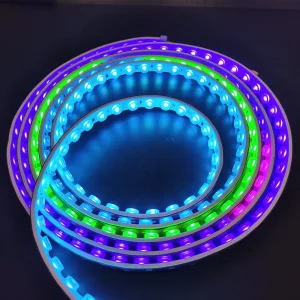
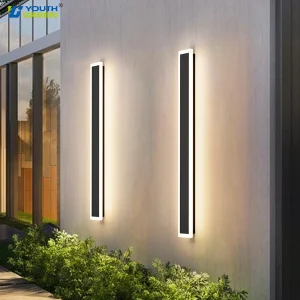
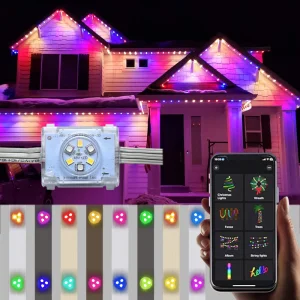
Complete product offerings ranging from long exterior wall mounts to RGB landscape lights, smart road lighting, and airfield systems.
 Lukas Lighting