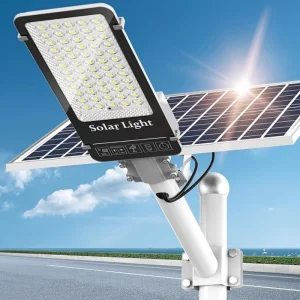
Explore our top-tier solid-state luminaires certified for complex heritage masonry, structural preservation, and high-visibility facade illumination.
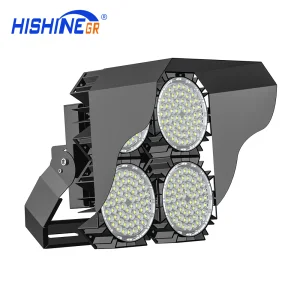
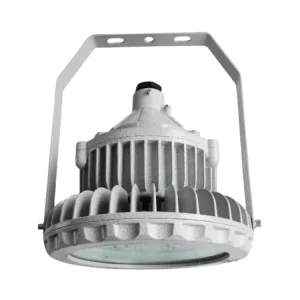
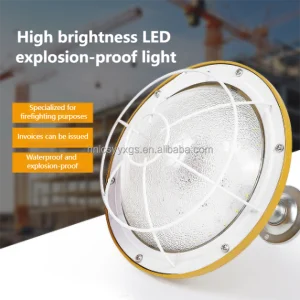
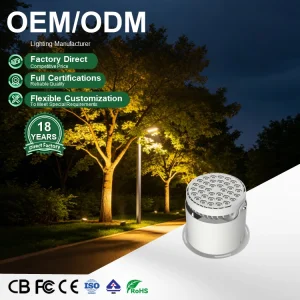
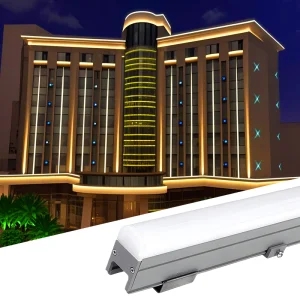
Historic architectural lighting is not merely a task of illumination; it is a complex intersection of structural preservation, historical material science, and optical physics. Every stone facade, wooden pillar, or neoclassical colonnade demands custom luminaires that respect the original engineering integrity while delivering modern efficiency.
As a leading OEM/ODM Historic Building Lighting Manufacturer, Jiangsu Lukas Lighting Co., Ltd. incorporates state-of-the-art optical control to eliminate structural glare, minimize heat radiation (which degrades historic limestone and timber), and protect against light pollution. Our fixtures utilize high Color Rendering Index (CRI > 95) and tailored spectral power distributions (SPD) to match the warm gaslight and candlelit history of structural treasures.
Traditional streetlights spill light haphazardly, generating skyglow and facade glare. Lukas Lighting’s custom optics shape light fields into narrow-elliptical vectors (e.g., 4°x 15° beam angles), targeting only the load-bearing columns and architectural molding, keeping the night sky dark and energy efficiency optimized.
A journey of innovation, strict quality assurance, and sustainable lighting manufacturing dating back to 1998.
Jiangsu Lukas Lighting Co., Ltd. was established in 1998 with a strong commitment to innovation, quality, and sustainability in the outdoor lighting industry. Over more than two decades of development, the company has grown into a professional manufacturer specializing in intelligent and energy-efficient street lighting solutions.
With continuous investment in research and development, Lukas Lighting has expanded its product portfolio to include LED street lights, solar street lights, smart lighting systems, landscape lighting, and customized municipal lighting solutions. Our products are widely used in urban roads, highways, industrial parks, residential communities, and public infrastructure projects across global markets.
Located in Jiangsu, China, our modern production base covers an area of approximately 11,000 square meters. The facility is equipped with advanced manufacturing technologies and operated by a team of experienced engineers and skilled technicians. This ensures strict quality control, precision manufacturing, and efficient large-scale production capabilities.
At our state-of-the-art Jiangsu testing lab, every batch of historic building luminaires undergoes:
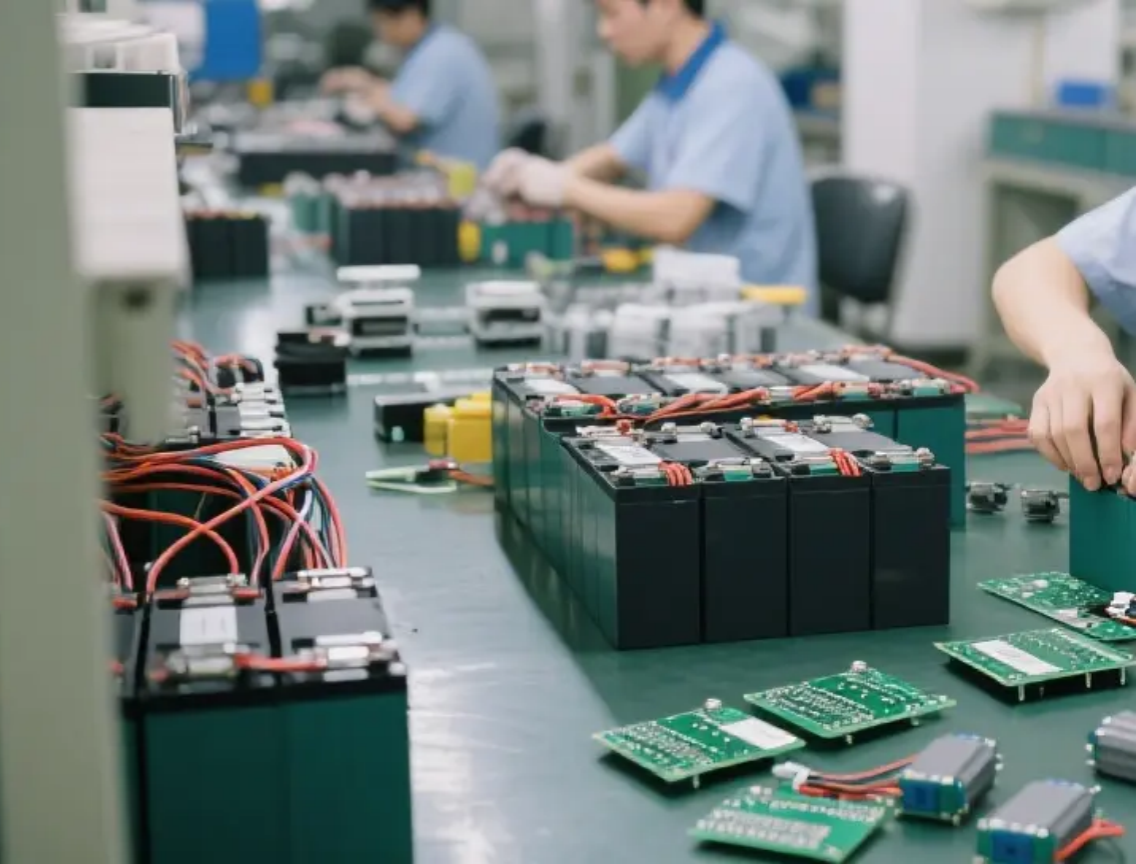
Our factory is equipped with a complete set of advanced production and testing systems to maintain high precision and volume efficiency.
Automated LED encapsulation production lines ensuring strict uniformity of MacAdam Ellipse color sorting steps, maintaining absolute chromatic fidelity across historical facade arrays.
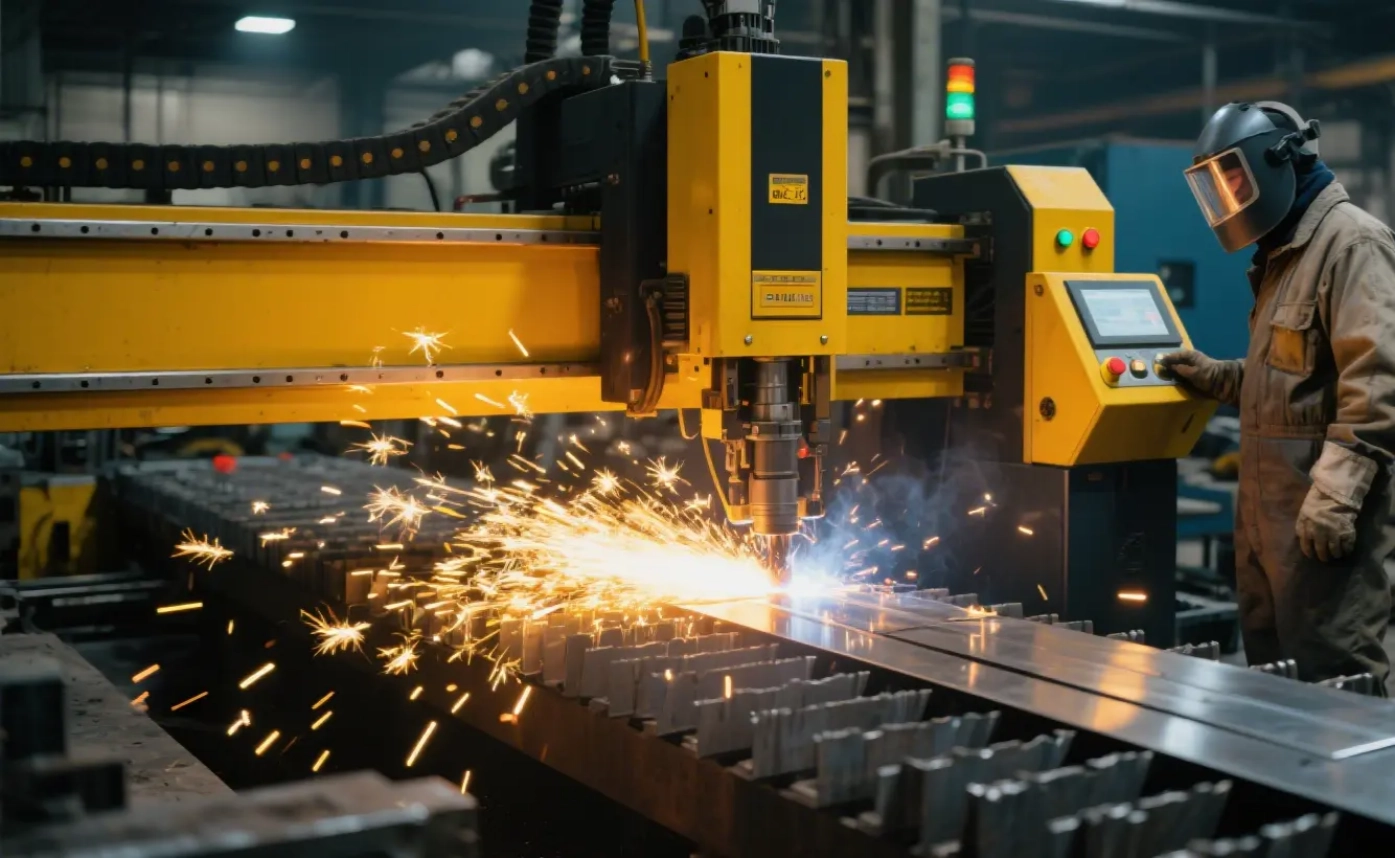
High-precision CNC laser cutting machines and automatic die-casting systems for crafting intricate, historically-accurate structural luminaire enclosures from marine-grade alloys.
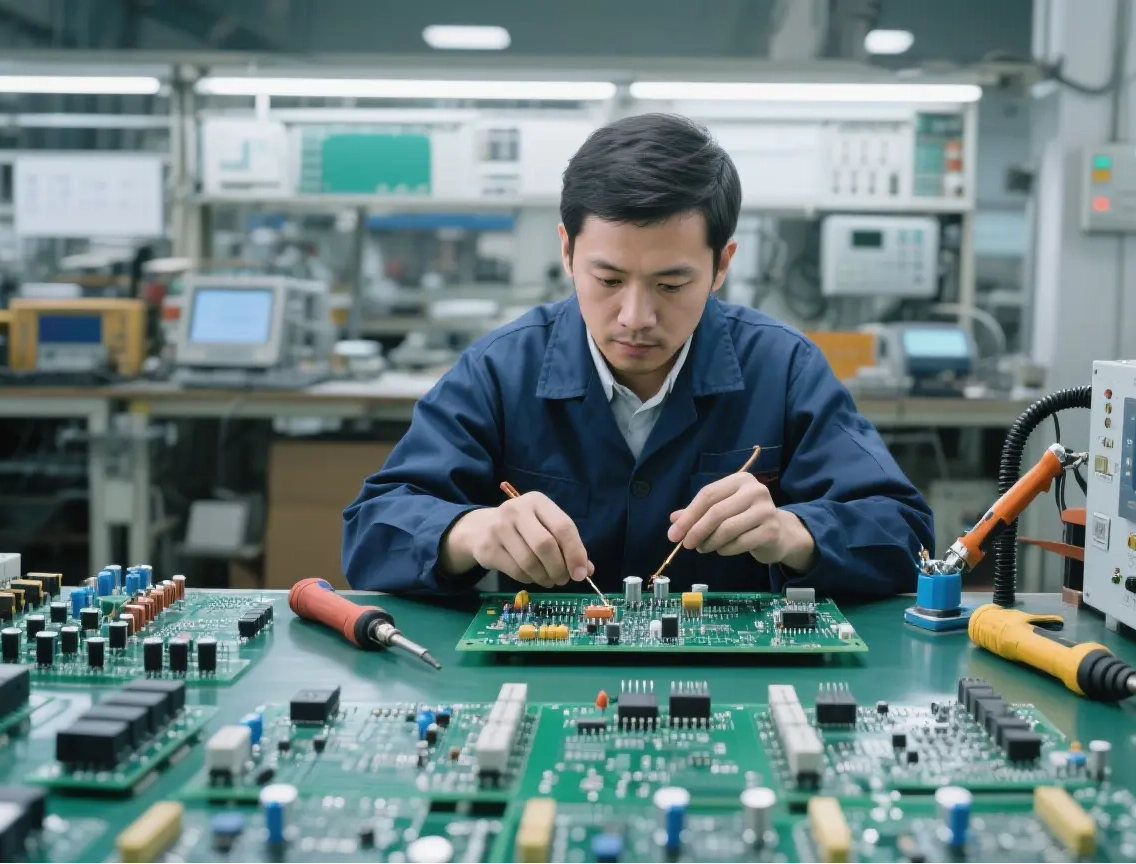
Precision Surface-Mount Technology (SMT) assembly lines engineered for dense, multi-layer circuit configurations needed for smart DMX/RDM dynamic controls.
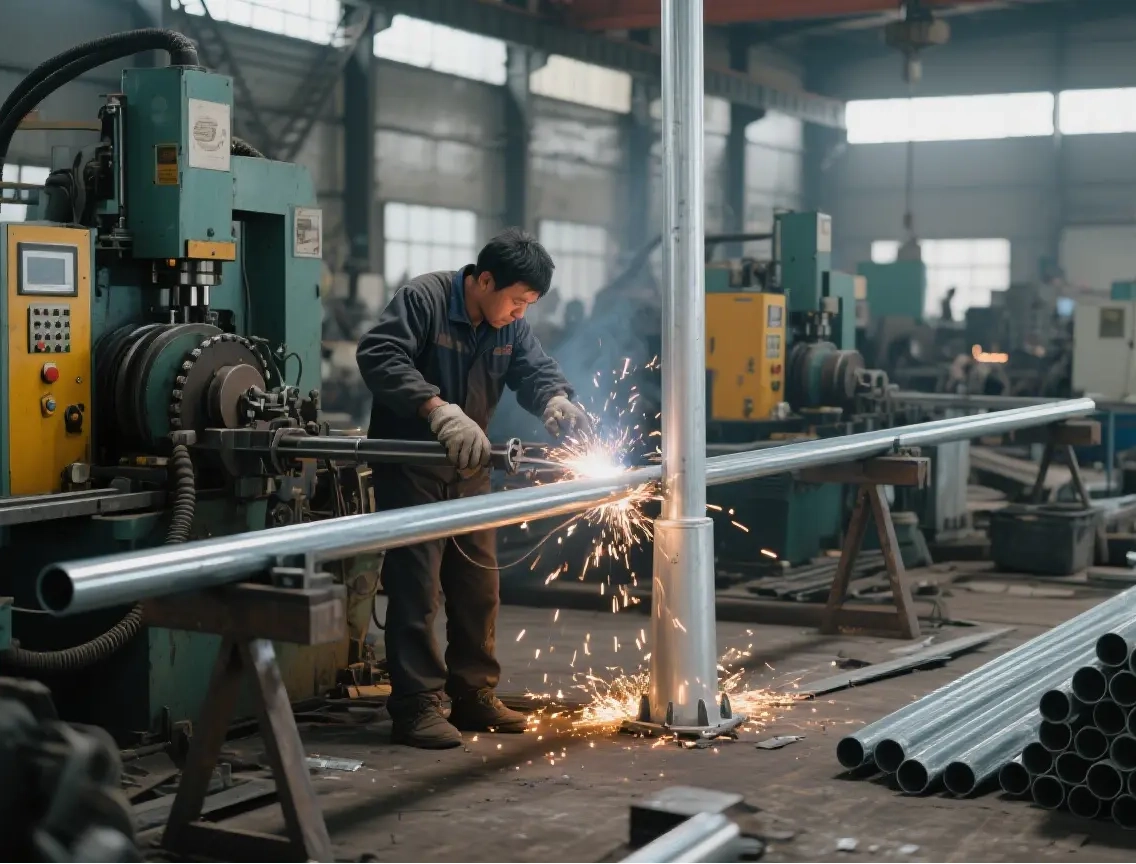
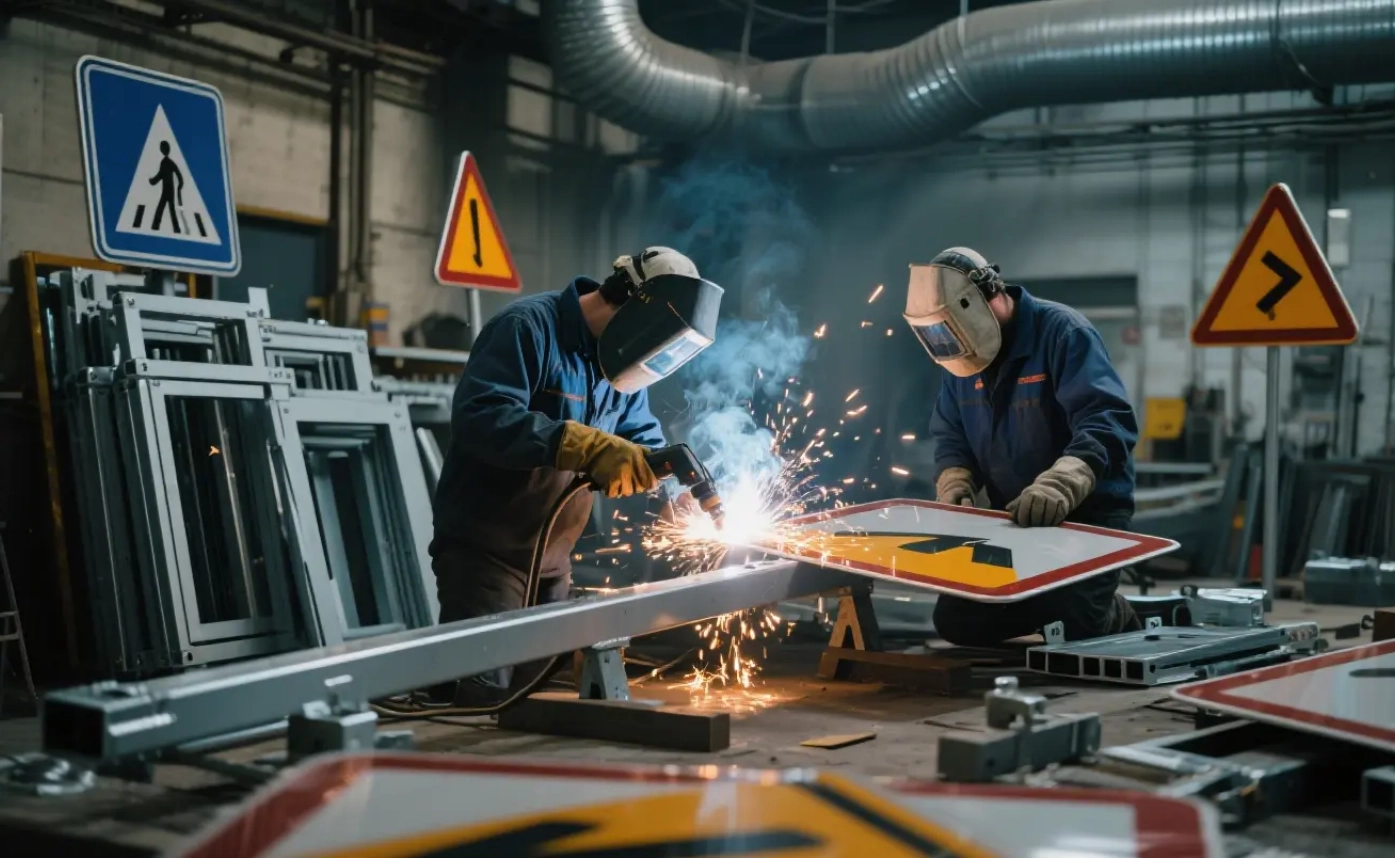
High-strength robotic welding lines combined with customized metal bending structures for structural resilience against high wind-loads on historic poles and high masts.
Professional electrostatic powder coating lines providing highly durable, UV-resistant anti-corrosive finishes, blending the fixture body into historic structures' base colors.
Advanced integrating sphere, thermal chamber, and photometric testing systems to guarantee compliance with international CE, TUV, and UL energy and safety standards.
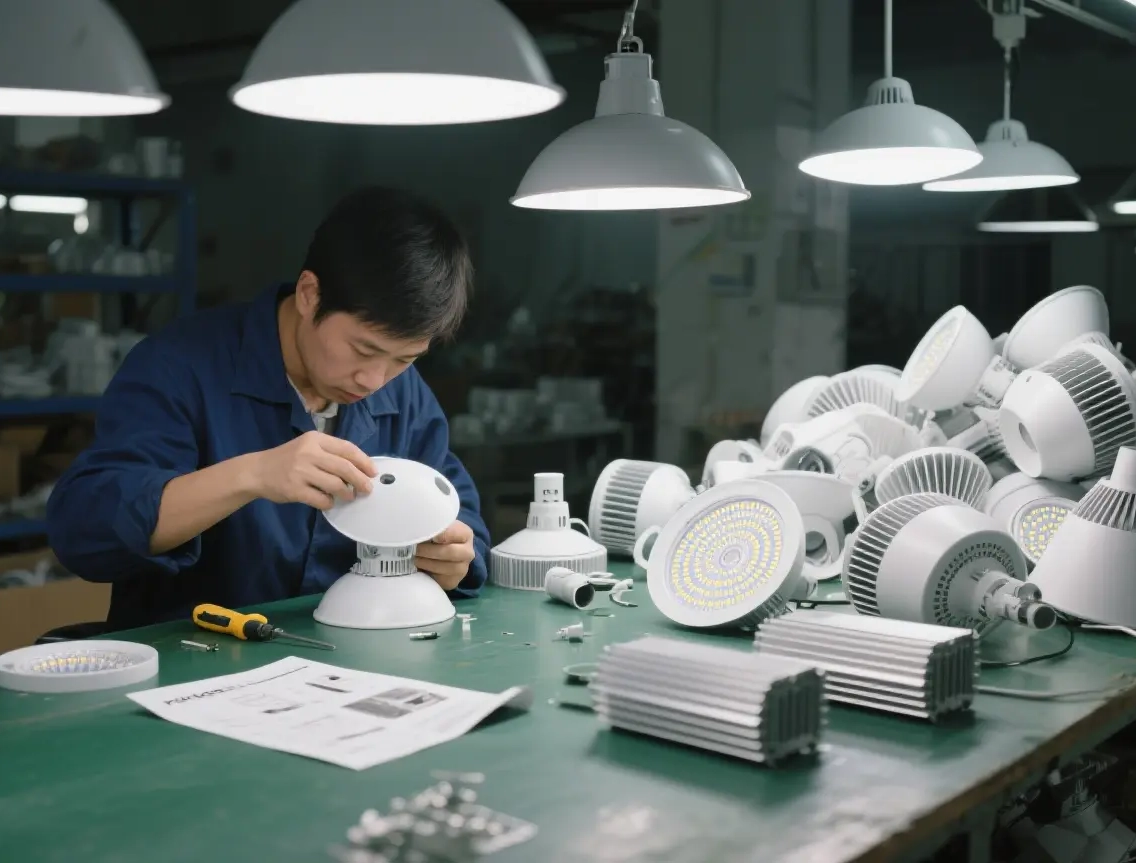
From raw material sourcing to final system debugging, every stage is executed in-house to guarantee structural reliability.
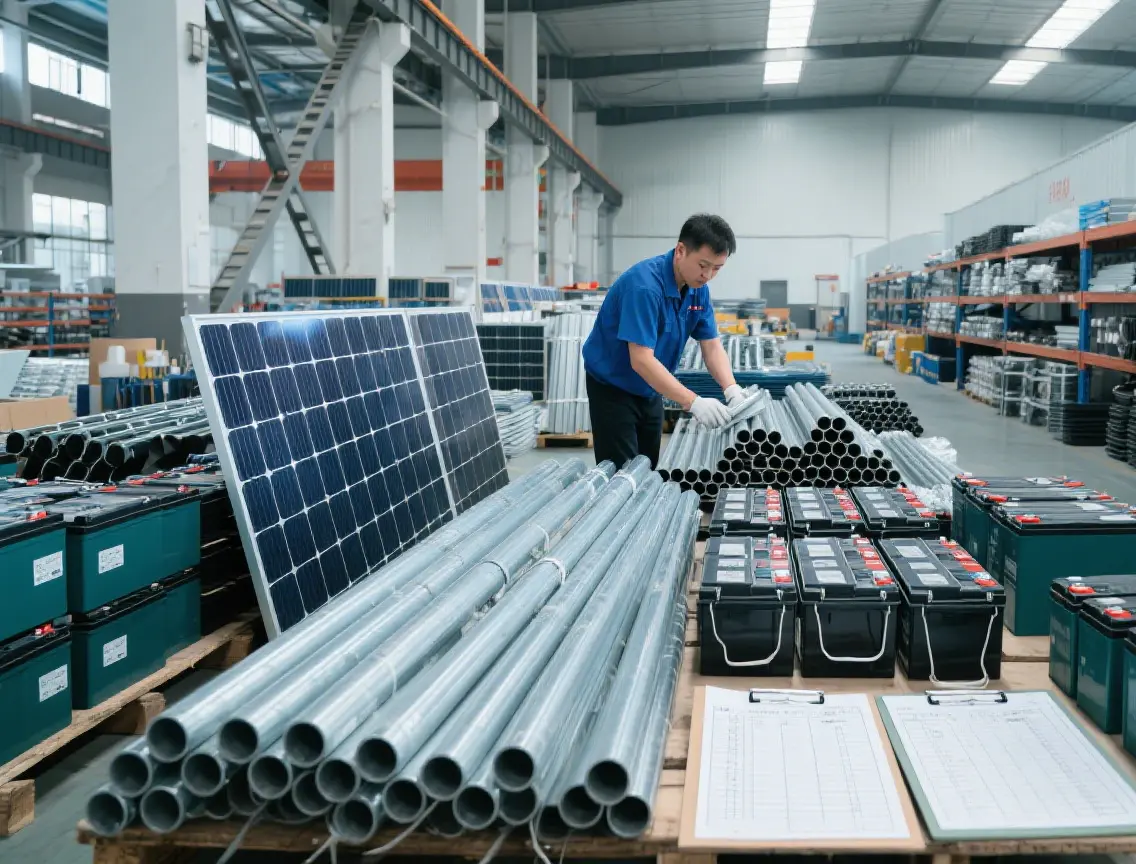
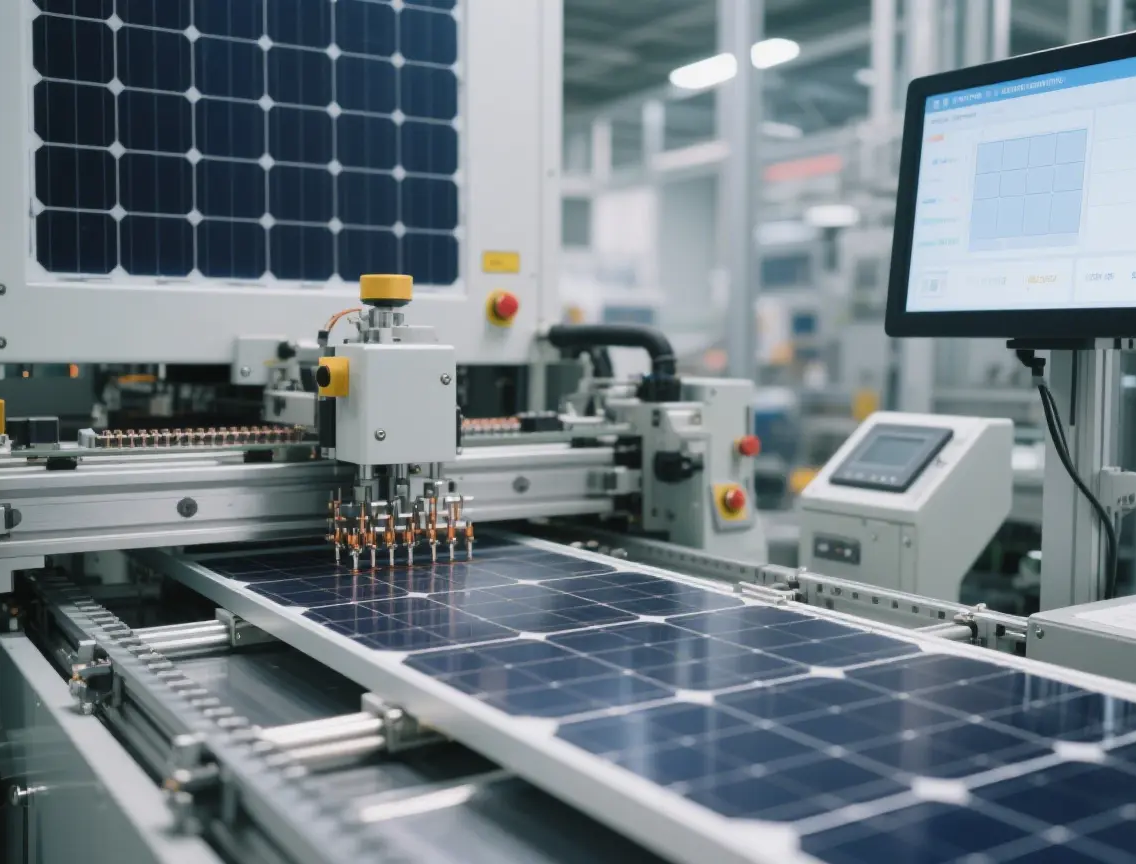
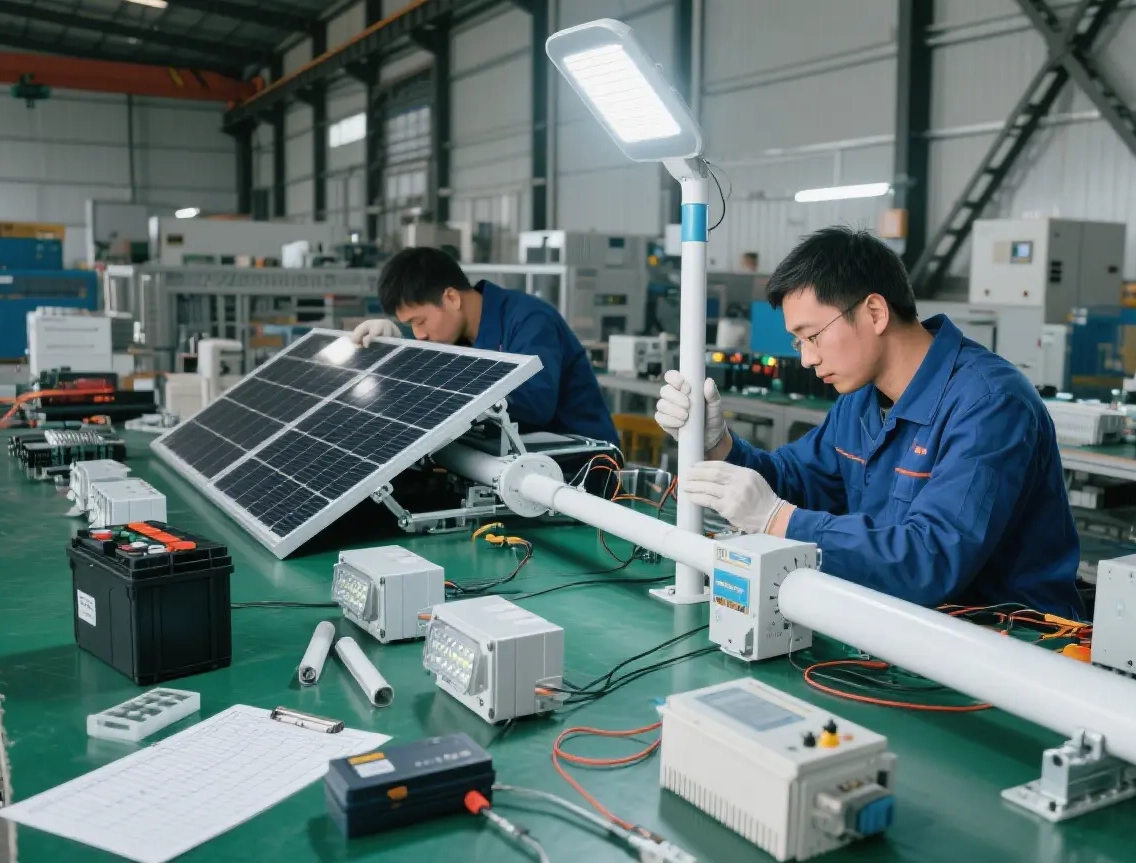
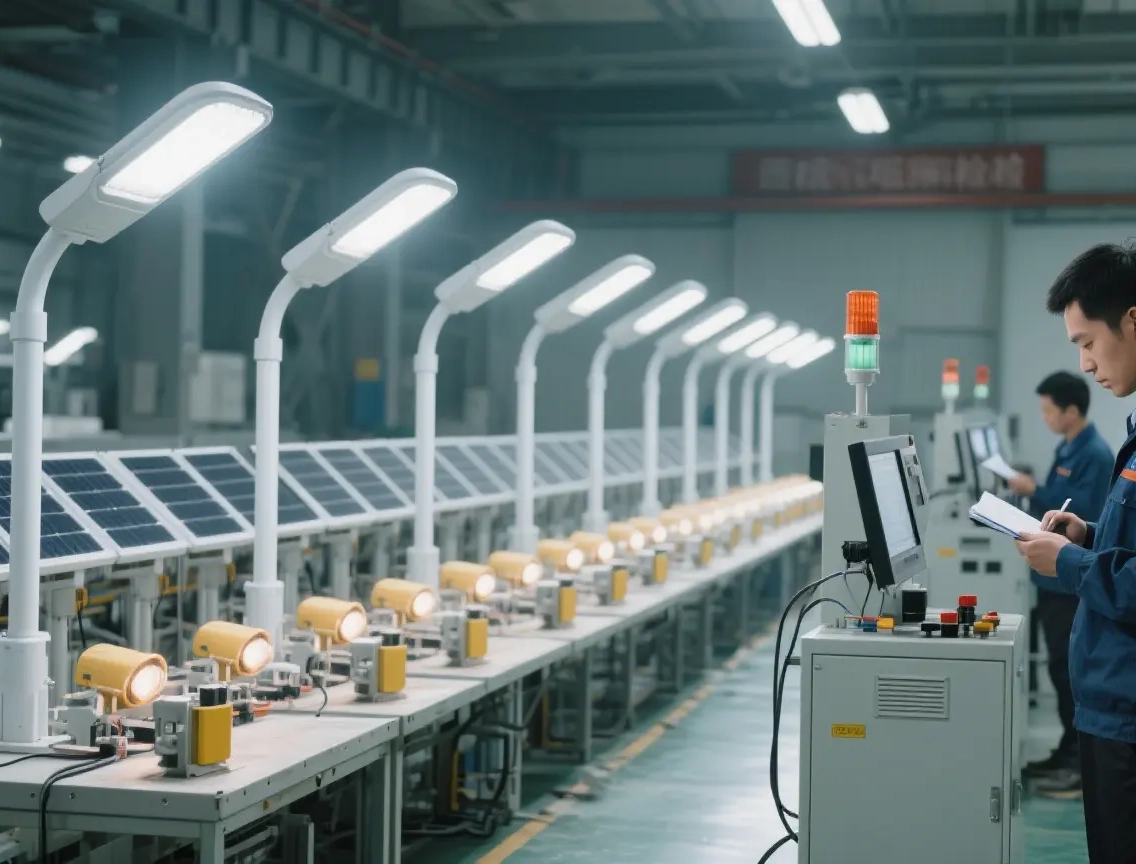
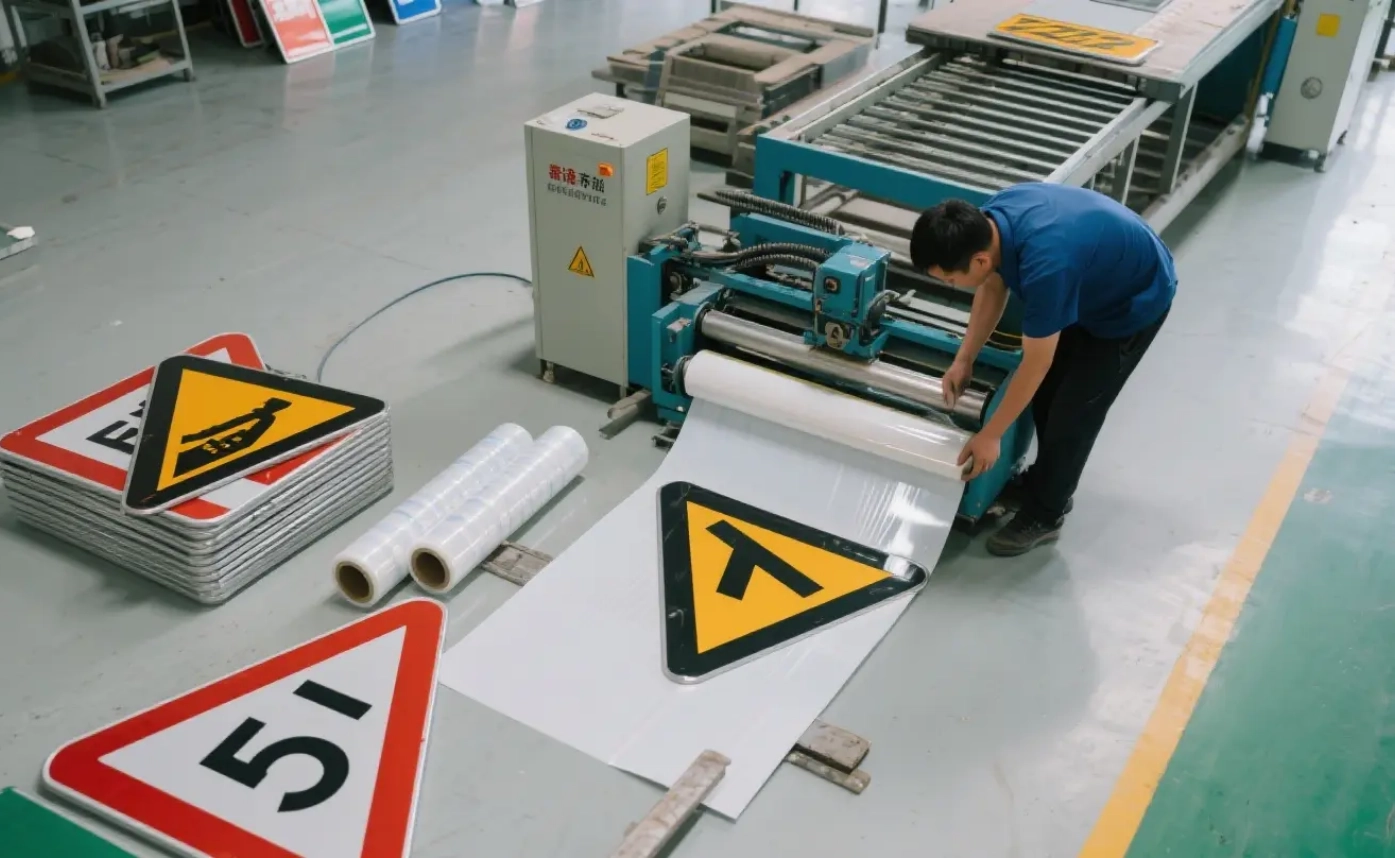
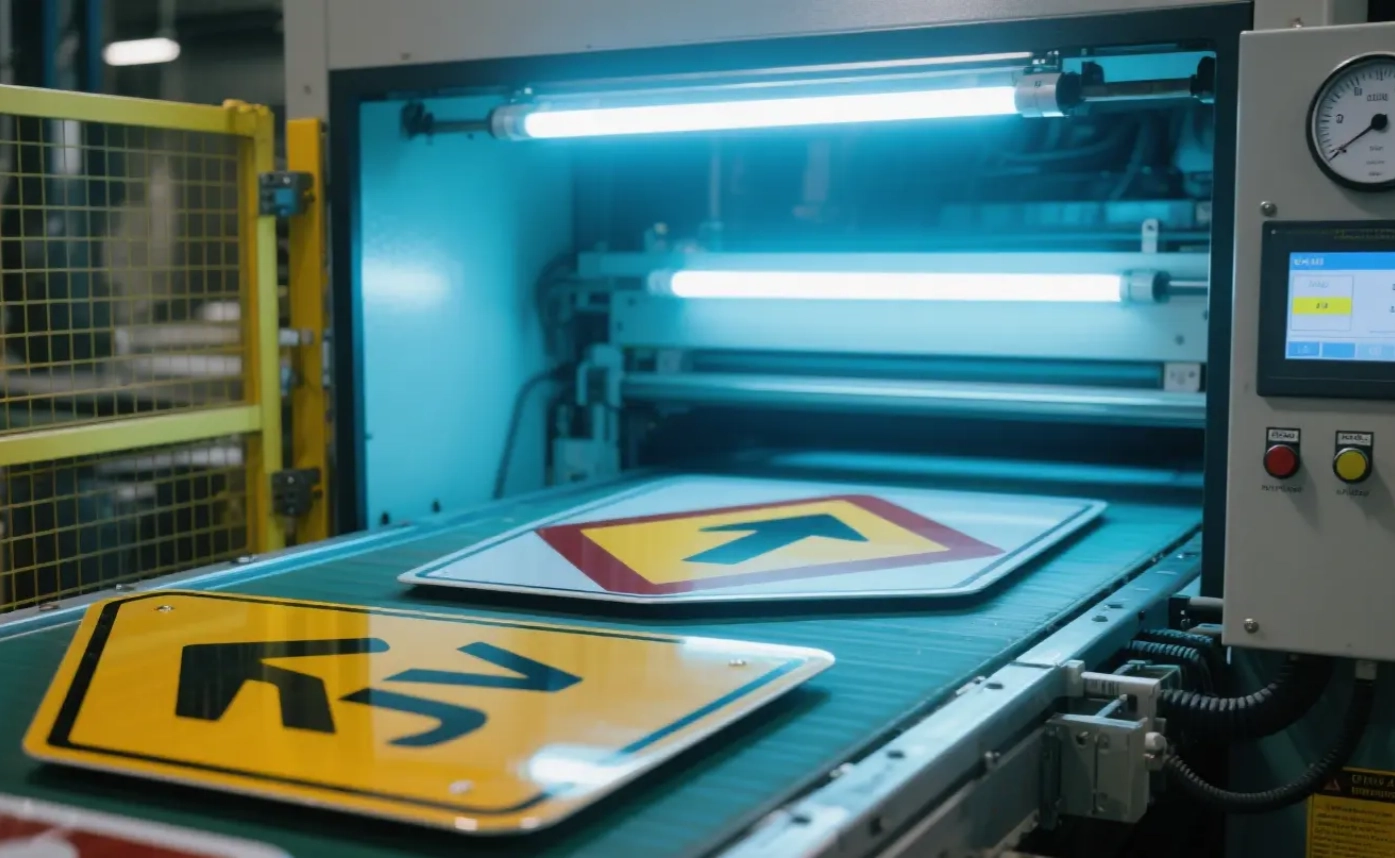
Four core pillars that establish Jiangsu Lukas Lighting Co., Ltd. as a trusted tier-1 municipal contractor.
With efficient production lines and advanced automation, we are capable of handling both large-volume municipal orders and complex architectural customized projects with speed and mechanical precision.
We have established a comprehensive quality control system and have passed ISO9001 international certification. In addition, we have obtained multiple patents in lighting structural design and optical path technology.
We provide fully integrated services including custom CAD design, optical simulation (Dialux), mold development, rapid prototype testing, bulk assembly, and logistics support, eliminating middle-man costs.
We continuously invest in energy-saving LED technologies, smart DMX512 integration, and custom hybrid solar street lighting control systems to support global carbon reduction goals, protecting both heritage landmarks and local wildlife from light pollution.
Procuring historic building lighting components from Chinese factories, specifically in industrial hubs like Jiangsu, offers immense structural and logistical advantages. The density of raw material suppliers, paired with specialized tooling manufacturers, allows us to transition from blueprint designs to 3D physical models in unmatched cycles.
Our collaborative pipeline with global heritage conservation bodies follows a meticulous timeline:
How modern Smart City frameworks and ecological regulations are shifting architectural lighting paradigms.
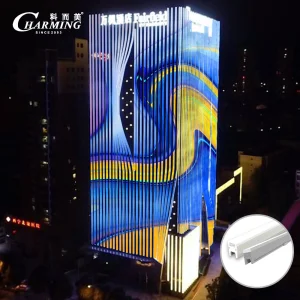
Historic structures have dynamic identities. Standard mono-color lights fail to represent seasonal changes. Modern projects utilize RGBW (4-in-1) linear light paths or Tunable White engines (2200K to 5000K). This allows municipal teams to transition from historic gold tones on regular nights to dynamic colors during national celebrations via DMX512 controllers.
Strict environmental laws dictate limiting blue-light wavelengths at night, which disrupt nocturnal ecosystems. Modern historic lighting design integrates custom optical filters and amber-shifted LED matrices. This limits horizontal light spill, keeping illumination strictly confined to structural columns and facades while protecting local wildlife.
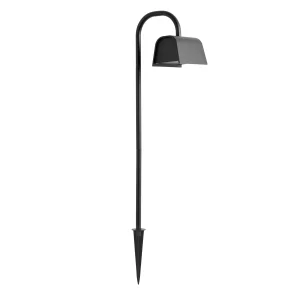
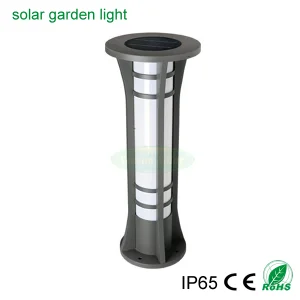
Digging trenches for electrical conduit is often illegal near archeological boundaries. Integrating highly efficient solar bollards and smart micro-panels allows retrofitting historic parklands and perimeter walls without soil disruption, leveraging clean solar storage systems.
High-end historical restoration projects require more than simple product catalogs; they demand engineered solutions. Global procurement officers face complex challenges when sourcing exterior architectural components. Our team works directly with structural engineers and landscape architects to offer certifications that align with structural durability standards.
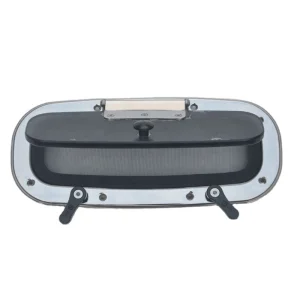
From custom stainless steel boat marine portholes designed to withstand brackish waterfront moisture to high-lumen, DMX-controlled linear fixtures, our solutions ensure long term durability. We resolve systemic issues such as galvanic corrosion (by utilizing non-conductive isolation washers) and thermal heat build-up (using customized finned heat sinks).
Every luminaire produced in our factory complies with the following guidelines:
Get answers to the most common design, engineering, and compliance questions regarding heritage structures.
Complete our site landscape lighting blueprint with high-mast arrays, historic posts, and solar-hybrid systems.
 Lukas Lighting