Explore our high-performance off-grid systems, pathway solutions, and architectural illumination tools for smart infrastructures and industrial-grade environments.
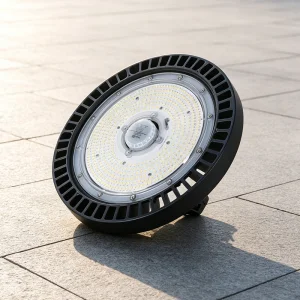
An executive guide to China's LED ecosystem, quality indicators, and architectural applications.
In contemporary urban planning and modern real estate development, the boundary between residential interior systems and surrounding municipal spaces has dissolved. Sourcing solutions require high lumen efficacy, smart automation interfaces, and extreme weather endurance. Lukas Lighting manufactures options that merge commercial reliability with aesthetic residential applications.
Selecting wholesale fixtures requires analyzing parameters like thermal dissipation, driver longevity, color rendering index consistency, and resistance to environmental stress. The integration of Off-Grid Solar Kits and Smart Microgrids ensures that modern communities maintain low operational costs and uninterrupted security.
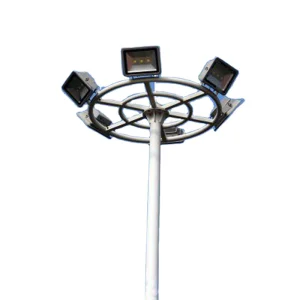
With deep expertise in outdoor municipal, highway, and high-mast installations, Lukas Lighting implements industrial structural integrity into every residential pathway and perimeter light we export.
Jiangsu Lukas Lighting Co., Ltd. - Over two decades of pioneering smart municipal and architectural illumination systems.
Established in 1998, Lukas Lighting committed to innovation, quality, and environmental responsibility within the outdoor lighting industry. Across more than twenty years of research, design, and manufacturing, we have grown into a professional producer of intelligent, energy-efficient street and pathway lighting systems.
Through ongoing capital investments in custom tooling and engineering, Lukas Lighting has expanded its portfolio to include LED street lights, solar street lights, smart city pole networks, landscape illumination, and customized municipal hardware.
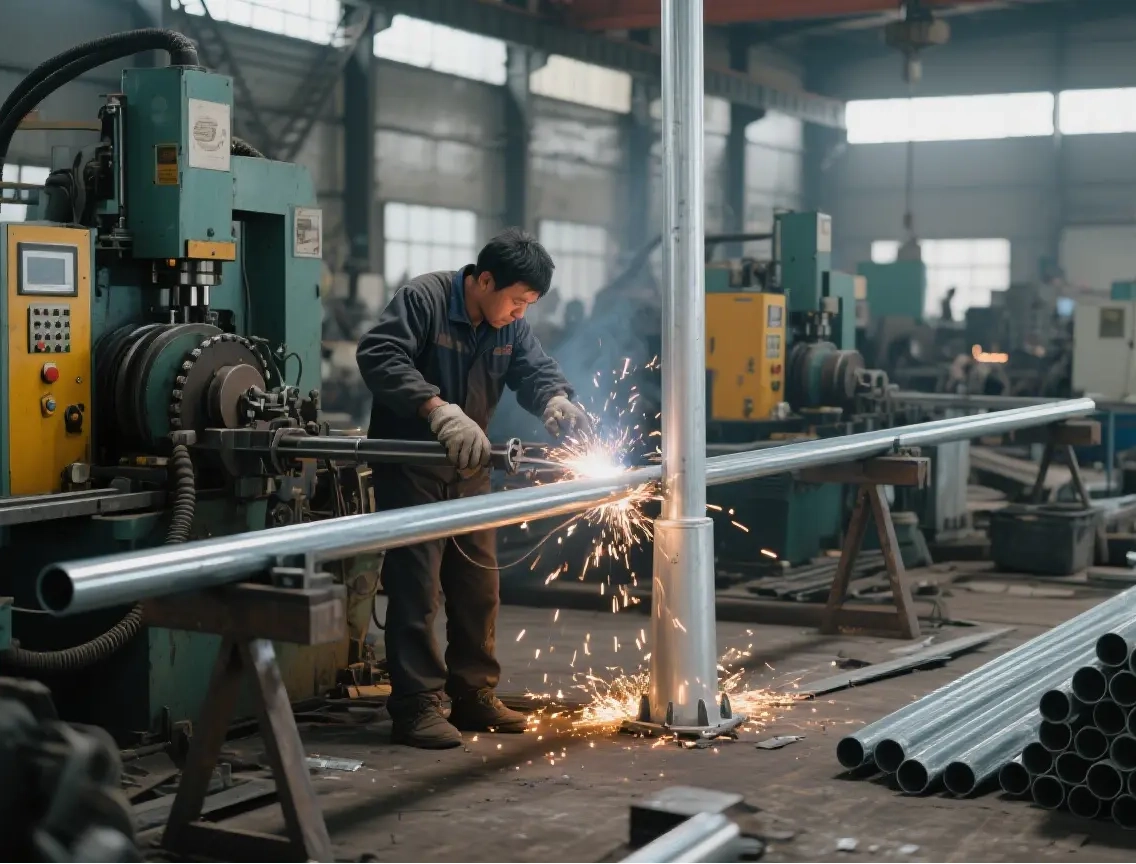
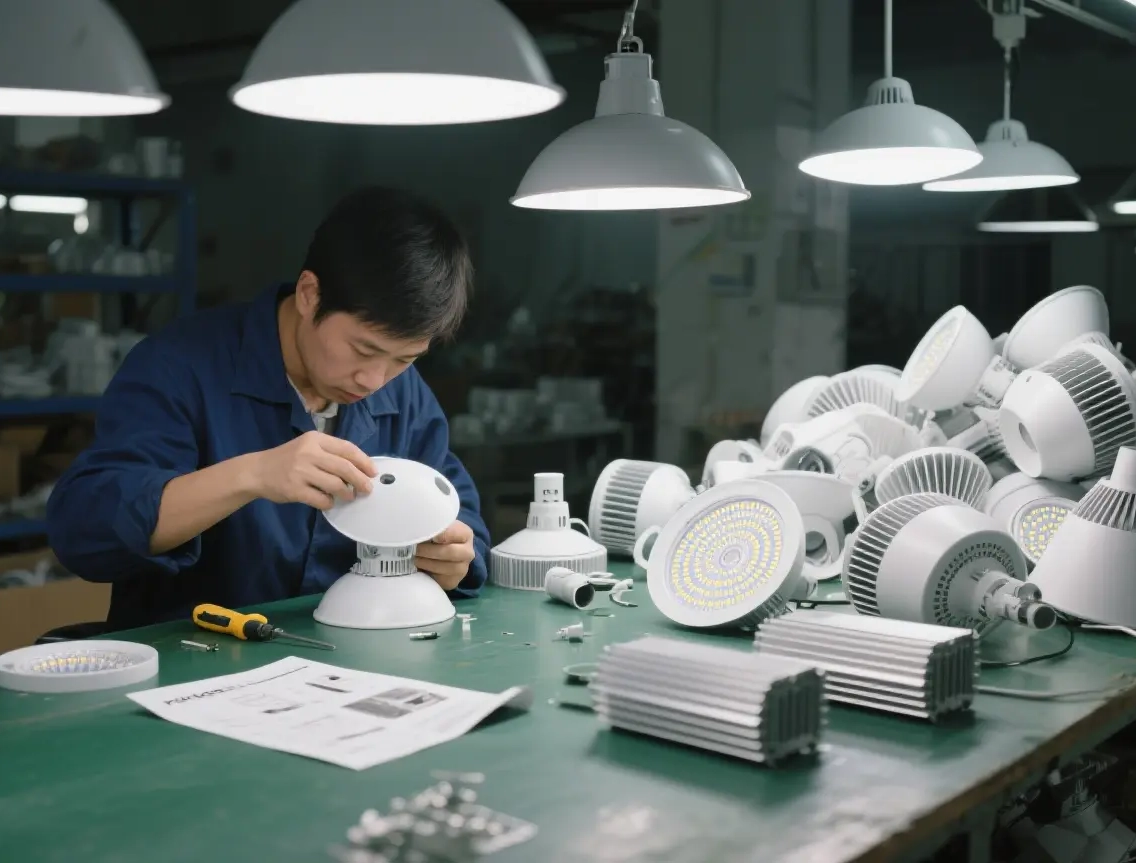
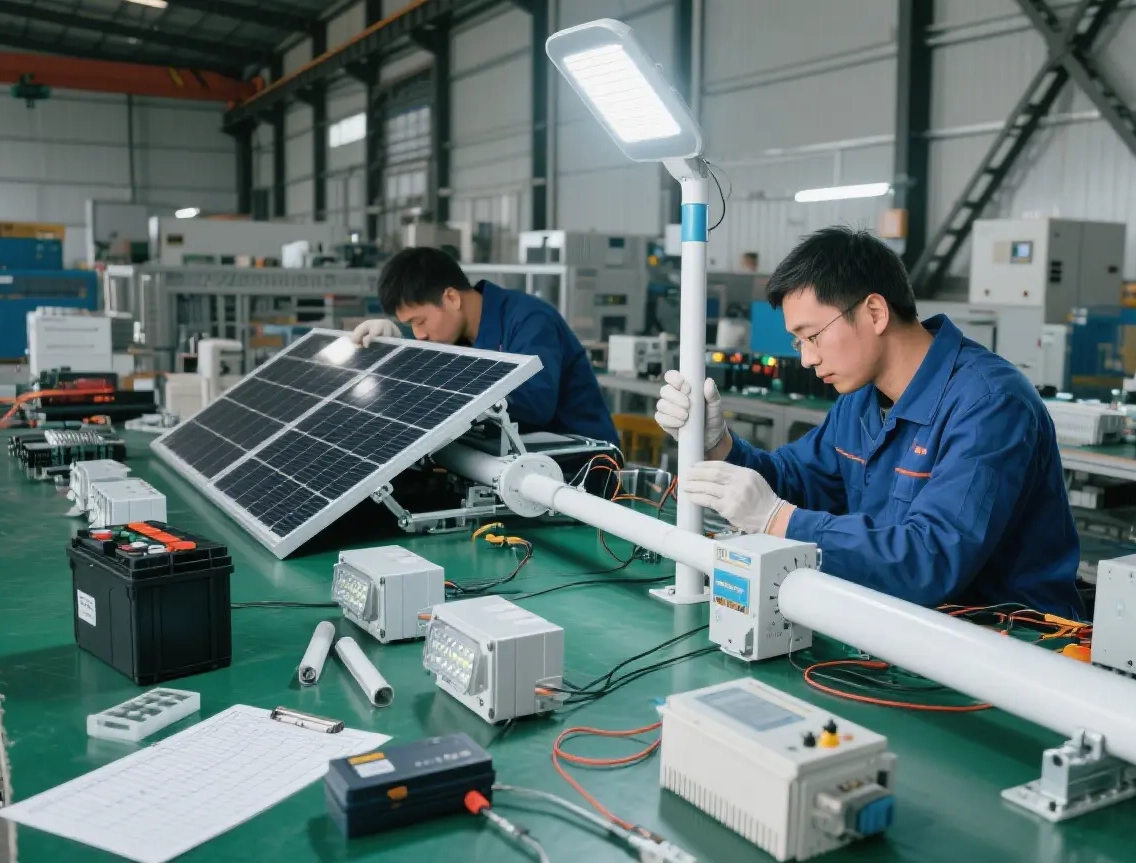
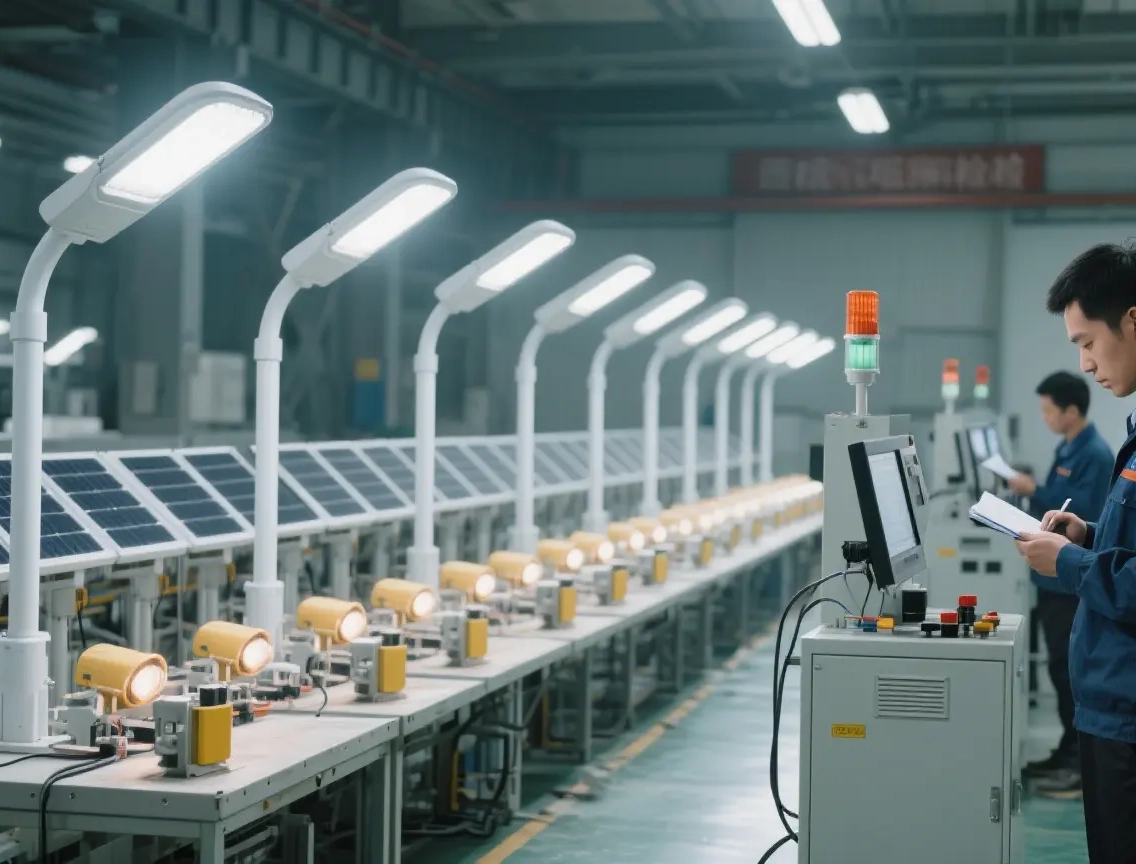
Our production base in Jiangsu, China, spans an advanced 11,000 square meters, integrating SMT assembly lines, CNC metal working, and automated testing cells.
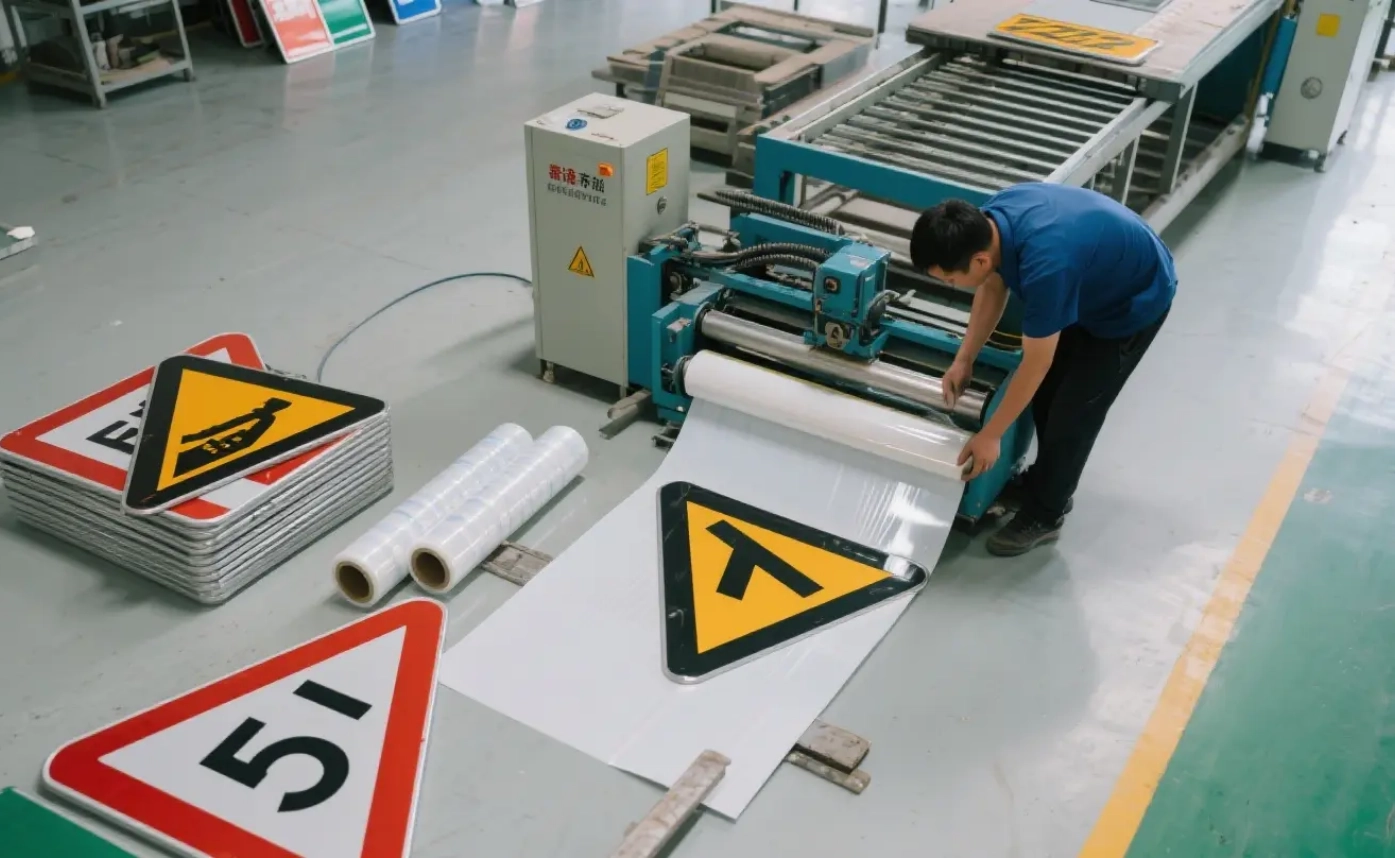
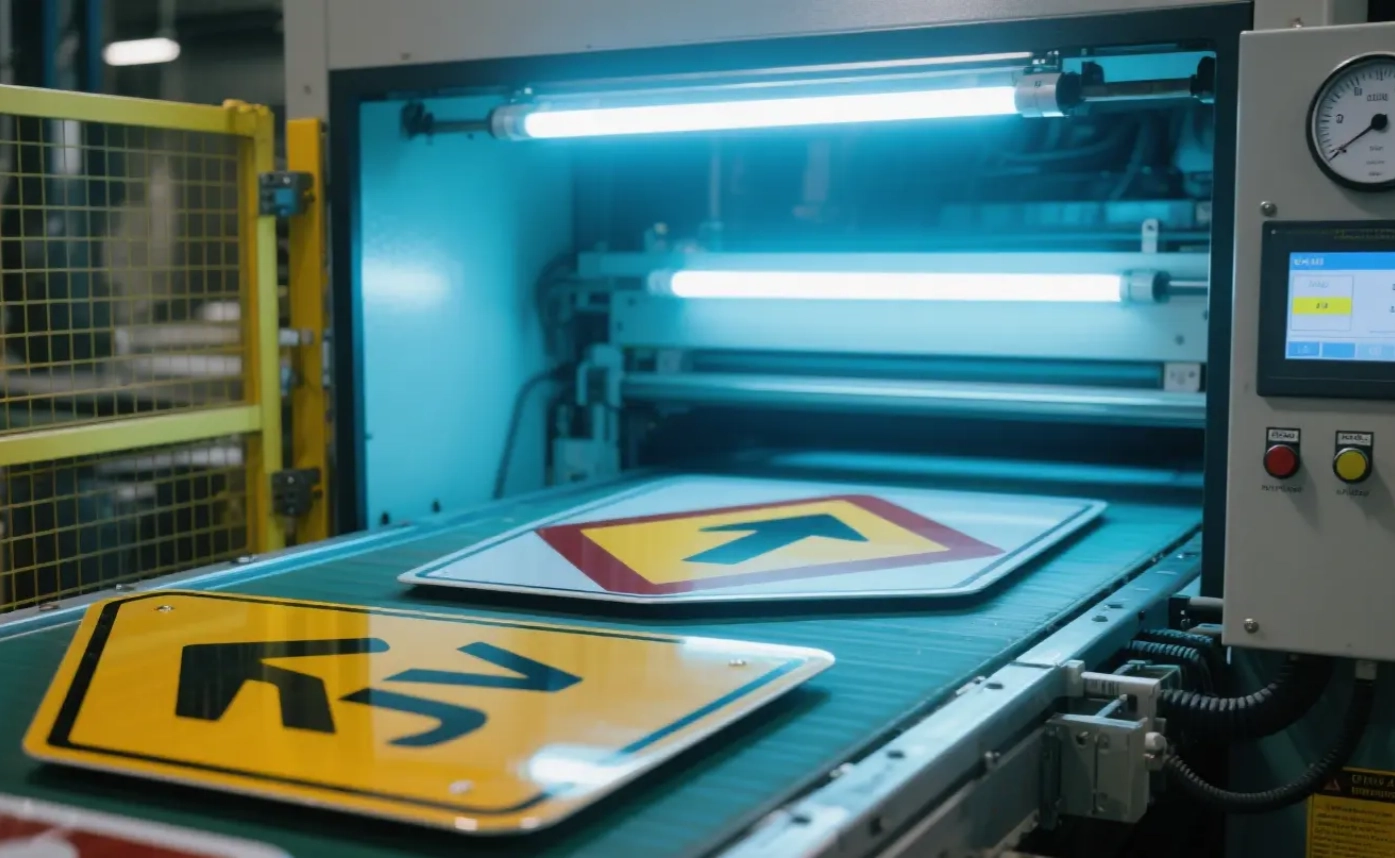
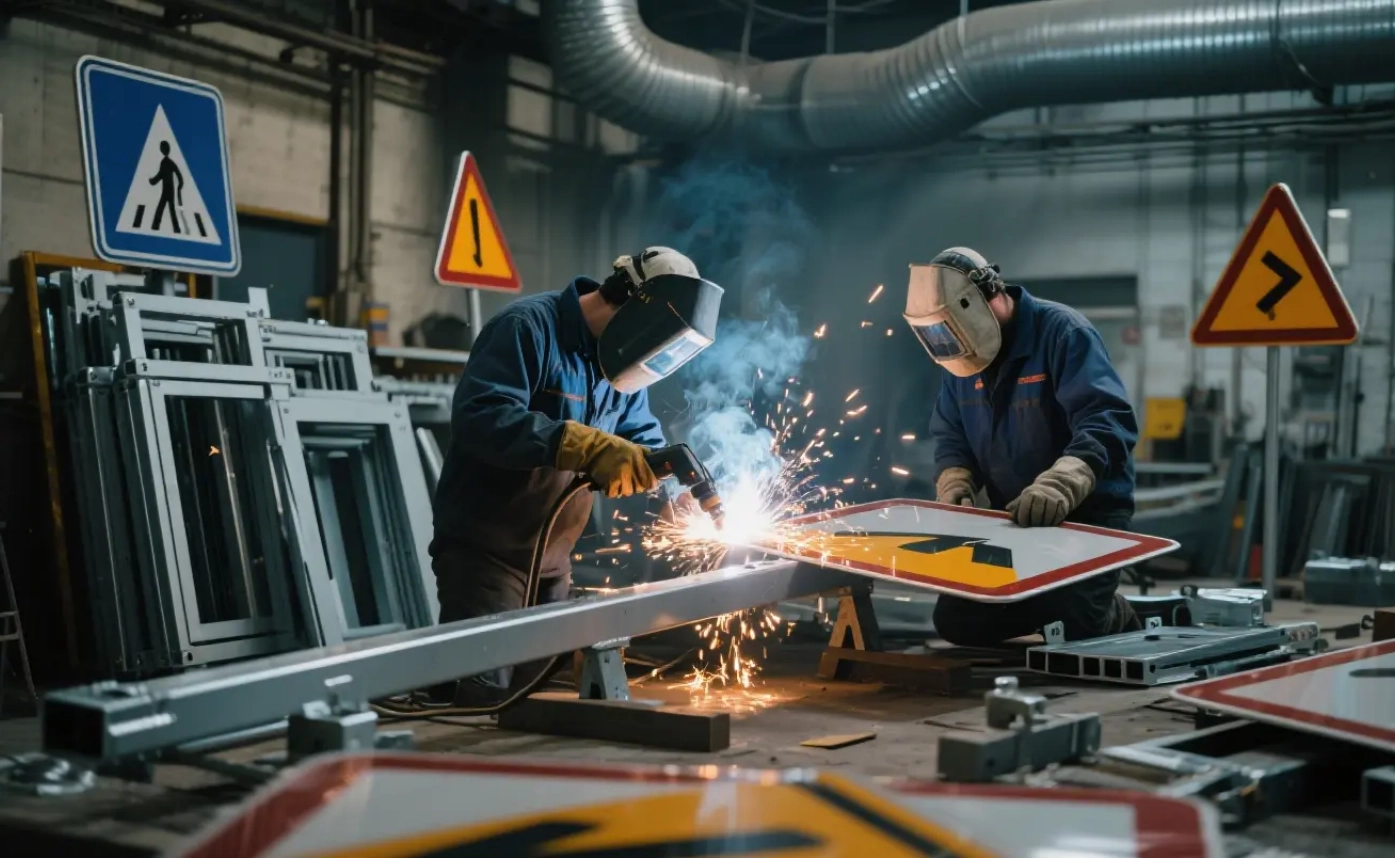
Visualizing our rigorous component manufacturing and rigorous quality inspection protocols.
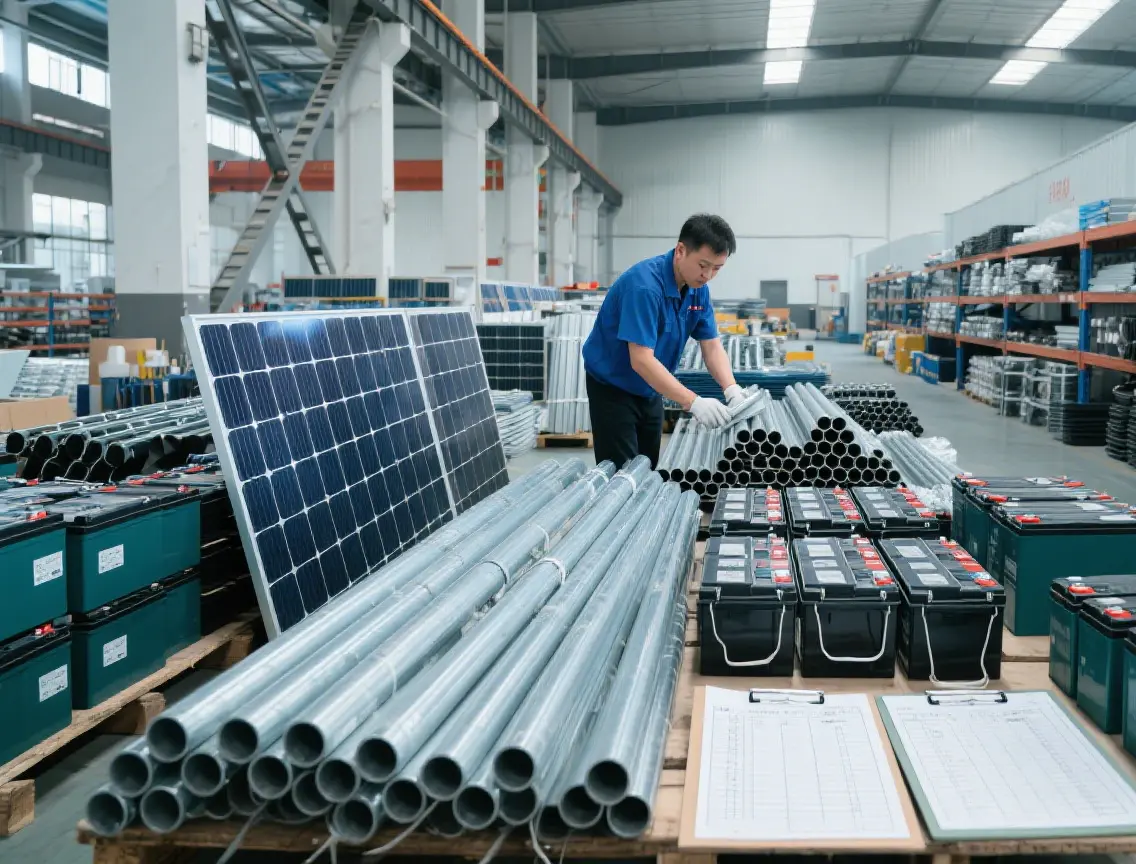
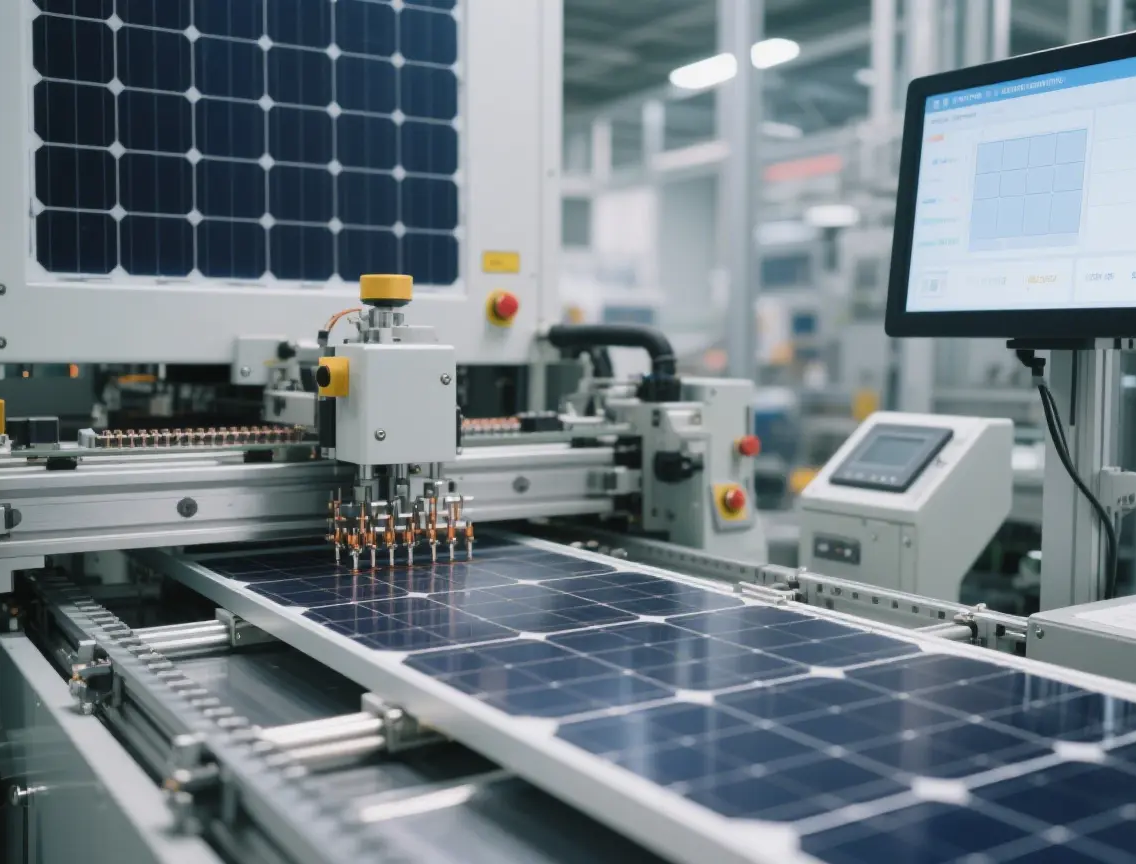
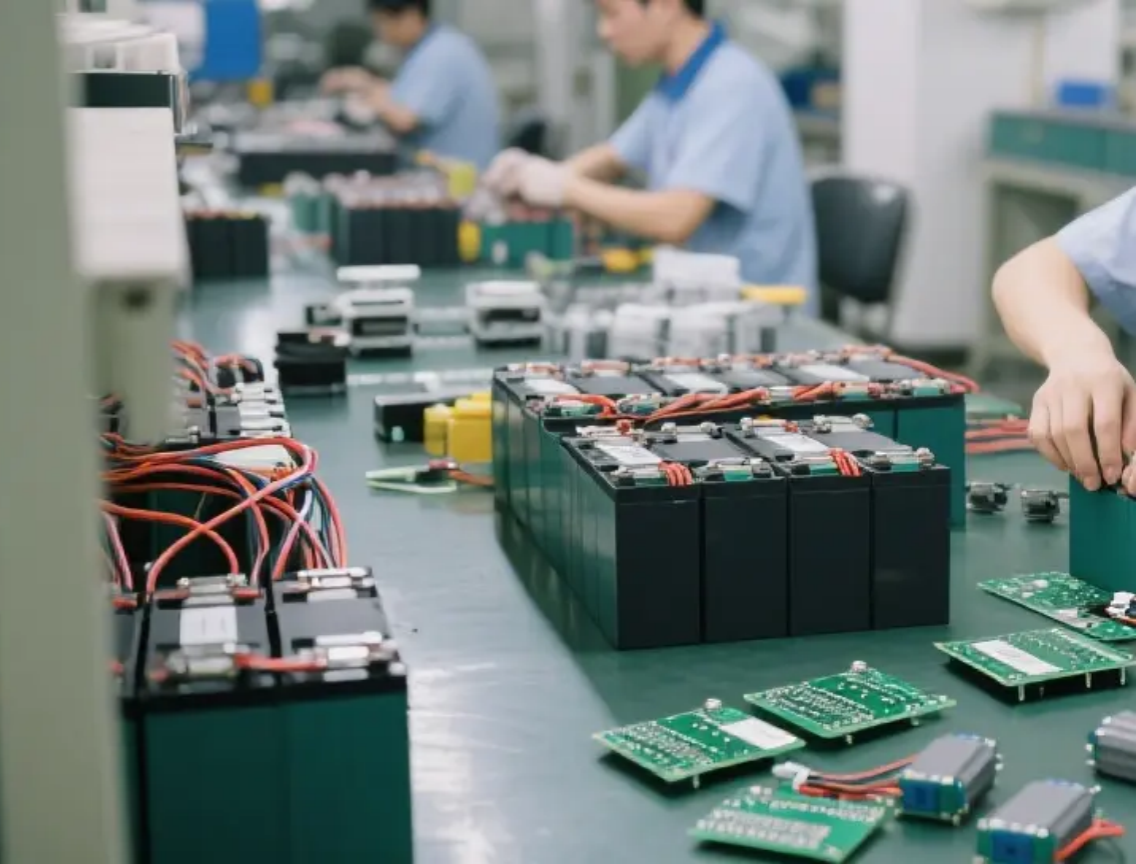


Why Tier-1 distributors and municipal contractors build partnership with Lukas Lighting.
Capable of supporting high-volume residential projects and customized tenders, delivering high precision at speed through automation.
ISO9001 certified manufacturing plant. Complete testing on high-mast configurations, solar conversions, and strip structural integrity.
Integrated product engineering: CAD modeling, mold configuration, fast prototyping, mass production, and direct-to-port logistics support.
Developing low-carbon solutions, next-generation solar drivers, high efficiency LEDs, and integrated IoT micro-controllers.
Aligning structural and optical metrics to real-world residential and perimeter conditions.
Many developers fail to recognize that outdoor residential areas—access roads, courtyard walks, public parking facilities, and security lines—demand commercial-grade durability. A standard indoor bulb will quickly decay when exposed to high temperature, humidity, and UV rays. Our products focus on thermal decay reduction and high ingress protection (IP65 to IP66), preventing moisture from corroding the electronic components inside the housings.
| Category | Standard Specs | Lukas Optimization Profile | Primary Application Target |
|---|---|---|---|
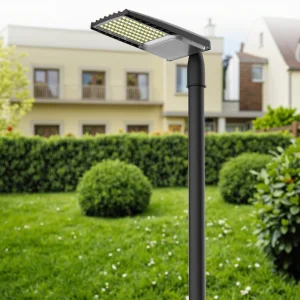
| Smart Street Lighting | 100W - 300W | High Die-Cast Aluminum housing, NEMA Smart Sensor base ready | Residential roadways, access intersections |
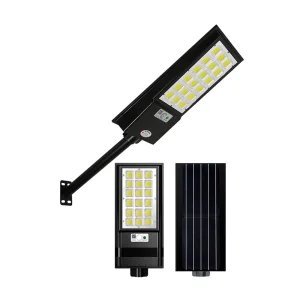
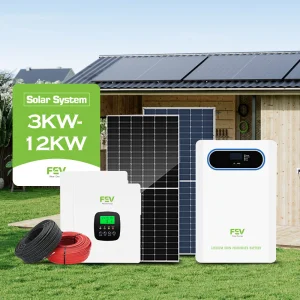
| Solar Off-Grid Power | 3000W - 10KW Kits | Integrated LiFePO4 batteries, MPPT controllers | Off-grid locations, eco-estates, green spaces |
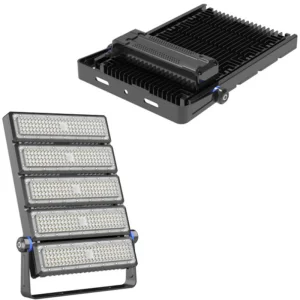
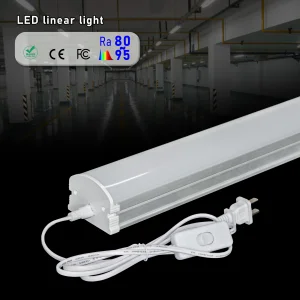
| Linear High Bay | 0.6m - 2.4m | Pendant and surface mounting, high optical output control | Residential community gyms, parking bays, utility zones |
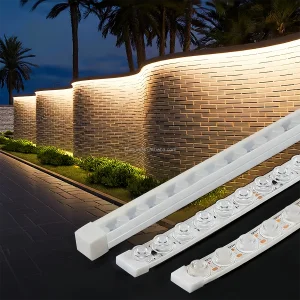
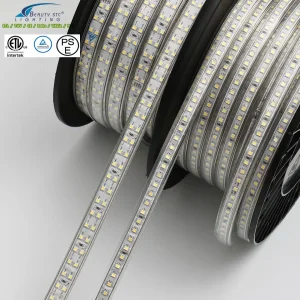
| Waterproof Strip Light | 24V IP65 RGB | Co-extruded UV-resistant silicone, consistent color control | Architectural facades, decorative boundaries |
Using customized optical-grade PMMA lenses to redirect luminous flux. This design decreases light spillage, minimizes glare index (UGR), and optimizes overall ground uniformity.
Utilizing heavy-gauge ADC12 die-cast aluminum alloys to construct aerodynamically configured fins. This housing layout transfers heat directly away from the LED core junctions.
Whether from solar panels or AC drivers, our power modules operate with high conversion efficiency (Power Factor > 0.95), cutting down power line loss.
Ensuring compliance, logistic optimization, and technological fit for international B2B buyers.
Modern lighting procurement involves navigating international regulations and energy standards. Global builders require systems that support carbon reduction programs and smart grids. Lukas Lighting designs products to meet these criteria, integrating Smart City Smart Poles (up to 300W) and solar integrations that align with green building standards.
For seaside communities and humid areas, materials must be protected against salt spray corrosion. We provide specialized coatings, including powder-coated coatings and synthetic resin fixtures, that prevent corrosion in challenging marine and wet environments.
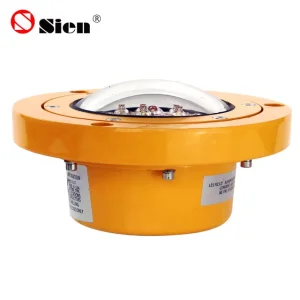
Engineered for runways, marine projects, smart grids, and landscape installations requiring high performance.
Detailed explanations regarding LED specification parameters, custom manufacturing capabilities, and quality guidelines.
 Lukas Lighting