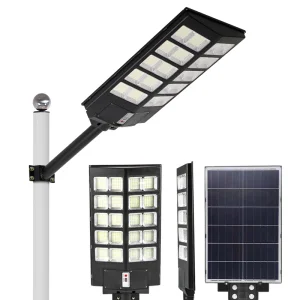
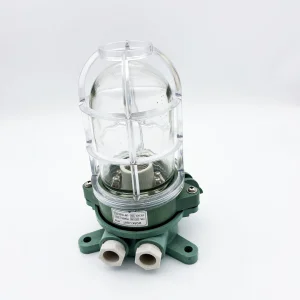
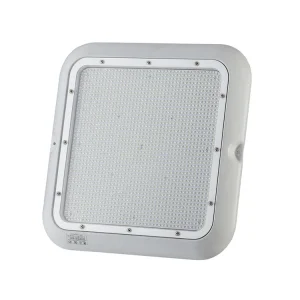
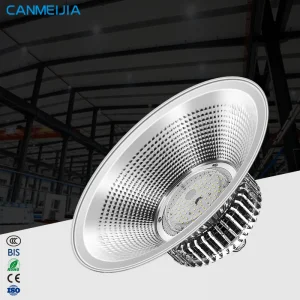
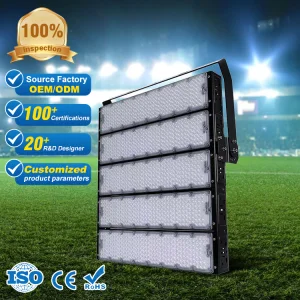
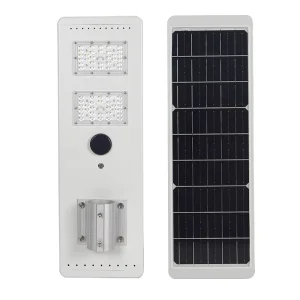
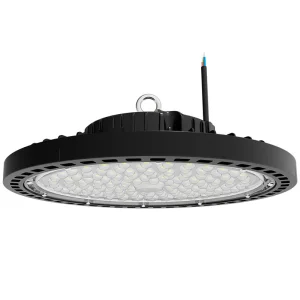
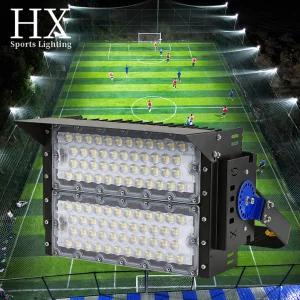
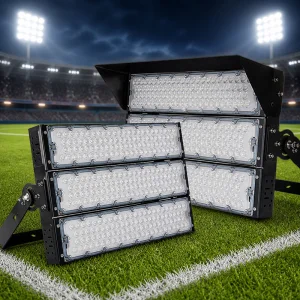
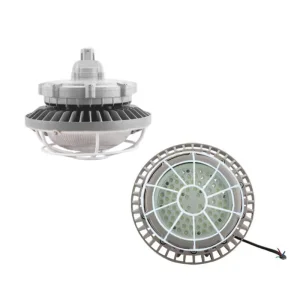
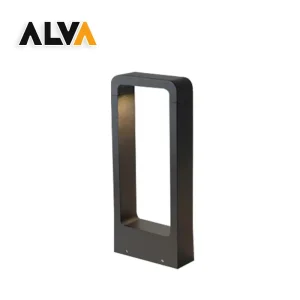
Precision-engineered lighting hardware optimized for low unified glare rating (UGR), extended lumen maintenance, and survivability in extreme environments.
Modern logistics corridors, automated storage and retrieval systems (ASRS), and global high-bay warehouses require lighting systems that go far beyond simple illumination. As logistics centers scale up in height (often exceeding 15 to 30 meters) and rely increasingly on automated picking machinery, the requirements for luminous efficacy, precision optics, low unified glare rating (UGR), and smart integrations have reached unprecedented heights.
Industrial facility managers, global EPC developers, and lighting distributors are actively looking for solutions to lower the Total Cost of Ownership (TCO). High-bay retrofitting programs can reduce operational costs significantly. Replacing antiquated Metal Halide (MH) or High-Pressure Sodium (HPS) systems with high-efficacy LED lighting helps reduce grid consumption by 60% to 85%, which directly supports corporate carbon neutrality and Net-Zero ESG targets.
Understanding these commercial objectives, Jiangsu Lukas Lighting Co., Ltd. builds durable, intelligent solid-state lighting systems. Designed for extreme environments, our fixtures handle everything from cold-chain logistics centers operating at -40°C to high-temperature production lines and hazardous, explosive zones requiring strict ATEX and PSE compliance.
Established in 1998, Jiangsu Lukas Lighting Co., Ltd. was founded with a long-term commitment to innovation, quality, and environmental responsibility within the professional outdoor and industrial lighting sectors. Over more than two decades of dedicated development, the company has evolved from a regional manufacturing workshop into a globally recognized designer, manufacturer, and exporter specializing in intelligent and energy-efficient lighting solutions.
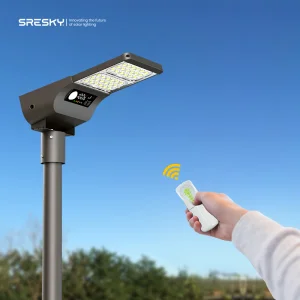
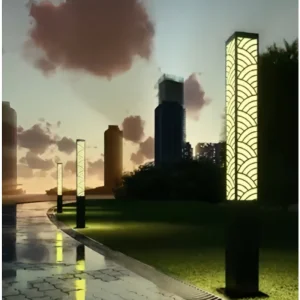
Through continuous investment in research and development, Lukas Lighting has successfully expanded its core product portfolio. Today, our catalog spans commercial-grade LED high bays, solar-powered municipal street lighting, smart urban controls, architectural and landscape illumination, and custom municipal and industrial fixtures tailored for global markets. Our heavy-duty luminaires perform reliably in busy urban roads, major highways, logistics parks, marine operations, and manufacturing plants worldwide.
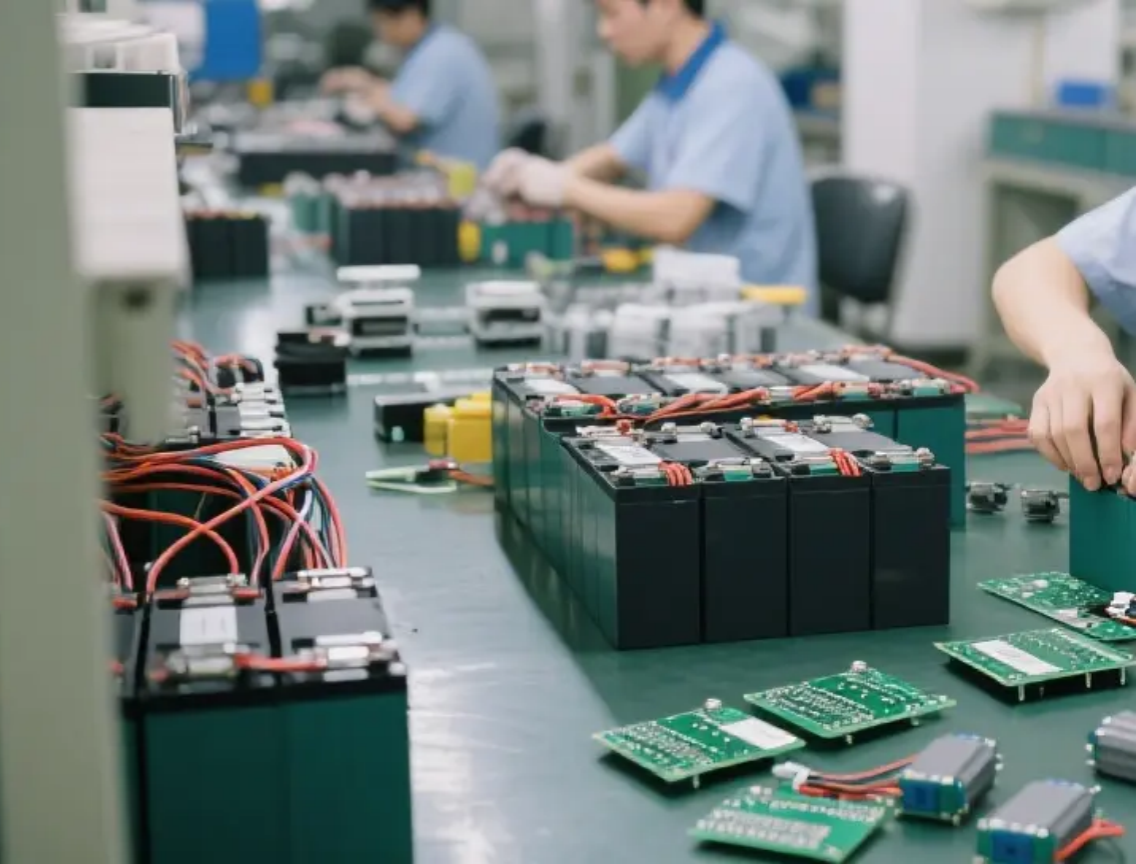
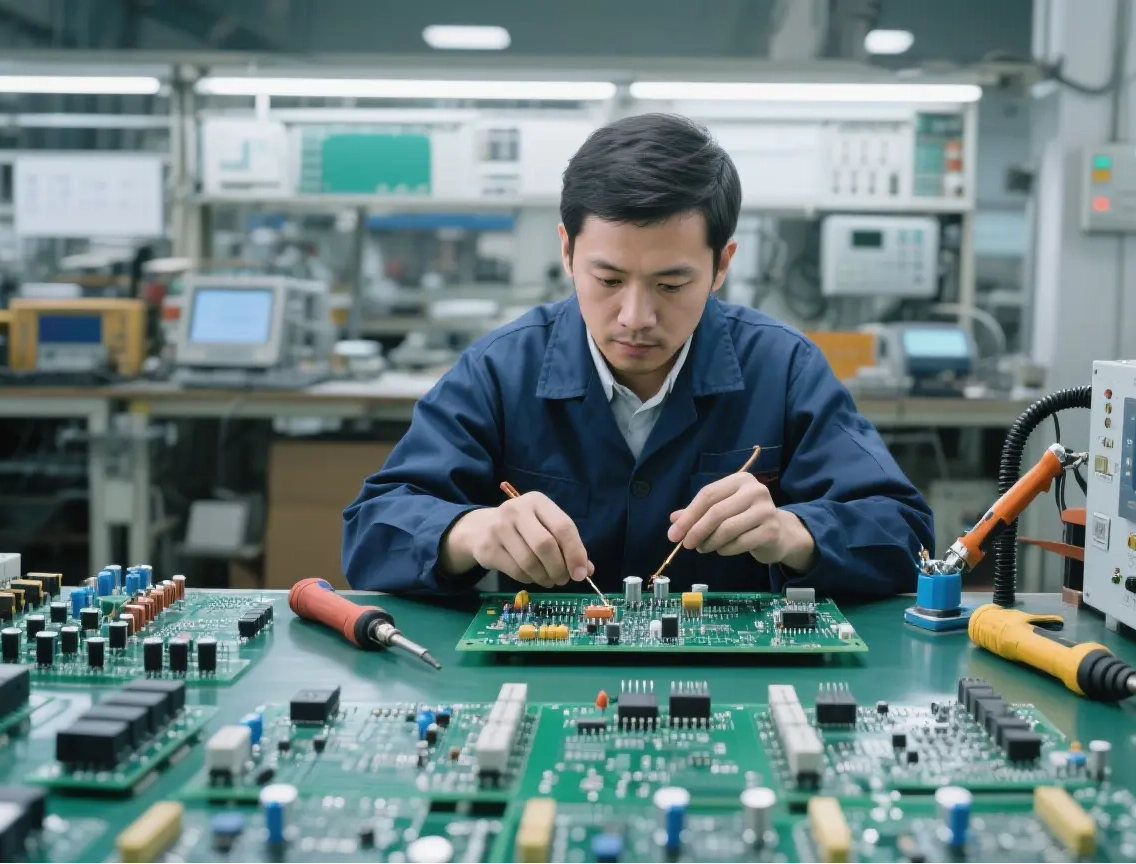
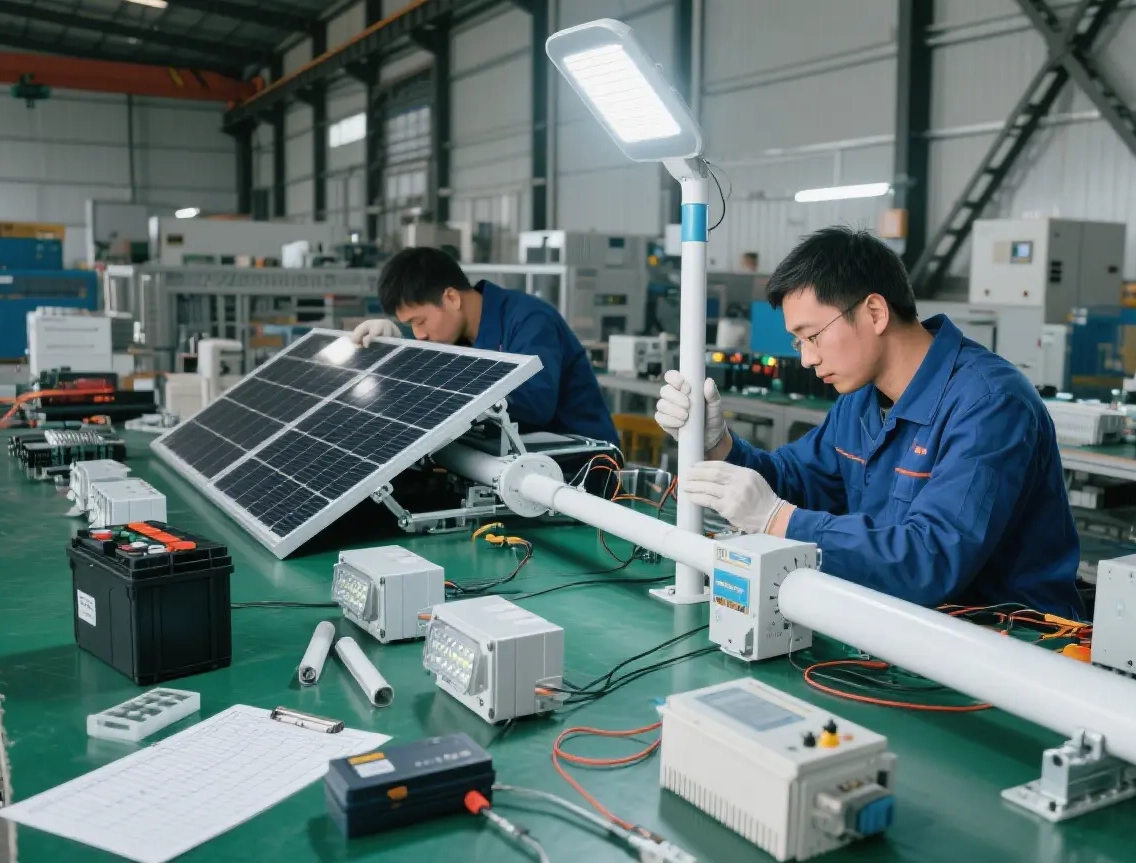
Located in the industrial manufacturing hub of Jiangsu, China, our modern production facility spans approximately 11,000 square meters. Our plant is operated by a highly trained workforce of structural, electrical, and optical engineers alongside skilled assembly technicians. This integration of technical expertise and manufacturing capacity guarantees strict quality control, high-precision assembly, and efficient scale production for large-volume international contracts.
China is the leading global manufacturing hub for LED industrial lighting, driven by deep engineering ecosystems, raw material integration, and continuous innovation. When partnering with a professional manufacturer like Jiangsu Lukas Lighting, international buyers benefit from three distinct competitive advantages:
From die-cast aluminum heat sinks and high-grade LED drivers to precision optical lenses, all components are sourced and processed within a 50km radius. This localized supply chain reduces material transit times, minimizes manufacturing bottlenecks, and allows us to quickly scale production to meet urgent demands.
Global warehouse projects vary in structural layout, voltage requirements, and environmental challenges. Our team designs, mocks up, and tests customized fixtures—including specialized optical distribution curves (narrow beam, wide beam, asymmetric beam), custom color temperatures, and integrated smart control modules—within days rather than months.
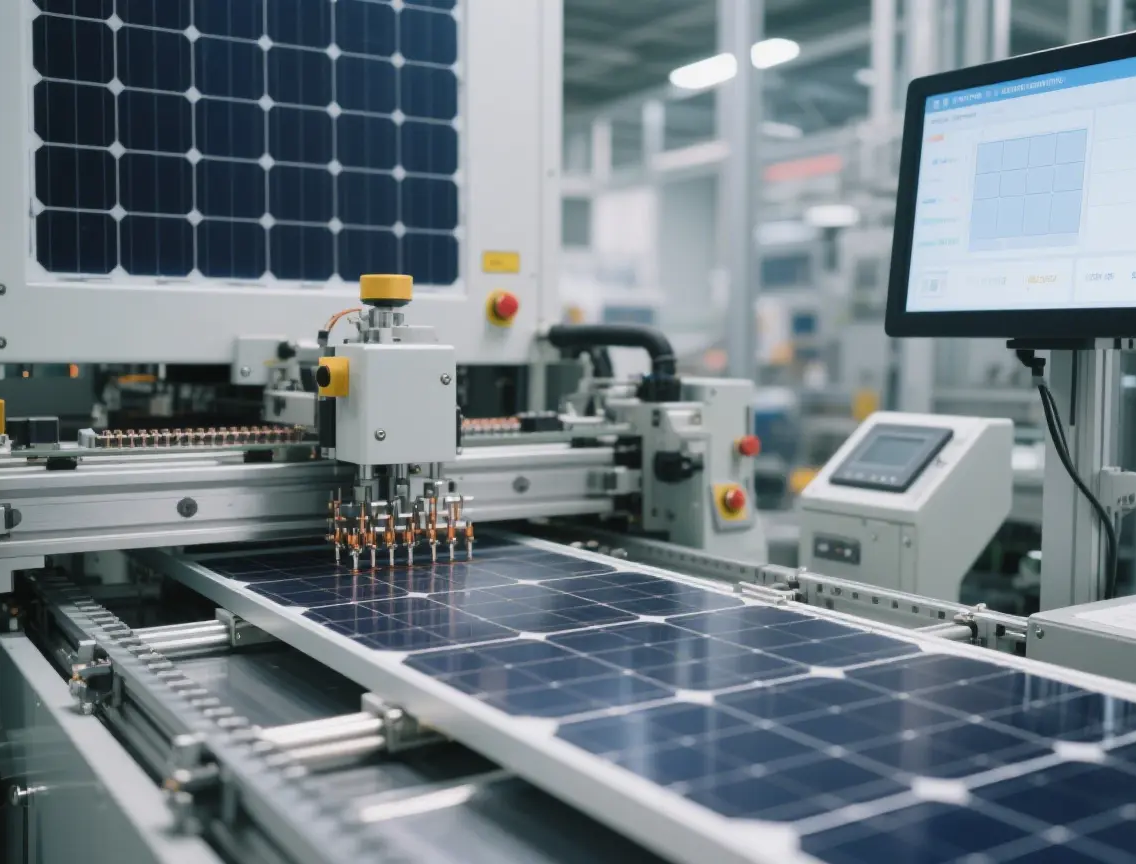
By leveraging automated assembly systems, Surface Mount Technology (SMT), and high-capacity die-casting machinery, we keep overhead low. These production efficiencies yield substantial cost savings, allowing us to supply premium industrial fixtures with top-tier Cree or Lumileds emitters and Meanwell drivers at competitive price points.
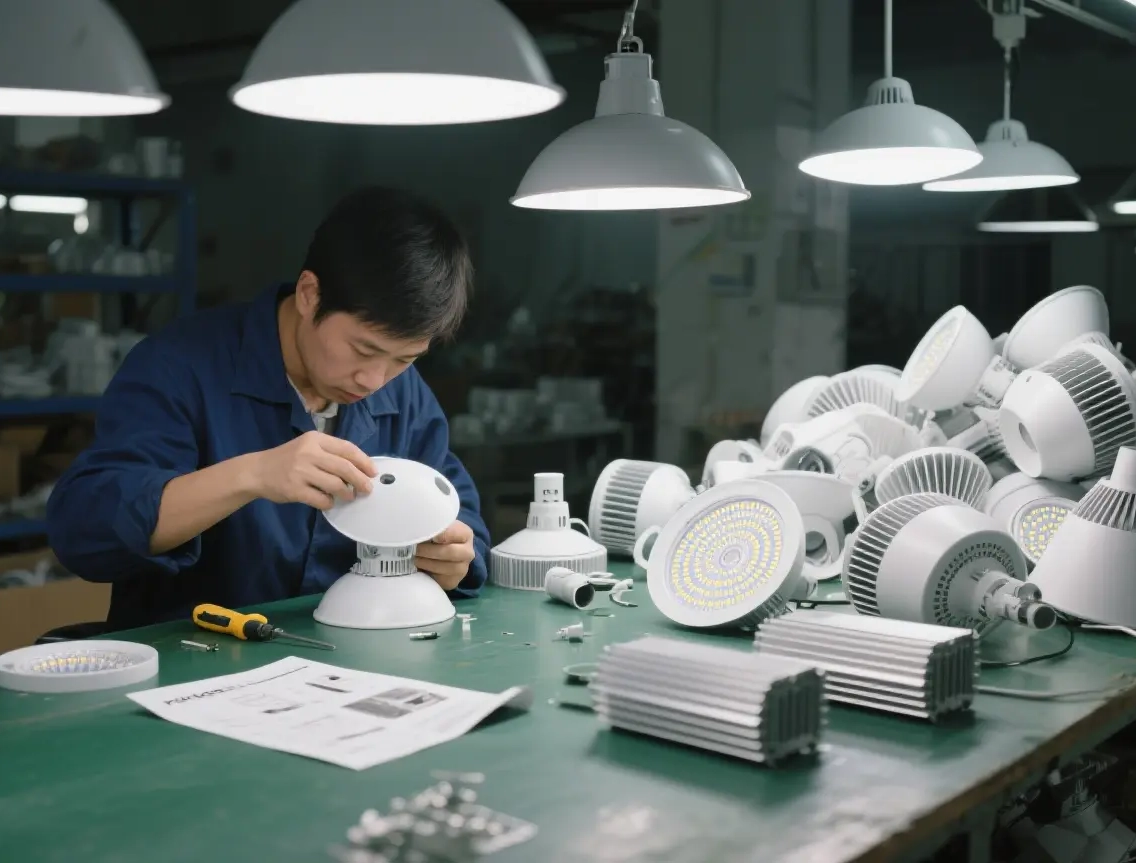
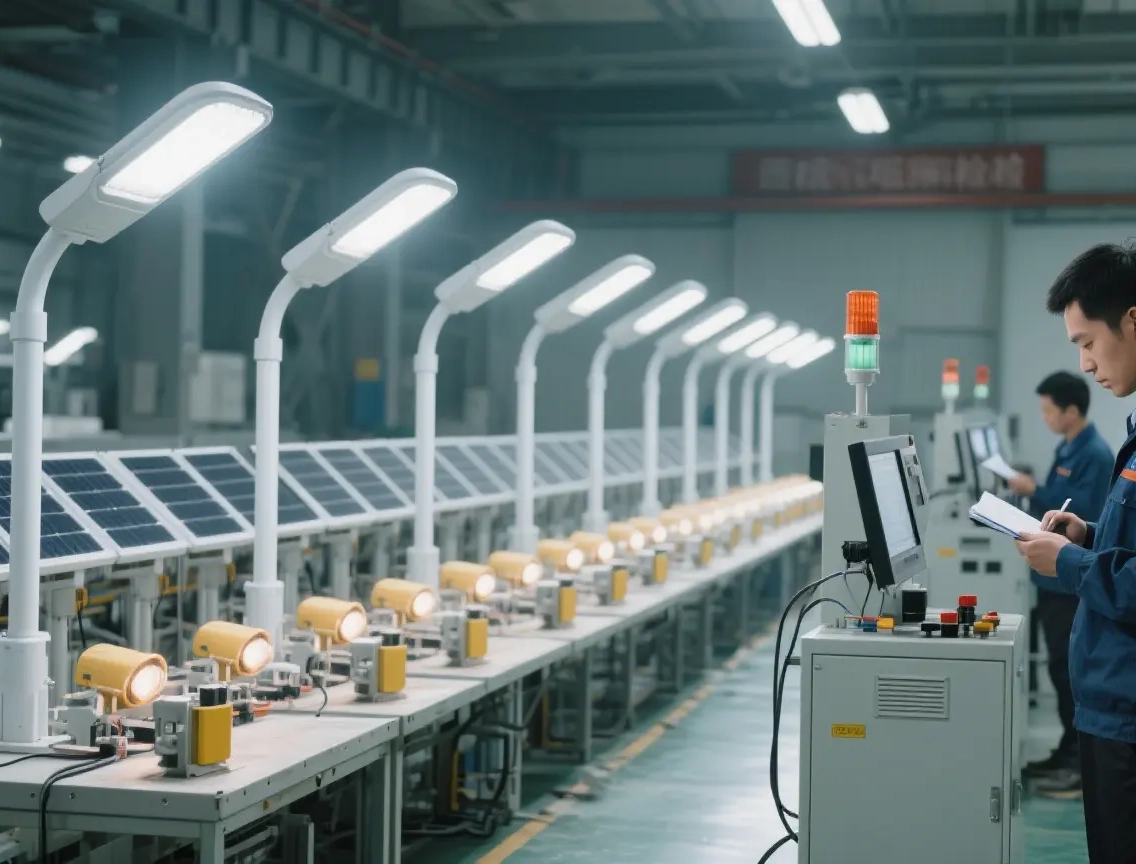
Lukas Lighting operates a highly automated manufacturing facility. By minimizing manual handling, we achieve uniform product quality, precise dimensional tolerances, and high thermal efficiency for our heavy-duty luminaire chassis.
Our facility is equipped with a complete set of advanced production and testing systems, including:
These modern facilities enable us to maintain high production efficiency while ensuring stable and reliable product performance. Every product undergoes strict quality inspection procedures, from raw material selection to final assembly and lighting performance testing.
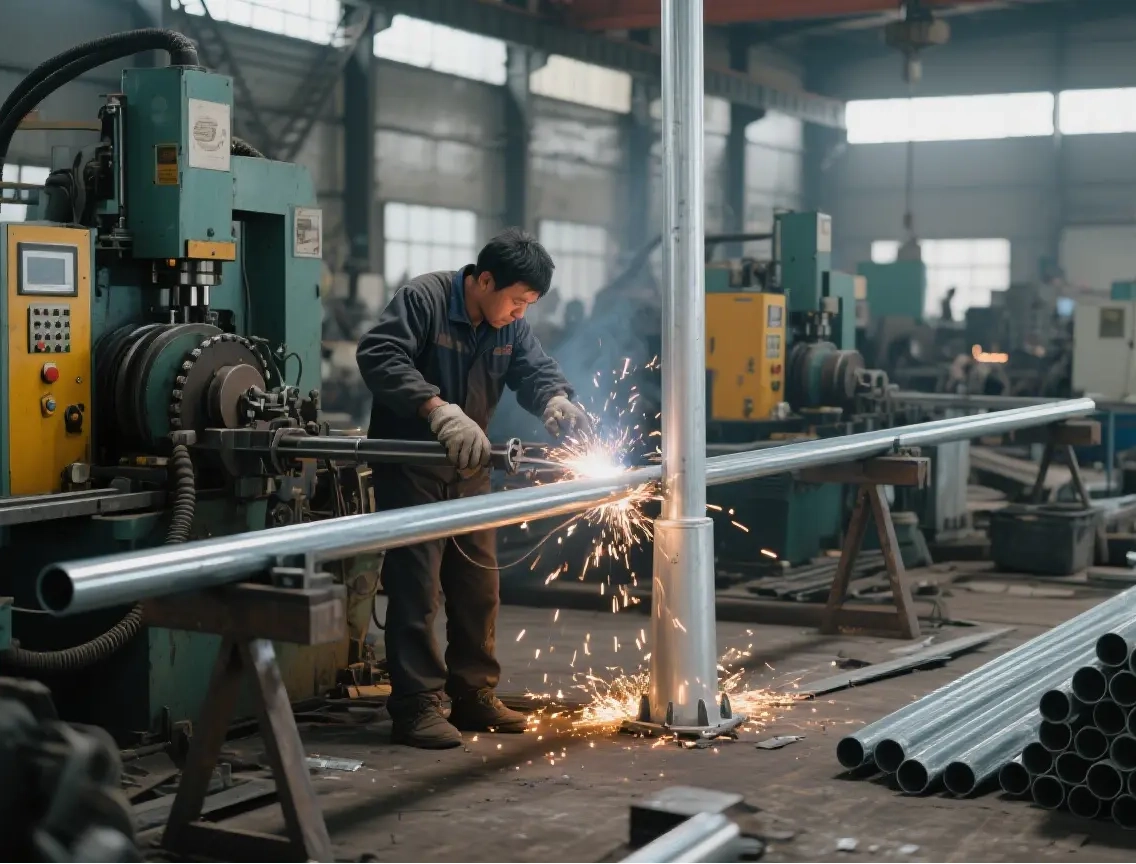
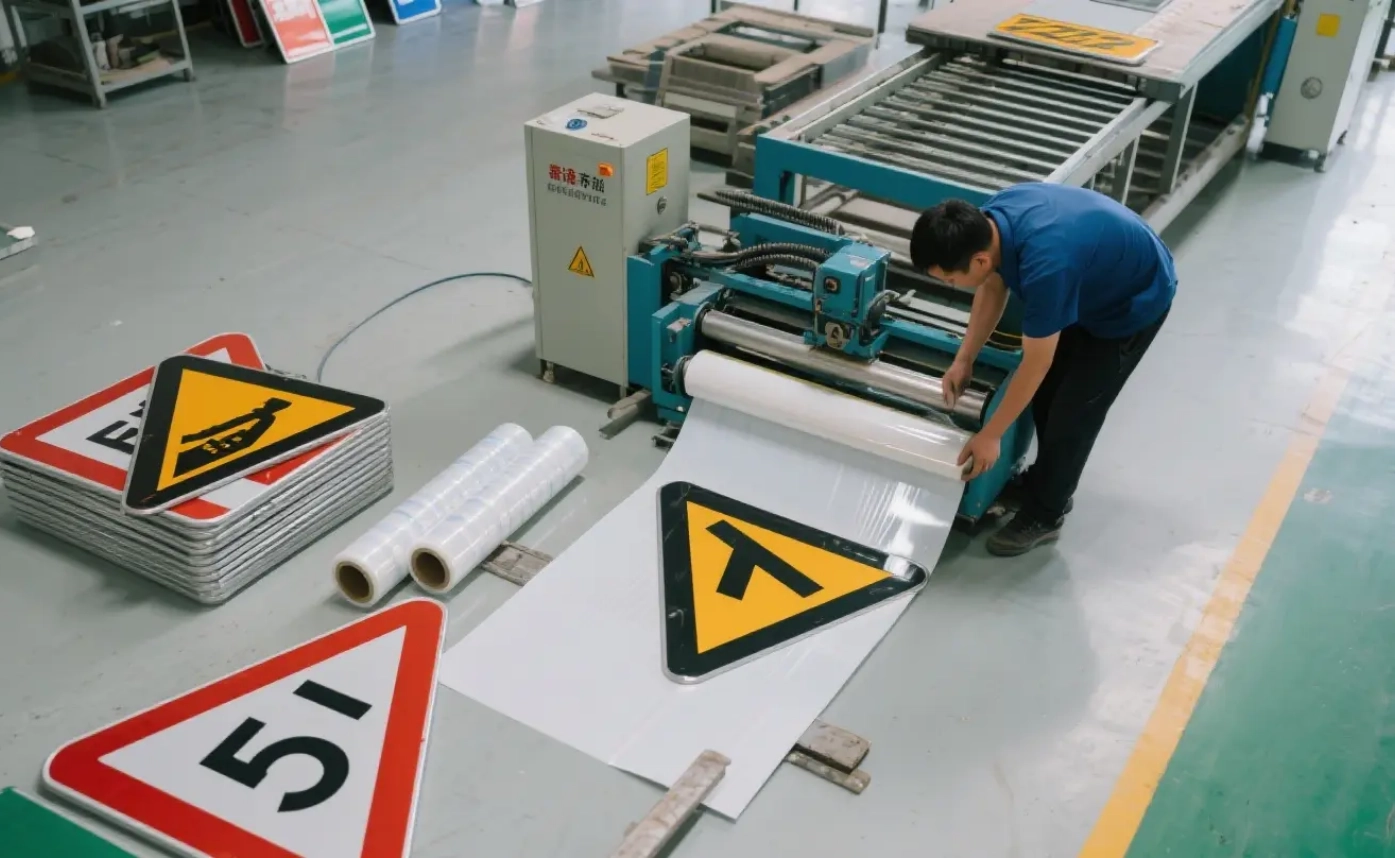
Lukas Lighting follows a strict, step-by-step manufacturing process. We carefully monitor every phase—from selecting high-grade sheet metals to final electrical burns and sealing—to ensure our warehouse and outdoor fixtures withstand years of challenging industrial use.
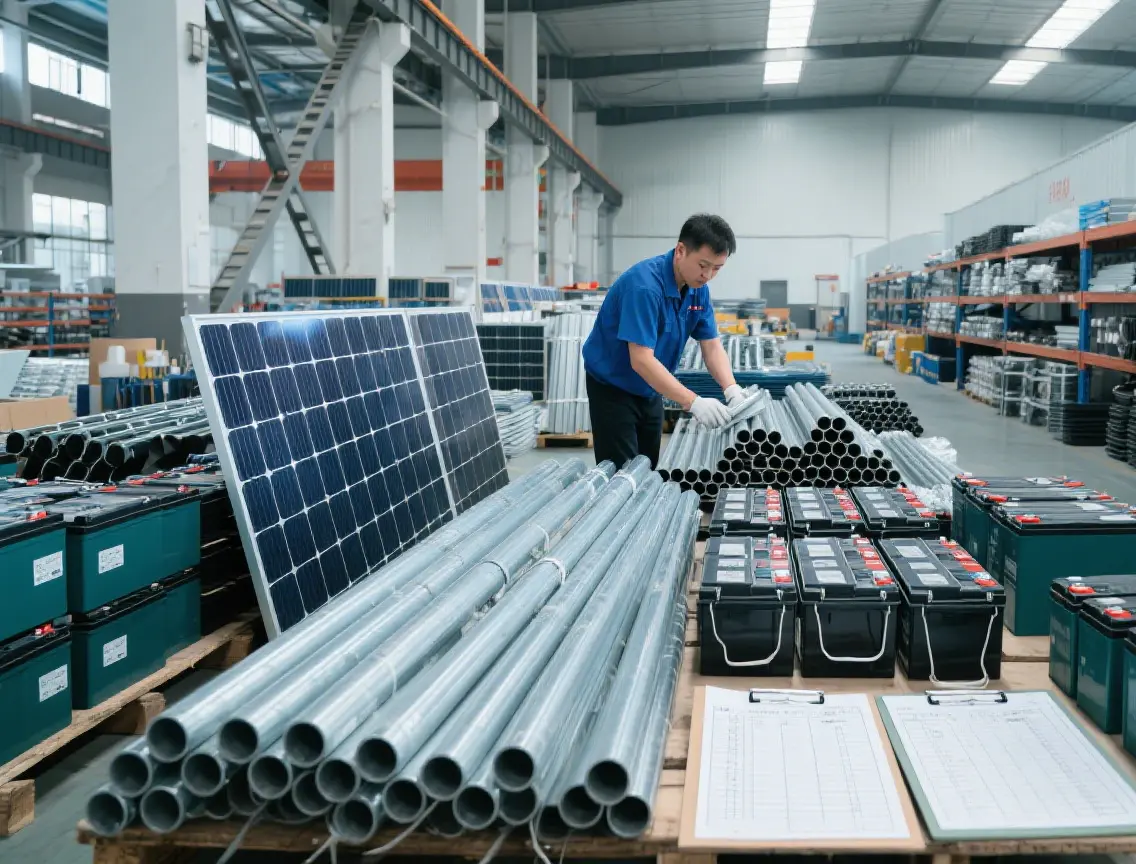
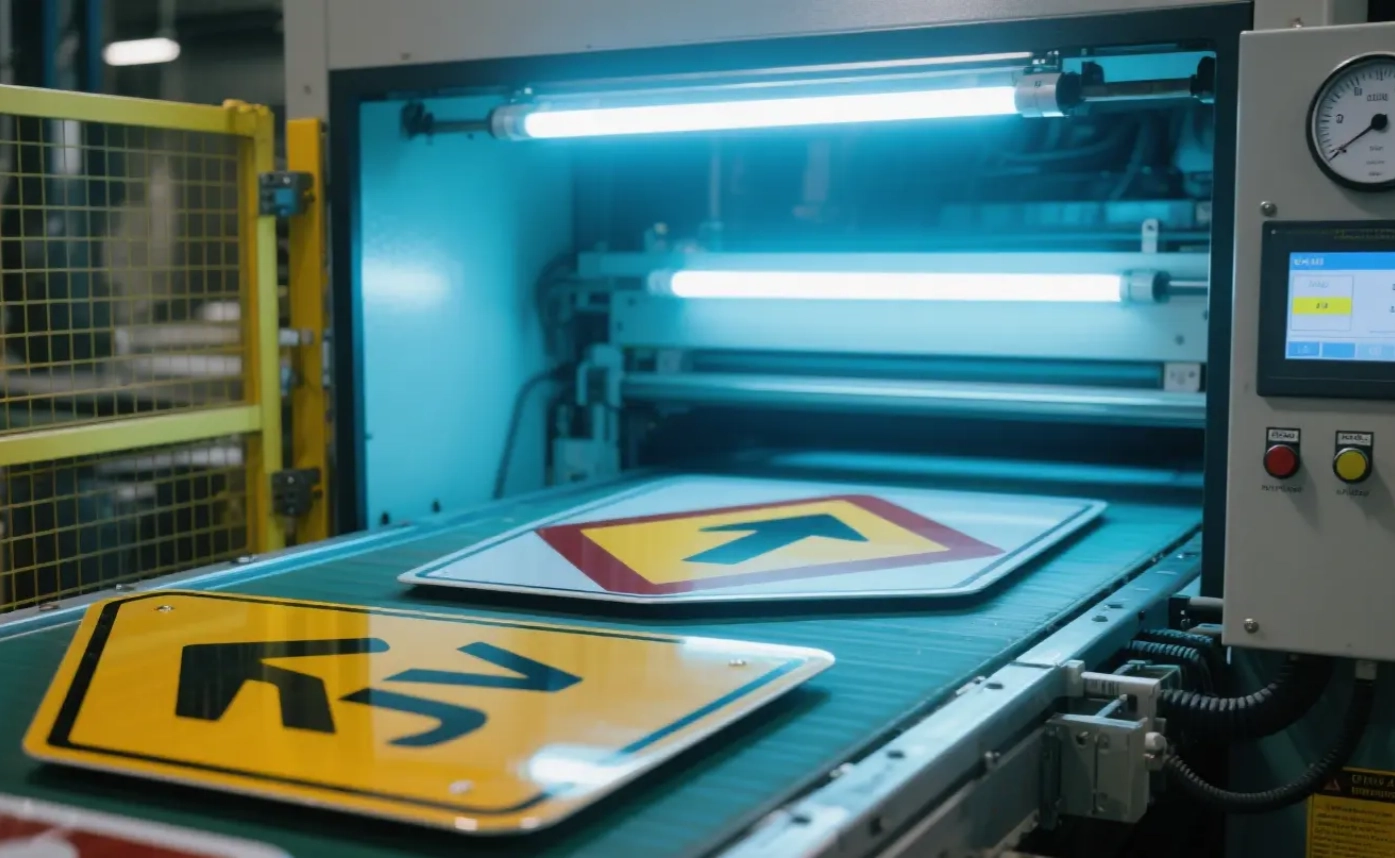
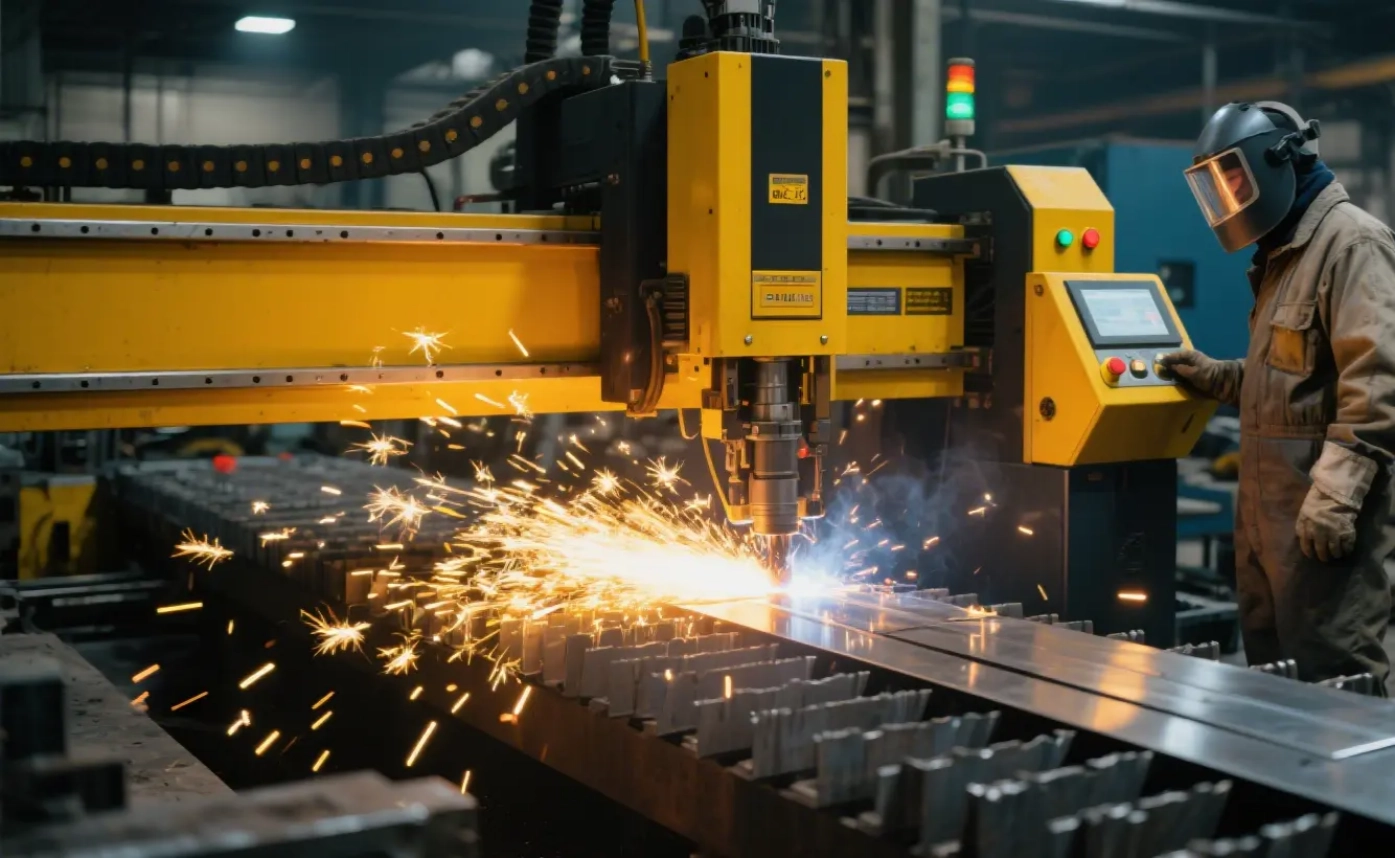
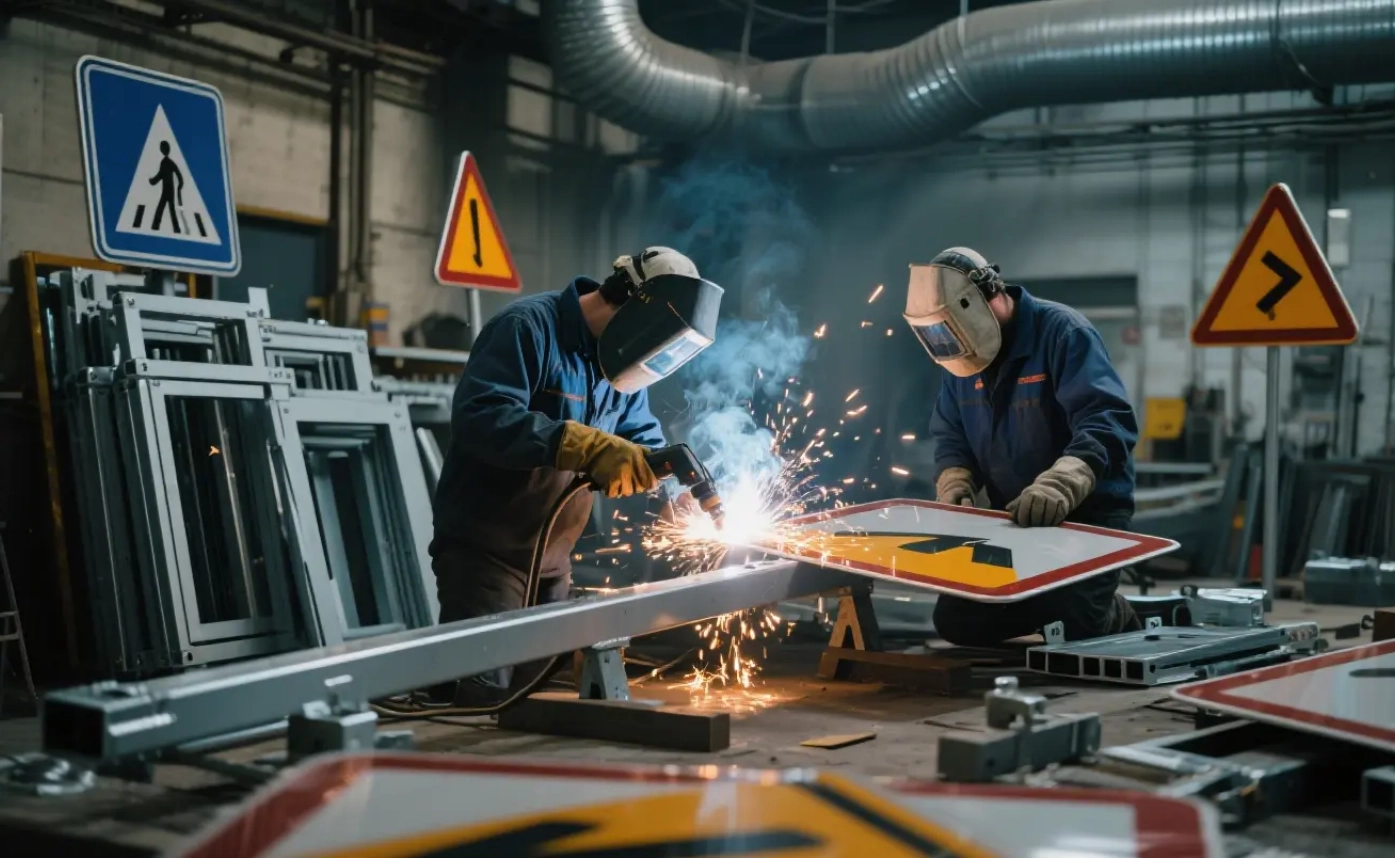
Our operational model is built around precision engineering, quality management, and client-focused service:
With efficient production lines and advanced automation, we handle large-volume orders and complex custom projects with precision and speed, meeting strict construction deadlines.
We operate under a strict quality control system certified to ISO9001 standards. Lukas Lighting also holds multiple patents in structural heat-sink design and optical configuration.
We manage the entire project lifecycle—from photometrical layout design (DIALux) and structural prototyping to mass production and logistics support—maximizing cost-efficiency and delivery speeds.
We continuously invest in energy-saving LED technologies and smart control protocols (such as Zigbee, DALI-2, and radar occupancy sensors) to support global carbon reduction goals and modern smart city projects.
Industrial lighting is shifting from static, energy-efficient fixtures to dynamic, data-driven systems. Enterprise procurement managers should keep these four key trends in mind:
Integrating daylight harvesting and microwave occupancy sensors into high-bay systems reduces energy consumption in unoccupied warehouse aisles. Upgrading to DALI-2, 0-10V, or Zigbee wireless controls allows facilities to implement smart dimming, schedule lighting, and monitor real-time energy use.
Logistics facilities operating 24/7 rely on Human-Centric Lighting to help maintain worker alertness and safety. By adjusting color temperatures (CCT) from 3000K to 5000K and light levels throughout the day, CCT-tunable fixtures support natural circadian rhythms and help prevent operator fatigue.
Convective airflow designs and high-grade aluminum alloys prevent heat buildup at the ceiling level, where temperatures can exceed 50°C. Proper thermal management preserves lumen output and keeps driver junctions cool, preventing premature system failures.
Different industrial layouts present unique structural and environmental challenges. Lukas Lighting designs tailored fixtures to provide optimal illuminance across various specialized settings:
| Facility Type | Core Challenges | Recommended Optical & Physical Configuration |
|---|---|---|
| Cold-Chain Logistics Centers | Extreme operating temperatures down to -40°C, high condensation risks, and structural access limitations. | IP65 or IP66 rated aluminum high bays with specialized low-temperature drivers, silicone seals, and polycarbonate lenses. |
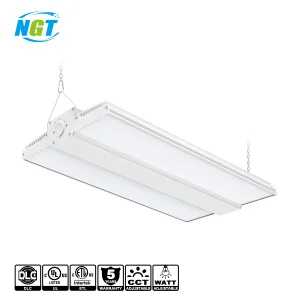
| High-Rack Distribution Warehouses | Deep, narrow aisles require vertical lux uniformity without blinding automated sensors or forklift operators. | Linear high bays with narrow beam angles (30°x90° or 60°x100°) to direct light down into the aisles while minimizing glare. |
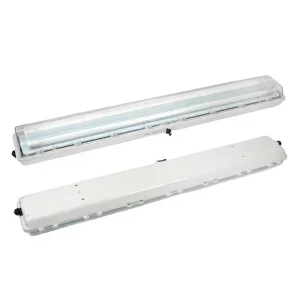
| Petrochemical & Gas Facilities | Presence of volatile gases, dust particles, and flammable vapors demanding spark-free fixtures. | Certified ATEX Zone 1/21 and Zone 2/22 explosion-proof LED fixtures with heavy-duty cast aluminum and tempered glass. |
| Heavy Processing Workshops | Continuous vibration from overhead cranes, airborne particulates, and high humidity levels. | Impact-resistant IK08/IK10 rated fixtures, vapor-tight seals, and flexible mounting systems (chain, hook, or bracket). |
When sourcing industrial high bays and outdoor lighting, focusing on performance specifications over low initial cost delivers better long-term value. Enterprise buyers should evaluate these critical technical metrics:
Verify system efficacy (minimum 140 lm/W to 160 lm/W) and look for recognized certifications such as UL/ETL for North America, CE/RoHS for Europe, and PSE for Japan. These certifications verify electrical safety, electromagnetic compatibility, and energy performance.
Confirm the fixture's expected operating life. High-quality warehouse lights should offer an L70 lifetime of at least 50,000 to 100,000 hours, ensuring stable, long-term illumination with minimal lumen degradation.
Assess TCO by calculating energy savings, driver warranties, and labor costs for maintenance. Choosing fixtures with plug-and-play field-replaceable drivers helps minimize future downtime and maintenance expenses.
Our engineering team answers common questions regarding warehouse and industrial lighting design:
Heavy-duty, explosion-proof, and solar-hybrid lighting systems engineered to meet international safety and structural standards.
 Lukas Lighting