Direct Factory Products Compliant with DALI-2, Zigbee 3.0, and IoT Smart Grid Infrastructure
Decarbonization, Operational Intelligence, and Supply Chain Resilience in Industrial Microgrids
The global industrial and commercial lighting sector is undergoing a profound paradigm shift driven by stringent energy efficiency mandates (such as the EU Energy Performance of Buildings Directive and US Title 24), accelerating ESG compliance metrics, and the rapid deployment of Internet of Things (IoT) sensors into building networks. Legacy standalone luminaires are rapidly being phased out in favor of networked, intelligent Lighting Control Systems capable of bi-directional communication, dynamic dimming, automated daylight harvesting, predictive maintenance telemetry, and real-time power analytics.
Key Technical Shift: Modern enterprise lighting procurement has moved beyond lumen output per watt to evaluate complete digital node interoperability—incorporating DALI-2 master controllers, wireless mesh topologies (Zigbee 3.0, Thread, Matter), and localized edge AI sensing arrays.
As the international manufacturing hub for solid-state lighting, China hosts the world's most densely integrated industrial cluster for smart lighting controllers, microprocessors, driver ICs, and precision optical assemblies. Navigating the top Chinese lighting control systems manufacturers requires a deep understanding of hardware-software integration, thermal management protocols, IP protection standards, and robust OEM/ODM engineering capabilities.
Architectural Innovations Driving Energy Decarbonization & Smart Infrastructure Deployment
The standardization around DALI-2 (IEC 62386) and D4i (DALI for IoT) has revolutionized intra-fixture intelligence. D4i enables luminaires to store real-time operational data, power usage statistics, and thermal diagnostic telemetry, establishing lighting systems as true IoT data hubs across smart factory environments.
Enterprise buyers are transitioning away from high-cost wired installations toward dynamic wireless mesh networks utilizing Zigbee 3.0, Bluetooth Mesh, and LoRaWAN. These resilient networks feature auto-healing nodes that eliminate single points of failure across large municipal street lighting networks and logistics hubs.
Modern lighting controls incorporate microwave radar sensors, occupancy detection algorithms, ambient daylight harvesting, and air-quality tracking into unified sensor heads. Edge compute microchips analyze spatial movement pattern data to optimize dimming curves automatically without server latency.
Evaluating Chinese Lighting Control OEM/ODM Partners for High-Yield Commercial Contracts
When engineering executives and procurement directors source lighting control infrastructure from Top Chinese suppliers, technical evaluation must move beyond raw unit price. Achieving optimal Total Cost of Ownership (TCO) demands rigorous audit metrics across key hardware, firmware, and quality assurance dimensions:
Industrial outdoor applications—including coastal roadways, mining sites, and chemical plants—demand stringent mechanical sealing. Enterprise buyers must verify IP65, IP66, or IP67 ratings, high-impact IK08–IK10 polycarbonate optics, and anti-surge suppression modules capable of withstanding 10kV to 20kV transient line surges.
Vendor lock-in represents a critical operational risk. Sourcing teams prioritize factories delivering non-proprietary control gears supporting 0-10V, 1-10V, PWM, DMX512/RDM, and DALI-2 open architectures. This ensures seamless integration with centralized Building Automation Systems (BAS) via BACnet, Modbus, or MQTT gateways.
Thermal management is the fundamental determinant of driver and LED longevity. Top manufacturers leverage high-thermal-conductivity die-cast aluminum alloys, specialized thermal interface materials (TIM), and potting compounds to maintain driver junction temperatures well below critical thresholds across 50,000+ operating hours.
Leading Chinese suppliers provide deep customization—ranging from custom PCB layout design, specialized optical lens distributions (Type I to Type V), custom firmware programming for solar MPPT controllers, to branded white-label housing enclosures.
Jiangsu Lukas Lighting Co., Ltd. — Decades of Innovation in Smart & Sustainable Lighting
Jiangsu Lukas Lighting Co., Ltd. was established in 1998 with a strong commitment to innovation, quality, and sustainability in the outdoor lighting industry. Over more than two decades of rapid development, the company has grown into a professional premier manufacturer specializing in intelligent, integrated, and energy-efficient street lighting solutions and control hardware.
With continuous strategic investment in research and development, Lukas Lighting has expanded its product portfolio to encompass advanced LED street lights, solar street lighting micro-grids, smart control systems, landscape pixel lighting, and customized municipal lighting solutions. Our products are widely deployed across urban arterial roads, highways, logistics parks, residential developments, ports, and public infrastructure projects across global markets.
Located in Jiangsu, China, our modern production base spans an area of approximately 11,000 square meters. The facility is equipped with state-of-the-art manufacturing technologies and operated by an elite team of experienced engineers and skilled technicians. This guarantees strict multi-tier quality control, high-precision manufacturing, and reliable large-scale production capabilities.
State-of-the-Art Automated Manufacturing, SMT Lines, and Optical Laboratories
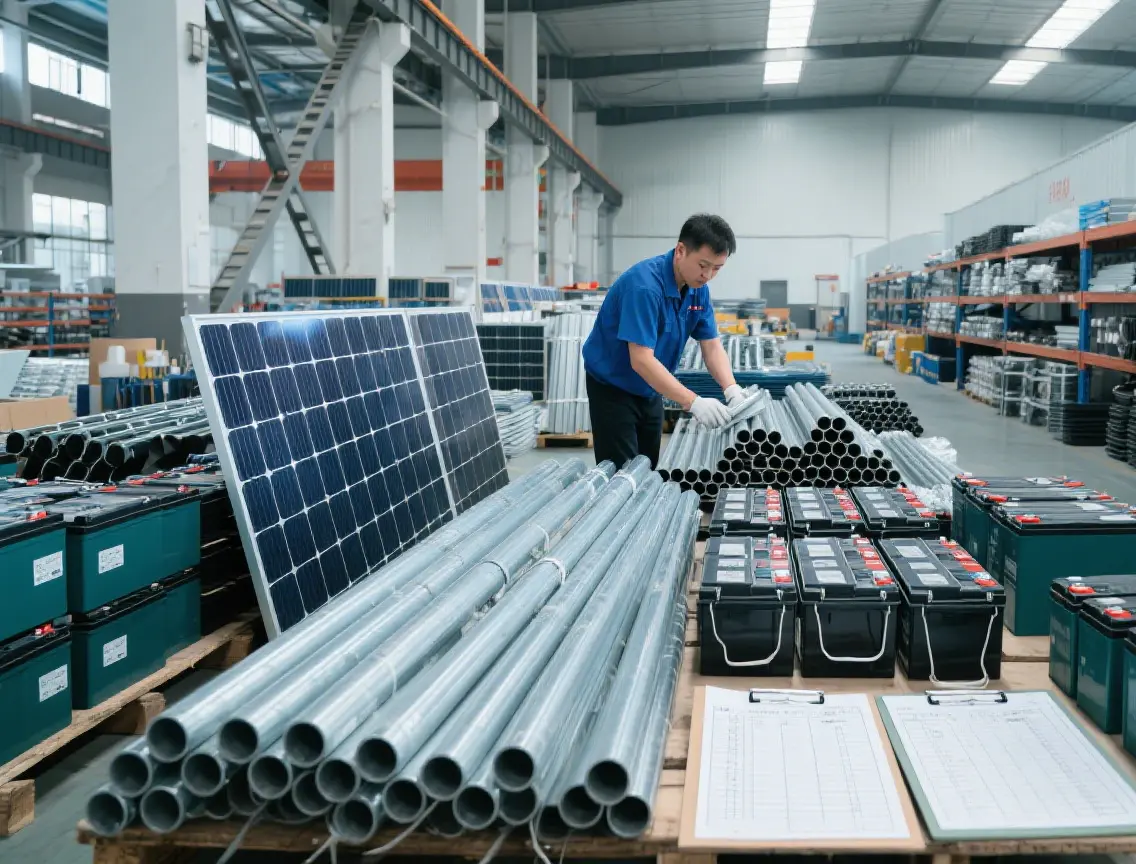
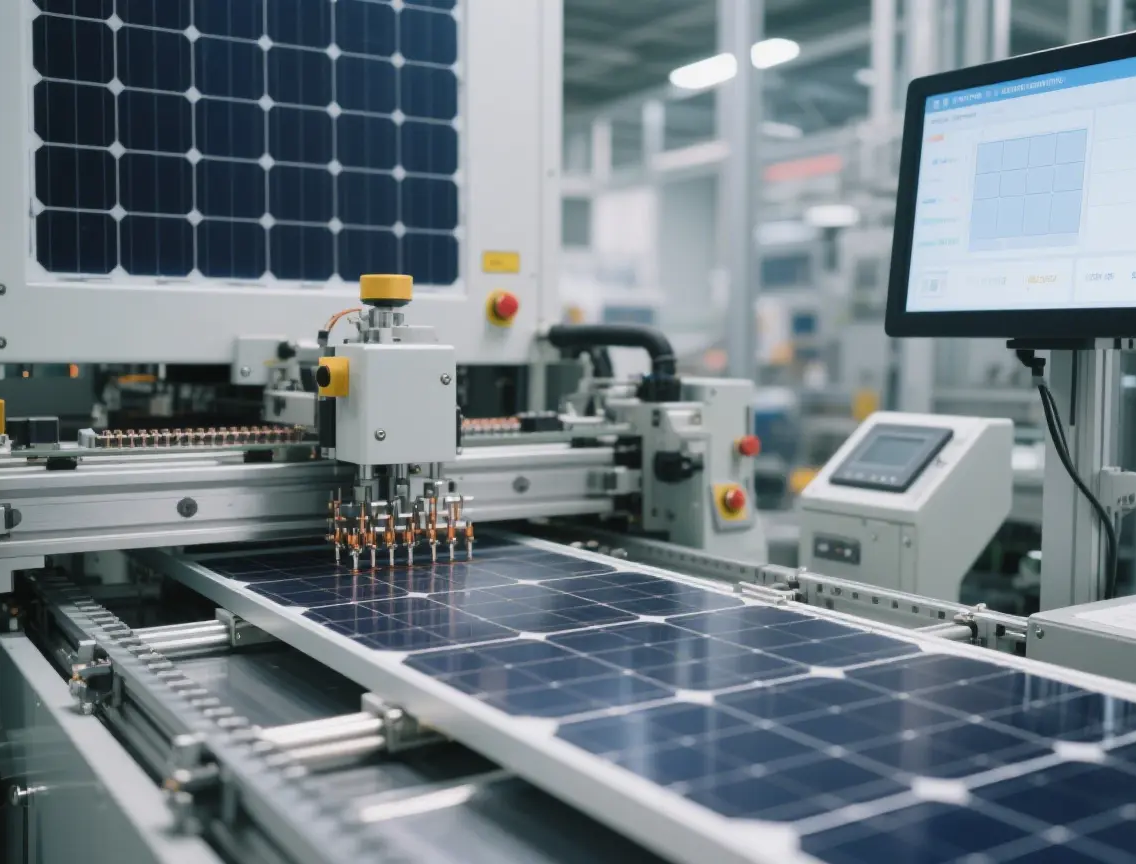
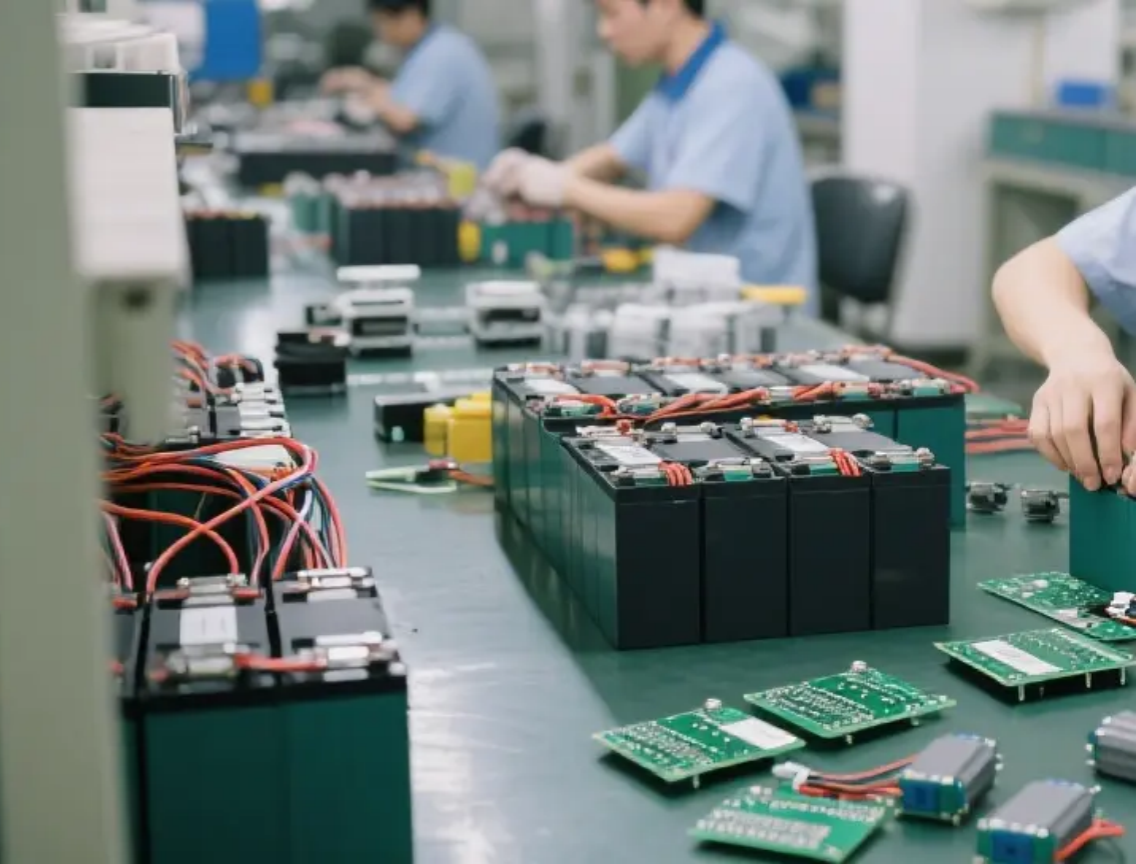
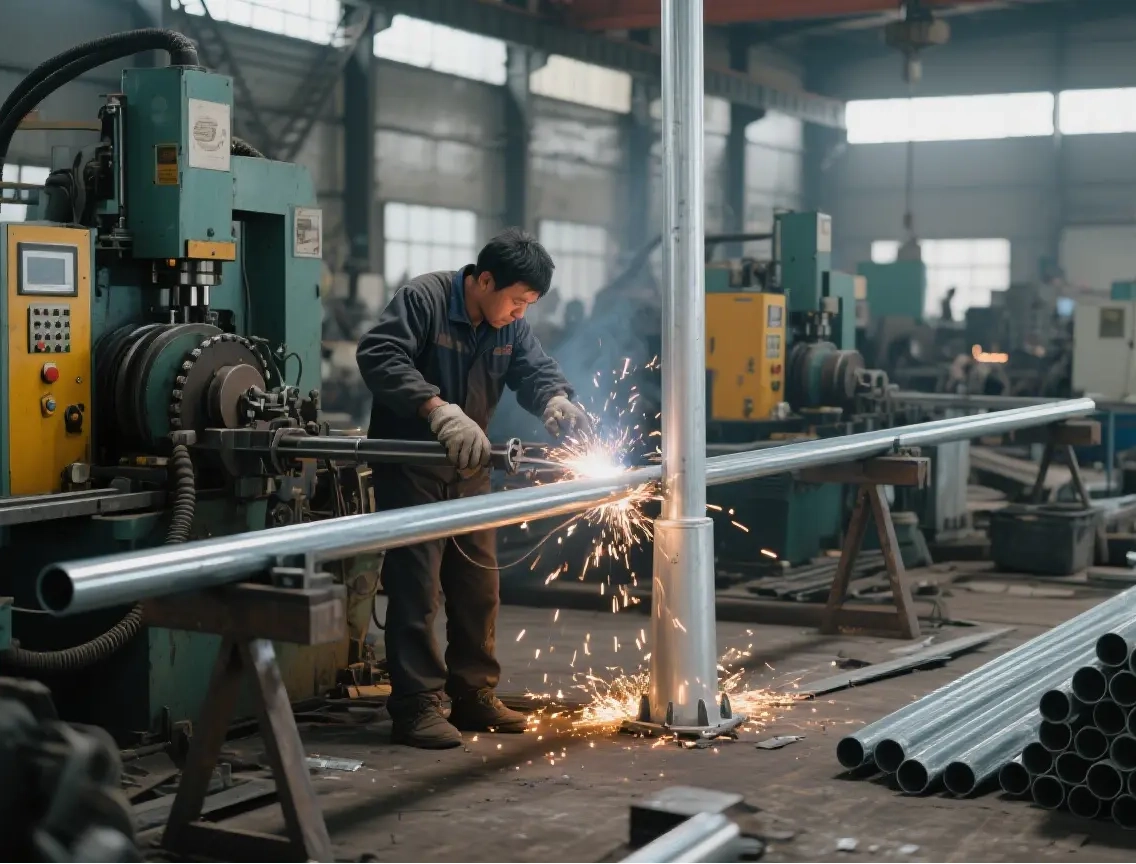
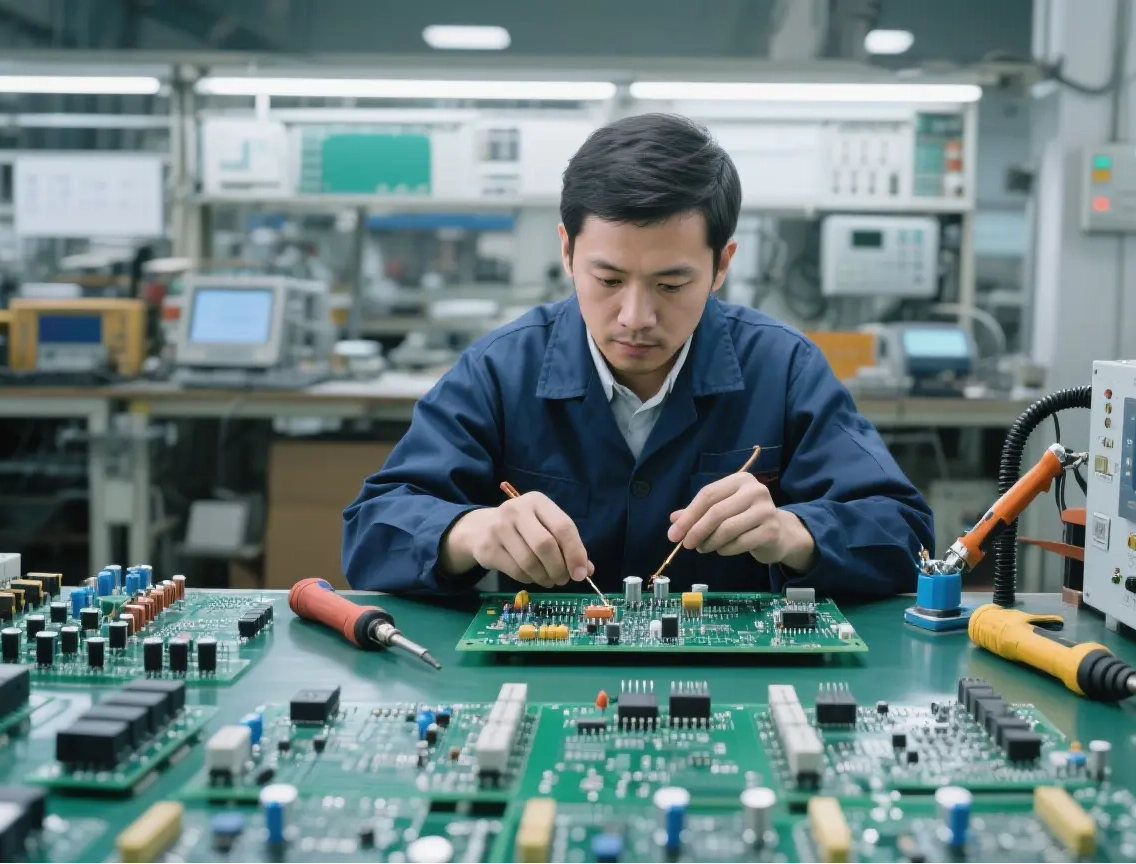
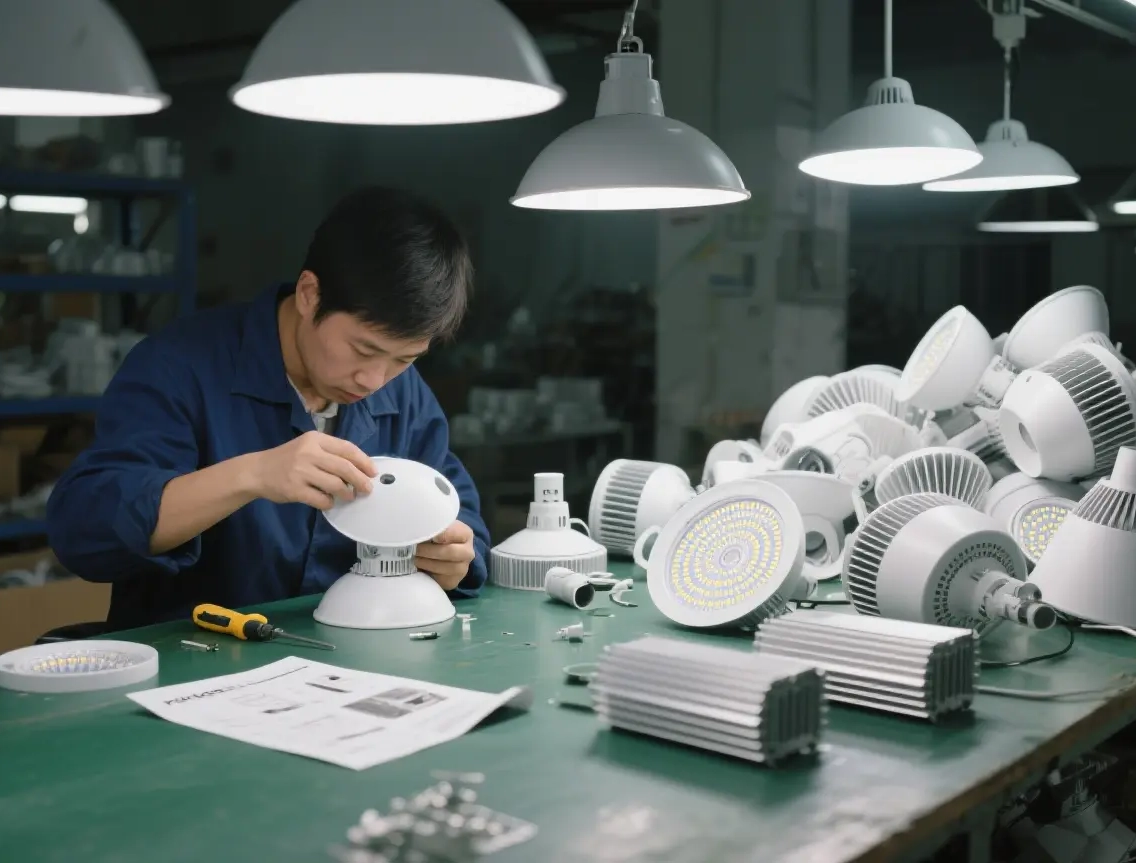
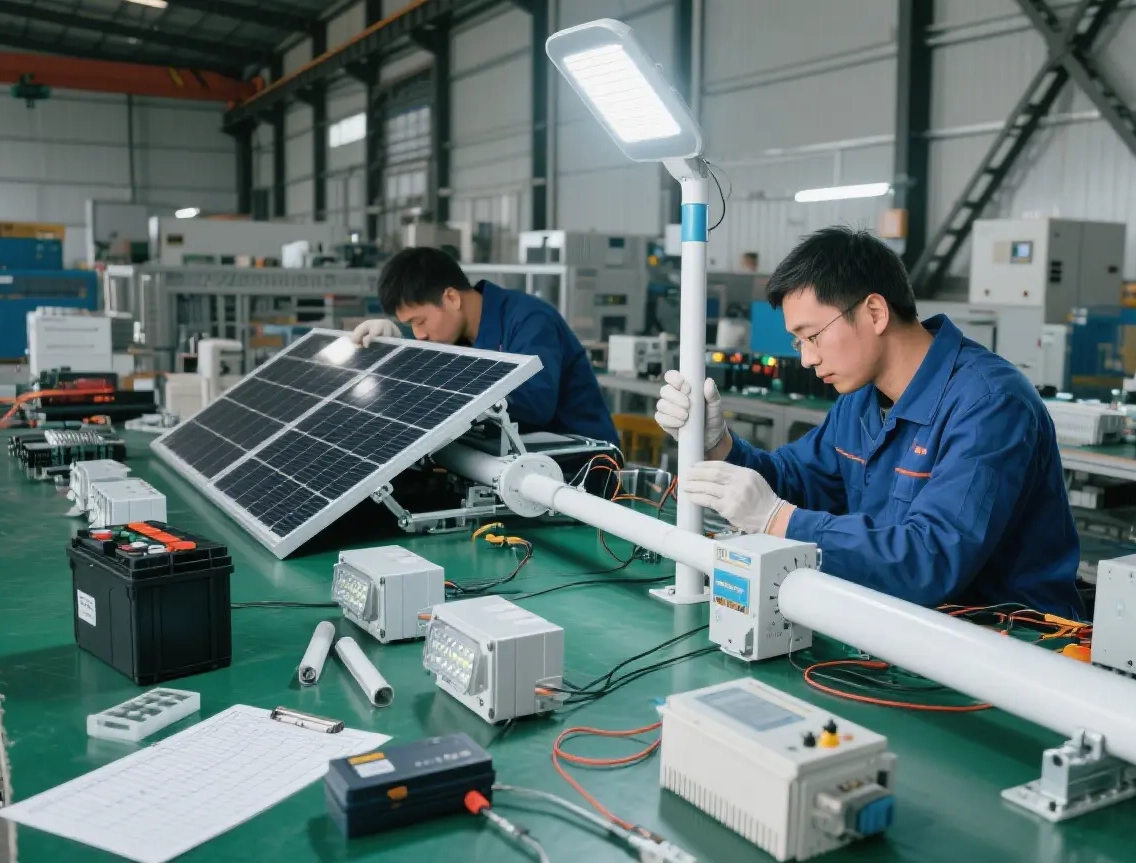
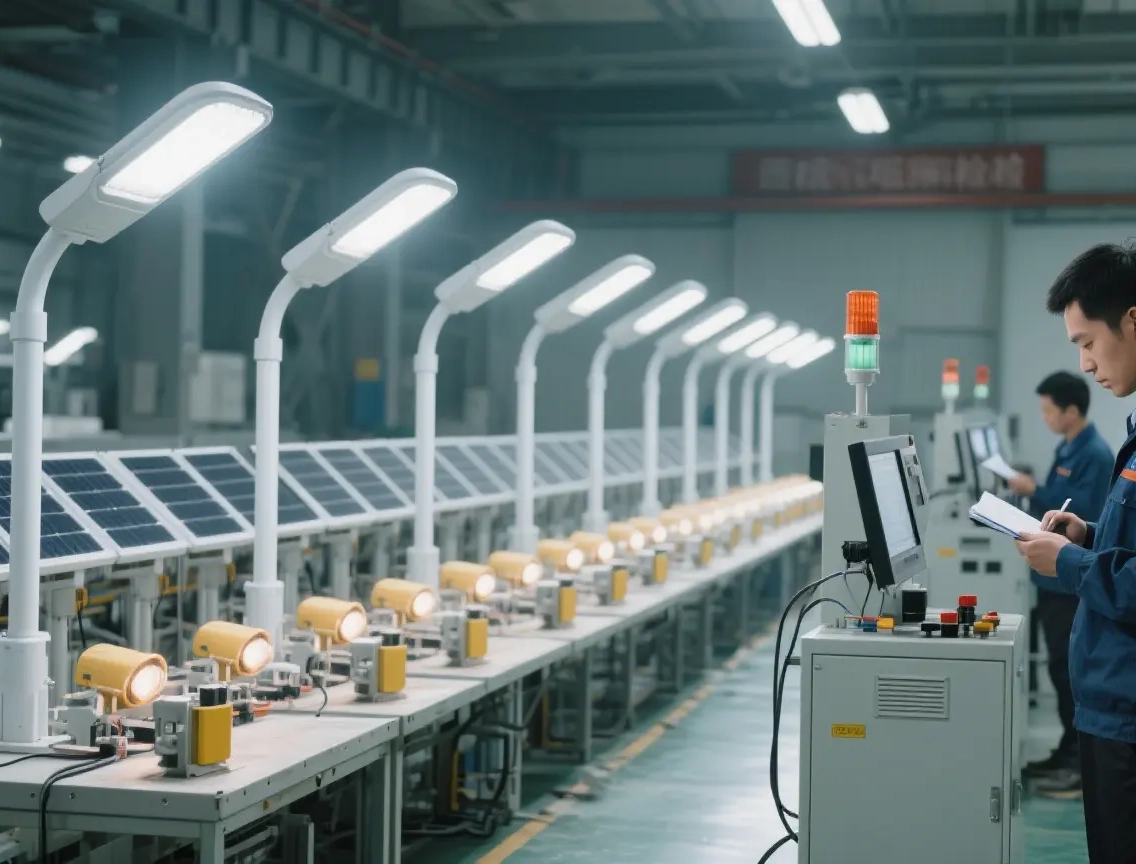
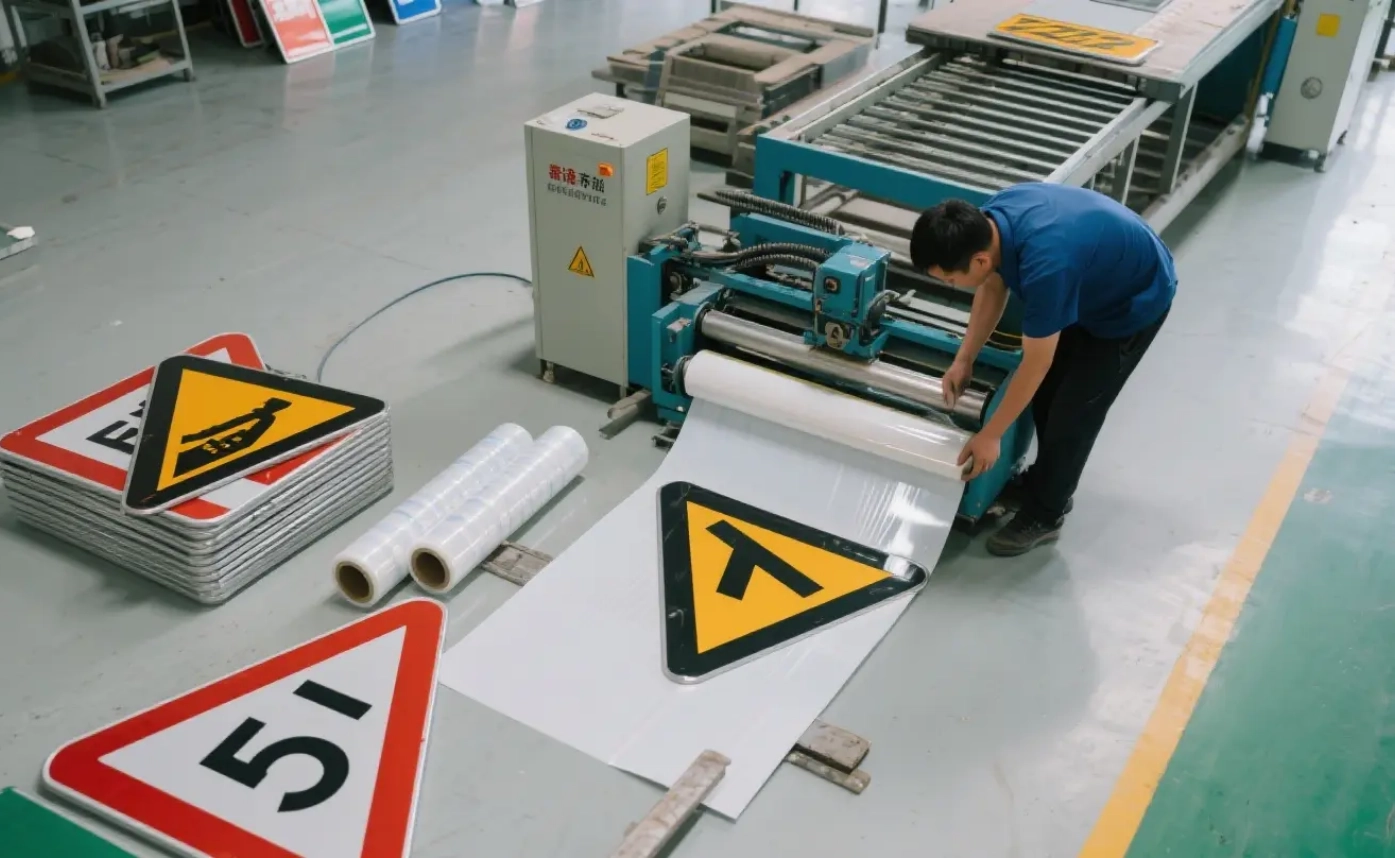
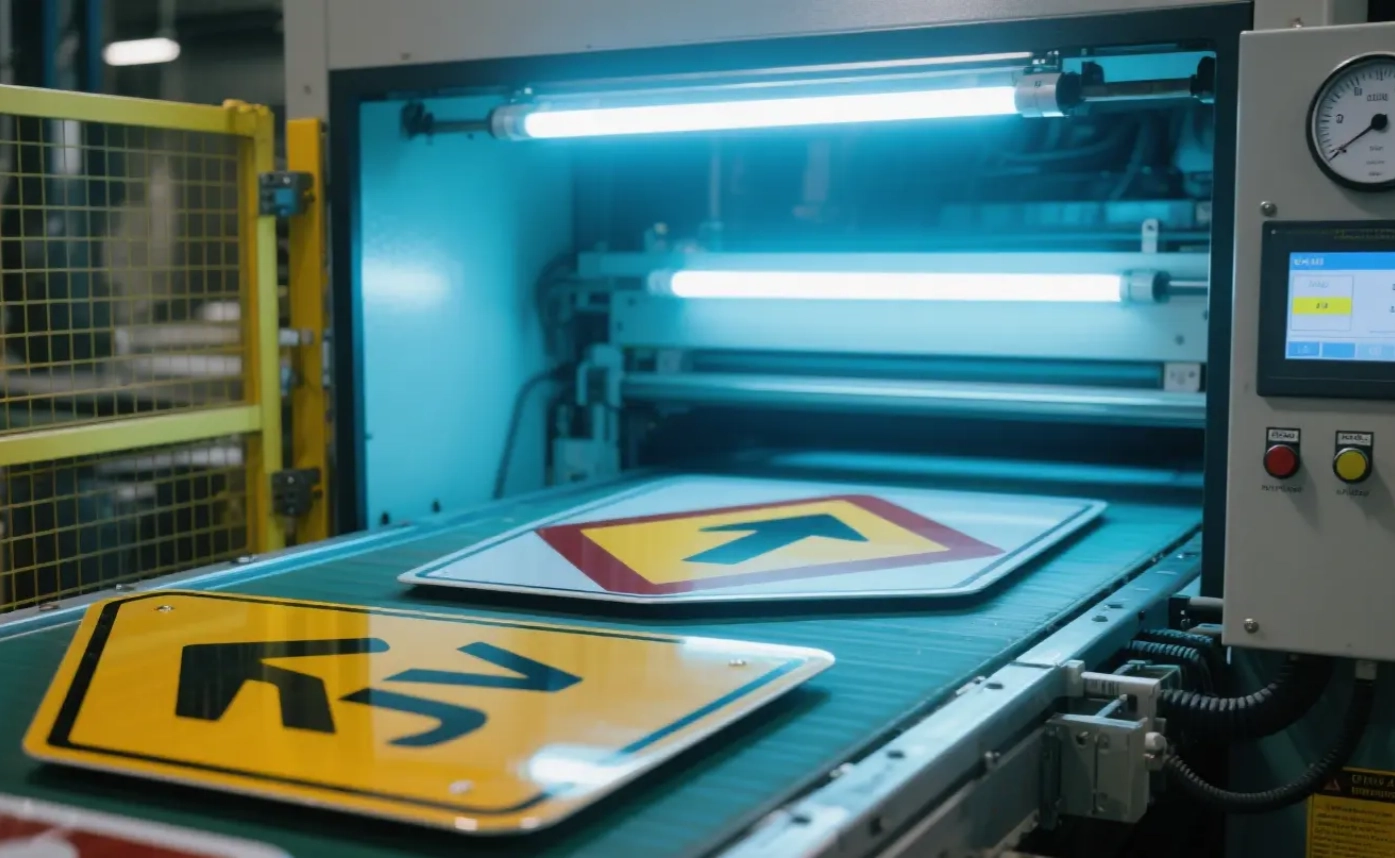
Our industrial production base is equipped with a complete set of advanced manufacturing, assembly, and photometric testing systems to guarantee precision engineering at scale:
• Automated LED Encapsulation Production Lines
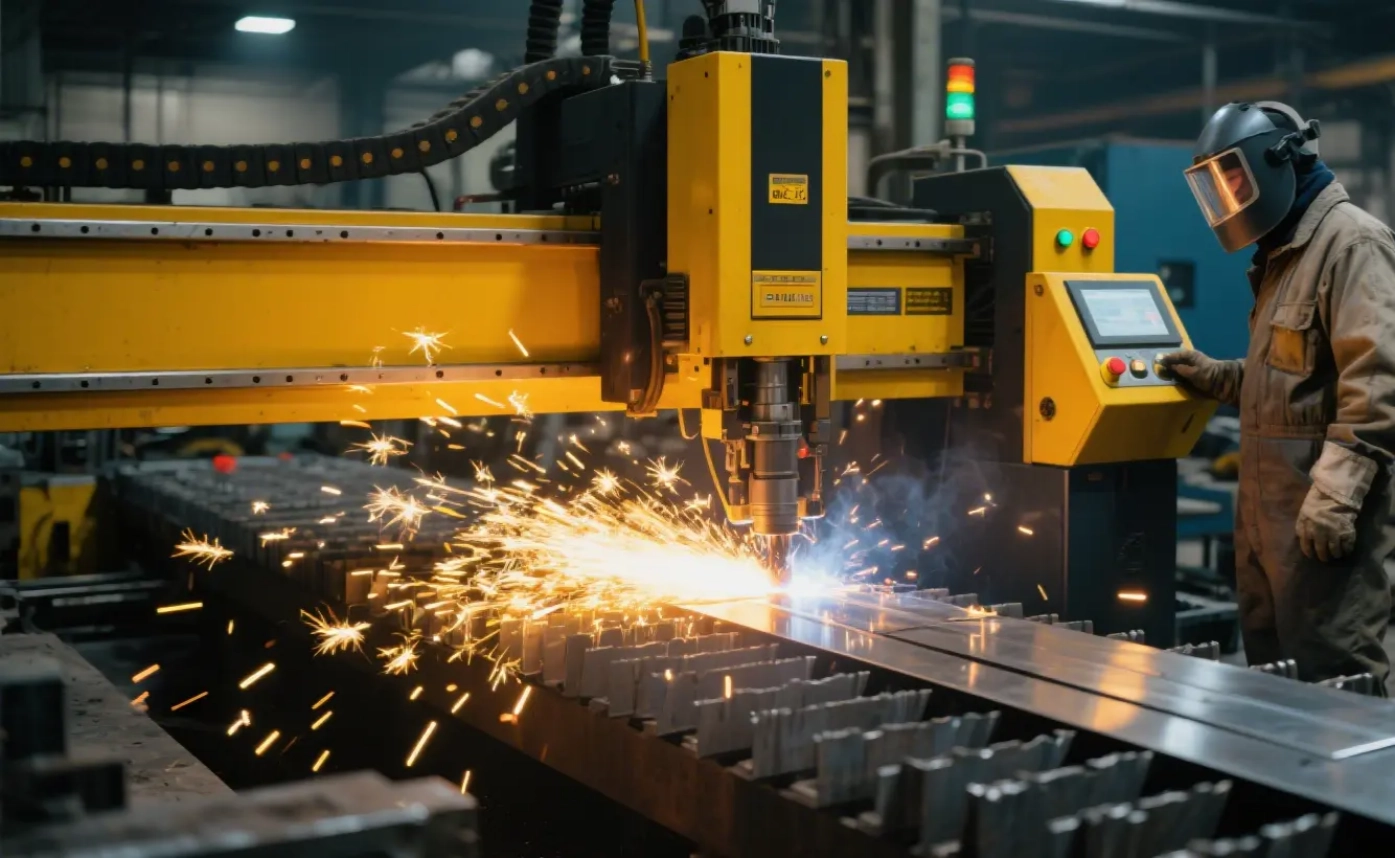
• High-Precision CNC Laser Cutting Machinery
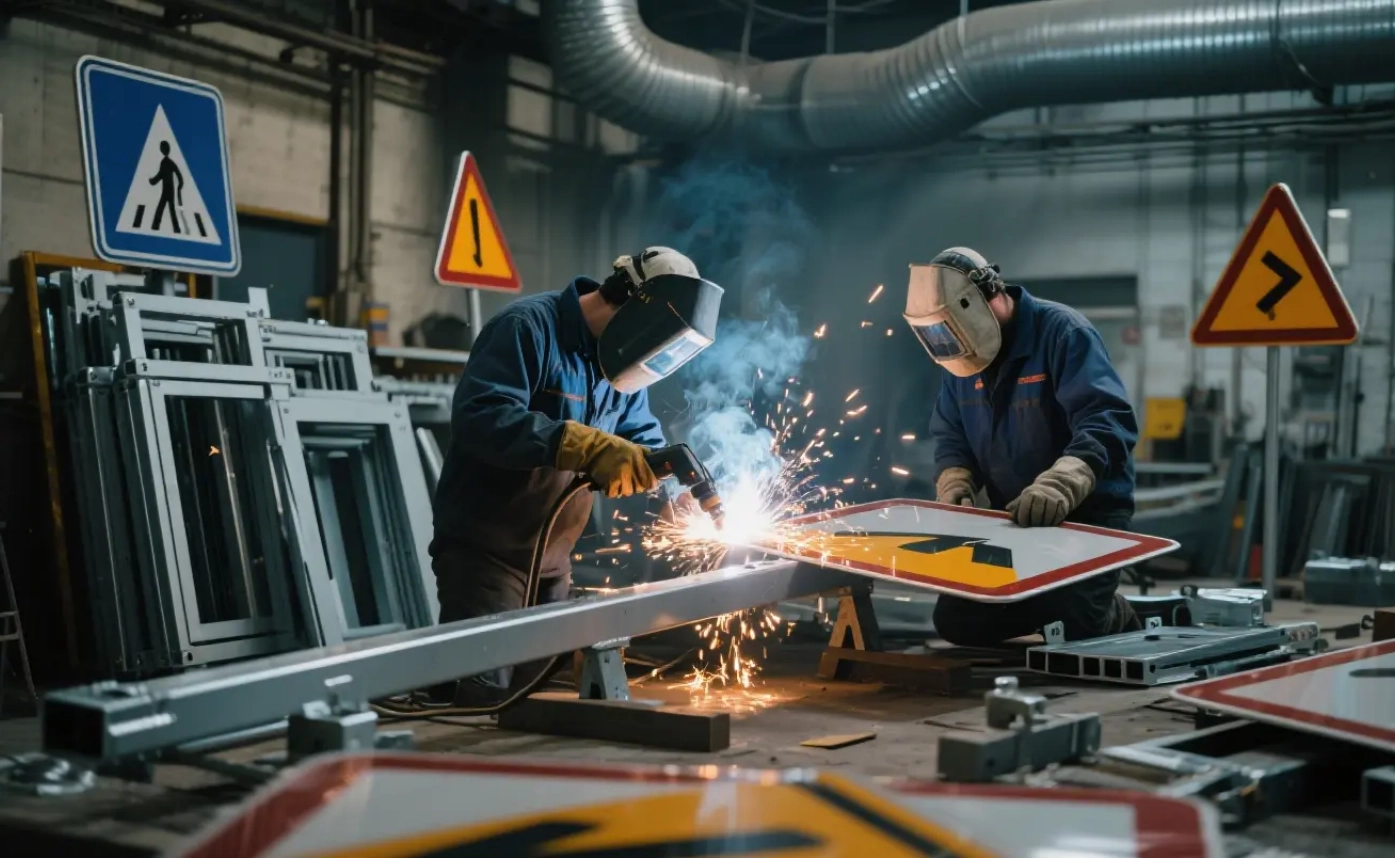
• Robotic Welding Systems
• SMT (Surface-Mount Tech) Assembly Lines
• Automatic Die-Casting Machinery
• Professional Powder Coating Production Lines
Complementing our assembly hardware is our Advanced Photometric and Optical Testing Equipment (including goniophotometers and integrating spheres). These modern facilities enable us to maintain peak production efficiency while ensuring stable, long-term performance. Every product undergoes strict quality inspection procedures, from raw material selection to final assembly, burn-in stress tests, and photometric distribution verification.
Visual Inspection of Our Standardized Manufacturing & Assembly Steps
Why Leading Enterprise Sourcing Managers Select Jiangsu Lukas Lighting
With highly optimized automated production lines and robotic welding equipment, we easily accommodate high-volume municipal tenders and complex OEM/ODM projects with fast turnarounds and rigid adherence to specification standards.
Our quality control infrastructure is certified under ISO9001 international standards. Furthermore, our continuous R&D programs have generated multiple patents across mechanical luminaire structures, specialized optics, and intelligent thermal control.
We deliver complete, end-to-end solutions spanning original product concept design, tooling & mold development, functional prototyping, mass production, quality inspection, and international logistics—eliminating middleman markups for superior cost efficiency.
We continually pioneer energy-saving LED drivers, solar hybrid smart controllers, and interconnected IoT modules that directly advance global carbon reduction initiatives and support smart city infrastructure projects worldwide.
Targeted Deployments of Intelligent Control Infrastructure Across Sectors
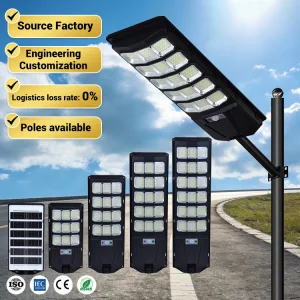
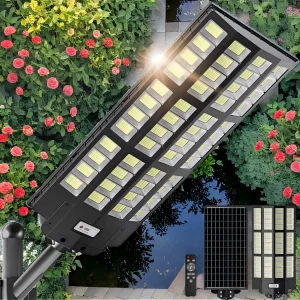
Integrating 7-pin NEMA or Zhaga book 18 sockets into high-output solar and grid-tied streetlights. Controllers auto-adjust lumen output based on real-time traffic volume and microwave radar sensing, cutting municipal power loads by over 60%.
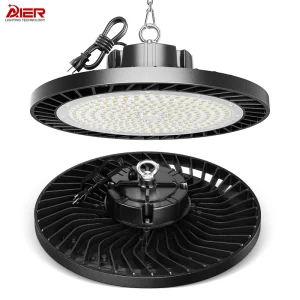
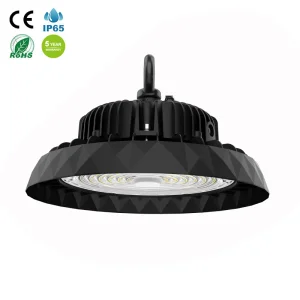
Deploying UFO LED High Bays integrated with dynamic PIR and microwave occupancy sensors. Dynamic zone dimming ensures fixtures operate at full brightness only when forklifts or personnel are active in specific warehouse aisles.
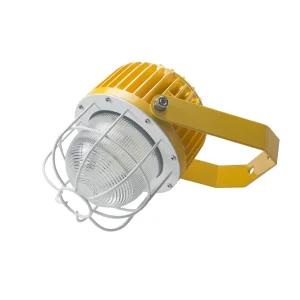
Equipping oil refineries, chemical plants, and processing facilities with heavy-duty explosion-proof luminaires featuring isolated, potted control drivers rated for extreme thermal fluctuations and volatile ambient atmospheres.
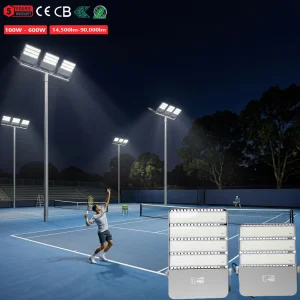
Precision control via DMX512/RDM controllers driving high-power 2000W stadium floodlights. High-frequency PWM drivers eliminate flicker during slow-motion 4K/8K television broadcasts.
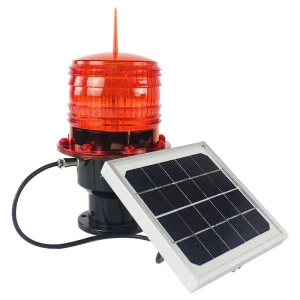
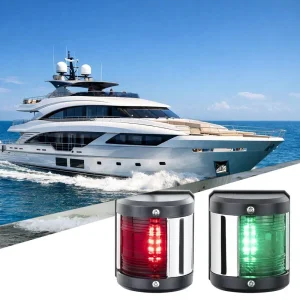
Solar-powered obstacle lights and marine navigation beacons with autonomous daylight sensing and GPS flash synchronization to safeguard air and maritime navigation around towers, chimneys, and coastal ports.
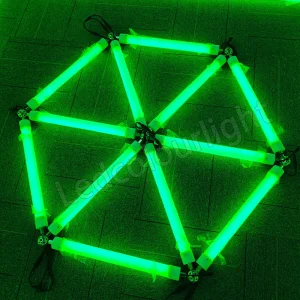
Dynamic RGB pixel tube drivers and DMX-addressable floodlights for urban landmark illumination, allowing centralized software scheduling of decorative dynamic light shows.
Technical & Procurement Insights for Enterprise Sourcing Officers
High-Power Sports Floodlights, Hazardous Area Luminaires & Specialized Controllers
 Lukas Lighting