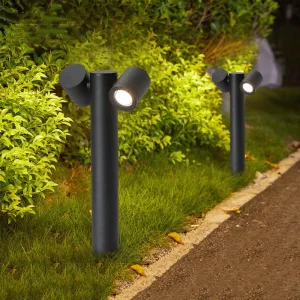
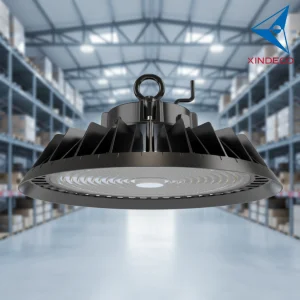
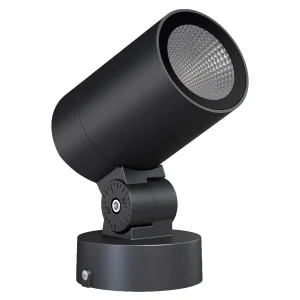
Engineered to meet rigorous global standards, our core product lineup combines advanced optical controls, structural robustness, and sustainable energy efficiency.
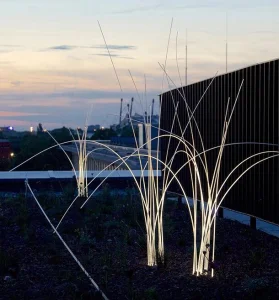
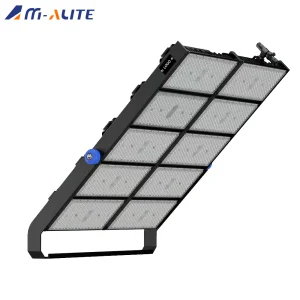
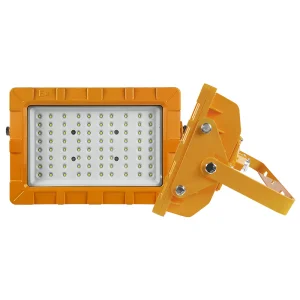
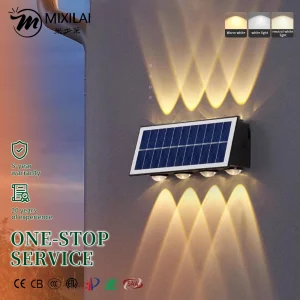
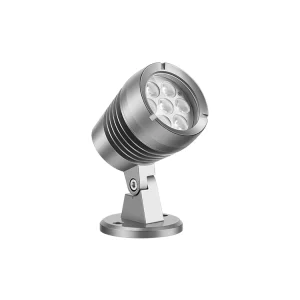
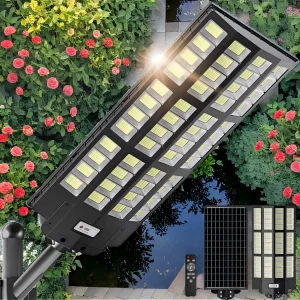
The commercial outdoor lighting landscape is experiencing a paradigm shift. Globally, developers, municipal agencies, and industrial conglomerates are replacing grid-tied lighting architectures with independent, renewable-powered systems. Under corporate ESG (Environmental, Social, and Governance) policies and the European Green Deal, procurement agents prioritize low-carbon footprints, high luminous efficacy, and minimized operational expenses. Solar garden lights have evolved from mere aesthetic additions to core infrastructural assets, providing reliable safety illumination for public parks, campus pathways, parking bays, and multi-residential assets.
For volume B2B buyers, sourcing compliant equipment is a risk mitigation strategy. Non-compliant imports often suffer from early battery degradation, poor ingress protection (IP) failures under extreme weather conditions, and low-efficiency PV (Photovoltaic) conversion. Achieving CE Certification is not simply a regulatory hurdle; it represents a benchmark for electrical safety (LVD), electromagnetic compatibility (EMC), and photobiological safety. When procuring at scale, engineering firms examine thermal management protocols, battery management system (BMS) logic, and certified wind resistance data to ensure a lower Levelized Cost of Energy (LCOE) and maximum longevity.
Information Gain Insight: The true cost of solar landscape lighting is not the initial CapEx, but the lifecycle OpEx. Systems without integrated MPPT (Maximum Power Point Tracking) controllers and temperature-compensated LiFePO4 batteries exhibit up to a 60% degradation in autonomy during winter cycles, necessitating early system replacement.
CE Certification confirms that products conform to safety, health, and environmental protection standards for the European Economic Area (EEA). At Jiangsu Lukas Lighting, our solar luminaire designs undergo strict verification processes to satisfy multiple directives:
Specifies safety requirements for fixed general purpose luminaires, ensuring insulation resistance and structural integrity.
Evaluates the photobiological safety of lamps and lamp systems, classifying potential blue-light hazards to eyes and skin.
Ensures that the electronic components (charge controllers, sensors) do not emit excessive electromagnetic interference.
Certifies complete protection against dust ingress and high-pressure water jets, critical for coastal and high-precipitation environments.
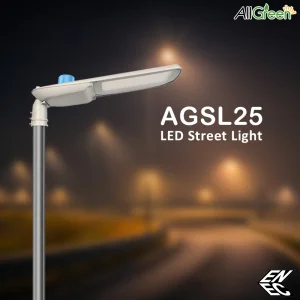
Modern smart city integration requires that solar lighting platforms act as node devices. We provide municipal-grade street and park lighting architectures featuring advanced components designed to perform in sub-optimal solar conditions:
Every geographic market exhibits unique solar insolation patterns and wind load demands. Jiangsu Lukas Lighting specializes in tailoring engineering solutions:
Poles and brackets built to withstand Category 12 Typhoons through advanced FEM modeling and high-grade Q235 steel.
Self-heating battery chambers designed for Northern European and Canadian winter conditions, preventing cold-temperature lithium plating.
Jiangsu Lukas Lighting Co., Ltd. was established in 1998 with a strong commitment to innovation, quality, and sustainability in the outdoor lighting industry. Over more than two decades of development, the company has grown into a professional manufacturer specializing in intelligent and energy-efficient street lighting solutions.
With continuous investment in research and development, Lukas Lighting has expanded its product portfolio to include LED street lights, solar street lights, smart lighting systems, landscape lighting, and customized municipal lighting solutions. Our products are widely used in urban roads, highways, industrial parks, residential communities, and public infrastructure projects across global markets.
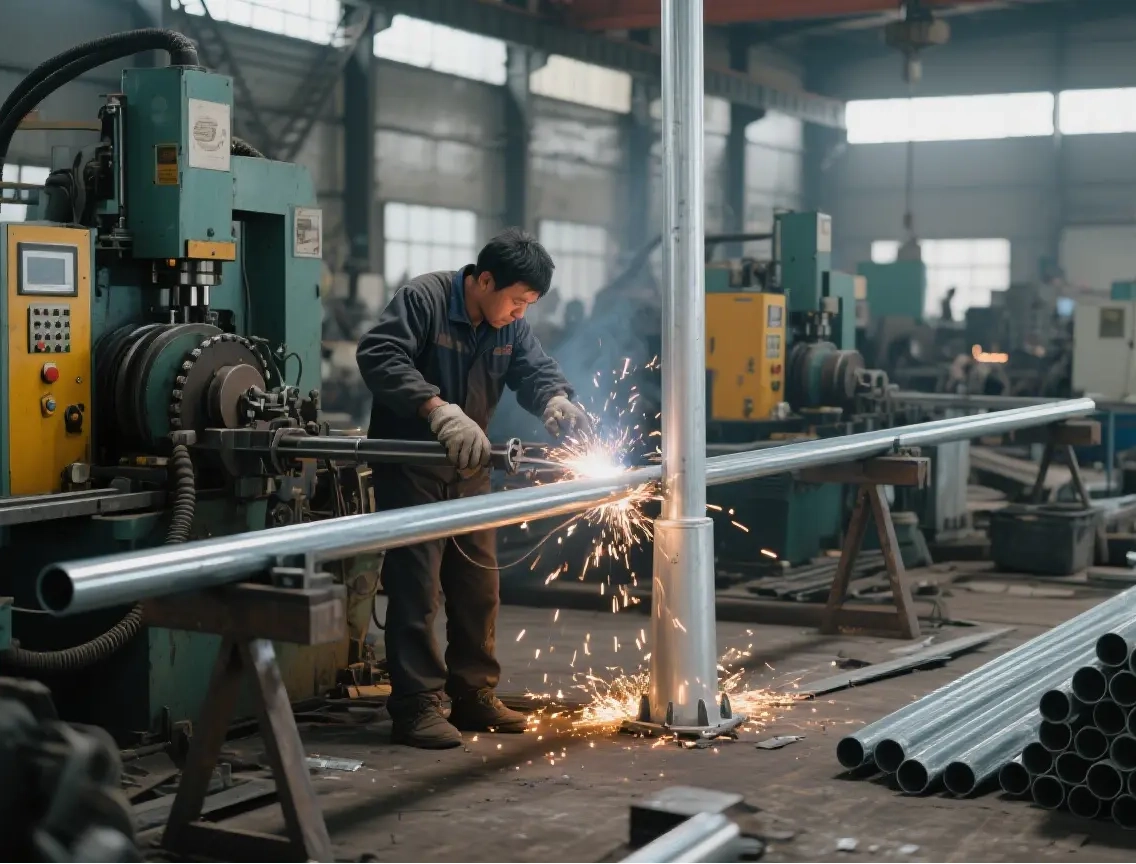
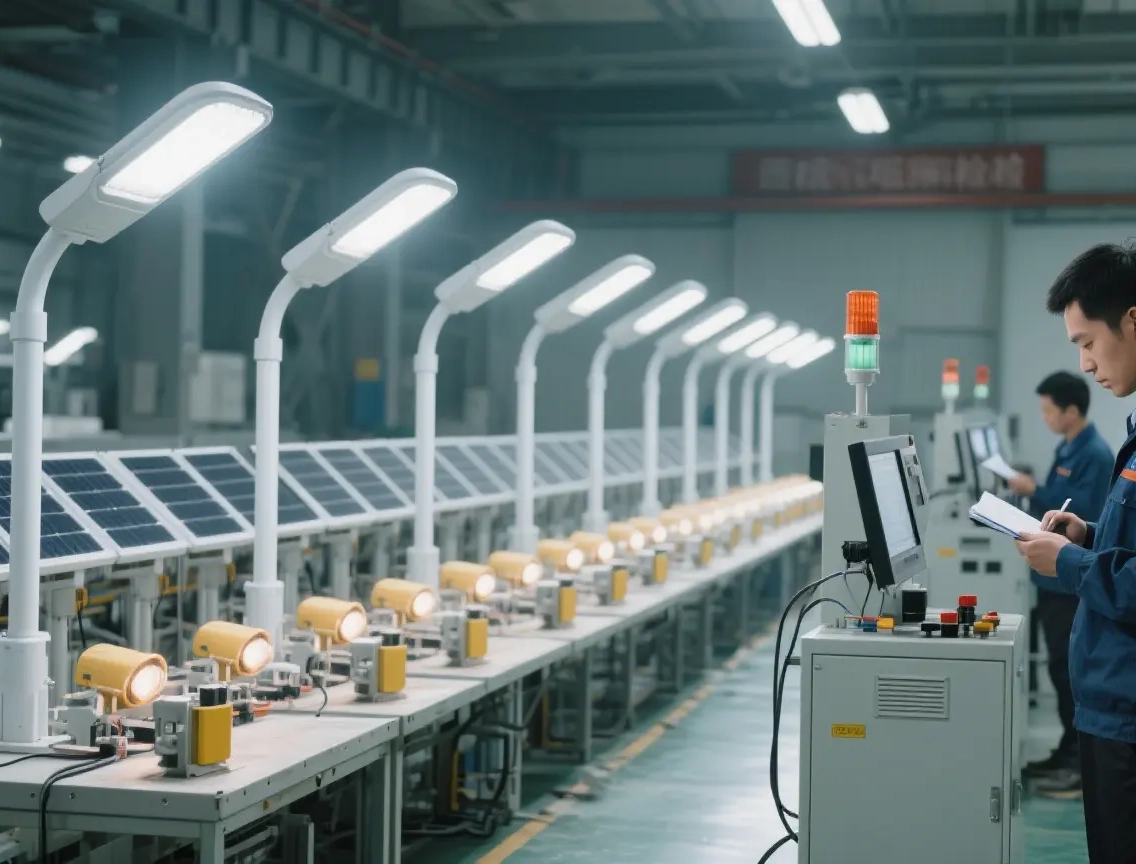
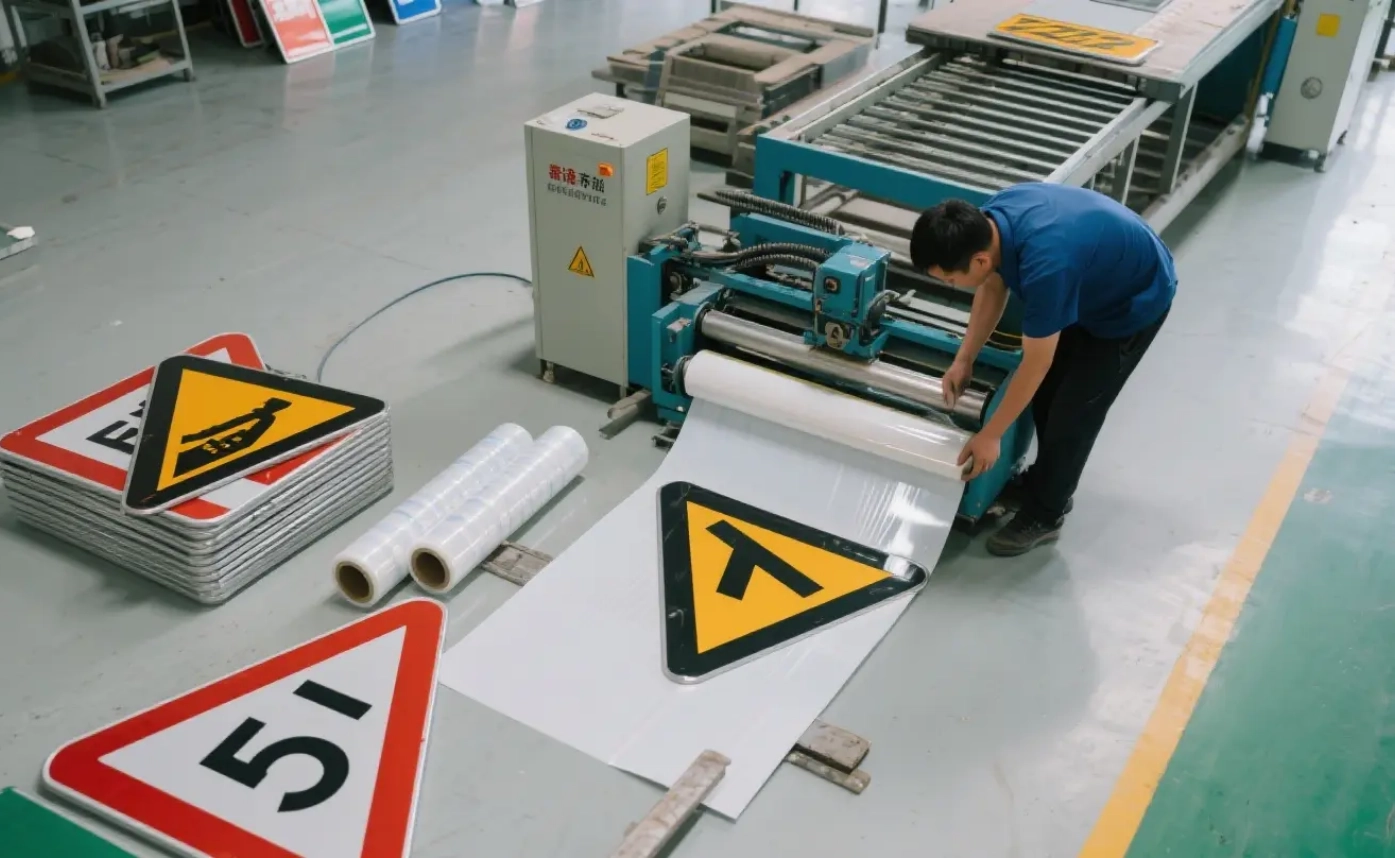
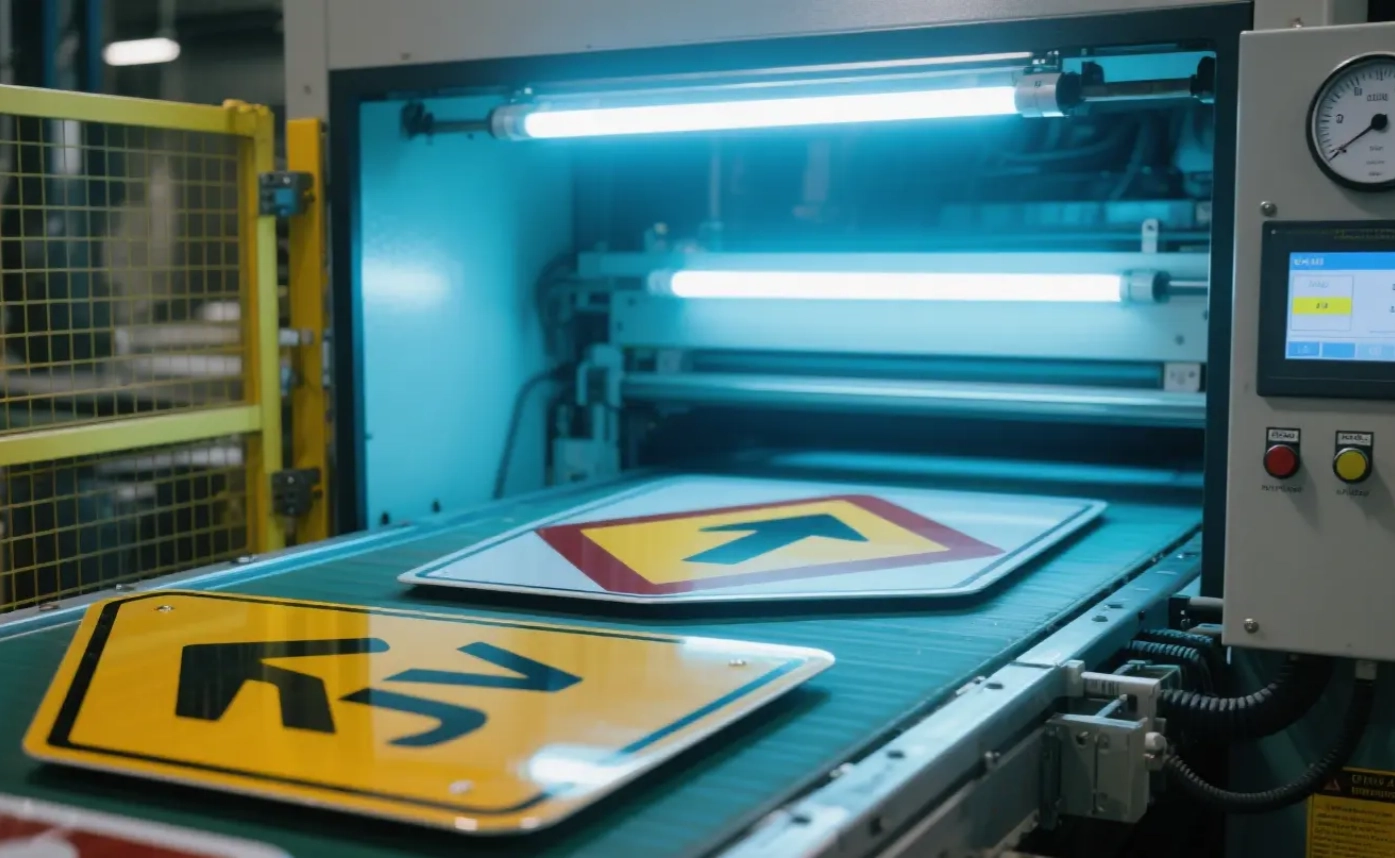
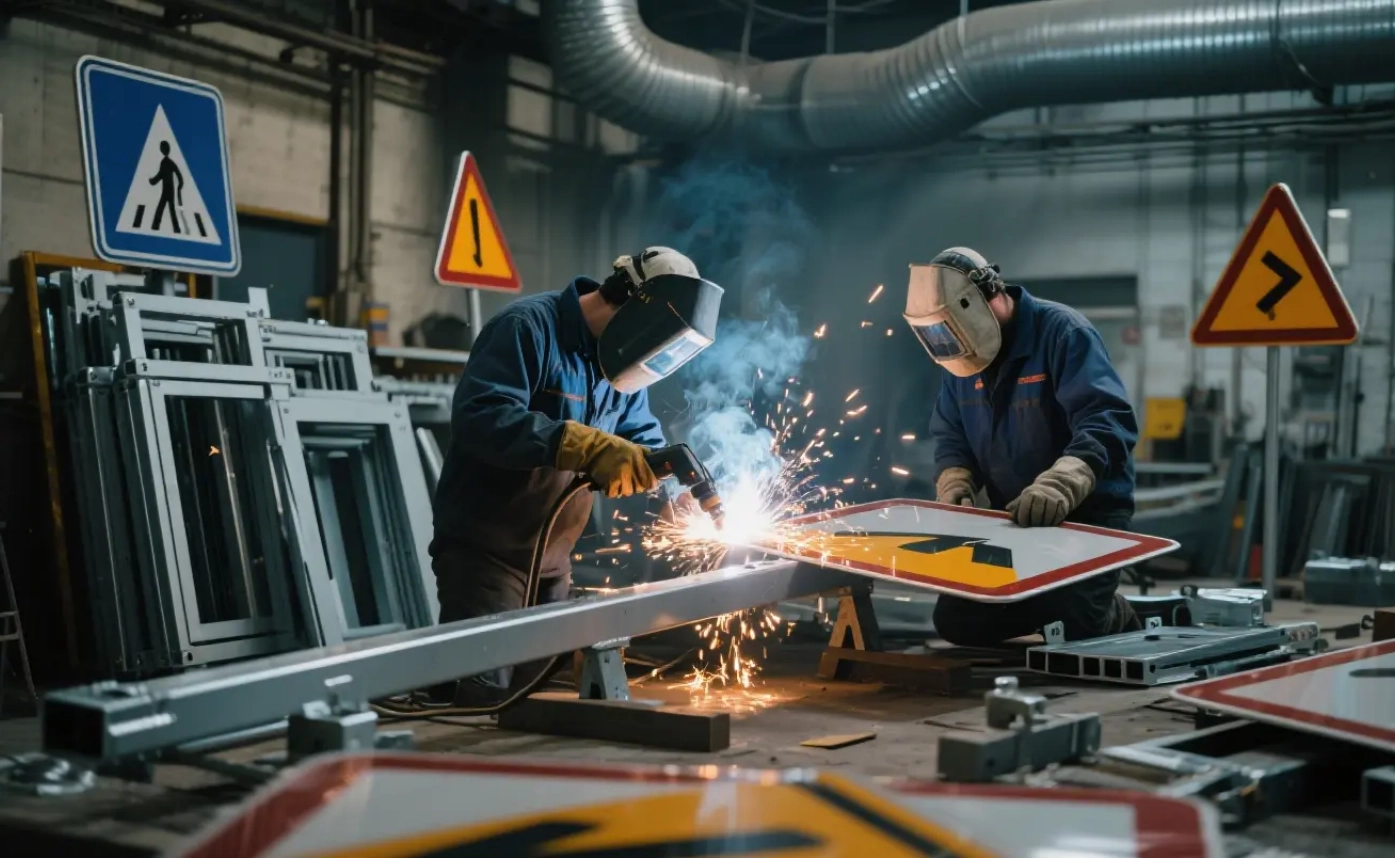
Located in Jiangsu, China, our modern production base covers an area of approximately 11,000 square meters. The facility is equipped with advanced manufacturing technologies and operated by a team of experienced engineers and skilled technicians. This ensures strict quality control, precision manufacturing, and efficient large-scale production capabilities.
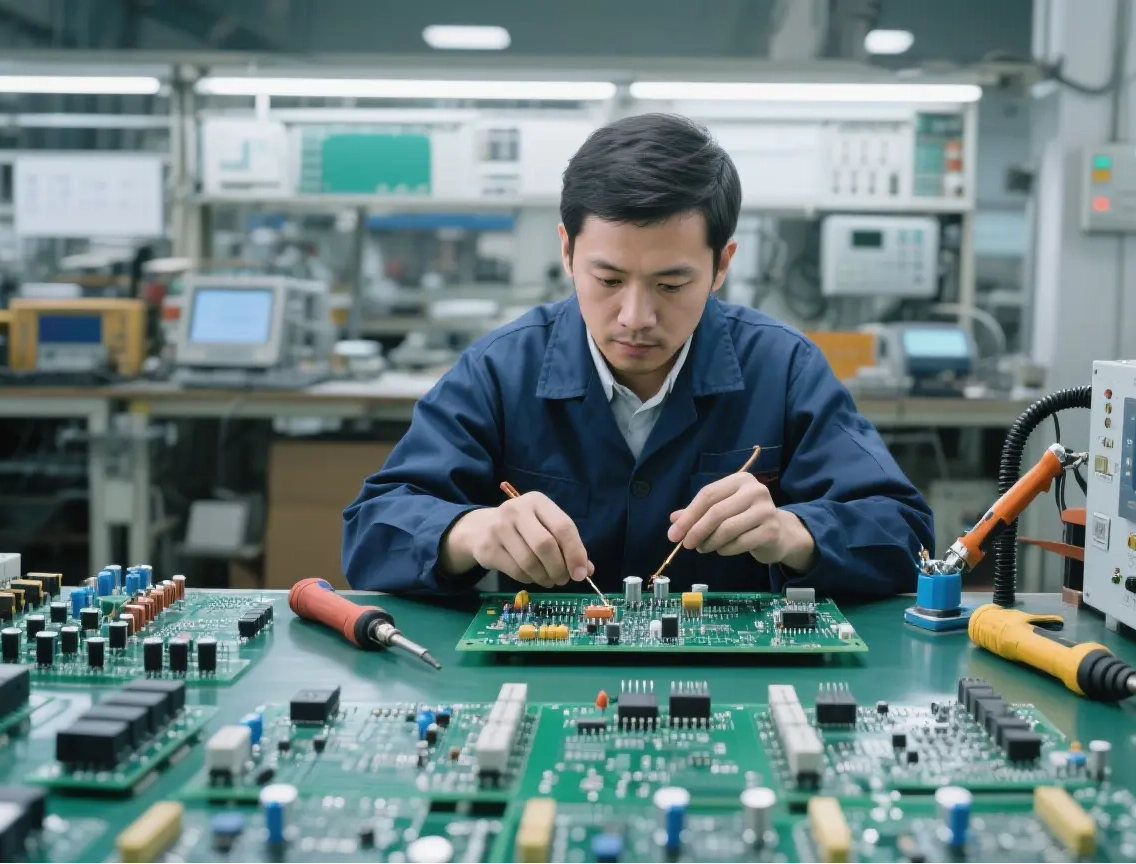
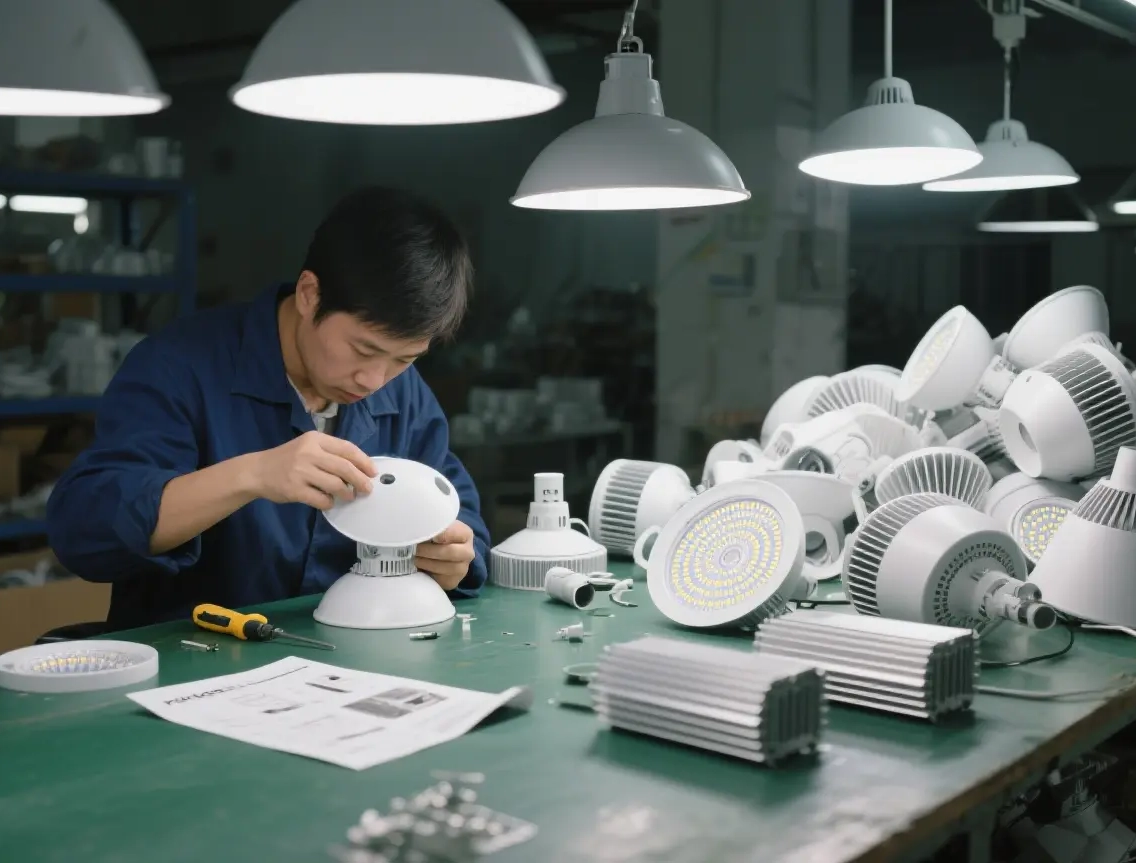
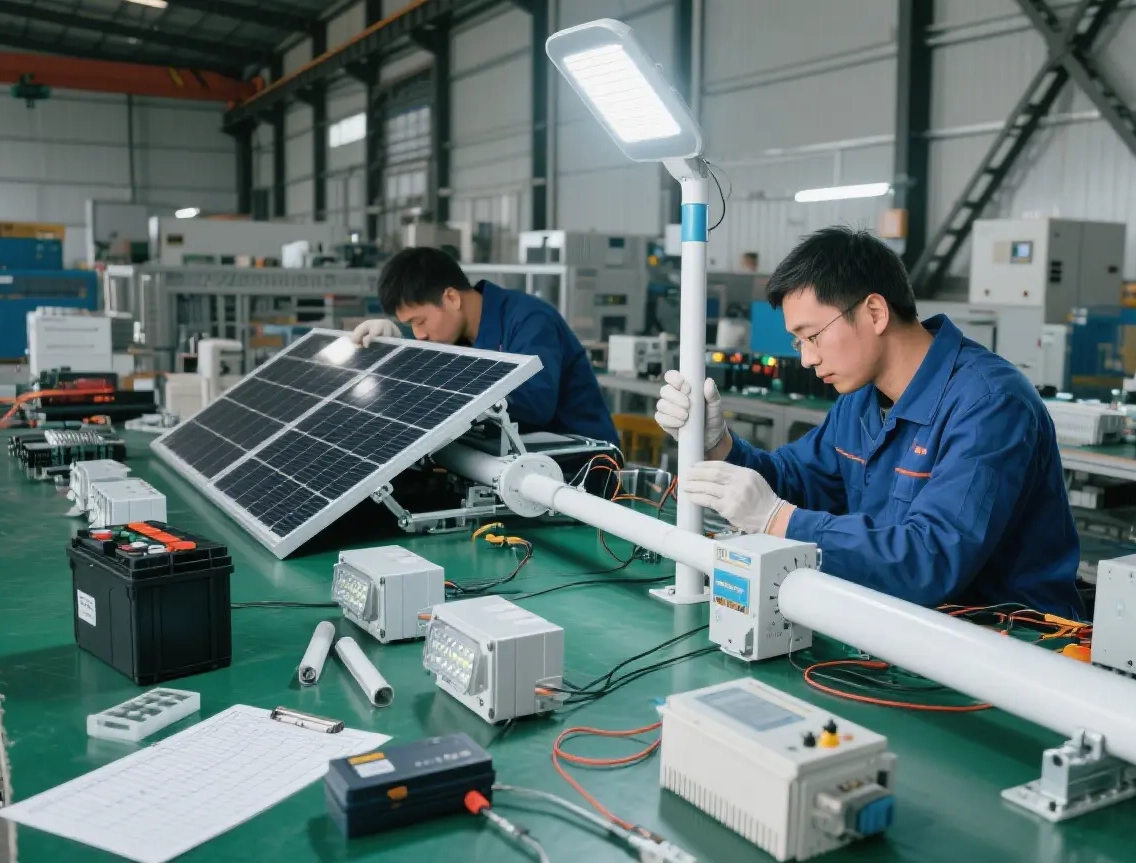
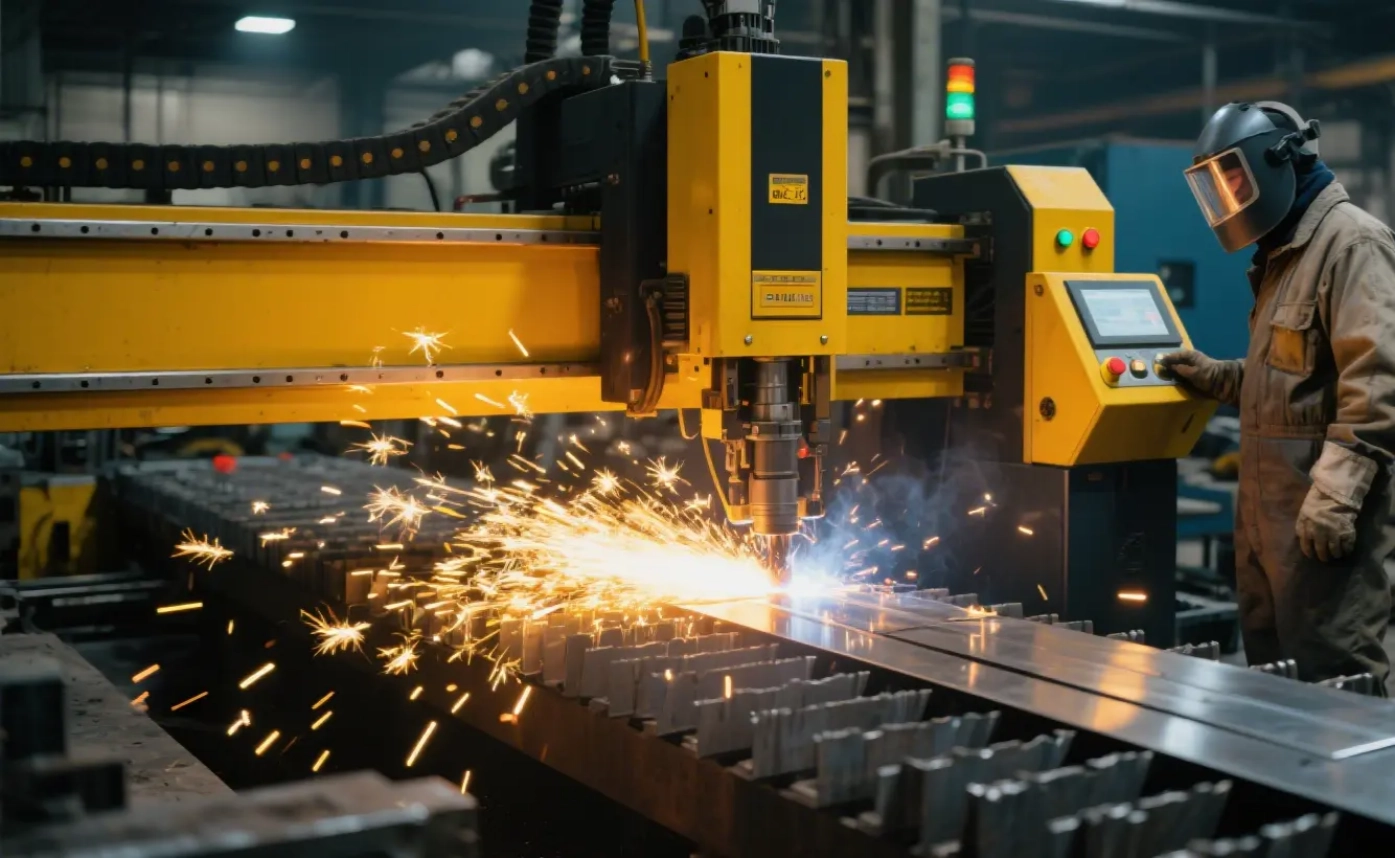
Our factory is equipped with a complete set of advanced production and testing systems, enabling us to maintain high production efficiency while ensuring stable and reliable product performance. Every product undergoes strict quality inspection procedures, from raw material selection to final assembly and lighting performance testing:
High-speed Surface-Mount Technology lines guarantee precise placement of LED diodes, maximizing thermal dissipation pathways.
Heavy-duty automatic die-casting and precision CNC laser cutting machines fabricate robust structural housings.
Advanced photometric and optical testing equipment verifies lumens output, color rendering index, and beam distribution.
Under our ISO9001 quality management framework, we control the entire assembly ecosystem to eliminate intermediate quality risks.
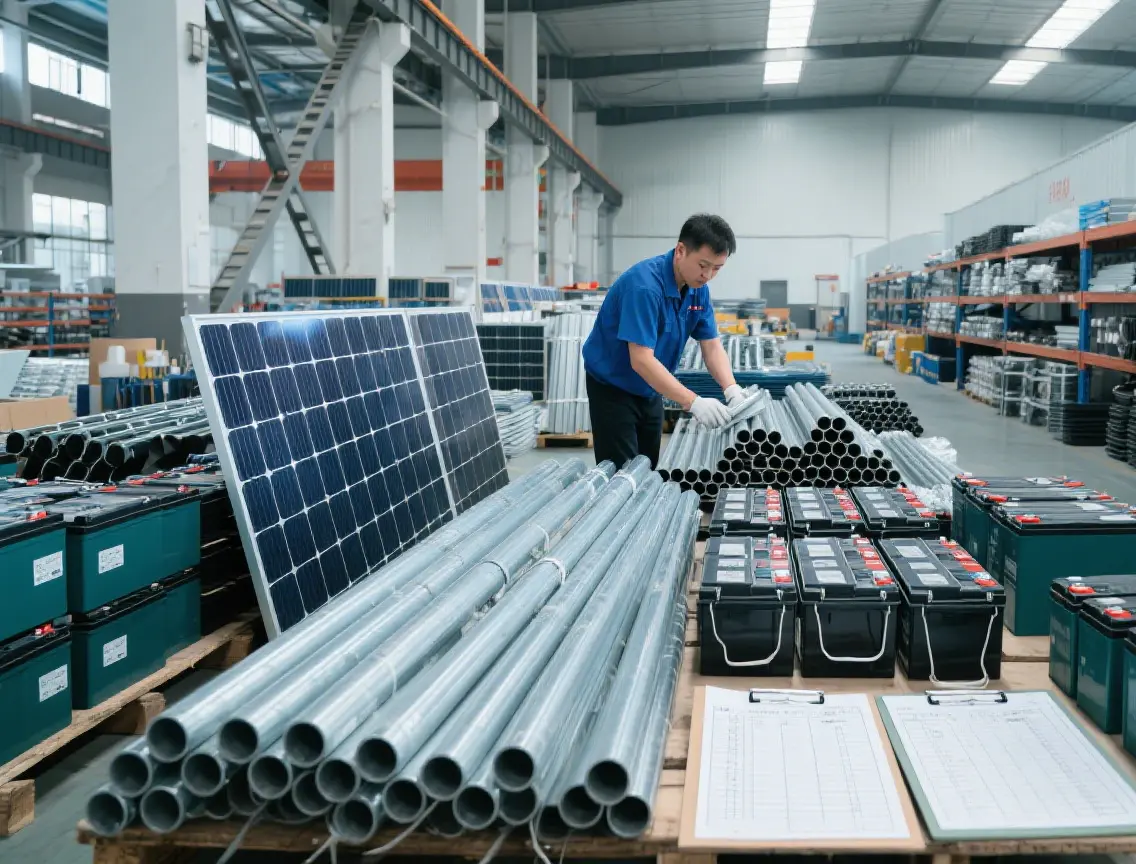
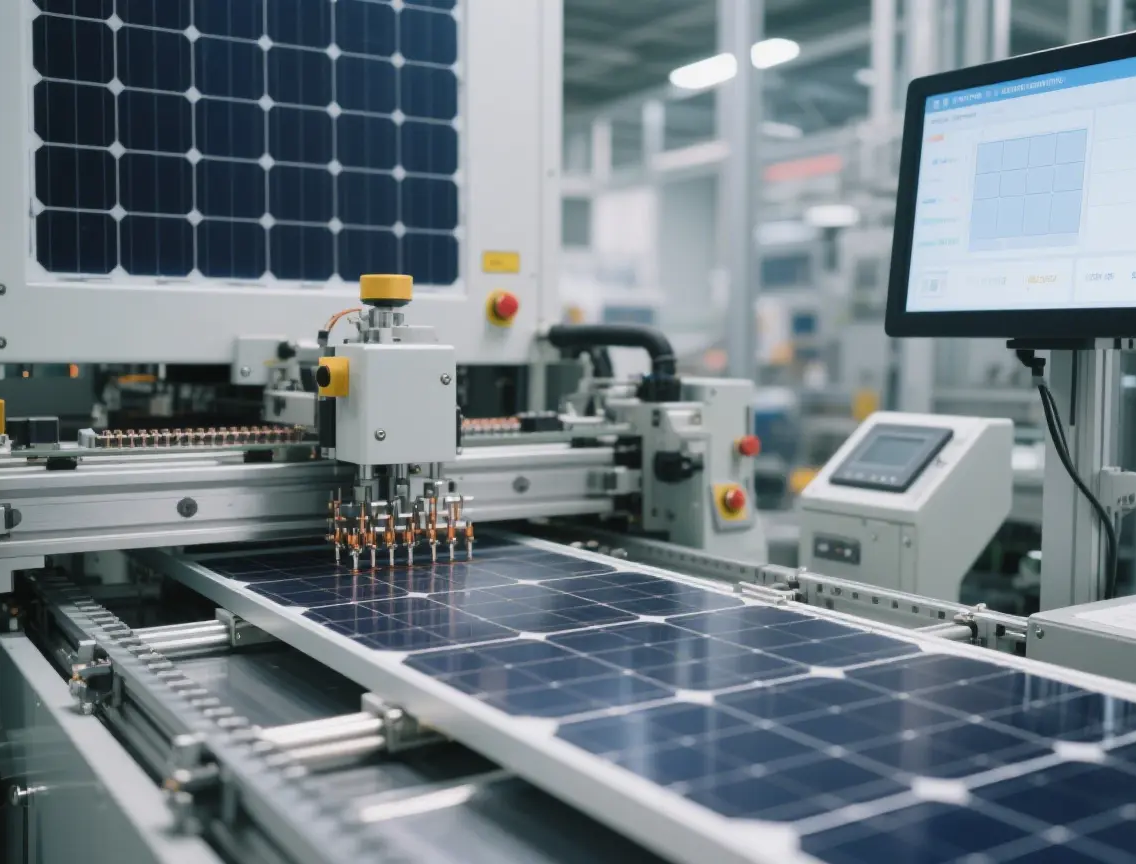
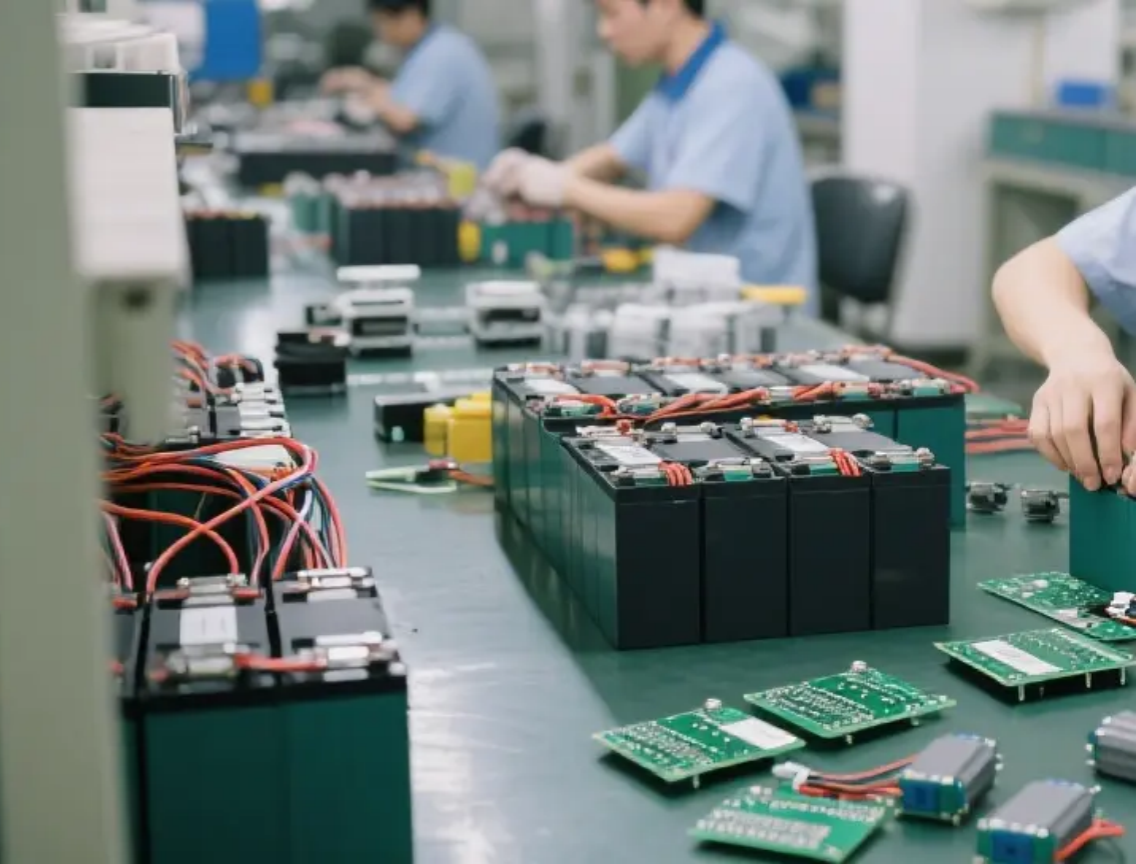
With over two decades of technical evolution, our operational benchmarks deliver distinct competitive advantages to global buyers.
With efficient production lines and advanced automation, we handle both high-volume orders and complex customized projects with precision and speed, operating from our 11,000㎡ plant.
We maintain a strict quality control system certified to ISO9001 standards. Our design portfolio is backed by multiple structural and optical patents, ensuring compliance in demanding markets.
We provide integrated OEM/ODM capabilities—from initial CAD layout, structural FEM simulations, optical distribution profiling, down to final production and global door-to-door delivery.
The future of solar garden lighting extends beyond basic illumination. IoT (Internet of Things) nodes are transitioning modern light fixtures into smart city sensors. With integration options like LoRaWAN, Zigbee, or NB-IoT, developers can manage light dimming profiles dynamically, read diagnostic codes remotely, and monitor battery levels in real time.
Our R&D pipeline focuses on integrating high-density perovskite solar cells with standard silicon wafers to achieve theoretical efficiency curves beyond 28%. Concurrently, we are implementing sodium-ion battery configurations for ultra-cold environments, ensuring green urban projects operating at sub-zero temperatures retain complete autonomy without grid fallback systems.
Practical technical insights to assist engineers, procurement officers, and project developers in making informed decisions.
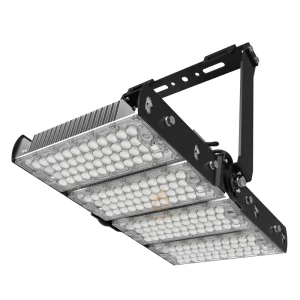
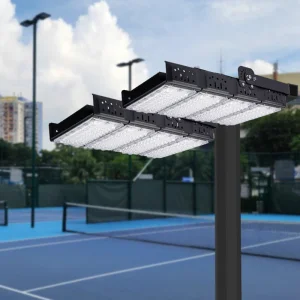
High-power systems engineered for extreme environments, ports, sporting arenas, and advanced architectural projects.
 Lukas Lighting