Why Do Oil and Gas Sites Need Explosion Proof Lighting?

Time:2026-09-17 Author:Charlotte
0%

Oil and gas facilities handle vapors that can ignite from a tiny electrical arc. A pump area may look calm, yet a leaking flange can create a hazardous atmosphere within seconds. This is why explosion-proof lighting protects more than visibility. It helps prevent equipment from igniting flammable gases, vapors, or dust during normal operation and foreseeable faults.

So, what are the explosion-proof lighting requirements for oil and gas sites? The answer depends on the classified area, gas group, temperature rating, installation method, and local regulations. Standards such as IEC 60079, IECEx, ATEX, NEC, and NFPA may apply differently by region. Fixtures should carry the correct hazardous-location certification and withstand corrosion, vibration, moisture, and temperature changes. Wiring, cable glands, junction boxes, and maintenance procedures must match the same classification.

John Cadick, an electrical safety engineer and author, states, “Electrical safety begins by controlling hazardous energy before it causes harm.” That principle fits every well pad, refinery, tank farm, and offshore platform. A sealed luminaire is not automatically suitable for every zone. That assumption can fail. Site surveys, gas detection records, and competent engineering reviews remain essential. Operators should also verify emergency lighting, inspection intervals, and replacement parts before installation. Small details matter. A damaged gasket near a loading arm may compromise protection when workers need it most. Good lighting supports safer decisions, but it cannot replace training, maintenance, or a complete hazardous-area assessment.
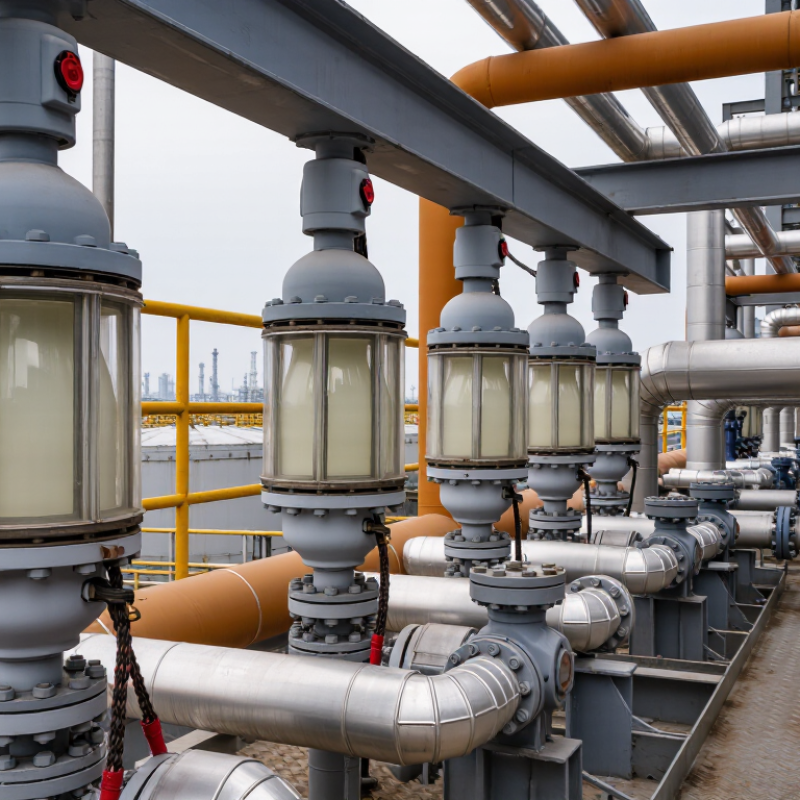
Why Do Oil and Gas Sites Need Explosion Proof Lighting?

How Oil and Gas Areas Become Hazardous: Methane’s 5% Lower Explosive Limit

Methane can turn an ordinary work area into a hazardous zone with little warning. Its lower explosive limit is about 5% by volume in air. Below that level, the mixture may not ignite easily. Near or above it, one small spark can create a fast-moving fire or explosion.

Gas may collect around wellheads, separators, tanks, compressors, and enclosed service areas. Poor ventilation makes the danger worse. A leaking flange can release an invisible cloud, while a light switch, damaged cable, or hot lamp surface may provide ignition. Explosion-proof lighting is designed to contain internal sparks and prevent hot components from igniting surrounding gas. It must also match the site’s hazardous-area classification and temperature requirements.

Lighting alone cannot make a gas site safe. Fixed gas detectors, ventilation, grounding, inspection, and controlled maintenance remain essential. During field checks, technicians should look for cracked lenses, loose fittings, corrosion, and overheated housings. A clean fixture can still have hidden wiring damage. That detail is easy to miss.

The 5% figure should never become a target. Gas concentrations can change quickly with wind, pressure, and equipment movement. A reading below the lower explosive limit may rise within minutes. Workers sometimes trust familiar equipment too much. That habit deserves another look, especially in poorly ventilated areas where methane can accumulate near ceilings.

Why Ordinary Lights Can Ignite Vapors: Arcs, Heat, and Sparks

Why Do Oil and Gas Sites Need Explosion Proof Lighting?

Oil and gas sites may contain vapors from crude oil, solvents, or fuel during routine operations. These vapors can collect around tanks, valves, pumps, and drainage points. Ordinary lights often contain switches, wiring joints, or internal contacts that create tiny arcs. A small spark can ignite a vapor cloud. Hot surfaces can also become an ignition source. Even a bright lamp can exceed the vapor’s safe temperature limit. The danger is not always visible. A clear-looking area may still contain a flammable mixture.

Explosion-proof lighting uses a certified enclosure to contain an internal ignition. It also limits flame paths and controls external surface temperatures. This design does not make explosions impossible. It reduces the chance that equipment will ignite the surrounding atmosphere. In field maintenance, poor installation can defeat good equipment. Damaged seals, loose covers, or incorrect cable entries create serious weaknesses. It is easy to overlook small defects. That deserves more attention.

Tips: Check the site’s hazardous-area classification before selecting a fixture. Match the equipment rating, temperature class, voltage, and ingress protection level. Inspect lenses, gaskets, terminals, and mounting points during scheduled maintenance. Keep vapors controlled through ventilation and leak prevention. Never assume a cool-looking lamp is safe. Confirm its surface temperature and certification records. Photographs help, but physical inspection remains essential.

How Explosion-Proof Fixtures Contain Ignition Under IEC 60079

Oil and gas sites may contain methane, hydrogen sulfide, or vapors from volatile liquids. A small electrical arc can ignite this atmosphere. Explosion-proof lighting reduces that risk by controlling ignition inside the fixture.

Under IEC 60079, a flameproof enclosure, marked Ex d, is designed to withstand an internal explosion. Its joints use carefully engineered flamepaths. These narrow paths cool escaping gases before they reach the surrounding atmosphere. The enclosure also resists internal pressure without splitting open. It does not prevent every internal fault. It contains the fault and limits flame transmission.

The fixture must match the hazardous area, gas group, and temperature class. Installation matters just as much. Technicians inspect threaded joints, cable glands, bolts, and damaged surfaces. Even a small gap or incorrect gland can undermine the protection concept. Heat from the lamp or driver must remain below the ignition temperature of nearby gases. Other IEC 60079 protection methods may apply, including increased safety or intrinsic safety, depending on the equipment design.

A label alone is not enough. Site conditions change, and maintenance teams sometimes treat a sealed enclosure like ordinary lighting. That is a weak point. Practical inspection should check corrosion, loose covers, missing fasteners, and unauthorized repairs. Certification documents should also match the installed model and hazardous-zone requirements. The standard provides a disciplined framework, but safe performance still depends on correct selection, installation, and inspection.

Why Do Oil and Gas Sites Need Explosion-Proof Lighting?

Under IEC 60079, the maximum surface temperature of equipment must remain below the ignition temperature of the surrounding gas or vapor. The chart shows the temperature limits defined by the six IEC temperature classes.

Lower temperature classes provide stricter thermal control. Explosion-proof lighting fixtures are designed to prevent internal ignition from escaping and to keep external surfaces within the permitted temperature class for the hazardous location.

Matching Lighting to Risk: NEC Class I, Division 1 and Zone 1

Why Do Oil and Gas Sites Need Explosion Proof Lighting?

In oil and gas facilities, lighting can become an ignition source near tanks, separators, loading points, and process equipment. A minor fault inside a fixture may create a spark or hot surface. Explosion-proof lighting is designed to contain an internal ignition and prevent flames from reaching the surrounding atmosphere.

The correct choice depends on the classified area. Under the NEC, Class I, Division 1 describes locations where flammable gases or vapors may exist during normal operations or maintenance. Zone 1 identifies areas where an ignitable gas atmosphere is likely during normal operation or may exist frequently. These classifications are related, but they are not interchangeable.

Lighting must match the area classification, gas group, temperature class, voltage, and installation method. A fixture suitable for one location may be unsafe in another.

Tips: Review hazardous-area drawings before selecting equipment. Confirm markings on every fixture, junction box, and cable entry. Use qualified personnel for installation and inspection. Keep lenses clean, because oil film and dust can increase surface temperature.

One overlooked detail can matter. A site survey may also need updating after equipment changes, ventilation problems, or repeated vapor releases. Paperwork alone is not enough; field conditions can challenge the original classification.

Performance Requirements: IP66 Enclosures and T-Class Temperature Limits

Oil and gas sites need explosion-proof lighting because a small spark can ignite leaked vapor. The enclosure must contain an internal ignition and prevent flame transmission. Performance, however, depends on more than a rugged housing.

IEC 60529 defines IP66 as dust-tight protection and resistance to powerful water jets. This matters around drilling floors, loading bays, and washdown areas. Fine dust can block heat transfer, while water can damage seals and terminals.

A proper inspection checks the gasket, cable glands, drain points, and lens for cracks. One overlooked gland can weaken the whole protection system.

Temperature classification is equally important. IEC 60079-0 sets T1 at 450°C, T2 at 300°C, T3 at 200°C, T4 at 135°C, T5 at 100°C, and T6 at 85°C maximum surface temperature. Many hydrocarbon environments require T4 or lower, depending on the gas and area classification.

NFPA 70, 2023 edition, also requires equipment selection to match the classified location. The IOGP Safety Performance Indicators report treats ignition control as part of process safety performance, not merely electrical maintenance.

That distinction is useful. A bright fixture is not automatically a safe fixture. Ambient heat, blocked ventilation, voltage variation, and aging seals can change real performance. Specifications may look complete, yet site conditions still deserve a second review.

FAQS

Why can methane make an ordinary work area hazardous?

Methane becomes dangerous near 5% by volume in air. One small spark may start rapid ignition. The cloud can be invisible.

Where can gas collect at an oil and gas site?

Gas may gather near wellheads, tanks, separators, compressors, and enclosed service areas. Poor ventilation increases accumulation.

How can ordinary lighting ignite flammable vapors?

Switches, wiring joints, and internal contacts may create tiny arcs. Hot lamp surfaces can also ignite nearby vapors.

What does explosion-proof lighting actually do?

It contains internal ignition and controls external surface temperatures. It reduces risk, but it cannot make the whole site safe.

What should workers inspect on hazardous-area lighting?

Check lenses, gaskets, cable entries, terminals, covers, and mounting points. Look for cracks, corrosion, loose fittings, and heat damage.

How should lighting be selected for a hazardous location?

Confirm the area classification, temperature class, voltage, and ingress protection level. Certification records should match site requirements.

Is a gas reading below 5% always safe?

No. Gas levels can rise within minutes because of wind, pressure, or equipment movement. The 5% figure is not a target.

What other controls are needed besides specialized lighting?

Use fixed gas detection, ventilation, grounding, leak prevention, inspection, and controlled maintenance. Lighting alone is not enough.

Why can a clean-looking fixture still be dangerous?

Hidden wiring damage may remain inside. A tidy surface proves little. That detail is easy to miss.

What common assumption deserves reconsideration?

Familiar equipment can create false confidence. Workers should verify its condition, temperature, installation, and certification each time.

Conclusion

Oil and gas sites can quickly become hazardous because leaked methane and other flammable vapors may mix with air and form an ignitable atmosphere. Methane has a lower explosive limit of approximately 5% by volume, meaning even a relatively small concentration can create serious risk. Ordinary lighting may produce electrical arcs, hot surfaces, or sparks during switching and operation, potentially igniting these vapors. This is why understanding what are the explosion-proof lighting requirements for oil and gas sites is essential for safe facility design.

Explosion-proof fixtures are engineered to prevent an internal ignition from spreading into the surrounding atmosphere, following the principles of IEC 60079. Lighting must match the site’s hazard classification, such as NEC Class I, Division 1 or Zone 1, where flammable gases may be present during normal operations or foreseeable failures. In addition, robust IP66 enclosures help protect against dust and powerful water jets, while T-class temperature limits ensure fixture surfaces remain below the ignition temperature of nearby gases. Together, these requirements support reliable illumination and safer operations in demanding environments.

Charlotte

Charlotte

Charlotte is a seasoned marketing professional with a deep understanding of the company's portfolio and a passion for elevating its presence in the market. With a keen eye for detail and a commitment to excellence, she ensures that our professional blog is regularly updated with insightful articles......