Understanding pedestrian safety is vital for urban planning. One crucial aspect is the visibility of crossing signals. Drivers and pedestrians alike rely on these signals for safe navigation. However, confusion often arises regarding what is the standard visibility distance for a pedestrian crossing signal.
The visibility distance varies based on several factors. These can include road type, speed limits, and environmental conditions. In urban areas, signals need to be easily seen from a distance. Yet, some signals might not meet the required visibility standards, leading to accidents. This inconsistency raises concerns about pedestrian safety.
Improving signal visibility is essential. Local authorities should assess current signals to ensure compliance with best practices. Proper placement, height, and brightness can significantly enhance visibility. Continuous evaluation and updates to traffic signals are necessary to adapt to changing conditions. Ensuring safety on our roads is an ongoing responsibility for everyone involved.
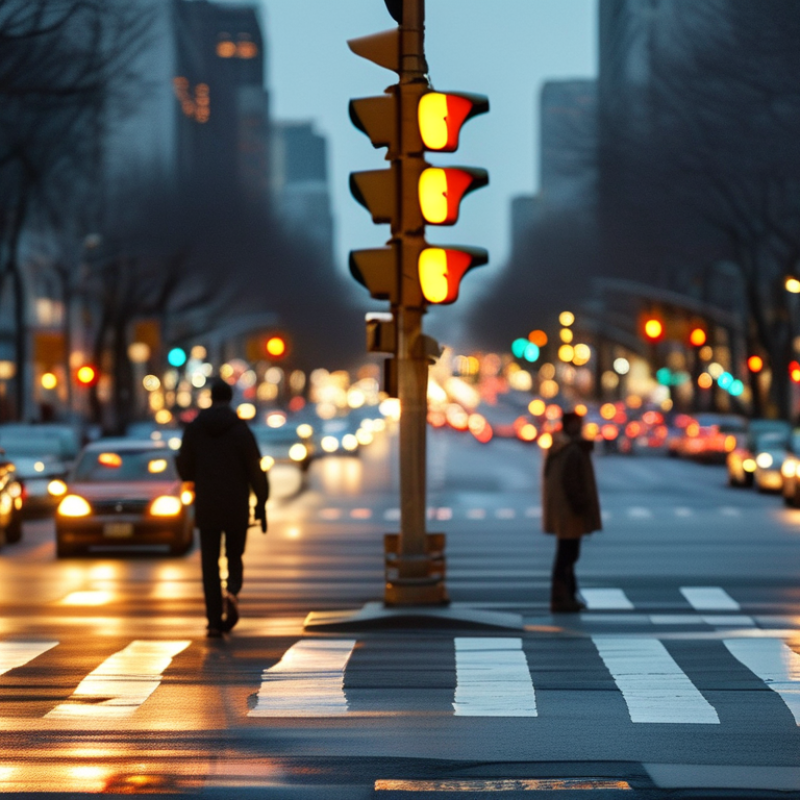
Definition of Standard Visibility Distance for Pedestrian Crossing Signals
Standard visibility distance for pedestrian crossing signals is a crucial element of traffic safety. This distance determines how far away a pedestrian can see a signal and feel secure crossing the road. Studies suggest that a visibility distance of at least 100 feet is ideal in urban areas and should be increased in high-speed zones. According to the Institute of Transportation Engineers, signals should be placed at least 20 feet from crosswalks to ensure visibility.
When we think about safety, remember these tips. Always keep the area around pedestrian signals clear of obstructions. This includes trees, signs, and other visual barriers. Regular maintenance of signals is essential. Dirty or broken signals can impair visibility significantly.
Moreover, environmental factors can influence visibility distances. Rain, fog, and low-light conditions can obscure signals. So, cities should consider installing illuminated signals or incorporating LED technology. This may enhance visibility during adverse conditions. The Federal Highway Administration's guidelines support enhanced signal visibility to improve pedestrian safety. Ensuring that pedestrian crossing signals are visible and reliable can promote safe walking environments.
Factors Influencing Visibility Distance in Different Environments
Visibility distance for pedestrian crossing signals can be significantly influenced by various environmental factors. In urban areas, tall buildings and bright lights might obscure signals. This can confuse pedestrians and lead to potential accidents. For example, in a city with dense traffic, bright advertisements can distract from the signals. It's crucial to ensure that signals are easily seen to keep people safe.
Weather conditions also play a vital role in visibility. Heavy rain or fog can reduce clarity and distance. In these circumstances, signal visibility decreases dramatically. Pedestrians may not notice signals until it’s too late. Reflective materials and proper lighting can enhance visibility. However, some areas may lack adequate lighting despite these measures.
The surrounding landscape can pose challenges as well. Vegetation, road design, and other physical barriers can impede sightlines. It’s essential to regularly assess and maintain clear views of signals for optimal safety. Community feedback can also highlight issues. People living near crossings often know where visibility fails. Addressing these concerns is vital for creating a safer environment for pedestrians.
Recommended Distance Standards by Traffic Safety Authorities
Pedestrian crossing signals are vital for ensuring safety on the roads. Understanding the recommended distance standards is essential for both traffic authorities and pedestrians. According to experts, visibility distances for these signals can vary widely. Generally, a standard minimum distance is around 100 feet. However, this can depend on factors like road width and speed limits.
Tips for improving visibility include ensuring signals are well-lit and positioned at eye level. They should be free from obstructions like trees or signs. Regular maintenance is crucial to keep signals visible and operational. Moreover, community feedback can help identify problem areas that need attention.
Traffic safety authorities often suggest that visibility be tested under different conditions. Poor weather, such as fog or rain, can reduce visibility significantly. Local authorities should consider these variables when planning pedestrian crossings. Listening to pedestrian experiences can lead to improved safety measures.
Techniques to Enhance Signal Visibility for Pedestrians
Enhancing visibility for pedestrian crossing signals is vital for urban safety. Studies reveal that well-designed signal visibility can reduce pedestrian accidents. The Federal Highway Administration (FHWA) reports that pedestrian fatalities increased by 46% from 2009 to 2018. This alarming statistic underlines the need for more effective solutions.
Employing high-contrast colors is one essential technique. Bright green or yellow signals stand out against various backgrounds. Additionally, LED lights can significantly improve visibility. Research from the National Cooperative Highway Research Program shows that LED signals increase pedestrian awareness by up to 80%. This statistic highlights the importance of using modern technology to address visibility issues.
Another method is installing signal heads at optimal heights. Studies suggest placing signals between 7 to 8 feet from the ground enhances visibility for all pedestrians, including those in wheelchairs. However, not all cities adhere to these guidelines. Poor placement continues to be a challenge. It's crucial for urban planners to regularly assess and adapt these standards. The aim should be a safer environment for everyone, but there is still much work to be done.
Standard Visibility Distance for Pedestrian Crossing Signals
Common Challenges and Solutions in Maintaining Signal Visibility
Pedestrian crossing signals are vital for safety. However, maintaining their visibility can be challenging. Weather conditions often obscure signals. Rain, fog, or snow can reduce sightlines. Overgrown vegetation may block essential views. This leads to confusion for pedestrians and drivers alike. Regular maintenance is crucial, but it is often neglected.
Another concern is the placement of signals. Poorly positioned signals can create visibility issues. If they are too low or misaligned, they become hard to see. Communities should evaluate their crossing locations frequently. Adjustments may be needed based on pedestrian traffic patterns. In some cases, creative solutions like brighter lights can help improve visibility.
Moreover, technology can assist in enhancing signal visibility. Advanced LED lights are brighter than traditional bulbs. However, these may require additional energy and maintenance. There is an ongoing debate about the balance between technology and traditional methods. Signal visibility is often overlooked, but it deserves attention. A thoughtful approach can lead to safer crossings for everyone.
Standard Visibility Distance for Pedestrian Crossing Signals Tips
| Signal Type |
Visibility Distance (feet) |
Common Challenges |
Solutions |
| LED Signal |
150 |
Sunlight glare affecting visibility |
Use anti-glare lenses |
| Incandescent Signal |
100 |
Obstruction by foliage |
Regular maintenance and pruning |
| Solar-Powered Signal |
120 |
Insufficient power on cloudy days |
Install additional battery backup |
| Smart Signal |
200 |
Hardware malfunctions |
Regular software updates and checks |
Conclusion
The article discusses "what is the standard visibility distance for a pedestrian crossing signal," highlighting its definition and the various factors influencing visibility in diverse environments. Traffic safety authorities provide recommended distance standards to ensure that signals are easily seen by pedestrians, which can significantly enhance road safety.
Additionally, the piece explores techniques that can be employed to improve the visibility of pedestrian crossing signals, such as better lighting and signal placement. It also addresses common challenges faced in maintaining the visibility of these signals, offering practical solutions to ensure pedestrians can rely on clear signals when crossing streets safely.

 Lukas Lighting