High mast light poles are essential for illuminating large areas, such as highways, stadiums, and ports. They provide enhanced visibility and safety. However, one critical question arises: what is the standard mounting height for a high mast light pole? This question is vital for ensuring optimal performance and compliance with safety regulations.
Typically, the height of these poles ranges from 60 to 150 feet, depending on the application. Various factors influence this choice, including the surrounding environment and specific lighting needs. A height that is too low might not provide adequate illumination, while a pole that is too high can lead to inefficiencies in lighting distribution.
Experts suggest that conducting a site analysis is essential before deciding on a mounting height. Understanding local regulations and standards can prevent costly mistakes. It’s also crucial to factor in potential obstructions and light pollution. As cities grow and evolve, revisiting these standard mounting heights can lead to improved designs and a better-quality environment for all.
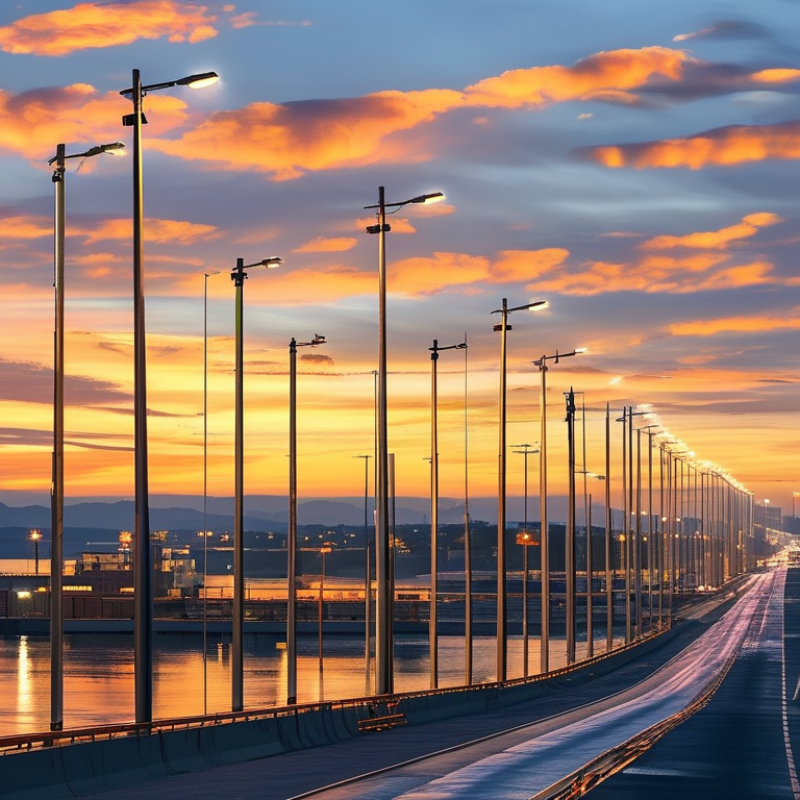
Definition and Purpose of High Mast Light Poles
High mast light poles are essential for urban lighting and safety. These tall structures, often ranging from 15 to 50 feet, are widely used in parking lots, highways, and sports complexes. They provide broad illumination, enhancing visibility and security, particularly during the night. A high mast light pole typically supports multiple fixtures, ensuring an even light distribution across large areas.
The design and placement of these poles are crucial. According to the Illuminating Engineering Society (IES), a well-designed high mast lighting system can improve visibility by up to 75%. This is significant when considering traffic safety and crime reduction in high-risk areas. High mast lights often utilize LED technology, which can reduce energy consumption by up to 40% compared to traditional lighting. Despite these advantages, challenges remain. For instance, not all cities adopt standardized heights, leading to inconsistency in lighting quality and safety. And while regulations exist, many municipalities struggle to enforce them uniformly.
Proper mounting height is critical for effective lighting. The standardized height usually ranges between 20 to 30 feet. Yet, some installations fail to meet these guidelines, resulting in inadequate illumination. A recent study indicated that about 20% of high mast installations do not comply with recommended practices. This gap highlights the need for stricter adherence to standards and ongoing evaluation of existing systems. Ultimately, proper installation contributes to enhanced safety and improved community well-being.
Factors Influencing Standard Mounting Height
When considering the standard mounting height for high mast light poles, several factors play a crucial role. The primary purpose of high mast lighting is to enhance visibility over large areas. Height can significantly impact the light distribution and effectiveness. Typically, high mast light poles range from 80 to 150 feet tall. However, local regulations and environmental conditions can influence these figures.
Wind load is a critical factor in determining the safe mounting height. More elevated poles must withstand greater winds, often requiring heavier poles or more robust foundations. This is particularly relevant in coastal areas where wind speeds can be fierce. Additionally, the surrounding infrastructure, such as nearby buildings, trees, and roadways, must be assessed. The aim is to avoid light pollution and glare, ensuring safety for both drivers and pedestrians.
**Tip:** Always consider local weather patterns when deciding on height.
Light source type also plays a role; LED installations may not need as tall poles compared to traditional lighting systems. The light output and distribution angle can vary, leading to adjustments in height to achieve optimal coverage.
**Tip:** Conduct a site-specific analysis before finalizing mounting height.
Involving professionals with expertise in lighting design and civil engineering can help mitigate installation errors. Collaboration with these experts leads to better designs and enhanced public safety.
What is the Standard Mounting Height for High Mast Light Poles? - Factors Influencing Standard Mounting Height
| Mounting Height (Feet) |
Typical Applications |
Light Source Type |
Average Coverage Area (sq ft) |
Factors Influencing Height |
| 50 |
Highway Lighting |
LED |
2000 |
Road Type, Traffic Volume |
| 90 |
Stadiums |
Metal Halide |
3000 |
Event Type, Height Restrictions |
| 70 |
Parking Lots |
LED |
1500 |
Visibility, Safety Regulations |
| 60 |
Industrial Sites |
Fluorescent |
1800 |
Workspace Lighting, Facility Layout |
Typical Heights for Various Applications of High Mast Lighting
High mast light poles play a crucial role in various applications, from highways to stadiums. The typical height for these poles varies. For general parking lots, a height of 20 to 30 feet is common. This height ensures adequate brightness without excessive glare. However, for larger areas like sports complexes, high mast lights often reach 50 to 100 feet. Such heights enhance visibility during night events.
Choosing the right height depends on the specific requirements of the area. For instance, a busy highway may demand taller poles, around 80 feet, to cover more distance effectively. Conversely, residential areas usually benefit from lower heights, typically between 25 to 35 feet. These heights help create a safe and comfortable environment.
It’s important to consider placement as well. Poles should be evenly spaced to prevent dark spots. Installing them at the wrong height or distance can lead to inadequate lighting. Investing time in planning ensures optimal results. An effective high mast lighting strategy balances height, spacing, and application needs.
Standard Mounting Heights for High Mast Light Poles
Regulatory Standards and Guidelines for Mounting Heights
High mast light poles are essential for illuminating large outdoor areas. The standard mounting height for these poles varies based on location and application. Typically, they range from 25 to 100 feet. However, guidelines often recommend heights around 60 to 80 feet for optimal coverage. This ensures that light distribution is uniform, reducing dark spots.
When considering mounting heights, one must consult local regulations. These standards often reference safety and aesthetic concerns. For example, in urban areas, heights may be restricted to minimize glare for nearby residences and to avoid collisions with aircraft. Additionally, engineering criteria should be evaluated. The height can impact the structural integrity of poles and their ability to withstand wind loads.
It's crucial to remember that while standard heights provide a baseline, unique site conditions can influence the final decision. Factors like terrain, surrounding structures, and specific lighting needs must be analyzed. Continuous review and adjustment of these guidelines can foster improvements in safety and efficiency. Balancing compliance with real-world demands is key in achieving optimal lighting solutions.
Best Practices for Installation and Maintenance of High Mast Lights
High mast lights are essential for illuminating large areas such as highways, sports fields, and airports. Their installation requires careful planning to ensure optimal performance and safety.
Positioning high mast poles at the correct height is critical. Typically, these poles range from 60 to 100 feet tall. However, achieving effectiveness involves more than just height.
Routine maintenance is vital to ensure the longevity of high mast lights. Inspecting fixtures for wear and tear helps identify potential issues before they become costly repairs. Regular cleaning of the lenses is crucial. Dust and debris can significantly reduce light output. This simple task can enhance the performance of lighting systems.
Tips: Make a checklist for maintenance tasks. Schedule inspections at regular intervals. Always use certified personnel for installations. Proper training is essential for anyone handling installation. Mistakes can lead to insecure fixtures, causing safety hazards. Use quality materials, but remember that even the best can face issues. Always stay alert for signs of wear.
FAQS
: High mast light poles are used for urban lighting and safety in areas like parking lots and highways.
They usually range from 15 to 50 feet, depending on the application.
Proper height ensures effective lighting and reduces dark spots, enhancing safety in communities.
Yes, heights for parking lots are typically 20 to 30 feet, while sports complexes can reach 50 to 100 feet.
About 80% of installations do, indicating the need for better compliance.
Regulations may restrict pole heights to reduce glare and ensure safety for nearby residents.
Poles should be evenly spaced to avoid dark spots; poor spacing can lead to inadequate lighting.
LED lights can reduce energy consumption by up to 40%, providing cost-effective lighting solutions.
Terrain, surrounding structures, and specific lighting needs must be analyzed for optimal results.
Ongoing improvement in safety and efficiency can be achieved by adjusting guidelines based on real-world conditions.
Conclusion
High mast light poles are essential for providing expansive illumination in large outdoor areas, such as highways, stadiums, and parking lots. When considering "what is the standard mounting height for a high mast light pole," several factors come into play, including the intended application, surrounding environment, and specific regulatory standards. Typically, mounting heights can range from 20 to 50 feet, with variations based on local guidelines and engineering designs.
Regulatory standards guide the installation height to ensure optimal lighting while minimizing glare and shadows, contributing to safety and visibility. Best practices for installation and maintenance emphasize proper positioning, regular inspections, and adherence to safety protocols. By understanding these elements, stakeholders can effectively determine the appropriate mounting height for high mast lighting, ensuring efficient and safe illumination for large spaces.

 Lukas Lighting