China Top Outdoor Lighting How to Prevent Dark Sky Pollution?

Time:2026-10-02 Author:Charlotte
0%

China Top Outdoor Lighting: How to Prevent Dark Sky Pollution

China’s outdoor lighting industry is moving toward safer, smarter night-time illumination. Yet bright façades, exposed lamps, and poorly aimed floodlights can wash out stars. They also disturb birds, insects, residents, and nearby ecosystems. The practical question is clear: how to shield outdoor lighting to prevent dark sky pollution without reducing safety?

Experienced lighting engineers begin with the fixture, not the brightness. Use full-cutoff luminaires that direct light downward. Keep the beam inside the property line. Add shields, hoods, and precise optics around entrances, roads, gardens, and industrial yards. A warm color temperature, usually 2,700K to 3,000K, can reduce harsh blue light. Lower intensity often works better than adding more lamps.

Small changes matter.

John Barentine, an astronomer and recognized dark-sky advocate, has stated, “Light pollution is a global problem, and it is growing.” His warning deserves practical action. Install timers, motion sensors, and adaptive dimming after peak activity. Check the site from a neighboring window, not only from the installation plan. Glare may disappear on paper but remain painful at eye level.

There is no universal lighting formula. A warehouse, hotel, and village road need different controls. Some projects still over-light entrances because brightness feels reassuring. That assumption deserves challenge. Measure illuminance, inspect shadows, and review complaints after installation. Reliable outdoor lighting should protect people while preserving darkness above them. Better shielding is not merely an aesthetic upgrade. It is a measurable responsibility for manufacturers, designers, contractors, and property owners.
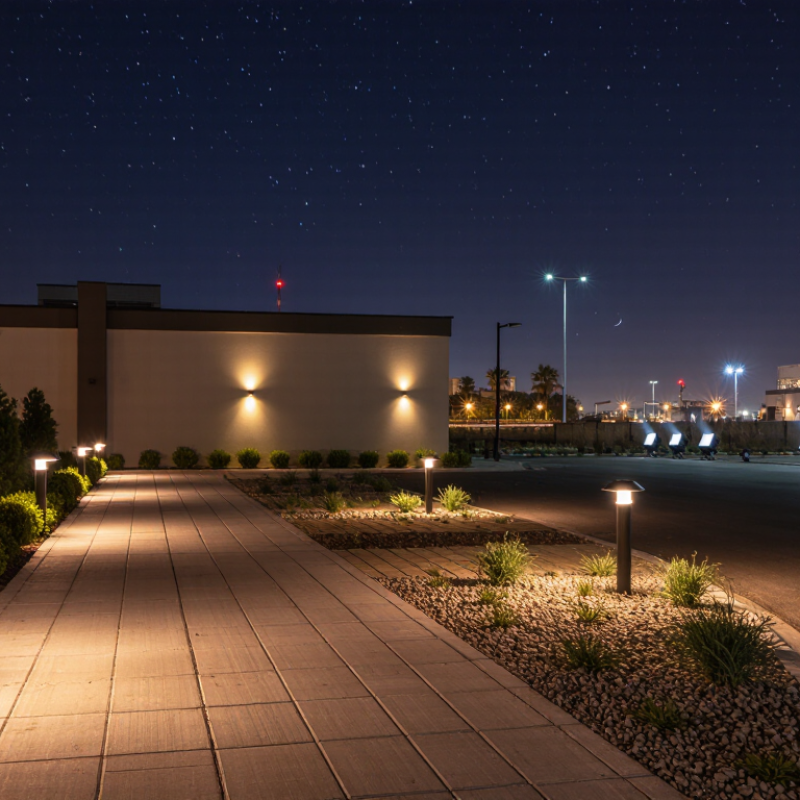
China Top Outdoor Lighting How to Prevent Dark Sky Pollution?

What Is Dark Sky Pollution in Outdoor Lighting?

Dark sky pollution is the excessive or poorly controlled artificial light released at night. It creates skyglow, glare, and light trespass. Skyglow appears as a bright dome above towns, even after midnight. Glare enters the eyes and reduces visibility. Light trespass reaches windows, gardens, or nearby habitats without permission.

Outdoor lighting can affect people, insects, birds, and nocturnal animals. It may also hide stars and weaken the natural rhythm of darkness. In field inspections, a bright lamp often looks useful from the ground. However, its unshielded light may travel across rooftops and empty roads. A lower brightness level is not always enough. The fixture’s direction, color, mounting height, and operating time also matter. I have seen designs that met basic needs but still felt too bright. That is worth reconsidering.

Tips: Use fully shielded fixtures that aim light downward. Choose warm color temperatures where practical. Install timers, dimmers, or motion controls for low-traffic areas. Check the site after dark from nearby homes and streets. Look for glowing windows, sharp glare, and light spilling above the fixture. Keep only essential areas illuminated. Avoid assuming that more light always means better safety. Even careful projects can leave small problems, so review them seasonally.

China Top Outdoor Lighting: How to Prevent Dark-Sky Pollution?

Global night-sky brightness increased by an average of 9.6% per year from 2011 to 2022. The index below is calculated from this measured annual rate, with 2011 set as the baseline of 100.

How to reduce pollution: Use fully shielded fixtures that direct light downward, choose warm-color lighting at 3000K or below, reduce unnecessary brightness, and apply timers or motion controls to limit operating hours.

Source: Kyba et al., “Citizen scientists report global rapid reductions in the visibility of stars from 2011 to 2022,” Science, 2023. The annual index is a calculation based on the study’s reported 9.6% average increase.

How Outdoor Lighting Creates Unwanted Skyglow

Outdoor lighting creates unwanted skyglow when light escapes above the horizon. It scatters through dust, moisture, and air pollution. A bright commercial road can therefore brighten the sky many kilometers away. The effect is strongest after sunset, when dark surroundings make artificial light more visible. Wildlife can lose natural night cues. People may also notice fewer stars from homes and public spaces.

In field inspections, I often find that poor aiming causes more pollution than expected. Bare lamps send light toward windows, trees, and empty air. Blue-rich light can scatter strongly and appear harsh. Full cutoff fixtures reduce upward light, while warm color temperatures around 2200K to 3000K usually create less visual glare. Shielding matters too. A small hood can protect nearby homes and habitats.

Controls should match real activity. Dimming late at night can reduce wasted output without leaving essential paths unsafe. Motion sensors help in quiet areas, but badly adjusted sensors may switch lights on constantly. That mistake is easy to overlook. Designers should test lighting from several viewpoints, not only beneath the fixture. I have seen installations that looked efficient on paper but still produced bright reflections from pale pavement and walls. Local weather, surface materials, and maintenance schedules deserve closer attention.

Key Principles for Dark Sky Friendly Lighting Design

China Top Outdoor Lighting: How to Prevent Dark Sky Pollution?

Dark sky friendly lighting begins with need, not maximum brightness. Use fully shielded luminaires that keep light below the horizontal plane. This protects nearby homes, roads, insects, and migrating birds.

The 2023 Science Advances study reported a 9.6% yearly increase in visible night-sky brightness from 2011 to 2022. Satellite measurements may underestimate blue-rich LED pollution. The problem is growing.

Choose the lowest useful output and avoid unnecessary upward spill. Warm colour temperatures, preferably 2,200K to 3,000K, can reduce short-wave blue emissions.

A low CCT is helpful, but it is not a cure. Glare still occurs when luminance is excessive or shielding is poor.

CIE 150:2017 recommends controlling light trespass, glare, and sky glow through zoning and site-specific limits. Designers should measure vertical illuminance at property boundaries.

Controls make the design more responsive. Dimming after peak activity, motion sensors, and scheduled curfews can reduce wasted energy.

The U.S. Department of Energy reports that outdoor lighting controls can create substantial energy savings, although performance depends on commissioning and maintenance.

Field testing matters. Dust, ageing optics, and changed landscaping can alter results. A trial installation should check pavement brightness, window intrusion, and visible uplight from several viewpoints.

Some projects still overlight entrances because “safer” feels brighter. That assumption deserves review.

Practical Ways to Prevent Light Pollution

Outdoor lighting should guide people safely without brightening the entire night sky. Full cut-off fixtures keep light below the horizontal plane and reduce upward glow. Aim every fixture toward paths, entrances, and work areas. Avoid lighting tree canopies, windows, and neighboring properties. A small shield can make a noticeable difference.

During site checks, I look for glare at eye level and bright patches on empty ground. Lower mounting heights often improve comfort. Timers, astronomical controls, and motion sensors can prevent lighting after closing hours. Dimming is useful when activity falls. However, sensors need careful adjustment. False triggers from passing cars can keep lights active all night.

Choose warmer light where high color accuracy is unnecessary. Lower color temperatures generally create less harsh glare and may reduce disruption to insects and nocturnal wildlife. Confirm local requirements before installation. Afterward, inspect the site from nearby streets and homes, not only from the property entrance. Measure illumination where practical, then compare it with the actual safety need. Maximum brightness is rarely the best answer. I have also seen well-designed plans fail because maintenance replaced shielded fixtures with unsuitable ones. A simple inspection schedule can prevent that mistake.

How to Choose Responsible Outdoor Lighting Products

How to Choose Responsible Outdoor Lighting Products

Responsible outdoor lighting begins with the light source, not its appearance. Choose fully shielded fixtures that direct illumination downward. This reduces glare and keeps light away from windows, trees, and the night sky. A warm color temperature, preferably 3000K or lower, is usually gentler for people and nocturnal wildlife. Cooler blue-rich light can travel farther and disturb natural behavior.

Match brightness to the actual task. A narrow walkway rarely needs the same output as a loading area. During site checks, I look for dark patches, reflected glare, and light spilling across property lines. Dimmers, timers, and motion sensors can reduce unnecessary operation. Use motion settings carefully. Sudden activation may still disturb animals or nearby residents. Shielding matters more than many buyers expect.

Select products with durable housings, reliable weather protection, and replaceable components where possible. Clear installation instructions also support safer, more consistent results. I have seen attractive fixtures installed too high, creating glare instead of useful visibility. That mistake is easy to repeat. Review the lighting after rain, in fog, and from neighboring windows. Ask whether every bright area serves a real purpose. A responsible product should perform quietly, use only necessary energy, and leave the surrounding darkness largely intact.

FAQS

What is dark-sky-friendly lighting?

It provides only the light people need. Fully shielded fixtures direct light downward, not above the horizontal plane. The sky stays darker.

Why does shielding matter so much?

Shielding reduces glare, window intrusion, and upward spill. It also protects trees, insects, birds, and nearby homes. Appearance alone can mislead.

What colour temperature should outdoor lighting use?

Choose warm light, preferably between 2,200K and 3,000K. Lower colour temperature reduces blue-rich emissions. It is helpful, not a complete solution.

How bright should a walkway light be?

Use the lowest useful output for the actual task. A narrow walkway rarely needs loading-area brightness. Dark patches still require attention.

Which controls can reduce wasted outdoor lighting?

Dimming, timers, curfews, and motion sensors can reduce unnecessary operation. Set motion activation carefully. Sudden brightness may disturb residents and wildlife.

How can designers check for light trespass?

Measure vertical illuminance at property boundaries. Inspect windows, pavement, and nearby trees after installation. Check from several viewpoints.

What should a trial installation examine?

Review the site after rain, in fog, and from neighboring windows. Look for reflected glare, dark patches, and visible uplight. Real conditions matter.

How does maintenance affect lighting performance?

Dust, ageing optics, and landscaping changes can alter light distribution. Inspect fixtures regularly and replace worn components where possible. Results may drift.

Can brighter entrances automatically improve safety?

Not always. Excessive brightness can create glare and weaker visual contrast. I would question every bright area’s purpose before increasing output.

Conclusion

Dark sky pollution occurs when poorly designed outdoor lighting sends excessive or unnecessary light into the night sky, creating skyglow that reduces visibility of stars, disturbs wildlife, wastes energy, and affects nearby communities. Common causes include unshielded fixtures, excessive brightness, light trespass, blue-rich color temperatures, and lighting that remains on when it is not needed. A responsible design begins with the right amount of light, carefully directed toward the ground, using warmer color temperatures, controlled beam angles, timers, dimmers, and motion sensors.

Learning how to shield outdoor lighting to prevent dark sky pollution is essential for reducing upward light and glare. Choose fully shielded fixtures with precise optics, install them at suitable heights, and aim them only at the intended area. Use low-glare materials, moderate illumination levels, and adaptive controls to avoid overlighting. Regular maintenance also helps keep light distribution accurate. By selecting efficient, adjustable, and dark-sky-friendly products, outdoor spaces can remain safe and functional while protecting nighttime ecosystems and preserving natural darkness.

Charlotte

Charlotte

Charlotte is a seasoned marketing professional with a deep understanding of the company's portfolio and a passion for elevating its presence in the market. With a keen eye for detail and a commitment to excellence, she ensures that our professional blog is regularly updated with insightful articles......