Seaports are crucial hubs for maritime activities. They face unique challenges, especially from environmental factors. Marine grade aluminum is popular for seaport lighting due to its durability and lightweight properties. However, it is not immune to corrosion. Understanding how to prevent marine grade aluminum corrosion in seaport lighting is essential for maintaining safety and functionality.
Corrosion can lead to significant structural failures and costly repairs. Factors like saltwater exposure, humidity, and temperature fluctuations accelerate this process. The consequences of neglecting corrosion protection extend beyond financial loss. They also jeopardize the safety of personnel and equipment in these busy areas. Employing effective preventive measures is not just a choice; it is a necessity.
Choosing the right protective coatings is vital. Regular maintenance routines, such as inspections and cleaning, also play a significant role. Yet, even the best practices are not foolproof. Continuous evaluation is necessary to adapt to changing conditions. Failing to do so could lead to disastrous outcomes. Therefore, addressing this issue with a proactive approach is critical for sustainable port operations.
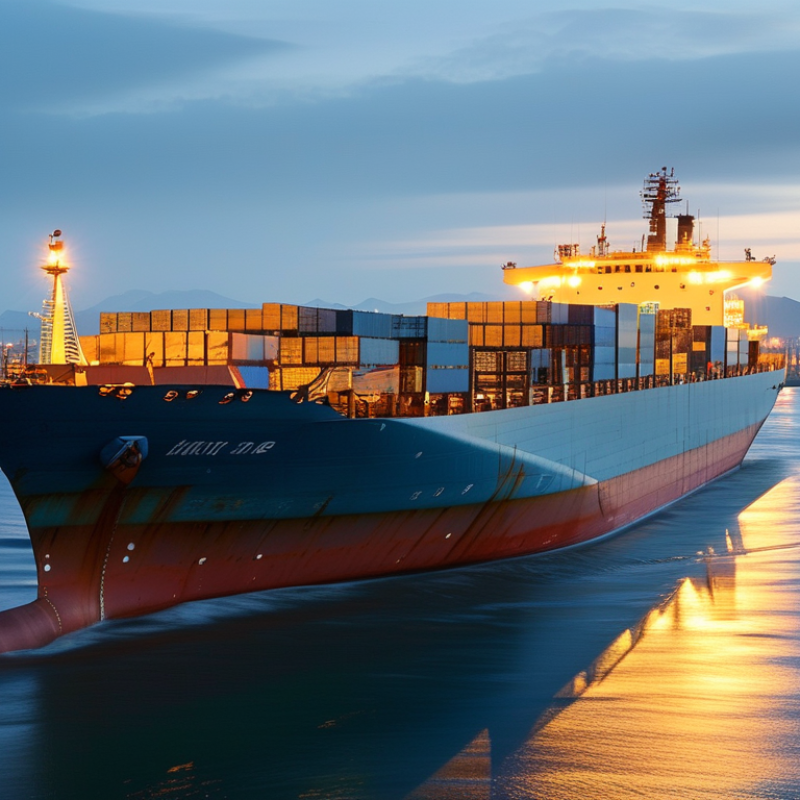
Marine grade aluminum is known for its exceptional resistance to corrosion. This makes it a popular choice for seaport lighting fixtures. The aluminum alloy contains additives that enhance durability and longevity. It is specially designed to withstand harsh marine environments. Saltwater exposure can still be problematic, leading to potential issues over time. Understanding how this material behaves in such conditions is crucial.
The properties of marine grade aluminum include excellent tensile strength and lightweight design. These characteristics allow for easy installation and maintenance of lighting systems. However, even the best materials can face challenges. Regular inspections should be part of your maintenance plan. Corrosion deposits may build up, requiring attention.
Proper protective measures can mitigate risks. Applying protective coatings can enhance resistance to corrosion. It's also important to choose the right alloy for specific seawater conditions. While marine grade aluminum is reliable, factors like temperature and humidity can affect its performance. Regularly assessing these elements will help ensure the longevity of your seaport lighting.
Corrosion in seaport lighting is a major concern. Marine grade aluminum, though resistant, is not immune to deterioration. Common causes of corrosion include environmental exposure, saltwater, and humidity. According to the National Association of Corrosion Engineers, corrosion costs the U.S. economy approximately $276 billion annually, highlighting the urgency of addressing this issue.
Saltwater is particularly corrosive. It creates a conductive path, which accelerates the electrochemical reactions responsible for aluminum corrosion. High humidity further compounds the problem, leading to pitting and surface degradation. A study by the American Society of Civil Engineers noted that nearly 50% of marine-grade aluminum structures suffer from some level of corrosion within five years of installation.
Inadequate maintenance often exacerbates the issue. Without regular inspections and cleaning, minor corrosion can escalate into significant damage. It is vital to consider the installation site's specific conditions. Contaminants from nearby industrial activity can also contribute to corrosion. Planning and preventive measures are essential for the longevity of marine lighting installations.
Marine grade aluminum is known for its durability, but it can still corrode, especially in saltwater environments. Effective coatings are essential to protect seaport lighting fixtures. One popular method is applying a layer of epoxy paint. This self-priming paint helps create a barrier against moisture and salt. It adheres well to the aluminum surface and provides a strong protective layer.
In addition to paints, anodizing the aluminum surfaces can enhance corrosion resistance. This process creates a thicker oxide layer that is less prone to wear. It's crucial to choose the right anodizing thickness based on the environmental conditions. For seaport lighting, a thicker anodized layer can be beneficial. Regular maintenance checks on these coatings should be implemented to catch any early signs of degradation. Corrosion can sometimes be unexpected, and visual inspections can save costs in the long run.
Another effective treatment is applying sacrificial coatings. These coatings corrode before the underlying metal, providing extra protection. However, they require regular replacement. Electric processes, such as cathodic protection, can also be used, but those systems need to be monitored continuously. It is vital to understand that no single solution is perfect. Finding the right balance of coatings and treatments can be challenging. Regular assessments are key to ensuring effective corrosion management in seaport lighting.
| Treatment Method | Effectiveness | Recommended Frequency | Notes |
|---|---|---|---|
| Anodizing | High | Every 5 years | Provides a durable oxide layer; ideal for high exposure areas. |
| Paint Coatings | Medium | Every 3 years | Apply marine-grade paints for best results; requires surface preparation. |
| Sacrificial Anodes | High | Annually | Essential for protecting aluminum in seawater; monitor for replacement. |
| Corrosion Inhibitor Treatments | Medium to High | Every 2 years | Chemical treatments that inhibit corrosion; should be applied by professionals. |
| Regular Cleaning | High | Monthly | Remove salt and debris to prevent build-up; simple but effective. |
Marine grade aluminum is often chosen for seaport lighting fixtures due to its corrosion resistance. However, maintaining its longevity requires diligent practices. Fact reports indicate that over 80% of aluminum corrosion occurs due to inadequate maintenance and exposure to harsh marine environments. Regular inspections are fundamental. They can help identify early signs of wear, such as discoloration and surface pitting.
Cleaning the fixtures regularly is essential. Use fresh water to remove salt and debris. During routine checks, look for surface contamination. Removing this can delay corrosion significantly. Industry studies recommend cleaning at least every month in coastal regions, especially during the most active seasons. Applying protective coatings can also extend life. Some coatings can reduce the corrosion rate by up to 60%.
Monitor the fixtures closely for signs of electrolysis, especially if multiple metals are in contact. This can create corrosion hotspots. Consider the environment where the fixtures are placed. High humidity and salinity levels contribute to faster degradation. Keeping cables and connections properly insulated also helps prevent electrical corrosion. The combination of these maintenance practices can result in a significant increase in the lifespan of aluminum fixtures used in seaport lighting.
Installing marine grade aluminum fixtures in seaport lighting presents unique challenges. This environment is harsh, with high levels of salt and humidity. According to the U.S. Department of Commerce, marine exposure can significantly increase corrosion rates in aluminum alloys. Therefore, understanding the best practices for installation is crucial.
Correct placement of lighting fixtures is key. Avoid direct exposure to splash zones where water frequently contacts the material. Instead, position lights higher to minimize salt spray impact. Additionally, ensure proper drainage to prevent stagnant water around the fixtures. This simple measure can extend the lifespan of the lights significantly.
Regular maintenance is also important. Inspect the surfaces periodically for signs of corrosion. Even marine grade aluminum can corrode if the protective layer is compromised. Use a soft brush to clean the fixtures and remove any buildup of salt or debris. Evaluating your installation regularly helps to proactively address potential issues before they escalate. Reflecting on past projects can provide insights into what works and what doesn't in various coastal settings.
: Marine grade aluminum is known for its corrosion resistance. It is ideal for marine environments.
It is designed for saltwater exposure, but issues can still arise over time.
Inspections help identify early signs of wear, like discoloration and pitting.
Cleaning every month is recommended, especially in coastal areas and active seasons.
Applying protective coatings can significantly reduce corrosion rates.
Temperature and humidity levels can impact how aluminum performs.
Electrolysis occurs when different metals contact each other, creating corrosion hotspots.
Properly insulate cables and connections to avoid corrosion related to electricity.
Regular cleanings, inspections, and protective coatings are vital for durability.
Even though it’s durable, factors like corrosion deposits require ongoing attention and maintenance.
This article explores how to prevent marine grade aluminum corrosion in seaport lighting by first understanding the properties of marine grade aluminum, which is specifically designed to withstand harsh marine environments. Common causes of corrosion include exposure to saltwater, humidity, and pollutants, which can severely impact the longevity of aluminum fixtures used in seaport lighting.
To effectively combat corrosion, the article discusses various coatings and treatments that can protect aluminum surfaces, along with maintenance practices that are vital for extending the life of these fixtures. Furthermore, best practices for installation and placement in marine environments are outlined, ensuring minimal exposure to corrosive elements while optimizing the performance and durability of the lighting systems. Using these strategies can significantly enhance the resilience of marine grade aluminum and maintain effective lighting in seaport areas.

Lukas Lighting