As winter approaches, homeowners are becoming more concerned about their solar panel efficiency. Understanding how to position solar panels for maximum winter efficiency is crucial for optimal energy production during the colder months. According to Dr. Emily Hart, a leading expert in renewable energy, "Proper alignment of solar panels can lead to significant gains in winter performance." Her insights emphasize that positioning matters, especially when sunlight is limited.
In winter, the sun's angle changes, affecting how much solar energy panels can capture. Roof tilt and direction play vital roles in winter performance. For example, panels facing south generally receive the most sun exposure. However, adjustments may be necessary depending on local conditions. Snow accumulation can also hinder performance. Therefore, regular maintenance is essential.
Homeowners must be proactive in considering these factors. Assessing the landscape and potential shading throughout the day can aid placement decisions. Additionally, understanding the unique winter challenges can lead to better energy efficiency. Reflecting on these aspects will ensure that solar systems remain productive even in the most challenging conditions.
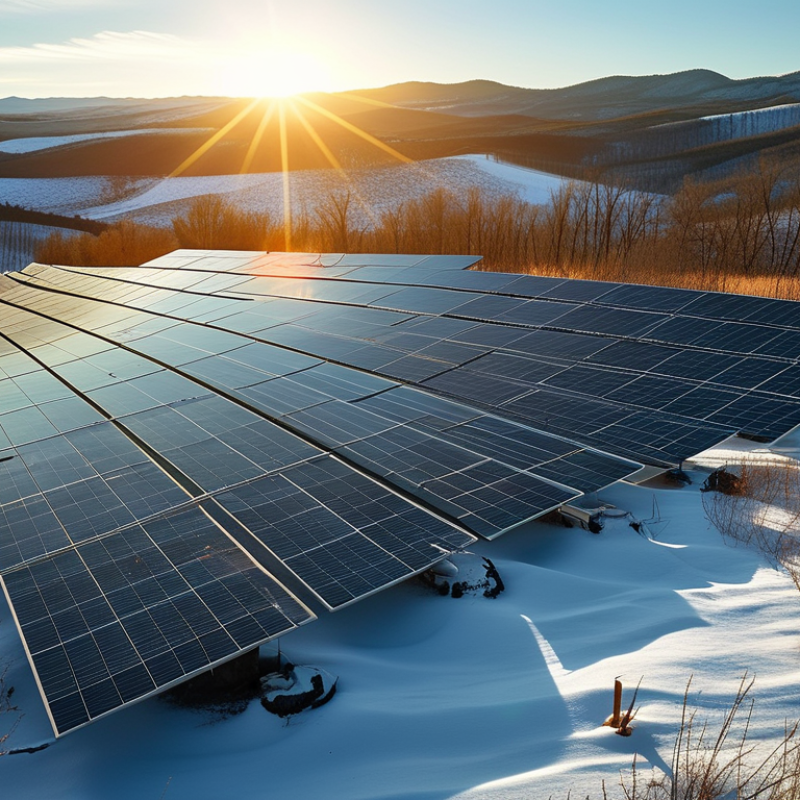
In winter, the angle of the sun changes significantly. This affects how much sunlight solar panels receive. The sun’s path is lower in the sky, reducing the direct sunlight on panels. According to the National Renewable Energy Laboratory, a panel's tilt angle can impact its efficiency by up to 30% during winter months. Thus, positioning panels at the optimal angle is essential.
To maximize winter performance, tilt solar panels at an angle equal to your latitude plus 15 degrees. This adjustment helps capture more sunlight. For example, if you live at 40 degrees latitude, set your panels to 55 degrees.
Tips: Clean off any snow and debris on your panels. Snow can block sunlight and reduce performance. Regular maintenance ensures solar systems operate efficiently. Remember, winter may produce less energy than summer, so monitor your system’s output closely. Analyzing data from previous winters will help improve future performance strategies.
When it comes to maximizing solar panel efficiency in winter, the tilt angle plays a crucial role. The optimal angle for your solar panels can significantly enhance solar capture, especially during shorter days and low sun angles. For most regions, a tilt angle close to your latitude plus 15 degrees is recommended. This helps capture more sunlight as the sun sits lower in the sky during winter.
However, it’s essential to account for potential snow accumulation. A steeper angle can help snow slide off more easily. But, if your area experiences heavy snowfall, a flatter angle may be necessary to avoid excessive pressure on the panels. It's a balance that needs careful consideration, as either extreme can affect energy production.
Regular adjustments to the tilt angle might also be necessary. Many homeowners forget that the optimal tilt changes with the seasons. Being mindful of this can lead to noticeable improvements in energy generation. Recording your panel's performance throughout the winter can help refine your approach. In winter, even small changes can lead to more efficient solar energy capture.
Snow and ice can significantly impact the efficiency of solar panels during winter months. When snow accumulates on the panels, it blocks sunlight, reducing energy production. Ice can also form on the surface, creating a barrier that makes it hard for sunlight to penetrate. The positioning of solar panels is crucial in mitigating these effects.
Installing panels at a steeper angle can help snow slide off more easily. This allows sunlight to reach the solar cells sooner after a snowfall. Planning the installation to maximize sunlight exposure can also help. Consider placing panels where sunlight reflects off nearby surfaces. This can enhance energy production, especially on cloudy days common in winter.
It's essential to monitor the performance of solar panels regularly in winter. Some homeowners find that even a small amount of snow can reduce output significantly. Checking the system often allows for timely snow removal without causing damage. Learning through experience is key. Each winter provides insights into optimizing panel placement for next season.
When optimizing solar panels for winter performance, minimizing shading is crucial. Winter days are shorter, and sunlight is limited. A well-chosen location can significantly enhance energy capture. Reports indicate that solar panels can lose up to 70% of their output when shaded. Therefore, selecting a site with minimal obstruction from trees or buildings is essential.
Orientation also plays a significant role. Panels should ideally face true south in the Northern Hemisphere. The angle of tilt contributes to efficiency, particularly during low winter sun angles. Studies suggest that a tilt angle equal to the latitude plus 15 degrees improves winter performance. However, this might not always be feasible due to space or structural constraints.
Regular maintenance is necessary as well. Debris from wind and snow accumulation can obstruct sun exposure. Cleaning panels when safe can improve energy production. Monitoring shading over the seasons helps in adjusting the positioning. Small adjustments can yield better performance over time, emphasizing the need for continuous evaluation and adaptation.
When winter sets in, solar panels can face unique challenges. Snow accumulation and lower sunlight can impact performance. To ensure your solar system thrives during this season, regular maintenance is critical. The National Renewable Energy Laboratory (NREL) reports that proper winter readiness can enhance energy output by up to 25%.
Start by regularly clearing snow off the panels. A light snow can slide off if the panels are positioned at an optimal angle. Keeping panels free from debris is equally important. This minimizes shading and maximizes sunlight absorption. Periodic inspections are crucial. Check for any signs of wear or damage on wiring and connections. Even minor issues can lead to significant performance drops.
Consider the impact of shading from nearby trees. Pruning can help maintain performance. Additionally, relying on professional assessments can provide insights into the efficiency of your system. Industry studies indicate that many homeowners overlook this. They fail to realize that regular maintenance can prolong the life of their solar systems. Adjusting your approach can lead to better energy production and overall reliability during colder months.
: The lower sun angle in winter reduces direct sunlight on solar panels, impacting efficiency.
Tilt your panels to your latitude plus 15 degrees for optimal sunlight capture.
Regular cleaning ensures snow and debris do not block sunlight, maximizing energy production.
Snow accumulation blocks sunlight, significantly reducing energy output from the panels.
Install panels at a steeper angle to help snow slide off easily, enhancing sunlight access.
Positioning panels where sunlight reflects from surfaces can improve energy production, even on cloudy days.
Regular performance checks are essential, as even light snow can significantly reduce output.
Analyzing system output can inform better strategies for panel placement in future winters.
Yes, ice creates a barrier that blocks sunlight, further decreasing energy production.
Snow and lower sun angles can both reduce energy output, requiring careful planning and monitoring.
When considering how to position solar panels for maximum winter efficiency, it is essential to understand the impact of winter sun angles, which can significantly affect energy capture. Adjusting the tilt angle of panels can improve solar exposure during the shorter winter days, allowing for enhanced solar energy collection. Additionally, evaluating how snow and ice buildup on panels might diminish their efficiency is crucial; techniques to manage this accumulation can further optimize performance.
Choosing a location that minimizes shading from trees or buildings is another key factor in maximizing the potential of solar panels in winter months. Regular maintenance, including cleaning and inspecting the solar array, can ensure that the system remains efficient throughout the colder season. By following these guidelines, solar panel owners can effectively enhance their winter performance and ensure continued energy production.

Lukas Lighting