Why Do Industrial High Bay Lights Flicker and How to Fix It?

Time:2026-07-09 Author:Sienna
0%

Industrial high bay lights play a crucial role in large facilities. However, many users experience flickering issues. This raises the question: why do industrial high bay lights flicker and how to fix it? Flickering can disrupt operations and affect worker safety.

Several factors contribute to this problem. Voltage fluctuations, poor connections, or aging bulbs may be involved. Understanding these reasons is essential for effective solutions. People often overlook the importance of proper installation and maintenance. Regular checks can prevent recurring issues.

Diving deeper into this topic can reveal valuable insights. Fixing flickering lights may require professional help. Some fixes are simple, while others need expert intervention. By addressing these concerns, facilities can improve their lighting systems and enhance productivity.
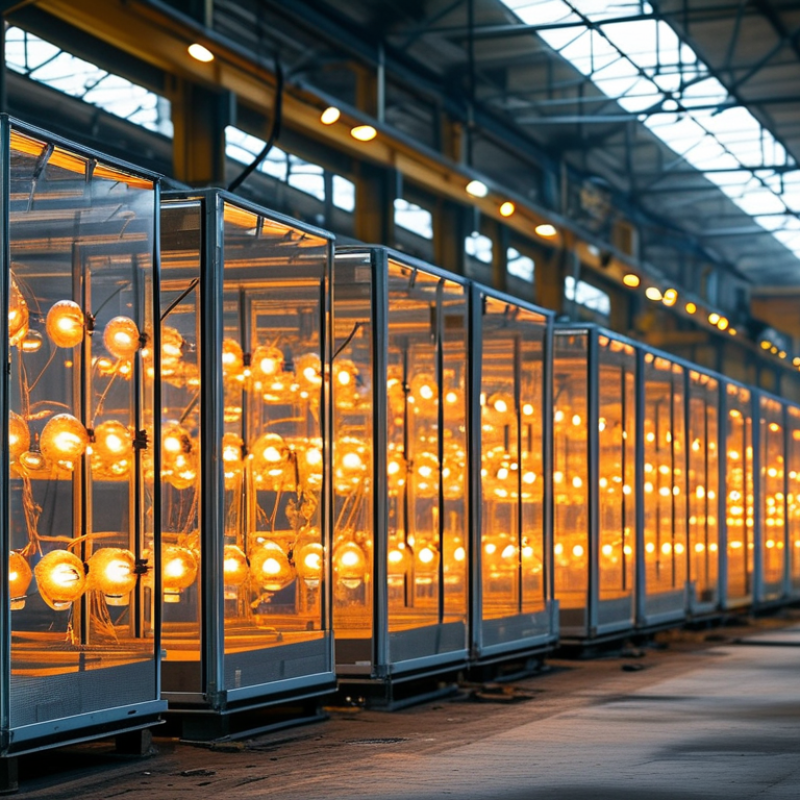
Why Do Industrial High Bay Lights Flicker and How to Fix It?

Understanding the Causes of Flickering in Industrial High Bay Lights

Flickering in industrial high bay lights is a common issue that can disrupt work environments. Understanding the causes is crucial for maintaining productivity. Often, flickering occurs due to fluctuations in voltage or inconsistent power supply. These variations can be caused by nearby machinery or electrical loads that demand significant energy.

Another common reason for flickering is the use of outdated or incompatible ballasts. When ballasts fail or do not match the lamp type, it can lead to inconsistent performance. This issue may not always trigger a noticeable failure but can significantly reduce light quality. Regular inspections of both the fixtures and the power supply can help identify these problems early.

Lastly, ambient temperature can play a role. High heat can impact the circuitry of the lights, causing flickering. Ensuring proper ventilation around high bay lights can minimize heat buildup. Addressing these factors requires ongoing attention and sometimes professional input to maintain reliable lighting. Understanding these elements helps create safer and more efficient industrial spaces.

Common Issues Leading to High Bay Light Flickering

Flickering in industrial high bay lights can stem from a variety of issues. One common cause is voltage fluctuations. According to the National Electrical Manufacturers Association, variations in voltage can disrupt the performance of light fixtures. When voltage dips or spikes, it often leads to visible flickering. This issue often arises from electrical supply problems or overloaded circuits.

Another significant factor is the compatibility of LED drivers. A report from the U.S. Department of Energy highlights that improper drivers can cause flickering in LED lights. Using drivers that do not match the specifications of the lights leads to inconsistent lighting quality. Old and worn-out ballasts in fluorescent fixtures can also contribute to flickering. They reduce the stability of light output over time, making it crucial to regularly check and replace these components.

Poor connections can also be a culprit. Loose wiring can result in intermittent electrical contact. This lack of stable connection can easily lead to flickering lights. To ensure a reliable lighting system, maintenance should involve checking all electrical connections. Regular inspections are essential in keeping the lighting stable and minimizing disruptions in industrial environments.

Diagnostic Steps to Identify Flickering Problems in High Bay Lights

Flickering high bay lights can be frustrating. Identifying the cause of the flicker is essential for effective repair. Start with the power supply. Inconsistent voltage can lead to flickering lights. Check connections, especially at the junction box. Loose connections might cause fluctuations.

Next, examine the bulbs. Older bulbs may flicker as they near the end of their lifespan. Replace any worn-out bulbs promptly. Additionally, consider the ballast. A faulty ballast often results in flickering. Inspect it and replace it if necessary.

**Tips:** Ensure you use bulbs that are compatible with your fixture. High-quality bulbs may reduce flickering. Regular maintenance of your lighting system can prevent issues. Monitor your energy source for stability. An unstable power supply can lead to bigger problems over time.

Solutions and Fixes for Flickering Industrial High Bay Lights

Flickering industrial high bay lights can disrupt workflows and create safety issues. It’s crucial to identify the causes and implement effective solutions. One common cause is poor electrical connections. Loose wires or corroded contacts can lead to intermittent power supply. Regular inspections and maintenance can catch these issues early.

Another frequent cause of flickering is incompatible dimmers or drivers. According to a report from the Illuminating Engineering Society, nearly 30% of industrial lighting problems stem from outdated equipment. Upgrading to compatible LED drivers can mitigate this issue. Additionally, ensuring proper wattage for the fixtures will enhance performance and reduce flicker.

Temperature fluctuations can also contribute to flickering. Extreme cold or heat can affect the lighting’s electrical components. Utilizing fixtures designed for specific environments can solve this problem. In some cases, even when lights flicker, it may be due to user error, such as improper operation or settings. Regular training for staff helps minimize these mistakes and enhance overall safety in the workplace.

Preventive Measures to Avoid Future Flickering in High Bay Lighting

Flickering in industrial high bay lights can disrupt operations. Understanding how to prevent this issue is crucial for maintaining efficiency. Studies show approximately 40% of workplaces experience lighting flicker, often due to electrical supply issues or faulty fixtures.

Regular maintenance is key. Periodic inspections can reveal loose connections or failing components. Replacing aging drivers or bulbs can significantly reduce flickering. Industry reports suggest that using high-quality LED drivers can lower flicker rates by as much as 80%. This can enhance both worker productivity and comfort.

Proper installation of lighting systems also matters. Ensure that fixtures are compatible with the electrical system at the facility. Overloading circuits can lead to flickering; ideally, circuits should not exceed 80% of their capacity. Creating an organized electrical layout prevents potential issues that cause light flicker. Addressing these aspects not only reduces flickering but also extends the lifespan of the lighting systems in use.

FAQS

: What causes flickering in high bay lights?

: Flickering often results from voltage fluctuations in the power supply.

How does nearby machinery affect lighting?

Nearby machinery can create electrical loads, leading to voltage dips and flickering.

Why do old ballasts matter for flickering lights?

Outdated ballasts may fail to match the lamp type, causing inconsistent light performance.

Can temperature impact high bay lights?

Yes, high ambient temperatures can affect circuitry, leading to flickering.

How can poor connections contribute to flickering?

Loose wiring can interrupt electrical contact, causing lights to flicker intermittently.

What maintenance should be done to prevent flickering?

Regular inspections of fixtures and power supply help identify potential issues.

How do LED drivers influence flickering?

Incompatible drivers can lead to inconsistent lighting quality and flickering in LEDs.

Is flickering always a sign of failure?

Not always. Sometimes, it reflects performance issues that need addressing.

How important is ventilation for high bay lights?

Proper ventilation helps minimize heat buildup, reducing flickering risks.

What should be done if flickering persists?

Ongoing attention or professional input may be necessary to resolve persistent issues.

Conclusion

Industrial high bay lights may flicker for various reasons, which can lead to frustration and reduced visibility in workspaces. This article titled "Why Do Industrial High Bay Lights Flicker and How to Fix It?" explores the underlying causes of flickering, including common issues such as electrical surges, faulty wiring, and aging light fixtures.

To effectively address the flickering, the article outlines a series of diagnostic steps to identify the root problem. Once diagnosed, practical solutions such as replacing faulty components or upgrading the lighting system are suggested. Additionally, preventive measures are highlighted to minimize the likelihood of future flickering, ensuring a stable and efficient lighting environment. Understanding "why do industrial high bay lights flicker and how to fix it" is essential for maintaining optimal lighting conditions in industrial settings.

Sienna

Sienna

Sienna is a skilled marketing professional with a deep expertise in our company’s core products and services. With a passion for innovation and detail, she plays a pivotal role in crafting insightful blog posts that not only highlight the unique features of our offerings but also provide valuable......