20 Tips to Choose Between Solar and Grid Powered Traffic Lights?

Time:2026-08-08 Author:Charlotte
0%

Traffic safety is paramount in urban planning. As cities evolve, innovative solutions emerge. One such solution is the use of traffic warning lights. These lights can be powered by solar energy or traditional grid systems. The decision between these two options can significantly impact efficiency and cost.

When considering how to choose between solar and grid-powered traffic warning lights, several factors come into play. Solar lights harness renewable energy, making them eco-friendly. However, they may face performance issues in cloudy or rainy areas. Grid-powered lights generally offer consistent brightness but come with higher energy costs and installation expenses.

Evaluating your specific needs and local conditions is crucial. Will the area receive ample sunlight? Is the existing electrical infrastructure robust? The answers to these questions will help guide your choice. It is essential to weigh both options carefully. Balancing environmental benefits with practicalities can lead to the best decision for your city.
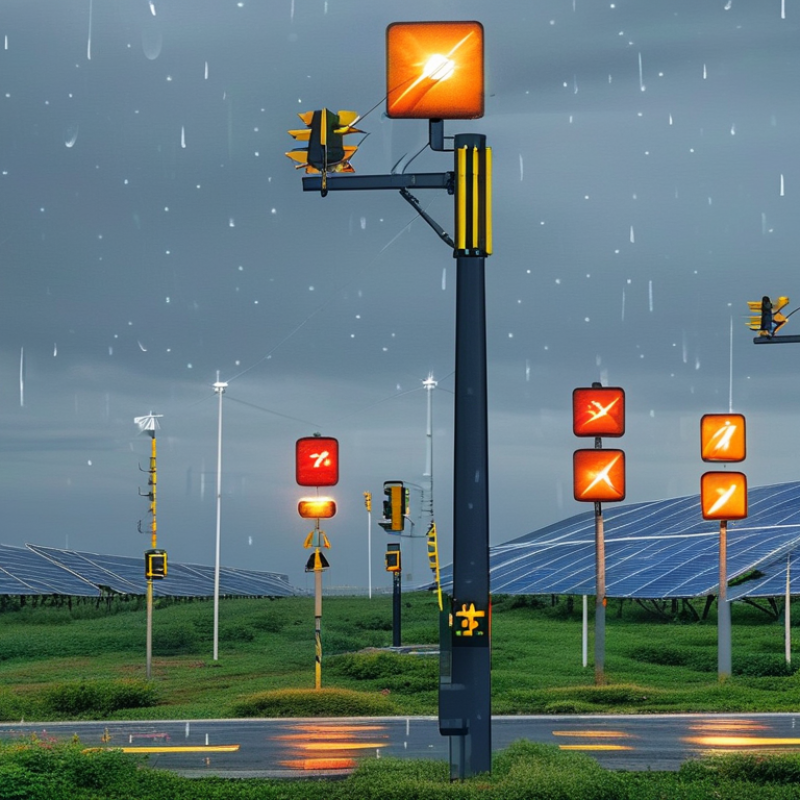
20 Tips to Choose Between Solar and Grid Powered Traffic Lights?

Factors to Consider When Choosing Traffic Light Power Sources

When choosing between solar and grid-powered traffic lights, several factors should be taken into account. Energy efficiency is crucial. Solar lights depend on sunlight, making them ideal for areas with consistent sunshine. However, in regions with frequent rain or snow, their effectiveness may diminish. Grid-powered lights provide a reliable energy source, but they can lead to higher energy costs over time.

Cost-effectiveness is another important aspect to weigh. Solar traffic lights often require higher initial investments but can save on electricity bills. Installation may be simpler in remote locations, where grid access is limited. On the other hand, the consistency of grid lights can reduce maintenance needs, which may balance out their upfront cost.

Reliability is a significant factor as well. Solar lights may not function during cloudy days or at night without sufficient stored energy. Conversely, grid-powered lights can fail due to outages, making them vulnerable during storms. It’s essential to assess the specific conditions in each area and consider the importance of continuous functionality for road safety. Balancing these practicalities with environmental impacts is key to making an informed decision.

Comparison of Energy Sources for Traffic Lights

Comparing Solar and Grid-Powered Traffic Lights: Efficiency and Cost

When comparing solar and grid-powered traffic lights, efficiency is key. Solar traffic lights use photovoltaic cells to harness sunlight, converting energy into light. This independence from the grid offers flexibility in installation. Many municipalities opt for solar lights in remote areas, where power lines are costly. Yet, efficiency can vary based on geographic location. Regions with less sunlight may struggle to provide adequate power. This consideration can make or break the effectiveness of solar solutions.

Cost is another critical factor. Initial installation of solar traffic lights might be higher than grid options. However, the long-term savings on electricity bills can make solar lights more appealing. Maintenance costs differ as well, with solar systems often requiring fewer repairs. On the other hand, grid systems can incur ongoing utility costs that add up. Yet, reliability issues arise during power outages with traditional grid solutions. These challenges prompt cities to weigh their options carefully, reflecting on specific needs and budgets. The decision isn’t always straightforward and requires deep analysis.

Environmental Impact of Solar vs. Grid Power for Traffic Lights

The environmental impact of traffic lights is a crucial consideration in urban planning. Solar-powered traffic lights can significantly reduce carbon emissions. According to a report by the U.S. Department of Energy, solar panels can save up to 1,500 pounds of CO2 per year compared to traditional grid power. This figure illustrates the tangible benefits that solar technology can offer in promoting sustainability.

Additionally, solar lights are typically more energy-efficient. They harness sunlight during the day, which minimizes reliance on fossil fuels. This shift can lower the operational costs associated with electricity consumption. However, one must consider intermittent sunlight exposure in some regions. This variability could potentially lead to reliability issues during cloudy periods or extended winter.

Contrastingly, grid-powered traffic lights ensure consistent performance regardless of weather conditions. However, they contribute to higher greenhouse gas emissions due to their reliance on non-renewable energy sources. Research indicates that nearly 67% of the electricity in the U.S. is produced from fossil fuels. This reliance creates a notable environmental impact that cities must acknowledge when selecting their traffic light systems. Decision-makers must balance these factors, weighing the environmental benefits against the reliability of power sources.

Maintenance Requirements for Solar and Grid Traffic Light Systems

When considering the maintenance of solar and grid-powered traffic light systems, it's important to analyze their unique requirements. Solar traffic lights depend on solar panels and batteries, which need regular inspections. Dust accumulation can reduce efficiency. Battery health is also crucial; they typically need replacement every 3 to 5 years. This maintenance can be labor-intensive and may lead to downtime if not managed properly.

On the other hand, grid-powered traffic lights usually require less frequent maintenance. They are directly connected to the power grid, which often results in lower technician visits. However, they are not immune to issues. Power outages can disrupt their operation. Additionally, the lighting fixtures can experience wear and tear, necessitating bulb replacements. This can lead to unscheduled maintenance.

Both systems have their strengths and weaknesses. Budget limitations might restrict your maintenance capabilities. Inspecting both types regularly is essential. The expectation should be to allow for some unpredicted issues. With solar systems, ensure the location receives adequate sunlight year-round. For grid systems, explore the reliability of local power sources. Each choice has implications that warrant careful consideration.

20 Tips to Choose Between Solar and Grid Powered Traffic Lights

Aspect Solar Powered Traffic Lights Grid Powered Traffic Lights
Initial Cost Higher due to solar panels Lower installation cost
Maintenance Frequency Lower, less frequent repairs Higher, more regular checks needed
Energy Source Renewable solar energy Grid electricity
Environmental Impact Minimal, reduces carbon footprint Varies, depends on energy source
Installation Time Quick, no grid connection needed Longer, requires grid tie-in
Power Outages Not affected by grid failures Out of service during outages
Longevity 20-25 years for solar units 15-20 years on average
Aesthetics Can blend in with the environment Standard designs, may not blend well
Installation Location Ideal for remote areas Best for urban settings
Battery Backup Integrated, usually included Depends on installation choices

Understanding Local Regulations and Incentives for Traffic Light Choices

When considering the installation of traffic lights, understanding local regulations is crucial. Different regions have specific guidelines regarding traffic signal types. For instance, the Federal Highway Administration highlights the importance of compliance with safety standards. Traffic lights must meet particular visibility and functionality requirements. Non-compliance could lead to costly delays or fines.

Incentives also play a significant role in the decision-making process. Some municipalities offer financial incentives for installing solar-powered options. According to the National Renewable Energy Laboratory, local governments have saved up to 30% on energy costs by opting for solar technology. Additionally, these choices can enhance sustainability goals. However, not all regions provide such incentives, leading to disparities in available options.

Ultimately, the choice between solar and grid power requires thorough evaluation. Local regulations and incentives can vary widely. Investigating these elements can determine the best approach. Community engagement is essential when making these decisions. Gathering feedback can ensure that the selected traffic lights meet local needs while adhering to regulations.

FAQS

: What should I consider when choosing traffic light power sources?

: Consider energy efficiency, cost-effectiveness, and reliability. Each factor impacts overall performance.

How do solar traffic lights work in different weather conditions?

Solar lights rely on sunlight. Their effectiveness may drop during rainy or snowy days.

Are solar traffic lights cost-effective?

They have a higher initial investment but can reduce long-term electricity costs.

What about grid-powered traffic lights?

They offer reliability but can increase overall energy expenses over time, especially during outages.

How does environmental impact factor into traffic light choices?

Solar lights reduce carbon emissions, while grid lights increase reliance on fossil fuels.

Can solar traffic lights function at night?

Yes, but only if they have sufficient energy stored from sunlight.

What challenges do grid-powered lights face?

They may fail during power outages and storms, affecting road safety.

Is maintenance different for solar and grid lights?

Grid lights may require less maintenance, but solar lights can be easier to install in remote areas.

How much CO2 can solar traffic lights save?

They can save about 1,500 pounds of CO2 annually compared to traditional grid systems.

Should I prioritize sustainability over reliability?

It depends on local conditions. Balancing both aspects is crucial for effective traffic management.

Conclusion

When considering how to choose between solar and grid-powered traffic warning lights, several key factors must be taken into account. These include the efficiency and cost of each power source, where solar lights might offer long-term savings despite higher initial investments, while grid-powered options often provide consistent performance with lower upfront costs. Additionally, the environmental impact of solar energy can be a significant advantage, as it reduces reliance on non-renewable resources.

Maintenance requirements also play a crucial role, with solar traffic lights typically needing less frequent upkeep than their grid-powered counterparts. Finally, understanding local regulations and potential incentives can influence the decision, as some regions may favor solar installations for sustainability goals. By carefully weighing these factors, decision-makers can effectively determine the most suitable option for their traffic light systems.

Charlotte

Charlotte

Charlotte is a seasoned marketing professional with a deep understanding of the company's portfolio and a passion for elevating its presence in the market. With a keen eye for detail and a commitment to excellence, she ensures that our professional blog is regularly updated with insightful articles......