In recent years, the demand for sustainable energy solutions has surged. Street lighting powered by solar energy stands out as an efficient option. However, understanding how to calculate solar panel and battery size for street lights is crucial for success. According to a report by the International Renewable Energy Agency (IRENA), solar-powered street lights can reduce energy costs by up to 50% compared to traditional lighting.
Expert in solar energy systems, Dr. Emily Richards, emphasizes, “Proper sizing of solar panels and batteries is essential to ensure reliability and efficiency.” Her insights guide many in the industry, illustrating that even small miscalculations can lead to inadequate lighting or excessive costs. When designing a solar street light system, key factors include local sunlight availability, energy consumption of the lights, and the duration of usage.
Determining the right size requires a nuanced approach. Each project might present unique challenges. Professionals must consider variable weather patterns and seasonal changes. With the right calculations, solar street lights not only illuminate areas but also support environmental goals. However, the journey is one of learning, optimizing, and sometimes rethinking established norms. Understanding how to calculate solar panel and battery size for street lights is a pivotal step in this evolving field.
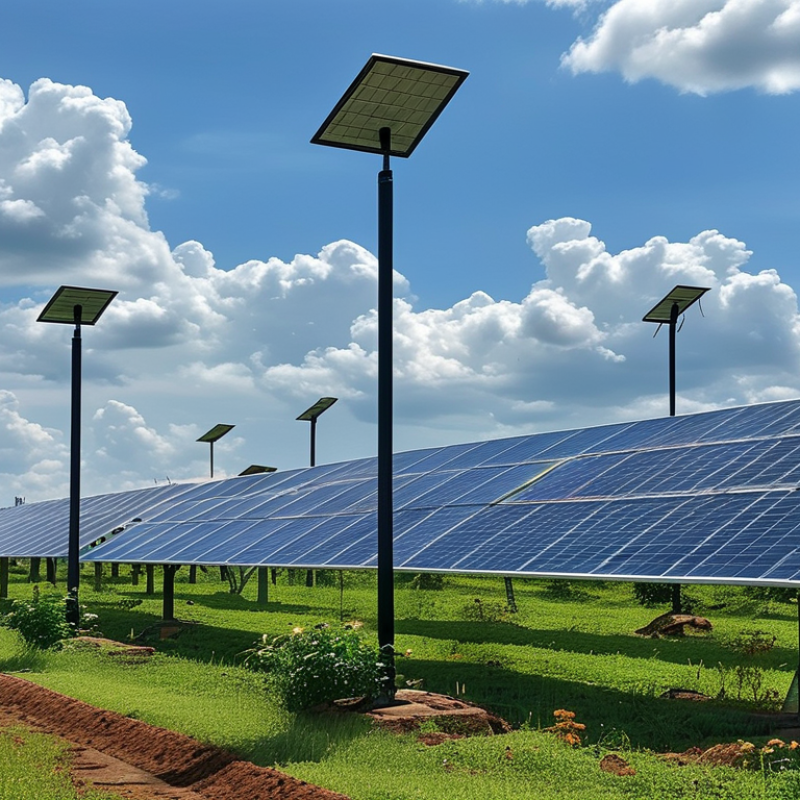
Understanding the Energy Requirements of Street Lights in Different Locations
When calculating the necessary solar panel and battery size for street lights, understanding energy demands is crucial. Different locations have varying light durations and weather patterns. For instance, areas with frequent cloudy days might require larger battery storage to ensure consistent operation. Additionally, street lights in urban areas need to consider higher brightness levels due to traffic and pedestrian safety.
Tips for assessing energy needs:
- Measure average sunlight hours for your location.
- Calculate the wattage required for the street lights.
- Consider future maintenance or scalability options.
Evaluate
peak usage times. Rural areas may have fewer hours of use, affecting battery size. Alternatively, city lights might be on all night, requiring a stable power supply. Observing local energy standards can also provide insight into selecting the right solar configuration. Assess the environmental impact with care;
efficient systems can significantly reduce energy waste.
Tips for installation:
- Choose appropriate mounting heights for optimal sun exposure.
- Factor in seasonal changes in daylight.
- Plan for future technology advancements in solar panels and batteries.
Balancing energy input and output is vital. Regularly review performance to ensure light quality. Be prepared to adjust configurations as technology and energy needs evolve.
Determining Daily Solar Energy Production Based on Geographic Factors
When planning solar panel installations for street lights, geographic factors play a significant role. Different locations receive varying amounts of sunlight throughout the year. For instance, areas near the equator may experience consistent sunlight, while regions further north or south have seasonal variations. Understanding these differences is crucial in determining the optimal solar panel size.
You also need to consider local weather patterns. Cloud cover, rain, and snow can influence solar energy production daily. Cities with frequent cloudiness will have lower energy outputs than sunnier locations. This variability necessitates careful analysis of historical weather data to predict actual energy production accurately.
A common oversight is underestimating the impact of shading. Tall buildings, trees, or even nearby light poles can block sunlight during certain times. This shading affects solar panel efficiency. Planning solar street lights without factoring this in could lead to insufficient energy supply. Ultimately, each project requires a tailored approach based on specific geographic and environmental conditions.
Calculating the Necessary Solar Panel Capacity for Street Lighting Systems
Calculating the necessary solar panel capacity for street lighting systems is crucial for efficiency. Generally, a typical LED street light consumes about 50 watts. To determine the solar panel size, consider the average sun hours your location receives. For example, areas with five sun hours daily require a solar panel of at least 100 watts to ensure adequate energy production.
Battery capacity also plays a vital role in maintaining functionality. A commonly recommended guideline is to have a battery that can hold three to four days of energy storage. If your light uses 50 watts, then for three days, you would need a battery capacity of around 600-800 watt-hours. This ensures that your street lights run smoothly, even during cloudy days or inclement weather.
Tips: Monitor the system performance regularly. Check if solar panels are clean and functioning optimally. Re-evaluate your energy needs annually. Seasonal changes can affect sunlight availability significantly. Incorporating reliable data from industry reports is crucial. Many studies emphasize the need for precise calculations to enhance renewable energy installations. Assess your location and local conditions, as they greatly influence solar panel efficiency and battery requirements.
How to Calculate Solar Panel and Battery Size for Street Lights?
| Specification |
Value |
Unit |
| Average Daily Usage |
5 |
hours |
| Wattage of Street Light |
30 |
W |
| Total Daily Wattage |
150 |
Wh |
| Peak Sunlight Hours |
5 |
hours |
| Required Solar Panel Size |
30 |
W |
| Battery Capacity Required |
300 |
Wh |
| Number of Batteries (12V) |
1 |
unit |
Sizing Battery Storage to Ensure Reliable Nighttime Operation of Street Lights
Choosing the right battery size for solar street lights is essential for consistent nighttime operation. The key is to ensure the battery can store enough energy during the day. This stored energy must be enough to power the lights throughout the night. Factors such as the light's wattage, the required runtime, and the average sunlight hours per day play significant roles in this calculation.
For instance, if a street light consumes 15 watts and needs to run for 10 hours, it requires 150 watt-hours each night. Taking into account an average of 5 sunlight hours, the solar panel must produce at least 30 watts per hour to charge the battery adequately. A common mistake is underestimating nighttime use or overestimating solar generation. This can lead to battery drain, leaving lights dim or off when needed most.
Moreover, battery efficiency is a crucial factor. Not all energy stored can be retrieved effectively. Therefore, planning for some energy loss is necessary. As a reflexive measure, consider local weather conditions and potential obstructions that might limit sunlight exposure. This ensures reliability during adverse conditions and emphasizes the importance of thorough site analysis.
Factors Affecting Solar Panel and Battery Efficiency in Street Lighting Applications
When calculating the size of solar panels and batteries for street lights, several factors come into play. The local climate significantly impacts efficiency. Areas with consistent sunlight are ideal. However, regions with frequent rain or cloud cover may require larger solar arrays and battery storage.
Battery capacity is equally essential. It must store enough energy to power the lights during extended periods of low sunlight. Consider not only the size but also the battery type. Lithium-ion batteries may offer higher efficiency but can be more expensive upfront. Lead-acid batteries are cheaper but may require more frequent replacements.
Tips: Conduct a site survey. Assess sunlight exposure throughout the year. This can help gauge how much energy the panels need to produce. Regular maintenance checks on the solar panels can enhance their efficiency. A clean panel absorbs more sunlight.
Additionally, the angle of the solar panels matters. Panels should be positioned to maximize exposure to the sun. Adjusting the tilt based on seasonal changes can optimize performance. Experimentation may be necessary to find the best setup for your location. Every small detail can significantly impact the overall effectiveness of the street lighting system.
Conclusion
This article explores how to calculate solar panel and battery size for street lights, emphasizing the importance of understanding energy requirements based on diverse geographic locations. It discusses how to determine daily solar energy production by considering local factors, which influences the efficiency of the system.
Further, the article outlines the process of calculating the necessary solar panel capacity for effective street lighting systems. It addresses the need for proper battery sizing to ensure reliable nighttime operation, taking into account various factors that can impact solar panel and battery efficiency in practical applications. By thoroughly examining these aspects, the article provides a comprehensive guide for designing efficient solar street lighting systems.

 Lukas Lighting