Calculating the lux level requirements for outdoor parking lots is essential for safety and visibility. According to lighting expert Dr. Emily Carson, “Proper illumination transforms a parking lot into a safe environment.” Her insights guide us in understanding the significance of this calculation.
Determining how to calculate lux level requirements for outdoor parking lots involves various factors. These include the size of the lot, traffic patterns, and the type of activities taking place. For instance, a busy commercial parking area requires higher lux levels than a residential one.
Moreover, local regulations often set standards for minimum lux levels. Relying solely on these regulations may not suffice. Conducting a thorough analysis ensures compliance and safety. Remember, effective lighting enhances security and promotes confident use of the space, but overlooking these calculations can lead to significant risks.
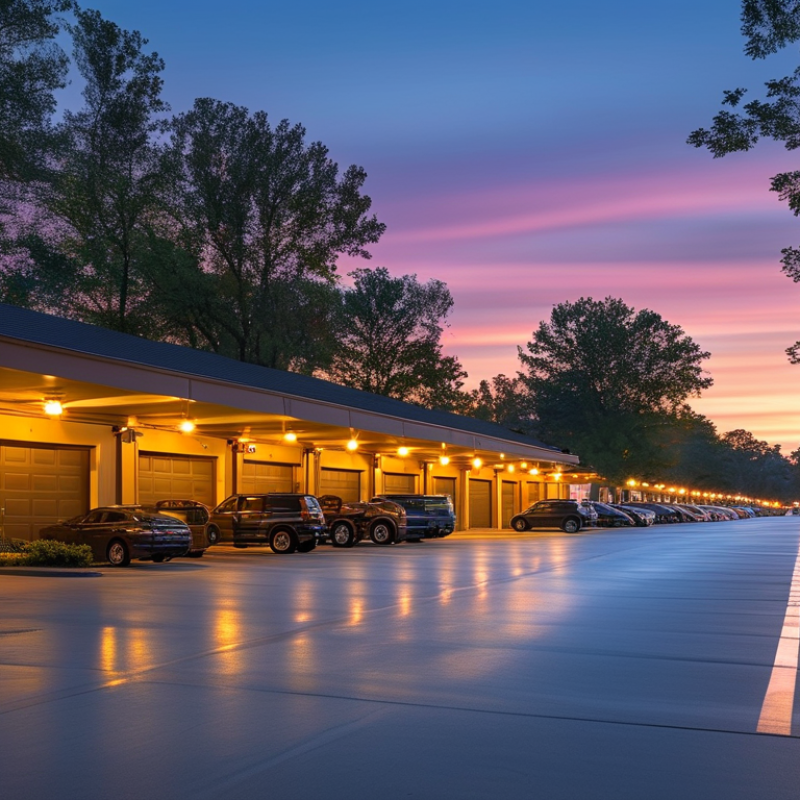
Lux level, a measurement of illumination, is crucial for outdoor parking lots. It determines how well-lit an area is, impacting safety and usability. Adequate lighting enhances visibility, making it easier for drivers and pedestrians to navigate. Insufficient lighting can lead to accidents or security issues.
The recommended lux levels depend on the parking lot's purpose. For general outdoor parking, around 20-50 lux is typically adequate. However, areas with higher foot traffic may require up to 100 lux. Achieving these levels often requires a mix of lighting types and strategic placement. It's essential to consider the specific layout and potential obstacles like trees or buildings, which can obstruct light.
Reflecting on this, one can find discrepancies in lighting even in well-planned lots. Shadows from structures can create dim spots. Regularly assessing lighting conditions helps identify such issues. It's necessary to balance illumination with energy efficiency, as excessive lighting can waste resources. Finding the right lux level is not just about brightness; it's about creating a safe and welcoming environment.
When determining lux level requirements for outdoor parking lots, several factors play a crucial role. Ambient light conditions significantly impact visibility. For instance, areas near large trees, buildings, or structures may have shadows affecting light distribution. The location's latitude also matters. In higher latitudes, daylight hours can vary greatly across seasons, influencing the necessary lighting.
Another important aspect is safety. The Illuminating Engineering Society (IES) recommends a minimum of 10-15 lux for parking lots. This is essential to ensure adequate visibility for drivers and pedestrians. However, additional considerations should be made for high-traffic areas, commercial lots, or locations with higher crime rates. These spaces might require lux levels of up to 30 lux to enhance security.
Finally, the type of activity conducted in the parking area influences its lighting needs. Spaces with more foot traffic or specialized functions may need enhanced illumination. For example, a lot frequently used for events may benefit from brighter lighting. Therefore, calculating lux requirements involves a careful assessment of environmental factors, safety concerns, and the specific use case of the area. Adjustments based on these elements can lead to more effective designs and improved safety for all users.
| Factor | Description | Recommended Lux Level (lx) |
|---|---|---|
| Traffic Volume | Higher traffic areas require more lighting for safety. | 75-100 |
| Parking Lot Size | Larger lots may need more distributed lighting. | 50-70 |
| Security Concerns | Areas with higher theft or vandalism rates require brighter lighting. | 100-150 |
| Location | Urban areas often need more lighting due to surrounding light pollution. | 80-120 |
| Type of Use | Different uses (e.g., general, event parking) impact required lux levels. | 60-90 |
| Lighting Type | LEDs vs. traditional lights can affect perception of brightness. | 70-110 |
Calculating the lux level requirements for outdoor parking lots is crucial for safety and security. The first step is to determine the intended usage of the area. This includes factors like traffic flow and pedestrian activity. You should assess if the lot is primarily for vehicles or if it accommodates foot traffic.
After establishing usage, begin measuring the dimensions of the parking lot. Divide the area into sections to simplify the calculations. Next, you want to understand the recommended lux levels based on your specific needs. For most outdoor parking lots, a typical illumination level ranges from 10 to 20 lux.
Using a lux meter, take readings at various points throughout the lot. Ensure that the selected points represent high-traffic areas. It's important to note that local regulations might dictate specific lux requirements. Illuminate dark spots to enhance safety. Finally, reflect on the adequacy of your lighting plan, considering feedback from users and the effectiveness of current setups.
When determining the lux level requirements for outdoor parking lots, regulatory bodies provide several standards to ensure safety and efficiency. The Illuminating Engineering Society (IES) and local safety regulations recommend specific lux levels based on usage. For instance, the lux level for a typical parking lot might range from 10 to 20 lux for general use. However, areas with higher traffic or more complex navigation could require up to 50 lux.
Tips: It is crucial to regularly review the conditions of your parking lot. Are there dark spots that might pose safety issues? Conduct periodic assessments during different times of the day to identify any lighting gaps.
In some cases, poorly lit areas can lead to accidents or theft, which underscores the importance of adequate lighting. It’s essential to understand that not all parking lots have the same requirements. Factors like location, frequency of use, and design all play a role.
Tips: Consider engaging with lighting professionals to evaluate your specific needs. This could prevent overlooking critical areas that require more attention, ensuring a safer environment for all users.
Optimizing lux distribution in outdoor parking lots is crucial for safety and usability. Consider the layout carefully. Different areas may require varying lux levels for visibility and security. For instance, high-traffic zones need more light than less-used spots. Use precise calculations based on the area’s size and intended use.
Advanced techniques like lighting simulations can help visualize how light disperses in the space. These simulations allow for adjustments before installation. They can reveal potential dark spots that may go unnoticed. Installation of smart lighting systems can also be effective. These systems adjust brightness based on real-time needs, which saves energy and increases efficiency.
Regular assessments are essential. Check lux levels periodically to ensure compliance with established standards. Adjustments might be necessary as landscaping grows or as usage patterns change. Getting input from users can provide valuable insights. Sometimes, a perfect plan may need tweaks after real-world testing. Remember, a well-lit parking lot fosters a sense of security among users.
: Lux levels measure illumination, impacting safety and usability. Adequate lighting enhances visibility for drivers and pedestrians.
General outdoor parking usually requires 20-50 lux. High-traffic areas may need up to 100 lux for safety.
Ambient light, shadows from trees, and building placements affect visibility. Location’s latitude also changes daylight hours seasonally.
A minimum of 10-15 lux is recommended to ensure safety. High traffic or crime areas may need up to 30 lux.
Assess layouts where high-traffic zones need more light. Use calculations and simulations to plan effective lighting placements.
Regular checks help identify compliance and detect issues like growth in landscaping affecting light distribution.
Smart lighting adjusts brightness based on real-time needs. This saves energy while enhancing safety and usability.
Yes, user input provides insights for adjustments. Plans may need tweaks after testing in real-world scenarios.
Insufficient lighting can lead to accidents or security issues, affecting overall safety for all users.
Areas with more foot traffic generally need brighter lighting. Events or specialized functions call for enhanced illumination.
Calculating lux level requirements for outdoor parking lots is crucial for ensuring safety and visibility. A lux level is a measure of illumination that determines how well an area is lit, and it significantly impacts the user's perception of security. Factors influencing these requirements include the parking lot's size, layout, typical usage patterns, and local regulations.
To understand how to calculate lux level requirements for outdoor parking lots, one must follow a systematic process that includes assessing specific lighting needs based on the area features and the presence of potential hazards. Regulatory bodies typically recommend certain lux level standards to promote safety and comfort. Additionally, advanced techniques can be employed to optimize light distribution, ensuring uniform illumination throughout the parking area. Understanding these concepts not only enhances the parking experience but also complies with safety regulations.

Lukas Lighting