2026 Best Tips to Design High Mast Lighting for Container Terminals?

Time:2026-07-04 Author:Isabella
0%

High mast lighting plays a critical role in enhancing safety and efficiency at container terminals. According to the International Maritime Organization, efficient lighting can reduce accidents by up to 30%. With the increasing demand for container handling, understanding how to design high mast lighting for a container terminal is vital for operational excellence.

Effective design combines various elements, including fixture selection, mounting height, and layout. Optimal light distribution ensures visibility across the entire terminal area. Reports by the U.S. Department of Transportation emphasize that poor lighting increases operational risks and delays. Each terminal’s unique layout requires tailored solutions. Standard approaches might not suffice.

Attention to detail is crucial. Consideration of local weather conditions and energy efficiency can impact maintenance costs and visibility. Industry experts recommend regular assessments to adapt designs to changing needs. Continual improvement in lighting design is essential, as technology and operational requirements evolve. Fostering a culture of safety and efficiency should guide terminal operations and lighting designs.
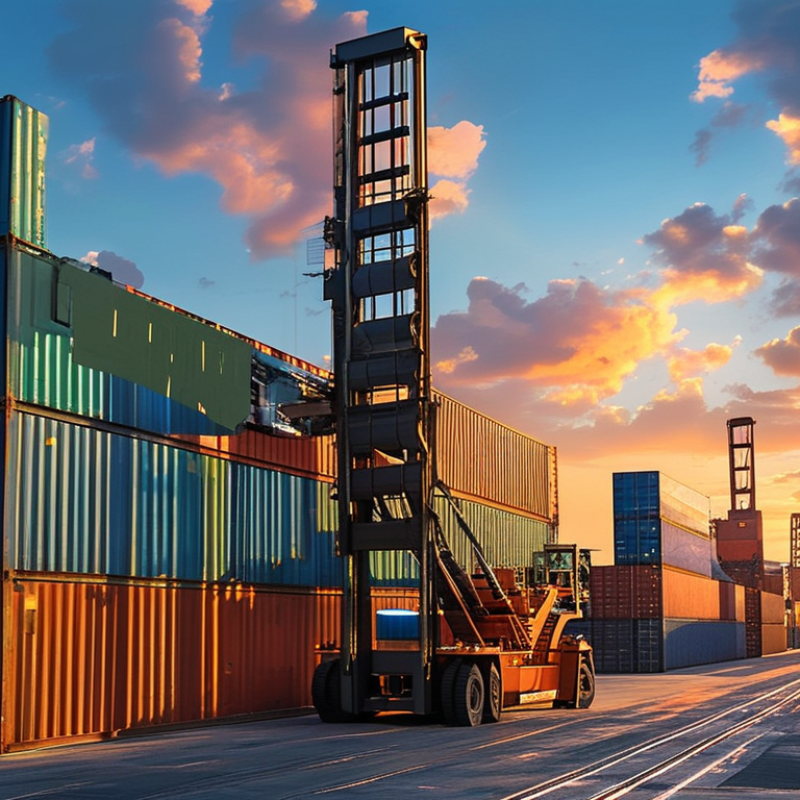
2026 Best Tips to Design High Mast Lighting for Container Terminals?

Key Factors to Consider in High Mast Lighting Design for Terminals

When designing high mast lighting for container terminals, several key factors must be considered. The layout of the terminal plays a significant role. Understanding the flow of operations helps determine lighting needs. Properly illuminating pathways and loading areas can enhance safety and efficiency.

Another important aspect is the choice of lighting technology. LED fixtures are commonly used due to their efficiency and longevity. However, they may not be suitable for all situations. Evaluating factors like color temperature and lumen output is essential. Lighting must provide visibility without causing glare or shadows.

Adding to these considerations, maintenance is crucial. High mast lights require regular checks for functionality and cleanliness. Neglecting this can lead to unexpected outages. Creating a maintenance schedule is a good practice that can prevent problems down the line.

Ensuring compliance with local regulations cannot be overlooked. Standards may vary, and staying informed is vital. A thorough understanding of these guidelines can save time and avoid costly errors during installation. Each of these aspects contributes to a practical and effective high mast lighting design.

2026 Best Tips to Design High Mast Lighting for Container Terminals

Factor Importance Recommendation
Light Distribution High Use LED fixtures for even distribution.
Pole Height Medium Optimal height of 20-30 meters for effective illumination.
Energy Efficiency High Implement smart lighting controls to reduce energy use.
Maintenance Medium Plan for easy access to fixtures for routine checks.
Environmental Impact High Select eco-friendly materials and minimize light pollution.
Compliance Standards High Ensure design meets local and international regulations.
Lighting Color Temperature Medium Choose a color temperature around 4000K for clarity.
Safety Considerations High Include automatic shut-off systems for emergencies.

Understanding the Importance of Proper Light Distribution in Container Yards

Proper light distribution is crucial in container terminals. It directly impacts safety and efficiency. Research indicates that nearly 70% of all terminal accidents occur during nighttime operations. Inadequate lighting can lead to increased risks for workers and damaged cargo. A recent study from the International Maritime Organization found that optimally designed lighting reduces accidents by about 30%.

High mast lighting systems can enhance visibility. These systems, when strategically placed, minimize shadows and eliminate dark spots. They can illuminate large areas effectively. The spacing of light poles is another vital consideration. Poorly planned layouts result in uneven light distribution, affecting operational performance. It's not just about brightness; uniformity is necessary for safe navigation.

Continuous assessment and adjustment of lighting can yield significant improvements. Many terminals overlook routine evaluations. Regular audits of light levels help maintain safety standards. A terminal that underperforms in light distribution is at greater risk of accidents. It’s essential to prioritize reliable lighting solutions to support sustainability and operational longevity.

Choosing the Right LED Fixtures for Energy Efficiency and Longevity

Selecting the right LED fixtures for high mast lighting in container terminals is crucial. Energy efficiency and longevity are key factors. According to industry reports, LED lighting can reduce energy consumption by up to 70% compared to traditional lighting solutions. This makes them an attractive option for large-scale installations.

When designing lighting systems, consider lumen output. High mast lights should provide sufficient illumination for safety without causing glare. A 2019 study highlighted that poor visibility accounts for 30% of accidents in terminals. Enhancing light distribution can mitigate these risks, ensuring that container stacking and unloading operations run smoothly.

Longevity is equally important. LED fixtures typically last up to 50,000 hours, significantly outpacing fluorescent bulbs, which average around 10,000 hours. However, the initial cost can be a hurdle. While the long-term energy savings are substantial, some operators might hesitate to invest upfront. Evaluating the total lifecycle cost can help in making a sound decision. Proper maintenance also plays a role; even the best fixtures need regular checks to ensure optimal performance.

Best Practices for Installation and Maintenance of High Mast Lighting

High mast lighting is essential for container terminals. Proper installation and maintenance ensure optimal performance and safety. Choose locations that provide maximum illumination across working areas. Understand the light distribution patterns to avoid dark spots. Each pole should be strategically placed to cover loading and unloading zones effectively. Utilize durable materials that withstand harsh weather conditions and frequent use.

Regular maintenance is critical for high mast lighting systems. Schedule inspections to check for wear and tear. Replace broken bulbs immediately. Neglecting these tasks can lead to safety hazards. Keep an eye on light output as well. Dim lighting can signal deeper issues. Document all maintenance practices and adjustments to track performance over time.

The use of technology can aid in efficient maintenance. Smart lighting systems can alert personnel to failures promptly. This proactive approach reduces downtime and enhances safety. Observing the effectiveness of these systems in real scenarios can highlight areas for improvement. Frequent reviews and feedback loops help refine practices, leading to better outcomes in lighting management.

Safety Standards and Regulations Impacting Container Terminal Lighting Design

High mast lighting design for container terminals requires careful consideration of safety standards and regulations. The International Maritime Organization (IMO) emphasizes the need for adequate lighting to ensure safe operations. According to the Occupational Safety and Health Administration (OSHA), poor lighting can lead to accidents. Up to 30% of workplace incidents are linked to inadequate visibility. Such statistics highlight the importance of compliance with safety regulations.

The Illuminating Engineering Society (IES) recommends specific illumination levels for container terminals. They suggest at least 30 foot-candles for general operations. This level enhances visibility for vehicle operators and dock workers alike. Additionally, lighting must comply with local regulations, which can vary significantly. Local codes often dictate fixture height and placement. Ignoring these can result in penalties and operational setbacks.

Moreover, ongoing maintenance of lighting systems is crucial. Regular assessments ensure compliance with changing standards. Organizations that overlook this may find themselves facing serious liability issues. Proper documentation of maintenance activities can safeguard against legal challenges. Addressing the imperfections in maintenance practices is vital in enhancing safety. By prioritizing these factors, container terminals can achieve a balance between operational efficiency and regulatory compliance.

2026 Best Tips to Design High Mast Lighting for Container Terminals

FAQS

: What factors are vital in high mast lighting design for terminals?

: The layout, lighting technology, maintenance needs, and compliance with regulations are key factors.

Why is the layout of the terminal important?

The layout helps determine where lighting is needed to improve safety and efficiency.

What type of lighting technology is commonly recommended?

LED fixtures are popular because they offer efficiency and longevity in lighting.

Can LED lights suit every terminal situation?

No, evaluating color temperature and lumen output is important for suitability.

How often should high mast lights be maintained?

Regular checks are essential to ensure functionality and prevent unexpected outages.

What is the recommended illumination level for terminals according to standards?

A minimum of 30 foot-candles is suggested for safe operations and visibility.

What could happen if local regulations are ignored?

Ignoring them can result in penalties and operational setbacks, impacting overall efficiency.

Why is documenting maintenance activities important?

Proper documentation protects against liability issues and ensures compliance.

What percentage of workplace incidents is linked to poor lighting?

Up to 30% of accidents can be attributed to inadequate visibility according to safety data.

What can improve safety practices in lighting maintenance?

Addressing imperfections in maintenance routines is crucial for enhancing safety overall.

Conclusion

Designing high mast lighting for a container terminal requires careful consideration of several key factors. Understanding the importance of proper light distribution is crucial, as it ensures adequate visibility throughout the container yard, enhancing safety and operational efficiency. When considering how to design high mast lighting for a container terminal, selecting the right LED fixtures is essential for achieving energy efficiency and longevity, which ultimately reduces operational costs.

Additionally, best practices for installation and maintenance play a vital role in the effectiveness of the lighting system. Regular maintenance checks and adherence to safety standards and regulations will not only optimize performance but also ensure compliance with industry guidelines. By focusing on these elements, terminal operators can create a well-lit environment that enhances safety and productivity while optimizing resource usage.

Isabella

Isabella

Isabella is a dedicated marketing professional with a sharp focus on driving brand growth and engagement through strategic content creation. With an extensive background in digital marketing, she combines her passion for storytelling with her keen understanding of industry trends to deliver......